Fictional Inventions That Became Reality
Science fiction has always done something peculiar to our minds. It plants seeds of possibility that engineers, scientists, and inventors can’t quite shake.
What seemed absurd on the page or screen decades ago now sits in your pocket or hangs on your wall. The gap between imagination and invention keeps shrinking.
The Pocket Computer That Fits in Your Hand
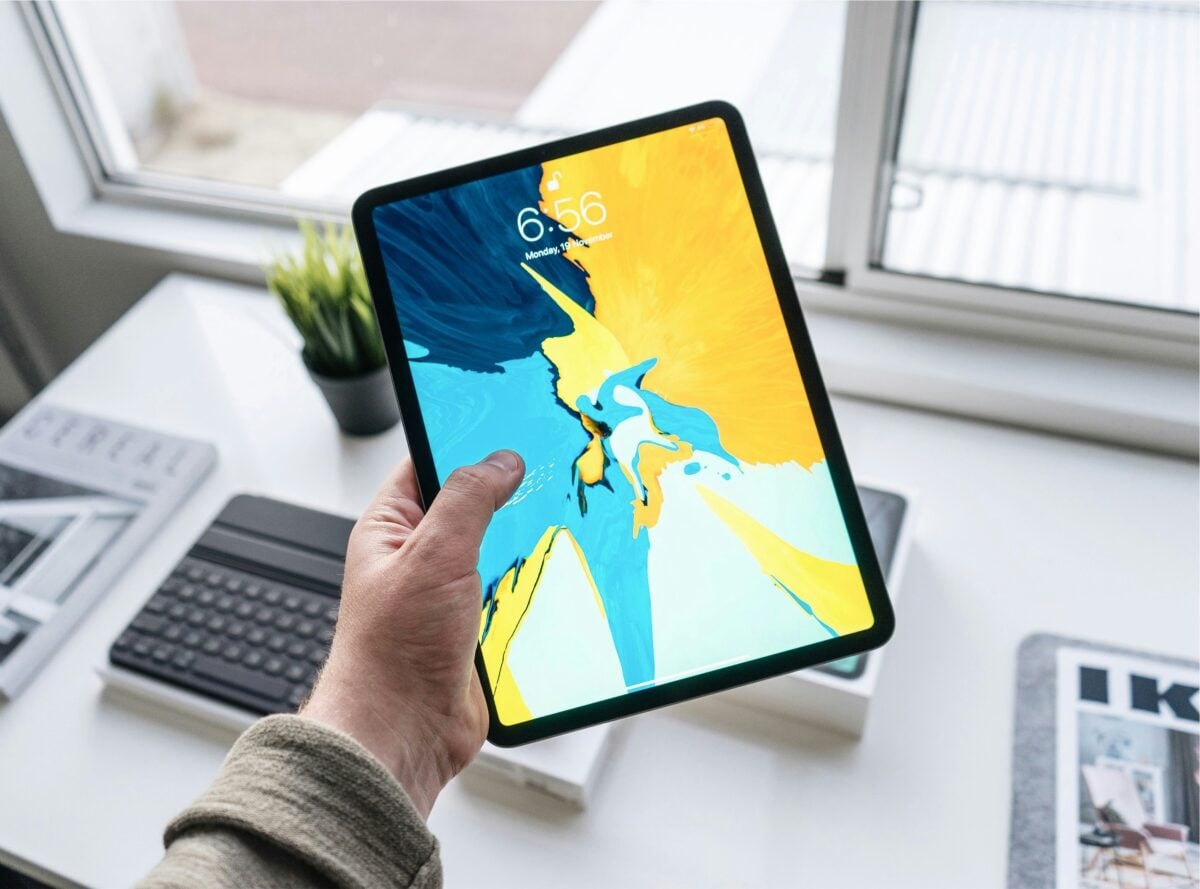
Captain Kirk had one in the 1960s. He’d pull out a small rectangular device and access the entire computer system of the Starship Enterprise.
Tablets showed up in Star Trek long before anyone thought they’d be practical. The iPad arrived in 2010, but the concept had been floating around science fiction for nearly fifty years.
Touch screens, portable computing, instant access to information—all of it imagined first, built later.
Talking Face-to-Face Across Continents
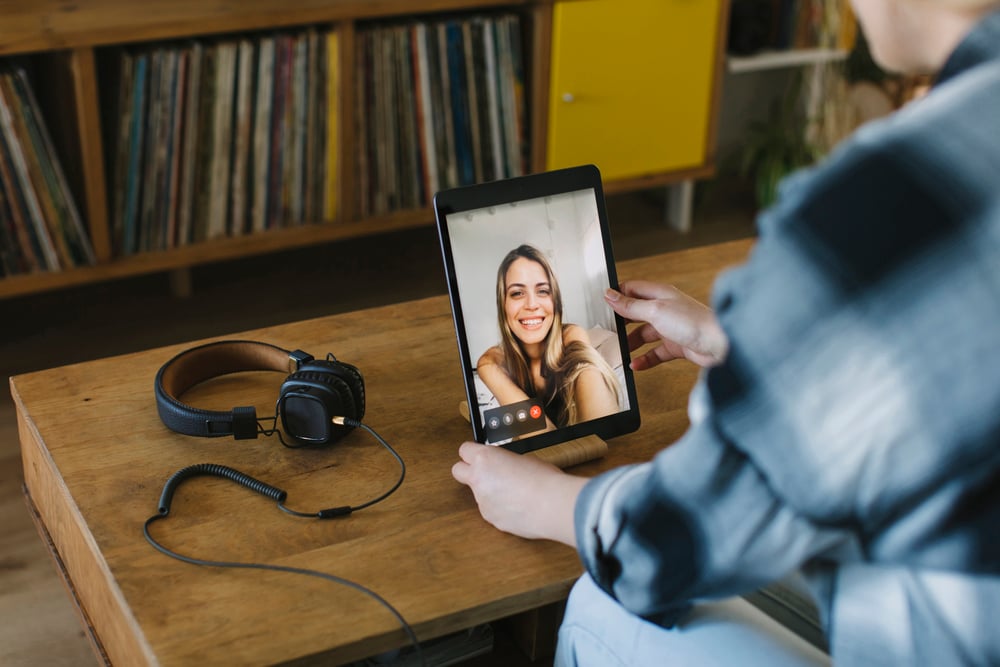
Video calls felt like pure fantasy for most of the 20th century. Yet writers kept putting them in their stories.
The Jetsons had video phones in their cartoon future. Arthur C. Clarke wrote about them. Kubrick showed them in 2001: A Space Odyssey.
Then suddenly, in the early 2000s, the technology caught up. Skype launched.
FaceTime followed. Now you can see your grandmother on another continent without thinking twice about the magic involved.
Vessels That Travel Beneath the Waves

Jules Verne described the Nautilus in Twenty Thousand Leagues Under the Sea in 1870. At the time, submarines existed only as clumsy experimental devices that barely functioned.
Verne imagined a sleek vessel that could travel vast distances underwater, with its own power source and advanced technology. Within decades, militaries around the world were building submarines that echoed his vision.
Nuclear-powered subs came later, making the dream even more real.
The Device That Replaced Phone Booths
Star Trek did it again with communicators. Those flip-open devices that let crew members talk to each other from anywhere looked ridiculous in the 1960s.
Phones were attached to walls or sat on desks with cords. The idea of carrying one around seemed wasteful. Motorola’s engineers didn’t think so.
They built the first mobile phone in 1973, and by the 1990s, flip phones dominated the market. The resemblance wasn’t accidental.
Wireless Sound Directly in Your Ears

Those same Star Trek episodes showed crew members wearing small wireless earpieces. They could hear communications clearly without any visible wires or bulky equipment. Bluetooth technology eventually made this common.
Earbuds evolved from wired annoyances to sleek wireless devices that disappear into your ear. The Uhura-style earpiece took about forty years to become reality, but it got there.
A Computer You Wear on Your Wrist
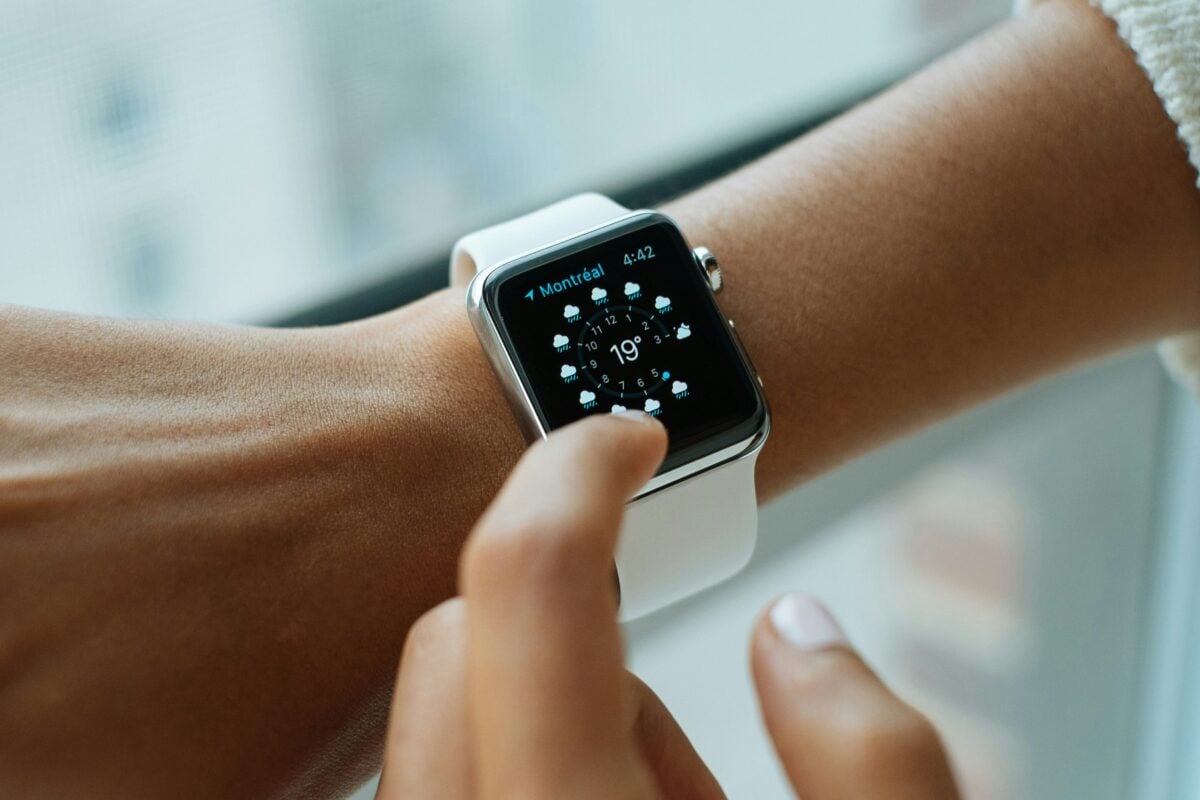
Tracy strapped a two-way wrist radio on his arm back in 1946, in the comic strips. Later versions showed him with a wrist TV and even a computer watch.
The idea seemed silly—watches told time, nothing more. But Apple released the Apple Watch in 2015, and suddenly people were checking messages, tracking their health, and making calls from their wrists.
Tracy would recognize it immediately.
Doors That Know When You’re Coming

Automatic sliding doors appeared in Star Trek’s Enterprise. Characters walked up to them and they just opened, smooth and effortless.
No handles, no pushing, no waiting. This one came true faster than most.
By the 1960s, grocery stores and airports started installing automatic doors. The sensors and mechanisms were different from what Star Trek showed, but the effect was identical.
Now you barely notice them.
A Weapon That Stops Without Killing
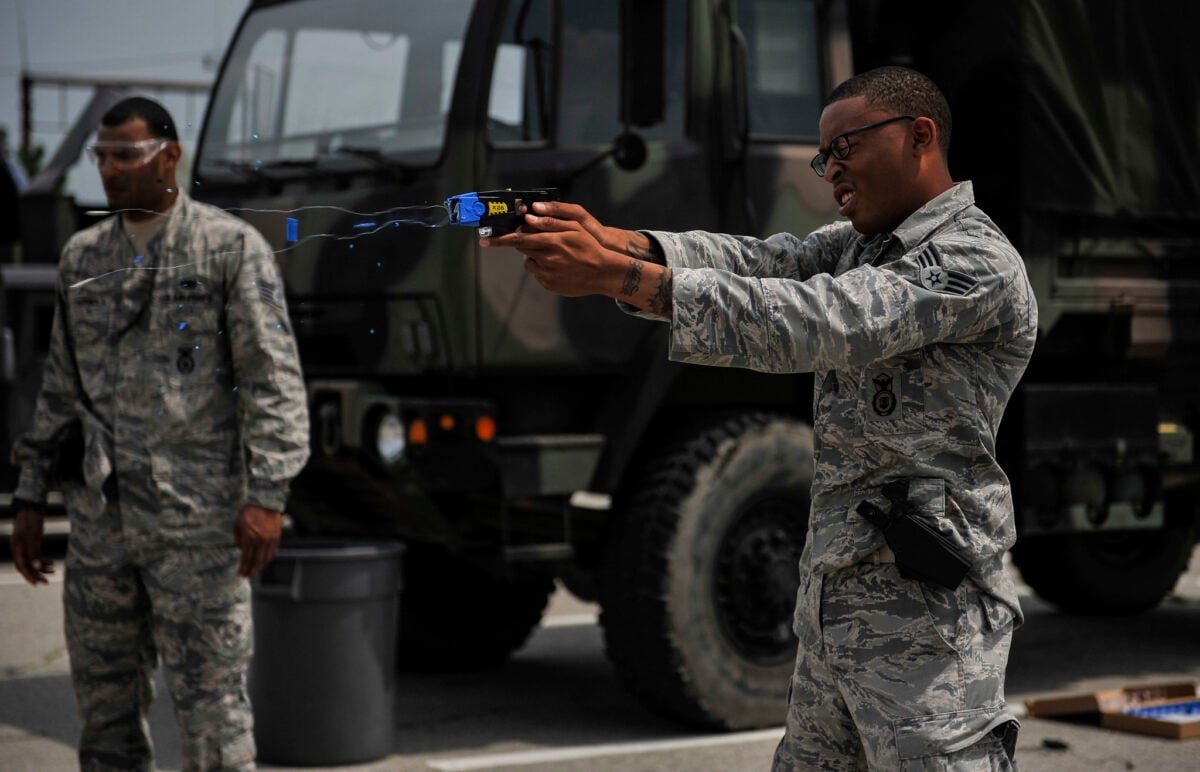
Jack Cover invented the Taser in 1974, naming it after a character from the Tom Swift novels he read as a kid—Thomas A. Swift’s Electric Rifle.
The books featured a fictional electric weapon that could incapacitate without lethal force. Cover wanted to create something similar for law enforcement. The modern Taser works differently than the fictional version, but the core concept came straight from those pulp adventure stories.
The technology uses electrical current to disrupt muscle function temporarily. Police departments worldwide now carry them as alternatives to lethal force.
The science fiction dream of a non-lethal weapon became standard equipment.
Paying for Things Without Physical Money

Edward Bellamy’s 1888 novel Looking Backward described a credit card system in his vision of the year 2000. Characters used cards issued by the government to make purchases without carrying cash.
The idea seemed fantastical in an era when people paid for everything with coins and paper money. Credit cards appeared in the 1950s, and by the 1970s, they’d become common.
Debit cards followed. Now physical money feels almost quaint.
Leaving Earth’s Atmosphere Entirely
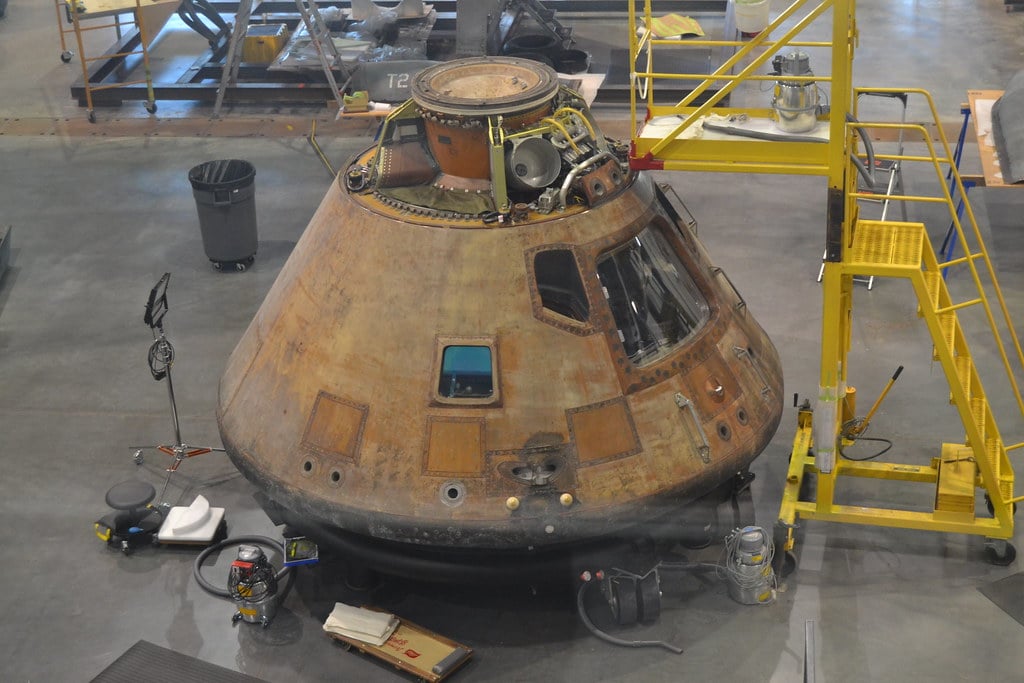
Jules Verne wrote From the Earth to the Moon in 1865, describing a spacecraft launched from Florida that circled the moon and returned to Earth. The details were surprisingly accurate—he got the launch location right, and many aspects of the physics.
A century later, Apollo 11 launched from Florida, circled the moon, and came back. The astronauts knew Verne’s work well. His fiction provided a roadmap.
Stepping Into Another World Without Leaving Your Room
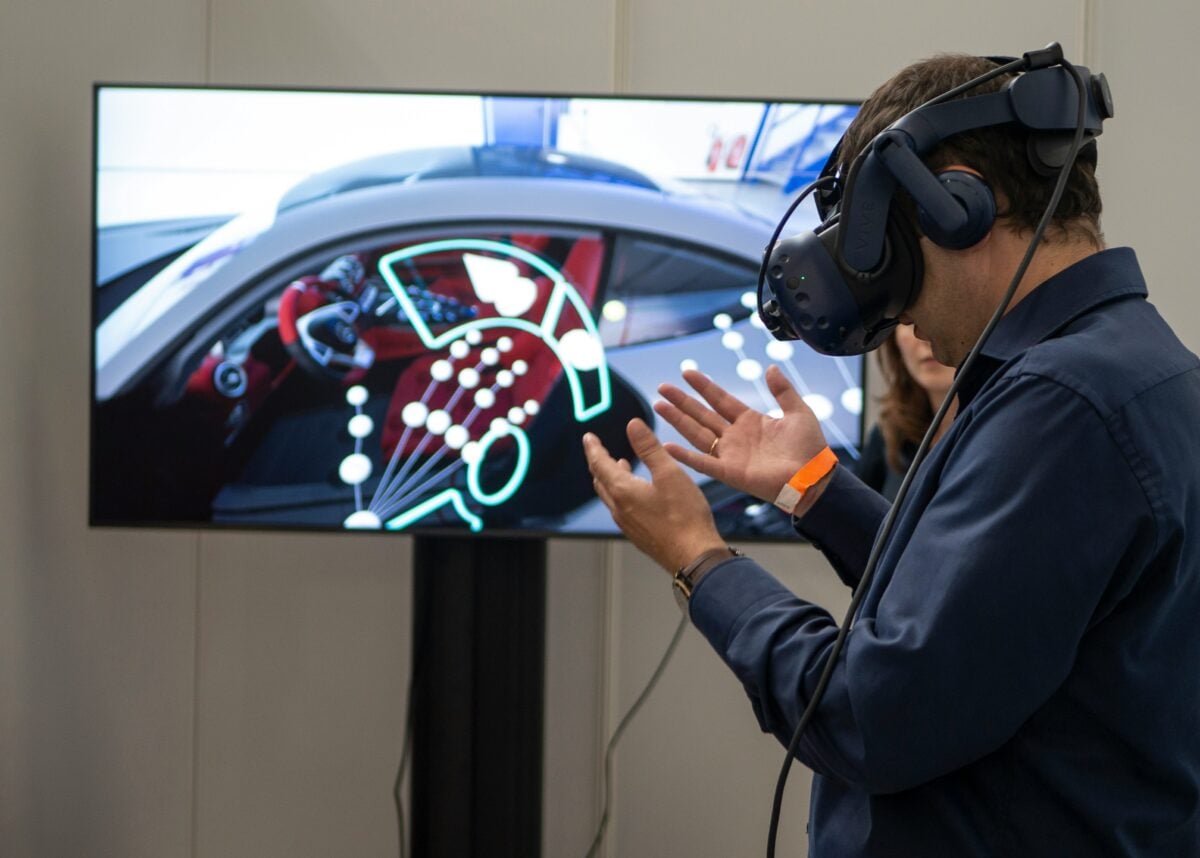
Virtual reality appeared in science fiction long before the technology existed. William Gibson coined “cyberspace” in Neuromancer. The Lawnmower Man showed people jacking into digital worlds.
These stories imagined complete immersion in computer-generated environments. VR headsets arrived in the 1990s, failed to catch on, then returned stronger in the 2010s.
The Oculus Rift, PlayStation VR, and similar devices now let you walk through digital spaces that feel increasingly real.
Replacement Limbs That Move Like Real Ones
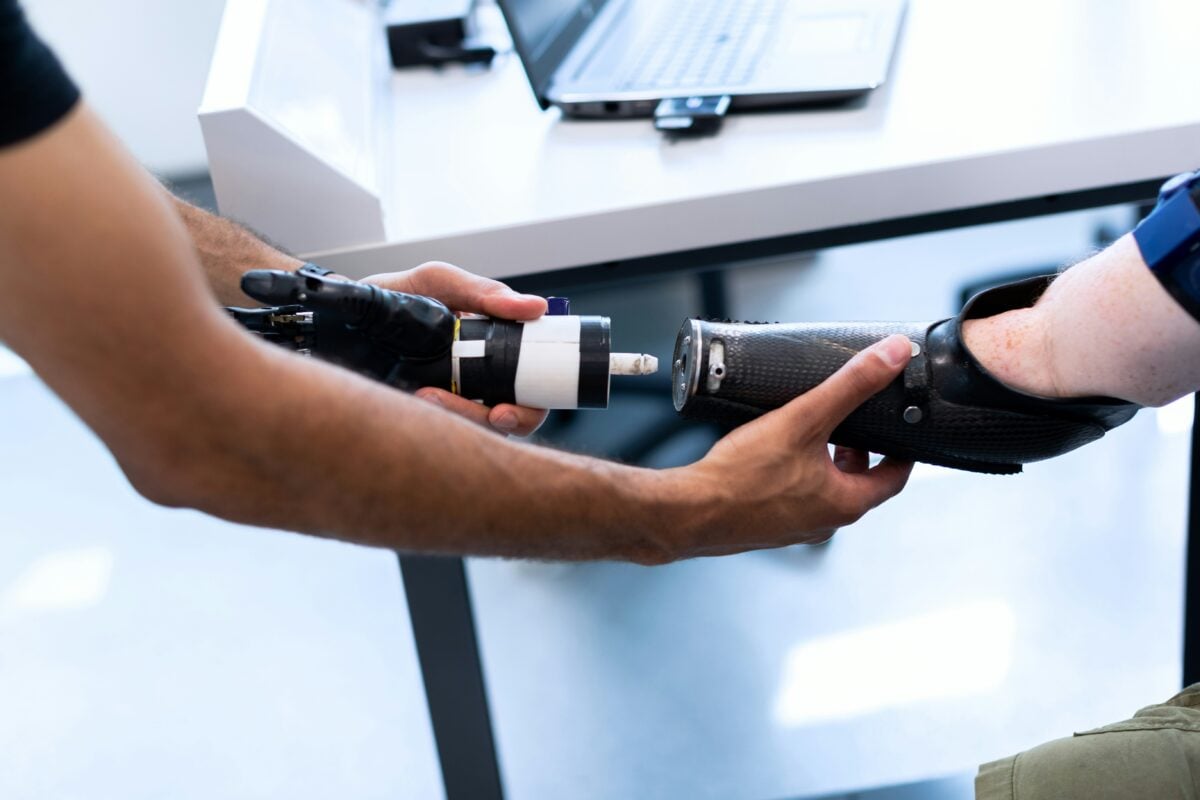
Science fiction has featured prosthetic limbs for decades—from Luke Skywalker’s artificial hand to countless cyborg characters. These fictional limbs moved naturally, responded to thought, and functioned better than the mechanical hooks and pegs that real amputees used. Medical science caught up slowly.
Modern prosthetics now use sensors that read muscle signals. Some connect directly to nerves.
People control robotic arms with their thoughts, grip objects with precision, and even feel sensations through artificial fingers.
Machines That Build Objects From Scratch
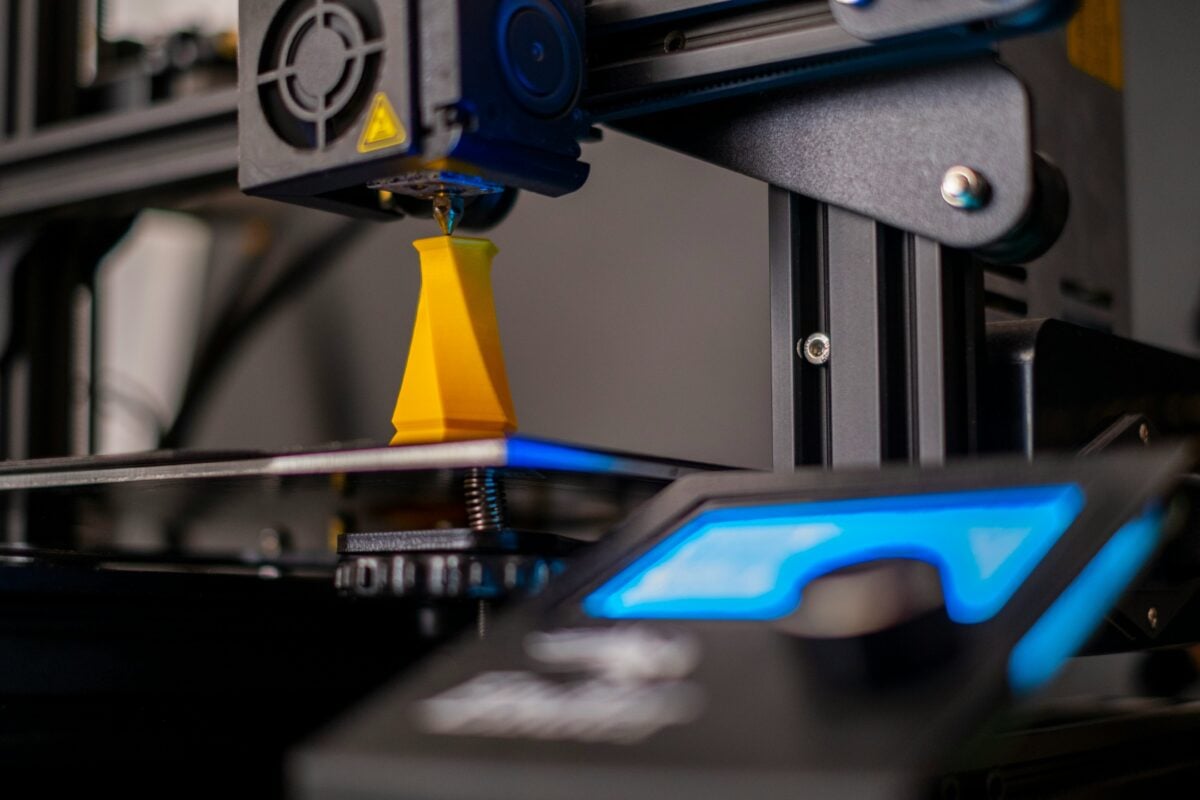
Star Trek’s replicators whipped up meals, gadgets, or broken bits whenever needed. Just name it – out pops the item.
3D printing? Not exactly sci-fi magic, yet surprisingly near.
Instead, these machines stack thin layers based on a digital plan. From spare gears to fake limbs, gear, or full shelters – they craft them all. NASA’s running these on the space station.
Medical folks create personalized implants with printing tech. That old replicator fantasy? It’s real – minus the flashy lights.
Talking to Your House Like It’s a Person
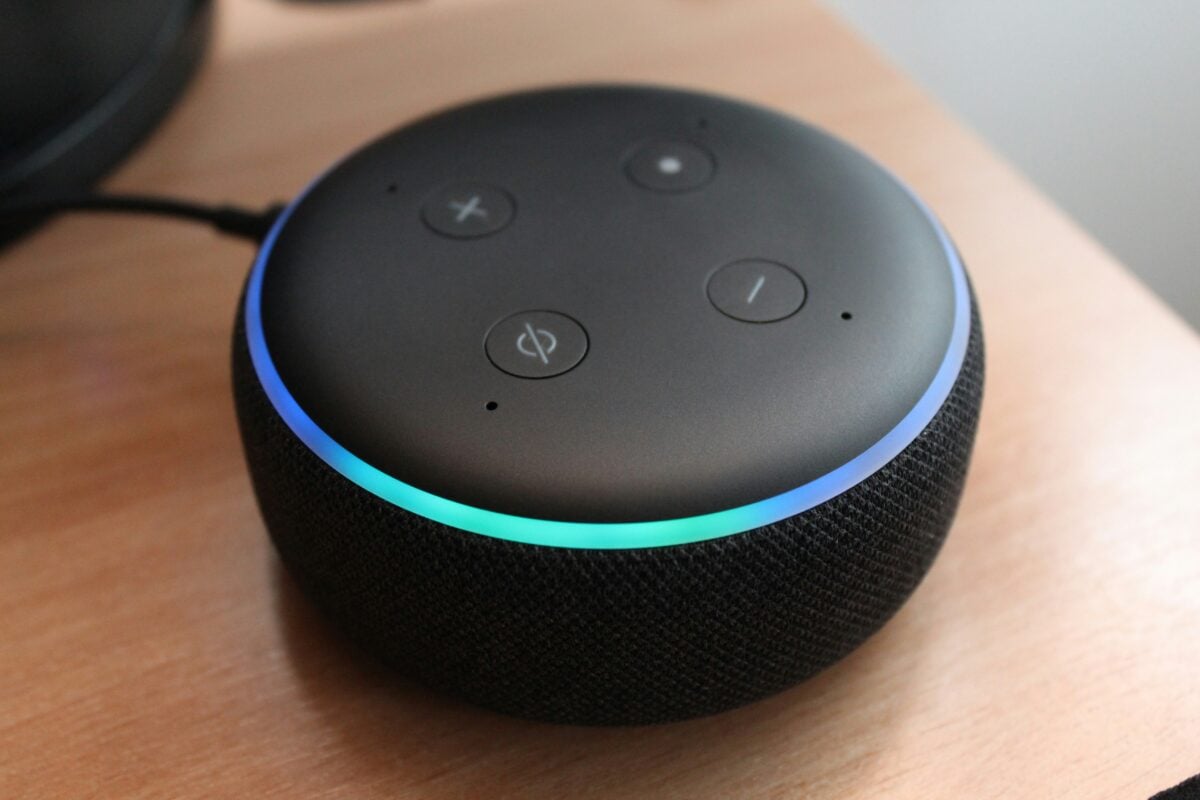
Sci-fi dreamed up talking machines ages ago. Take HAL 9000 from 2001 – it caught words, talked back like a person. On the Enterprise, the onboard brain replied to queries, took orders without typing.
Actual tech needed keys, strict formats though. But things shifted when Siri popped up in 2011.
After that came Alexa, different flavor but similar idea. Google’s helper wasn’t far behind either.
You can tell your phone or speaker to play songs, respond to queries, or turn lights on – using your voice feels normal now instead of futuristic.
When Fiction Writes Tomorrow’s Blueprint

The people who created these tools often say their ideas came from tales they saw or read growing up. Not only does sci-fi guess what’s ahead – its visions push things forward.
Dreamers sketch wild possibilities, while builders find ways to turn them into actual stuff. It might take fifty years. Or even hundreds.
Still, one thing stays true – if a vision is strong, somebody somewhere will bring it to life.
More from Go2Tutors!

- 16 Historical Figures Who Were Nothing Like You Think
- 12 Things Sold in the 80s That Are Now Illegal
- 15 VHS Tapes That Could Be Worth Thousands
- 17 Historical “What Ifs” That Would Have Changed Everything
- 18 TV Shows That Vanished Without a Finale
Like Go2Tutors’s content? Follow us on MSN.



