Hidden Details in the Backgrounds of Hit Movies
Hidden bits pop up in movies when directors want sharp eyes to catch something sly. First-time watchers usually miss these clues tucked behind the main story.
Yet spotting them later brings extra laughs, depth, or links to older scenes elsewhere. A few creators slip them in like private grins among friends.
Others weave them quietly into the world just to honor what shaped their vision. Funny how some details slip by without a second thought.
Moments from the past often hide in plain sight, unnoticed by nearly everyone watching. Little things, really – easily skipped, barely remembered.
Yet they sit there, waiting. A pause here, a glance there. History has weight, even when it whispers.
The Pixar Pizza Planet Truck
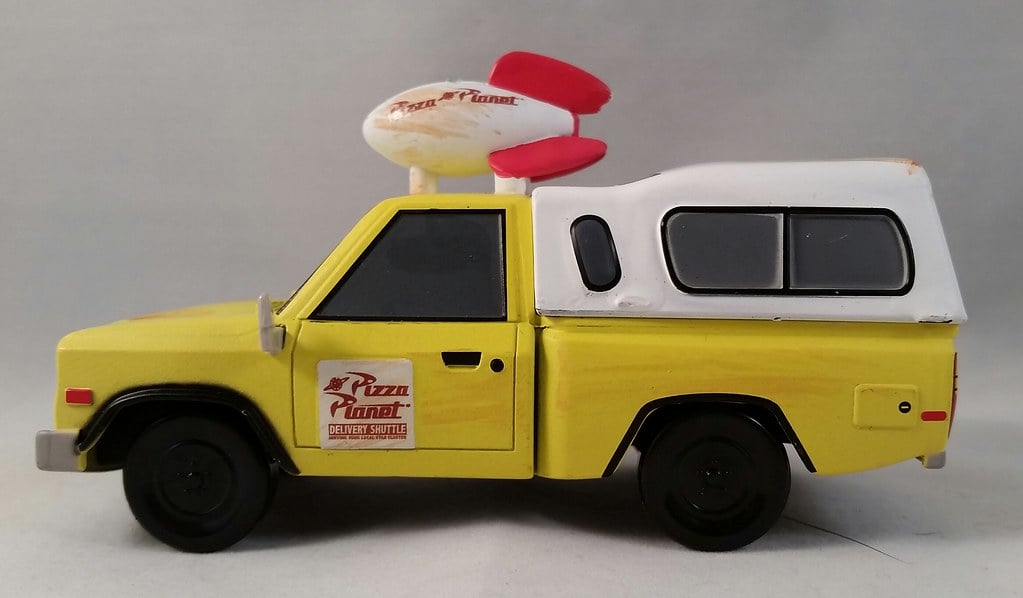
A bright yellow Toyota pickup shows up in almost all Pixar movies, first seen back in Toy Story in 1995. Though small, its presence grabs attention – like when it appeared as a toy on the floor of a dental office in Finding Nemo.
Elsewhere, it zips by during a race scene in Cars, then later sits quietly inside the witch’s cluttered workshop in Brave. Crew members enjoy slipping it into frames using fresh tricks each time.
For viewers, spotting the vehicle now feels like uncovering a hidden pattern in plain sight.
Fight Club’s Hidden Starbucks Cups
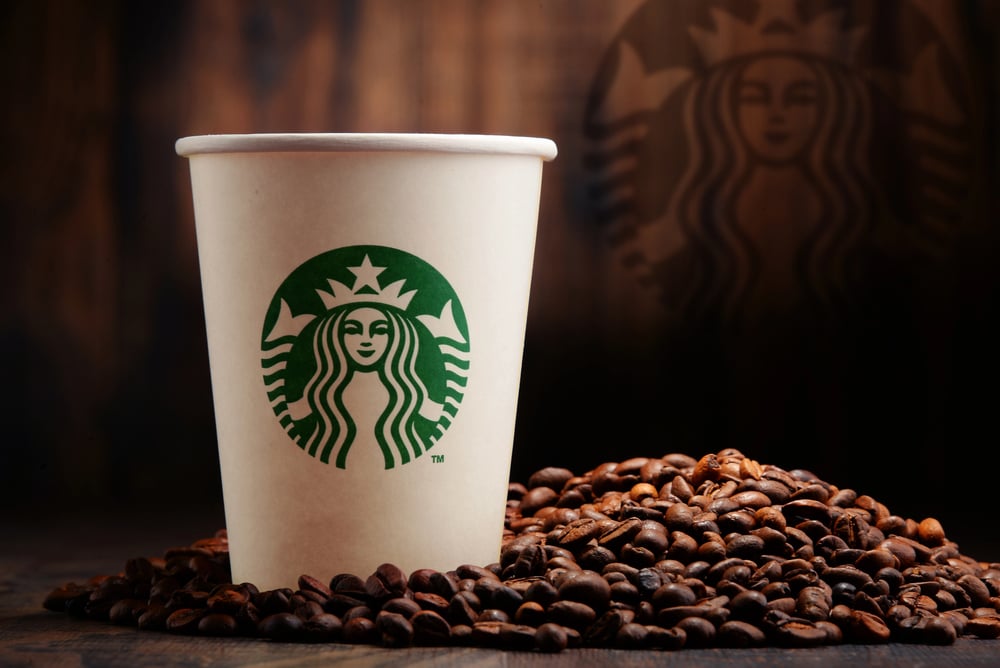
A coffee cup from a big brand appears in each shot of David Fincher’s 1999 movie, slipped into corners without fanfare. Because it blends in so well, most audiences overlook the cups resting on flat surfaces across scenes.
He placed them there to quietly point out how deeply one company had woven itself into daily routines. Though repeated viewings happen often, many still fail to catch the quiet repetition hiding in plain sight.
It wasn’t loud – just present, again and again, like background noise few choose to hear.
Harry Potter’s Knight Bus Newspapers
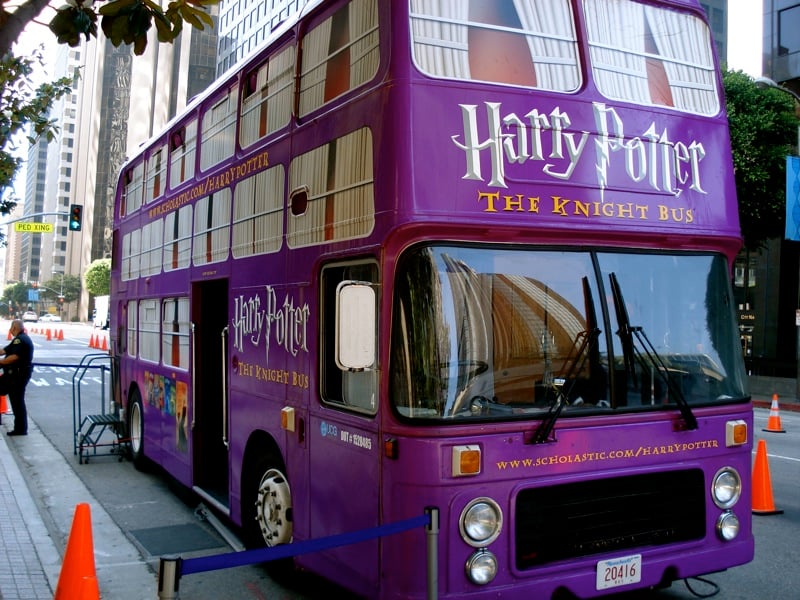
Midway through Prisoner of Azkaban, while Harry flips through a copy of The Daily Prophet aboard the Knight Bus, tiny moving images inside the paper show real clips of actors messing around between takes.
Instead of designing fake wizard-world scenes from nothing, filmmakers slipped in candid moments shot during production. Anyone watching frame by frame might spot Daniel Radcliffe as a boyish teen, cracking up alongside classmates.
What began as a budget-friendly trick ended up feeling lively, almost like a secret peek past the story. Because using off-duty laughter filled pages without extra cost, it became both practical and oddly charming.
The Shining’s Confusing Layouts
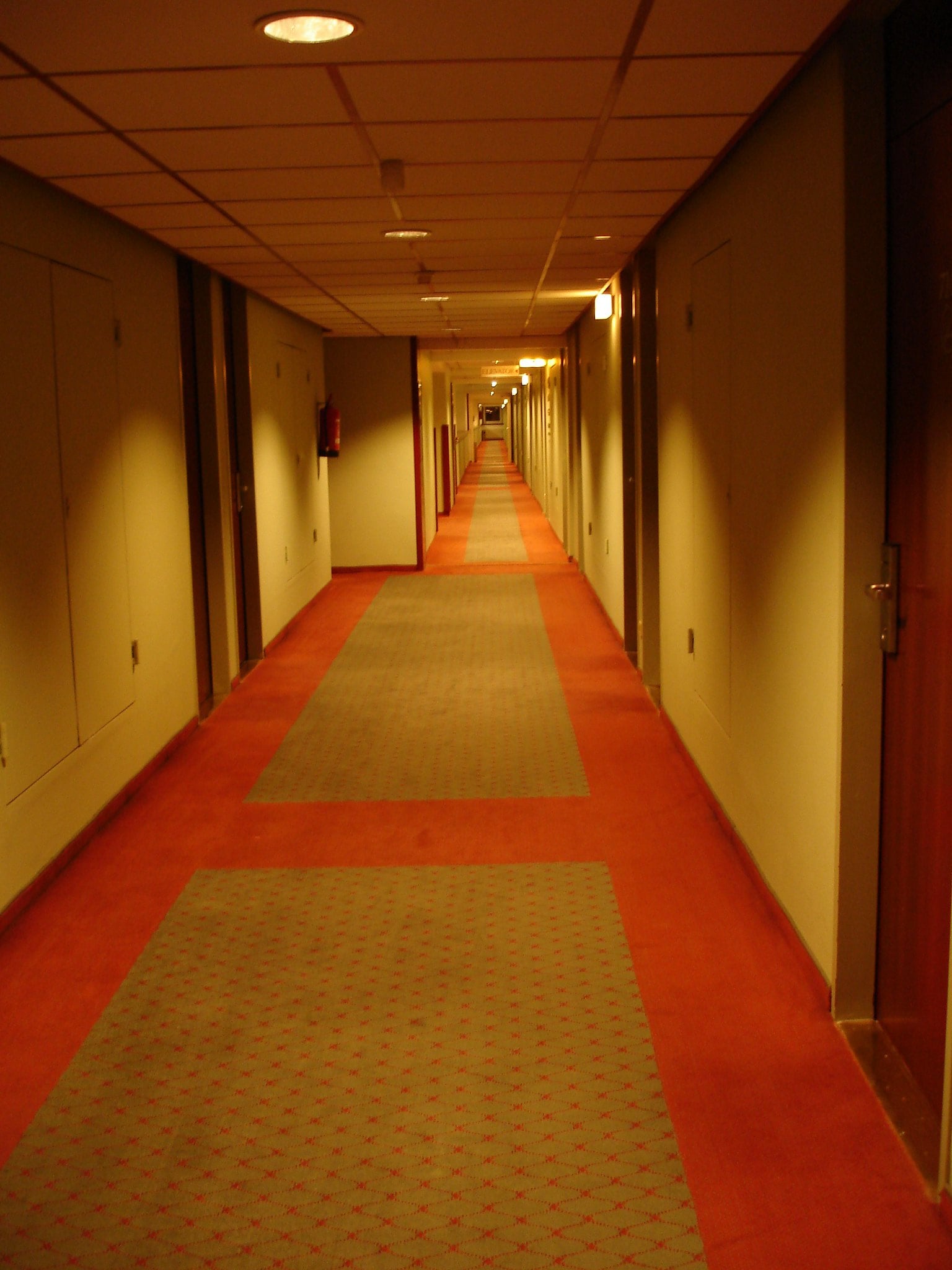
Windows here lead nowhere. Doors open into walls sometimes. Rooms shift when you’re not looking.
Imagine walking hallways that don’t line up on paper. None of it fits together like a real place should.
That confusion? It’s meant to sit quietly under your skin. You notice something off but can’t name what.
Unease builds slowly. No clear explanation ever comes. Feeling lost inside is part of the experience.
Raiders of the Lost Ark Hieroglyphics
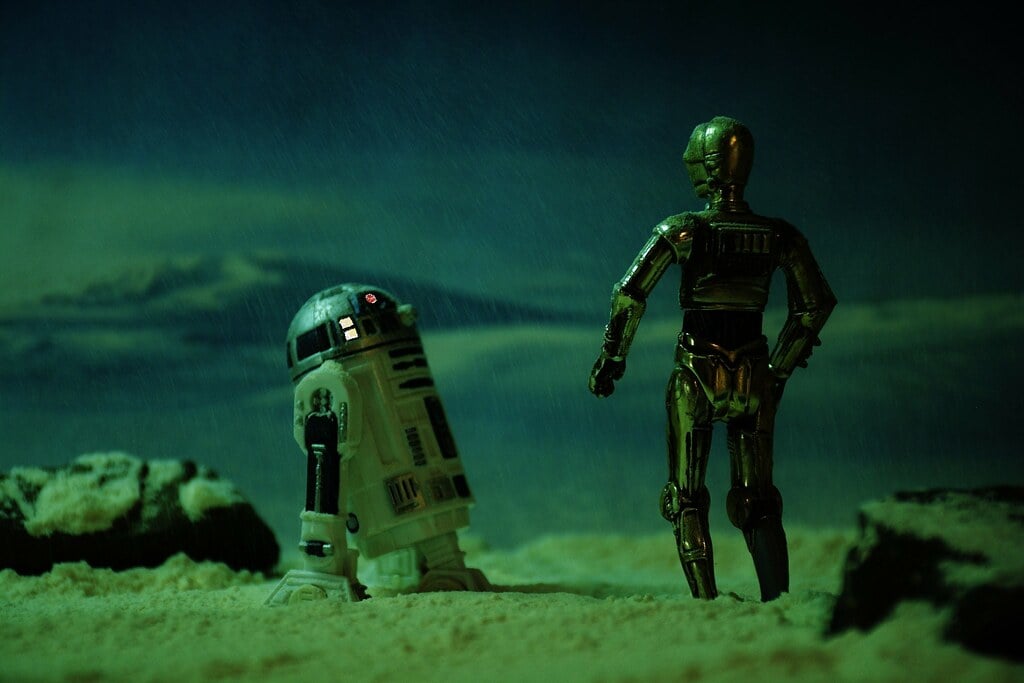
Hidden among the carvings inside the Well of Souls, an old-looking image shows figures that look exactly like R2-D2 and C-3PO. Created by George Lucas and Steven Spielberg, it slipped into the scene as a quiet joke between friends.
Blink and you miss it – only stopping the video reveals the tiny detail. A shared wink across galaxies ties together two legendary movie series in one fleeting frame.
Zootopia’s Bootleg Movie Titles
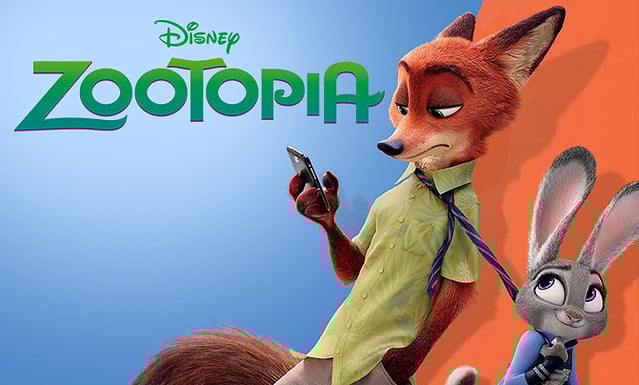
Rows of videos line the shop wall, each cover swapping Disney classics for critter versions – think “Rhino Who Wrecks” instead of a human hero. A raccoon flips through discs near one labeled “Purr-ana.”
These names aren’t random. They mirror how every creature lives by beast logic, not people rules. Someone drew up dozens during late-night sessions, frames piling high before anyone saw screen time.
Freeze the moment and you spot jokes tucked into corners – the kind only noticed when time slows down. Hidden gags nestle beside checkout counters, on boxes, even in background scribbles nobody expects eyes to catch.
The Truman Show Hidden Cameras
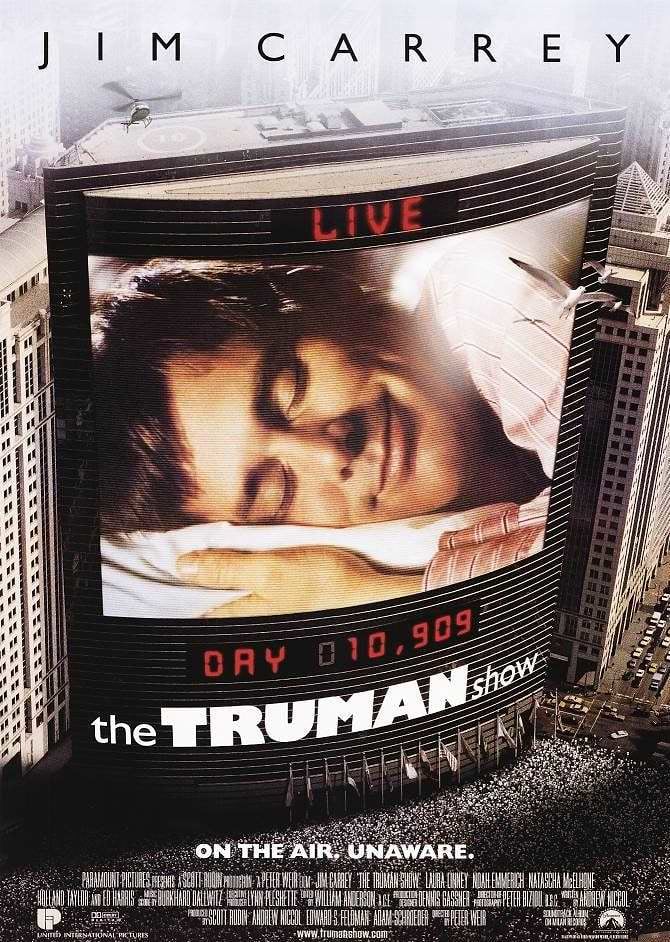
Red lights pop up in odd places across the movie, tucked into everyday things around Truman. From dashboards to jewelry to glass surfaces – they flicker without warning.
Viewers often fixate on Jim Carrey’s role early on, overlooking these small signs hiding in plain sight. Once noticed, they shift how earlier moments feel – simple interactions now carry quiet unease.
On second watch, what felt normal turns strange under their steady glow.
Toy Story’s Carpet Pattern
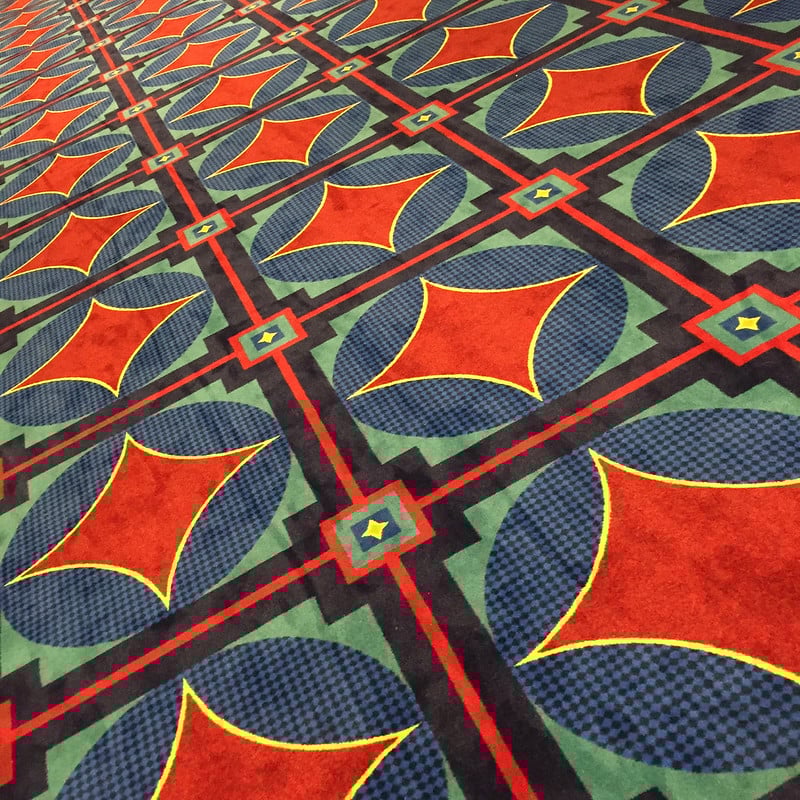
The loud geometric carpet in Sid’s house matches the exact pattern from The Shining’s Overlook Hotel. Pixar’s animators included this homage to Kubrick’s horror classic in their family film.
The connection makes sense given that both stories involve characters trapped in uncomfortable situations. Finding this detail requires either excellent visual memory or a side-by-side comparison of both films.
Pulp Fiction’s Briefcase Numbers
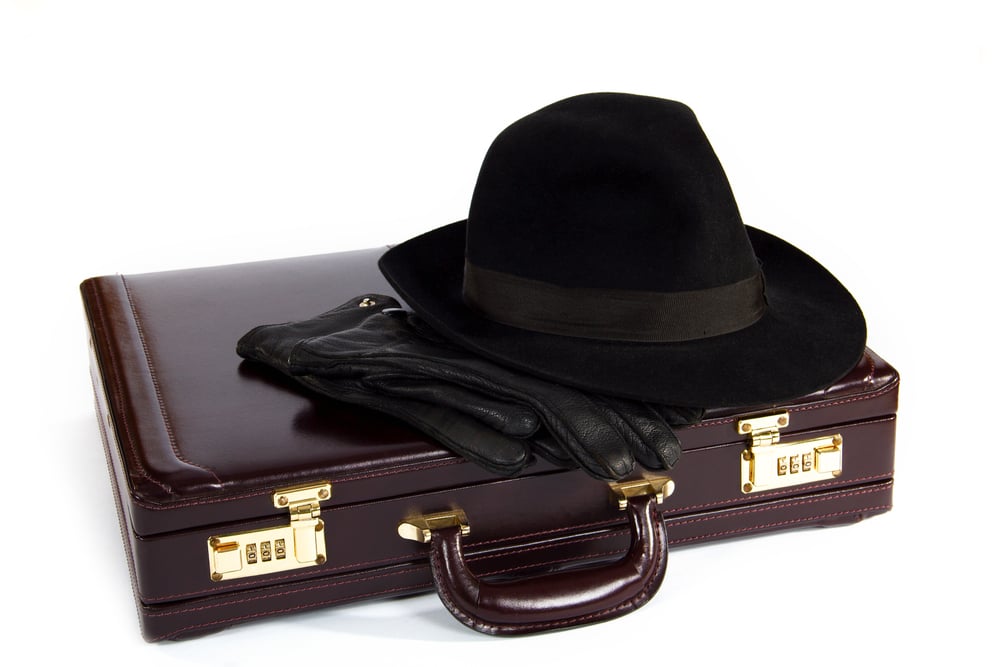
The combination to Marcellus Wallace’s briefcase is 666, visible when Vincent opens it. Tarantino never reveals what glows inside, but that devilish number suggests something supernatural or evil.
Some fans theorize the case contains Marcellus’s soul, while others think Tarantino just enjoyed the mystery. The number appears clearly on screen, yet most viewers focus on the golden glow instead.
The Departed’s X Markers

Martin Scorsese marked every character who would die with a prominent X somewhere in the frame before their death scene. These Xs appear as window frames, architectural details, or even tape on walls.
The pattern becomes obvious once someone points it out, but first-time viewers rarely notice. This visual foreshadowing creates a sense of doom that registers subconsciously before becoming explicit.
Frozen’s Rapunzel Cameo
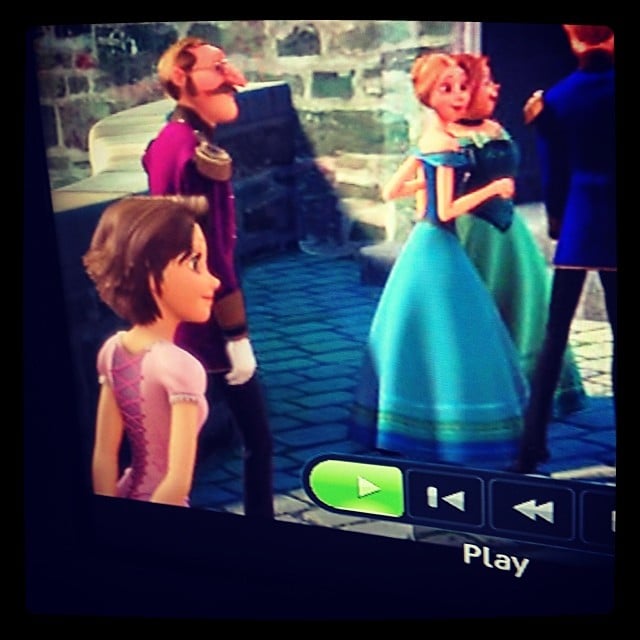
Rapunzel and Flynn from Tangled walk through the crowd during Elsa’s coronation ceremony in Arendelle. The couple appears for about two seconds among the many guests arriving at the castle.
Disney animators enjoy connecting their films through these quick appearances. Fans have built elaborate theories about how all Disney kingdoms might exist in the same universe based on cameos like this.
The Matrix’s Green Code Names
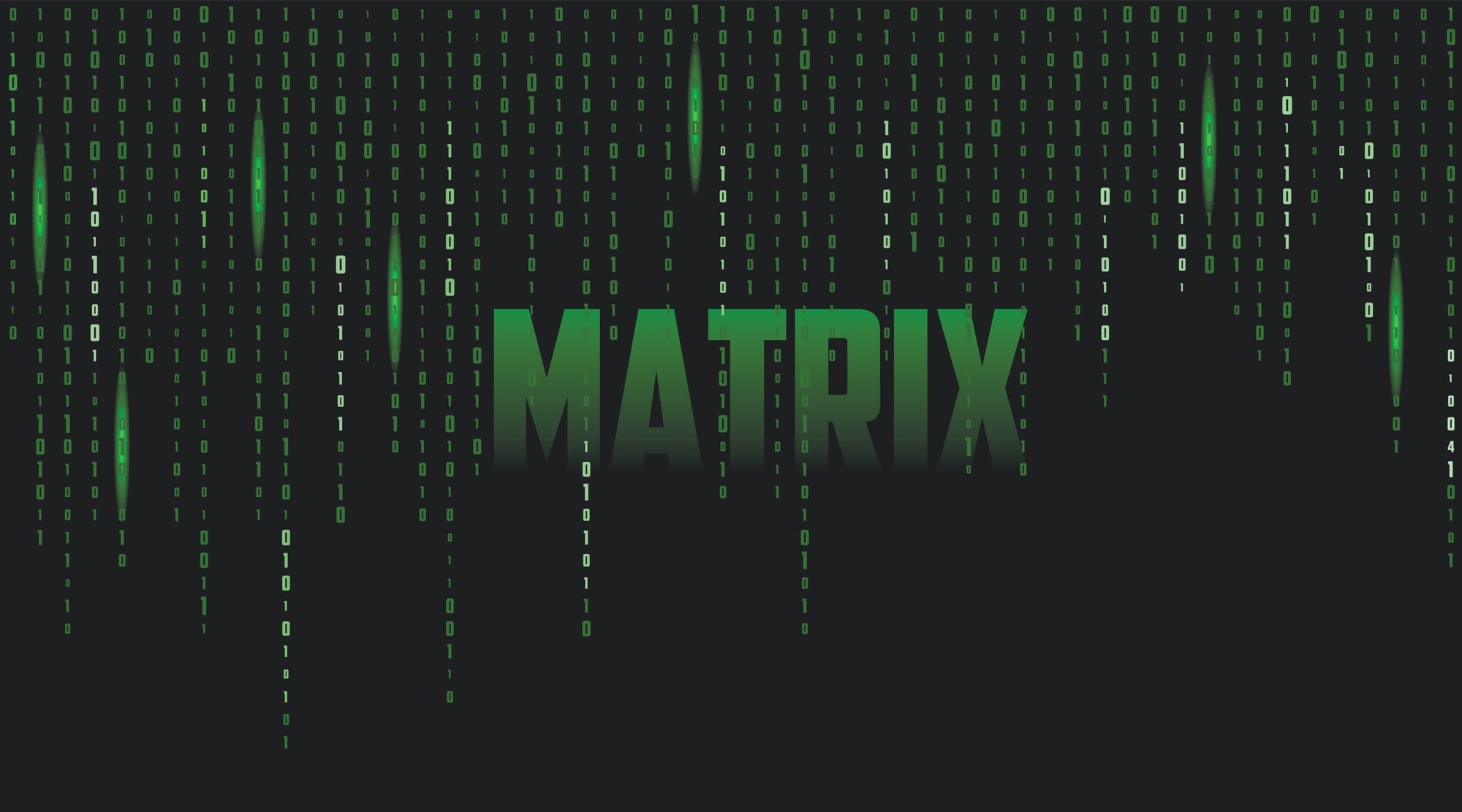
Every main character’s name reflects their role, with Neo being an anagram of ‘one,’ Trinity representing the holy number three, and Cypher meaning code or zero.
These naming choices weren’t accidental but carefully planned by the Wachowskis. The film layers meaning into every element, rewarding viewers who dig deeper.
Most people enjoy the action without catching these linguistic Easter eggs.
Shaun of the Dead’s Foreshadowing Dialogue
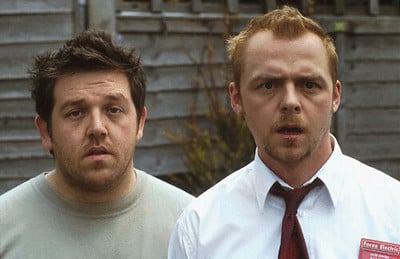
Early in the film, Shaun lays out his entire day’s plan, which accidentally describes every major plot point that follows. He mentions taking Liz to ‘the Winchester’ for a drink, waiting for everything to ‘blow over,’ and dealing with his stepfather.
This casual conversation becomes a perfect roadmap for the zombie apocalypse that unfolds. Director Edgar Wright loves this type of detailed setup and payoff structure.
Inception’s Spinning Top Wobble

The totem wobbles slightly in the final shot, suggesting it might fall and prove Cobb has returned to reality. Most viewers focus on the cut to black and miss this tiny detail.
Christopher Nolan included it deliberately to keep the ending ambiguous yet hopeful. Frame-by-frame analysis shows the top behaving differently than in dream sequences throughout the film.
Jurassic Park’s DNA Strands

The opening credits feature DNA sequences that morph into the island’s geography and eventually into dinosaur skeletons. This artistic choice visualizes the entire premise of the film in under two minutes.
The animation connects science, location, and danger before any dialogue begins. Many viewers remember the iconic logo and music but forget this clever visual storytelling.
Back To The Future’s Mall Name Change
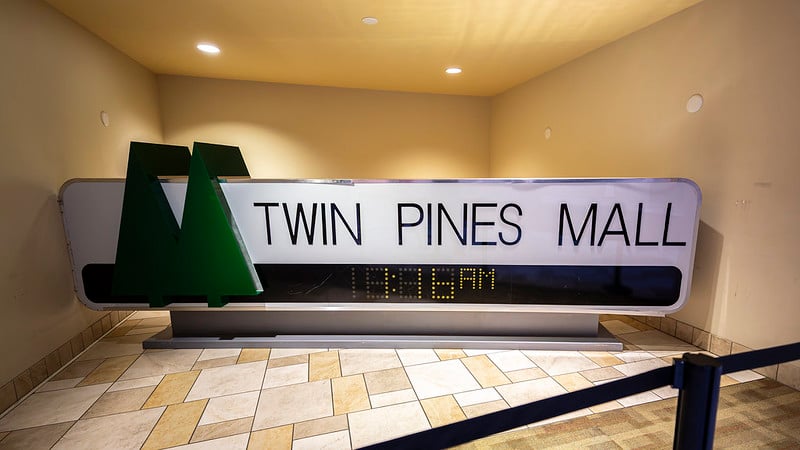
The Twin Pines Mall becomes the Lone Pine Mall after Marty travels back in time and runs over one of the pine trees on Old Man Peabody’s property. This tiny detail shows how Marty’s actions changed the timeline in small ways beyond the main plot.
The mall sign appears briefly both times, making it easy to miss. This attention to cause and effect demonstrates the film’s commitment to logical time travel consequences.
When Watching Becomes Detective Work
These hidden details transform passive viewing into active treasure hunting. Directors who plant these secrets show respect for their audiences, trusting that someone will eventually catch their careful work.
Modern streaming services make finding Easter eggs easier than ever since viewers can pause, rewind, and study frames endlessly. What started as inside jokes between filmmakers has evolved into a whole subculture of fans dedicated to uncovering every last secret hiding in plain sight.
More from Go2Tutors!

- The Romanov Crown Jewels and Their Tragic Fate
- 13 Historical Mysteries That Science Still Can’t Solve
- Famous Hoaxes That Fooled the World for Years
- 15 Child Stars with Tragic Adult Lives
- 16 Famous Jewelry Pieces in History
Like Go2Tutors’s content? Follow us on MSN.