Historic Magazine Covers That Captured the Times
Magazine front pages were never simply flashy shots made to boost sales.
Instead, they acted like snapshots from history – holding onto wins, heartbreaks, and big shifts so folks remember them even once headlines fade away.
Top ones didn’t only show events – they gave a sense of what it was like being there, making now-feelings into timeless scenes that shaped whole generations.
Take a peek at the magazine fronts – some stuck in our minds just like the moments they showed.
TIME’s Moon Landing
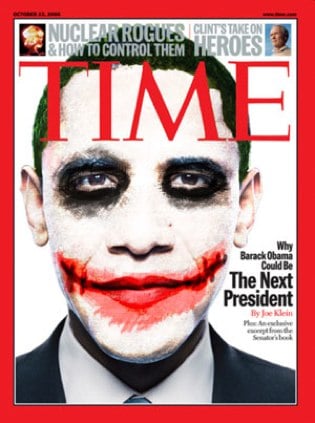
The July 25, 1969 edition of TIME showed Buzz Aldrin standing on the Moon, his helmet mirror capturing the U.S. flag along with Neil Armstrong nearby.
No bold colors or loud titles were necessary – this single picture told the whole story.
Landing a person on a different world was something people thought couldn’t happen, yet here it was, real and undeniable.
By keeping things barebones, the magazine allowed the weight of the event to shine through; as a result, that front page turned into one of the century’s most unforgettable visuals.
LIFE’s V-J Day Kiss

A sailor smooching a nurse in Times Square, snapped by Alfred Eisenstaedt, popped up on LIFE’s front page come August ’45 – right when folks let out a huge sigh after WWII ended.
Out-of-the-blue street cheers like that mirrored how countless Americans felt, no longer stressing over family stuck abroad.
At first, zero clues who those two were, making the shot hit harder – it might’ve been your neighbor or cousin.
That unplanned flash of hype turned into the snapshot of triumph, copied over and over through the years.
Rolling Stone’s John Lennon and Yoko Ono
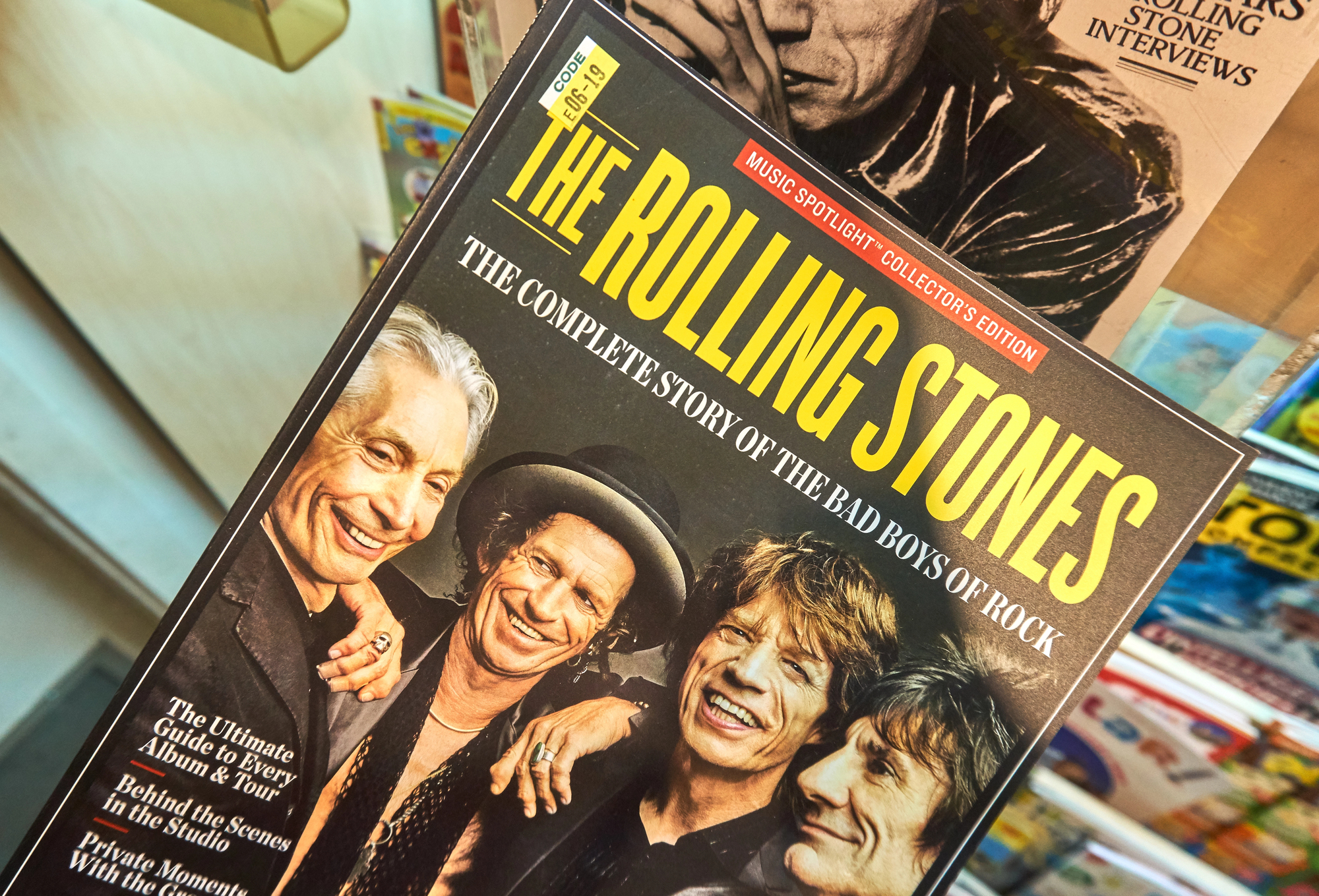
Annie Leibovitz snapped a photo of John Lennon hugging Yoko Ono – just hours before he was killed on December 8, 1980.
Instead of running it right away, Rolling Stone saved the shot for a special memorial edition, which made it stand out even more.
That picture felt raw and close-up, totally different from how people saw Lennon – as a rock star or legend.
What she got wasn’t staged; it carried weight after everyone found out he’d been shot that night.
Over time, the cover stopped being about fame and started speaking to grief in a quiet way.
National Geographic’s Afghan Girl
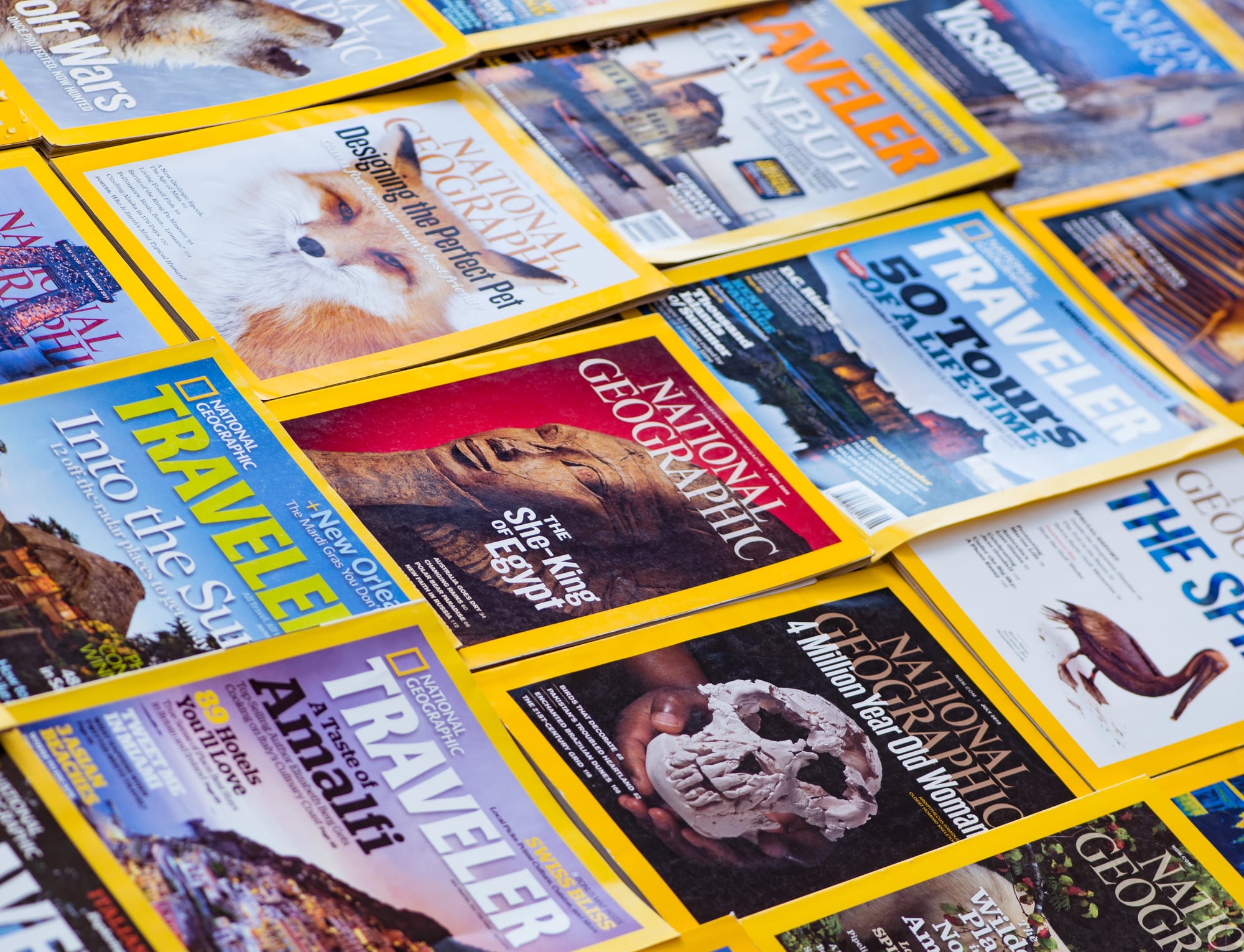
Steve McCurry snapped a shot of a teenage Afghan girl with sharp green eyes – it landed on the June 1985 National Geographic cover, turning into their best-known picture ever.
Her stare hit hard, like it carried every struggle and strength of those forced from home by violence.
Back then, the magazine had no clue what she was called – just labeled her an Afghan refugee staying in Pakistan.
That single frame made a faraway crisis feel real to folks across America, swapping cold numbers for a living, breathing person.
Years passed before McCurry found her again, this time learning she was Sharbat Gula, wrapping up one of photography’s biggest legends.
TIME’s Nixon Resignation
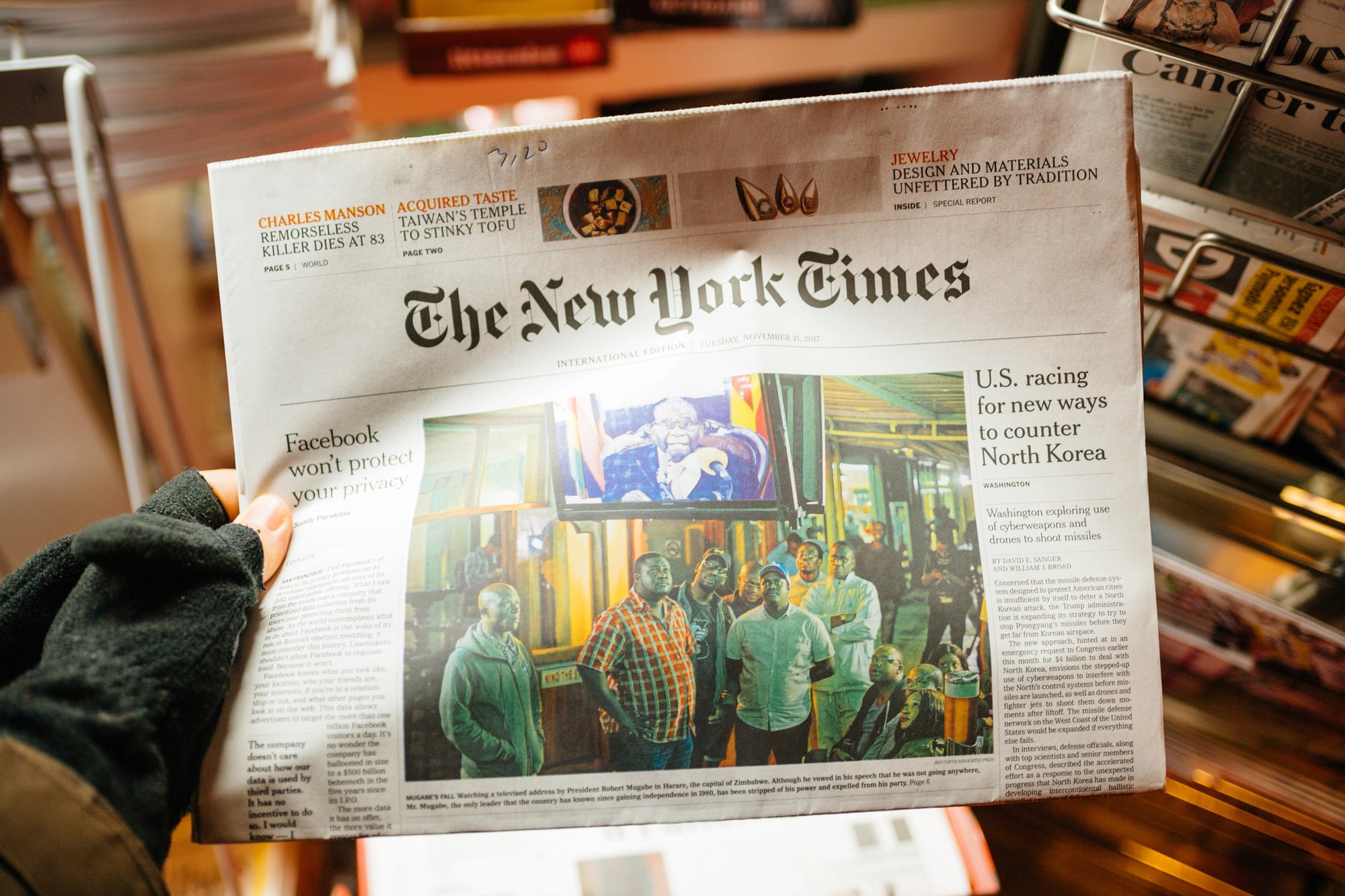
TIME’s August 19, 1974 front page featured Richard Nixon’s formal portrait, below which sat just one term – ‘Resigned.’
This bare-bones design matched the shock of the event: a U.S. leader stepping down under shame.
Instead of mocking or cheering, the magazine quietly marked the close of a political meltdown that had haunted the country since ’72.
His posed grin in the photo suddenly seemed odd, almost hollow, considering what unfolded.
By keeping things low-key, TIME allowed folks to feel the weight of history without pushing any agenda.
Vogue’s First Black Cover Model
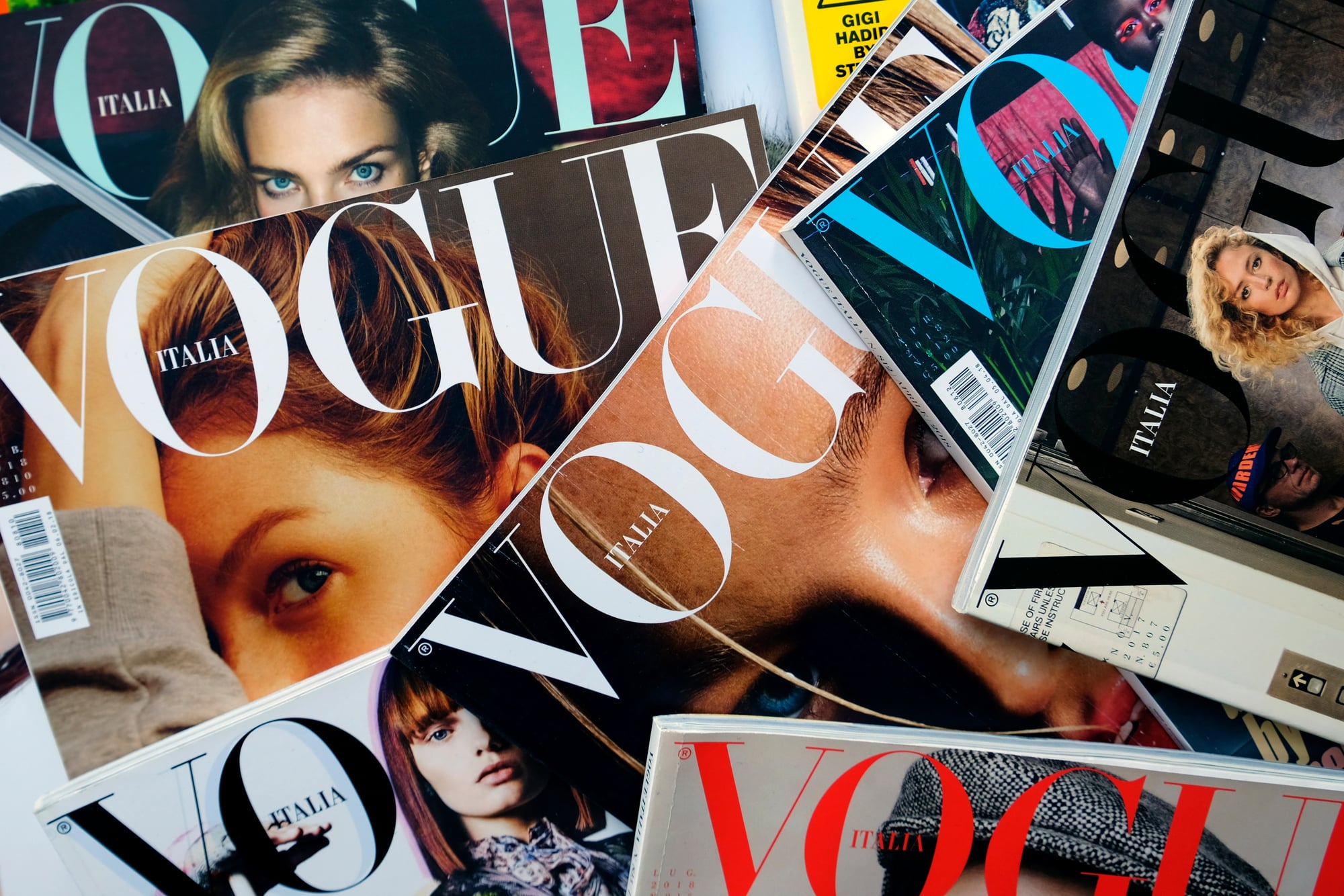
Donyale Luna landed on the front of Vogue’s March 1965 edition – making her the first Black woman ever featured on a top U.S. fashion magazine cover.
That moment shook things up in a world where models of color were barely seen.
With her bold look and futuristic flair, she pushed back against old-school ideas of beauty just as civil rights protests heated up across the country.
The image wasn’t loud or flashy about smashing limits – it just showed Luna being exactly who she was: a stunning model, fully at home on those glossy pages.
In truth, some shifts hit hardest when they feel like they’ve been overdue.
LIFE’s Earthrise
William Anders snapped the Earthrise picture while orbiting the moon aboard Apollo 8 in late ’68 – LIFE magazine then splashed it across their Jan 10 ’69 front page.
Spotting our world as this tiny, delicate orb hanging in endless black changed how folks saw home.
It showed up amid a chaotic time full of violence, protests, and battle – but offered a view bigger than any single crisis.
Green campaigners eventually said that shot sparked today’s eco efforts.
Often, powerful covers reveal something nobody realized was there.
Esquire’s Muhammad Ali
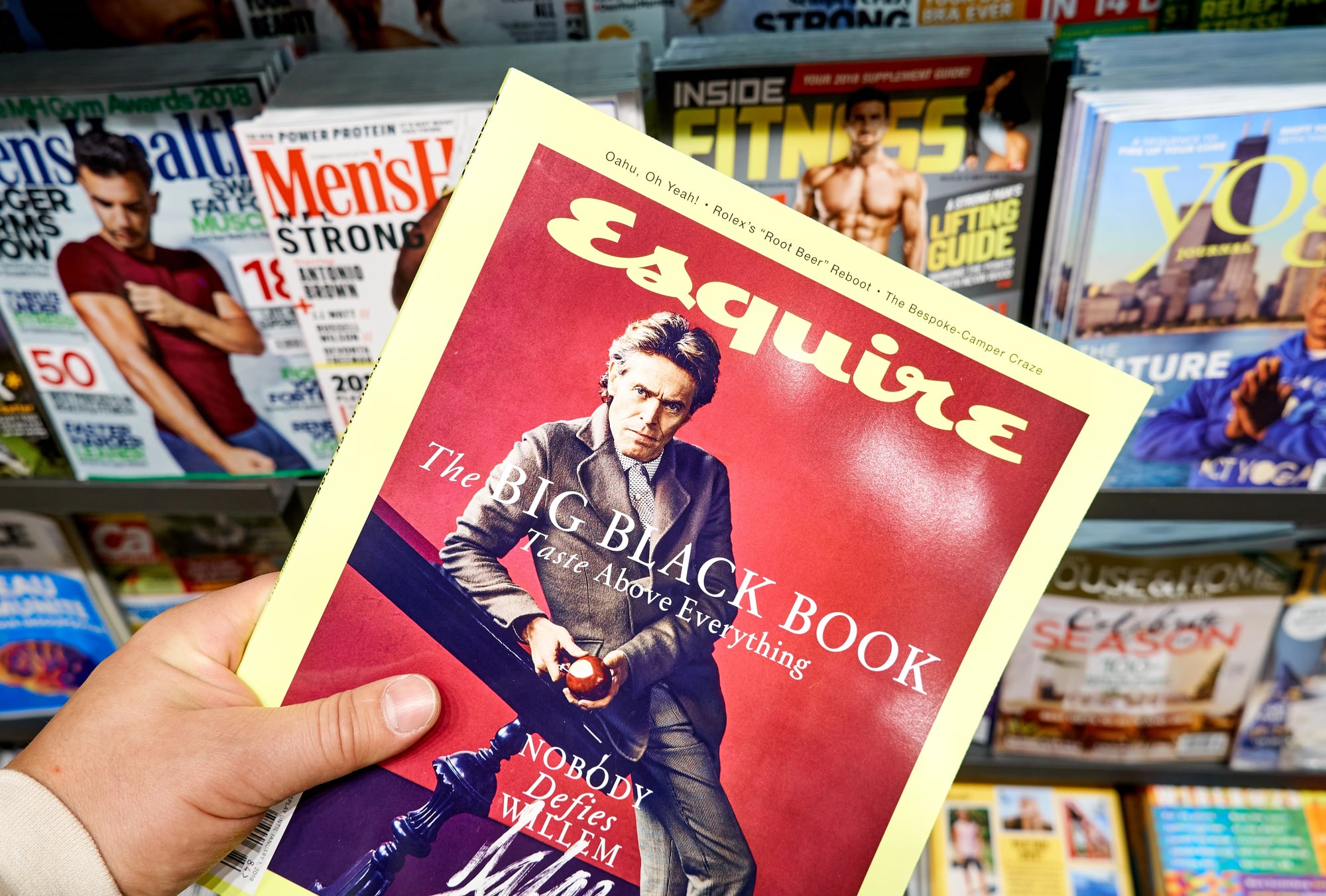
George Lois created the April 1968 Esquire cover featuring Muhammad Ali styled like Saint Sebastian, shot through with arrows.
Instead of downplaying tension, the striking picture challenged how Ali was treated after rejecting the draft in the Vietnam War.
Because he held firm to his beliefs – religious and political – he lost his boxing titles while staring down jail time.
By framing him as a martyr, Lois highlighted courage under pressure.
Although people blasted the magazine with angry letters, others saw truth in its message.
Meanwhile, the artwork mirrored the messy clash of athletics, power struggles, and ethics shaping those turbulent years.
TIME’s Falling Man
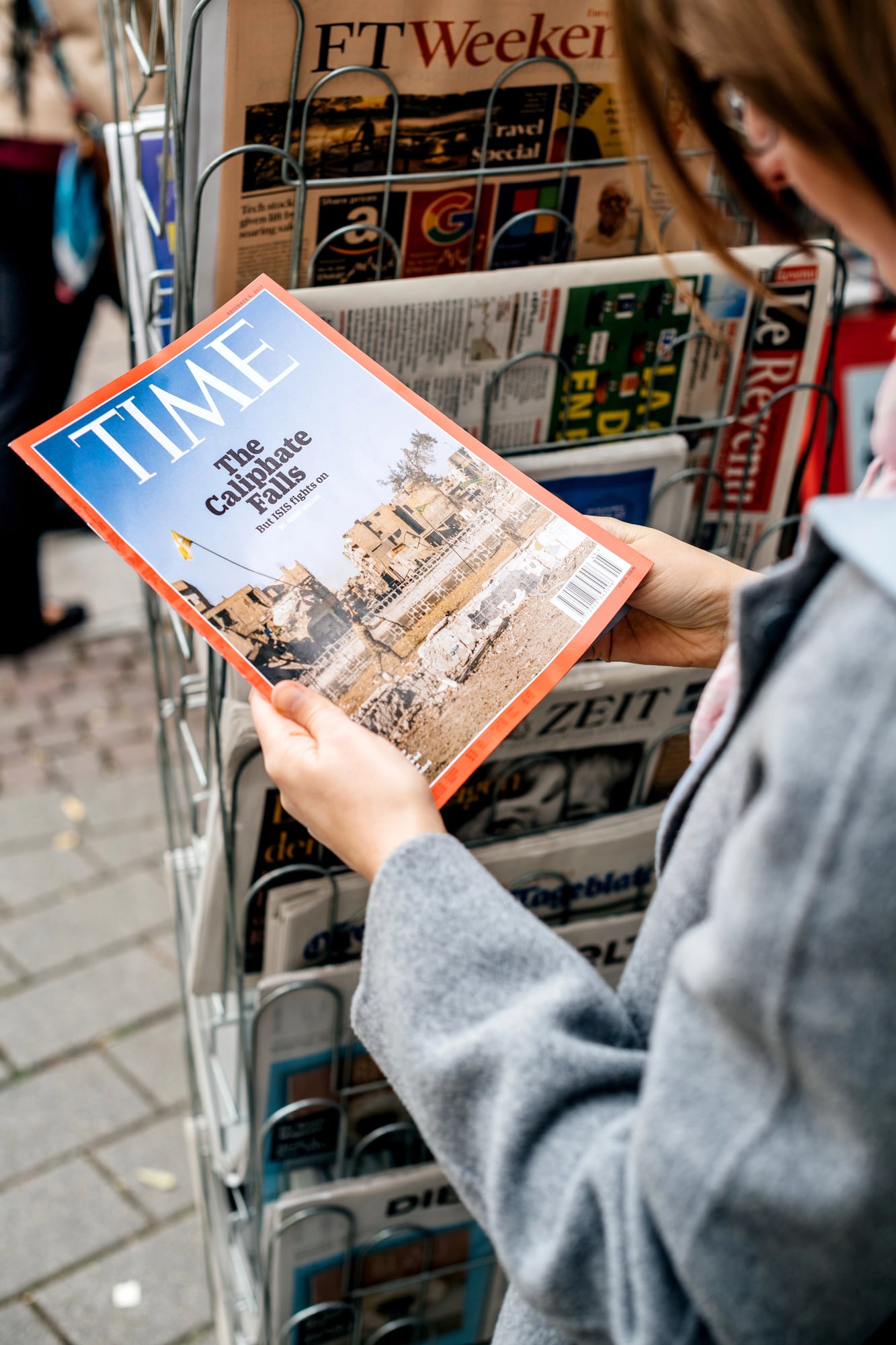
Even if it wasn’t on the front page – kept inside because of how intense it looked – the photo by Richard Drew from 9/11 still stirred big reactions at TIME.
This shot caught someone dropping from the Twin Towers, showing what awful split-second decisions folks had to make that morning.
A bunch of news outlets wouldn’t print it, saying it felt too raw or wrong somehow.
Putting it in any way made people argue hard about ethics in reporting: should the media protect viewers from brutal truth or show it straight?
Still touchy today, sure – but nobody can deny how strongly it shows real lives lost during that disaster.
Rolling Stone’s Obama Hope
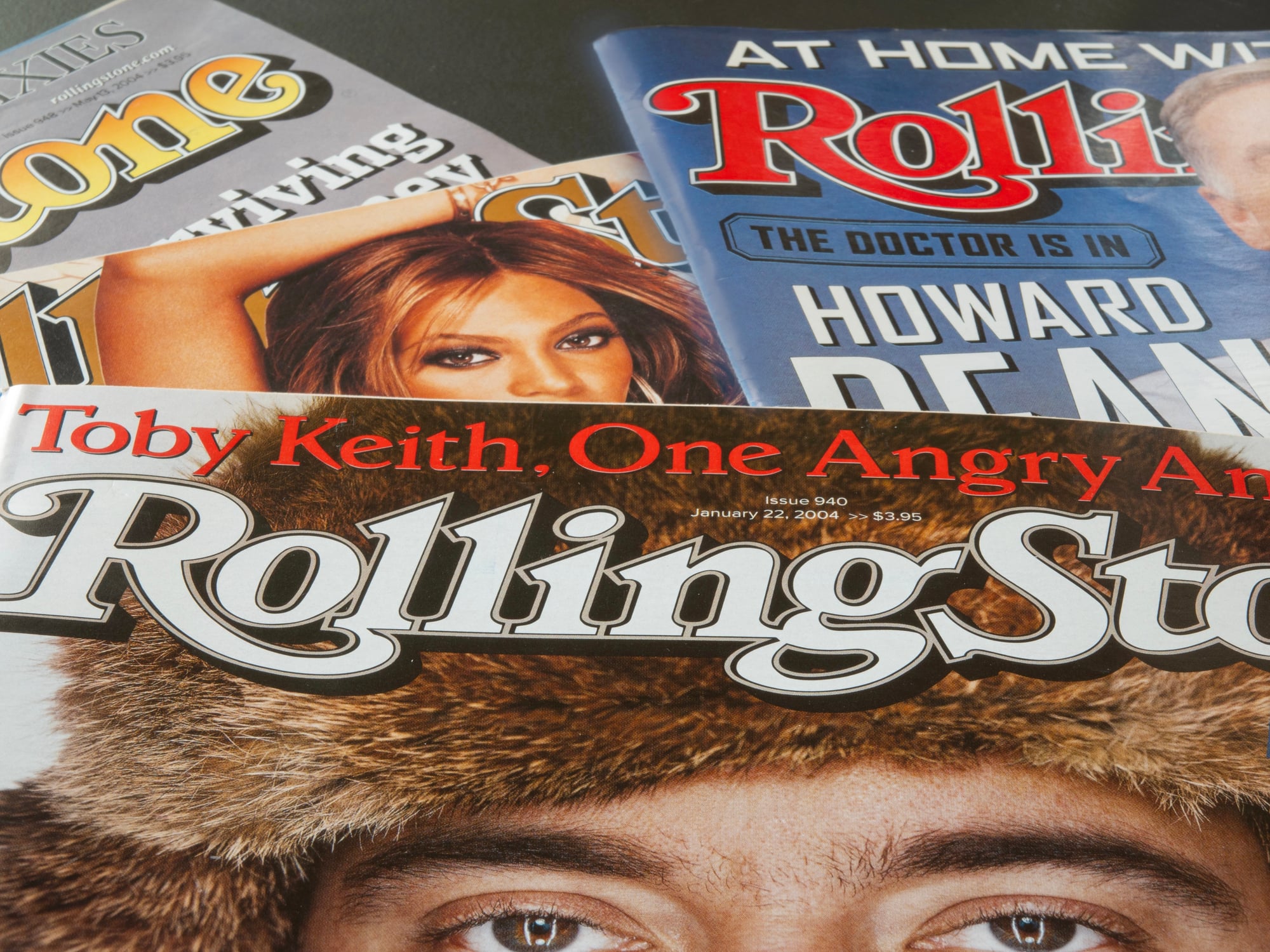
Rolling Stone slapped Fairey’s ‘Hope’ art on their post-election 2008 cover – the same bold image tied tight to Obama’s run.
Painted in red, white, and blue, the sleek portrait carried a wave of hope, mirroring the weight of electing America’s first Black commander in chief.
What began as underground graffiti and hand-distributed flyers morphed into a sanctioned emblem of change.
The magazine’s pick to feature it highlighted how deeply creative expression had tangled with political energy that season.
For countless fans, the face stood for fresh starts; over time, it froze into an icon of Obama’s era.
National Geographic’s Plastic Pollution
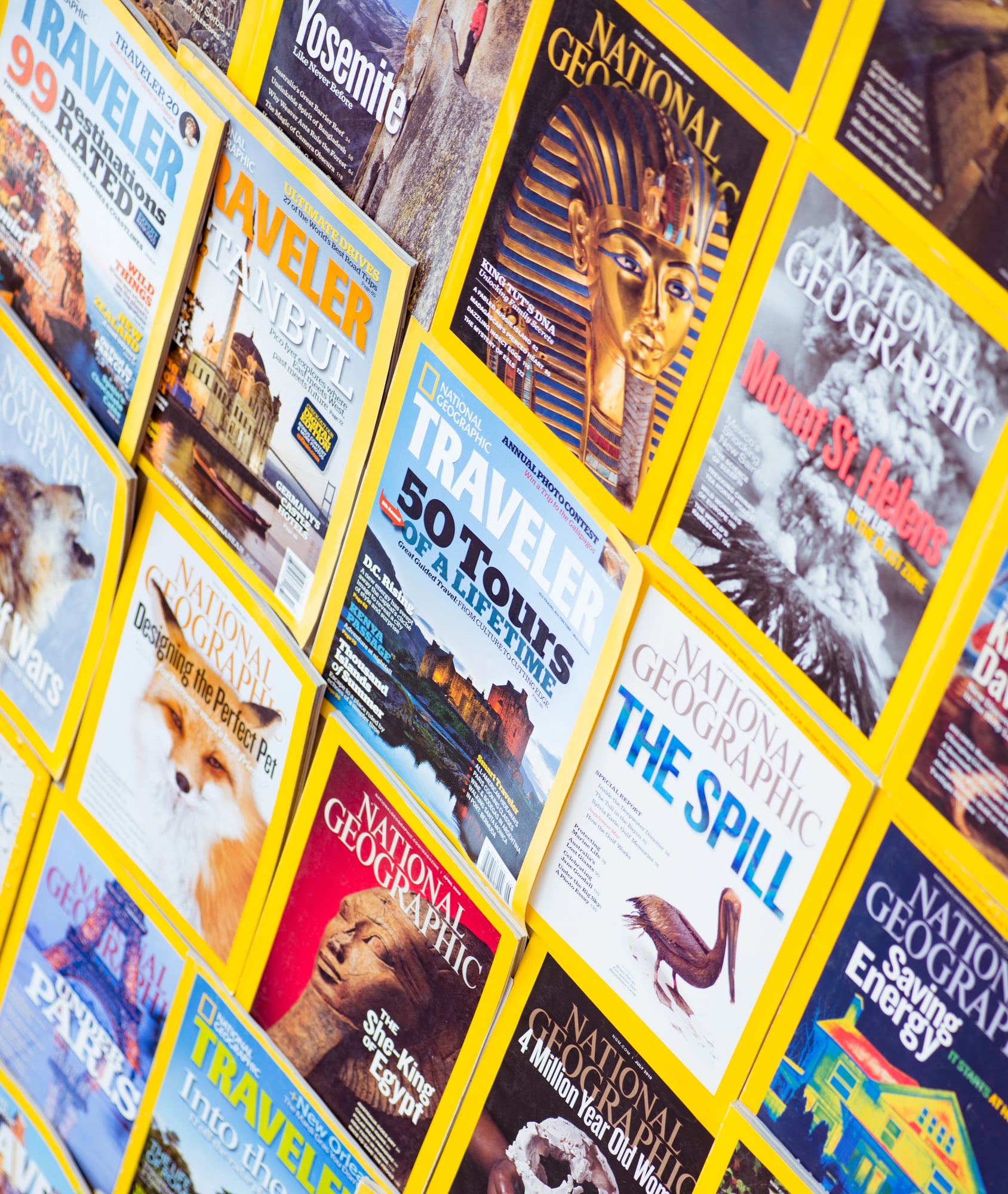
The June 2018 issue of National Geographic showed a photo made from pieces – a plastic bag formed to look like an iceberg drifting in seawater.
That bold picture pointed straight at how badly oceans are polluted, along with people’s part in making it worse.
For years, the magazine captured amazing landscapes; yet that edition signaled a turn toward pushing action on ecological threats.
Online networks lit up after its release, fueling debates around throwaway items and who should answer for them.
Often, powerful covers lean more on imagination instead of raw snapshots to get attention.
LIFE’s Mushroom Cloud
LIFE’s August 20, 1945 front page featured the blast above Nagasaki, dropping news of the atomic age straight into homes across America.
That picture? It scared people – yet also amazed them – with raw proof of how much destruction humans could now cause.
While many folks backed dropping the bomb to finish WWII, actually viewing it shook their confidence a bit.
This moment kicked off the nuclear period, along with deep worries about conflict that stuck around for years after.
Without offering clear explanations, the magazine left viewers staring at the photo, trying to make sense of what came next.
Rolling Stone’s Britney Spears
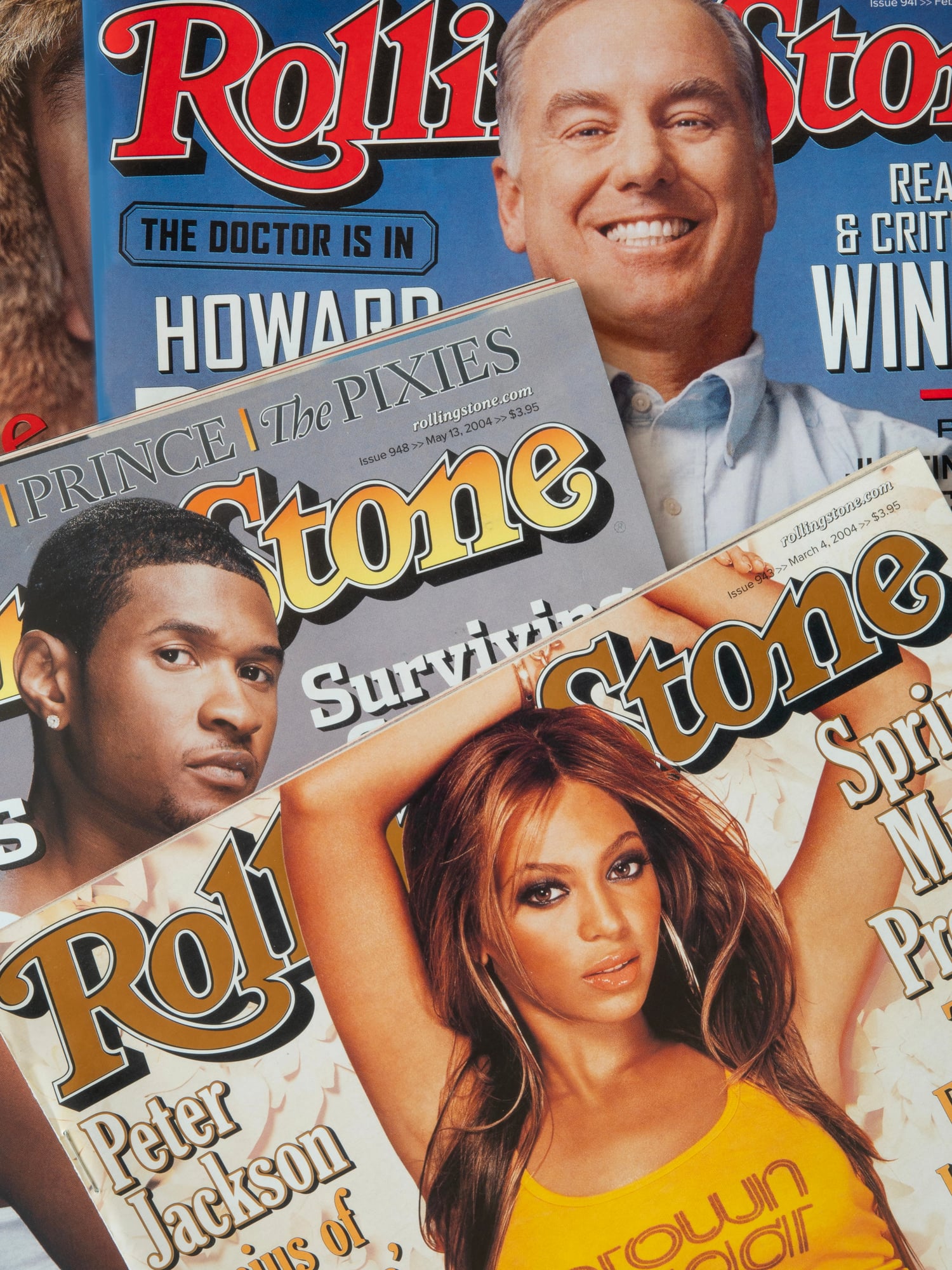
Rolled out in April ’99, Rolling Stone slapped a bold shot of teen Britney on its front – posed in a way that lit up debates fast about how young singers were being turned into sensual symbols.
This snap landed right where catchy youth tunes met slick ad tactics and the web’s fresh vibe at the time.
Some folks slammed the mag for going too far morally; meanwhile, defenders shrugged it off as just how star photos usually go.
More than the uproar though, this issue showed music shifting hard toward looks and visuals.
It froze-frame the pop boom near the millennium while poking at issues around stardom and misuse – stuff we’re still wrestling with now.
TIME’s Falling Towers
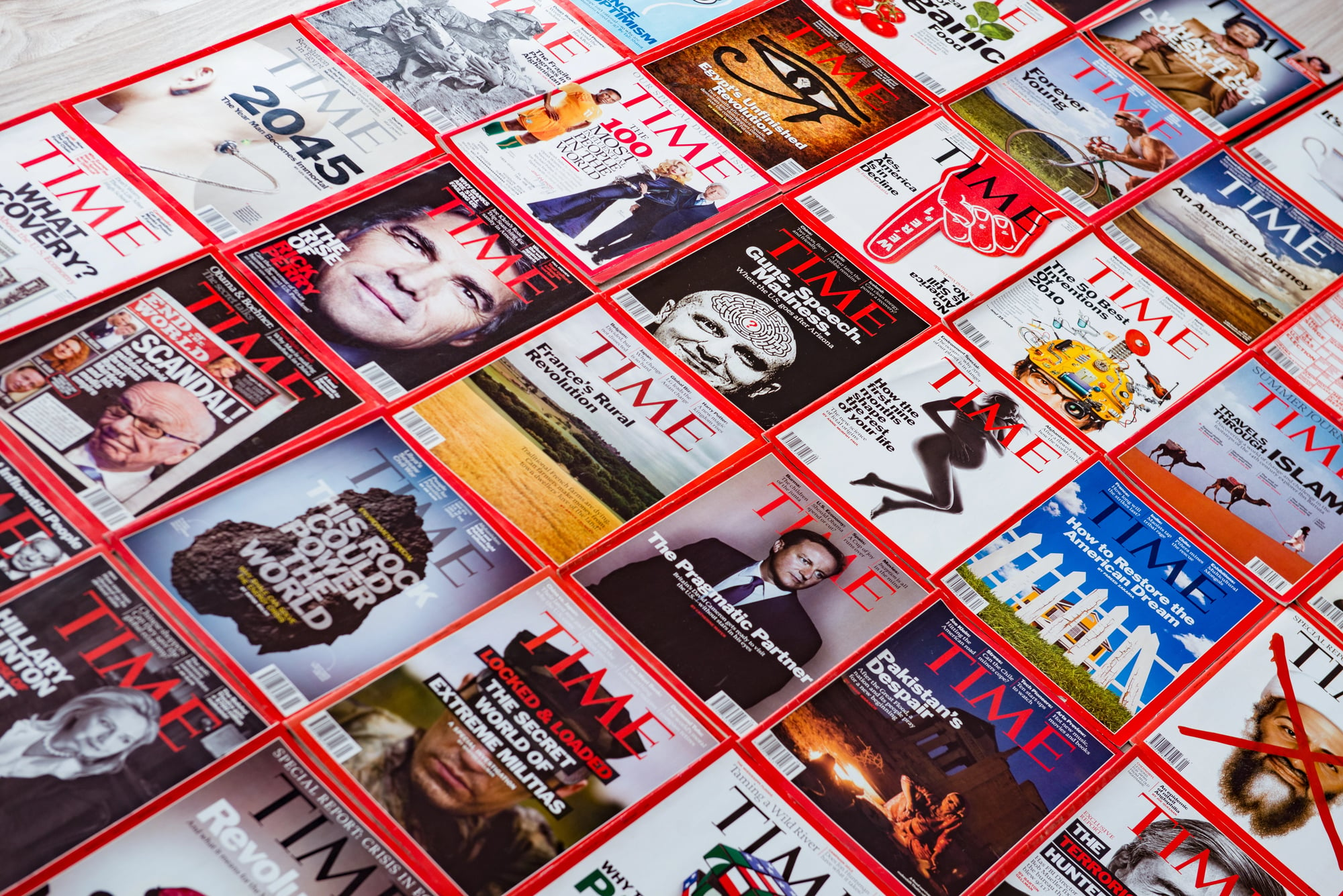
TIME’s special edition from September 11, 2001 displayed the Twin Towers cloaked in thick smoke, paired with a blunt title: ‘America Under Attack.’
That image froze the stunned disbelief people felt when the world shifted out of nowhere.
While future remembrance editions allowed space to think back, this one dropped while everyone was still grasping reality.
With no fancy edits or creative spin, it mirrored how things actually looked at ground level.
Because moments like these don’t need decoration – just facts laid bare.
Vanity Fair’s Caitlyn Jenner
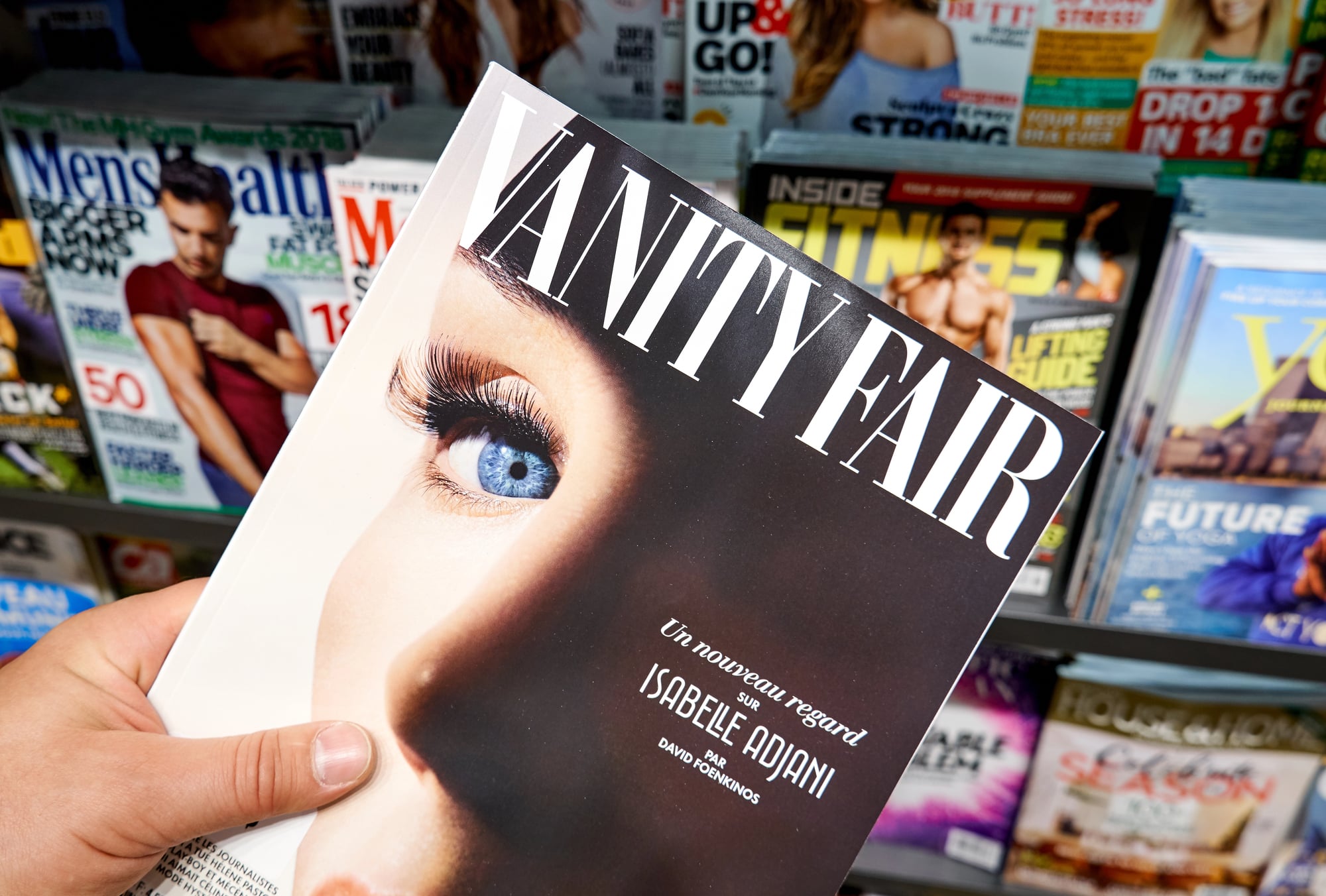
Annie Leibovitz snapped Caitlyn Jenner for the front of Vanity Fair’s July 2015 issue – tagline: ‘Call Me Caitlyn’ – making it one of the most publicized transgender moments ever.
That image set off worldwide chats on what it means to identify beyond traditional gender lines or stand up for trans rights.
Because Jenner was already well-known, attention zoomed in on struggles lots of trans folks deal with daily; still, certain advocates questioned whether someone rich and famous could truly mirror life for ordinary trans individuals.
Even with those arguments swirling around, the magazine moment nudged culture forward in how big outlets talk about gender.
Instead of hyping things up, Vanity Fair kept it real – showing Jenner’s journey like actual news, not drama.
LIFE’s Vietnam Execution
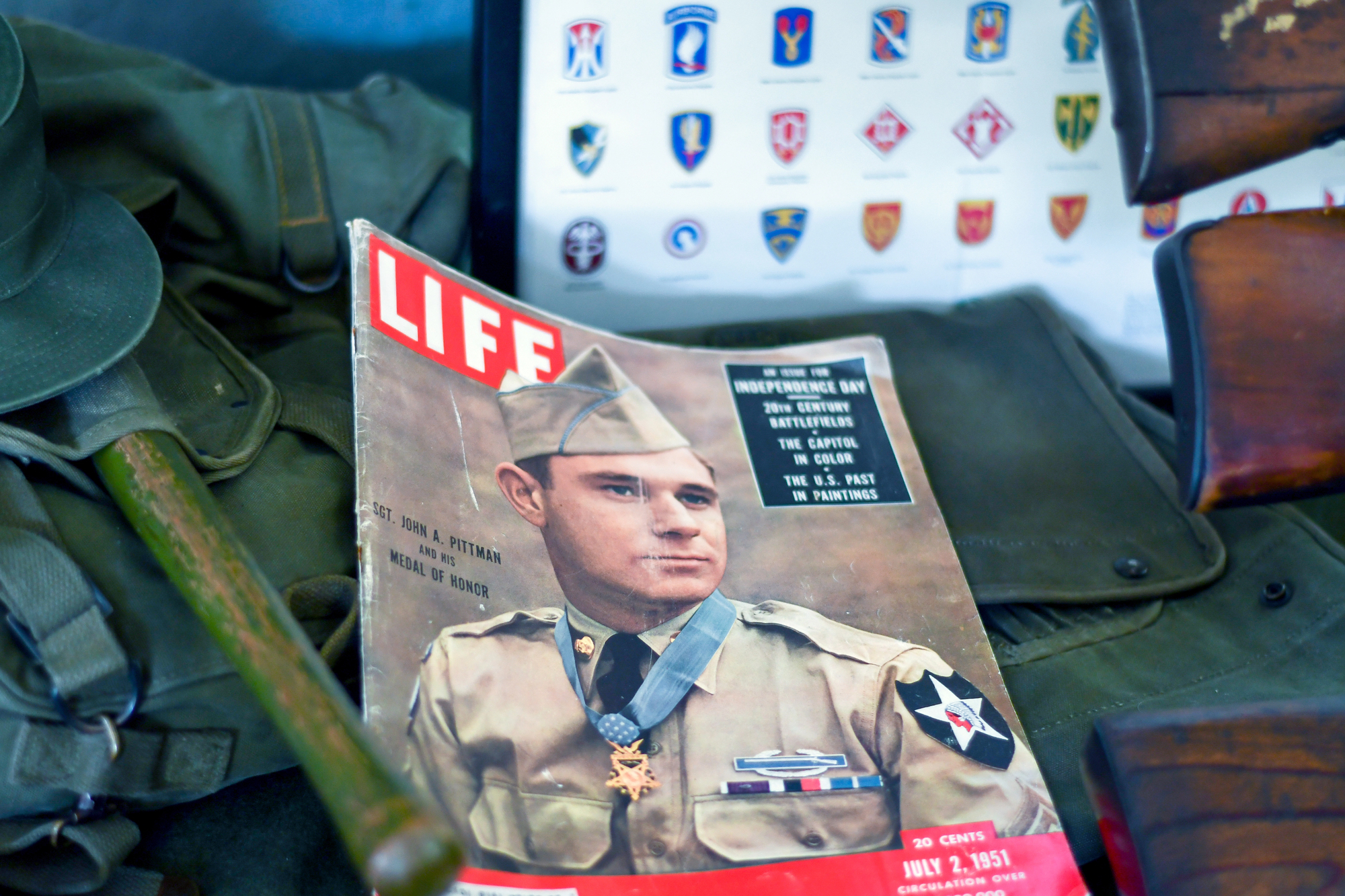
Eddie Adams snapped a shot of a South Vietnamese general killing a Viet Cong fighter – it popped up everywhere in Feb ’68, like in LIFE magazine.
Right then, as the bullet hit, people saw raw death, no filters.
That picture shifted how Americans felt about the war – suddenly it wasn’t some far-off conflict anymore.
Watching that scene unfold so clearly broke down any easy excuses or mental walls.
Years later, Adams said he wished things had gone differently for the officer involved, pointing out how messy choices get when bullets fly.
Even without knowing every detail, folks believed what they saw – the way photos can push crowds, change laws, stir chaos.
New York Magazine’s Cosby Accusers
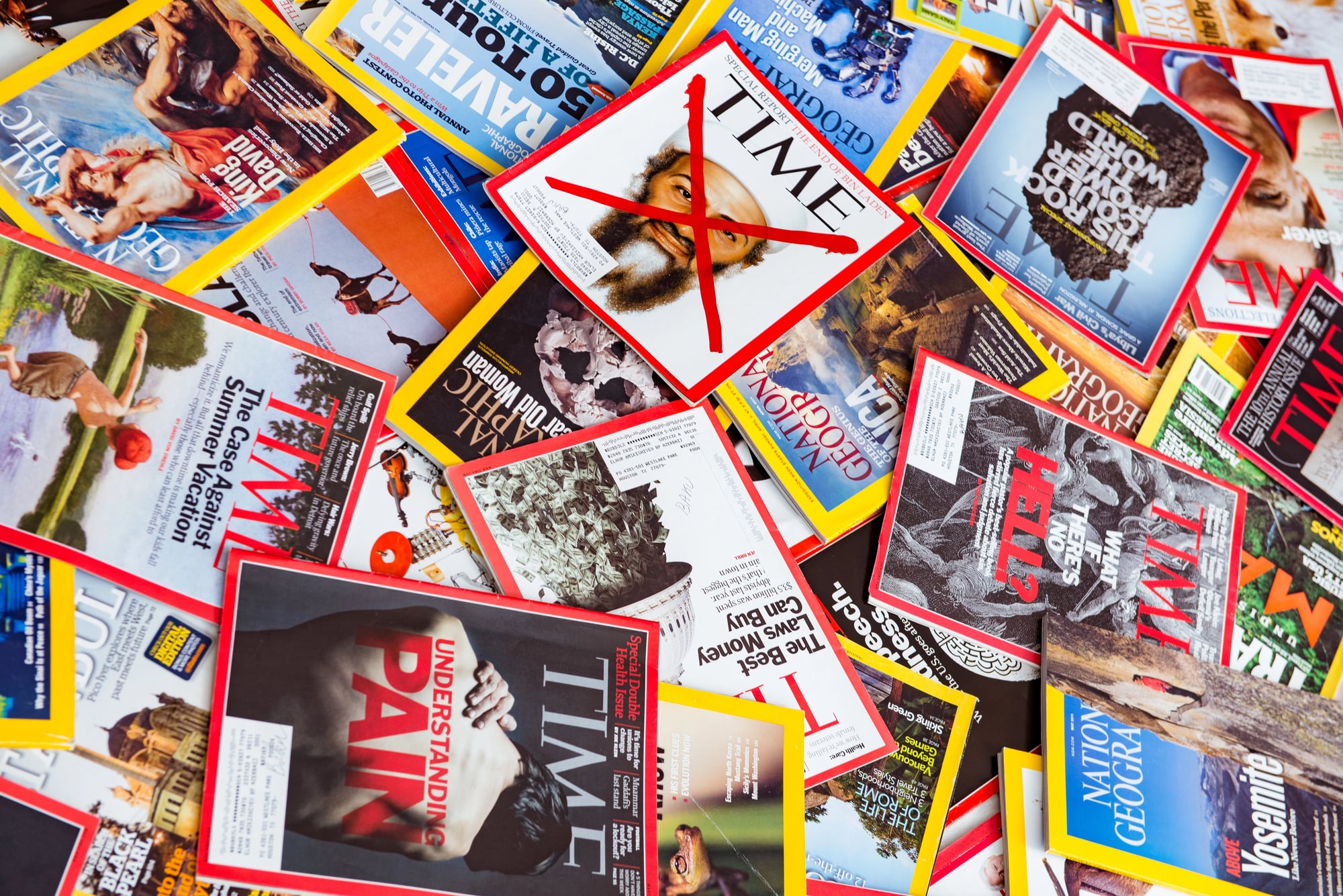
New York Magazine put 35 women who said Bill Cosby assaulted them on its July 2015 front page – lined up across a blank backdrop.
Their quiet grouping did what single interviews couldn’t: it showed strength through presence.
A vacant seat stood in for those too afraid or unable to speak out.
This image dropped just before #MeToo exploded into public view, yet already pushed talk toward trusting victims and challenging famous figures caught doing wrong.
Instead of zooming in on Cosby, the magazine centered his accusers, reshaping how news outlets approached similar cases from then on.
Once pictures turn into the past
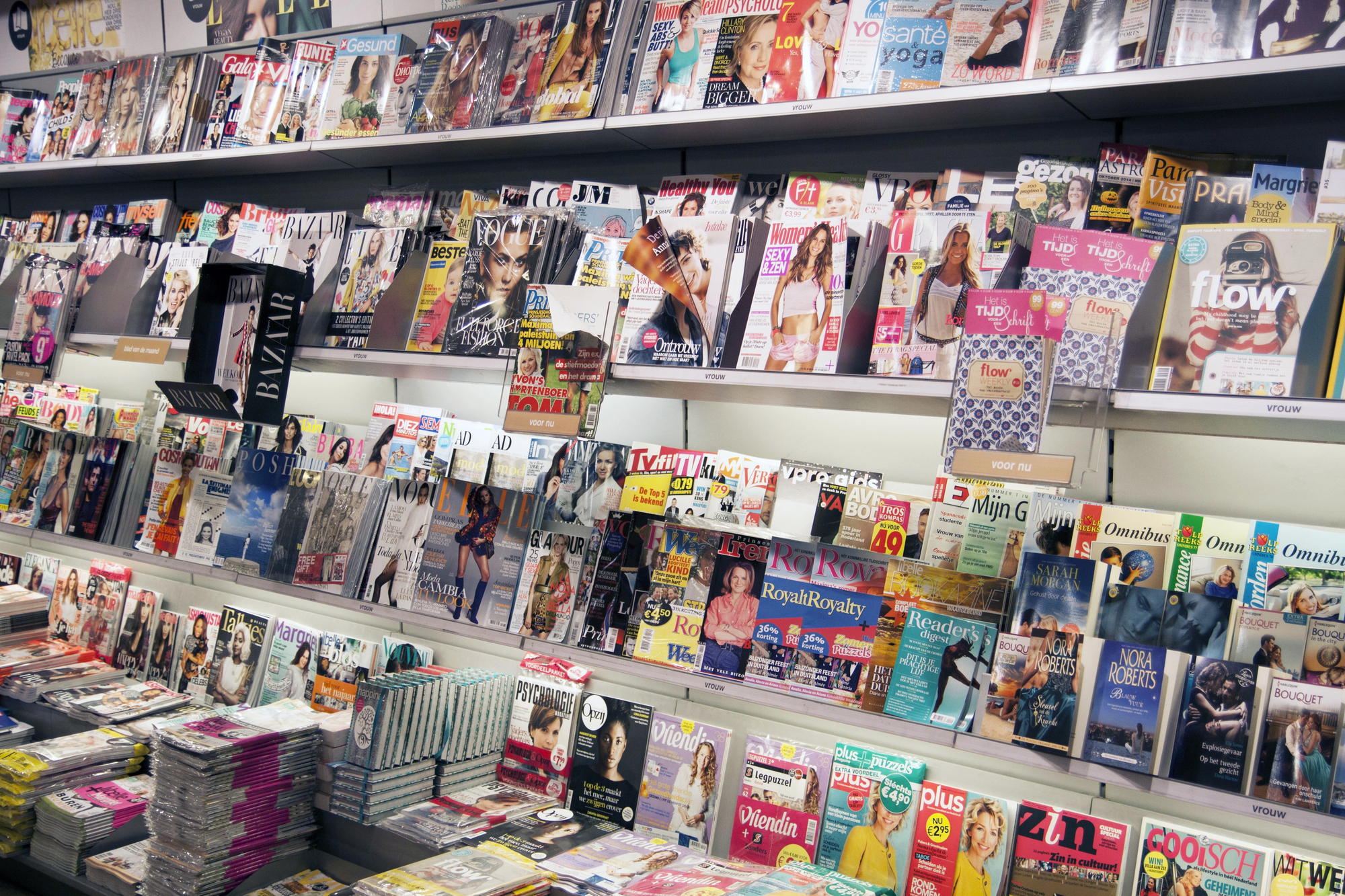
These covers went beyond selling mags – turned into snapshots of history themselves.
Not only did they grab attention, but also influenced how whole eras saw their times.
The strongest ones gave shape to feelings and happenings regular language couldn’t quite nail.
Scrolling through them today? It’s like skimming a picture-driven story of recent decades, every frame hitting a point where things changed – slow or sudden.
They show that one photo, dropped on a cover at just the right time, might last longer than any headline and end up defining memory itself.
More from Go2Tutors!

- The Romanov Crown Jewels and Their Tragic Fate
- 13 Historical Mysteries That Science Still Can’t Solve
- Famous Hoaxes That Fooled the World for Years
- 15 Child Stars with Tragic Adult Lives
- 16 Famous Jewelry Pieces in History
Like Go2Tutors’s content? Follow us on MSN.



