Historic Photographs That Won Pulitzer Prizes
Pulitzer-winning photos seize instances which shape our past, lock in raw feeling, or show tales speech might miss. Whether amid fierce battlefields or gentle gestures of kindness, they open a window onto happenings that shifted reality.
Take a look at these 18 old photos that grabbed Pulitzer Prizes, along with the events that made them famous.
Kent State Shooting
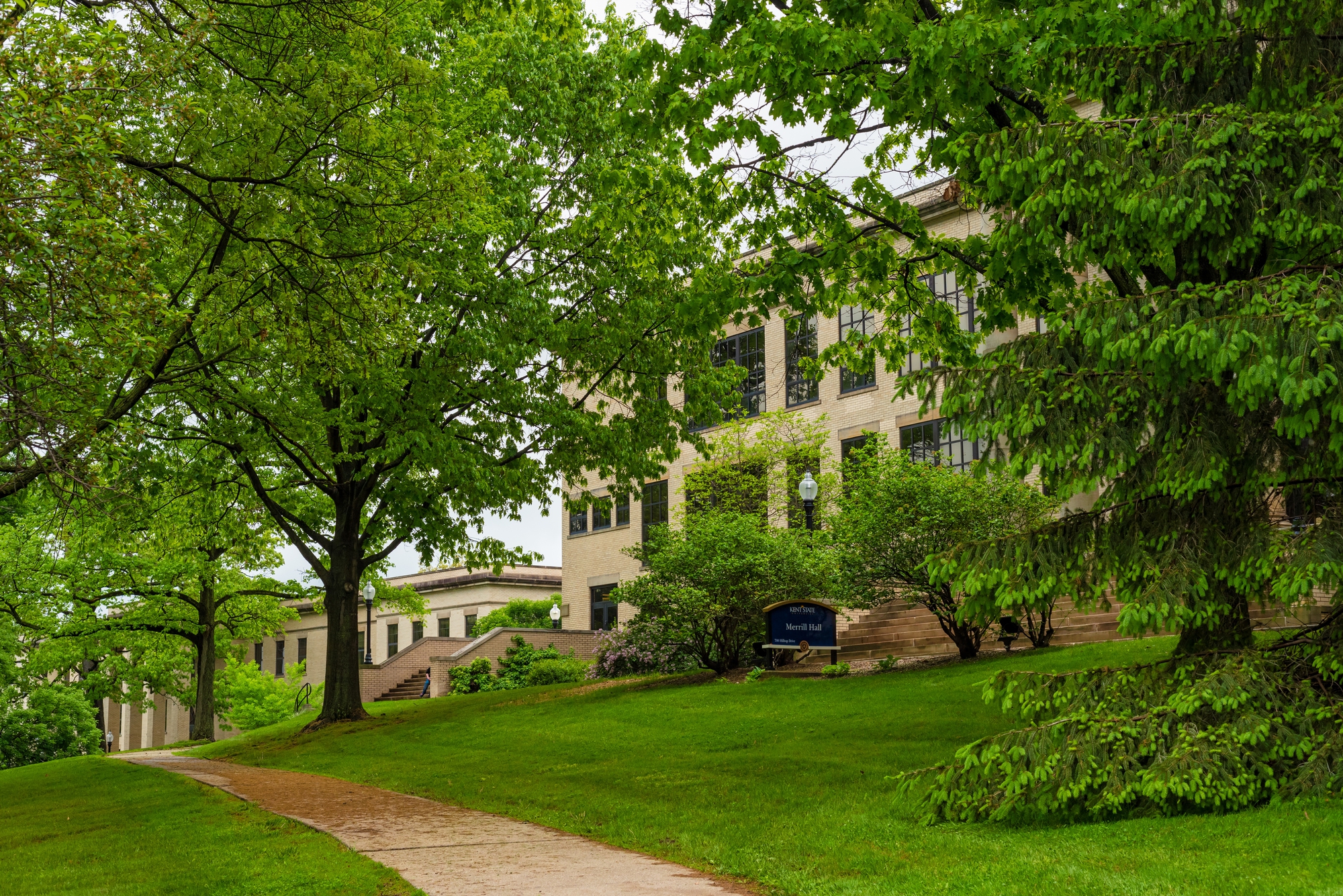
John Filo snapped a shot of a student yelling beside his dead friend after troops opened fire at Kent State in ’70. That picture hit hard – people across the country felt gutted by how real it looked.
More than just another press image, it fired up debate on campus marches, power held by officials, and what chaos demands from society. His split-second click froze pure shock into something that still speaks volumes decades later.
The Falling Man
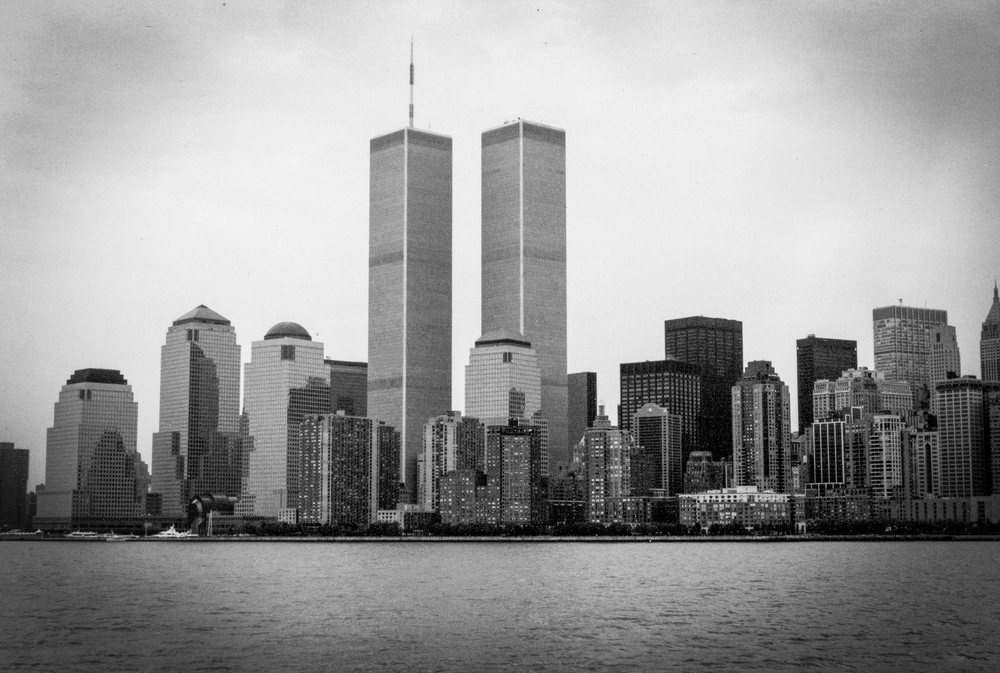
Richard Drew snapped a chilling photo – one person plummeting from the Twin Towers when 9/11 unfolded – capturing pure shock no words could match. Because it showed raw agony, folks argued whether news outlets ought to share such painful scenes or keep them private.
Still, that frame forces us to see real faces caught in massive disasters, not just numbers on a screen. Over time, it stands as proof of how fast normal life can vanish, especially when chaos hits without warning.
Napalm Girl
— Photo by MaxFolle
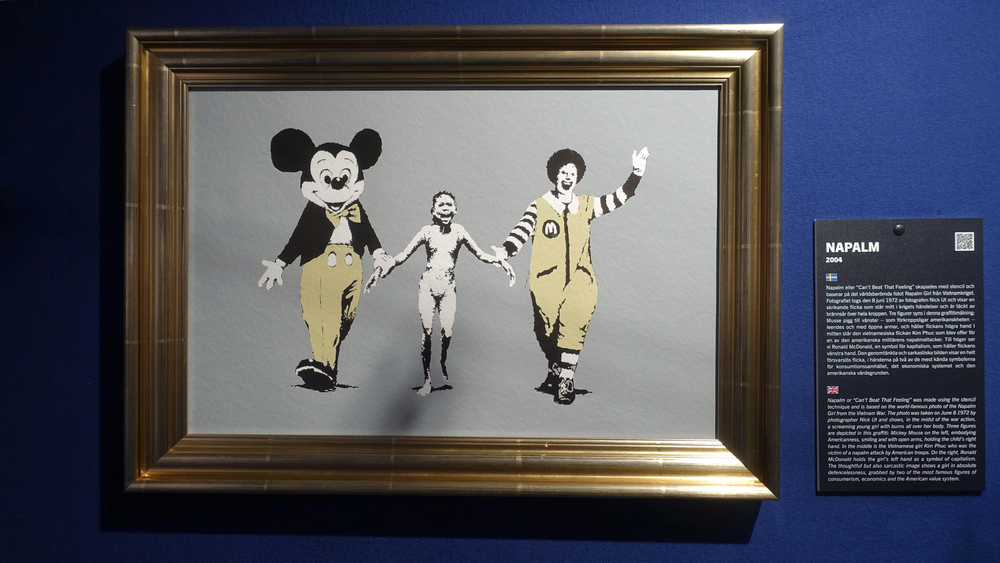
Nick Ut snapped a shot of a little girl sprinting down a road after a napalm blast in Vietnam – raw, unfiltered pain frozen in time. That picture spread fast across continents, shifting how folks saw the war, stirring anger and doubt.
Instead of just numbers or strategy, it put a face on suffering during battle. Over the years, people kept coming back to it when talking about right versus wrong in combat zones, helping those hurt by violence, or how one strong image can change minds.
Migrant Mother
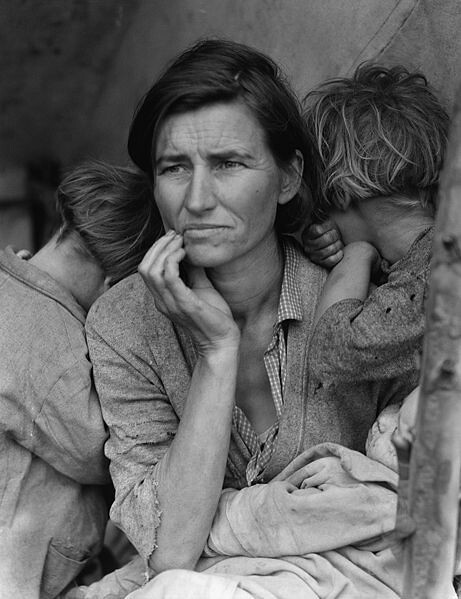
Dorothea Lange snapped a shot of Florence Owens Thompson with her kids, showing life’s raw edge during the Depression. Not just about struggle, it also revealed strength when times got tough – through quiet determination rather than drama.
That photo turned into a symbol of the whole period, nudging officials toward aid efforts by making numbers feel personal. Her camera work proved pictures can shift opinions and spark action, not just record moments.
Afghan Girl
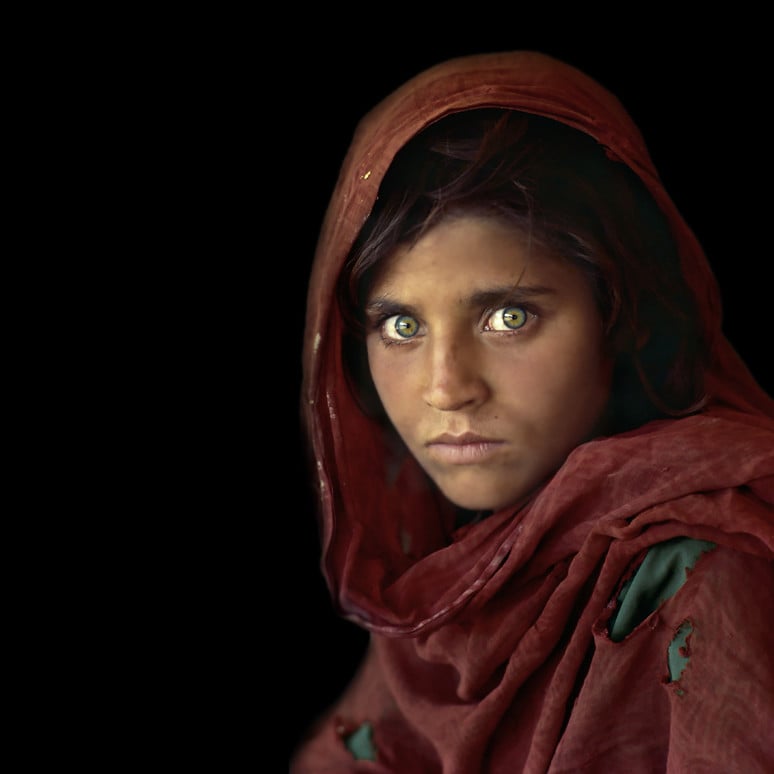
Steve McCurry snapped a photo of Sharbat Gula – a young Afghan girl with striking green eyes – while she lived in a camp across the border in Pakistan, escaping war back home. As Soviet forces held control in Afghanistan, this moment caught more than just her face; it revealed what so many displaced people go through.
Over time, that look in her eyes hasn’t faded – it pulls you in, makes you wonder about everything she’s seen. One frame, no words needed, yet it tells volumes about survival.
Fire Escape Collapse
Stanley Forman snapped the shocking collapse of a fire escape in Boston. Not just tragic, his photos revealed shoddy construction that had been ignored for too long.
Because of them, people started paying attention to risks they’d walked past every day. One accident became a wake-up call – safety rules changed after seeing what went wrong.
The Soiling of the Flag
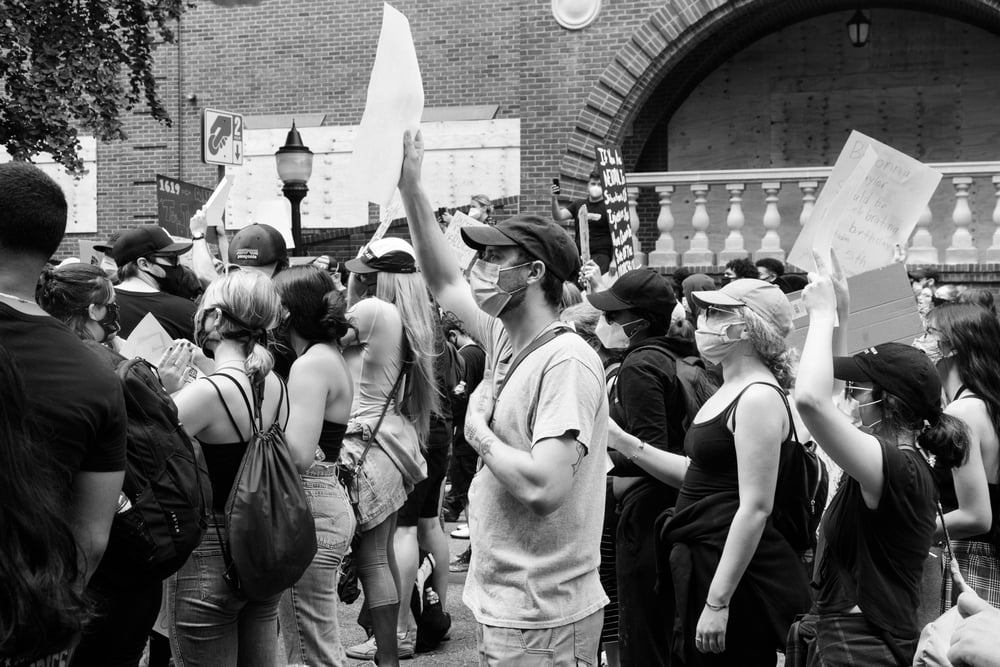
This picture caught the raw energy of political uprisings back in the ’70s, revealing people’s fierce looks of outrage along with defiance. What makes it strong is the way it displays shared feelings and deep social strain amid nationwide chaos.
It still stands as a moment frozen in time – proving street actions shape history while sparking transformation.
Famine in Ethiopia
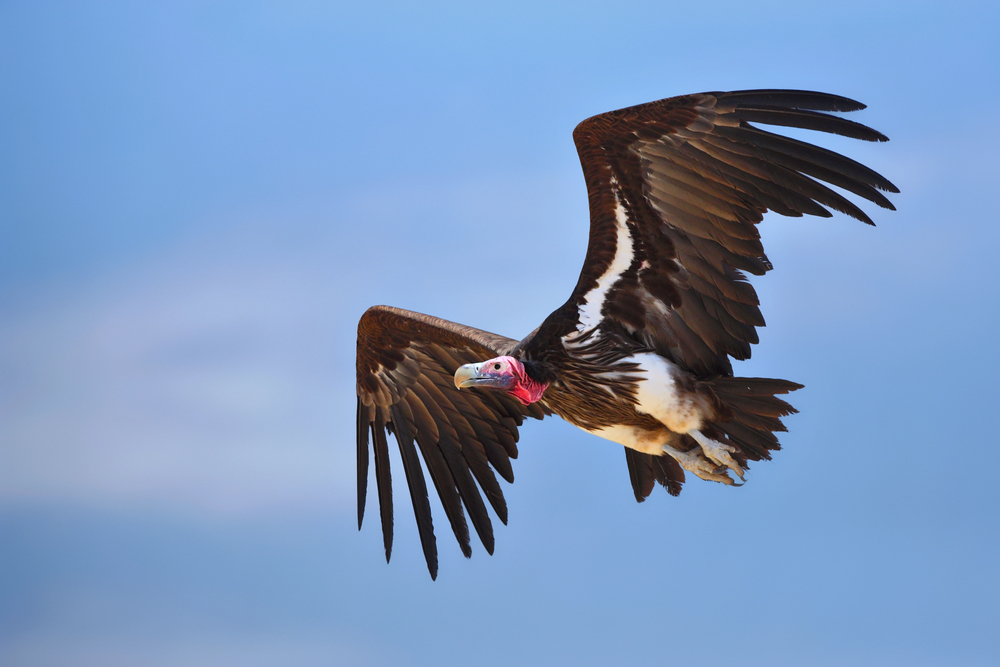
Kevin Carter snapped a grim picture – of a weak kid crawling on the ground while a vulture loomed nearby – and it flung the crisis in Sudan into everyone’s eyes. That single frame hit hard, sparking debates around right or wrong, duty, what photographers should do when disaster strikes.
Instead of charts or cold figures, people saw raw pain up close, making hunger impossible to ignore any longer.
Tiananmen Square Tank Man
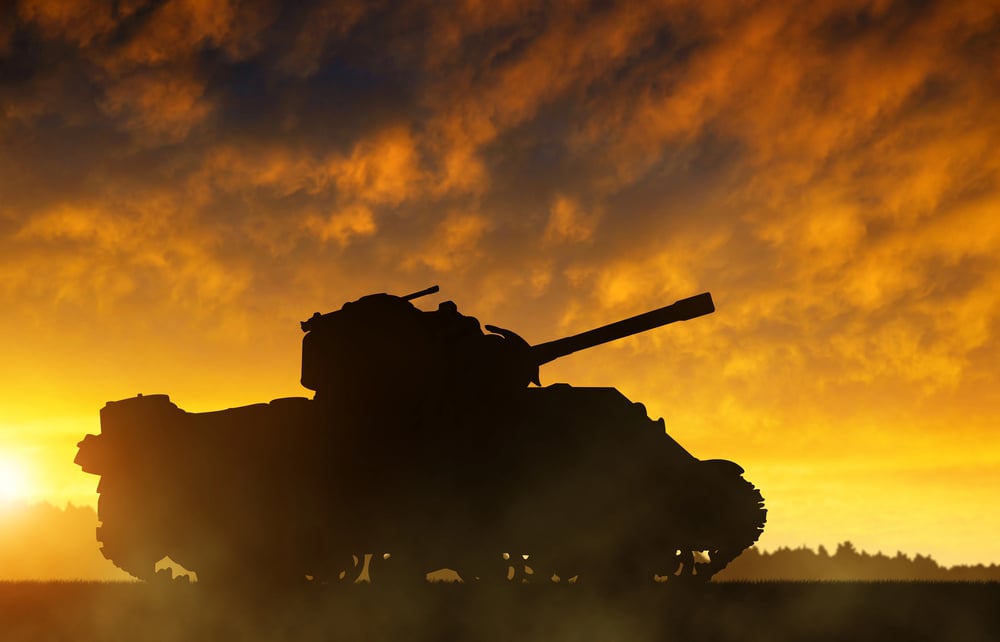
Jeff Widener snapped a shot of one guy facing down several tanks amid the Tiananmen Square unrest – a split second showing wild guts. That picture? It’s about pushing back when crushed by control, shouting quiet strength where force rules.
Still today, it hits hard – echoing fights for liberty and basic dignity.
Oklahoma City Bombing
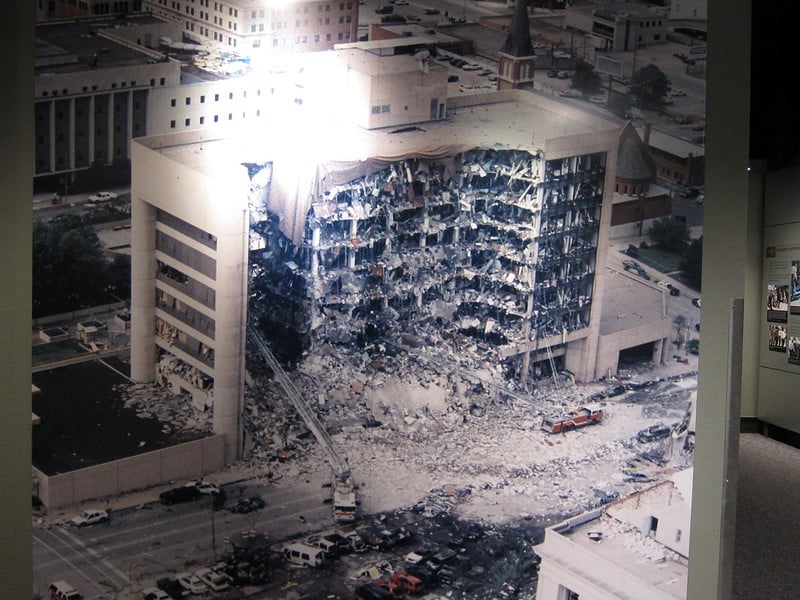
Charles Porter IV snapped images of rescue workers helping survivors right after the ’95 blast. His shots showed heartbreak, yet also strength when homegrown terror struck.
These frames caught the awfulness of that moment along with how regular folks stepped up – acting brave, showing compassion.
Hurricane Katrina
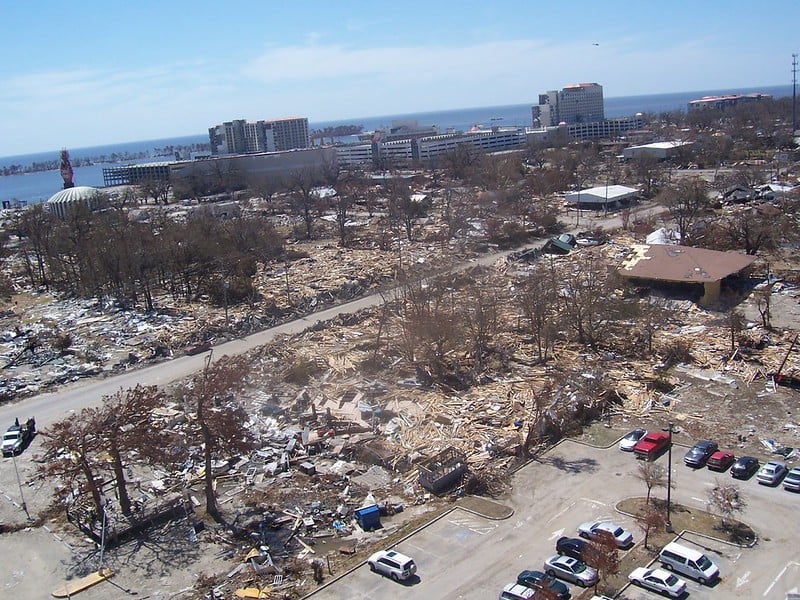
David Leeson snapped photos of New Orleans after Hurricane Katrina hit – showing wreckage everywhere along with deep pain among people. Those pictures made it easier to grasp how bad things were, plus stirred up calls for fast help.
On top of that, they pointed out deeper problems like unfair conditions and clumsy government actions, framing the event as more than just a natural disaster.
Iraq War
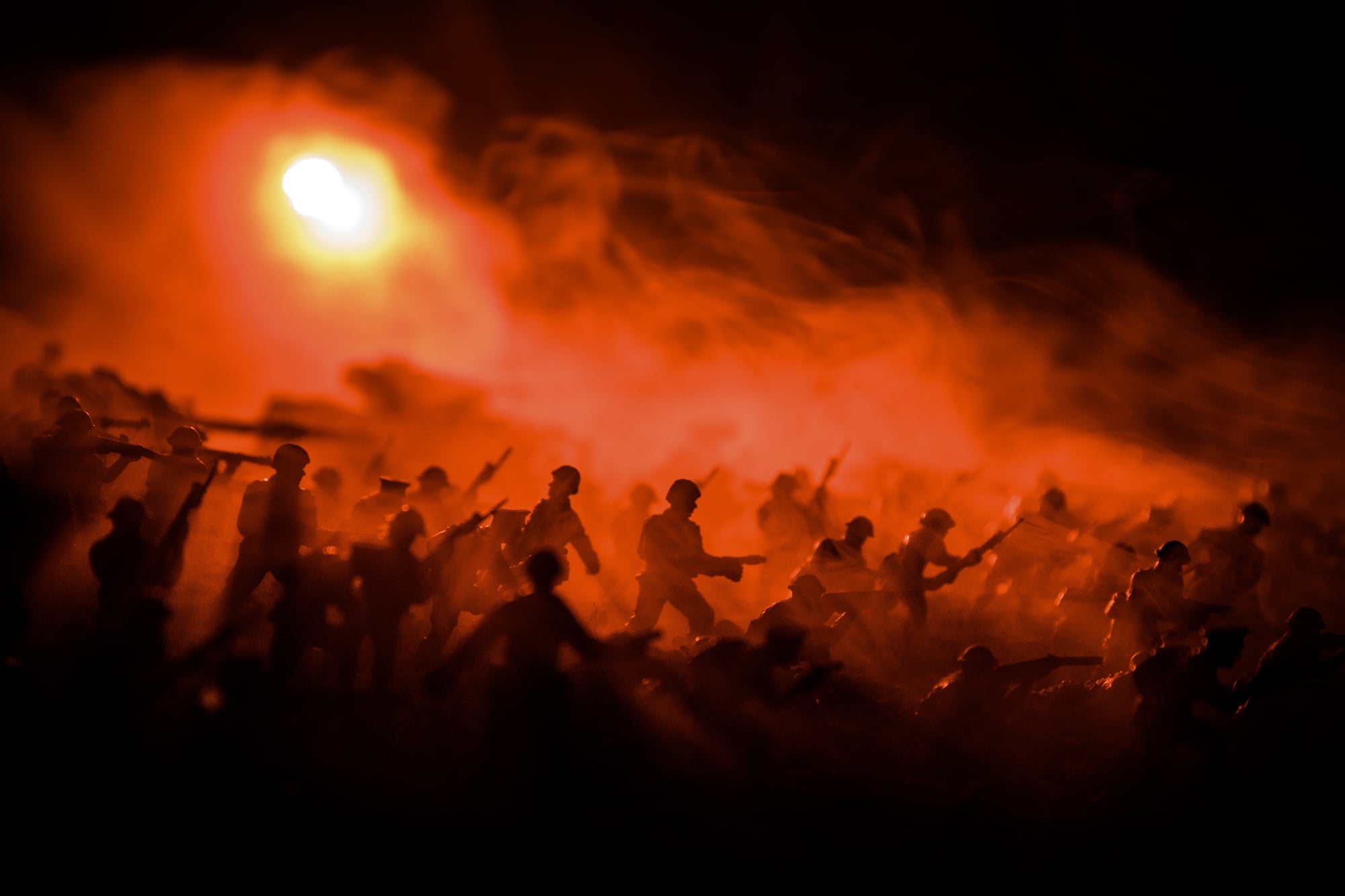
Chris Hondros snapped raw moments from the Iraq War – fighting scenes, pain on people’s faces, lives torn apart by violence. His images revealed war not just through gunfire but also through silent grief in ruined streets.
Instead of statistics or dry summaries, his lens told truths words often miss. Photos became voices for those caught where bombs fall and homes vanish overnight.
Abu Ghraib Prison
Photos from Abu Ghraib in 2005 stunned people everywhere. Those pictures showed serious moral lapses, forcing nations to face tough questions about responsibility within armed forces and governments.
Instead of just anger, they sparked deep talks on dignity, behavior during war, plus how U.S. actions abroad are viewed worldwide.
Boston Marathon Bombing
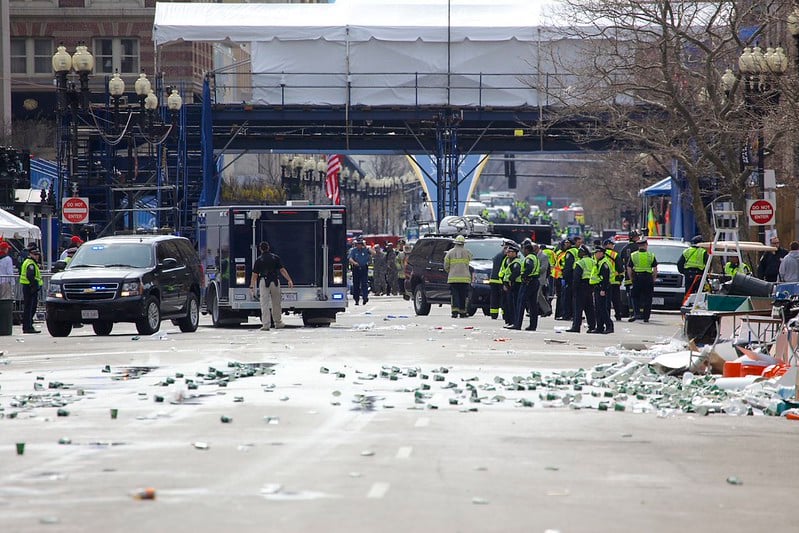
John Tlumacki snapped scenes full of panic, dread, yet also bravery when the bombs hit the Boston Marathon. His shots didn’t just show horror – they revealed how regular people stood strong amid confusion.
Through his lens, you saw runners frozen mid-stride, onlookers leaping into action, emergency crews rushing forward without hesitation. These pictures told a story – not about destruction alone – but about unity sparking up fast when everything falls apart.
Haiti Earthquake
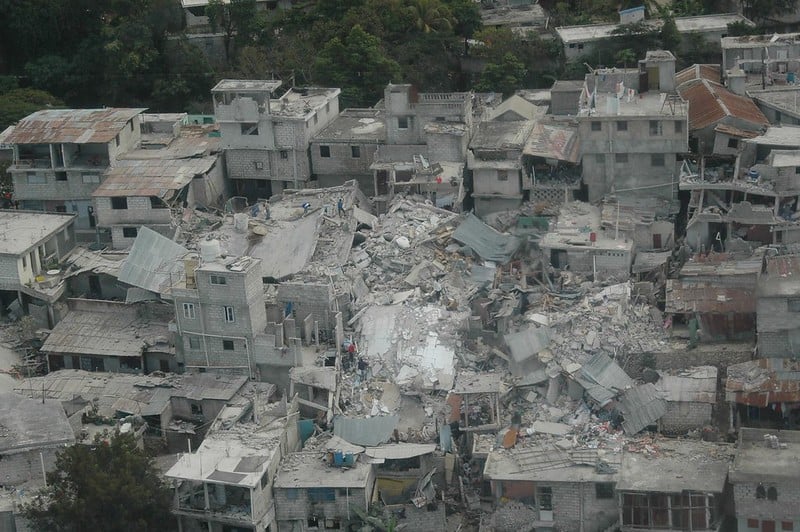
Carlos Barria, along with fellow photojournalists, covered the destruction left by Haiti’s 2010 quake. Because of their reporting, people saw just how severe the damage was – alongside clear signs that help had to come fast.
Instead of focusing only on broken buildings, the pictures told stories of strength, highlighting how those affected kept pushing forward despite grief.
Ferguson Protests
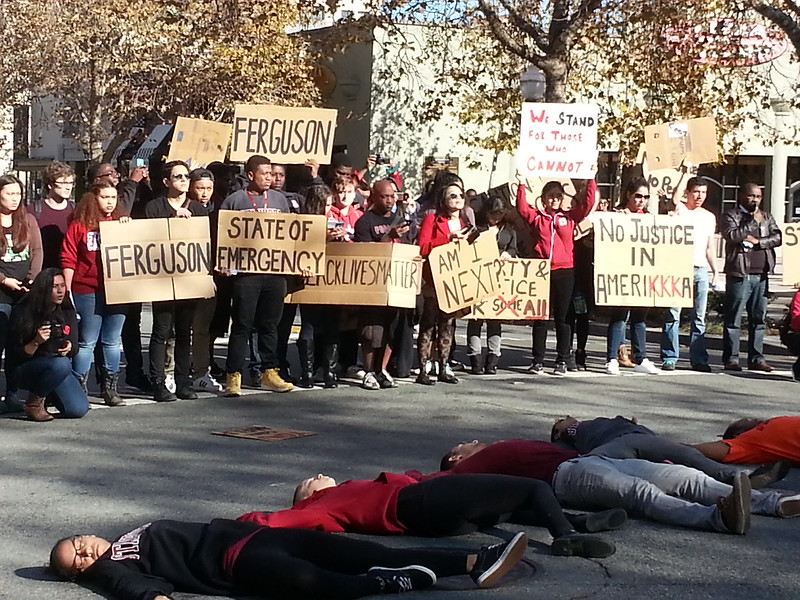
Joshua Lott snapped pictures during the Ferguson unrest in 2015 that laid bare deep divides along racial lines, also showing how police reacted on the ground. Instead of just reporting facts, his lens captured gut-level feelings tied to protest energy around fairness and civil rights.
Those frames let grassroots cries for responsibility be seen and heard far beyond city limits – pulling global focus toward a community’s fight.
Syrian Refugee Crisis
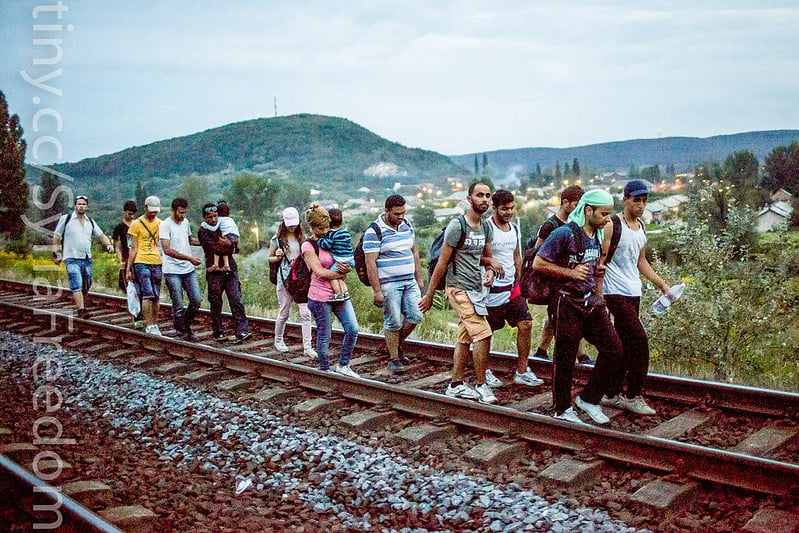
John Moore snapped pics of people escaping war, showing how massive and painful such crises really are. His work highlighted just how exposed ordinary folks become when violence hits, plus why everyone around the world should step up.
These shots put real faces on news stories, revealing what lies beneath dry numbers about migrants.
Black Lives Matter Protests
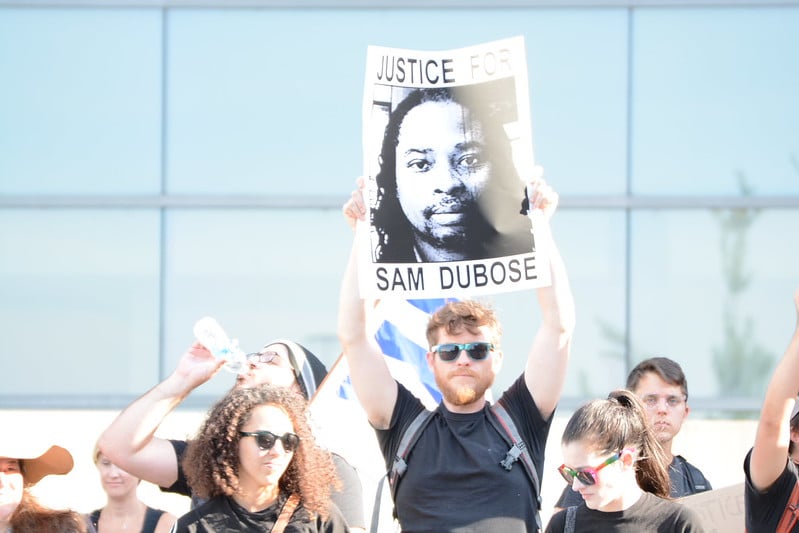
Photos from the George Floyd demonstrations showed sorrow, unity, or quiet strength throughout America. Those shots turned into key markers of the push for fair treatment no matter your background.
They record hurt alongside optimism – moments when people stood up together against deep-rooted injustice, revealing how group efforts can spark change.
Moments That Shape Memory
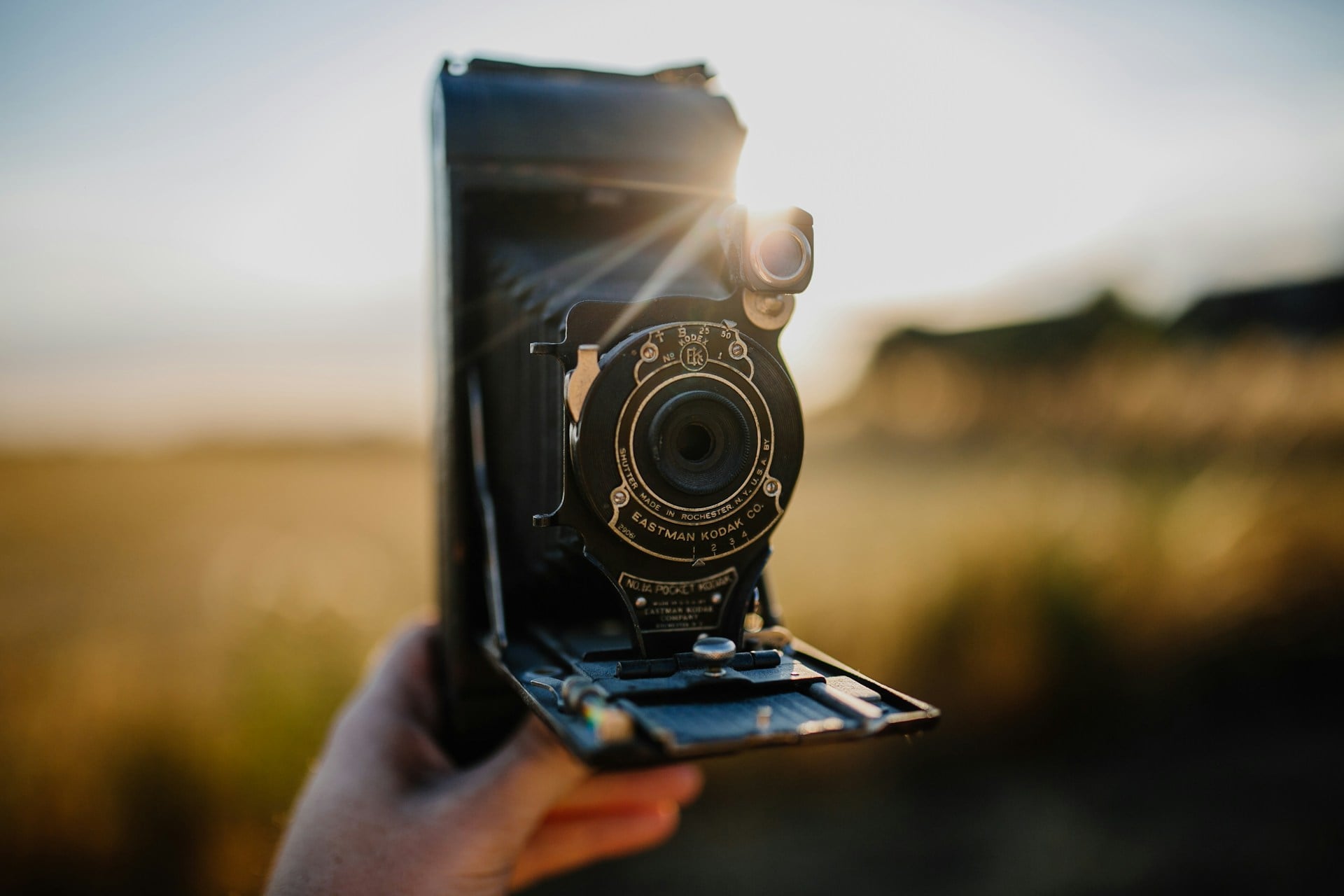
Pulitzer-winning photos don’t just capture scenes – they lock them into shared awareness. Every picture carries traces of bravery, pain, endurance, or rebellion, freezing passing seconds as permanent records.
These shots tell us photography isn’t only what’s visible, yet what stirs inside and what communities must hold onto. A solitary snapshot reveals how one moment, when framed right, shifts views, triggers action, altering how we grasp reality.
More from Go2Tutors!

- The Romanov Crown Jewels and Their Tragic Fate
- 13 Historical Mysteries That Science Still Can’t Solve
- Famous Hoaxes That Fooled the World for Years
- 15 Child Stars with Tragic Adult Lives
- 16 Famous Jewelry Pieces in History
Like Go2Tutors’s content? Follow us on MSN.