Rare Gems That Are Harder To Find Than Clear Diamonds
Most people think diamonds are the rarest gemstones on Earth. Walk into any jewelry store, and you’ll see rows of sparkling diamonds in every size and setting imaginable.
The truth is, diamonds aren’t particularly rare at all — they’re just brilliantly marketed. While diamond companies spent decades convincing the world that diamonds were precious and scarce, truly rare gemstones remained hidden in the shadows, known only to serious collectors and gemologists who understood their actual scarcity.
The gemstones on this list aren’t sitting in display cases at your local mall. They’re so rare that finding a quality specimen can take years, and when one does surface, it often sells for prices that make diamonds look like costume jewelry.
Red Beryl
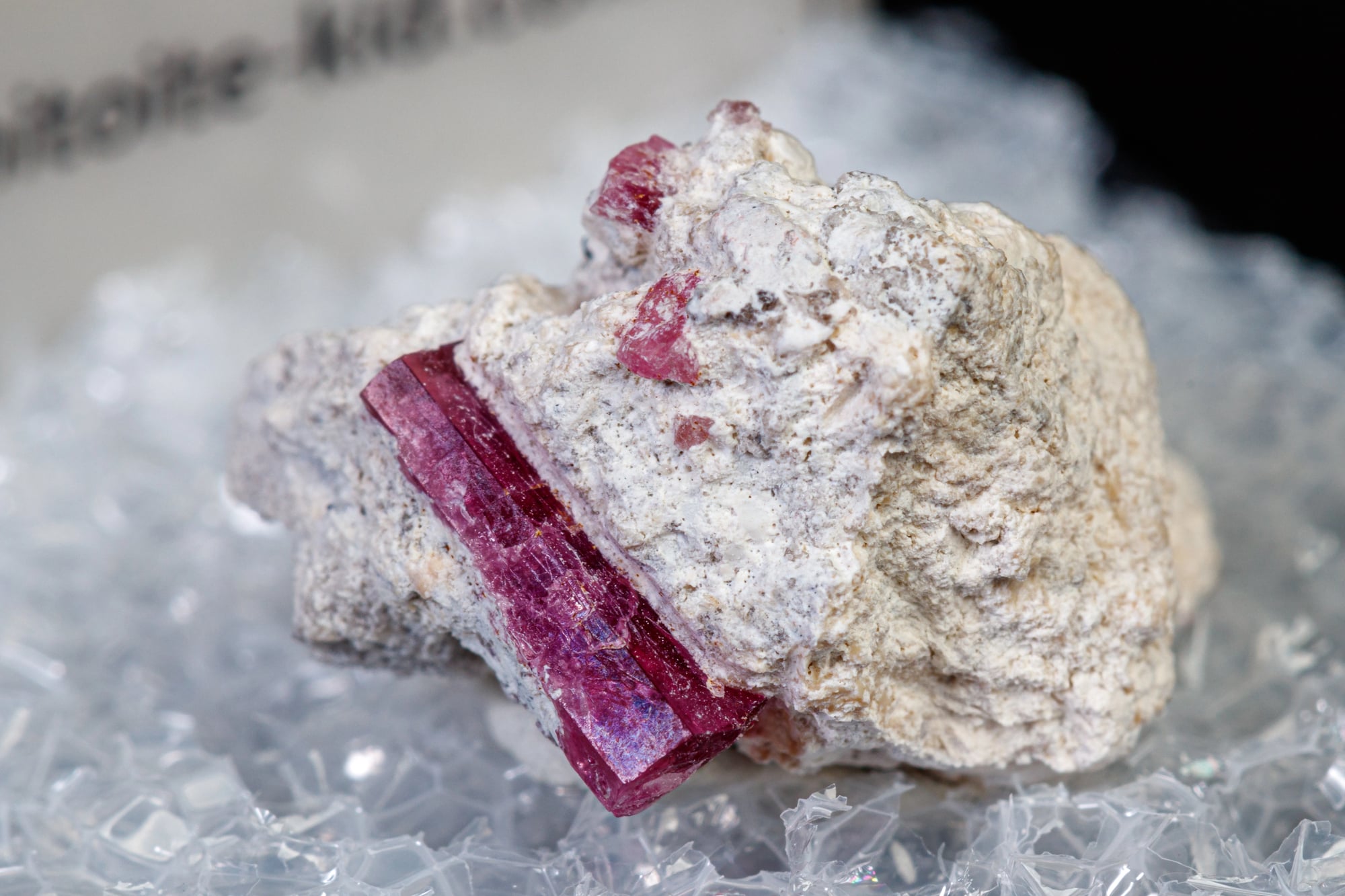
Red beryl doesn’t play games. Found in only one commercial location on Earth — Utah’s Wah Wah Mountains — this gemstone makes diamonds look common.
Most specimens are too small or too included to cut into jewelry. The Utah Geological Association estimates that for every 150,000 gem-quality diamonds mined, only one red beryl crystal emerges from the ground.
That’s not marketing spin — that’s geological reality.
Painite
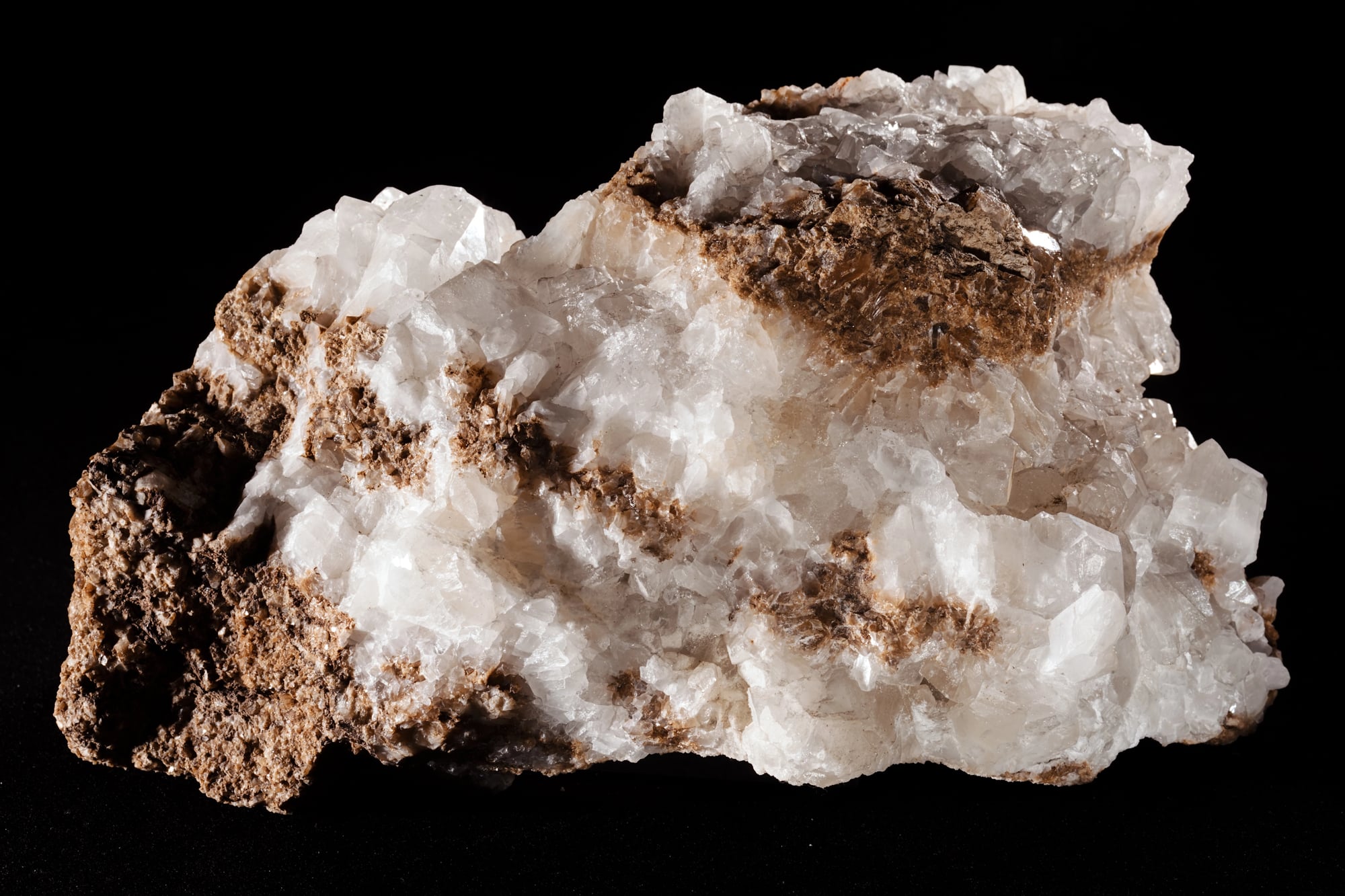
Until 2001, painite held the Guinness World Record as the rarest mineral on Earth, and for good reason (the British Museum had identified exactly three specimens in the preceding fifty years, which gives you some sense of just how elusive this gemstone really is, though discoveries in Myanmar have since brought the total known specimens to somewhere around a thousand — still vanishingly rare by any reasonable standard).
But here’s where it gets interesting: most of these newly discovered crystals are either too small to facet or contain inclusions that make them unsuitable for jewelry, leaving gem-quality painite about as common as finding a needle in a haystack that’s been scattered across an entire continent.
The few faceted painite gemstones that exist tend to be reddish-brown to brownish-red, and they command astronomical prices when they appear at auction — assuming the collector who owns one is willing to part with it, which rarely happens.
And yet the gemstone remains so obscure that most jewelers have never heard of it, let alone seen one in person. So when gemologists talk about true rarity, they’re not thinking about diamonds.
They’re thinking about painite.
Jeremejevite
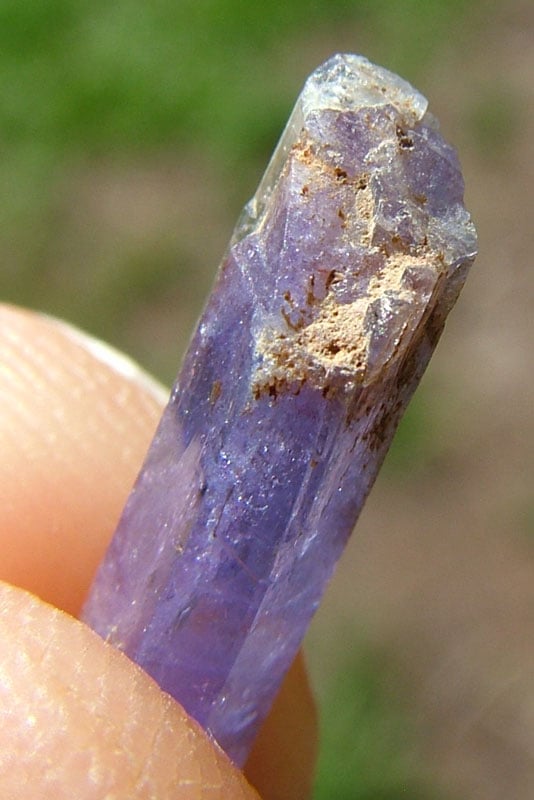
There’s something almost stubborn about jeremejevite, the way it forms only under such specific conditions that most of the Earth’s crust simply can’t accommodate it. Like watching a plant that will only grow in one particular type of soil, in one particular climate, during one particular season — except the season lasts geological epochs, and the soil requirements are so narrow that entire mountain ranges get disqualified.
The few crystals that do form emerge pale blue or colorless, with a clarity that seems to hold light differently than other gemstones. Not brighter, necessarily, but more deliberately — as if the crystal spent millions of years learning exactly how illumination should behave.
Most jeremejevite remains in the hands of mineral collectors rather than jewelers, not because it lacks beauty, but because finding gem-quality material feels less like shopping and more like archaeological treasure hunting.
Bixbite
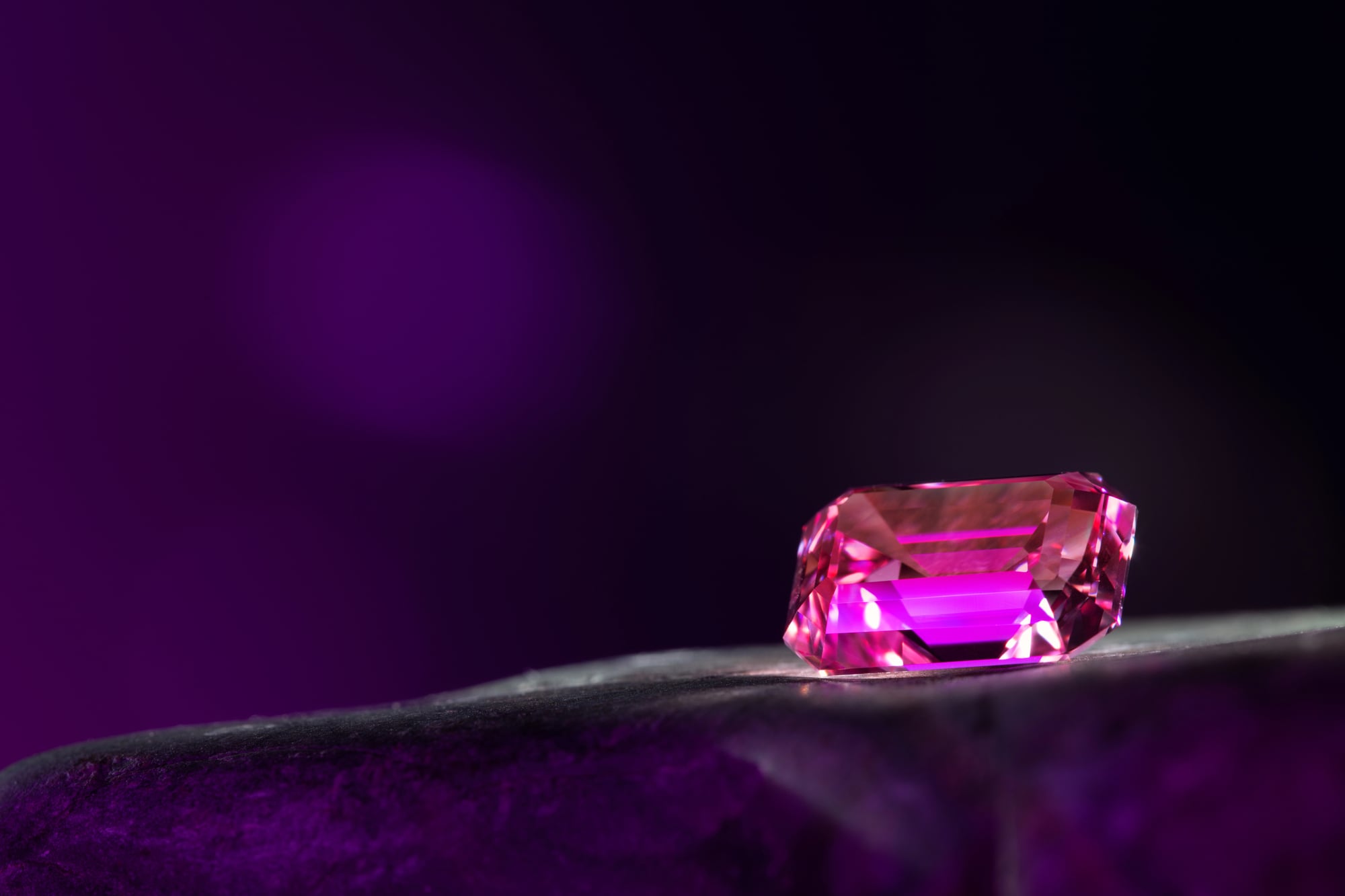
Bixbite is what happens when beryl gets stubborn and decides to turn red instead of the usual green or blue. The geological conditions required for this transformation are so specific that commercial deposits exist in exactly one place: Utah’s Thomas Range and Wah Wah Mountains.
The numbers tell the story plainly enough. While emeralds and aquamarines — both varieties of beryl — appear in deposits around the world, bixbite shows up in an area roughly the size of a small city.
Most crystals are under one carat, and finding clean material suitable for faceting requires the patience of someone willing to sift through tons of host rock for a few usable fragments. To be fair, the scarcity has created a market where even heavily included bixbite commands premium prices, which is saying something in a world where clarity typically determines value.
Taaffeite
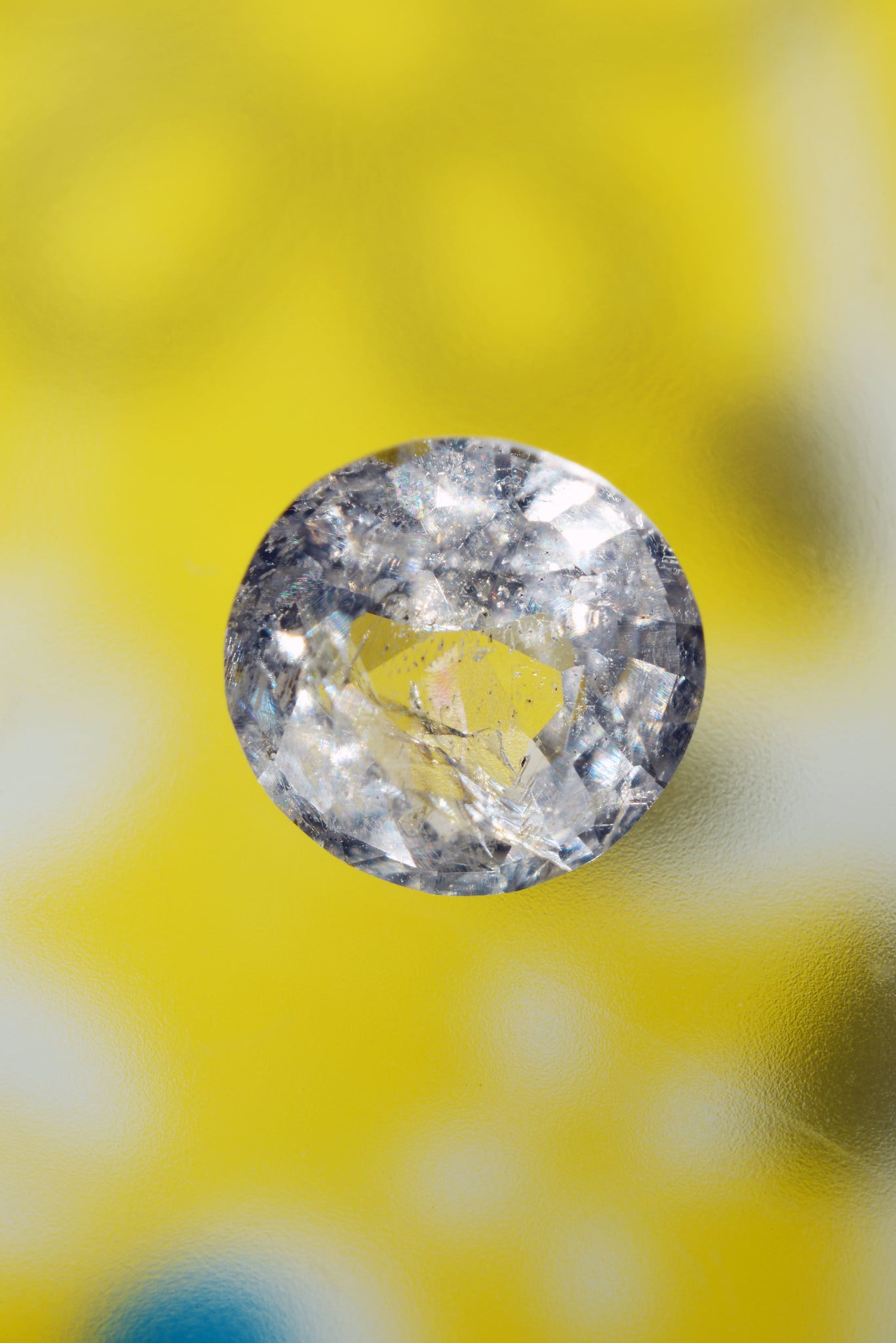
Taaffeite showed up by accident in 1945 when gemologist Richard Taaffe noticed something odd about a supposed spinel in his collection. The crystal looked right, felt right, but behaved wrong under testing (properties that didn’t match spinel’s known characteristics, which led to months of additional analysis before anyone realized they were looking at an entirely new mineral species).
What started as routine gem identification turned into the discovery of one of the rarest gemstones on Earth, though the initial excitement was tempered by a rather inconvenient truth: nobody could figure out where the original stone had come from, since it had been purchased as part of a mixed lot from a gem dealer who couldn’t remember the source.
Decades passed before additional taaffeite specimens surfaced in Sri Lanka and Myanmar, but even today, gem-quality material remains extraordinarily scarce. The few stones that make it to market are usually pale lavender or colorless, with a brilliance that’s distinctive enough to justify the complexity of identifying them in the first place.
And yet most people — including experienced jewelers — have never encountered taaffeite outside of gemology textbooks, if they’ve heard of it at all.
Jadeite
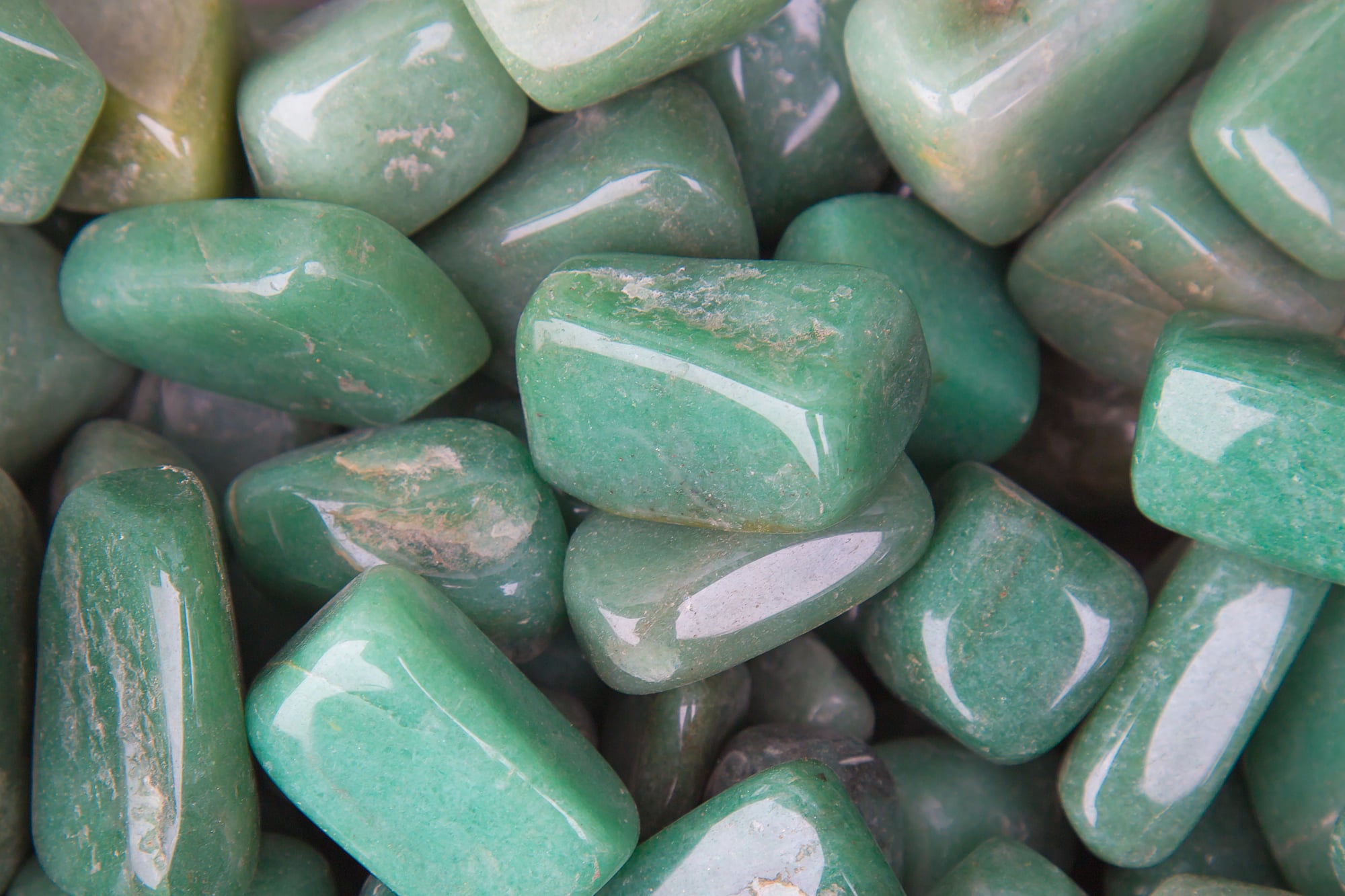
Not all jade is created equal. While nephrite jade appears in deposits around the world, jadeite — the rarer variety — forms under such specific geological conditions that most of it comes from a single region in Myanmar.
Imperial jadeite, the finest grade, displays a vivid emerald green that seems to glow from within. The Chinese have prized this material for centuries, and high-quality pieces regularly sell for more per carat than the finest diamonds.
A necklace comprising 27 jadeite beads sold at auction for over $27 million, which puts the material’s rarity into perspective. The problem is authentication.
Lower-grade jadeite gets treated, dyed, or passed off as the imperial variety, making untreated, natural imperial jadeite both expensive and difficult to verify.
Alexandrite
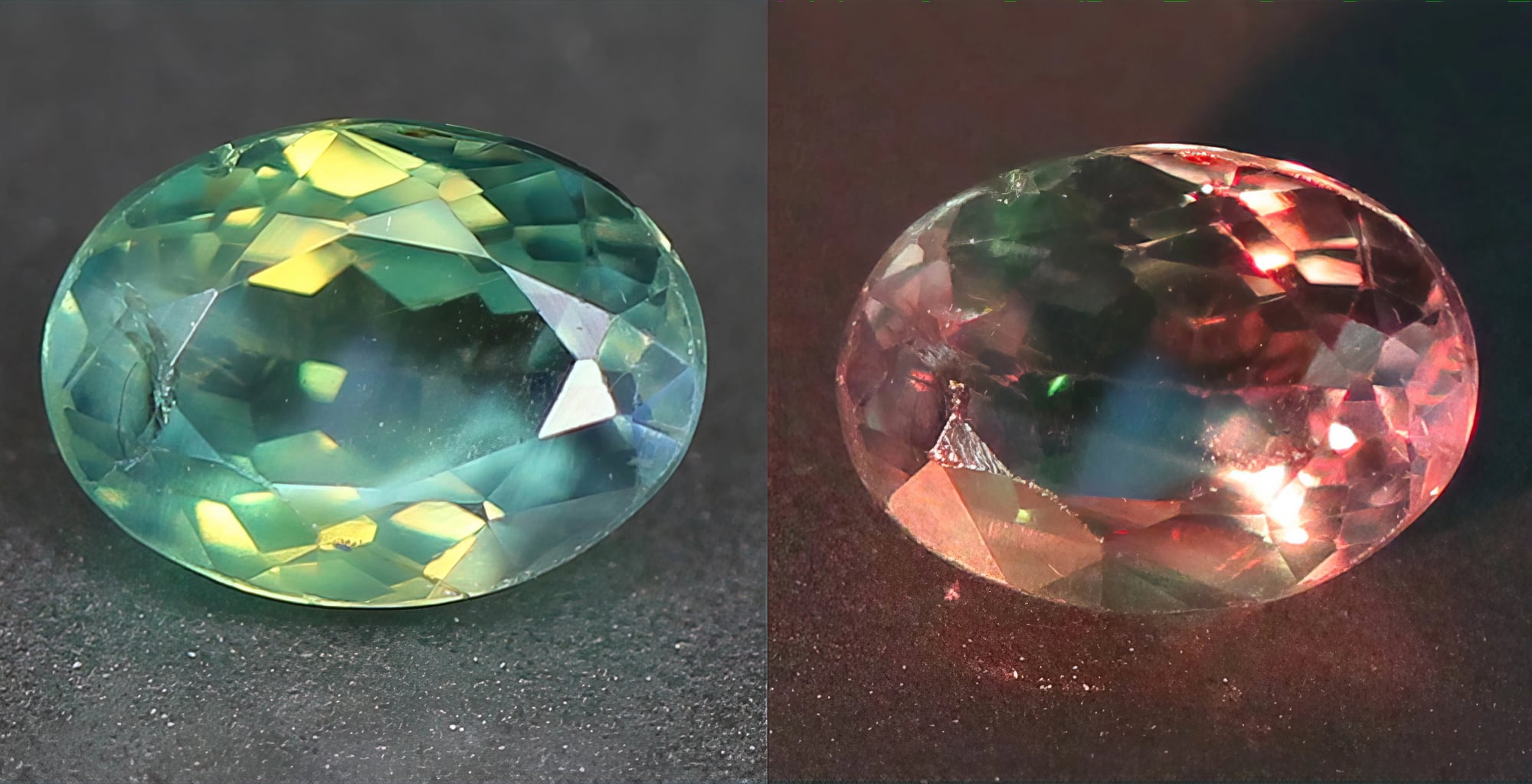
Alexandrite behaves like a gemstone that can’t make up its mind, shifting from green in daylight to red under incandescent light with the decisiveness of someone changing lanes in heavy traffic. This color-change phenomenon isn’t subtle — it’s dramatic enough that early discoveries were thought to be two different gemstones accidentally mixed together.
The original Russian deposits in the Ural Mountains produced the finest material, but those mines exhausted themselves decades ago. Modern alexandrite comes primarily from Brazil, Sri Lanka, and East Africa, though finding specimens with the strong color change and clarity of the original Russian stones has become increasingly difficult.
Good alexandrite doesn’t just show color change — it shows strong color change. Weak color-change alexandrite exists, but it feels like settling for a black-and-white photograph when you were expecting technicolor.
Padparadscha Sapphire
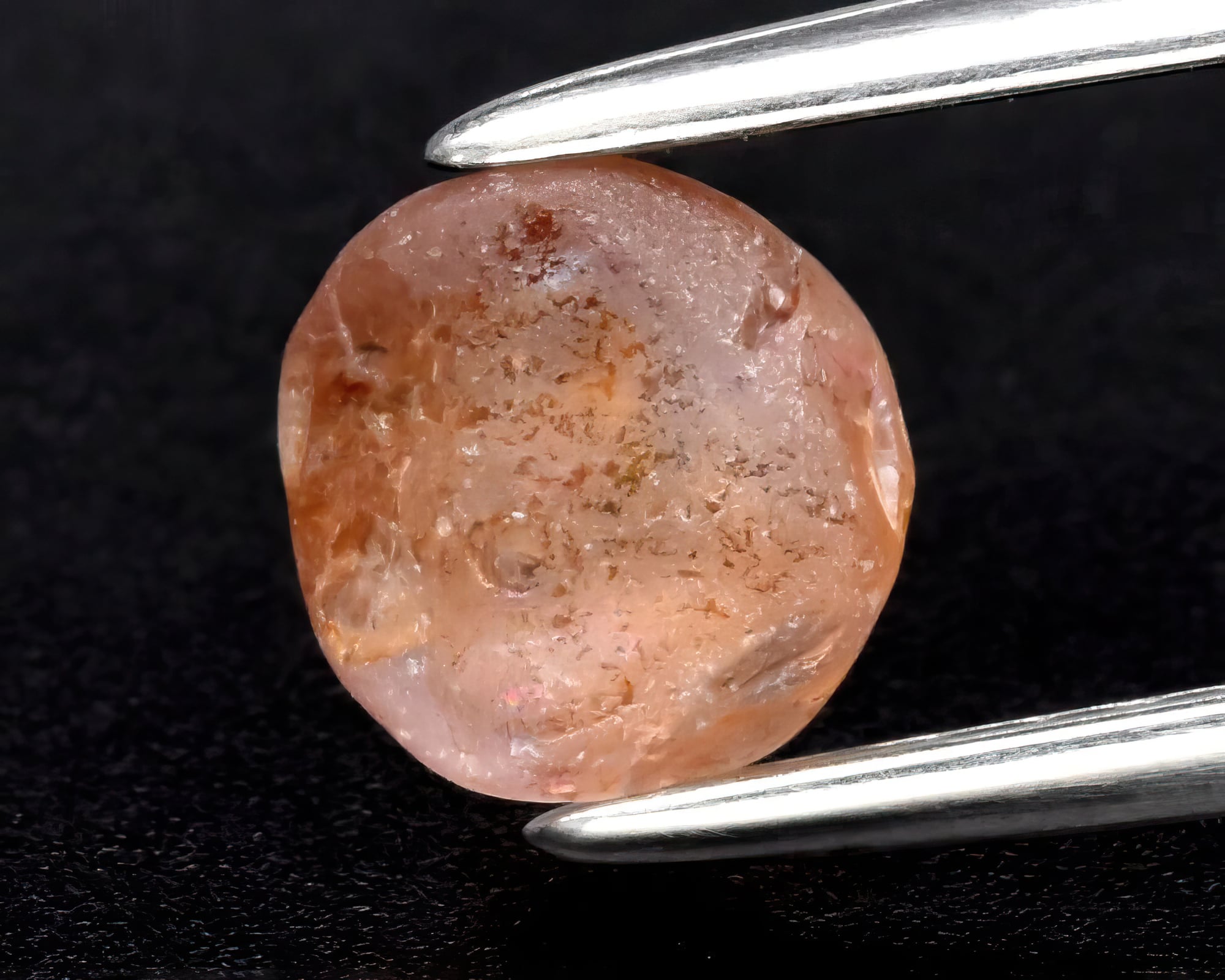
Padparadscha sapphires occupy the narrow space between pink and orange, displaying a color that gemologists describe as lotus blossom or sunset. The name comes from the Sinhalese word for the lotus flower, which gives you some sense of how specific this color range really is.
Most sapphires are clearly blue, pink, yellow, or orange. Padparadscha exists in the overlap — not quite pink enough to be called pink, not quite orange enough to be called orange.
This ambiguity creates endless debates among gemologists about whether a particular stone qualifies as true padparadscha or should be classified as pink-orange or orange-pink sapphire. Sri Lanka produces most padparadscha sapphires, though the supply remains limited enough that fine specimens command prices rivaling the best blue sapphires.
The color has to hit exactly the right balance, and most stones miss the mark by leaning too heavily toward pink or orange.
Black Opal
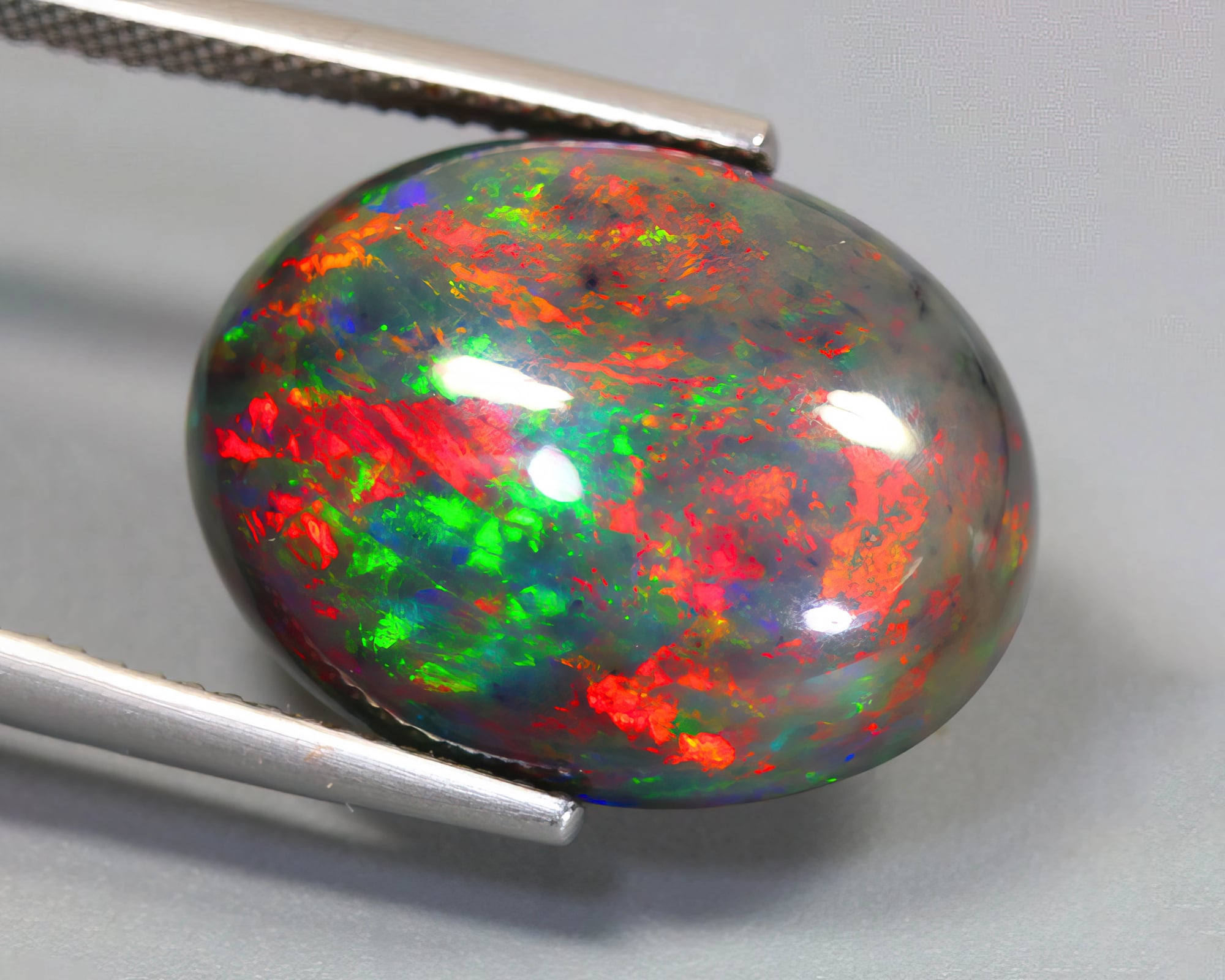
Black opal doesn’t just display color — it seems to contain entire galaxies, with flashes of electric blue, green, and red that shift and dance across a dark body tone like aurora borealis trapped in stone. This isn’t the milky common opal found in most jewelry stores; this is opal that took millions of years to develop the optical complexity that makes collectors pay attention.
Lightning Ridge in New South Wales produces virtually all the world’s black opal, and even there, finding gem-quality material with strong color play requires patience and luck. Most opal from the mines is either too pale, too fractured, or lacks the vivid color flashes that define the finest specimens.
The best black opals feel almost three-dimensional, as if you could reach into the stone and touch the colors floating just beneath the surface. That optical depth separates exceptional black opal from merely pretty opal, and the difference shows up immediately in the pricing.
Demantoid Garnet
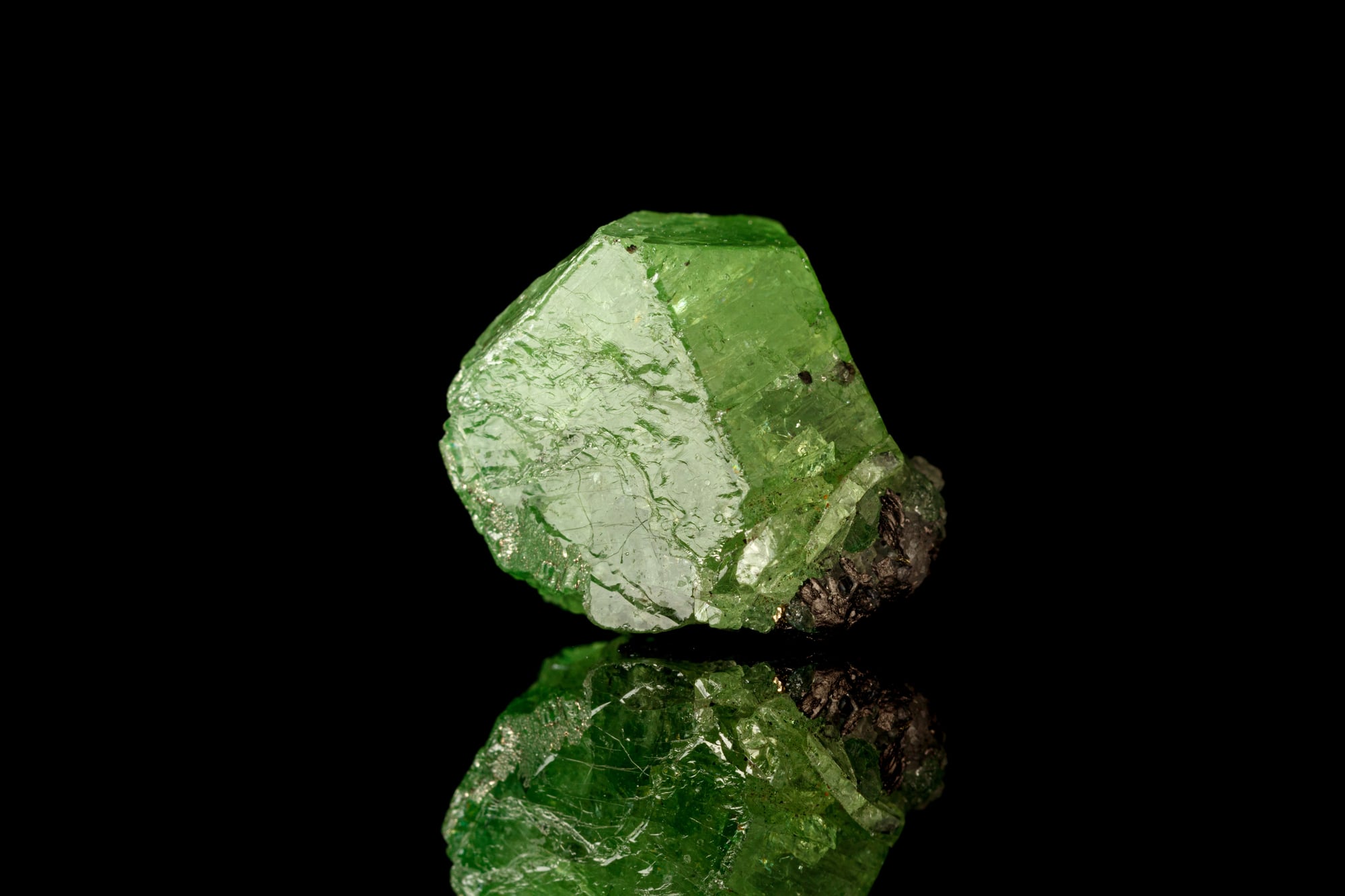
Demantoid garnet packs more brilliance per square millimeter than almost any other gemstone, with a refractive index that makes properly cut specimens seem to generate their own light. The name means “diamond-like,” and while that comparison might sound like marketing, anyone who has seen fine demantoid under proper lighting understands why early gemologists reached for that particular analogy.
The original Russian deposits in the Ural Mountains produced the finest material, often containing distinctive horsetail inclusions of chrysotile that actually increase the stone’s value rather than diminishing it (these inclusions serve as proof of Russian origin, which commands premium prices among collectors who understand the significance of provenance in the demantoid market).
Modern production comes primarily from Namibia and Madagascar, but Russian demantoids remain the gold standard for color and brilliance. Most demantoids are small — stones over two carats are genuinely rare, and specimens over five carats become museum pieces rather than jewelry components.
But the brilliance compensates for the size limitations, creating an intensity of light return that makes small demantoids appear larger than their actual dimensions suggest.
Benitoite
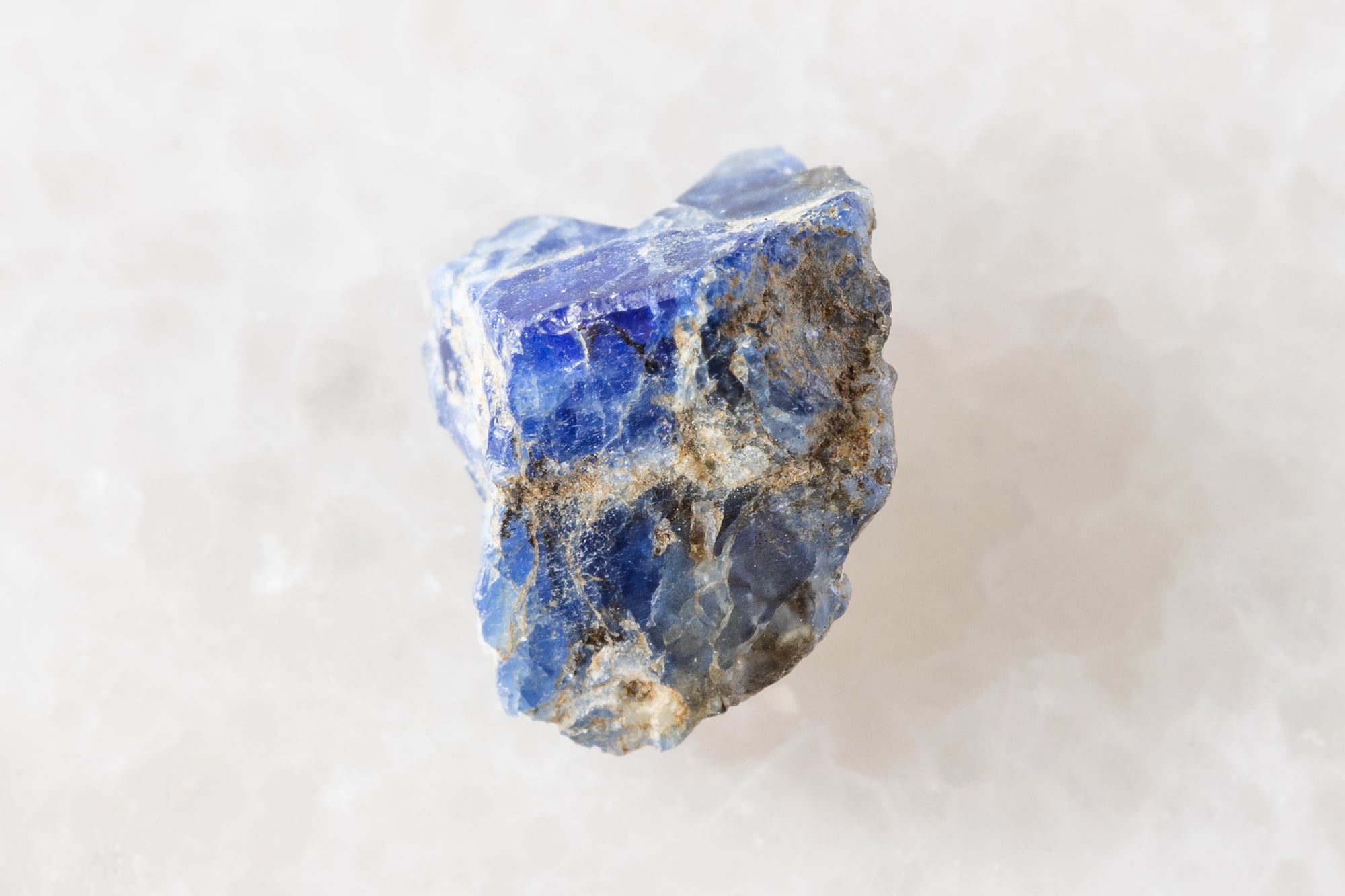
California’s state gemstone exists almost nowhere else on Earth except the San Benito River region where it was first discovered. Benitoite forms under such specific geological conditions that despite decades of exploration, no significant deposits have been found outside this single location.
Under ultraviolet light, benitoite fluoresces bright blue, but in daylight it displays a sapphire-like blue color with brilliance that rivals diamond. The combination of extreme rarity and attractive optical properties has made benitoite a favorite among collectors who specialize in unusual gemstones.
The original mine closed years ago, making existing benitoite specimens essentially finite. No new material means prices for quality stones continue climbing, and finding specimens over one carat requires serious patience and deeper pockets.
Red Diamond
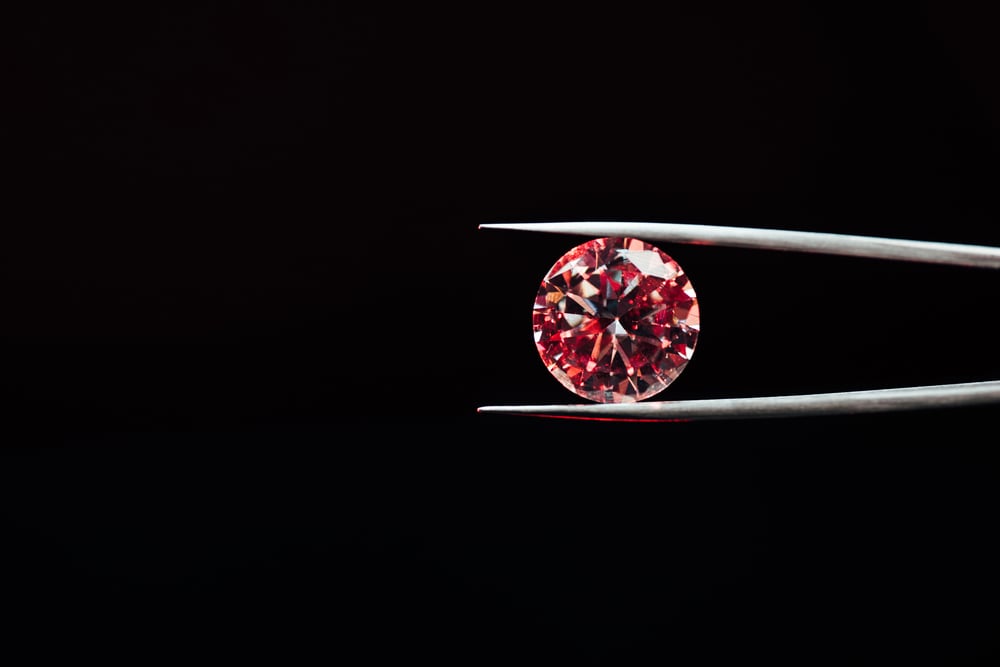
Red diamonds don’t exist in the same universe as regular diamonds when it comes to rarity. The Gemological Institute of America has graded fewer than 30 natural red diamonds in its entire history, and most of those were under one carat.
The red color comes from structural anomalies in the crystal lattice rather than trace elements, making the formation process even more unlikely than other colored diamonds. When red diamonds do appear at auction, they sell for over $1 million per carat, assuming anyone is willing to sell.
Most red diamonds have secondary colors — purplish red or brownish red — with pure red being almost mythically rare. The few stones that achieve pure red coloration become legendary among collectors, with names and histories that get passed down through generations of gemstone enthusiasts.
Paraiba Tourmaline
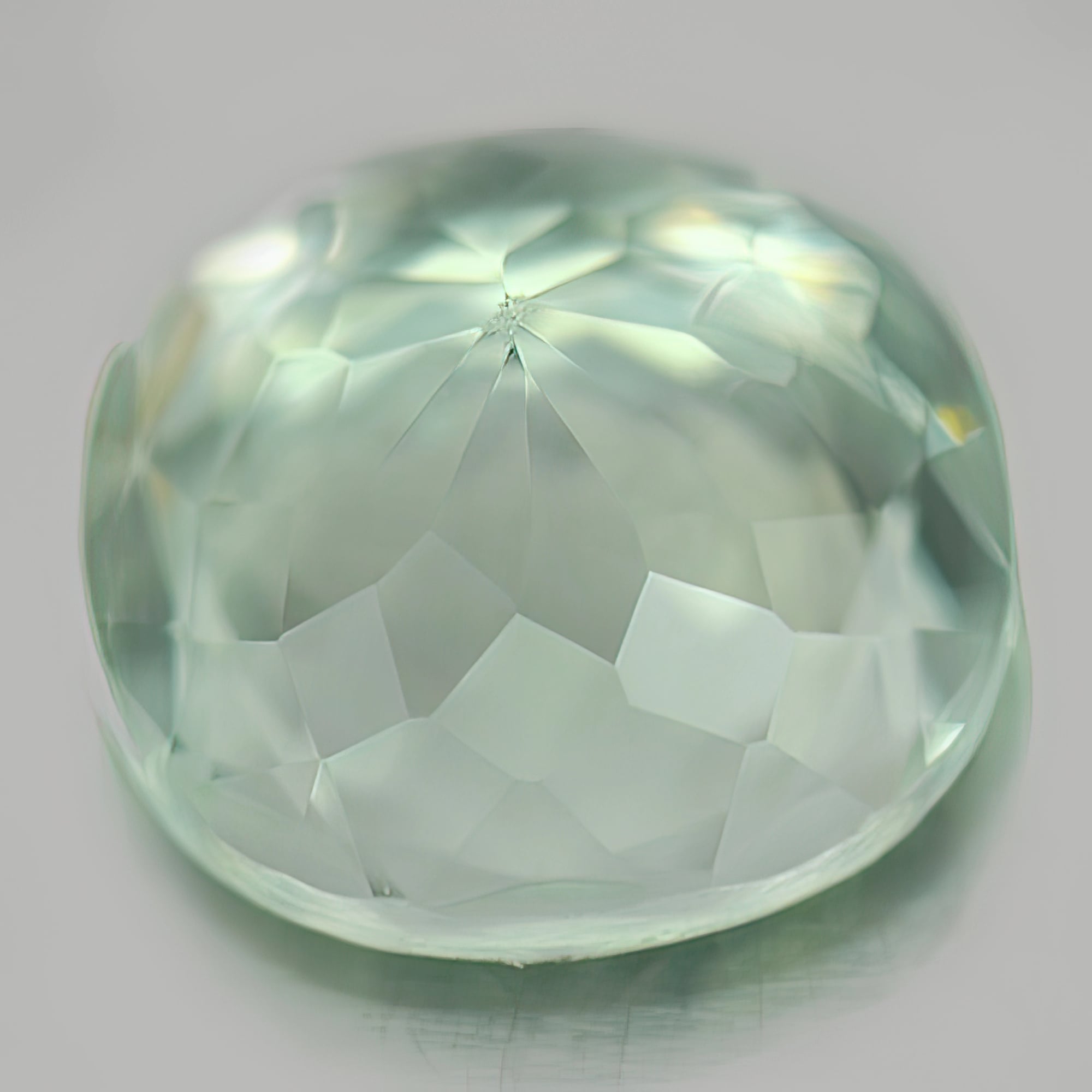
Paraiba tourmaline glows with an electric blue-green that seems to have its own power source, a neon intensity that makes other blue gemstones look subdued by comparison. The color comes from copper and manganese trace elements, creating a combination that occurs naturally in only a few locations worldwide.
The original Brazilian deposits in Paraiba state produced the most prized material, but those mines yielded relatively small quantities before becoming largely depleted. Similar material has been found in Mozambique and Nigeria, but purists still consider Brazilian Paraiba the gold standard.
Fine Paraiba tourmaline sells for more per carat than emerald, ruby, or sapphire of comparable quality. The electric color intensity justifies the premium — this isn’t just another blue gemstone, but something that seems to generate its own illumination from within.
The Geography Of Rarity
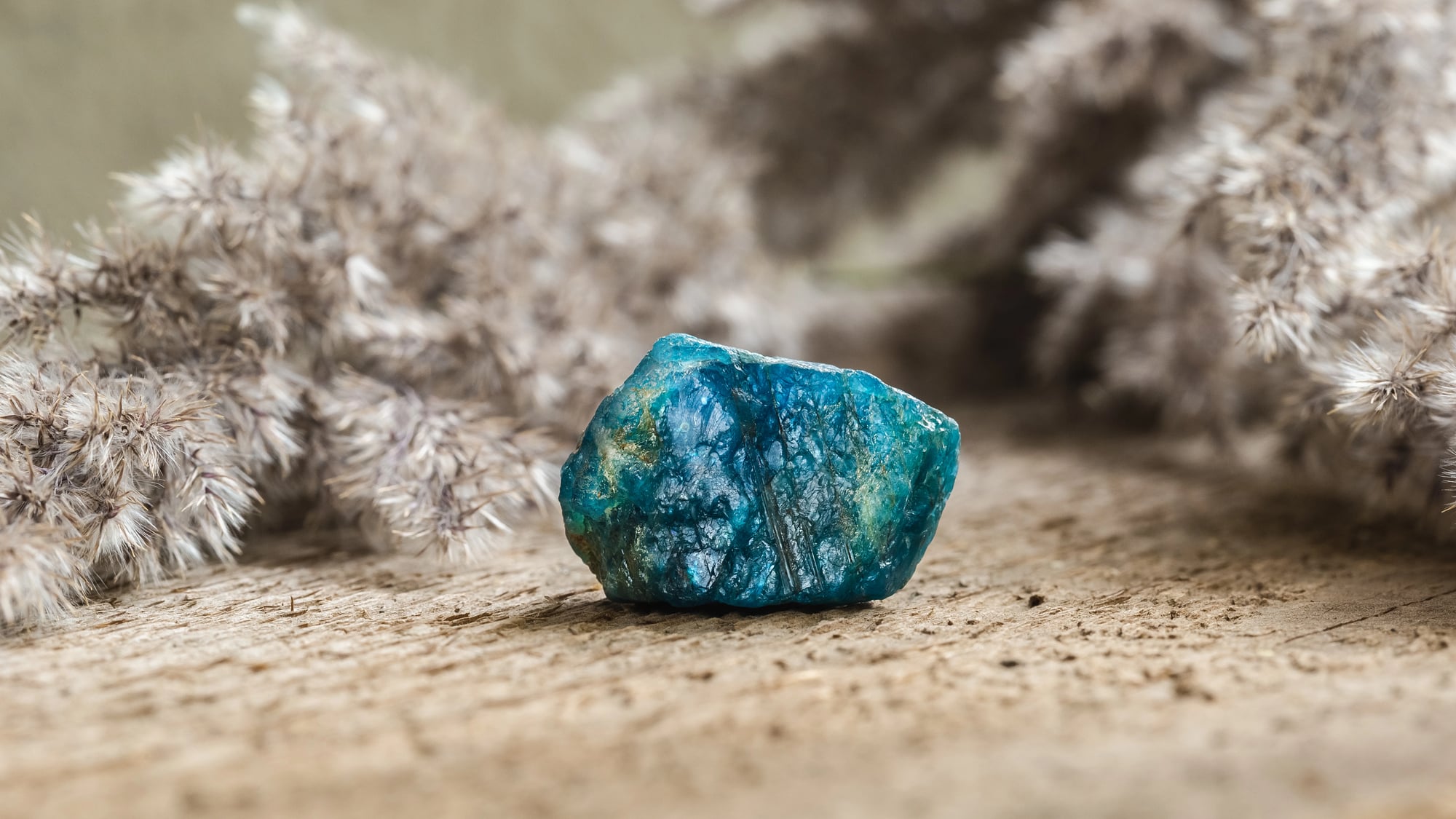
Rarity in the gemstone world often comes down to geography and geology conspiring against abundance. While diamonds form under relatively common conditions in the Earth’s mantle, these rare gemstones required such specific combinations of temperature, pressure, chemical composition, and time that most of the planet simply couldn’t accommodate their formation.
The result is a collection of materials that make diamonds look mass-produced by comparison. Finding these gemstones isn’t just about having money — it’s about having patience, connections, and the willingness to wait for the right specimen to surface from the handful of locations where they exist at all.
More from Go2Tutors!

- The Romanov Crown Jewels and Their Tragic Fate
- 13 Historical Mysteries That Science Still Can’t Solve
- Famous Hoaxes That Fooled the World for Years
- 15 Child Stars with Tragic Adult Lives
- 16 Famous Jewelry Pieces in History
Like Go2Tutors’s content? Follow us on MSN.