Images of Forgotten European Castles with a Chilling History
The stones remember what people forget. Across Europe, castles stand as monuments to violence, betrayal, and cruelty that would make modern horror films seem quaint by comparison.
These aren’t the fairy-tale fortresses of children’s stories — they’re places where real people met terrible ends, where power corrupted absolutely, and where the worst of human nature played out behind thick walls.
Most tourists stick to the famous castles with gift shops and guided tours. But scattered across the continent are lesser-known fortresses with histories so dark that even centuries later, locals avoid them after sunset.
Their stones have witnessed torture, mass murder, and acts of cruelty that defy comprehension.
Houska Castle
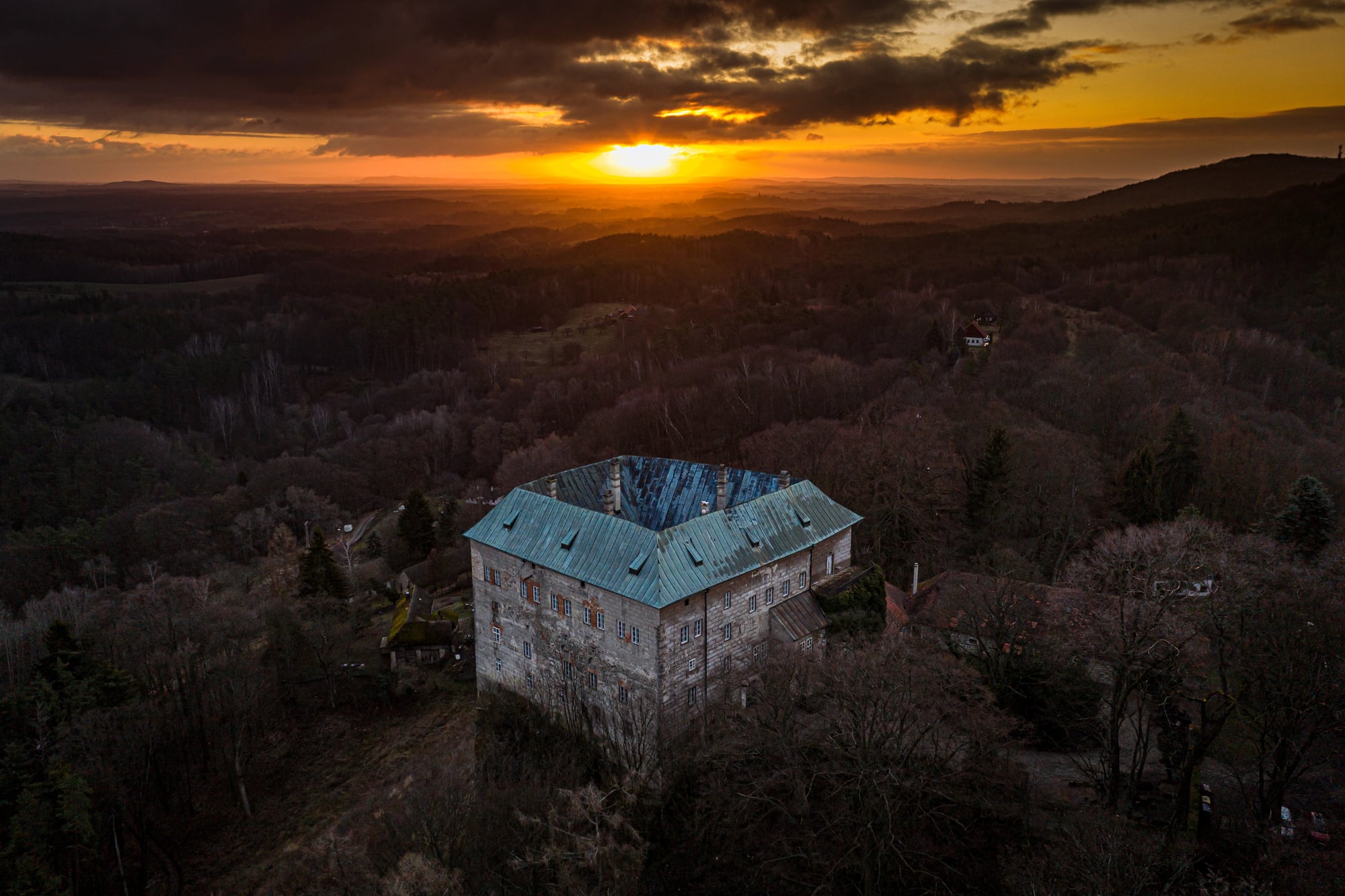
This Czech fortress was built for one purpose: to seal a gateway to hell. No roads led to it.
No water source existed nearby. The builders constructed it directly over what locals called “the gateway to hell” — a bottomless pit that allegedly spawned demons and winged creatures.
The castle’s first floor has no doors or windows. Just solid stone blocking whatever lies beneath.
Leap Castle
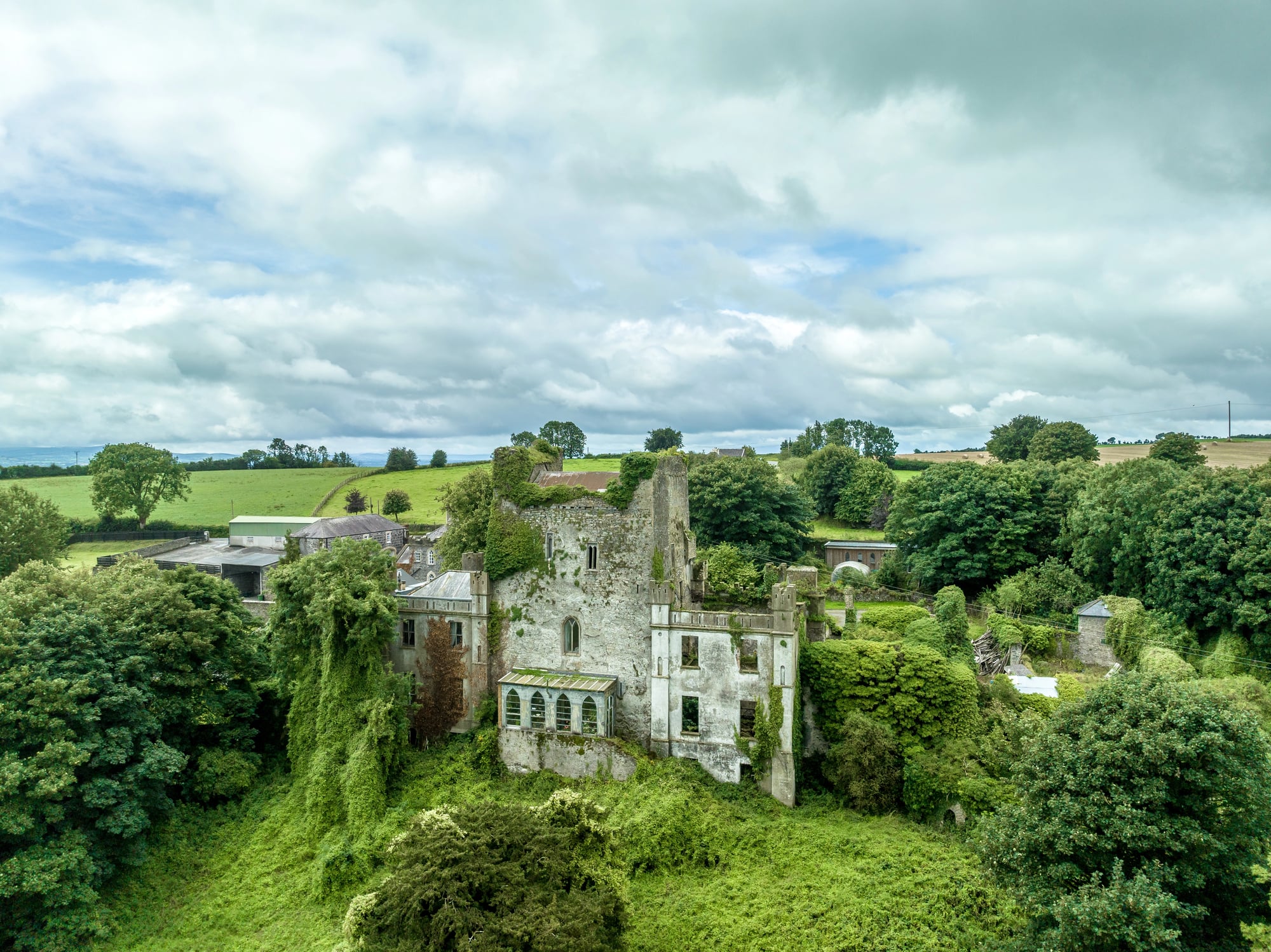
Ireland’s most haunted fortress earned its reputation through centuries of bloodshed. The O’Carroll clan built it in the 13th century, then spent the next 400 years slaughtering each other within its walls (and this is where the violence gets particularly creative, because Irish clan warfare didn’t follow any rules about mercy or family loyalty).
The Bloody Chapel still bears stains from where one brother murdered another while he was saying mass — which, even by medieval standards, was considered crossing a line. And then there’s the oubliette: a dungeon designed specifically so that prisoners dropped into it would land on spikes, where their bodies would remain to rot and create conditions so foul that the smell alone could kill new arrivals.
During renovations in the early 1900s, workers found the oubliette packed with human bones — three cartloads worth. So many that they stopped counting.
Château de Brissac
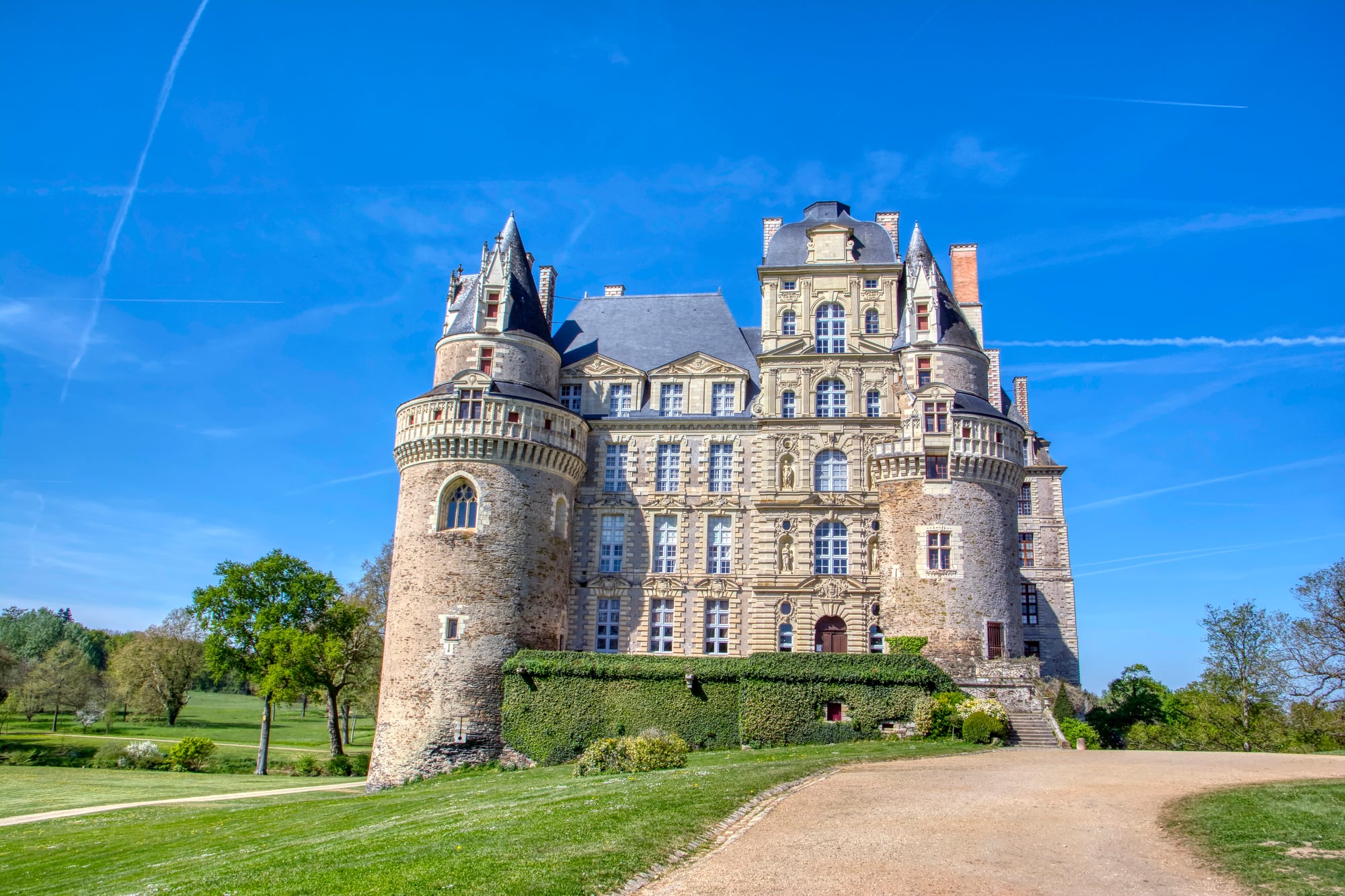
The Green Lady walks here still. Seven floors of French elegance can’t erase what happened in the tower room where Charlotte de Brézé met her end.
Her face appears in the windows — openings where her eyes should be, nose rotted away, but the green dress still intact.
The current Duke of Brissac speaks of her casually, the way others mention household pets. She’s been part of the family for centuries.
Guests wake to find her watching them sleep. The green dress rustles down hallways where no living person walks.
Predjama Castle
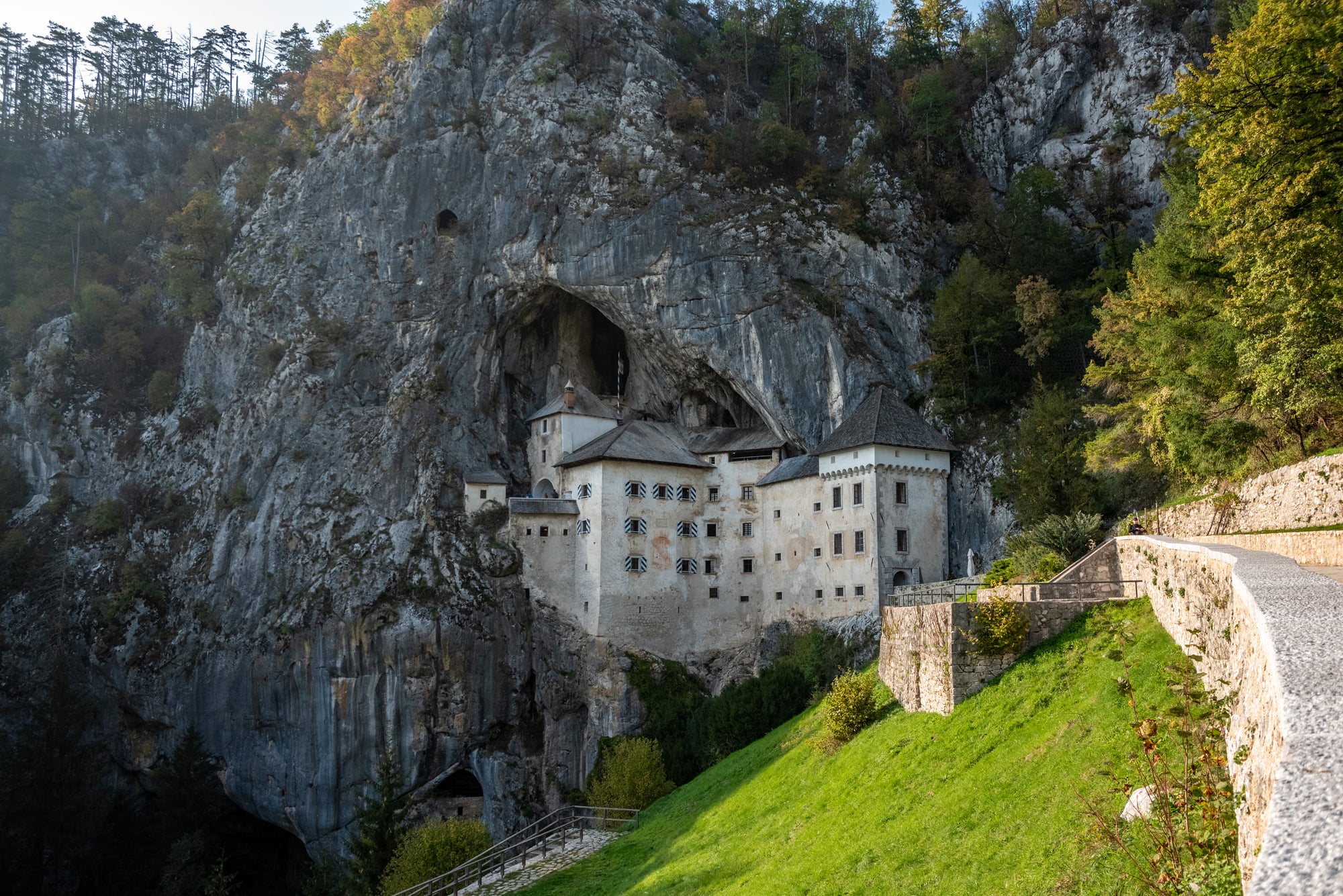
Built into a cliff face, this Slovenian fortress served as the perfect hideout for Erazem Lueger — a robber baron who spent his days looting and his nights torturing prisoners in caves carved directly from living rock.
The castle’s position made it impregnable, or so Lueger thought, until his enemies discovered that every fortress has a weakness (and his happened to be particularly embarrassing, because the man who terrorized an entire region for decades was finally killed while sitting on his toilet, struck by a cannonball that his own servant had helped enemies target by hanging a flag outside the window when Lueger was at his most vulnerable).
The caves beneath still contain instruments of torture carved directly from stone. Prisoners thrown into the depths were never seen again.
Berry Pomeroy Castle
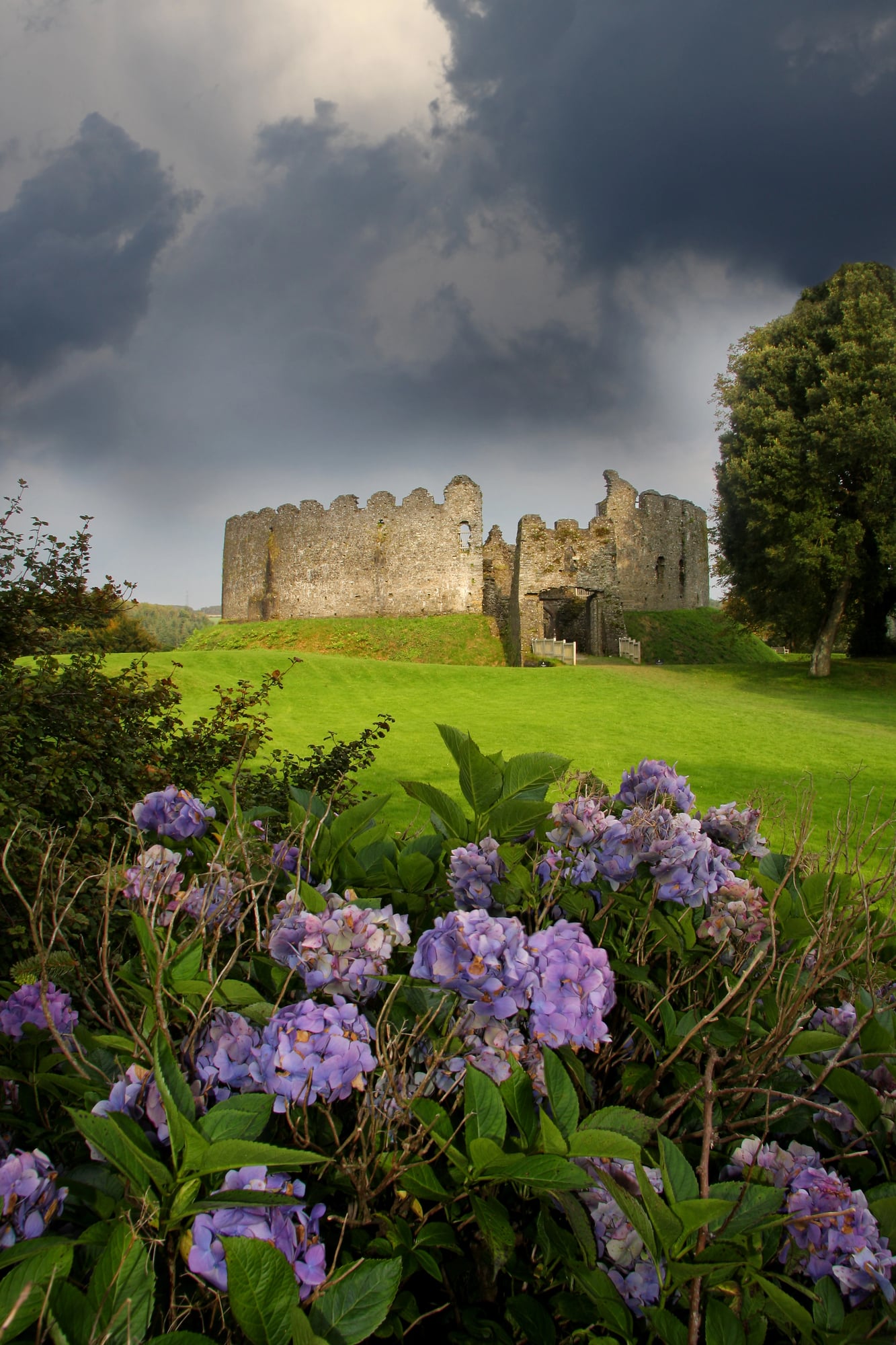
Devon’s most haunted ruin carries the weight of two vengeful spirits. The White Lady roams the dungeons where she was imprisoned by her jealous sister.
The Blue Lady lurks in the tower, beckoning visitors toward the same window she used to strangle her own child rather than let enemies claim it.
Both died within these walls. Both refuse to leave.
The White Lady warns visitors away from danger. The Blue Lady leads them toward it.
Knowing which spirit you’re encountering becomes a matter of survival.
Château de Gilles de Rais
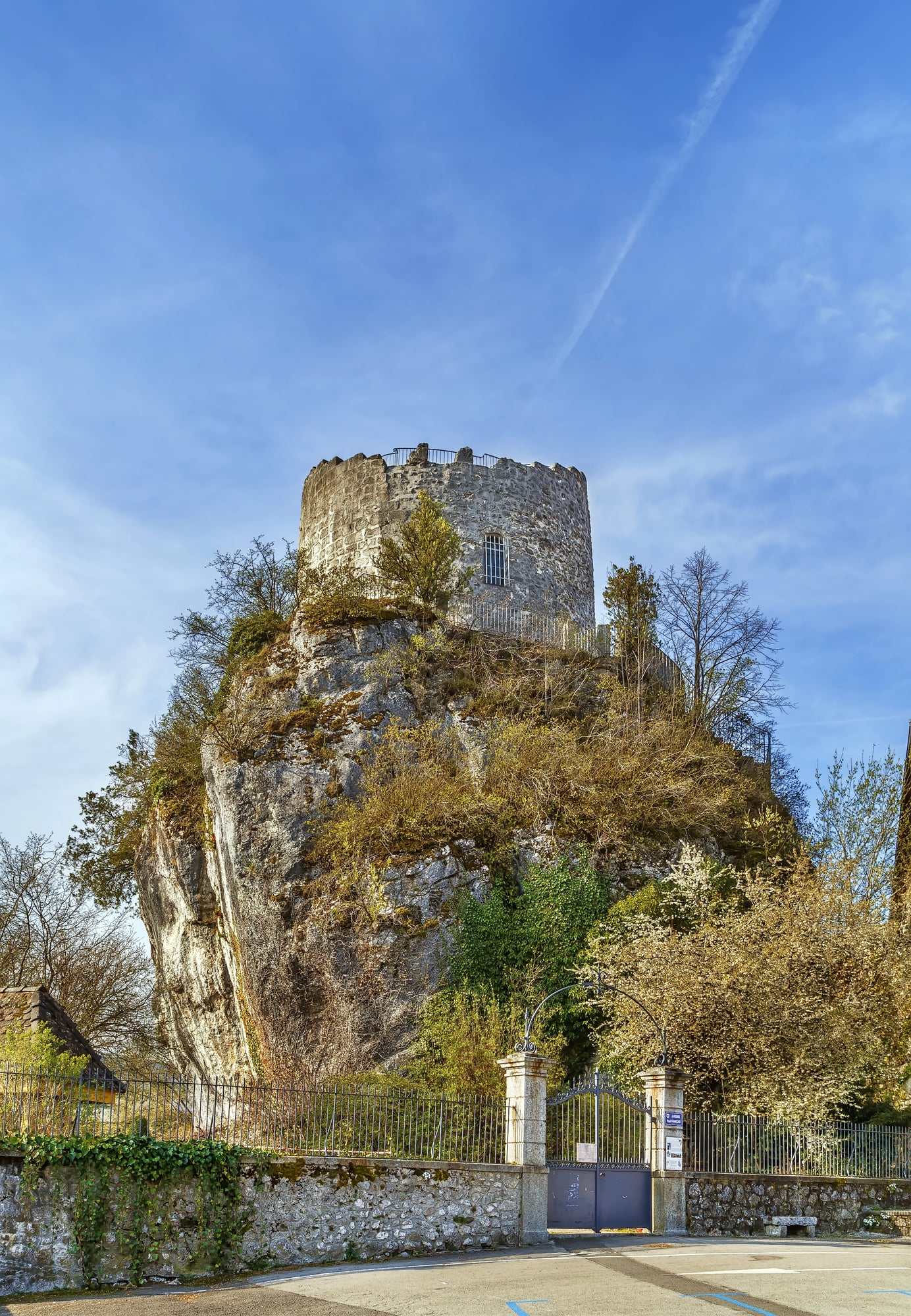
This French fortress housed one of history’s most prolific serial killers. Gilles de Rais, once a companion of Joan of Arc, retired to his castle and began a reign of terror that lasted nearly a decade (and the scope of his crimes was so vast that even hardened medieval investigators were shocked, because a man who had fought alongside saints had become something far worse than any demon the church had catalogued).
He lured local children to the castle with promises of food and work, then subjected them to torture and murder that served no purpose beyond his own twisted pleasure.
When authorities finally searched the castle, they found remains of hundreds of children. The exact number was never determined — too many bones, too much evidence of systematic slaughter.
Gilles confessed to crimes so horrific that the court records were sealed for centuries.
Moosham Castle
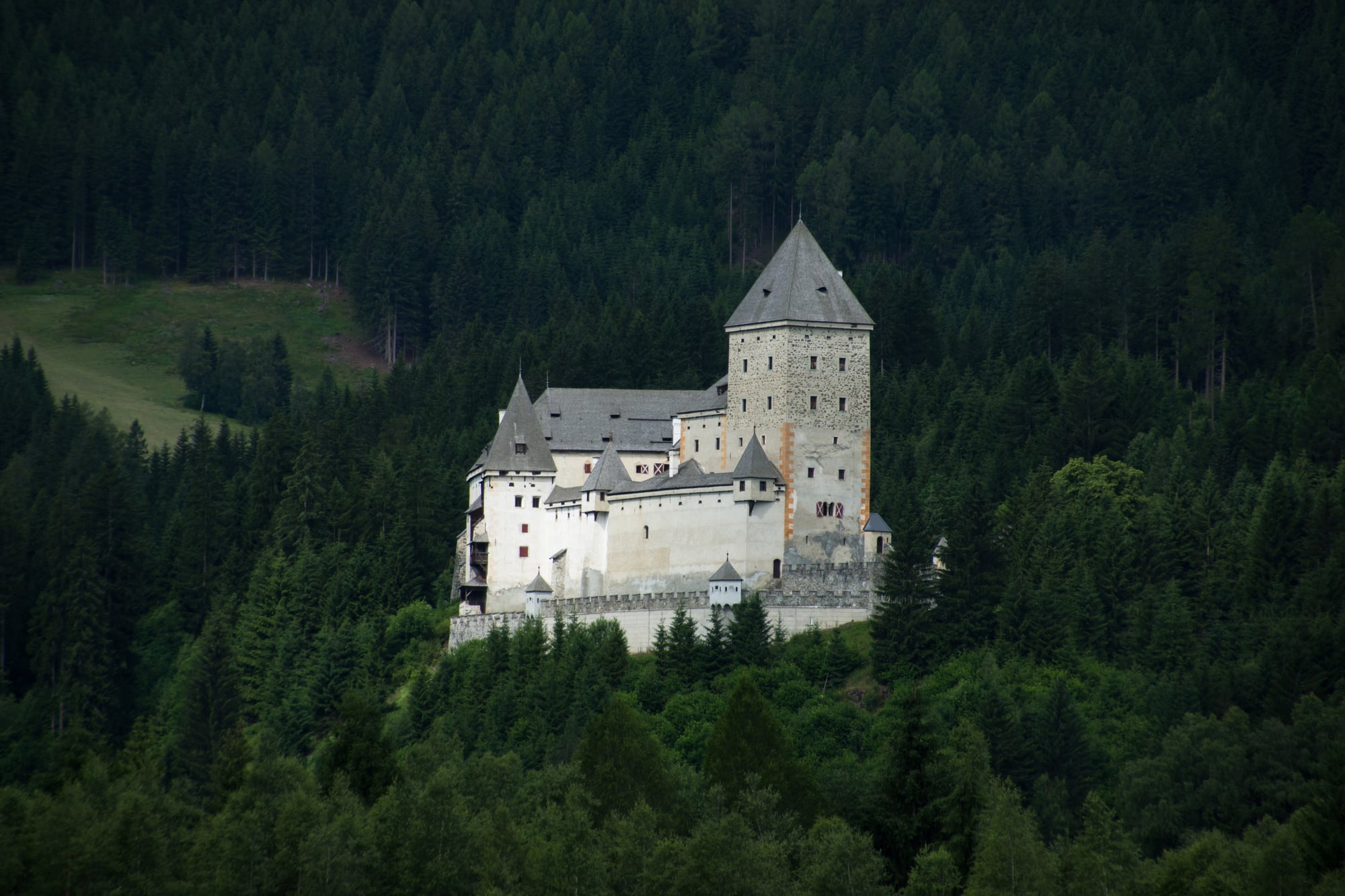
Austria’s “Witches Castle” earned its name through centuries of persecution and torture. During the witch trials of the 17th century, over 1,000 people were executed within its walls — burned, hanged, and subjected to tortures designed to extract confessions that would implicate others.
The castle’s Witches Museum now displays instruments of torture used on the accused. Iron maidens, thumbscrews, and devices so cruel their very existence speaks to humanity’s capacity for institutionalized sadism.
Corvin Castle
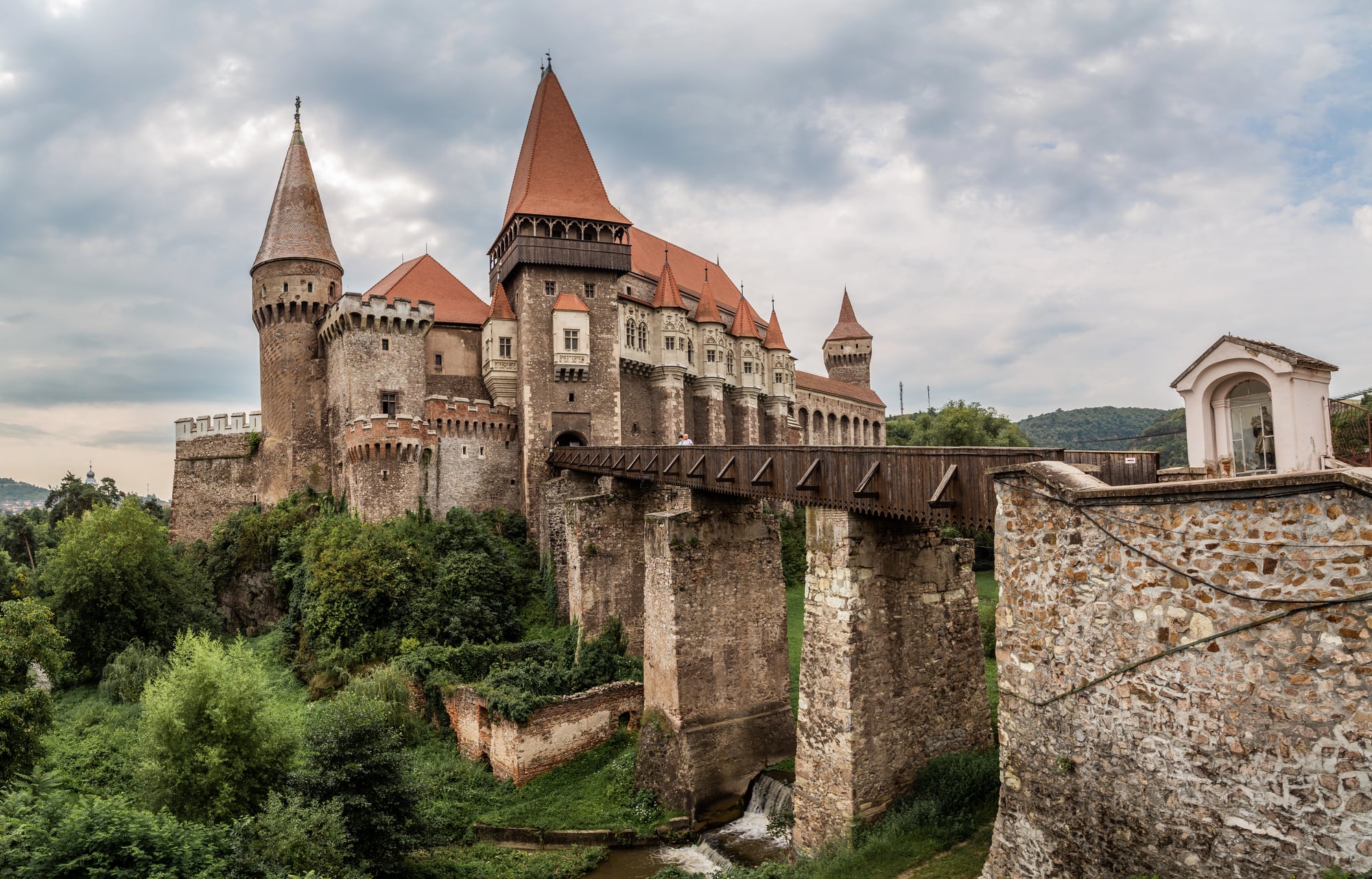
This Romanian fortress predates Dracula’s more famous castle, but its history runs just as dark. The castle served as a prison for Vlad the Impaler himself — ironic justice for a man who perfected cruelty as an art form.
But Corvin’s horrors began long before Vlad arrived.
The castle’s bear pit still exists. Prisoners were thrown to starving animals for the entertainment of nobles.
The torture chambers carved into the foundation remain intact, complete with drainage systems designed to wash away the blood.
Château de Sedan
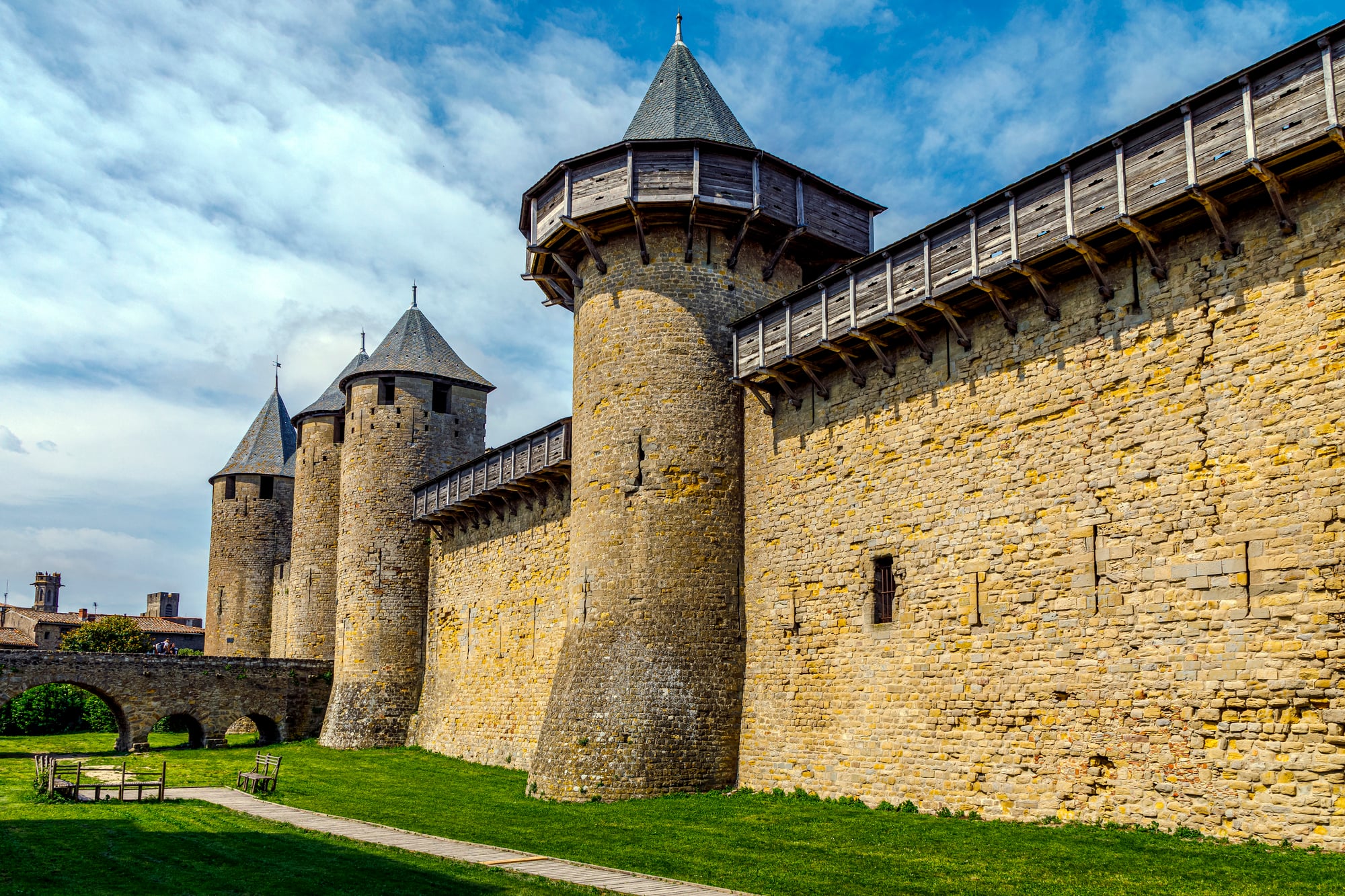
Europe’s largest fortress became a prison during the French Revolution — and revolutionary justice proved every bit as cruel as royal tyranny. The castle’s dungeons filled with aristocrats, clergy, and eventually revolutionaries who fell from favor.
Mass executions took place in the courtyard. Prisoners were sometimes forgotten in cells so deep that their screams couldn’t be heard above ground.
When the Terror ended, many cells contained only skeletons of people who had been left to die.
Edinburgh Castle
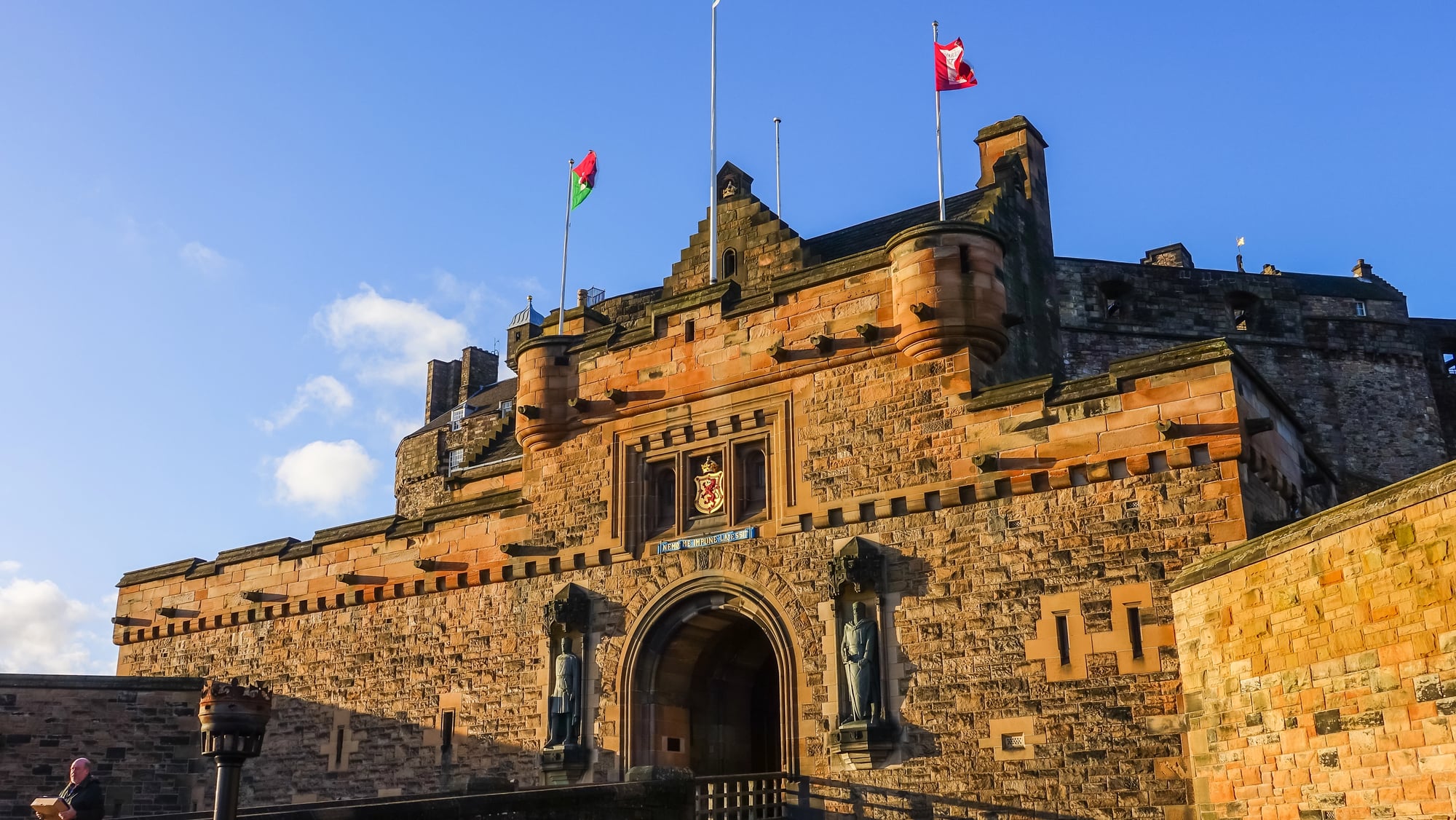
Scotland’s most famous fortress sits atop an extinct volcano, and its history runs as violent as its geography suggests. The castle’s dungeons once held prisoners of war in conditions so appalling that survival was rare.
During the Seven Years’ War, French prisoners were packed into underground chambers with no sanitation, little food, and no medical care.
The castle’s Half Moon Battery was built over a plague pit where thousands of Edinburgh residents were buried during the Black Death.
Construction workers still uncover bones when repairs are needed.
Warwick Castle
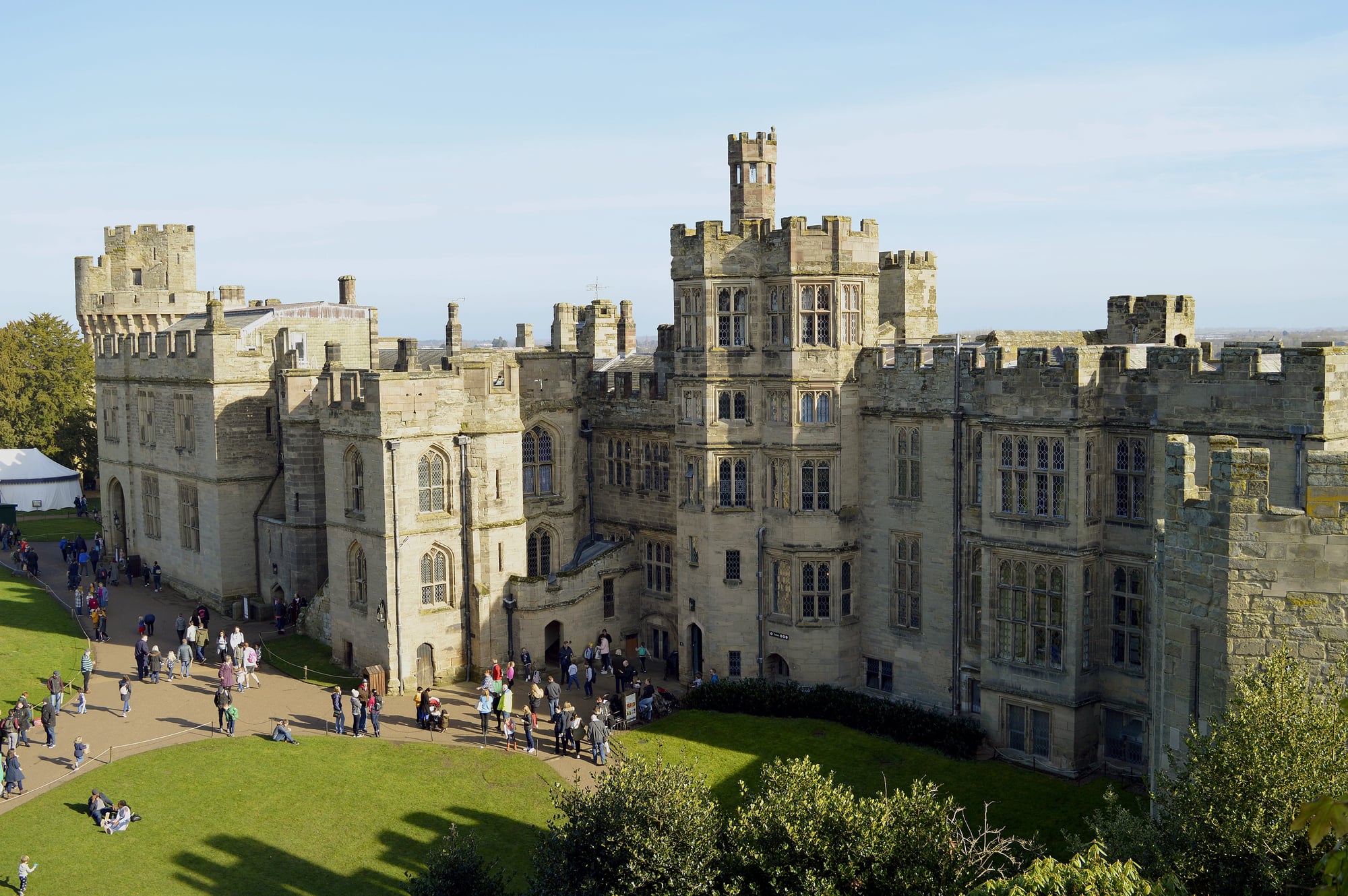
England’s perfectly preserved medieval fortress masks a history of systematic cruelty. The castle’s dungeon and torture chamber remain intact, complete with instruments designed to maximize suffering while keeping victims alive for extended periods.
The oubliette — literally “forgotten place” — was where prisoners were dropped and left to die.
The ghost tower houses spirits of those who never left. Visitors report screams echoing from empty chambers.
Château de Vincennes
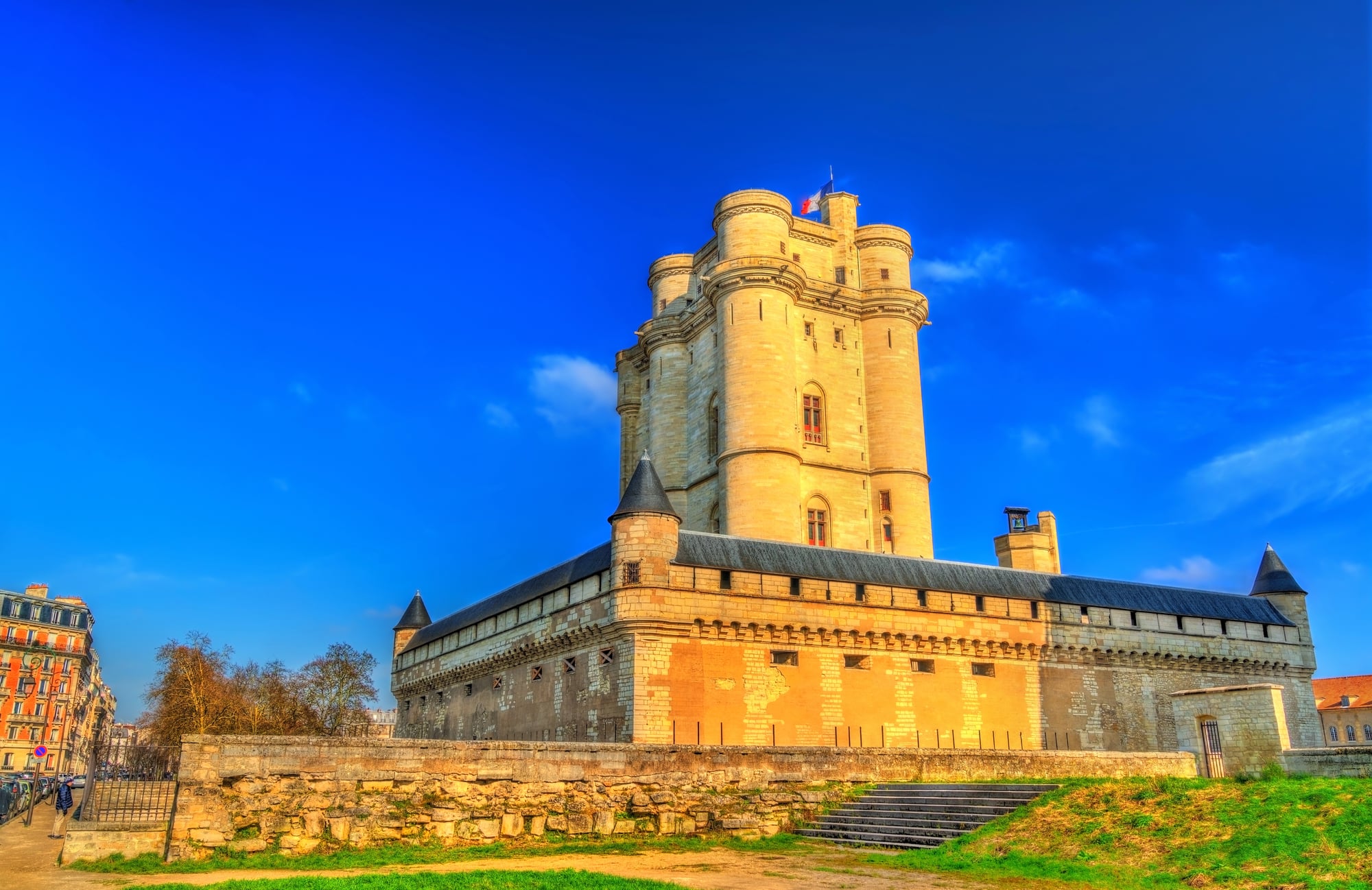
This French royal residence served double duty as a palace and prison. The keep’s upper floors housed kings; the lower levels contained dungeons where political prisoners disappeared forever.
The Marquis de Sade spent six years imprisoned here, and the experience drove him deeper into the madness that would make his name synonymous with cruelty.
His cell walls still bear scratches where he carved out his days.
Spiš Castle
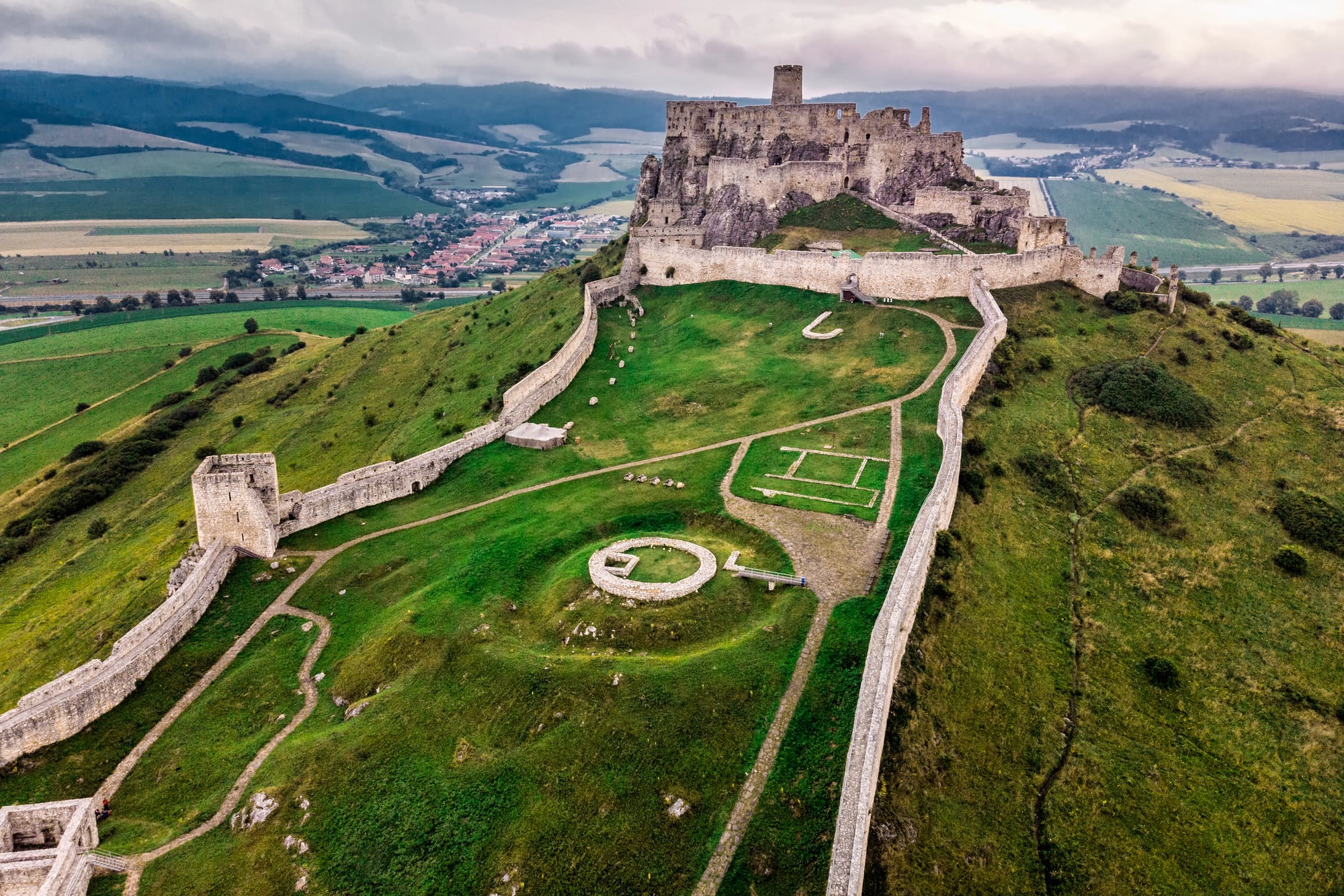
Slovakia’s massive fortress complex sprawls across three hilltops, connected by walls that once imprisoned entire populations during times of siege. The castle served as the seat of power for Hungarian nobles who ruled through terror and taxation that drove peasants to starvation.
The castle’s execution grounds witnessed mass killings during peasant uprisings. Rebels were hanged in groups, their bodies left to rot as warnings to others who might consider rebellion.
Where Shadows Linger
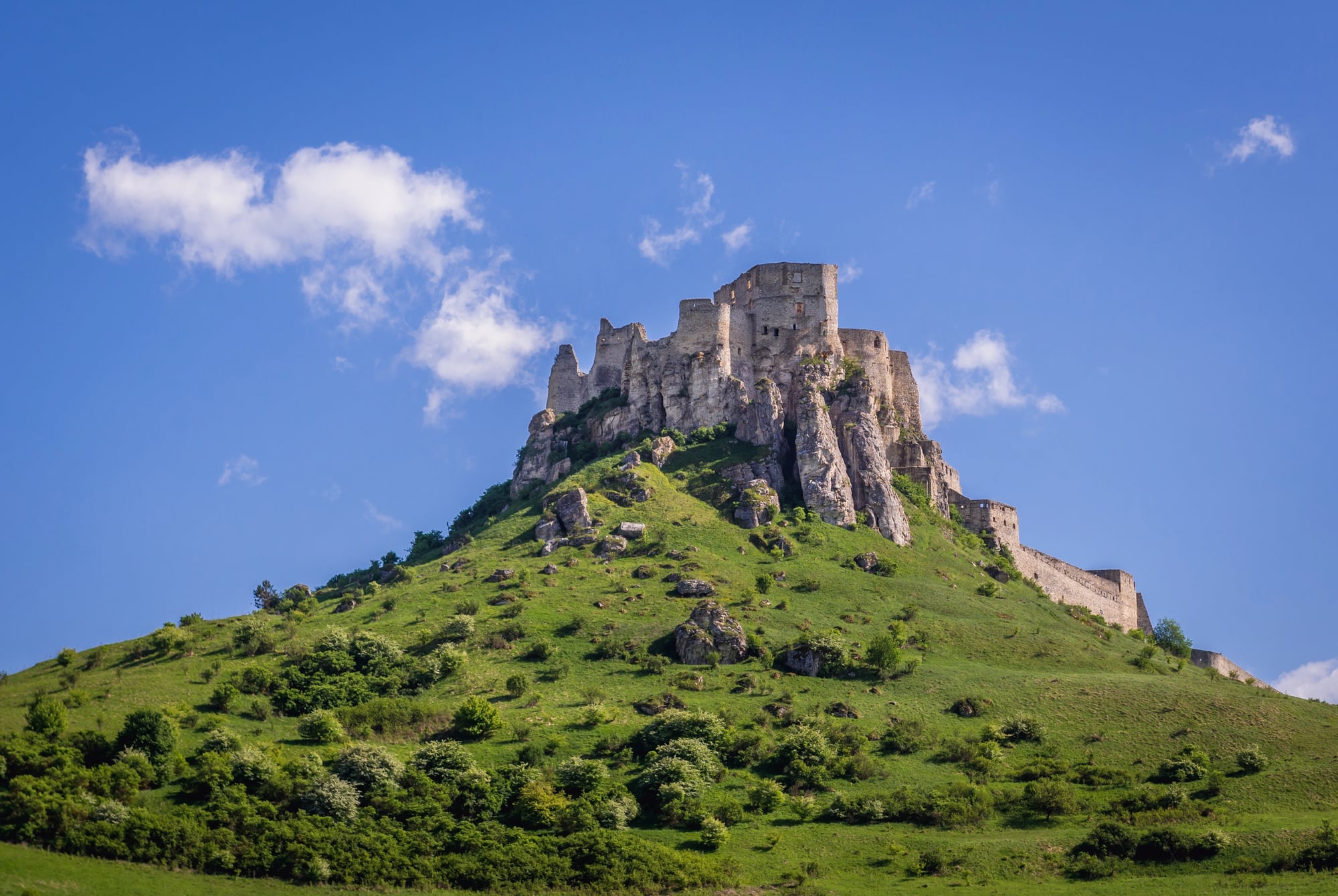
These castles stand as monuments to humanity’s capacity for cruelty. Their stones absorbed centuries of screams, their walls witnessed horrors that modern minds struggle to comprehend.
Tourism has sanitized many medieval sites, but these forgotten fortresses retain their edge of genuine menace.
The past refuses to stay buried in places where violence soaked into the very foundations. Whether you believe in ghosts or not, these castles carry an weight that rational thought cannot fully explain.
Some doors should remain closed, some chambers left unexplored. The darkness that dwells in these places learned to be patient centuries ago.
More from Go2Tutors!

- The Romanov Crown Jewels and Their Tragic Fate
- 13 Historical Mysteries That Science Still Can’t Solve
- Famous Hoaxes That Fooled the World for Years
- 15 Child Stars with Tragic Adult Lives
- 16 Famous Jewelry Pieces in History
Like Go2Tutors’s content? Follow us on MSN.