Inventors Who Died Trying to Save Others
History remembers inventors for their brilliant creations and groundbreaking ideas. But some of these creative minds are remembered for something even more powerful: their willingness to put everything on the line for others.
These weren’t just people who changed the world with their inventions—they were heroes who made the ultimate sacrifice trying to protect, rescue, or help their fellow human beings.
Let’s look at some of these remarkable inventors whose final acts showed just how brave they really were.
Thomas Midgley Jr.
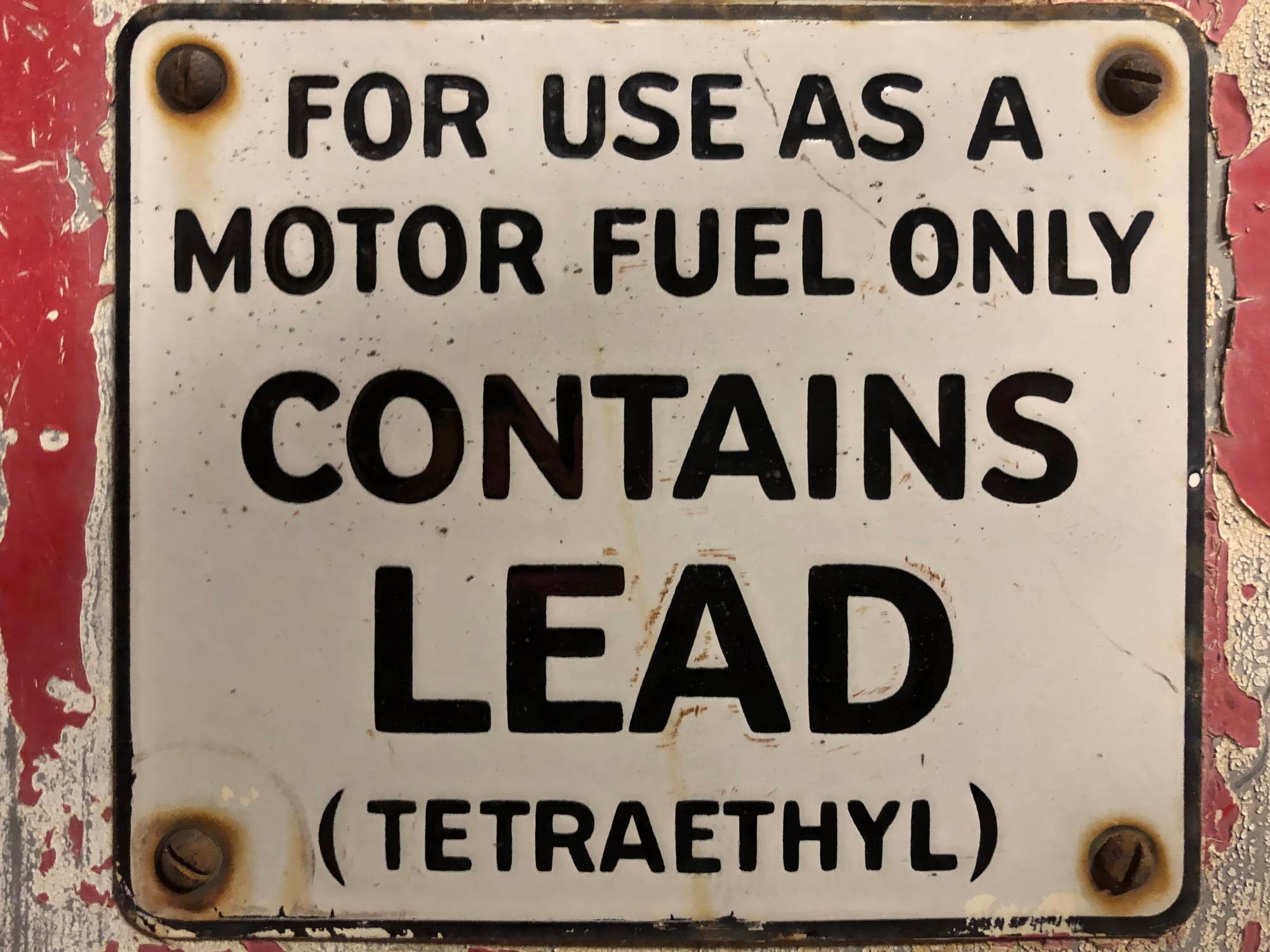
Thomas Midgley Jr. created leaded gasoline and chlorofluorocarbons, which sounds impressive until you realize both turned out to be pretty bad for the planet. But his death had nothing to do with those inventions.
After contracting polio, Midgley designed an elaborate system of ropes and pulleys to help lift himself out of bed. One morning in 1944, he got tangled in his own invention and strangled.
While he wasn’t directly saving others at that moment, he’d spent years trying to help other polio patients with similar mobility devices. His contraption was meant to give disabled people independence, but it ended up taking his own life.
Valerian Abakovsky

This Russian inventor built the Aerowagon in 1921, a high-speed railcar powered by an airplane engine and propeller. Abakovsky designed it to transport Soviet officials quickly across the vast Russian landscape.
During a return trip from inspecting railway lines, the Aerowagon derailed at high speed near Moscow. Abakovsky died along with five other passengers.
He’d been trying to improve transportation for government workers who were desperately trying to rebuild the country after years of war and revolution.
William Bullock
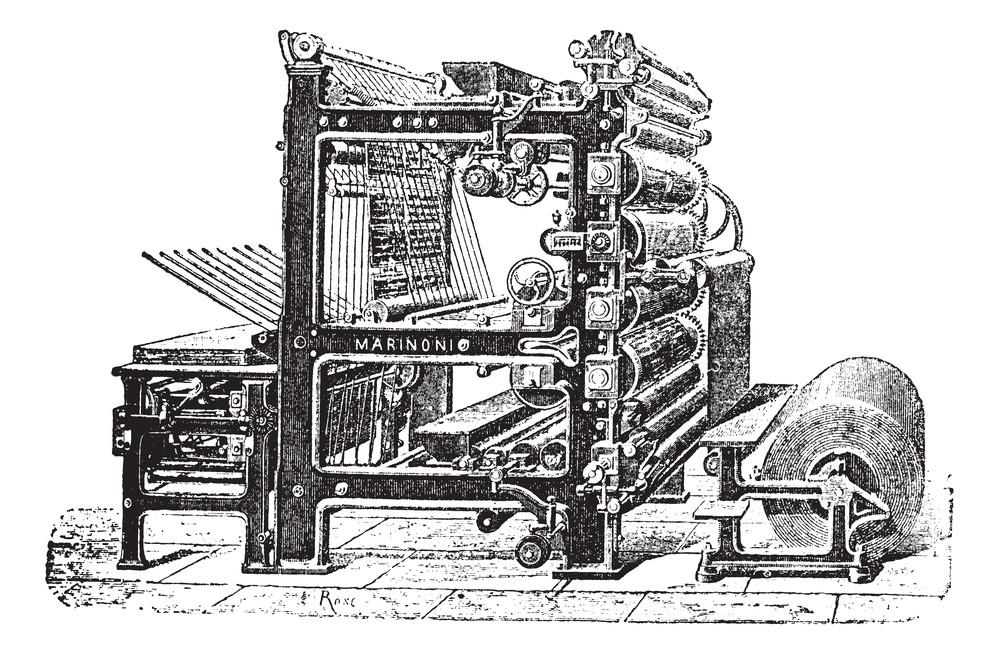
Bullock revolutionized the printing industry with his rotary printing press in 1863. Newspapers could suddenly print thousands of copies per hour instead of hundreds.
In 1867, while installing one of his presses at the Philadelphia Public Ledger, his leg got caught in the machinery. The injury seemed manageable at first, but gangrene set in.
Bullock died during an attempted amputation. He’d been working hands-on to set up the press properly so the newspaper workers could do their jobs safely and efficiently.
Horace Lawson Hunley
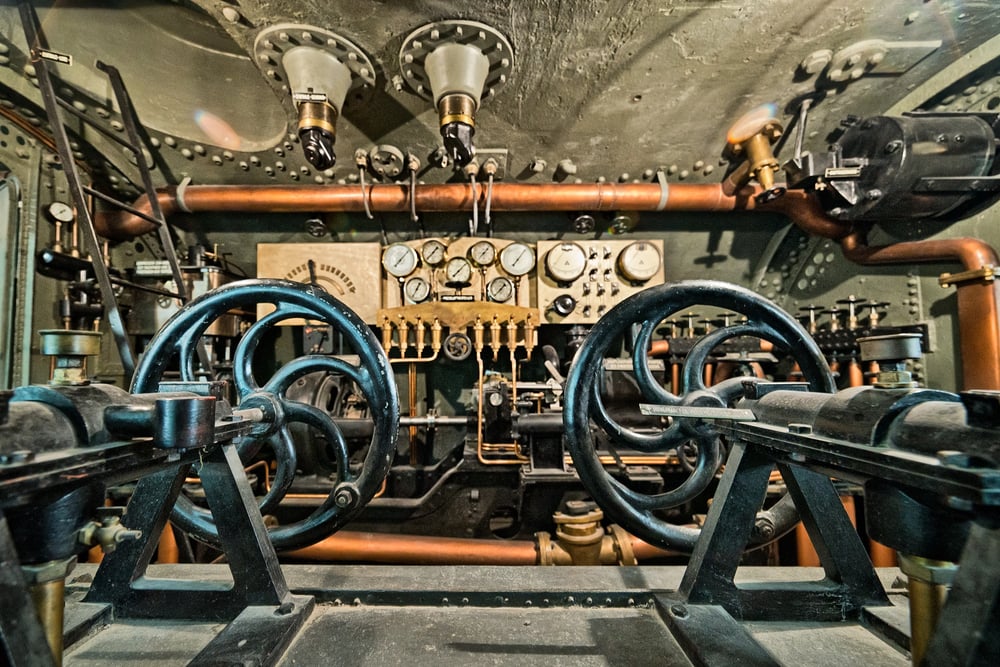
Hunley designed and built the H.L. Hunley, a Confederate submarine during the American Civil War. This underwater vessel was supposed to give the South a fighting chance against the North’s superior navy.
The submarine sank twice during testing. Hunley personally took command of the vessel for its second test dive in 1863, confident he could figure out what went wrong.
The sub went down in Charleston Harbor and never came back up. All eight crew members, including Hunley himself, drowned.
He died trying to prove his invention could save Confederate sailors from certain death in naval battles.
Otto Lilienthal
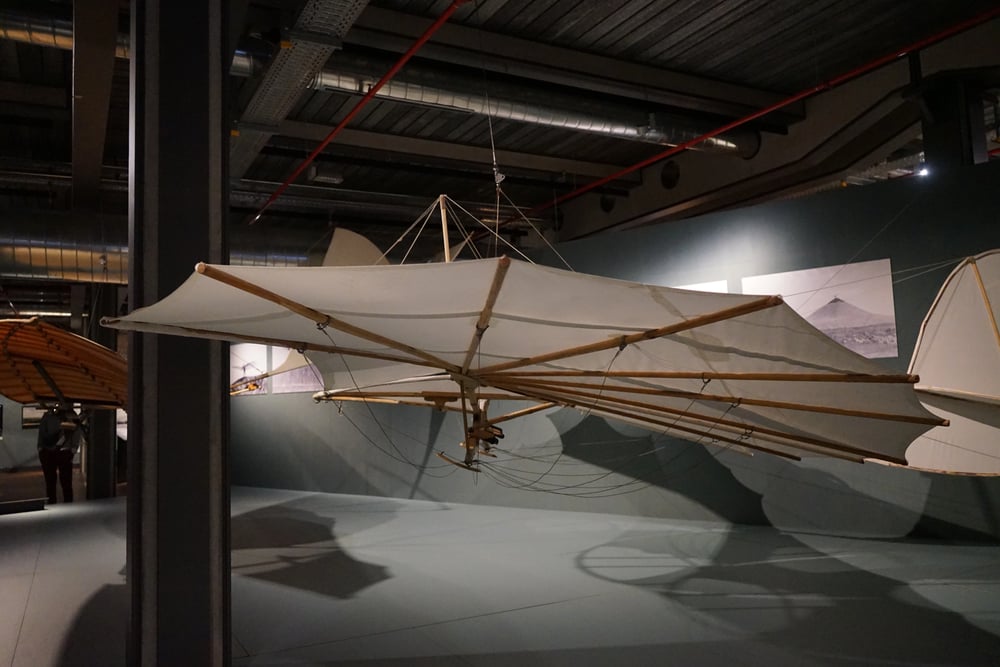
The German aviation pioneer made over 2,000 flights in gliders he designed and built himself. Lilienthal was convinced that understanding bird flight was the key to human aviation, and his research influenced the Wright Brothers.
In 1896, a sudden gust of wind caused his glider to stall about 50 feet in the air. Lilienthal crashed and broke his spine.
He died the next day, but his final words were reportedly about continuing the work. His experiments paved the way for powered flight, which would eventually save countless lives through medical transport and rescue operations.
Franz Reichelt
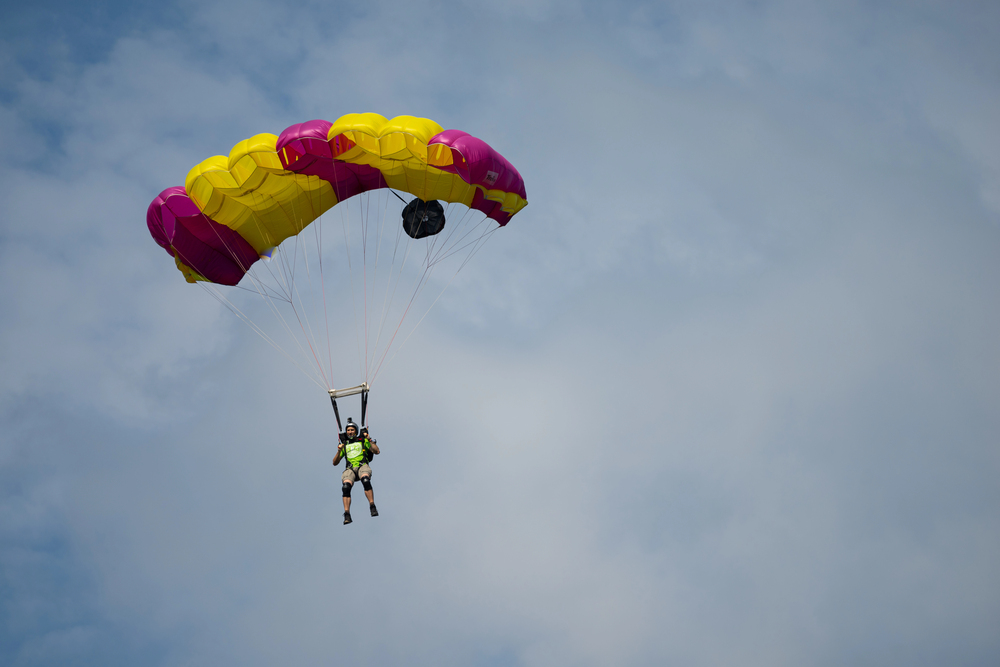
This Austrian-French tailor invented what he called a parachute suit in the early 1900s. Reichelt was obsessed with creating something that would save pilots from certain death if they had to jump from damaged aircraft.
In 1912, he climbed to the first deck of the Eiffel Tower to demonstrate his invention. Despite friends begging him to use a dummy, Reichelt insisted on testing it himself.
He jumped, and the suit failed completely. He fell straight down and died instantly.
His intention was pure—he genuinely believed he was about to give pilots a lifesaving tool.
Alexander Bogdanov

This Russian physician and philosopher pioneered blood transfusion research in the 1920s. Bogdanov believed that blood transfusions could extend human life and even reverse aging.
He founded the Institute for Haemotology and Blood Transfusions in Moscow. In 1928, Bogdanov performed an experiment where he exchanged blood with a student who had malaria and tuberculosis.
He thought he could cure the young man while proving his theories about blood’s rejuvenating properties. The student recovered, but Bogdanov died two weeks later from the transfusion.
He sacrificed himself hoping to save someone else and advance medical science.
Aurel Vlaicu

Romania’s aviation pioneer built several aircraft designs in the early 1900s. Vlaicu dreamed of creating planes that could connect remote mountain villages to cities, bringing medical help and supplies to isolated communities.
In 1913, he attempted to fly across the Carpathian Mountains, something no pilot had ever done. His plane crashed in the mountains during the attempt.
Vlaicu died trying to prove that aviation could reach people in desperate need of connection to the outside world.
Sylvester H. Roper
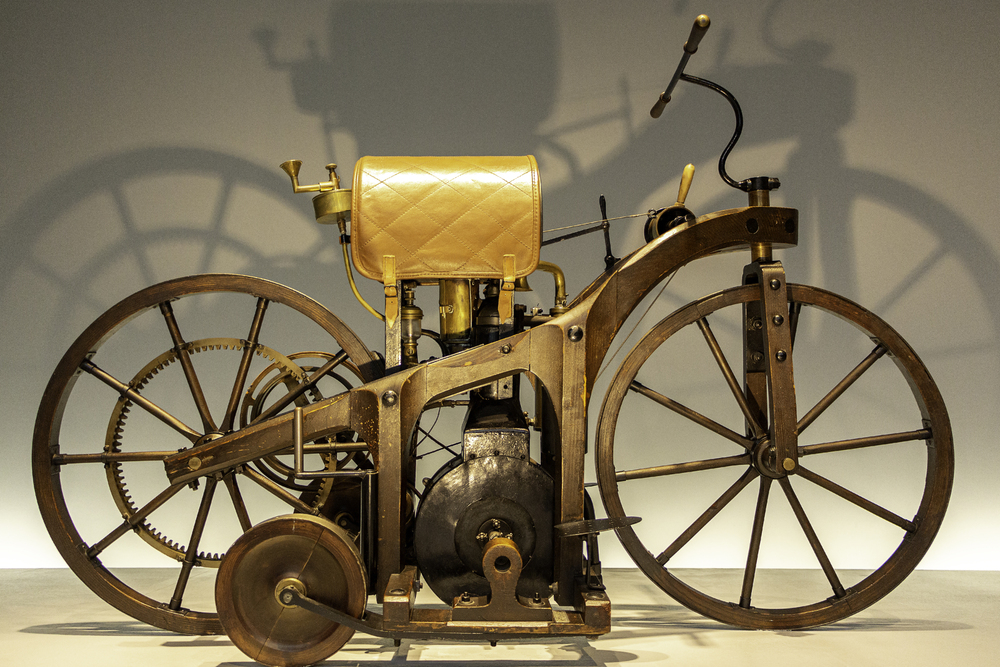
Roper built one of the first motorcycles in America back in 1867, powered by a steam engine. He spent decades refining his designs and promoting motorized transportation as a way to help people travel faster to reach doctors, family, and safety.
In 1896, at age 73, Roper was demonstrating his newest steam-powered bicycle at a race track near Boston. He reached speeds around 40 miles per hour when he suddenly slumped over and crashed.
Doctors determined he’d had a heart attack, possibly before the crash. Roper died doing what he loved—showing people how his invention could change their lives.
Max Valier
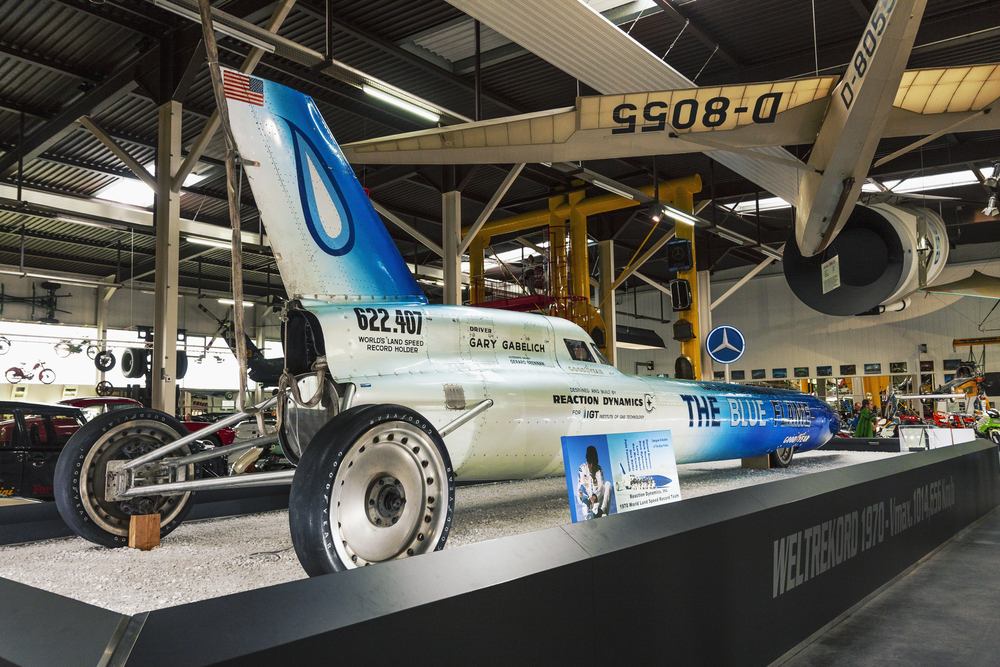
This Austrian rocket pioneer worked on developing rocket-powered vehicles in the 1920s. Valier believed rockets could revolutionize transportation and eventually help explore space.
He experimented with rocket-powered cars, sleds, and even ice skates. In 1930, while testing a liquid-fueled rocket engine in his laboratory in Berlin, it exploded.
A piece of metal pierced Valier’s pulmonary artery and he bled out within minutes. He’d been working on making rockets safer and more reliable for future applications that could include rescue operations and rapid emergency response.
Marie Curie
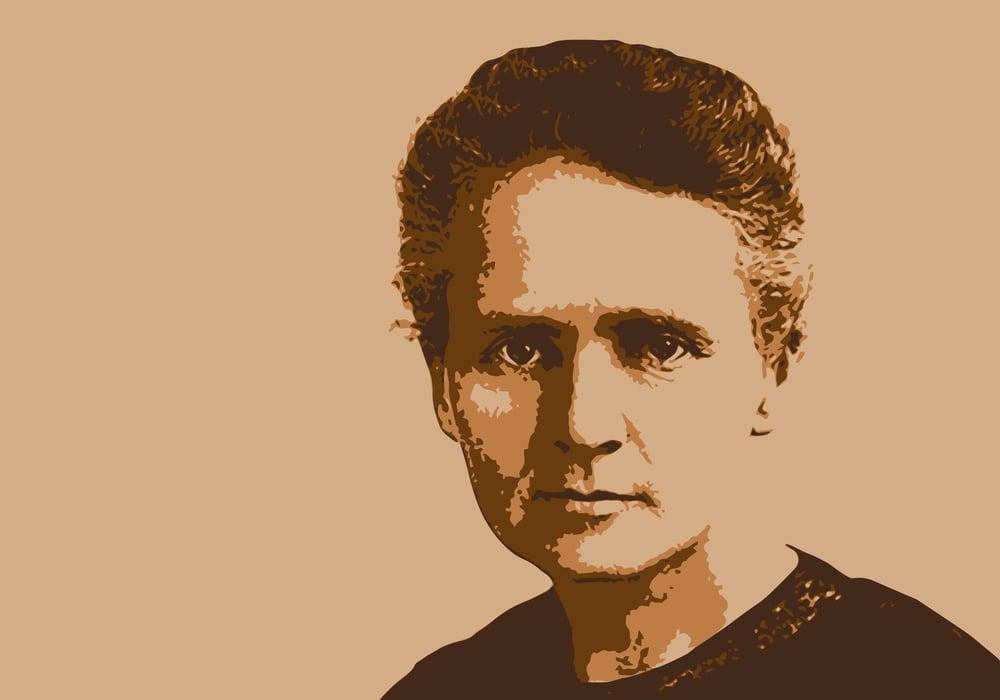
The famous physicist and chemist discovered radium and polonium, winning two Nobel Prizes. During World War I, Curie developed mobile X-ray units called “petites Curies” to help doctors locate bullets and shrapnel in wounded soldiers.
She drove these units to the front lines herself, often under fire. The radiation exposure from years of work with radioactive materials and X-rays eventually gave her aplastic anemia.
Curie died in 1934 from the cumulative effects of radiation. She spent her final years still working to advance medical treatments that would save countless lives.
Karel Soucek

This Canadian stuntman and inventor wasn’t technically an inventor by profession, but he designed specialized barrels for surviving extreme falls. In 1984, Soucek successfully went over Niagara Falls in a barrel of his own design.
He wanted to prove that people could survive seemingly impossible situations with the right protection. In 1985, he attempted to drop from the top of the Houston Astrodome in a barrel suspended by a parachute.
The barrel hit the rim of the water tank at the bottom and Soucek died the next day. He’d hoped his designs could lead to better emergency escape systems for high-rise buildings.
Henry Smolinski

A dreamer from the U.S. started a company called Advanced Vehicle Engineers, building machines that blended road travel with flight. Instead of bolting parts together randomly, he fitted a Ford Pinto with wings and an engine taken straight from a Cessna Skymaster – calling it the Mizar.
His mind fixed on emergencies; reaching hurt people fast in places hard to get to became his reason for pushing forward. Minutes mattered most when lives hung by threads out where ambulances couldn’t go.
Then came 1973 – a trial run went wrong midair when metal near the right wing broke loose. The machine tumbled down, taking both Smolinski and the pilot into silence.
Until that moment, he had worked quietly, adjusting every piece so others might one day fly safely toward disaster instead of away.
Michael Dacre

That British inventor Dacre built the Jetpod – a compact plane meant to rise straight up and down right inside cities. It was supposed to zoom into crash spots as flying ambulances, beating any car or truck by minutes.
Midair over Malaysia in 2009, the machine tumbled just seconds after lifting off during a trial run. The impact killed him instantly.
He’d refused to hand control to someone else, certain the craft worked well enough to start rescuing people – so he took the seat himself.
Innovation Balanced With Sacrifice

More than clever thinking tied these inventors together. What drove them wasn’t fame, but a quiet readiness – to face harm so others might stay safe.
A few never lived past their final tests, choosing to run trials themselves instead of asking another to step forward. Long stretches of time found some breathing poisons they barely knew existed, chasing cures or breakthroughs.
The cost shows clearly now – lives given because someone thought change mattered more than survival.
More from Go2Tutors!

- The Romanov Crown Jewels and Their Tragic Fate
- 13 Historical Mysteries That Science Still Can’t Solve
- Famous Hoaxes That Fooled the World for Years
- 15 Child Stars with Tragic Adult Lives
- 16 Famous Jewelry Pieces in History
Like Go2Tutors’s content? Follow us on MSN.



