Jobs That Disappeared in the Last Century
Your ancestors held work you cannot find today. Not roles that changed shape or picked up fresh names – ones that disappeared without trace.
Think of the person who connected phone calls. Or delivered ice blocks door to door. Or ran urgent messages across town on foot.
None were rare oddities. Huge numbers relied on them for pay.
A turn in tools, a shift in how life unfolded, and those livelihoods faded fast – gone before grandchildren could remember they ever existed.
Round and round it goes. Each surge of change swaps out tasks, trading yesterday’s chores for today’s duties.
Peering at what faded away shows glimpses of mornings and evenings long past – proof that even the sturdiest-seeming roles now might not last forever.
Knocker-Upper

Before alarm clocks became affordable and reliable, someone had to wake you up for work. In industrial Britain and Ireland, that someone was called a knocker-upper.
These human alarm clocks would walk through working-class neighborhoods in the predawn darkness, tapping on bedroom windows with long bamboo poles or shooting dried peas at the glass.
The job required precision. You had to be loud enough to rouse your paying client but quiet enough not to wake the neighbors for free.
Some knocker-uppers used soft hammers or rattles. Mary Smith, one of the most famous practitioners in London’s East End during the 1930s, became known for her pea-shooter technique.
The profession lasted well into the 20th century. Some knocker-uppers were still working in industrial England into the 1970s.
But as electric alarm clocks became cheap and dependable, the need for human wake-up calls faded. The profession simply stopped making sense.
Switchboard Operator
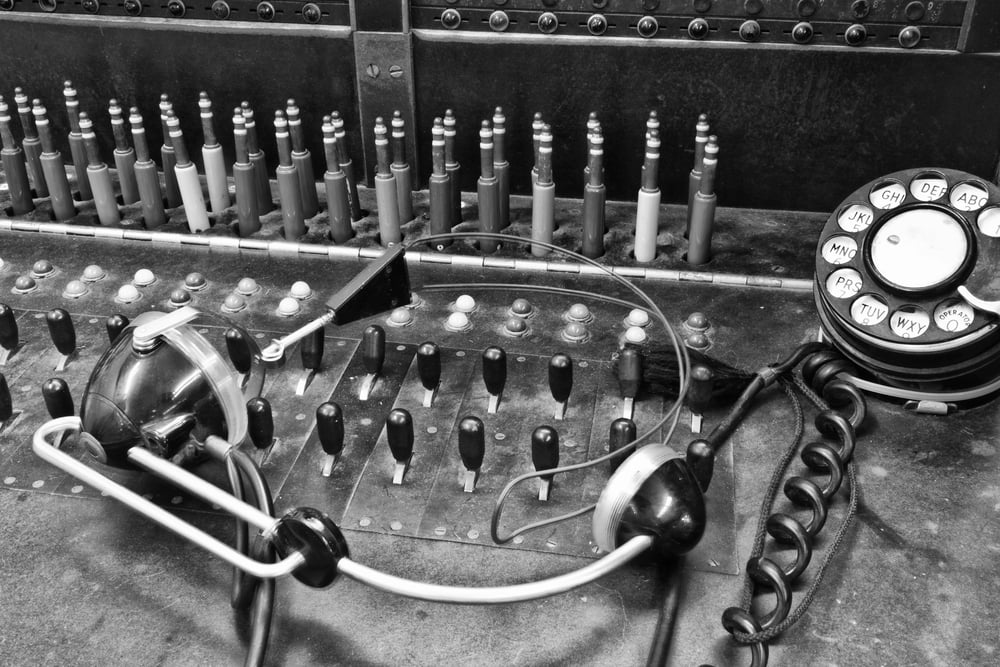
In the early days of telephone service, you couldn’t dial a number yourself. You picked up the receiver and waited for an operator to connect your call manually.
Switchboard operators—mostly women—sat at massive boards, plugging and unplugging cords to route calls through the system.
The work demanded speed, accuracy, and patience. Operators memorized hundreds of local numbers and could connect calls faster than you might expect.
At its peak, the job employed hundreds of thousands of people across the United States alone.
Automation arrived gradually. Direct dialing spread through the 1950s and 1960s.
By the 1980s, human operators handled only long-distance calls, directory assistance, and emergencies. Today, when you reach an operator at all, you’re usually talking to a customer service representative, not someone physically connecting your call.
Ice Cutter
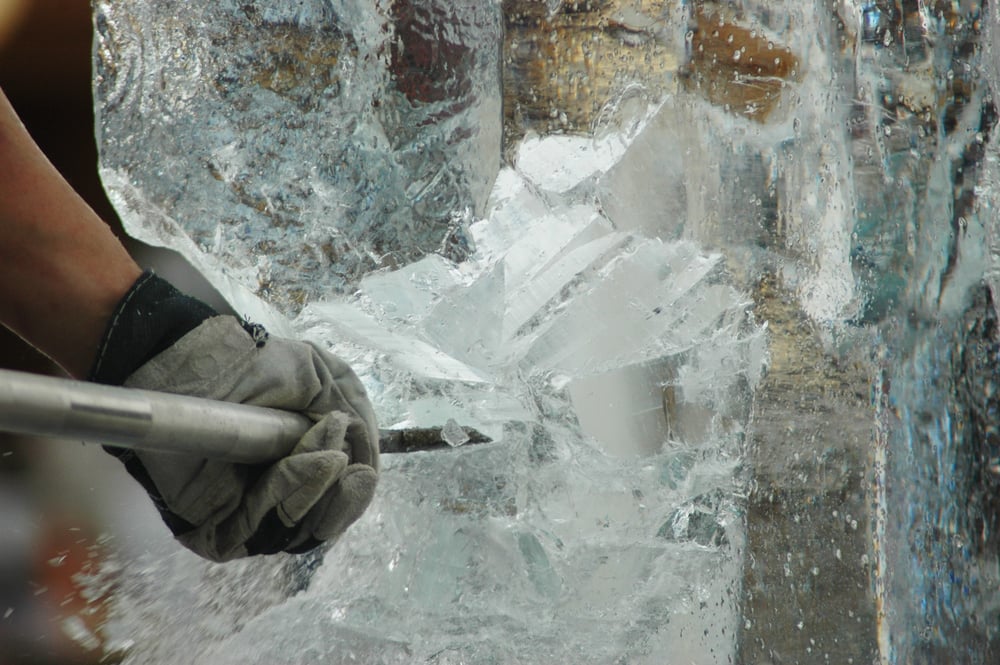
Before refrigeration, keeping food cold required actual ice. In winter, crews of ice cutters would head onto frozen lakes and rivers, sawing massive blocks from the surface.
The ice was stored in hay-packed warehouses and distributed throughout the year to households, butcher shops, and restaurants.
The work was brutal. Men stood on frozen water in subzero temperatures, operating heavy saws by hand or with horse-drawn equipment.
A slip could mean falling into water cold enough to kill in minutes. Yet ice cutting supported a thriving industry throughout the 19th century and into the early 20th.
Electric refrigeration began appearing in American homes during the 1920s and 1930s. The iceman who delivered blocks to your kitchen became unnecessary.
The ice cutters who harvested those blocks lost their livelihoods even faster. By mid-century, the entire supply chain had collapsed.
Pinsetter

Bowling has existed for centuries, but automatic pin-setting machines didn’t arrive until the 1950s. Before that, someone had to reset the pins by hand after every frame.
That someone was usually a teenage boy, earning pocket change by hanging out at the end of the lanes.
Pinsetters would duck into a pit behind the pins, wait for the bowler to throw, then quickly clear fallen pins, send the bowling sphere back, and set up ten fresh pins for the next frame.
The job required agility and attention—a bowler who threw while you were still in the pit could injure you badly.
When Brunswick introduced the automatic pinsetter in 1956, the writing was on the wall. Bowling alleys converted to machines over the following decade.
The profession that had given countless teenagers their first paying work disappeared almost completely by 1970.
Elevator Operator

Modern elevators are push-button simple. Early elevators were not.
Operating one required skill—you controlled the car manually, coordinating the speed of ascent and descent, aligning the elevator floor precisely with the building floor at each stop. Get it wrong and passengers might trip stepping out.
Elevator operators wore uniforms, announced floors, and became familiar faces in apartment buildings and office towers. They weren’t just button-pushers.
They were trained technicians operating complex machinery.
Automated elevators began appearing in the 1950s, but the transition took decades. Unions fought to preserve operator jobs.
Some buildings kept operators for prestige or security reasons into the 1990s. You can still find a few today in historic buildings, though they function more as doormen than as essential machinery operators.
Lamplighter

Before electric streetlights, cities glowed with gas. Every evening at dusk, lamplighters would make their rounds with long poles, igniting the gas jets in street lamps one by one.
At dawn, they’d return to extinguish them. In between, they cleaned the glass globes and maintained the fixtures.
The job was steady and visible. Lamplighters were familiar figures in their neighborhoods, keeping the streets safe after dark.
Cities employed thousands of them by the late 19th century.
Electrification arrived gradually, city by city and street by street. Some lamplighters kept their jobs by learning to maintain electric lights instead.
Most simply found their routes converted out from under them. By the 1920s, gas lamplighting had become rare.
A few cities retain ceremonial lamplighters today as tourist attractions.
Telegraph Operator
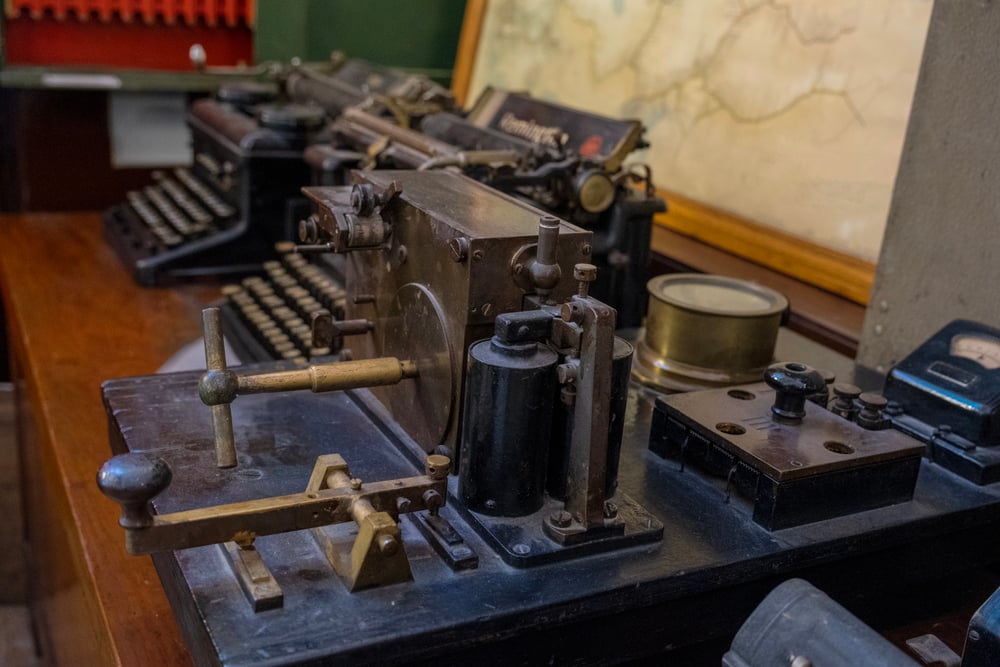
The telegraph revolutionized long-distance communication. Before the telephone, it was the fastest way to send a message across the country or around the world.
Telegraph operators translated written messages into Morse code, tapped them out on a key, and decoded incoming transmissions.
Skilled operators could send and receive dozens of words per minute. During wartime, they handled critical military communications.
During peacetime, they connected businesses and families separated by distance. The job required training, offered decent wages, and carried a certain prestige.
The telephone began displacing telegrams for personal communication in the early 20th century. Business and government use lasted longer.
Western Union sent its last telegram in 2006. By then, the profession had been dying for half a century.
Lector

In Cuban and American factory towns, workers who rolled products by hand often hired lectors to read aloud to them. The lector would sit on a raised platform and read newspapers, novels, political pamphlets—whatever the workers voted to hear.
The practice helped pass the time during monotonous manual labor and kept workers informed about current events.
Factory owners eventually grew nervous about what the lectors were reading. In 1931, American factory owners banned the practice, concerned that lectors were spreading leftist political ideas.
Radio arrived around the same time, offering a less politically charged form of entertainment.
The profession survives in a few places as cultural preservation, but as an actual job category, it disappeared decades ago. The idea of employing someone specifically to read to workers now seems quaint.
Milkman

Home milk delivery was once as routine as mail service. The milkman arrived before dawn, leaving glass bottles on your doorstep and collecting the empties from the day before.
Families relied on this regular delivery because milk spoiled quickly without refrigeration and grocery trips happened weekly rather than daily.
The job combined physical labor with customer service. Milkmen built relationships with the families on their routes.
They knew who needed extra cream, whose baby had arrived, whose grandmother had passed away.
Refrigeration, supermarkets, and plastic containers all contributed to the decline. Home delivery became a premium service rather than a necessity.
Most milk delivery operations shut down by the 1970s and 1980s. A handful of dairies still offer the service today, usually marketed as a nostalgic luxury.
Typing Pool Worker

Before personal computers, large organizations employed rooms full of typists. Letters, reports, memos, and documents of all kinds passed through the typing pool, where rows of workers—again, mostly women—transcribed handwritten or dictated material on mechanical typewriters.
The typing pool was a common entry point for women in office work. A skilled typist could advance to become a private secretary, working directly for an executive rather than processing the general flow of documents.
Word processors appeared in the 1970s. Personal computers spread through offices in the 1980s.
Executives and managers who once dictated everything began typing their own documents. The typing pool gradually emptied and eventually closed.
The skills transferred—fast, accurate typing still matters—but the dedicated job category vanished.
Gandy Dancer

Railroad tracks require constant maintenance. Rails shift, ties rot, ballast settles.
Before machines took over, crews of workers called gandy dancers performed this grueling labor by hand. They lifted rails, tamped ballast, aligned track sections, and replaced worn components.
The name allegedly came from the Gandy Manufacturing Company, which made some of the tools used in track work, though this origin is disputed. What isn’t disputed is the physical intensity of the job.
Gandy dancers worked in coordinated teams, often singing work songs to keep their movements synchronized.
Mechanization arrived gradually through the mid-20th century. Machines that could lift rails and tamp ballast replaced human muscle.
By the 1960s, the gandy dancer’s work had largely been automated. Some manual track workers remain, but not in the numbers or the style of the original gandy dancing crews.
Film Projectionist
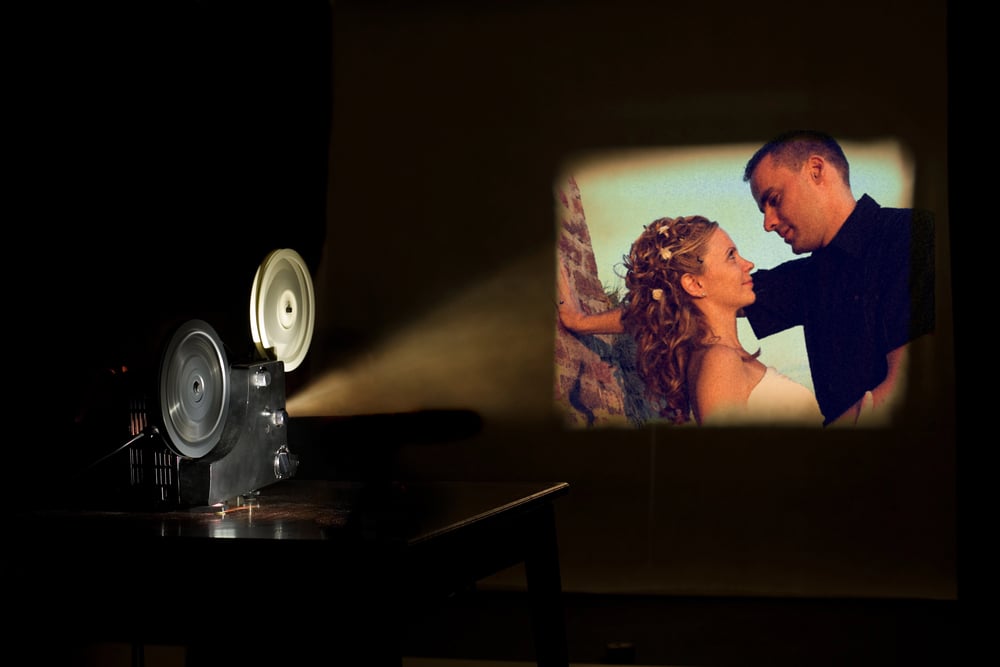
Watching a movie once required human expertise. Projectionists threaded film through complex machines, adjusted focus and framing, timed reel changes so audiences never saw a gap in the action, and monitored for problems like film breaks or lamp failures.
Union projectionists trained for years and protected their knowledge carefully.
The job survived the transition from silent films to talkies, from newsreels to feature presentations, from single screens to multiplexes. What killed it was digital projection.
Modern digital systems require someone to press a button. They don’t require someone to physically handle film.
The conversion happened fast. Most theaters switched to digital projection between 2010 and 2015.
Projectionists who had spent careers mastering a skilled trade found that trade suddenly obsolete. A few repertory theaters still show film prints and still need projectionists, but as a mainstream profession, it’s finished.
Soda Jerk

The soda fountain was once a fixture of American life. Drugstores and diners featured long counters where soda jerks mixed and served carbonated drinks, ice cream sodas, milkshakes, and malts.
The name came from the jerking motion used to operate the soda fountain’s tap handles.
Soda jerks weren’t just servers—they were entertainers. Skilled ones could flip glasses, create elaborate sundaes, and banter with customers.
The job was popular with young workers, especially during the mid-20th century when roughly half a million Americans worked as soda jerks.
Fast food changed everything. McDonald’s and its competitors offered speed and consistency rather than showmanship.
Independent soda fountains couldn’t compete. Most closed by the 1970s.
A few survive as retro attractions, but the soda jerk as a mass employment category is long gone.
When Work Vanishes

These jobs vanished fast, not slow. A sudden fall wiped them out.
Ten years in, careers were solid. Ten years later, almost gone.
Workers had little time to switch paths. New directions became urgent.
Life moved on without warning.
Not everyone made the shift. While some found new roles – like switchboard workers turning into support staff – others faded out.
Take lamplighters, for example. They evolved into power technicians.
But many were left behind. Years of honed abilities lost their value overnight.
One never knows which jobs now seem safe but won’t last. Things that feel necessary right now might vanish without warning.
Long ago, someone got paid to knock on windows before dawn. They likely believed their role was lasting.
A new method came along anyway.
More from Go2Tutors!

- The Romanov Crown Jewels and Their Tragic Fate
- 13 Historical Mysteries That Science Still Can’t Solve
- Famous Hoaxes That Fooled the World for Years
- 15 Child Stars with Tragic Adult Lives
- 16 Famous Jewelry Pieces in History
Like Go2Tutors’s content? Follow us on MSN.