The Richest Cities by GDP
When people think about wealth, they often picture entire countries. But zoom in closer and something interesting appears.
Cities themselves have become economic powerhouses that rival and sometimes surpass entire nations. These urban centers pack incredible financial might into relatively small geographic areas, creating concentrated zones of commerce, innovation, and prosperity that fuel the global economy.
Let’s take a closer look at the cities that top the charts when it comes to raw economic output.
Tokyo
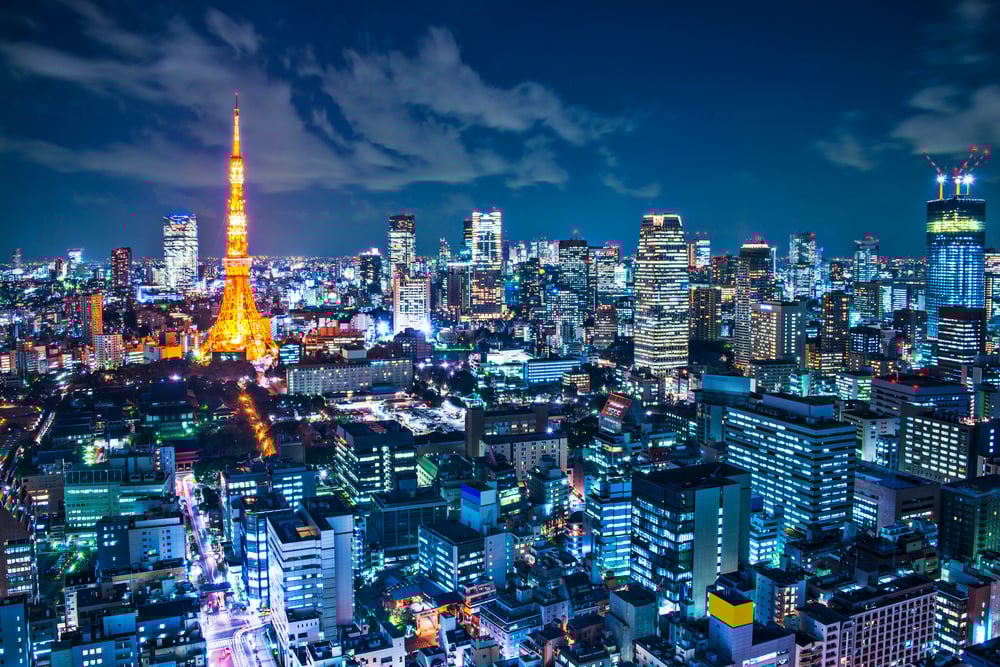
Tokyo stands as the undisputed champion of urban economic output. The Japanese capital generates over $2 trillion in GDP, making it wealthier than most countries on the planet.
This sprawling metropolis combines advanced manufacturing, cutting-edge technology, and a massive financial services sector into one powerhouse package. The city’s economy benefits from major corporations like Sony, Honda, and Mitsubishi having their headquarters there.
Walking through districts like Shibuya or Shinjuku, the sheer density of economic activity becomes obvious. Millions of people contribute to this massive machine every single day.
New York City

New York City claims the number two spot with a GDP that hovers around $1.9 trillion. Wall Street alone makes this city a financial titan, but that’s just the beginning.
The Big Apple also dominates in media, fashion, real estate, and professional services. Every major bank, countless Fortune 500 companies, and the world’s most important stock exchanges call this city home.
The concentration of wealth and talent creates a self-reinforcing cycle where success breeds more success. This pulls in ambitious people from around the world.
Los Angeles

Los Angeles brings in roughly $1.2 trillion annually, powered by an economy more diverse than many people realize. Yes, Hollywood and the entertainment industry play a huge role, but manufacturing, international trade, technology, and tourism all contribute significantly.
The Port of Los Angeles handles more cargo than almost any other port in the Western Hemisphere. This coastal city has transformed from an entertainment hub into a multifaceted economic engine that competes with the best.
Seoul
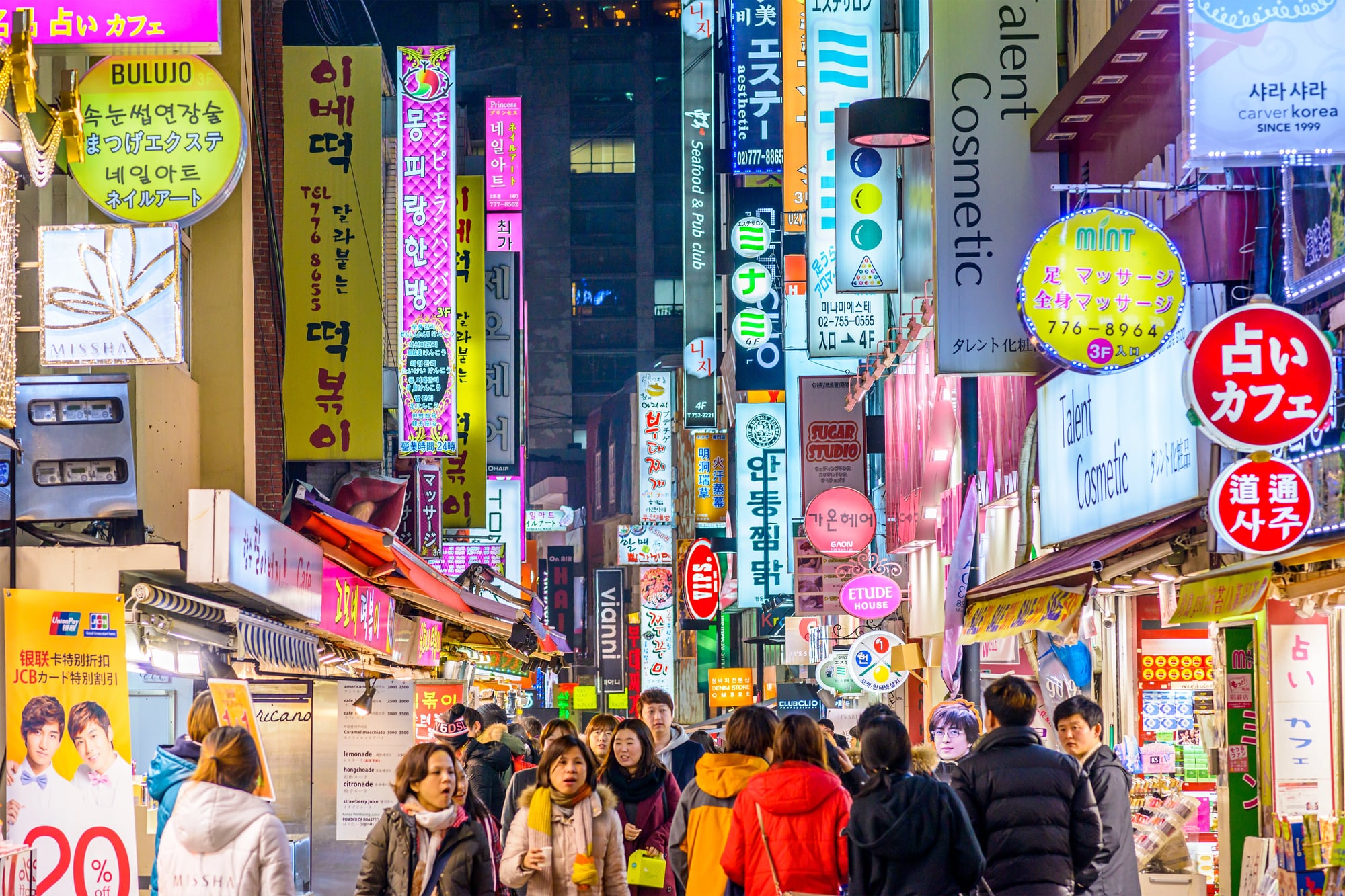
Seoul’s economy generates around $950 billion, making South Korea’s capital one of Asia’s most formidable economic centers. Technology giants like Samsung and LG have their roots here, driving innovation across electronics, semiconductors, and telecommunications.
The city rebuilt itself from the ruins of war into a gleaming modern metropolis in just a few decades. That rapid transformation created an intensely competitive business culture that continues pushing Seoul’s economy to new heights year after year.
London
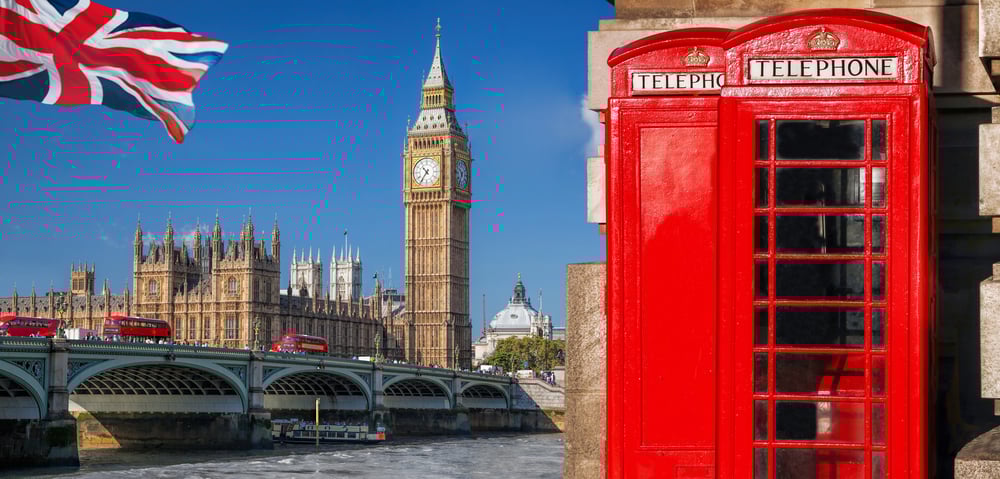
London maintains its position as Europe’s financial capital with a GDP approaching $900 billion. The city’s economy survived Brexit and continues attracting global finance, even as some predicted its decline.
Banking, insurance, and professional services dominate, but London also thrives in creative industries, technology, and education. The City of London and Canary Wharf districts house the offices where trillions of dollars move through markets every day, cementing this ancient city’s modern relevance.
Paris
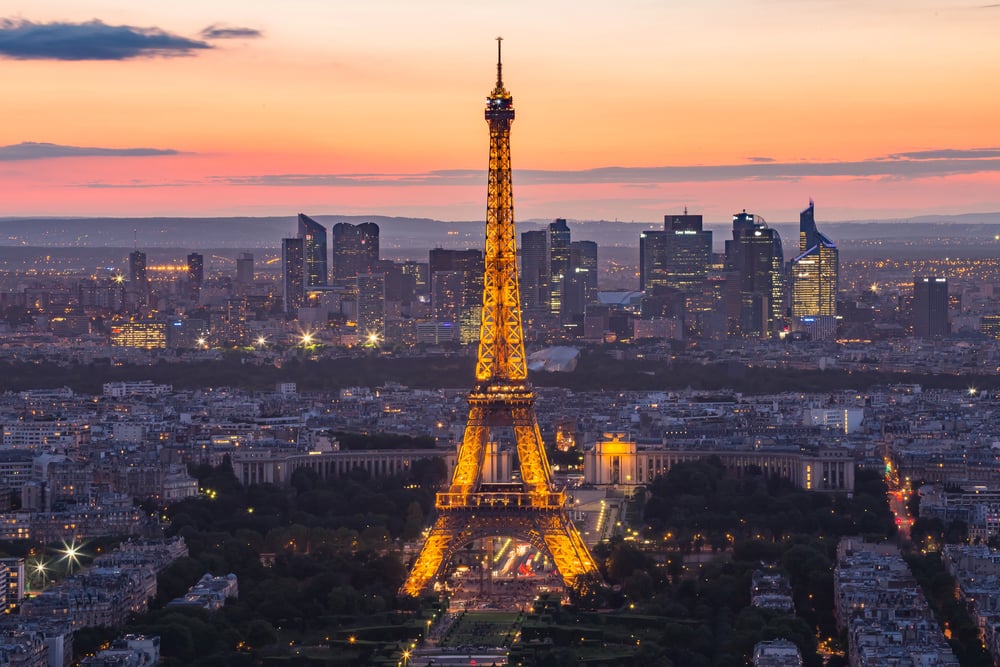
Paris generates around $850 billion in economic output, making it continental Europe’s second powerhouse. Luxury goods companies like LVMH and L’Oréal contribute significantly, but the French capital also excels in aerospace, automotive, and tourism.
Millions of visitors pour billions into the local economy annually, while major corporations maintain significant operations in and around the city. The greater Paris region accounts for nearly a third of France’s entire economic output, showing just how concentrated this wealth really is.
Osaka
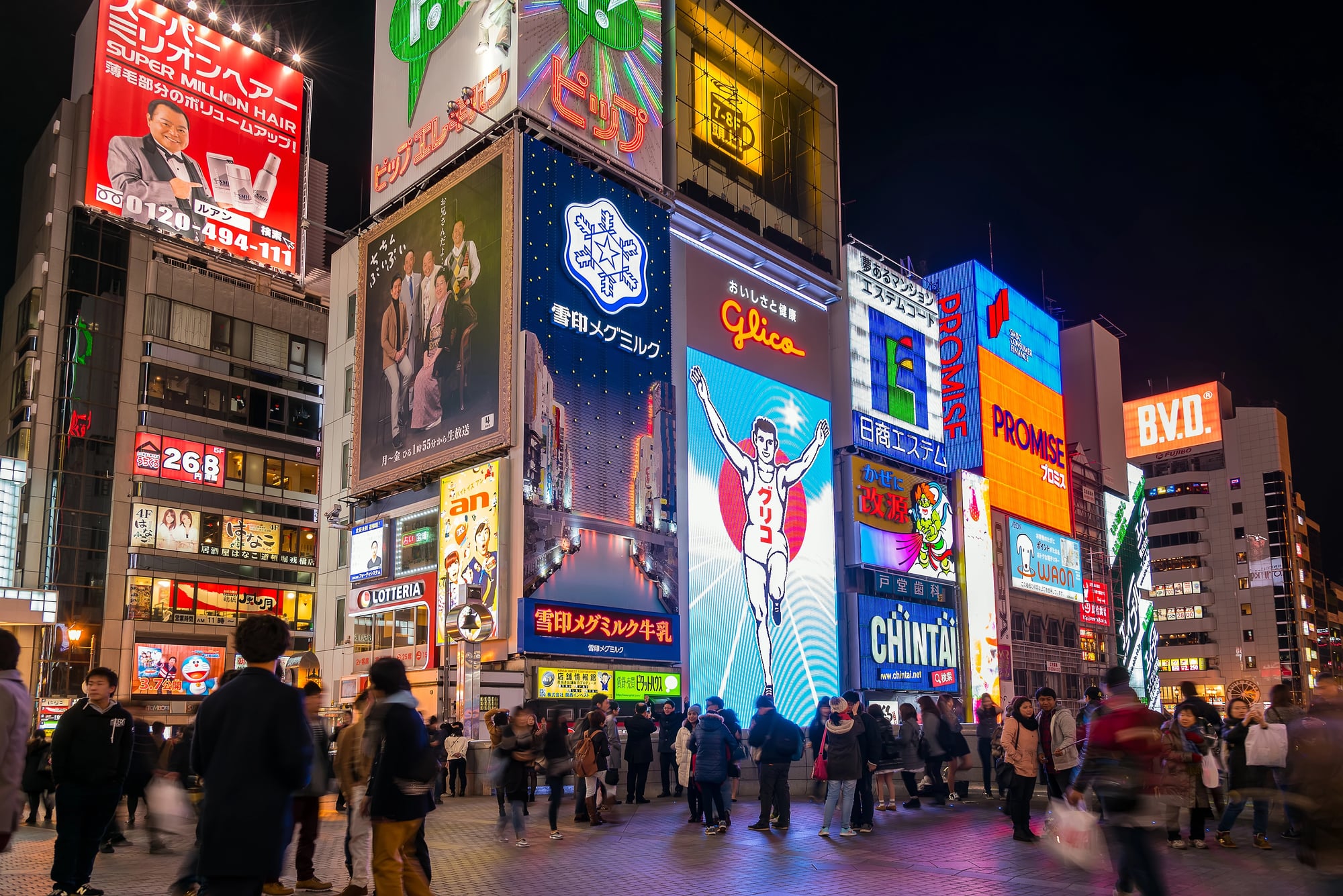
Osaka’s economy produces roughly $780 billion, making Japan’s second city an economic heavyweight in its own right. This western Japanese metropolis built its wealth on manufacturing, pharmaceuticals, and commerce.
Companies like Panasonic and Sharp have major operations here. The city’s location and port facilities make it a crucial hub for trade throughout Asia.
Its residents have cultivated a reputation for business savvy and entrepreneurial spirit. This keeps the economy humming.
Chicago
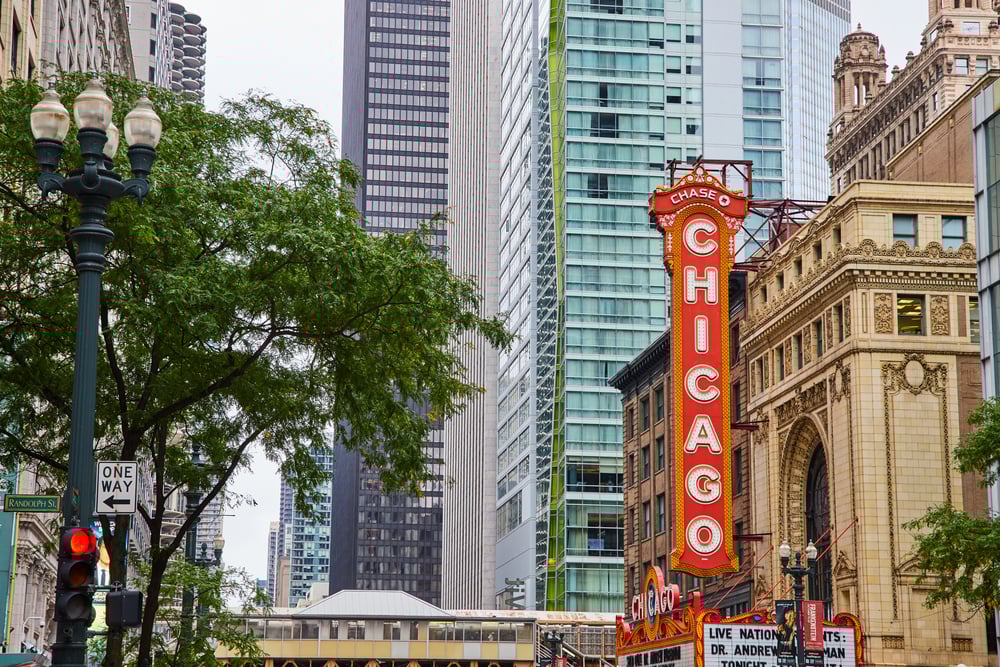
Chicago churns out approximately $750 billion in GDP, making it America’s third economic powerhouse. The Midwest giant dominates in commodities trading, manufacturing, food processing, and transportation.
Its central location makes Chicago a natural hub for moving goods across North America. The Chicago Mercantile Exchange and Chicago Board of Trade handle contracts worth unimaginable sums.
Major corporations like Boeing, McDonald’s, and United Airlines have chosen this city as their home base. This adds to its economic muscle.
Shanghai
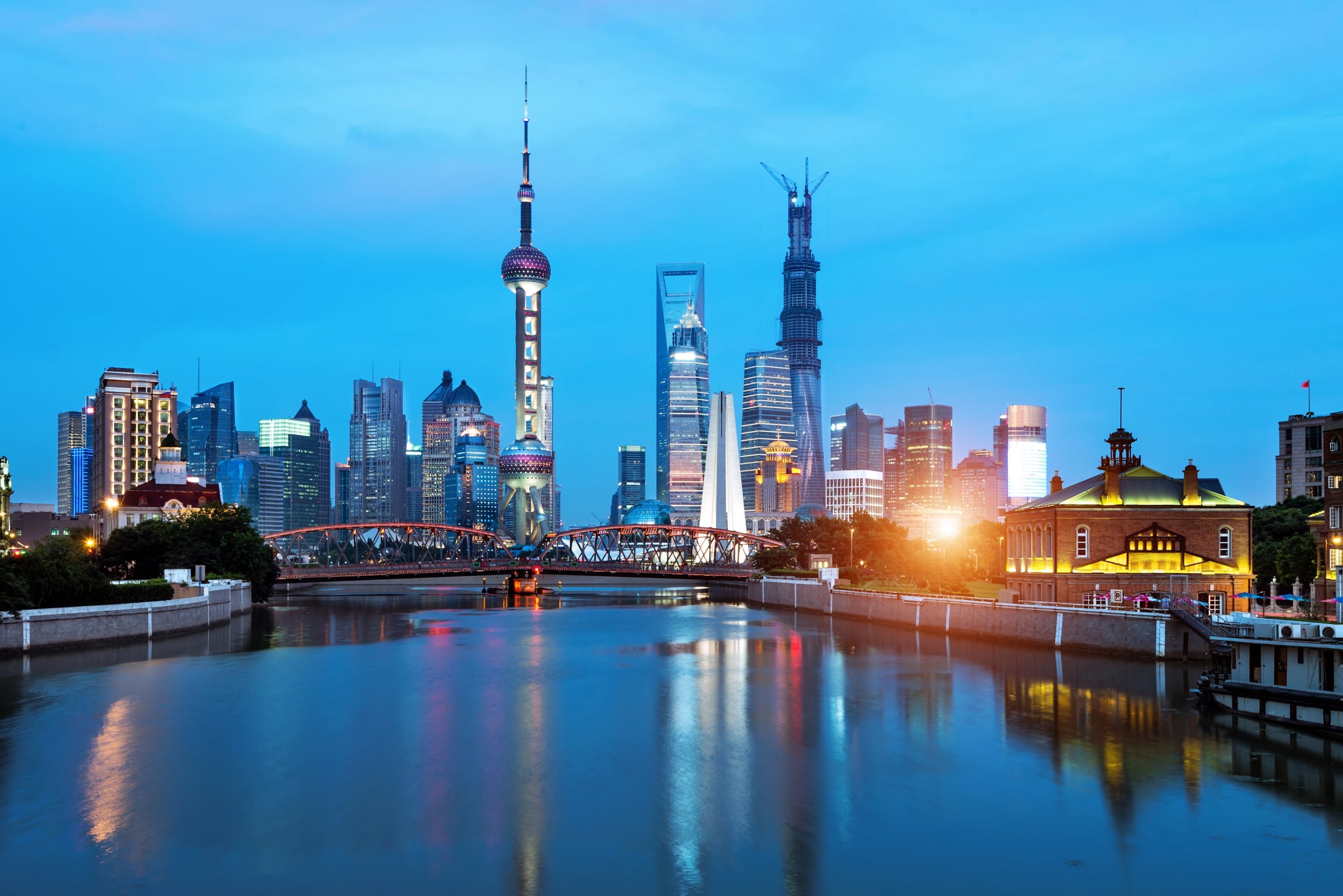
Shanghai has exploded into an economic juggernaut with a GDP around $730 billion and climbing fast. China’s largest city serves as the country’s financial hub and one of the world’s busiest ports.
The Pudong district transformed from farmland into a forest of skyscrapers in just three decades. This symbolizes China’s rapid economic rise.
Foreign companies wanting access to Chinese markets often establish operations here first. Domestic companies use Shanghai as their springboard to global markets.
Moscow
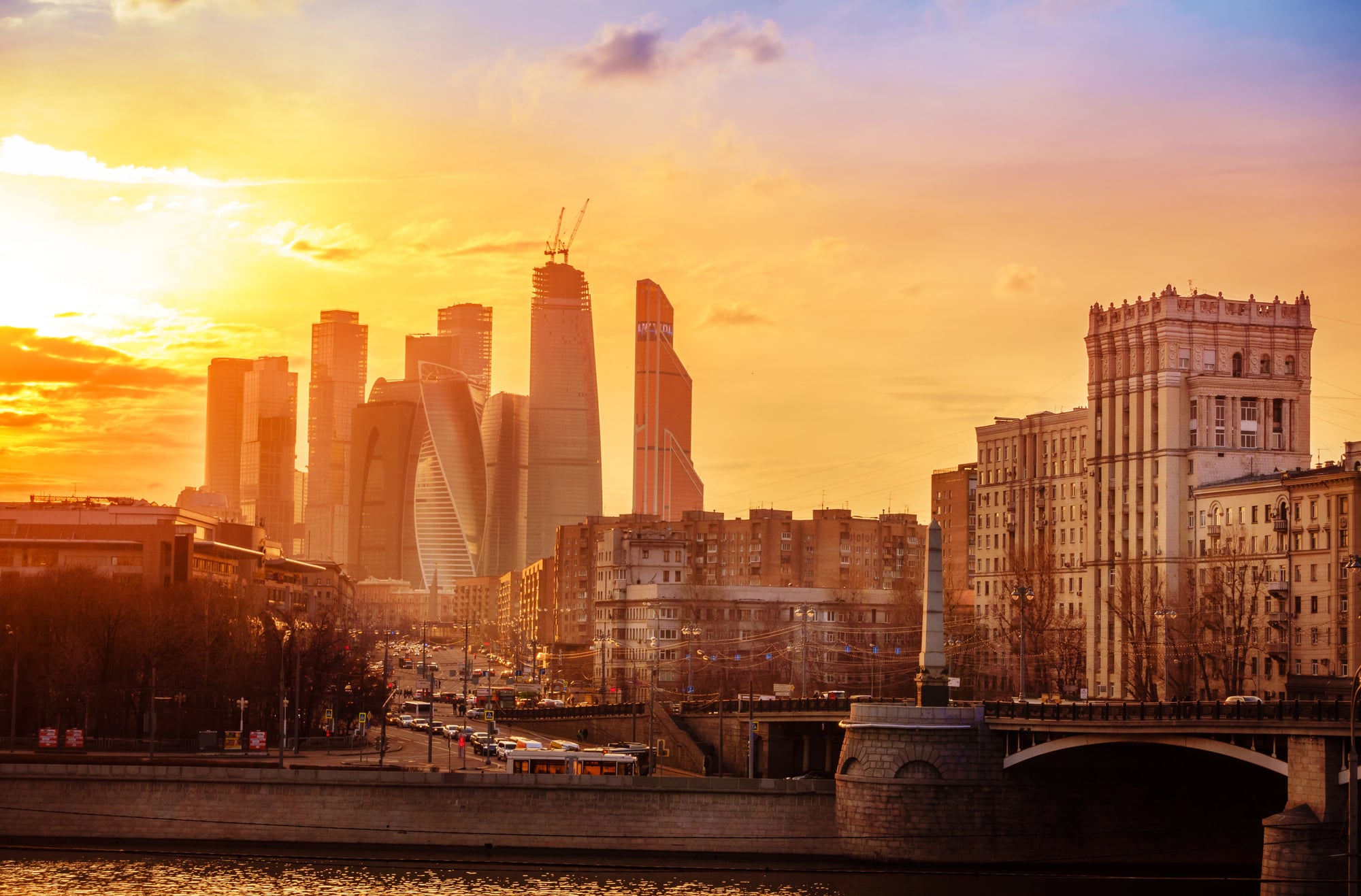
Moscow generates roughly $650 billion annually, making it far and away Russia’s economic center. Energy companies dominate the economy, given Russia’s vast oil and natural gas reserves, but banking, retail, and real estate also play major roles.
Nearly all of Russia’s largest corporations maintain headquarters in the capital. The city concentrates wealth to a degree unusual even among major world capitals.
The surrounding regions trail far behind in economic output.
Beijing
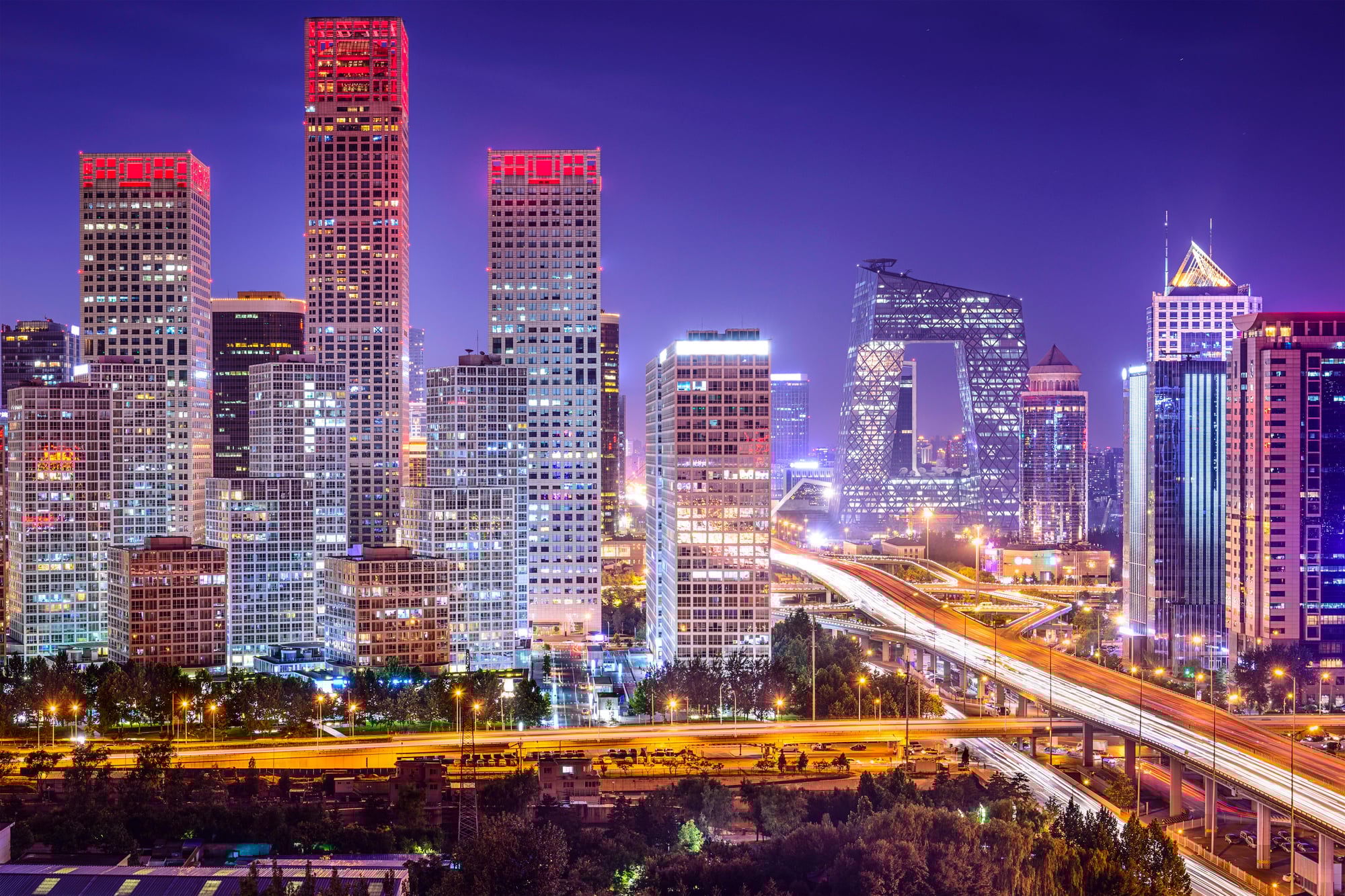
Beijing’s economy produces around $630 billion, serving as China’s political capital and increasingly its economic co-pilot alongside Shanghai. State-owned enterprises dominate here, given the city’s governmental role, but technology companies have grown explosively in recent years.
Districts like Zhongguancun have earned comparisons to Silicon Valley for their concentration of tech startups and innovation. The city’s economy benefits from hosting the headquarters of China’s largest banks and most powerful state companies.
Guangzhou
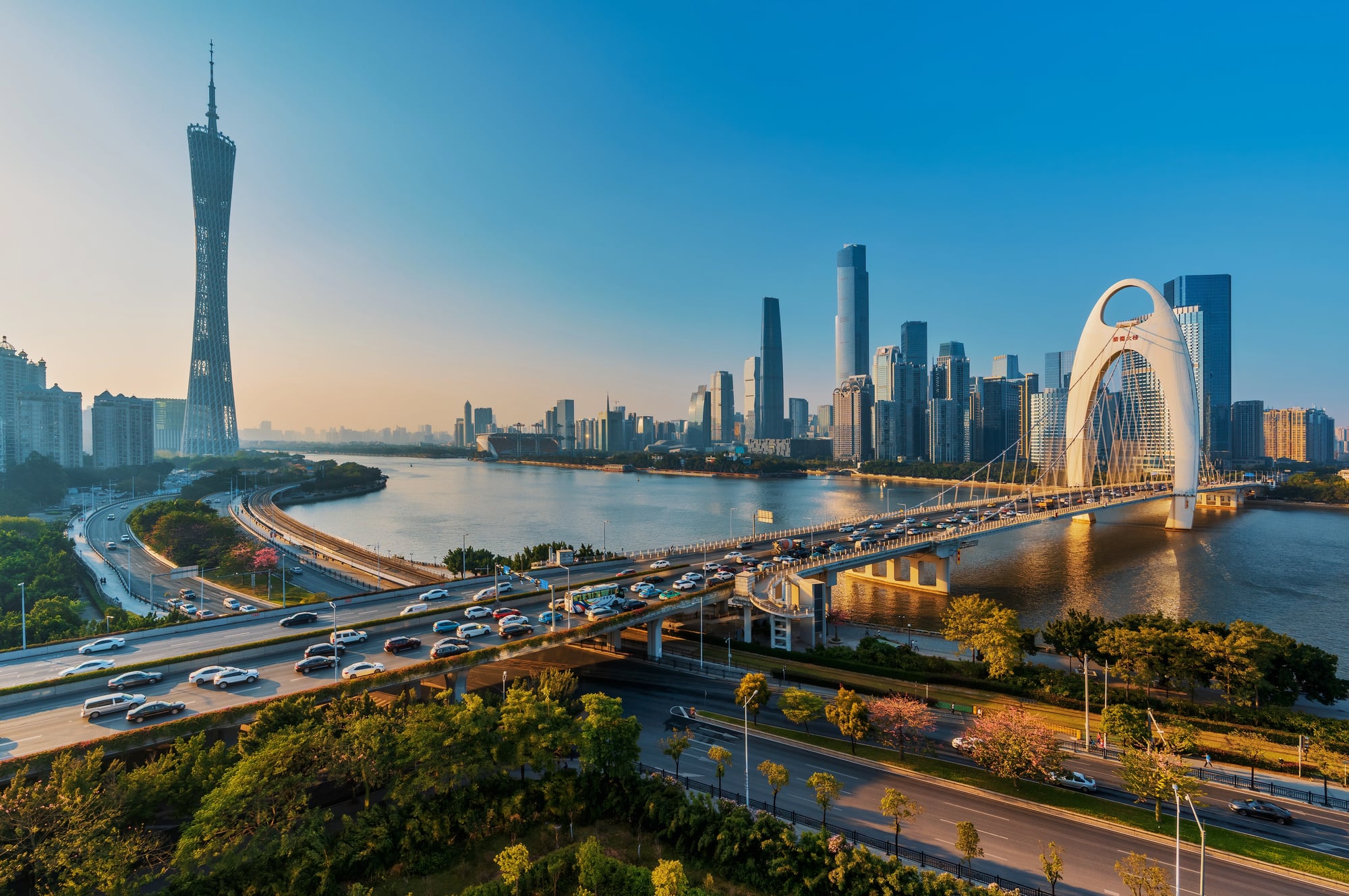
Guangzhou generates approximately $580 billion in GDP, anchoring southern China’s Pearl River Delta manufacturing region. This city has served as a trading hub for centuries, and that commercial DNA continues driving its modern economy.
Manufacturing ranges from electronics to automobiles to textiles. The city’s location near Hong Kong and access to the South China Sea make it ideally positioned for export-oriented industries that have powered China’s economic transformation.
São Paulo
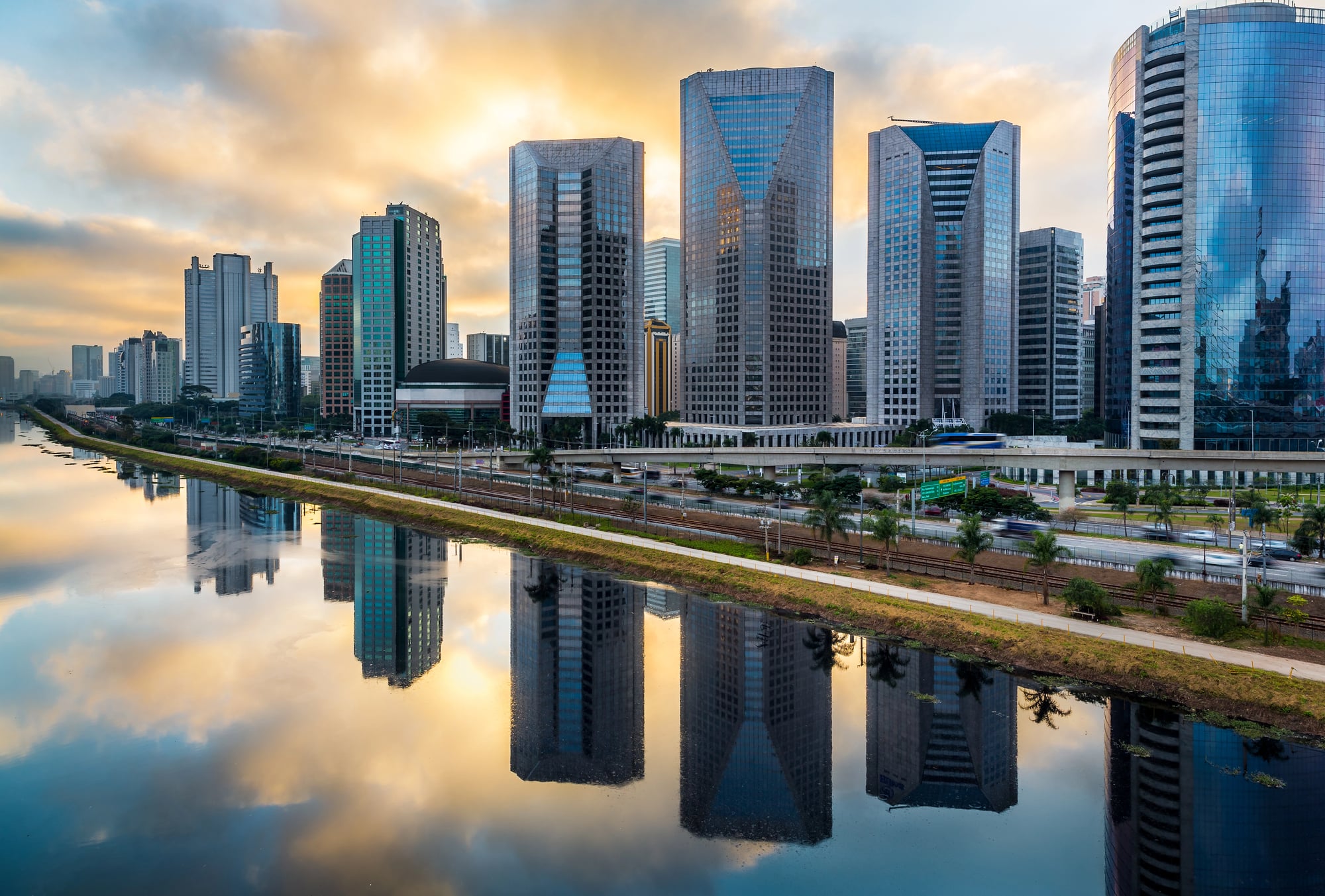
São Paulo stands as South America’s economic capital with a GDP around $570 billion. Brazil’s largest city dominates the continent in banking, manufacturing, and services.
The city produces roughly a third of Brazil’s entire economic output despite housing only about 6% of its population. Major corporations across virtually every industry maintain their Brazilian headquarters here.
The concentration of wealth and opportunity draws people from across Brazil and Latin America. They seek better prospects.
Hong Kong
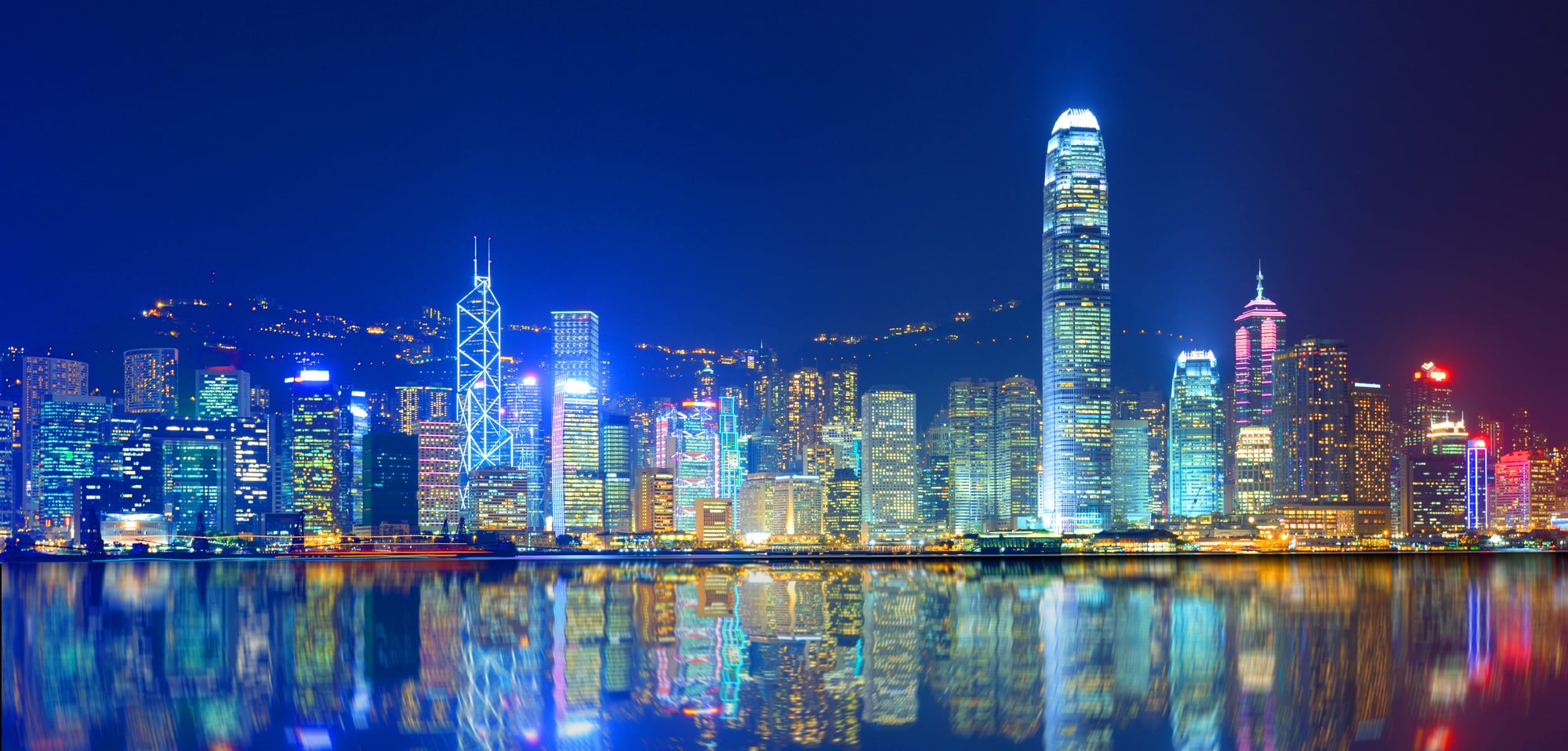
Hong Kong generates approximately $550 billion despite its small geographic size and population. This special administrative region built its wealth as a gateway to China and a hub for Asian finance.
Banking, trade, logistics, and professional services drive the economy. Even as its political relationship with mainland China has grown more complex, Hong Kong maintains its role as one of the world’s most important financial centers.
Companies from around the globe maintain regional headquarters there.
Frankfurt

Frankfurt’s economy produces around $520 billion, making this German city Europe’s often-overlooked financial powerhouse. The European Central Bank sits here, along with countless other financial institutions.
Germany’s largest banks and stock exchange call Frankfurt home. The city’s airport serves as one of Europe’s busiest, connecting the continent to the world.
Manufacturing and chemical companies also maintain significant operations in and around the city. This diversifies beyond just finance.
Toronto

Toronto generates roughly $485 billion in GDP, making it Canada’s undisputed economic engine. The city dominates Canadian banking and finance, with all the country’s major banks headquartered along Bay Street.
Technology companies have grown rapidly in recent years, earning Toronto comparisons to smaller versions of American tech hubs. Film production, real estate, and professional services round out an increasingly diverse economy.
This attracts talent from across Canada and around the world.
Mumbai

A sprawling 450-billion-dollar economy pulses through Mumbai, making up one-fourth of India’s total factory production even though the city covers little land. Not films, but banking, shipping, and factories power much of what happens here.
Home to the country’s central bank, its biggest stock market, and rows of big company offices, it beats India’s money hub. Crowds pack tight in narrow stretches, sparking fierce rivalry for places to live or work.
Space is thin, demand runs high. Life moves fast because of it.
Singapore

That tiny dot on the map pulls in close to 440 billion dollars yearly. This is hard to believe for a place smaller than some countries’ suburbs.
Sitting right between major shipping lanes gave it an edge, but smart rules for companies helped more. Top-tier roads, ports, and networks made moving goods and data fast.
Big firms from everywhere picked this spot to run their regional operations. Learning, fresh ideas, and thinking decades ahead shaped how things work here.
Growth did not happen by accident. Choices built that pace.
Few places grow so much, so steadily.
Where cities lead economies

Out here, city economies hum along while tied tightly to national tides, yet they’ve turned into magnets. They suck up people, money, and chances from far beyond their edges.
While riches pile high in metro cores, distant areas often fall further behind, fueling growth on one side and strain on the other. It’s near impossible to miss how lopsided things have grown when you watch where cash and clout gather today.
Even though digital tools promise freedom from place, it’s still concrete streets and skylines defining what comes next for most lives.
More from Go2Tutors!

- The Romanov Crown Jewels and Their Tragic Fate
- 13 Historical Mysteries That Science Still Can’t Solve
- Famous Hoaxes That Fooled the World for Years
- 15 Child Stars with Tragic Adult Lives
- 16 Famous Jewelry Pieces in History
Like Go2Tutors’s content? Follow us on MSN.



