13 Kitchen Appliances That Were Never Noticed
The kitchen gadget market has long been a haven for ambitious inventors with dubious concepts. There are dozens of devices that appeared to be brilliant in theory but failed miserably in practice for every successful gadget that becomes a household staple.
A fascinating tale of marketing blunders, innovation gone wrong, and the thin line separating genius from ridiculousness is told by these forgotten devices. There are some genuinely perplexing inventions from the culinary history archives that leave you wondering what their inventors were thinking.
This is a list of 13 kitchen appliances that were supposed to transform cooking but ended up serving as warnings about overly ambitious design.
Slicer for bananas
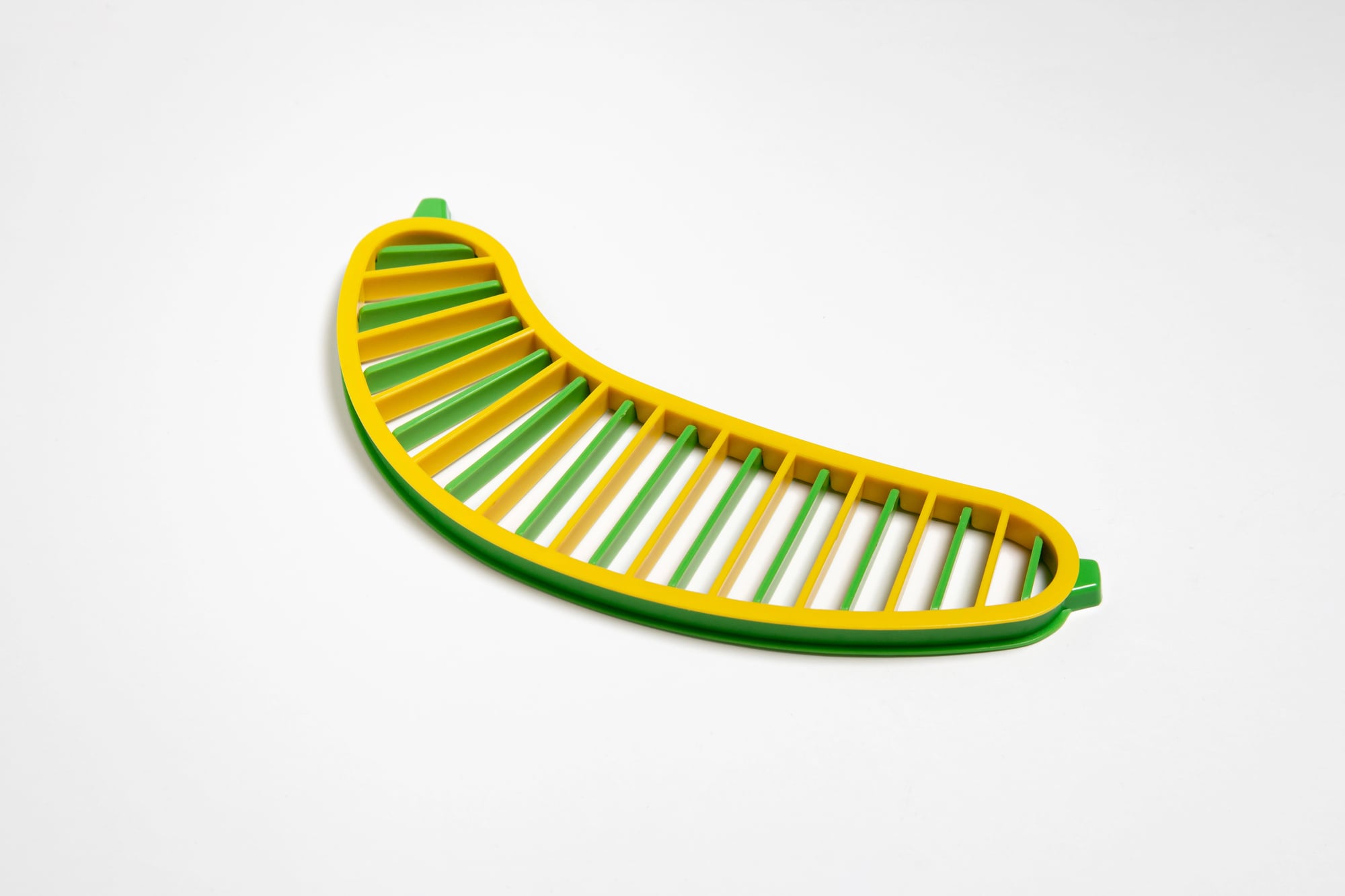
The banana slicer resembled a tiny yellow guillotine made especially for cutting bananas into uniformly round slices. Although it performed as promised, most people soon discovered that a basic knife was equally effective and could handle other fruits as well.
Its ‘revolutionary’ ability to cut the softest fruit in the world was praised in thousands of sarcastic reviews on shopping websites, making the device a common joke.
Pizza Cutlery
Compared to traditional pizza wheels, these enormous scissors were made to cut pizza more quickly. Since scissors can cut through thick crusts and toppings without dragging cheese around, the idea seemed reasonable enough.
The reality, however, was messier than anticipated; hot cheese became lodged in the scissor joints, resulting in a cleaning nightmare that made ordinary pizza cutters appear like engineering marvels.
Like Go2Tutors’s content? Follow us on MSN.
Corn Zipper
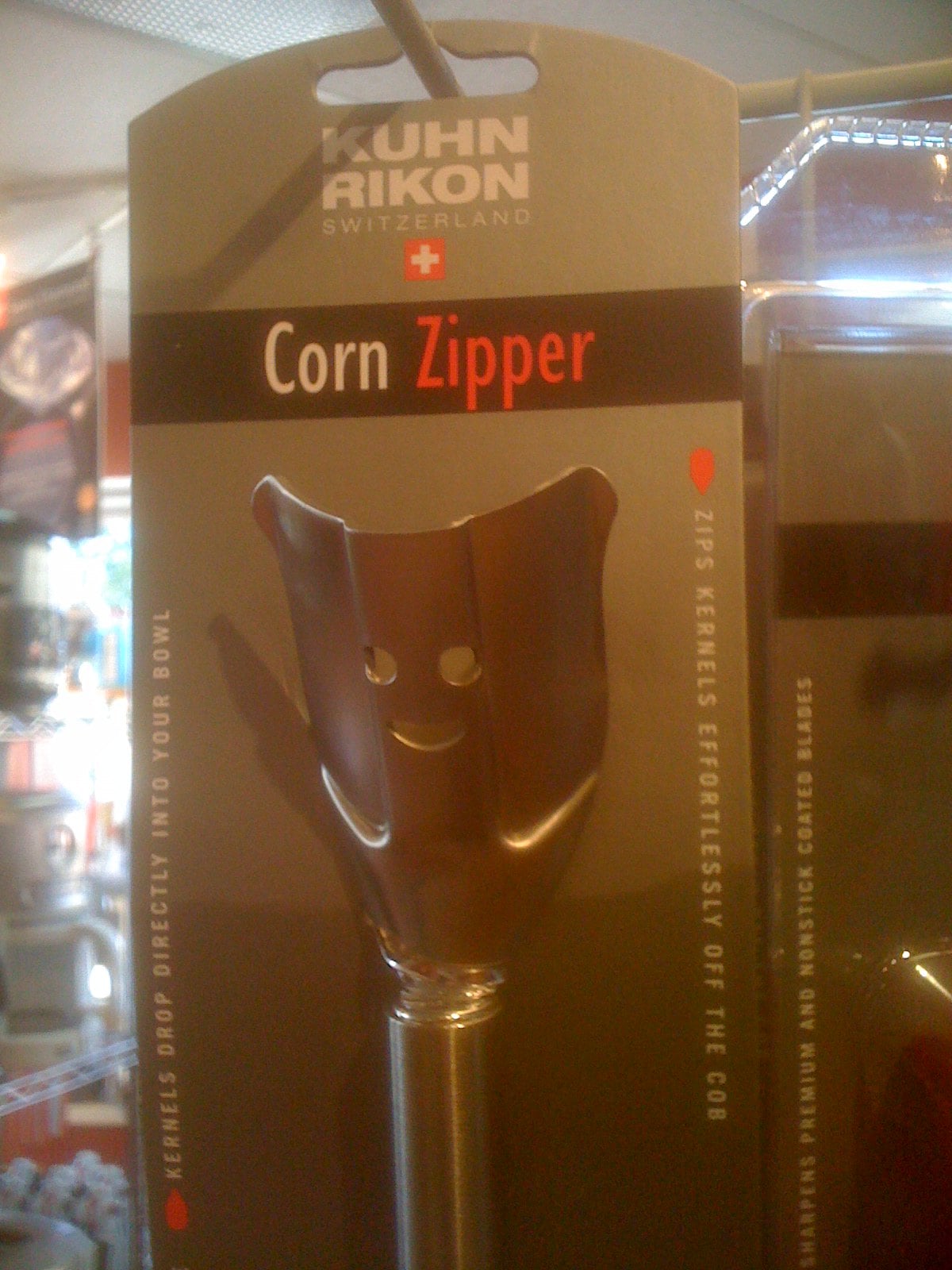
With a simple zipping motion, like opening a jacket, this odd contraption promised to remove corn kernels from the cob. The corn zipper allegedly removed kernels cleanly thanks to a set of tiny blades curved in a pattern.
Sadly, it frequently left behind stubborn kernels while strewing others all over the kitchen, demonstrating that sometimes the traditional method of using a knife is more effective.
Stands for Taco Holders

The purpose of these plastic devices was to keep taco shells upright while being filled, avoiding the frequent issue of shells shattering under the weight of the contents. The stands were difficult to use and took up more counter space than they were useful, even though the idea solved a genuine problem.
Instead of needing additional storage space, most people found that simply leaning tacos against one another in a bowl was just as effective.
Huller Strawberry

A tiny plastic instrument called a strawberry huller was created especially to remove strawberry tops without wasting fruit. It was said to be able to precisely core out the green tops thanks to its narrow serrated end.
The idea was well received by berry aficionados, but most home cooks discovered that a paring knife or even their fingernails sufficed without needing to add another one-time tool to their kitchen drawers.
Like Go2Tutors’s content? Follow us on MSN.
Funnel for Egg Separator
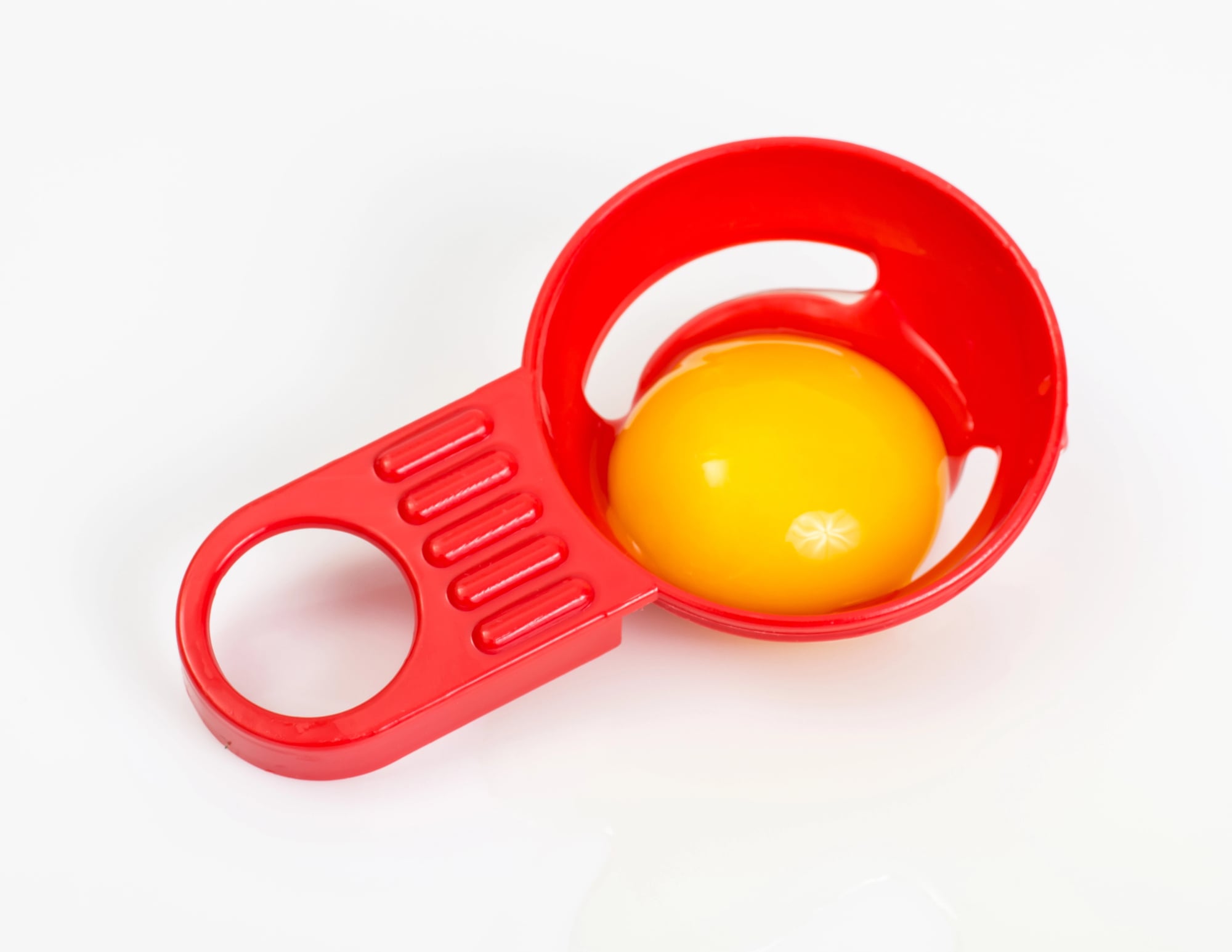
Although there are many tools for separating eggs, this specific funnel-shaped device promised to separate the whites and yolks with absolute certainty. Only egg whites were supposed to be able to pass through the egg separator funnel’s narrow opening, which caught yolks.
Professional chefs prefer the traditional shell-to-shell method, but cleaning the narrow passages proved more difficult and the funnel would clog with broken yolks.
Slicer for Hot Dogs

This device, which resembled a tiny paper shredder, was made to cut hot dogs into ideal spiral shapes for improved condiment distribution and quicker cooking. When users discovered that the sliced hot dogs lost their satisfying snap and cooked unevenly, the novelty of the hot dog slicer quickly faded.
Additionally, the device became difficult to clean after each use and had trouble handling different hot dog sizes.
Guillotine Bagel

In essence, the bagel guillotine was a tiny cutting board with a hinged blade for evenly and safely slicing bagels. Even though bagel-related knife injuries are frequent, this device was large and occupied a lot of counter space for a device that could accomplish the same tasks as a steady hand and sharp knife.
Additionally, instead of producing clean halves, the spring-loaded mechanism tended to compress bagels into flat discs.
Like Go2Tutors’s content? Follow us on MSN.
Measurement of Pasta Portion

To measure pasta portions for different numbers of people, this circular tool featured openings of varying sizes. Theoretically, the pasta portion measurer would help home cooks avoid making too much or too little pasta.
However, the majority of people discovered that eyeballing portions or using the handful method worked just as accurately without the need for an additional tool to wash and store, and that different pasta shapes behaved differently.
Avocado Preserve
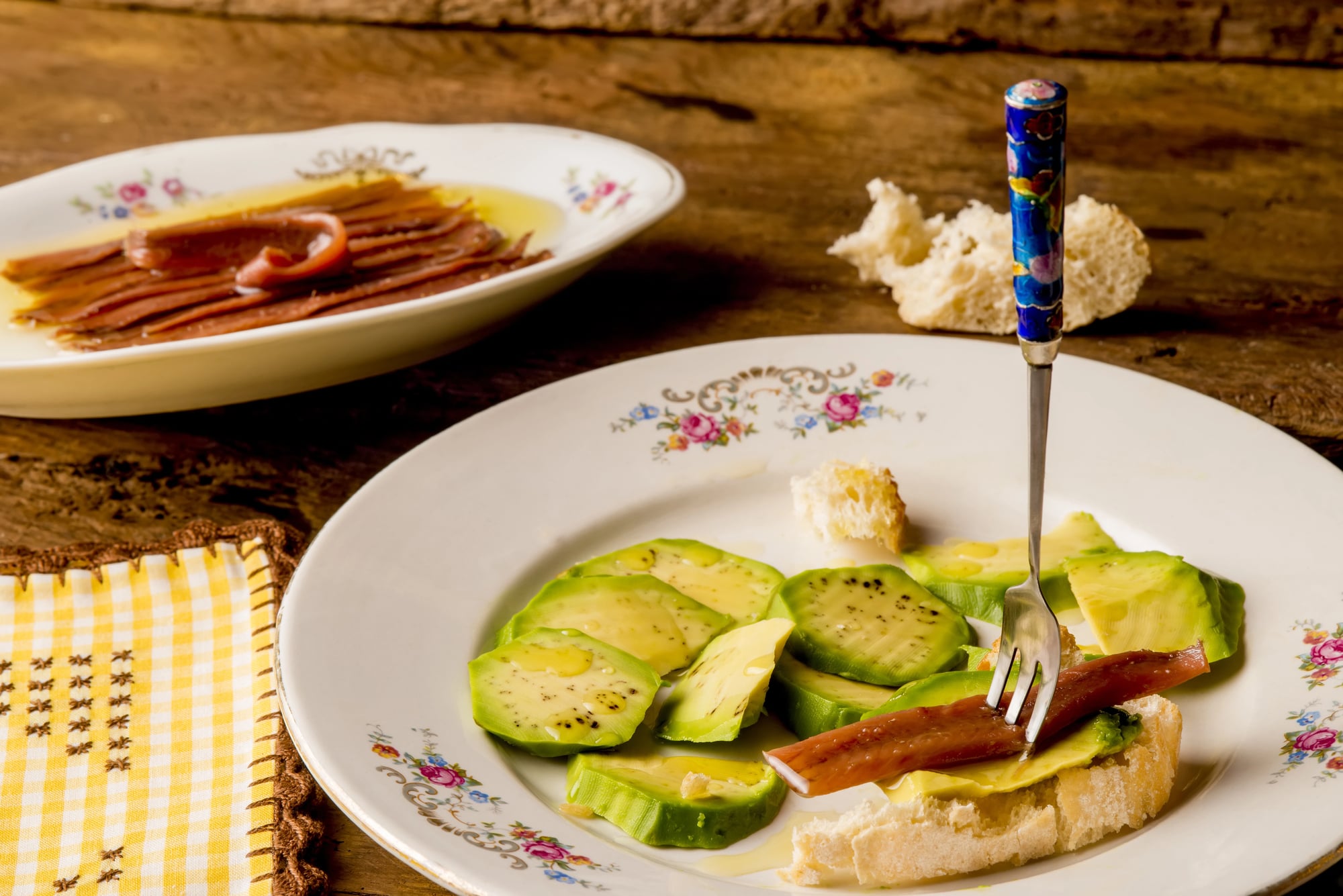
These airtight-sealing plastic containers were designed especially to hold half avocados and keep them from browning. The avocado saver was available in realistic avocado hues and shapes, giving refrigerators a strangely lifelike appearance.
Although the idea solved a common issue, most people found that using plastic wrap or just keeping the avocado in a container cut-side down worked just as well without the need for specific storage tools.
Electric Pepper Mill

With several settings, timers, and LED lights that purportedly showed freshness levels, this gadget was unduly complex in comparison to standard electric pepper mills. Although it frequently jammed, produced uneven grinds, and needed frequent battery changes, the electric pepper mill promised restaurant-quality pepper grinding at home.
In order to improve control and dependability without electronic components that could malfunction, professional chefs continued to use basic manual mills.
Like Go2Tutors’s content? Follow us on MSN.
Herbal Shears

With a snipping motion, these scissors’ multiple parallel blades were made to quickly and evenly chop herbs. The herb scissors seemed efficient for cutting chives, green onions, and other delicate herbs without bruising them like traditional chopping might.
However, cleaning between the multiple blades proved nearly impossible, and herbs would get stuck in the narrow spaces, making the scissors more trouble than they were worth compared to a sharp knife and cutting board.
Cupcake Corer

This small tool was designed to remove perfect cylindrical cores from cupcakes for filling with frosting, jam, or other surprises. The cupcake corer promised bakery-quality filled cupcakes at home with minimal waste.
Unfortunately, the tool often created uneven punctures, and the removed cake pieces were too small to use for anything practical, while a simple spoon or knife could accomplish the same task more flexibly.
The Innovation Paradox
These forgotten gadgets remind us that innovation isn’t always about adding complexity to simple tasks. Many of these devices failed because they solved problems that didn’t really exist or created new problems while attempting to fix minor inconveniences.
The most successful kitchen tools tend to be versatile, easy to clean, and genuinely improve upon existing methods rather than simply offering a different approach. Sometimes the old ways persist not because of tradition, but because they actually work better than their high-tech alternatives.
Like Go2Tutors’s content? Follow us on MSN.
More from Go2Tutors!

- 16 Historical Figures Who Were Nothing Like You Think
- 12 Things Sold in the 80s That Are Now Illegal
- 15 VHS Tapes That Could Be Worth Thousands
- 17 Historical “What Ifs” That Would Have Changed Everything
- 18 TV Shows That Vanished Without a Finale
Like Go2Tutors’s content? Follow us on MSN.