Landmarks With Stories Rarely Told to Tourists
Guidebooks and tours tend to stick to the same well-worn narratives. The Eiffel Tower was built for the 1889 World’s Fair.
The Great Wall kept invaders out. The Colosseum hosted gladiator fights.
You’ve heard these stories a hundred times. But every famous landmark hides layers beneath its postcard image.
The versions tourists hear are sanitized, simplified, or just plain wrong. The real stories involve power struggles, scandals, accidents, and decisions made by people who had no idea their work would last centuries.
These are the tales that guides skip over, the ones that make you see these places differently.
The Statue of Liberty’s Failed Egyptian Twin
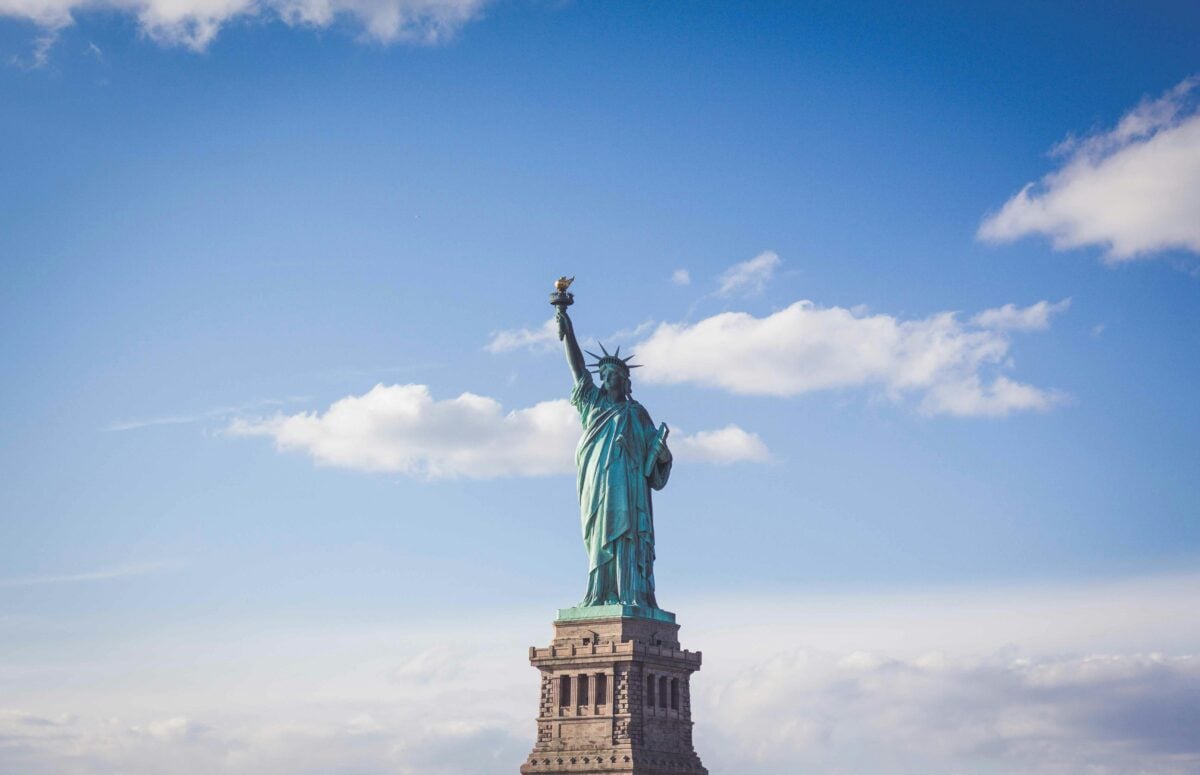
Before Lady Liberty raised her torch in New York Harbor, the French sculptor Auguste Bartholdi pitched a nearly identical statue to Egypt. He called it “Egypt Carrying the Light to Asia” and wanted it placed at the entrance to the Suez Canal.
The Egyptian government looked at the proposal and the price tag, then politely declined. Too expensive, they said. Not interested.
Bartholdi didn’t scrap the design. He kept the basic concept—a robed woman holding a torch—and shopped it to America instead.
The torch stayed. The message changed.
What was meant to represent progress bringing enlightenment to the East became a symbol of freedom welcoming immigrants to the West.
Big Ben’s Crack That Won’t Stop Growing

The Great Bell of Westminster, the one people incorrectly call Big Ben, cracked during its first month of operation in 1859. Engineers tried to fix it by giving the hammer a quarter-turn and reducing its weight.
The bell still works today, but that crack never fully healed. It keeps growing, slowly, year after year.
Surveyors monitor it regularly. The crack creates the bell’s distinctive tone—the sound that defines London for millions of people worldwide.
Without that flaw, Big Ben would sound completely different. The bell remains in use because removing and replacing it would cost a fortune and change an iconic sound.
So London lives with a broken bell that somehow became more famous because of its imperfection.
The Sydney Opera House Designer Who Never Saw It Finished

Jørn Utzon won the competition to design the Sydney Opera House in 1957. His vision was bold and strange—those sail-like shells rising from the harbor didn’t look like any building that existed.
Construction became a nightmare. The shells proved nearly impossible to engineer.
Costs exploded. The government grew impatient.
Utzon clashed with officials who wanted him to compromise his design. In 1966, after years of fighting, he resigned and left Australia. He never returned. Not once.
Not even after the building opened in 1973 to international acclaim. Not when it became one of the most photographed structures on Earth.
Utzon died in 2008, having spent forty-two years avoiding the building that made him famous. His son accepted honors on his behalf.
The man who created Sydney’s defining image refused to look at it in person.
Mount Rushmore’s Unfinished Hall of Records

Behind Abraham Lincoln’s head, there’s a chamber carved into the mountain. George Borglum, the sculptor who created Mount Rushmore, intended it to house America’s most important documents—the Constitution, the Declaration of Independence, the Bill of Rights.
The entrance tunnel extends seventy feet into the rock. That’s where it stops.
Borglum died in 1941, and funding dried up during World War II. The project never finished.
In 1998, someone finally put something inside. The National Park Service installed sixteen porcelain panels in a teakwood box, sealed in a titanium vault.
The panels contain the story of Mount Rushmore, biographies of the presidents carved above, and the text of those founding documents Borglum wanted preserved. Almost no one knows it’s there.
The chamber isn’t open to the public. Those documents sit in darkness, seventy feet inside a mountain, waiting for a future that may never need them.
The Leaning Tower of Pisa Started Tilting Immediately

The foundation was a mistake from day one. The tower began leaning during construction in 1173, before they even finished the third floor.
The ground beneath it—soft clay, fine sand, and shells—couldn’t support the weight. Construction stopped for a hundred years.
Wars interrupted. When builders finally returned, they tried to fix the tilt by making the upper floors slightly taller on one side to compensate.
This created a subtle curve. The tower doesn’t just lean—it bends.
Engineers in the 1990s stabilized it by removing soil from beneath the higher side, effectively pulling it back from the brink of collapse. They reduced the tilt by about half a degree.
That work means the tower will probably stand for another three hundred years. But here’s the thing: if they fixed it completely, if they made it perfectly straight, tourists would stop coming.
The flaw is the attraction. Nobody travels to Italy to see a tower that stands up correctly.
The Taj Mahal’s Disappearing Black Twin

Shah Jahan, who built the white marble Taj Mahal as a tomb for his wife, supposedly planned to construct a mirror image across the river—an identical mausoleum in black marble where he would be buried. That story appears in old travel accounts and gets repeated constantly.
But historians have never found architectural plans, budget documents, or any solid evidence that Shah Jahan actually intended to build it. The tale probably originated from European travelers in the 1800s who misunderstood local legends or invented the story themselves because it sounded romantic.
What really happened? Shah Jahan’s son overthrew him and locked him in Agra Fort for the final eight years of his life.
His room had a window overlooking the Taj Mahal. When he died, his son buried him inside the Taj Mahal next to his wife—an alteration to the original plan that disturbed the perfect symmetry of the tomb.
The Golden Gate Bridge’s Anti-Self-Harm Net That Took Decades

More than 1,800 people have jumped from the Golden Gate Bridge since it opened in 1937. For decades, officials resisted installing barriers, arguing they would ruin the view and change the bridge’s iconic appearance.
Families of victims fought for barriers for thirty years. Engineers studied various designs. Budget committees debated costs.
The discussion dragged on while people kept dying. Finally, in 2018—eighty-one years after the bridge opened—construction began on a stainless steel net extending twenty feet out from each side of the bridge.
The system cost over two hundred million dollars and took six years to complete. The net became fully operational in 2024.
It catches people who jump and holds them until help arrives. Critics were right about one thing: it changes how the bridge looks.
But thousands of families would have wanted that change decades earlier.
Stonehenge Used to Have Way More Stones
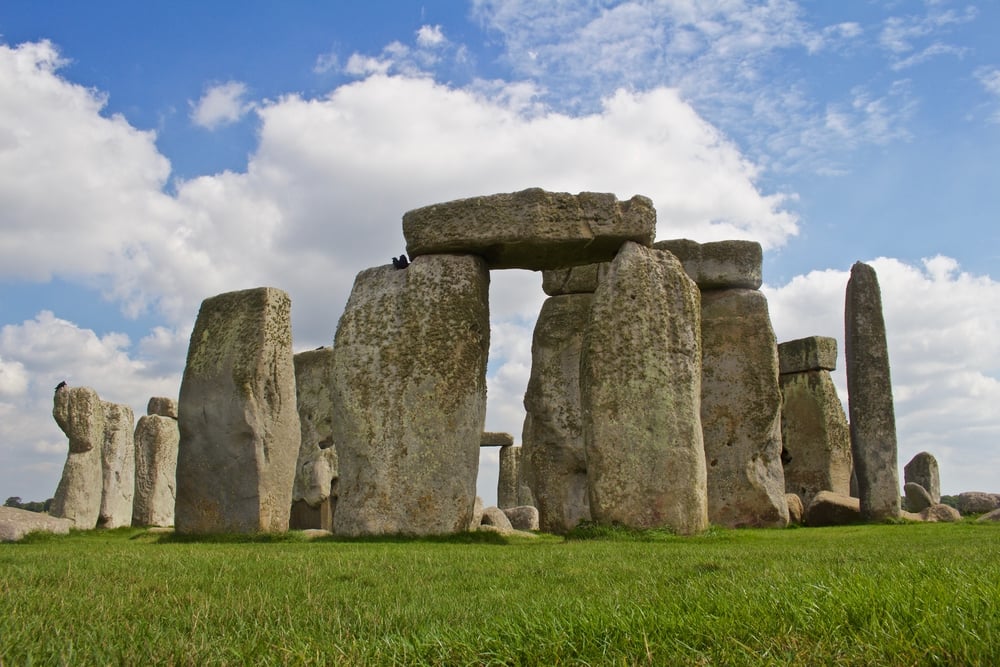
The stone circle standing today represents about half of what was originally there. Over thousands of years, locals treated Stonehenge as a convenient quarry.
Farmers broke up stones for building materials. During medieval times, people chipped pieces off because they believed the stones had healing properties.
In the 1600s, a landowner sold stones for road construction. Archaeological surveys suggest dozens of stones that once stood in the outer circle were removed and repurposed for practical use.
The preservation of Stonehenge only began in the early 1900s, when someone finally decided these ancient rocks might be worth keeping intact. By then, much of the original structure had already vanished into barns, walls, and roads across the English countryside.
The Eiffel Tower’s Temporary Marriage to Radio

The Eiffel Tower was supposed to come down in 1909, twenty years after its construction. The permit was temporary. Many Parisians hated it and wanted it gone.
Gustave Eiffel knew this and spent those twenty years desperately searching for a practical use that would justify keeping it standing. Radio saved it.
The tower’s height made it perfect for wireless telegraph transmissions. By 1909, the military found it so valuable for communications that destroying it became unthinkable. During World War I, the tower intercepted enemy radio messages that helped France win key battles.
That military utility guaranteed its survival. Without radio technology arriving at exactly the right moment, Paris’s most recognizable landmark would have been dismantled and sold for scrap.
Christ the Redeemer’s Lightning Problem
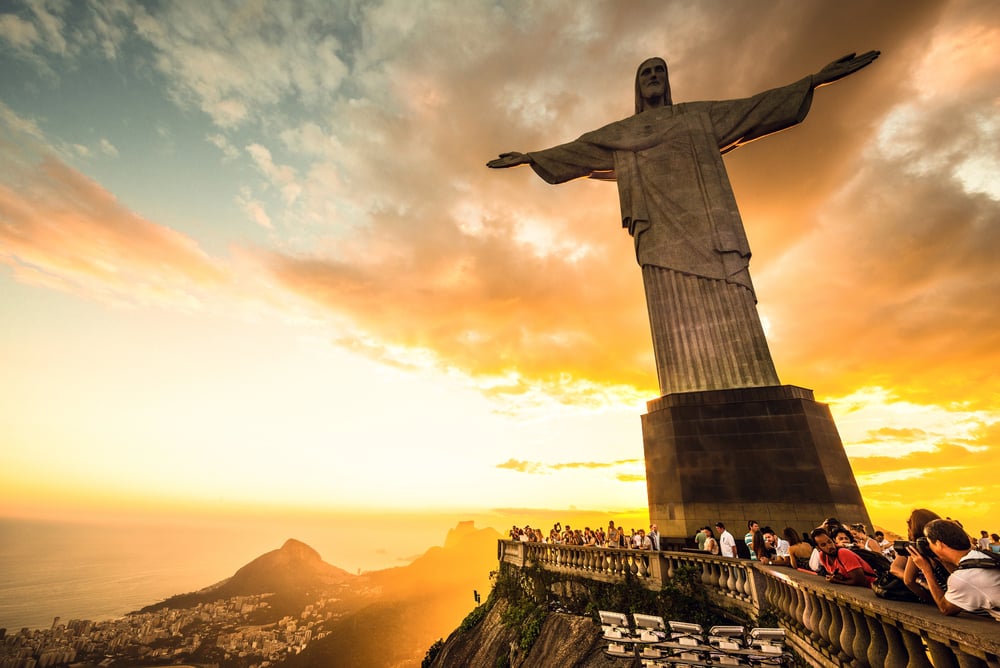
The massive statue overlooking Rio de Janeiro gets struck by lightning about three to five times each year. Each strike damages the statue’s soapstone exterior, requiring constant repairs.
In 2014, a particularly bad storm broke off the tip of Christ’s right thumb. In 2008, lightning damaged the head, eyebrows, and fingers.
The statue requires an ongoing restoration fund just to fix lightning damage. Engineers have installed lightning rods, but they can only do so much.
The statue stands 2,300 feet above sea level on top of Corcovado mountain, making it one of the highest points in the region. It essentially functions as a giant lightning rod itself.
The original architect, Brazilian engineer Heitor da Silva Costa, didn’t fully account for how exposed the location would be. Every few years, pieces fall off, and workers have to climb up with replacement soapstone to patch Christ’s wounds.
The Great Wall’s Deadly Construction Quota

Historians estimate that hundreds of thousands of workers died building the Great Wall over various dynasties. The Qin Dynasty, which began the major construction push around 221 BCE, had quotas.
Each section had to be completed by a deadline, no matter what. Supervisors who failed to meet their targets faced execution.
This created a brutal system where builders worked through illness, extreme weather, and dangerous conditions. When workers died, which happened constantly, some were buried inside the wall itself rather than waste time on proper burials.
Modern archaeological surveys have found human remains within wall sections, supporting accounts from ancient texts describing this practice. The wall isn’t just made of stone and earth—it contains the bodies of the people who built it.
Tour guides rarely mention this. They talk about the wall’s length, its strategic importance, the view from the top. They don’t discuss the bones.
The Colosseum’s Underground Network Nobody Sees

Beneath the Colosseum’s wooden floor, which has long since rotted away, lies a complex system of tunnels, rooms, and mechanisms called the hypogeum. Eighty vertical shafts connected this underground maze to the arena floor above.
Workers and animals waited down there in the dark. Elaborate pulley systems and trap doors allowed handlers to send up scenery, props, and wild animals at precise moments during performances.
Gladiators would suddenly appear through the floor as if by magic. The hypogeum held cramped cells where condemned prisoners spent their final hours listening to the crowd roar above them, knowing they’d soon be hauled up into the sunlight to die.
You can visit this underground section now, but for centuries it remained buried and forgotten beneath centuries of accumulated earth.
Westminster Abbey’s Rental Chairs

Most folks couldn’t stroll into Westminster Abbey whenever they felt like it – access was limited for ages. To earn extra cash, the church let people rent seats if they wished to sit through prayers or take a break indoors.
Chair handlers ran things here. Hand them cash for a spot, then get a slip in return. Prices changed based on how close you were to famous graves or clearer sightlines.
Those with less waited behind others – or just stayed home. This tradition lasted deep into the twentieth century.
It wasn’t until 2023 that the Abbey finally dropped entry fees, over a thousand years since it first opened. For ages, one of England’s holiest sites also worked like a marketplace – bringing in cash from visitors and travelers forced to pay just to step through the doors.
Where Stories Live

Some spots never meant to draw visitors started out quite different. Yet they stood as symbols of strength, bold tries in design, expressions of belief, or efforts to honor those gone.
Their creators had clear goals – though most reasons faded over time. The tales visitors pick up?
They’ve stuck around by being straightforward, uplifting, or catchy. But the messy bits – the screwups, mishaps, cut corners, remains hidden behind bricks – well, those tend to fade out at some point.
Yet it’s usually the unseen tales that count the most. These reveal how buildings really got built – pushed along by cash shortages, power struggles, storms, or sheer determination.
Truth is way more gripping than myth.
When you hit up some well-known spot, wonder what they’re leaving out. Chances are, that hidden bit’s way more interesting than the sign says.
More from Go2Tutors!

- The Romanov Crown Jewels and Their Tragic Fate
- 13 Historical Mysteries That Science Still Can’t Solve
- Famous Hoaxes That Fooled the World for Years
- 15 Child Stars with Tragic Adult Lives
- 16 Famous Jewelry Pieces in History
Like Go2Tutors’s content? Follow us on MSN.