Luxury Amenities On the Most Opulent Ocean Liners in History
Before planes ruled the skies, ocean crossings felt more like events than trips. Famous passenger ships stood as moving symbols of money, progress, and big dreams.
Anyone lucky enough to ride up front lived better than guests at top-tier city hotels. Comfort mattered as much as pace – one vessel tried harder than the next to dazzle.
What traveled across water wasn’t only steel and steam but ambition shaped into decks and dining rooms.
What made these vessels famous wasn’t just size – it was what they offered inside. Fancy pools heated by sunrise light.
Rooms dressed in wood from distant forests. Dining halls where silver never tarnished.
Music floated through hallways long after midnight. Each floor moved like clockwork, smooth and unseen.
Staircases curled upward like secrets whispered twice. Glass domes caught rain and starlight alike.
Even the air smelled different – clean linen, salt, something faintly sweet. Not every detail lasted, but the feeling did.
Grand Staircases And Lavish Interiors
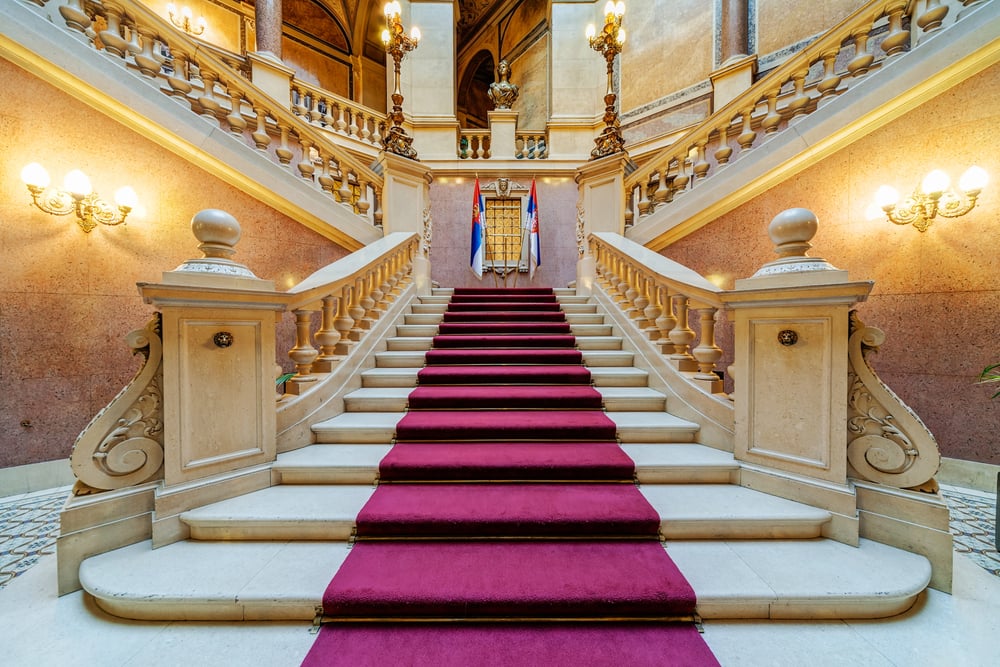
Few features captured the spirit of ocean liner luxury quite like the grand staircase aboard the RMS Titanic. With its sweeping curves, ornate woodwork, and domed glass ceiling, it set the tone for everything else onboard.
Passengers didn’t just move between decks — they made an entrance.
Other liners followed suit, treating interior design as a statement of prestige. Rich paneling, intricate plasterwork, and carefully chosen furnishings transformed corridors and lounges into spaces that felt more like stately homes than parts of a ship.
The goal was simple: make passengers forget they were at sea. Even small details, like lighting fixtures and upholstery, were carefully curated to reflect contemporary design trends and national identity.
First-Class Dining Salons
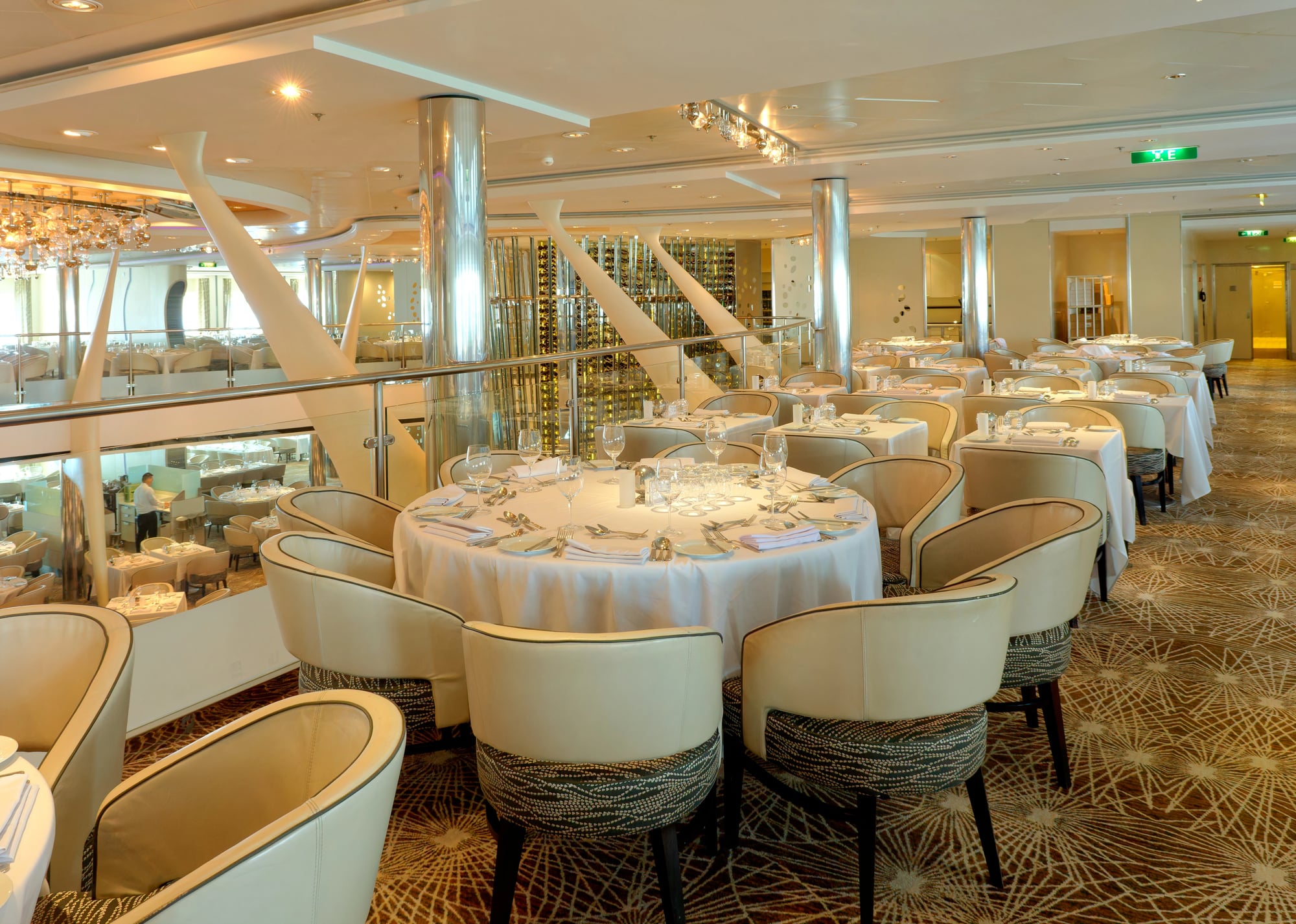
Dining was one of the defining experiences of life onboard. On ships like the SS Normandie, first-class restaurants were designed with the same attention to detail as fine establishments in Paris or London.
Crystal glassware, polished silver, and multi-course meals created an atmosphere of refined indulgence.
Menus often featured elaborate dishes prepared by top chefs, with ingredients sourced to reflect both quality and prestige. Meals weren’t rushed; they were events.
For many passengers, dinner became a social highlight, blending cuisine with conversation in a setting that felt deliberately grand. The service itself was part of the spectacle, with waitstaff moving in practiced rhythm to deliver each course seamlessly.
Turkish Baths And Spa Facilities
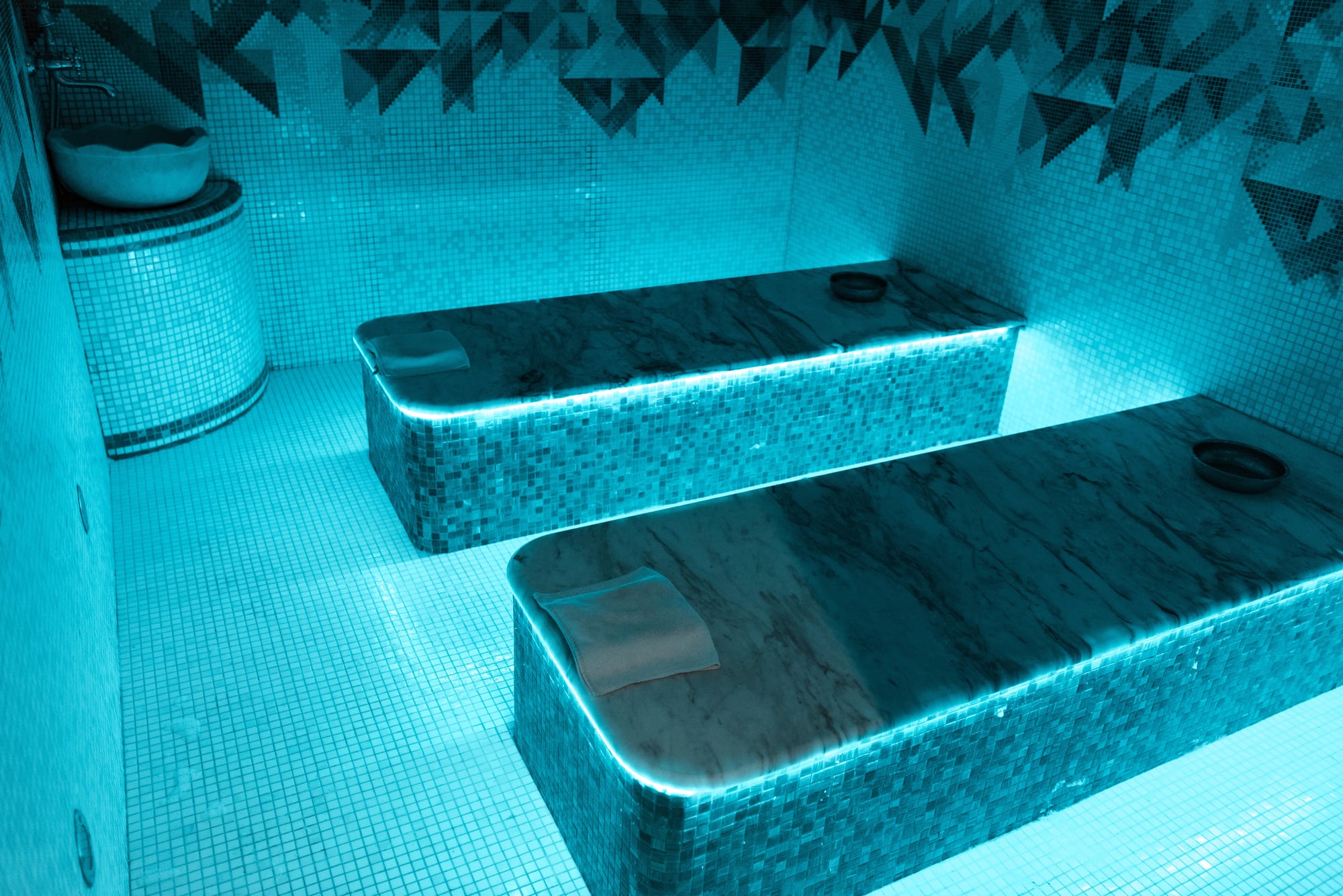
Wellness was already a priority on many luxury liners, long before the concept became mainstream. The RMS Titanic featured an elaborate Turkish bath complex, complete with heated rooms, cooling areas, and attendants to guide guests through the experience.
These spaces offered more than relaxation — they were designed as escapes within the journey. Marble finishes, tiled walls, and soft lighting created a sense of calm that contrasted with the vastness of the ocean outside.
Even so, access was often limited to first-class passengers, reinforcing the clear social hierarchy onboard. For many, these facilities added a sense of routine and luxury that mirrored life in high-end resorts.
Indoor Swimming Pools
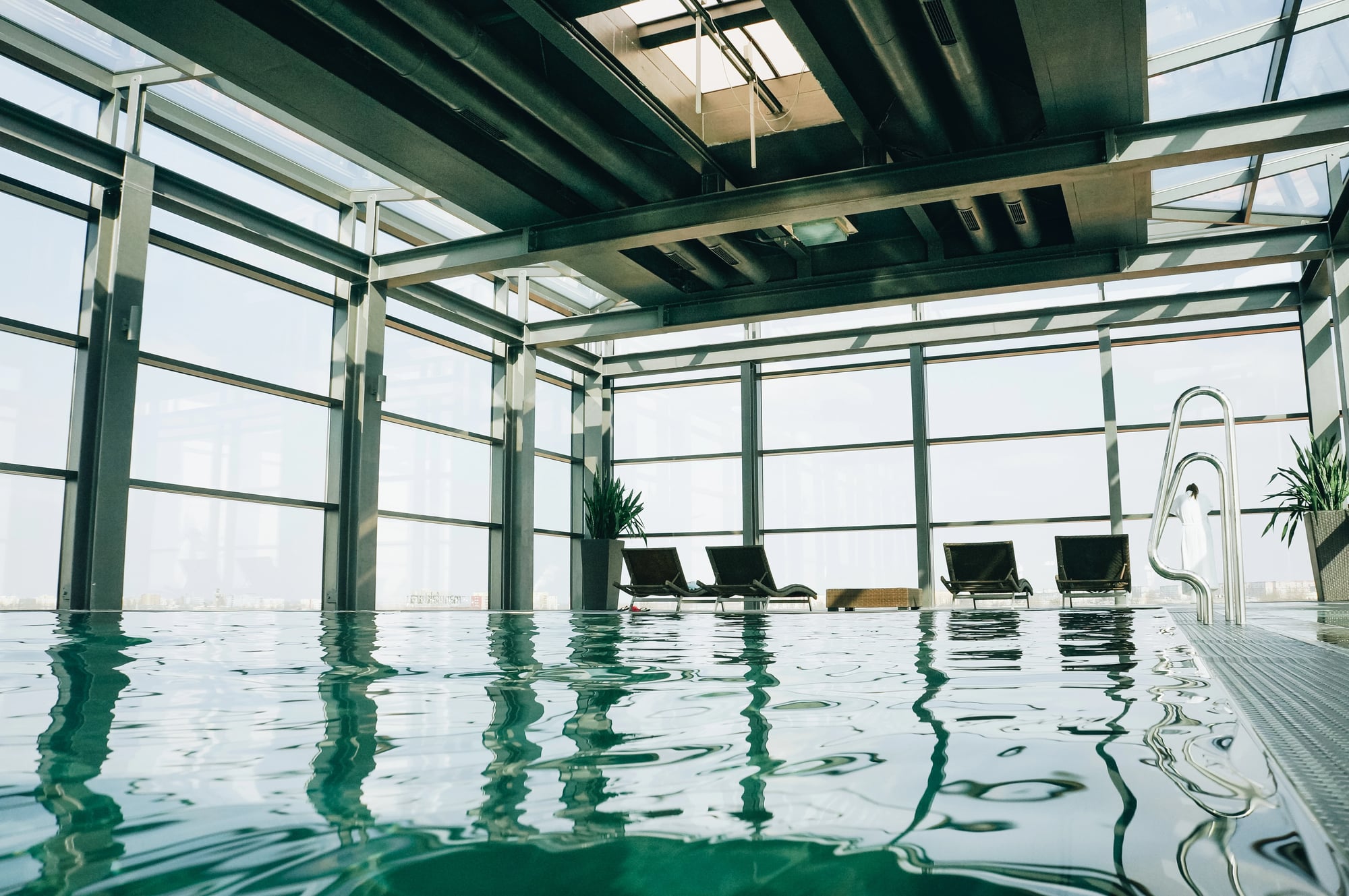
The idea of a swimming pool at sea might feel standard today, but it was once a remarkable luxury. Early liners introduced indoor pools as a way to offer leisure regardless of weather conditions.
The pool aboard the RMS Titanic, for example, was a standout feature at the time.
These spaces were often modest in size by modern standards, but they carried a sense of novelty and exclusivity. Surrounded by tiled walls and changing areas, they provided a controlled environment where passengers could relax and unwind — a small but meaningful escape during long voyages.
The mere presence of such a feature signaled how far these ships were willing to go to elevate the passenger experience.
Onboard Libraries And Reading Rooms
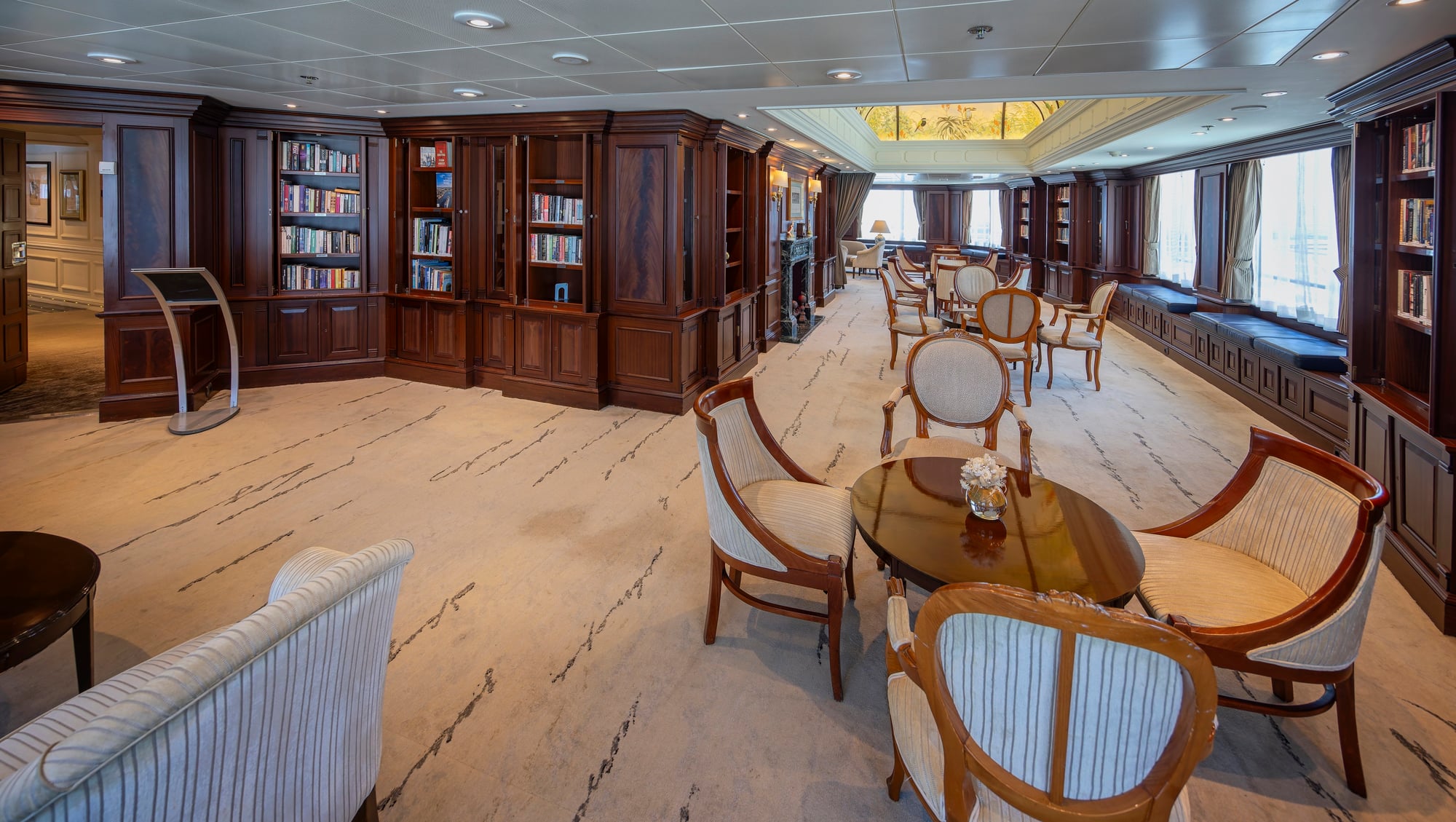
For those seeking quieter forms of entertainment, libraries offered a refined retreat. Ships like the RMS Queen Mary featured well-stocked reading rooms filled with comfortable seating and natural light.
These spaces catered to passengers who valued calm over spectacle.
Books, newspapers, and writing materials were readily available, allowing travelers to pass time in a way that felt both productive and leisurely. That said, the atmosphere was carefully maintained — these were places of quiet conversation and reflection, not distraction.
In an era before digital entertainment, these rooms played an important role in shaping how passengers spent their days.
Ballrooms And Live Music
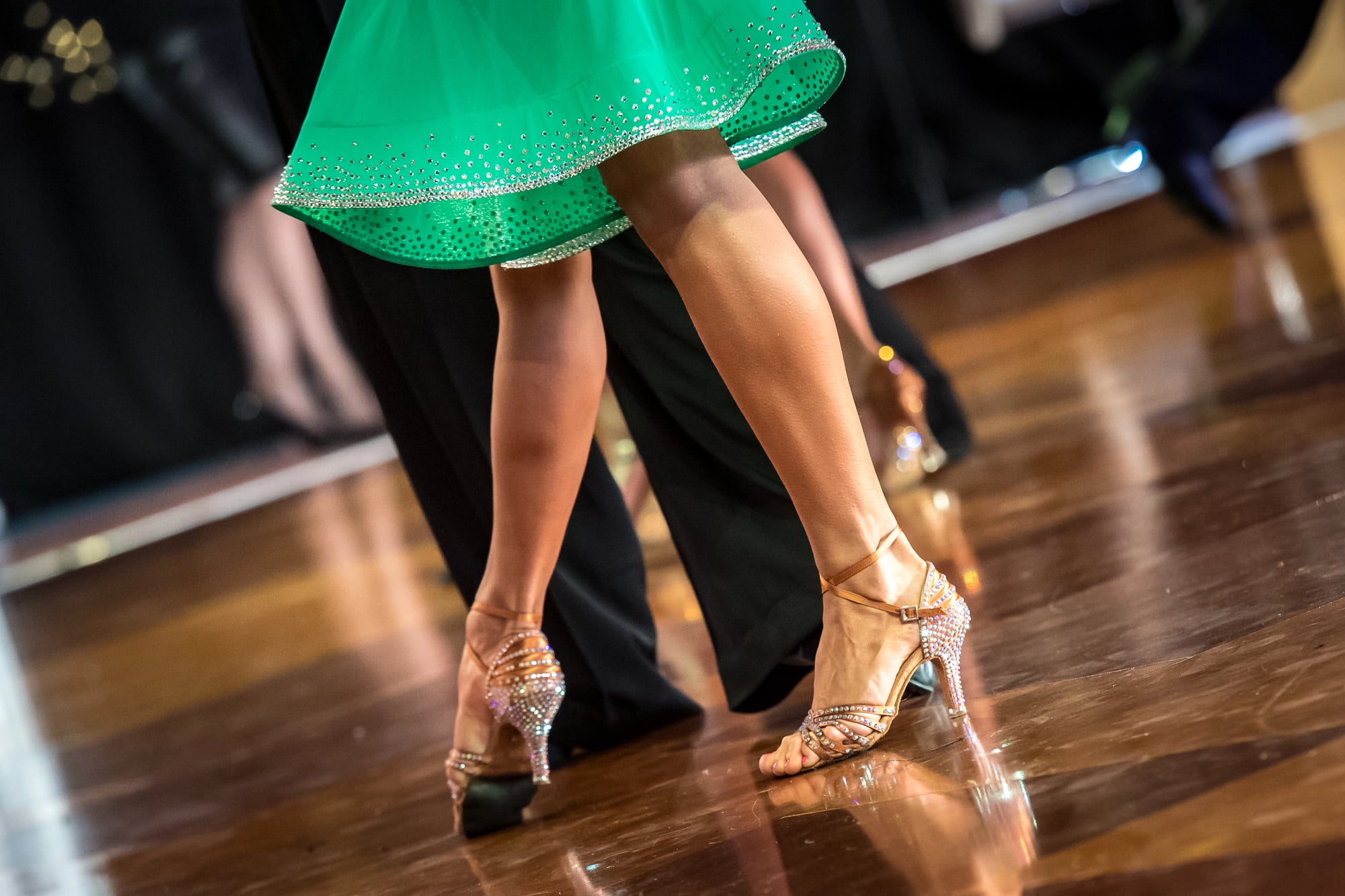
Evenings onboard often revolved around music and social gatherings. Ballrooms hosted dances, while smaller lounges featured live orchestras or pianists.
On ships like the RMS Queen Mary, these events were central to the onboard experience.
Passengers dressed formally, turning each evening into an occasion. Music filled the air, and the rhythm of the ship seemed to fade into the background.
These moments offered a sense of normalcy and elegance, even as the vessel moved steadily across open water. For many, these social events became some of the most memorable parts of the journey.
Private Promenade Decks
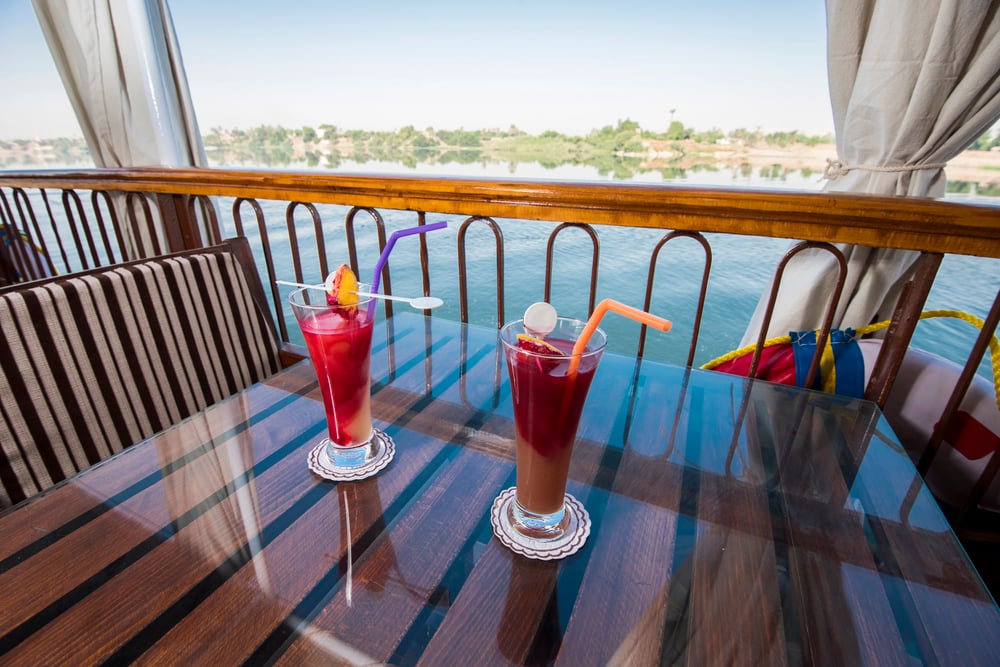
Fresh air and ocean views were part of the appeal of sea travel, but on luxury liners, even this was elevated. First-class passengers often had access to private promenade decks, where they could walk, relax, and take in the scenery away from the crowds.
These areas were designed for comfort, with deck chairs and sheltered spaces that allowed for enjoyment regardless of weather.
Still, they also reflected the strict class divisions of the time, with different sections reserved for different groups of passengers. Even so, the experience of strolling along the deck became a defining image of ocean travel.
Early Fitness Rooms And Recreational Spaces
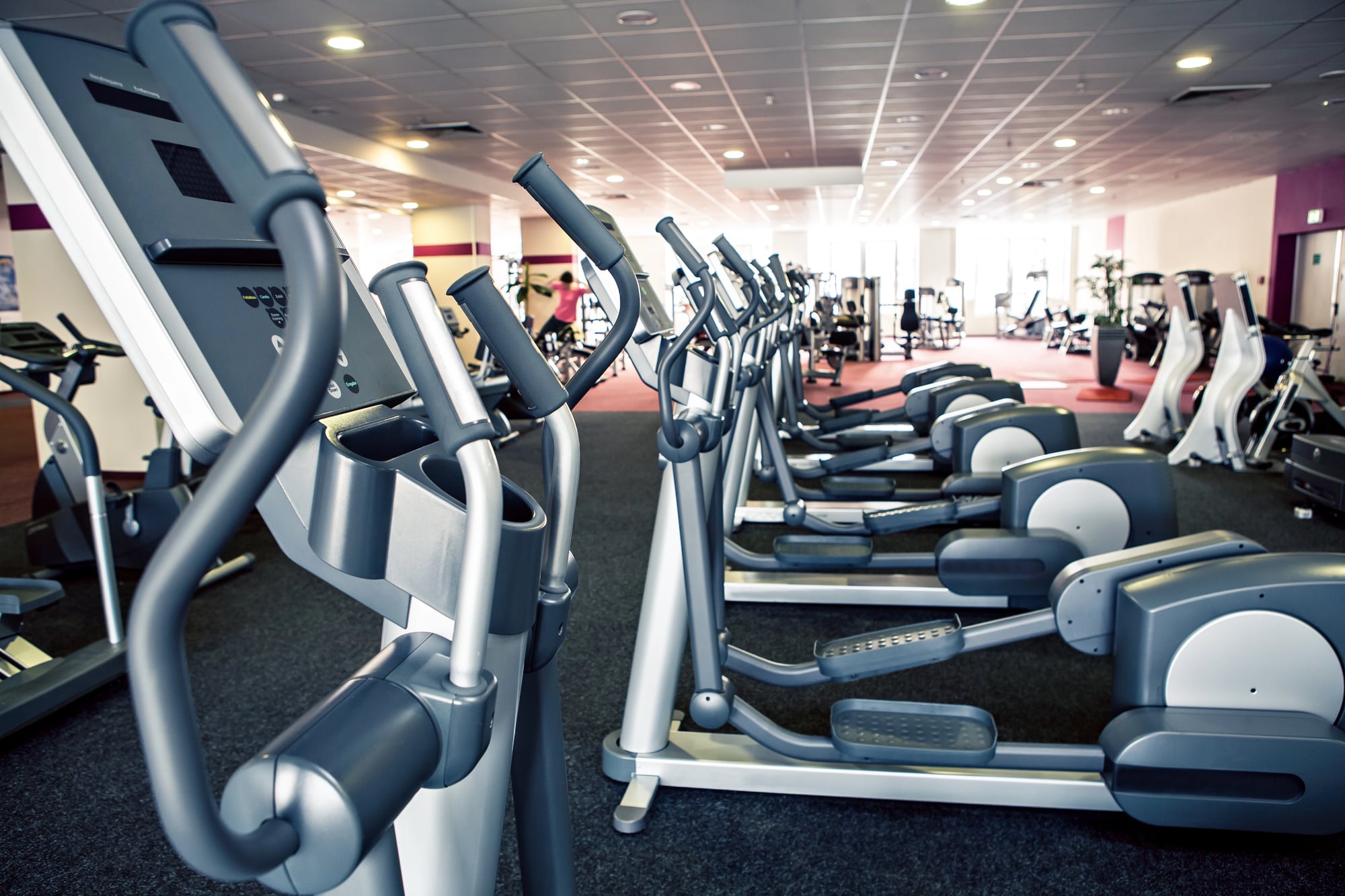
Physical activity was also part of the onboard lifestyle, particularly for those in first class. Some liners included early versions of gyms, equipped with mechanical devices intended to simulate exercise routines.
While basic by modern standards, these facilities were considered cutting-edge at the time.
In addition to fitness rooms, passengers could enjoy games like shuffleboard or deck tennis. These activities provided both entertainment and a way to structure the day, helping to break up the monotony of long sea voyages.
They also reflected a growing awareness of leisure as an essential part of the travel experience.
Luxurious Private Suites
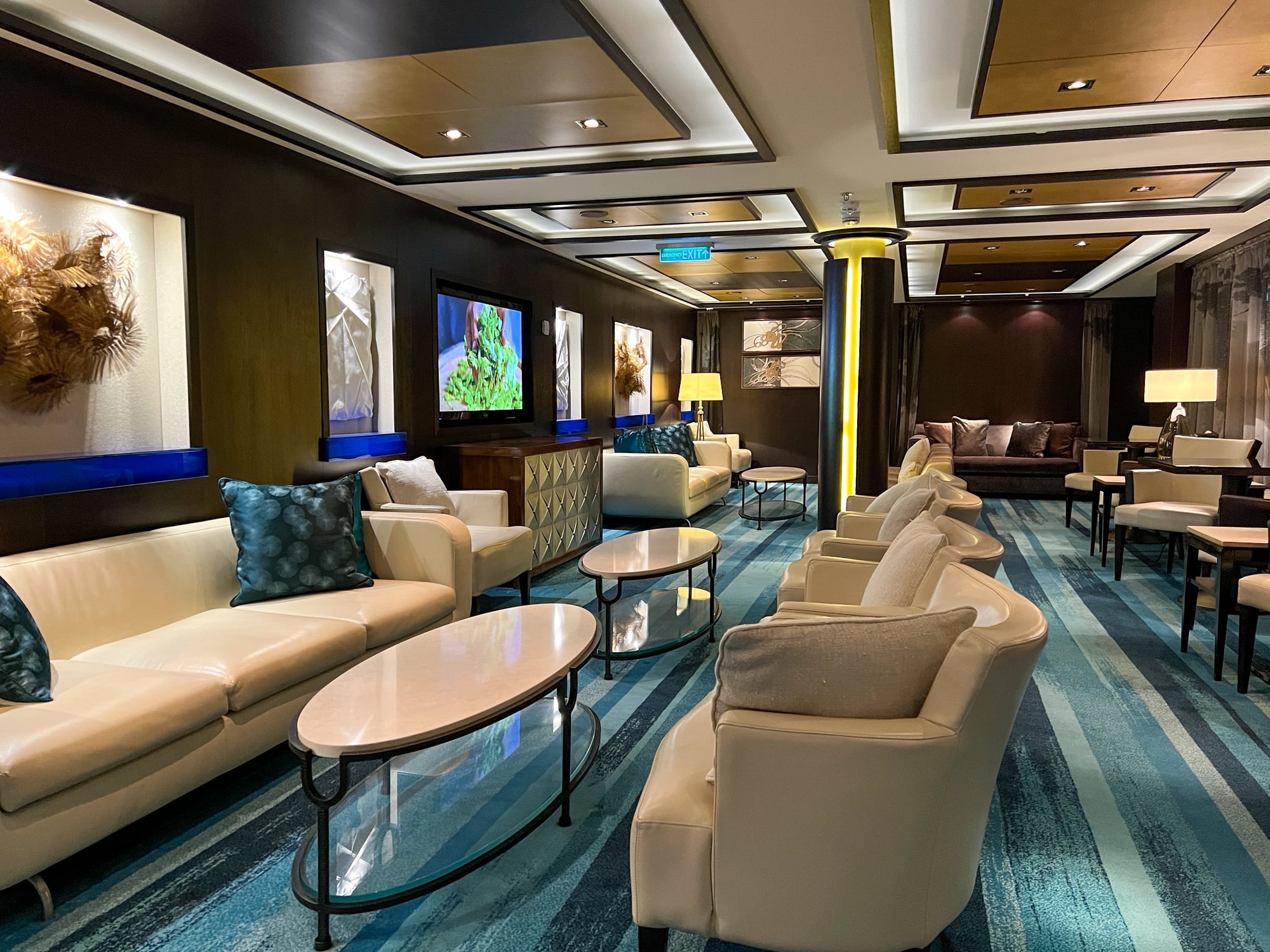
For the wealthiest travelers, standard cabins were not enough. Luxury liners offered private suites that rivaled high-end apartments, complete with separate living areas, fine furnishings, and attentive service.
The SS Normandie was particularly known for its spacious and stylish accommodations.
These suites provided a level of privacy and comfort that set them apart from the rest of the ship. Guests could entertain, relax, and enjoy the journey on their own terms, often with staff available to meet their needs at any time.
The design of these spaces often reflected contemporary luxury trends, blending comfort with elegance.
Personalized Service And Attention To Detail
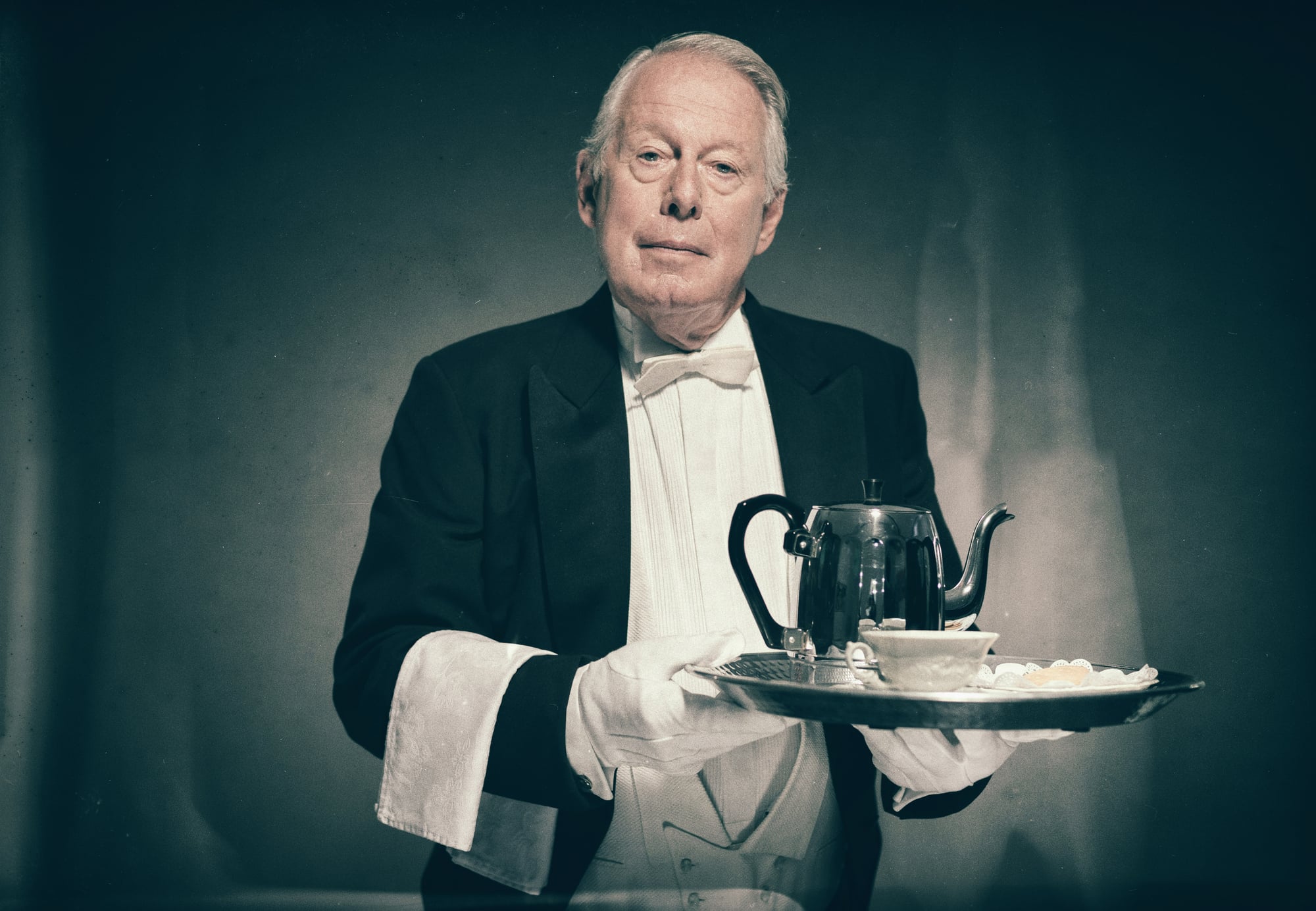
Perhaps the most defining feature of these liners was the level of service. Staff were trained to anticipate needs, often remembering preferences and routines to create a seamless experience.
From cabin stewards to dining attendants, every interaction was designed to reinforce a sense of care and exclusivity.
This attention to detail extended to every aspect of the journey. Small touches — a perfectly prepared room, a timely meal, a well-organized event — contributed to an overall experience that felt effortless, even if it required significant coordination behind the scenes.
It was this level of service that often left the most lasting impression on passengers.
When Travel Was The Destination
Onboard those ships, comfort wasn’t just added – it grew naturally from how people once traveled. Journeying mattered just as much as arriving, maybe more so back then.
Elegance showed up in every detail, not because it had to, but because that was the way things were made. Even while machines advanced, care stayed at the center of design.
What you found inside – fine work, quiet luxury – spoke of slower times.
Nowadays, even though new cruise vessels bring comfort in fresh ways, those first grand ships remain different somehow. Back then, sailing wasn’t only arrival – it became a rhythm of daily life on water.
This idea lingers, quietly guiding what people believe elegance really means: less about rushing forward, more about presence during the journey.
More from Go2Tutors!

- The Romanov Crown Jewels and Their Tragic Fate
- 13 Historical Mysteries That Science Still Can’t Solve
- Famous Hoaxes That Fooled the World for Years
- 15 Child Stars with Tragic Adult Lives
- 16 Famous Jewelry Pieces in History
Like Go2Tutors’s content? Follow us on MSN.



