Most Expensive Web Domains Sold
A domain name seems like such a simple thing. You type it, you click, you land on a website.
But behind that simplicity sits a market where single web addresses change hands for millions of dollars. Companies compete fiercely for the perfect combination of letters and a dot-com ending.
Some domains become so valuable that their prices rival luxury real estate in major cities.
Cars.com: The Record Holder

Cars.com holds the crown for the most expensive domain ever valued in a transaction. Gannett Co. purchased the remaining 73 percent stake in Classified Ventures, which owned Cars.com, valuing the domain at $872 million according to SEC filings.
The company wanted full control to create two new publicly traded entities with substantial scale. At the time of the deal, Cars.com attracted about 20 million monthly visitors and displayed over 3 million vehicles from more than 15,000 dealers.
The site has become an essential tool for car shoppers across America. That traffic and market position justified the astronomical price tag.
LasVegas.com: Municipal Power Play

The city of Las Vegas paid $90 million for LasVegas.com in 2005, purchasing it from Stephens Media Group. This remains one of the highest prices ever paid for a geographic domain by any government entity.
The city recognized that controlling the most obvious web address for Las Vegas gave them tremendous power over how tourists found information about their destination. Tourism drives Las Vegas’s economy.
Every visitor who types the city’s name into a browser and adds dot-com expects to find official information, hotel bookings, show tickets, and everything else the city offers. The municipality decided that controlling this digital gateway was worth the investment.
CarInsurance.com: Industry Dominance

QuinStreet Inc. acquired CarInsurance.com for $49.7 million in 2010. The domain represents exactly what millions of Americans search for online every year.
People need car insurance, they type those exact words into search engines, and having the perfect matching domain delivers instant credibility and traffic. Insurance comparison represents a lucrative online business.
Companies earn commissions when they connect consumers with insurance providers. A domain that matches the search term so precisely eliminates any confusion about what the site offers.
Visitors land on the page already knowing they’re in the right place.
Insurance.com: Generic Gold

The same company that bought CarInsurance.com also purchased Insurance.com for $35.6 million, also in 2010. QuinStreet understood the value of owning the most generic, obvious domains in the insurance space.
These purchases weren’t just about the names themselves but about controlling the digital real estate where customers naturally congregate. Insurance.com now serves as a quick-start guide for insurance shopping, offering tips on finding affordable plans and comparing options.
The domain originally functioned as an actual insurance agency, but the buyer transformed it into a comparison platform that generates leads for multiple insurance providers.
VacationRentals.com: Blocking the Competition

HomeAway paid $35 million for VacationRentals.com in 2007. The company’s CEO later admitted they bought the domain specifically to prevent competitor Expedia from acquiring it.
This strategic defensive purchase showed how much companies value keeping powerful domains out of rival hands. The domain now redirects to VRBO, HomeAway’s vacation rental platform.
The purchase made sense for a company focused on group travel and vacation properties. Anyone searching for vacation rentals using those exact keywords would naturally end up typing in this web address.
PrivateJet.com: Luxury Market Entry

Nations Luxury Transportation purchased PrivateJet.com for $30.18 million in 2012. The domain perfectly matches a high-end service with wealthy clientele.
Companies serving luxury markets understand that their domain names need to reflect the exclusivity and sophistication their customers expect. The transaction involved both cash and equity, making it slightly different from pure cash deals.
The buyer announced plans to create a destination website attracting over 250,000 monthly visitors. The domain’s value lay in its immediate association with private aviation and luxury travel.
Voice.com: Blockchain’s Big Bet

Block.one paid $30 million in cash for Voice.com in 2019, setting a record for the highest all-cash domain sale publicly reported. The blockchain company planned to launch a social media platform competing with established networks.
They chose the name because “voice” is universally understood and immediately communicates the platform’s purpose. The purchase came after Block.one raised over $4 billion through cryptocurrency fundraising.
MicroStrategy, the seller, facilitated the deal through GoDaddy. The sale demonstrated how companies in emerging tech sectors value simple, memorable domains that align with their product vision.
Internet.com: Defining the Medium

QuinStreet purchased Internet.com for $18 million in 2009. The domain’s power comes from literally being the word “internet” paired with the most trusted extension.
Any website using this domain benefits from the built-in traffic generated by people searching for general internet information. The buyer recognized that owning such a fundamental piece of digital vocabulary created opportunities across multiple business lines.
The domain offers a unique global platform where the name itself and the traffic it generates bring enormous inherent value.
360.com: Numeric Appeal

Chinese internet security company Qihoo 360 bought 360.com for $17 million in 2015 from Vodafone. The domain matched the company’s brand perfectly since they sold security products with 360 in their names.
Numeric domains perform exceptionally well in Chinese markets where numbers carry cultural significance. The domain already had high traffic volume before the sale, which increased its value considerably.
Short numeric domains remain highly prized in Asia, where they’re often easier to remember and type than lengthy character combinations.
Insure.com: Lead Generation Machine

Insure.com sold for $16 million in 2009, marking another major acquisition in the insurance sector. The domain’s value stems from its ability to capture customers at the exact moment they’re searching for insurance options.
Every visitor represents a potential sale or commission. The buyer recognized the tremendous lead generation potential of an exact-match domain in a high-competition, high-paying industry.
Insurance companies pay substantial amounts for qualified leads, making domains that deliver those leads naturally worth millions.
Fund.com: Financial Simplicity

Fund.com sold for approximately $10 million pounds, translating to significant dollar value at the time. The domain appeals to the financial services industry where investment funds, mutual funds, and fundraising platforms all compete for attention.
The simplicity of a four-letter word combined with dot-com creates instant recognition. Financial services companies understand that trust matters enormously to their customers.
A domain as clean and straightforward as Fund.com conveys professionalism and stability that longer, more complex web addresses cannot match.
Hotels.com: Booking Power

Hotels.com represents one of the most valuable travel domains, though the exact purchase price remains private. The site processes millions of bookings annually and ranks among the top hotel reservation platforms globally.
The domain’s value lies in perfectly matching what travelers type when looking for accommodations. Expedia Group owns Hotels.com as part of their portfolio of travel brands.
The company built an entire business around this premium domain, creating a platform that serves customers in dozens of languages across multiple countries.
Diamond.com: Precious Digital Real Estate

Diamond.com sold for $7.5 million in 2006, representing one of the highest prices paid for a luxury goods domain. The jewelry industry recognized that controlling such an obvious domain gave them significant advantages in attracting online shoppers searching for diamonds.
The domain’s value comes from the universal recognition of diamonds as high-value items. Anyone visiting Diamond.com expects to find quality jewelry and legitimate products.
The domain itself acts as a trust signal that would take competitors years to build through marketing alone.
Israel.com: National Identity

Israel.com sold for $5.88 million in 2008, demonstrating the value of country-specific domains. The buyer wanted to create a comprehensive portal for information about Israel, targeting both tourists and people interested in Israeli culture, business, and news.
Geographic domains carry special weight because they represent entire places rather than products or services. They become natural destinations for anyone seeking information about that location, making them valuable digital properties for tourism boards, media companies, or governmental organizations.
The Value Behind the Price
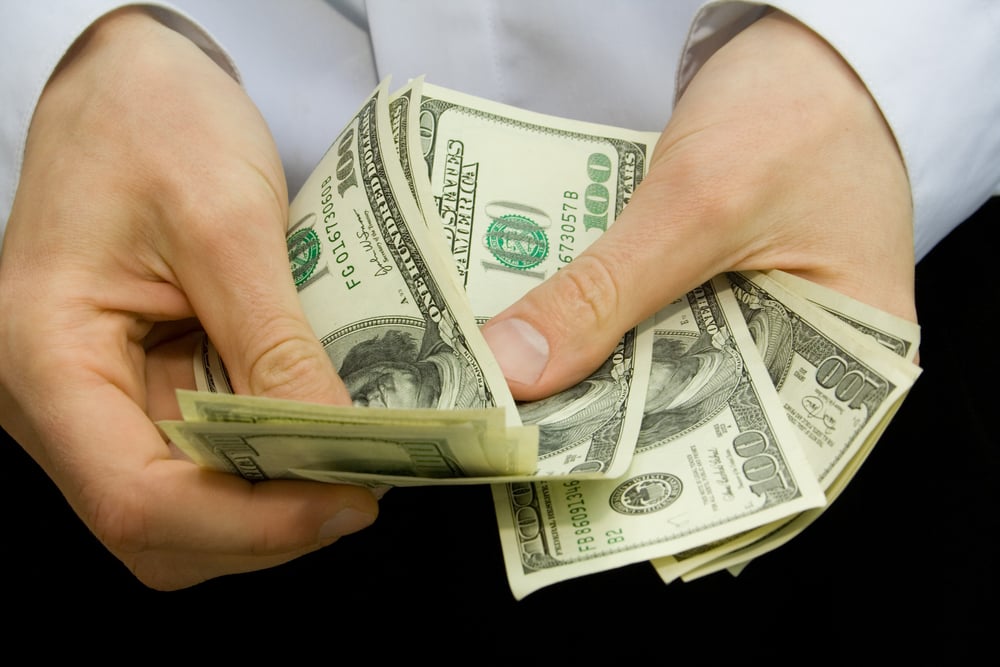
Several factors drive domain prices into the millions. Length matters tremendously since shorter domains are easier to remember and type.
A single word paired with dot-com represents the pinnacle of domain value because it’s simple, memorable, and impossible to confuse with anything else. Industry relevance plays an equally important role.
Domains that match high-value industries like insurance, finance, travel, or luxury goods command premium prices because they generate immediate revenue opportunities. The domain becomes a lead generation machine that works 24 hours a day.
Trust and authority also factor into valuations. Domains with dot-com extensions carry more credibility than newer extensions.
Users have learned over decades to trust dot-com addresses more than alternatives, making these domains more valuable for businesses trying to establish legitimacy. Type-in traffic drives significant value.
When people guess a web address by typing a generic term followed by dot-com, they often land on premium domains. This direct navigation traffic represents users with high purchase intent, making it extremely valuable to businesses.
When Letters Become Assets

The domain market operates much like real estate, with prices rising over time as supply remains fixed and demand grows. Only one Cars.com exists, only one Insurance.com, only one Voice.com.
Once someone owns these addresses, anyone else who wants them must negotiate a purchase. Most high-value domain sales happen under non-disclosure agreements, meaning the public only sees a fraction of the market.
Industry experts estimate that over 75 percent of premium domain transactions remain private. The deals that do become public give just a glimpse into how much companies value the perfect web address.
Speculation also plays a role. Investors buy domains hoping their value will increase, then sell them years later for substantial profits. This creates a secondary market where domains change hands multiple times, each sale potentially setting new price records.
Where Names Become Destinations
Most expensive domain sales reveal patterns in digital commerce. Top spots go to insurance, thanks to profitable price-comparison websites.
Right after comes travel, fueled by worldwide demand for vacations and flights. High-end products show up often, along with banking and investment platforms.
What sells big online often ties back to human habits that never slow down. One thing stands out about pricey web addresses – they’re never long.
Most are just a single word, maybe two at most. Simple words, the kind everyone uses every day, make them easy to remember and type without errors.
Often, these names line up perfectly with what someone would actually search online. When you see them, it’s clear they point straight to a product or need.
Every last one carries the .com ending, which people still recognize more than any other. What sells tells you what businesses really prize – online visibility, name recall.
Each year, a bigger slice of buying moves to the web, making certain domains just as crucial as corner storefronts used to be. Location means little out here; yet the string of letters typed into a search window? That holds weight.
Where things sit matters less than what they’re called.
More from Go2Tutors!

- The Romanov Crown Jewels and Their Tragic Fate
- 13 Historical Mysteries That Science Still Can’t Solve
- Famous Hoaxes That Fooled the World for Years
- 15 Child Stars with Tragic Adult Lives
- 16 Famous Jewelry Pieces in History
Like Go2Tutors’s content? Follow us on MSN.