Photos of Hollywood in the Golden Age Nobody Talks About Anymore
Everyone knows the polished publicity shots from Hollywood’s Golden Age — the glamorous portraits where every hair was perfectly placed and every smile was camera-ready. But tucked away in forgotten archives and private collections are thousands of other photographs that tell a completely different story about Tinseltown between the 1930s and 1950s.
These aren’t the images the studios wanted the public to see. The unguarded moments between takes, the exhausted faces after eighteen-hour days, the elaborate pranks on set, the genuine friendships that bloomed away from the cameras — these photos capture something the publicity machine couldn’t manufacture.
They show Hollywood as it actually was: a sprawling workplace full of regular people doing extraordinary things, complete with all the messiness that entails.
Behind-the-Scenes Chaos on Major Sets
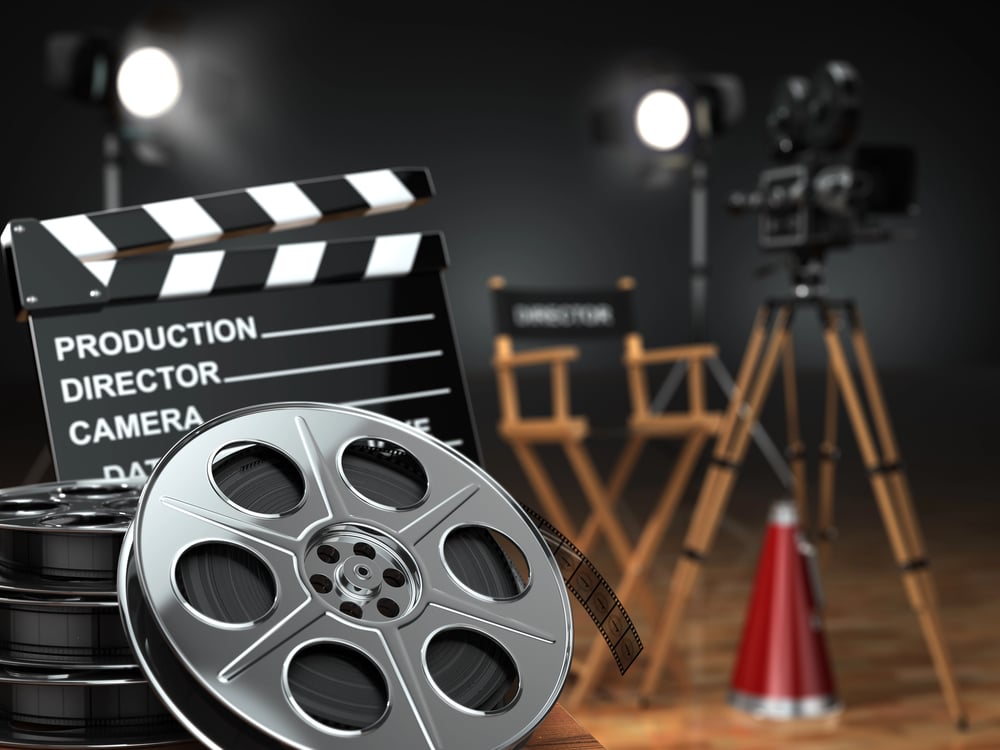
Film sets were disasters. Equipment everywhere, cables snaking across the floor, crew members shouting over each other.
The famous “controlled environment” was anything but controlled. Photos from the set of “Gone with the Wind” show Clark Gable sitting in full costume, reading a newspaper while eating a sandwich, completely oblivious to the organized chaos happening around him.
No romance, no glamour — just a guy on his lunch break who happened to be wearing a Confederate uniform.
Contract Players Between Pictures
The studio system kept actors on payroll year-round, which meant long stretches of waiting between projects. And waiting, for most people, looks pretty boring.
There’s an entire collection of photos from the MGM lot in 1941 showing contract players killing time between assignments (and this was before anyone had heard of method acting, so they weren’t preparing for roles or studying their craft the way actors do now). They’re playing cards, reading magazines, gossiping in the commissary, looking exactly like office workers anywhere else — which, when you think about it, is exactly what they were.
The only difference was that their office happened to be one of the most famous places in the world, but even fame gets routine when it’s your daily job. So they found ways to stay entertained. And the photos prove it.
Costume Fittings Gone Wrong

Picture this: you’re Katharine Hepburn, and the wardrobe department has just handed you a dress that looks like it was designed by someone who had never seen a human body before. What do you do?
The answer, according to several candid photos from various fittings, is exactly what anyone would do. You make faces.
You gesture wildly. You explain, with increasing frustration, that no human being can move naturally while wearing this particular creation.
These fitting room photos strip away every bit of mystique about movie star glamour. Everyone looks awkward when they’re being poked and prodded by seamstresses, even Greta Garbo.
Studio Commissary Politics Are Real
The hierarchy was brutal. Stars got the good tables, character actors ate standing up, extras brought their own sandwiches.
Photographs from the various studio commissaries tell this story without anyone having to explain it. Where someone sat, what they ate, who they ate with — everything meant something.
The pecking order was visible in every frame, and it was not particularly flattering to anyone involved.
Practical Jokes Between Takes
Hollywood took pranking seriously, which is remarkable considering how much money was on the line every day of filming. The evidence lives in dozens of photos showing elaborate setups designed to embarrass, surprise, or simply annoy fellow cast members (and this was an industry where time literally equaled money, yet somehow everyone found time to plan increasingly ridiculous jokes).
Cary Grant once spent an entire morning rigging a fake spider to drop onto Joan Fontaine during what was supposed to be a romantic scene — there are photos of him setting it up, photos of her reaction, and photos of the entire crew losing their composure while the cameras kept rolling. But perhaps the most telling detail is this: the photos show that everyone, from the biggest stars to the newest grips, participated equally.
Fame didn’t exempt you from being pranked, and it didn’t give you special pranking privileges either. It was the one truly democratic aspect of the entire studio system.
Wardrobe Malfunctions Before They Had a Name
Clothes fell apart constantly. Seams split during dramatic scenes, zippers failed at the worst possible moments, elaborate period costumes turned out to be completely unwearable.
The photos document every disaster with an almost scientific thoroughness. There’s something oddly comforting about seeing Bette Davis holding up a torn skirt with one hand while gesturing dramatically with the other, or watching a costume assistant safety-pin Gary Cooper into his jacket between takes.
These weren’t the polished mishaps that get turned into charming anecdotes decades later. They were genuine problems that had to be solved in real time, with dozens of people standing around waiting for filming to resume.
Makeup Artists Working Miracles

The real magic happened in the makeup chair, and the transformation photos prove it. Before-and-after shots show actors arriving at 4 AM looking exactly like anyone else who had to get up before dawn — tired, rumpled, slightly resentful.
Three hours later, they emerged looking like movie stars. The process was captured in hundreds of photos that studios never intended to release, because the illusion was the product they were selling.
Stunt Doubles Living Dangerously

Every thrilling action sequence had someone risking their life for scale pay. The photos of stunt work from the Golden Age are genuinely unsettling by today’s safety standards.
People jumping off buildings without proper padding, performing car crashes without modern safety equipment, doing fight scenes with real weapons. The casual approach to physical danger is visible in every frame.
What’s most striking is how routine it all appears. Nobody looks particularly concerned about the risks involved, because this was simply how movies got made.
Directors Losing Their Temper
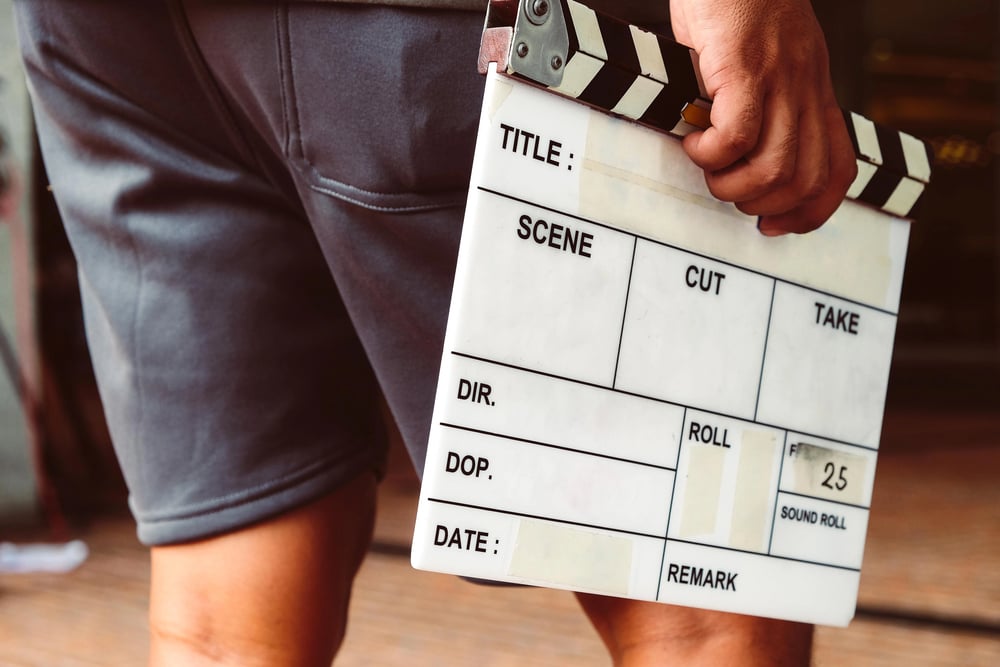
The myth of the calm, visionary director falls apart pretty quickly when faced with photographic evidence. Frank Capra mid-tantrum looks exactly like anyone else having a bad day at work — red-faced, gesturing wildly, clearly at the end of his rope.
The same goes for John Ford, William Wyler, and pretty much every other “legendary” director who had to manage enormous productions under impossible deadlines. These weren’t artistic temperaments on display.
They were regular human reactions to extraordinary stress, captured by photographers who understood that the real story was often happening between the official shots.
Child Actors Being Children
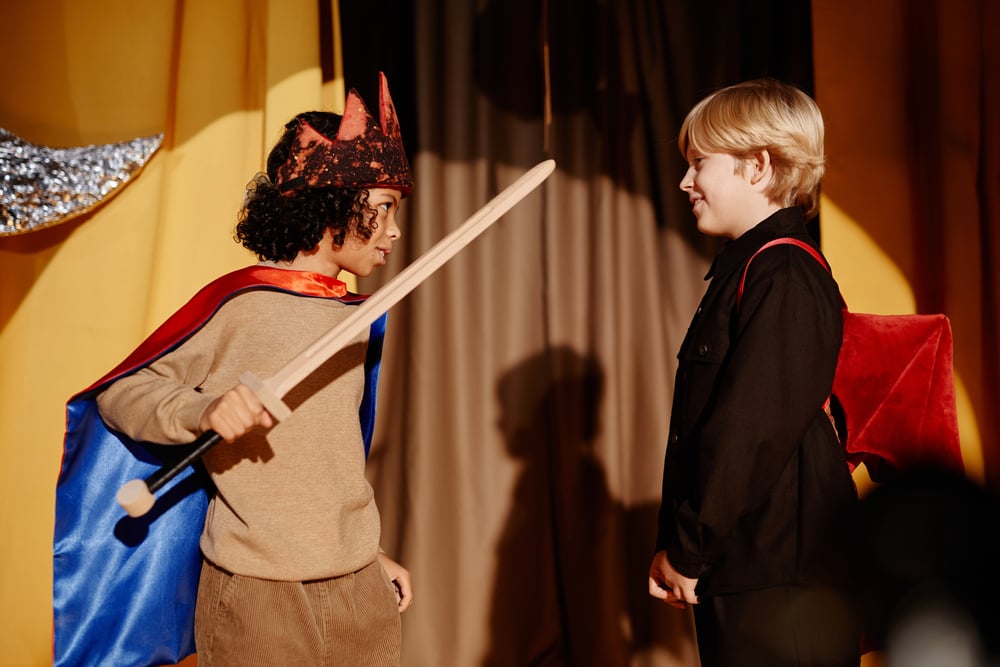
Studio publicity departments worked overtime to present child stars as tiny professionals, but the candid photos tell a different story. Shirley Temple having a complete meltdown between takes.
Mickey Rooney made faces at the camera when he thought nobody was looking. Judy Garland looked exhausted in ways that no teenager should ever look exhausted.
The photos document what should have been obvious to everyone at the time: these were children doing adult jobs under adult pressures, and it showed.
Late-Night Wrap Parties

When filming finally ended, everyone cut loose in ways that would horrify modern publicists. The party photos from various wrap celebrations show a side of Hollywood that the fan magazines never touched.
Stars drinking too much, getting into arguments, making out with inappropriate partners, generally behaving like people in their twenties and thirties who had been under enormous pressure for months. These weren’t scandalous in any interesting way — they were just ordinary human behavior happening to involve people who were famous.
Technical Crew Getting No Credit
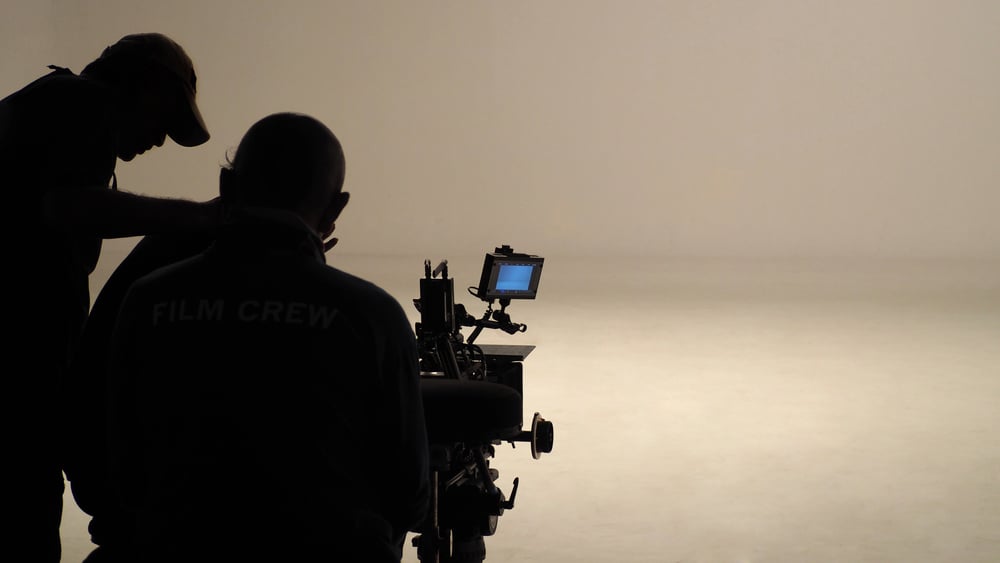
The real work was being done by people whose names never appeared in the credits, and they knew it. Hundreds of photos show the small army of technicians, assistants, and specialists who actually made the movies happen.
Lighting directors solving impossible problems, sound engineers working with primitive equipment, camera operators performing physical feats that would impress professional athletes. The expertise visible in these photos is staggering, and almost none of these people are remembered today.
When the Magic Actually Worked
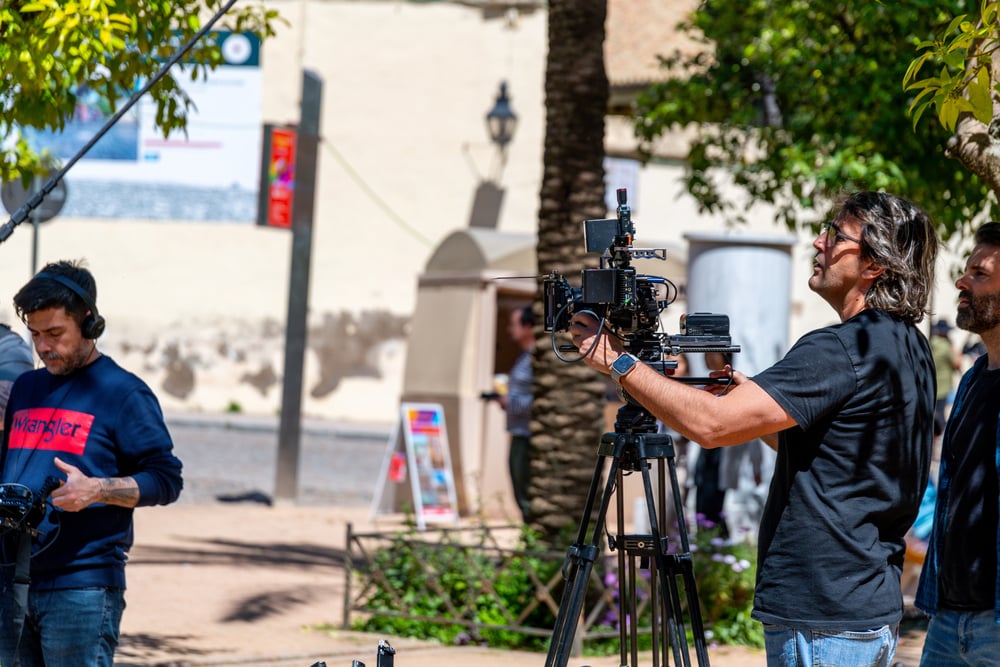
— Photo by gph-foto.öde
Sometimes, despite everything, all the pieces came together perfectly. Those moments were rare enough that photographers captured them whenever they happened.
The photos of genuine creative collaboration — actors, directors, and crew members solving problems together, building something that worked better than anyone expected — these images glow with a different kind of energy than the posed publicity shots.
You can see it in their faces: the satisfaction of people who knew they were creating something worth keeping.
The Stories That Survived
These forgotten photographs matter because they correct the record in small but important ways. Hollywood’s Golden Age wasn’t more glamorous than today’s entertainment industry — it was just better at hiding the ordinary humanity behind the extraordinary product.
The real story was never the one the studios wanted to tell. It was in the margins, in the moments between takes, in the faces of people doing difficult work under impossible circumstances and somehow making it look effortless.
Those photos are still out there, waiting in archives and estate sales, telling the truth about a place that built its reputation on beautiful lies.
More from Go2Tutors!

- The Romanov Crown Jewels and Their Tragic Fate
- 13 Historical Mysteries That Science Still Can’t Solve
- Famous Hoaxes That Fooled the World for Years
- 15 Child Stars with Tragic Adult Lives
- 16 Famous Jewelry Pieces in History
Like Go2Tutors’s content? Follow us on MSN.