Most Iconic Nokia Phones Of the Early 2000s
Think back to the early 2000s, and chances are you remember the sound of a Nokia ringtone cutting through a crowded room. Before smartphones took over our lives, Nokia dominated the mobile phone landscape with devices that seemed indestructible and impossibly cool.
These weren’t just communication tools—they were status symbols, gaming devices, and in many ways, our first glimpse into a connected future. The early 2000s marked Nokia’s golden era, when their phones weren’t just popular, they were cultural phenomena that defined an entire generation’s relationship with mobile technology.
Nokia 3310
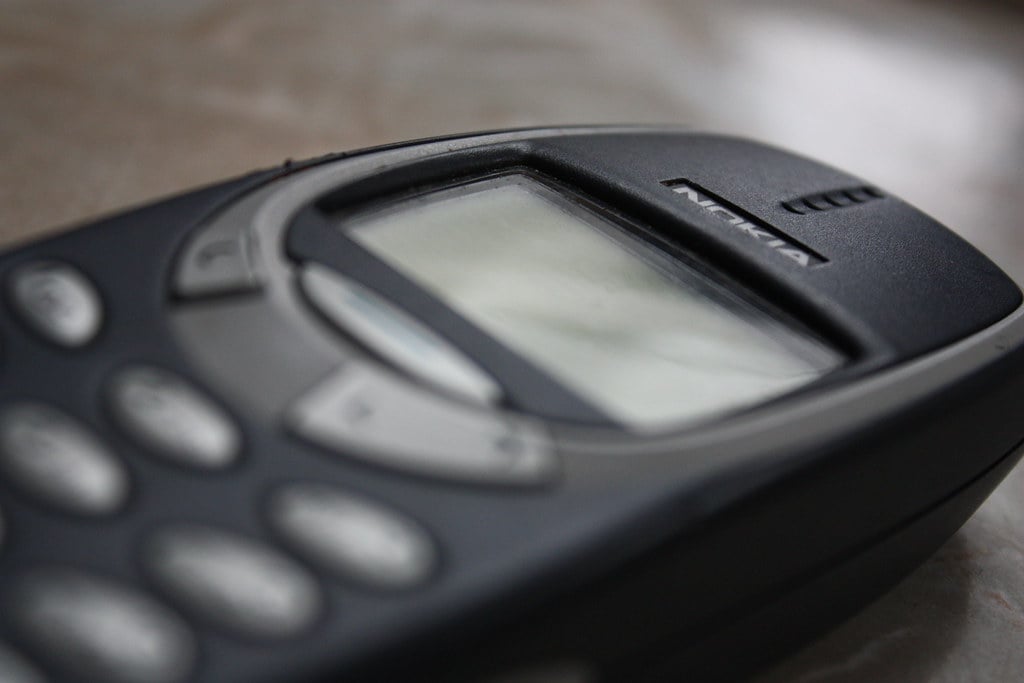
The 3310 didn’t mess around. Released in 2000, it became the phone that refused to die—literally and figuratively.
Drop it down stairs, throw it against a wall, accidentally drive over it. The thing kept working.
Snake became an obsession. Millions of people spent countless hours guiding that pixelated line around a tiny screen, collecting dots and trying not to crash into themselves.
The game was simple, addictive, and surprisingly deep once you got the hang of it.
Nokia 3210
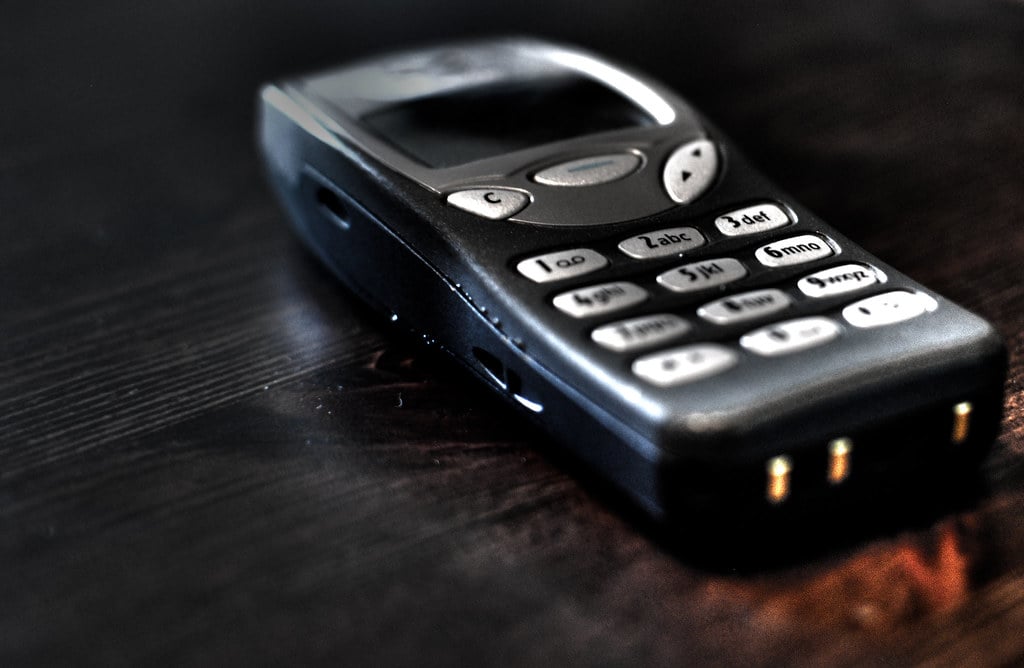
Before the 3310 became legendary, the 3210 (which actually came out in 1999 but dominated the early 2000s) was quietly revolutionizing what people expected from their phones—and it did this in ways that seem almost quaint now, though they felt genuinely magical at the time (remember when receiving a text message was still something worth getting excited about). The 3210 was Nokia’s first phone to ditch the external antenna entirely, which might not sound like much until you remember how many phones got their antennas snapped off in pockets, or how people used to pull them out dramatically before making calls like they were extending a sword.
So clean. So modern.
And the customizable covers—well, that was Nokia essentially inventing phone personalization years before anyone thought to call it that, letting people swap out faceplates in different colors and patterns because apparently even in 2000, people wanted their technology to reflect their personality.
Nokia 8210
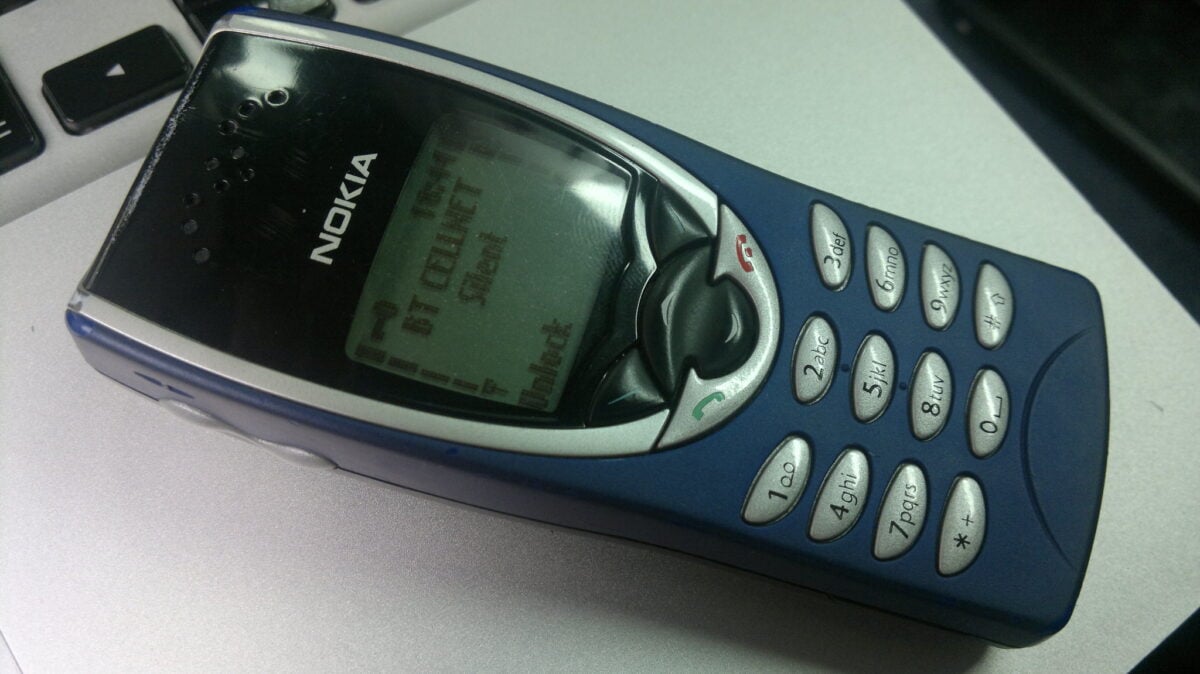
Picture a phone that fits in the palm of your hand—actually fits, doesn’t just claim to—and weighs less than a candy bar. The 8210 arrived in 1999 but hit its stride in the early 2000s as the phone for people who wanted something genuinely compact without sacrificing functionality.
This wasn’t just small for the sake of being small. The 8210 felt deliberate, like every millimeter had been considered.
The tiny screen somehow displayed everything you needed. The buttons, despite their size, never felt cramped or difficult to navigate.
The phone attracted a specific type of user: people who valued elegance over flash, who wanted their technology to disappear into their lives rather than dominate them.
Nokia 5210
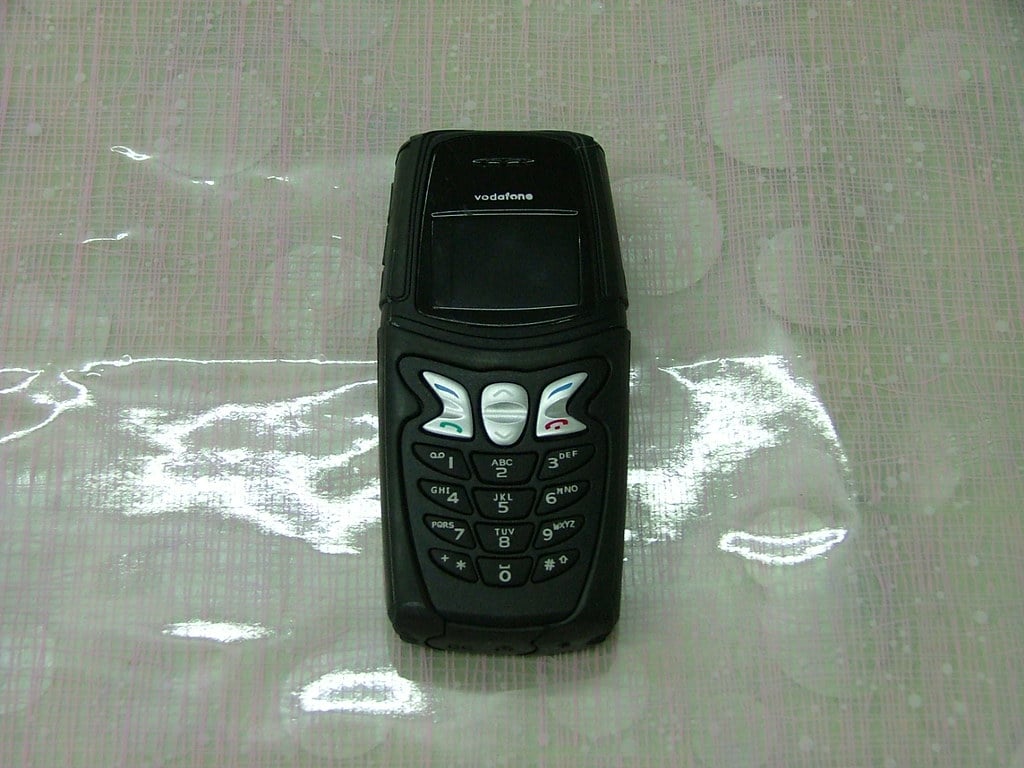
Outdoor enthusiasts finally had their phone. The 5210 came wrapped in rubber bumpers and built for people who couldn’t guarantee their device would stay dry, clean, or unbruised.
This wasn’t marketing nonsense—the thing actually worked. The rubberized exterior came in bright colors that made sense once you dropped the phone in snow or mud and needed to find it again.
Orange, blue, yellow—colors that said “I’m not hiding from anything” and meant it. Most phones feared water; the 5210 laughed at it.
Nokia marketed this directly to people who spent time outside, and for once, a phone company understood its audience perfectly.
Nokia 7210
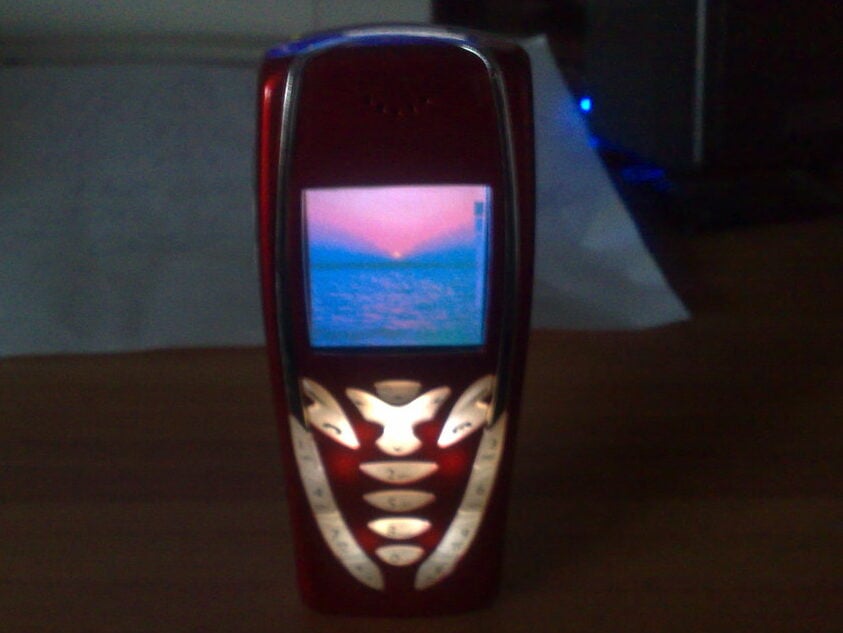
The 7210 introduced curves to a world of rectangular phones, and suddenly everything else looked brutally geometric by comparison. Released in 2002, this phone bent and flowed like Nokia had discovered that mobile devices didn’t have to look like miniature briefcases—they could actually follow the shape of human hands, human pockets, human lives.
The curved design wasn’t just aesthetic posturing (though it certainly looked striking sitting on a table next to all those rigid rectangles everyone else was carrying around). The phone actually felt different in your hand, more natural, less like you were gripping a piece of machinery and more like you were holding something designed specifically for human beings, which—revolutionary concept—mobile phones actually were.
But beyond the ergonomics, the 7210 signaled something else entirely: Nokia was thinking about design as more than just functionality, considering how objects make people feel rather than just what they help people accomplish. The result felt almost organic.
Nokia 6210
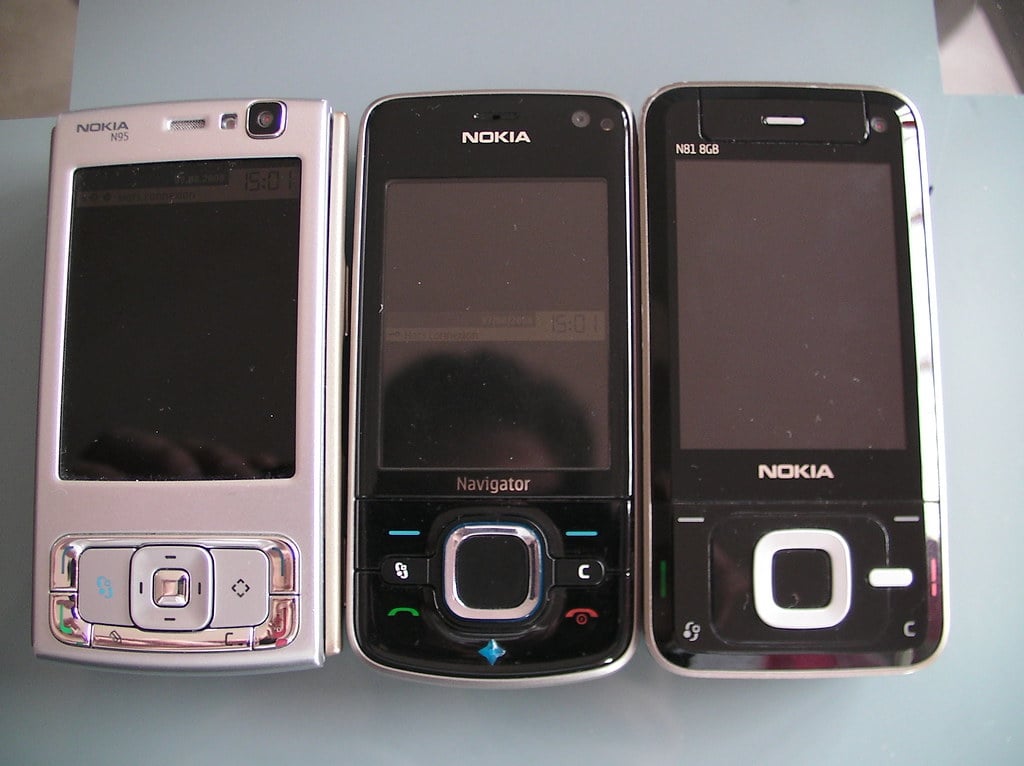
Business users found their phone in the 6210. This wasn’t the flashiest Nokia, but it didn’t need to be.
Released in 2000, the 6210 focused on getting work done efficiently and reliably—two qualities that matter more than trendy features when your job depends on staying connected. The phone handled email better than most devices of its era.
Text messaging felt professional rather than playful. The interface stayed out of your way and let you focus on communication instead of figuring out how to communicate.
For people who needed their phone to work rather than impress, the 6210 delivered exactly what it promised and nothing it didn’t.
Nokia 6610
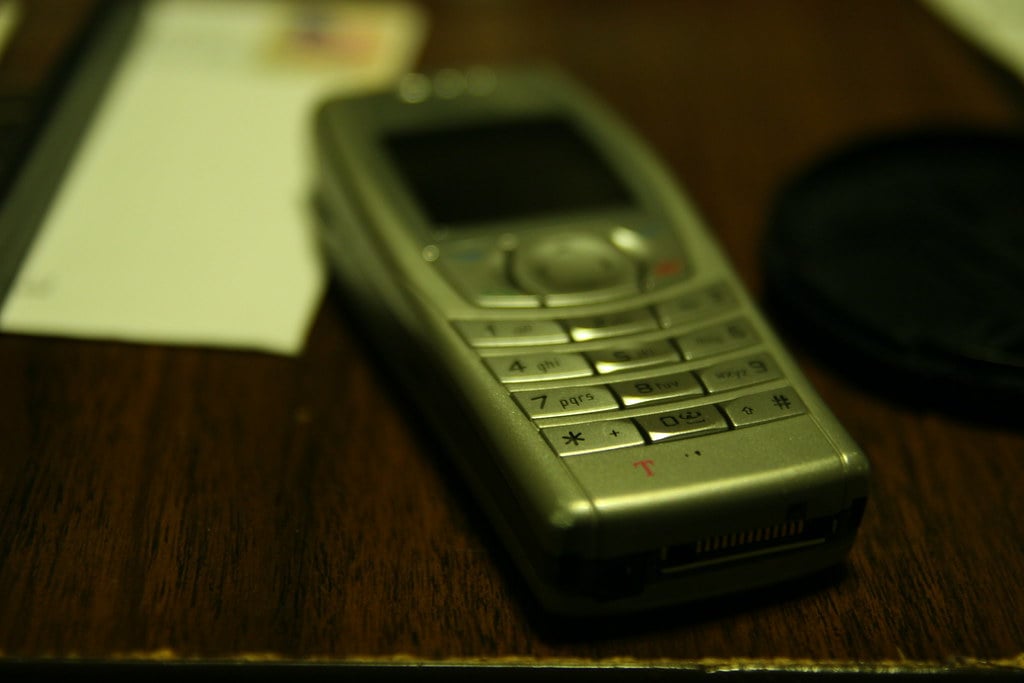
Nokia took everything people loved about their phones and refined it into the 6610. The result was a device that felt familiar but better—like Nokia had been listening to feedback and actually cared about implementing improvements rather than just adding features for the sake of feature lists.
The color screen made everything pop in ways that seemed almost luxurious after years of monochrome displays. Photos looked richer, games felt more immersive, and even simple menus gained a visual appeal that made using the phone more enjoyable rather than just functional.
The 6610 represented Nokia at its most confident: a company that knew what worked and wasn’t afraid to perfect it rather than reinvent it.
Nokia 8310
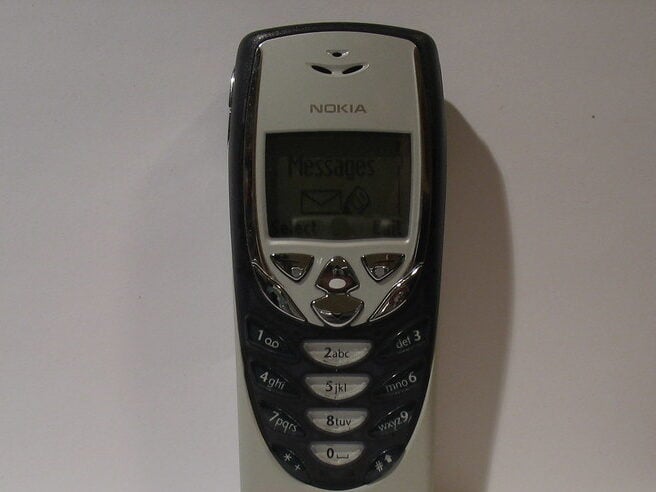
Elegance had a phone, and it was the 8310. This device understood that sophistication meant removing everything unnecessary rather than adding everything possible—a philosophy that seems almost radical now, in our age of feature-bloated everything, but felt perfectly natural when you held the 8310 in your hand.
The sliding keypad cover wasn’t just a design flourish; it was Nokia thinking through how people actually use phones. The keypad stayed protected when you didn’t need it, and revealed itself with a satisfying mechanical slide when you did.
Simple. Logical.
The kind of design decision that makes you wonder why everyone else was making things so complicated. Everything about the 8310 felt deliberate and refined, from its slim profile to its intuitive interface.
Nokia 3410
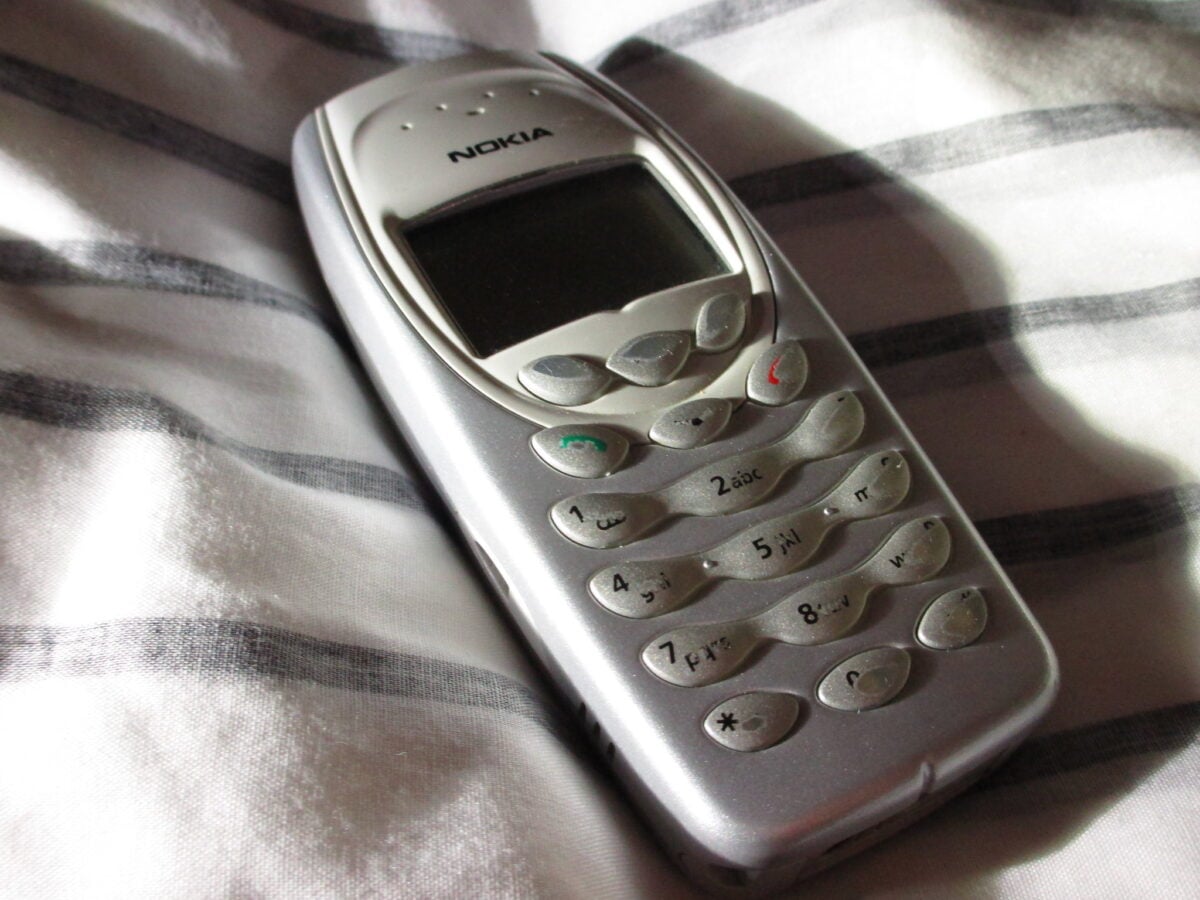
The 3410 improved on perfection, which sounds impossible until you actually used one. Nokia took the legendary 3310 and made it better in ways that mattered: clearer screen, improved battery life, enhanced durability that somehow exceeded the already mythical standards set by its predecessor.
This phone lasted forever. Not just the battery—though that would go days between charges—but the device itself seemed immune to the normal wear and tear that destroyed other electronics. People handed down their 3410s like family heirlooms, and the phones just kept working.
The 3410 proved that sometimes the best innovation is taking something great and making it greater rather than different.
Nokia 6310
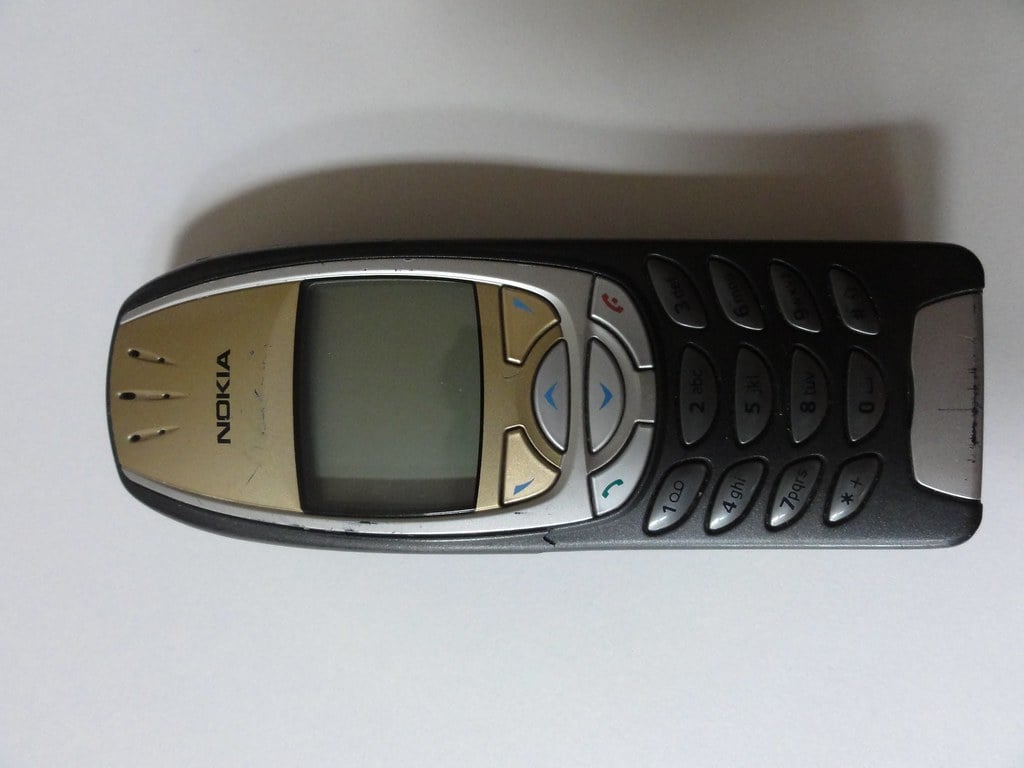
Professional doesn’t have to mean boring, and the 6310 proved this point better than any Nokia before it. Released in 2001, this phone balanced business functionality with genuine style—a combination that sounds obvious but turned out to be remarkably difficult to achieve in practice.
The infrared connectivity felt like magic: point your phone at a compatible device and transfer files without cables, without complicated setup procedures, without any of the friction that usually accompanied early wireless technology. Just point and send.
The kind of feature that made you feel like you were living in the future, even if that future was just transferring a contact from one phone to another. For business travelers, the 6310 became essential equipment—reliable enough for important calls, sophisticated enough for client meetings, and practical enough for everyday use.
Nokia 8850
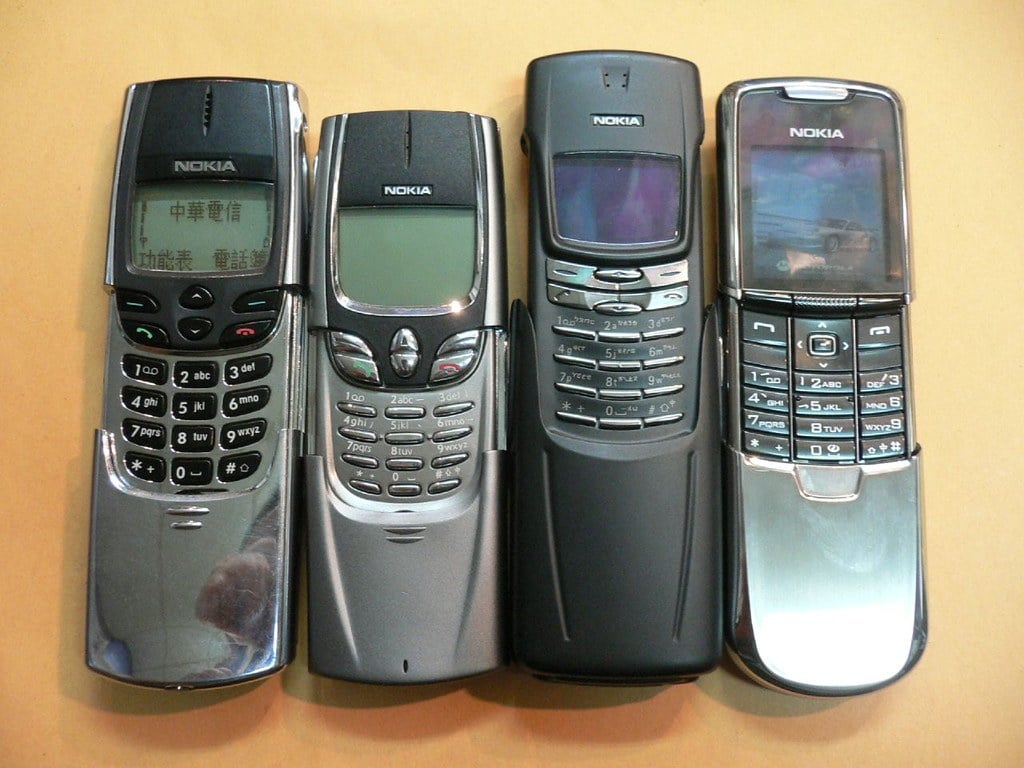
The 8850 was Nokia’s statement piece—a phone that announced its presence before you even took it out of your pocket. The chrome finish caught light like jewelry, and the sliding mechanism felt substantial and precise in a way that suggested serious engineering behind the visual appeal.
This phone wasn’t for everyone, and it wasn’t supposed to be. The 8850 targeted people who wanted their technology to reflect their success, who saw their phone as an extension of their personal brand rather than just a communication tool.
Opening the 8850 became a small performance: the satisfying slide, the chrome catching overhead lights, the audible appreciation from anyone watching the reveal.
Nokia 7110
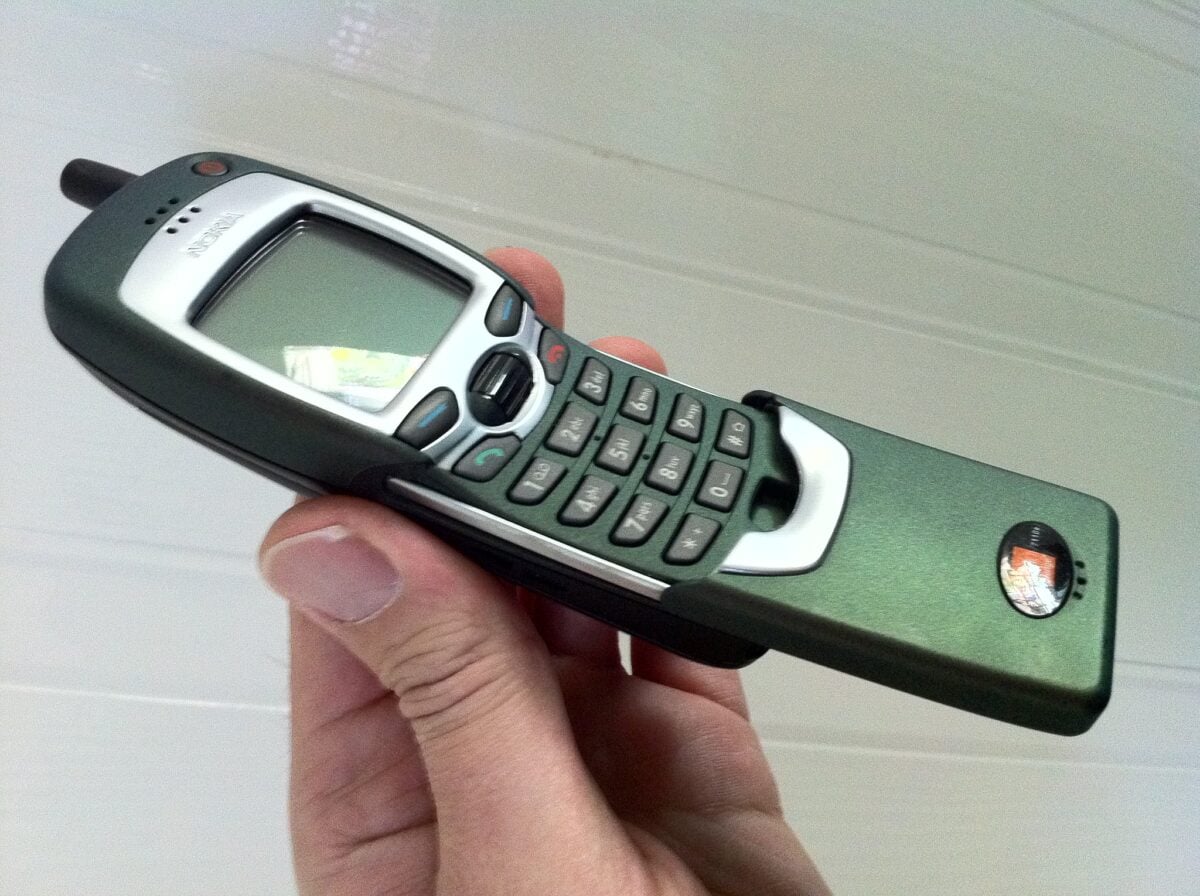
The Matrix phone. That’s how most people remember the 7110, and Nokia couldn’t have asked for better product placement.
When Keanu Reeves answered that sliding phone in 1999, Nokia suddenly had the coolest device in popular culture—and they were smart enough to ride that wave straight into the early 2000s. The sliding keypad cover wasn’t just about looking futuristic (though it definitely accomplished that).
The mechanism protected the buttons while keeping the phone compact, and the satisfying snap of opening it made every call feel important, every text message feel dramatic.
Years later, people still associate the 7110 with that movie moment—proof that sometimes the best marketing is just making something so distinctive that pop culture can’t ignore it.
Nokia 6100 Series
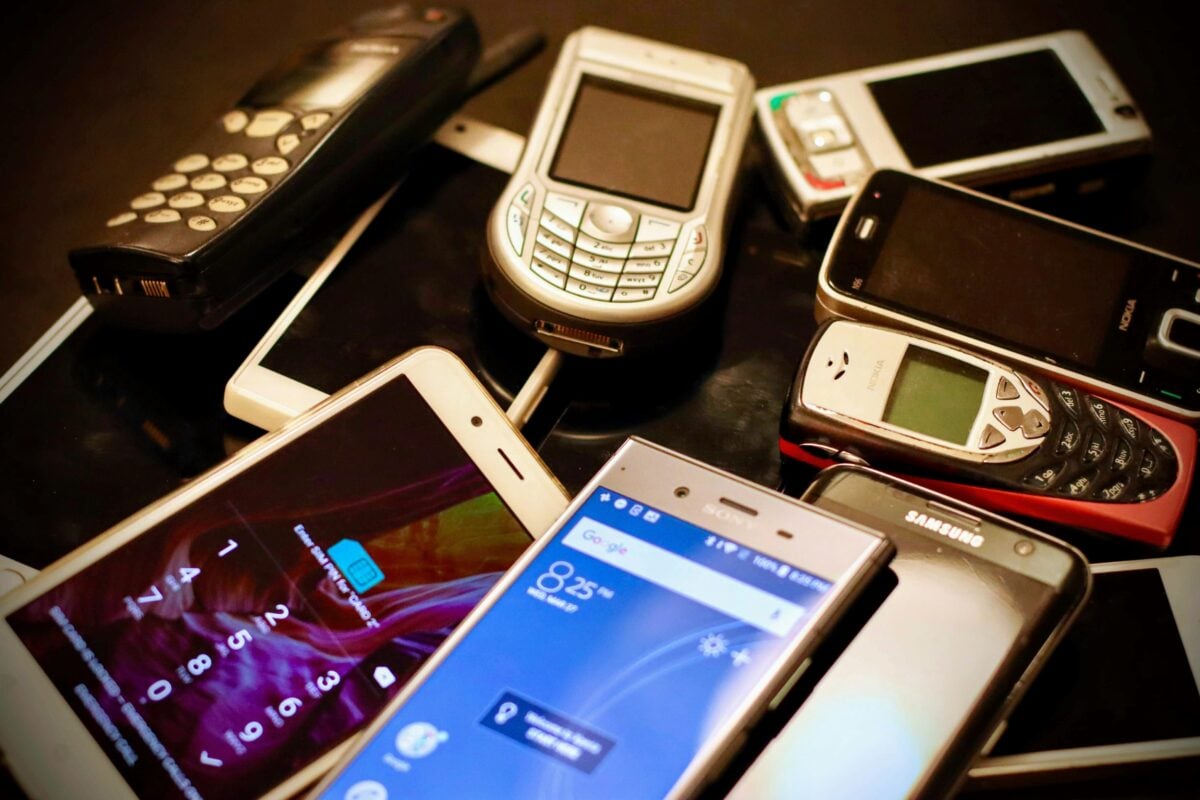
Nokia’s 6100 series represented the democratization of advanced mobile features—taking capabilities that had been exclusive to expensive flagship devices and making them accessible to a much broader audience without sacrificing the build quality and reliability that made Nokia phones legendary in the first place. The series (which included models like the 6100, 6610, and related variants) understood something important about the mobile phone market in the early 2000s: people wanted more sophisticated features, but they didn’t want to navigate complicated interfaces or pay premium prices to get them, and they definitely didn’t want to sacrifice the durability that had made their previous Nokia phones practically indestructible (because what good is a color screen if the phone breaks after six months of normal use).
So Nokia engineered phones that felt advanced but remained intuitive, that offered new capabilities while maintaining the straightforward usability that had made the company’s reputation. The result was a series that felt like a natural evolution rather than a dramatic reinvention.
When phones had personality
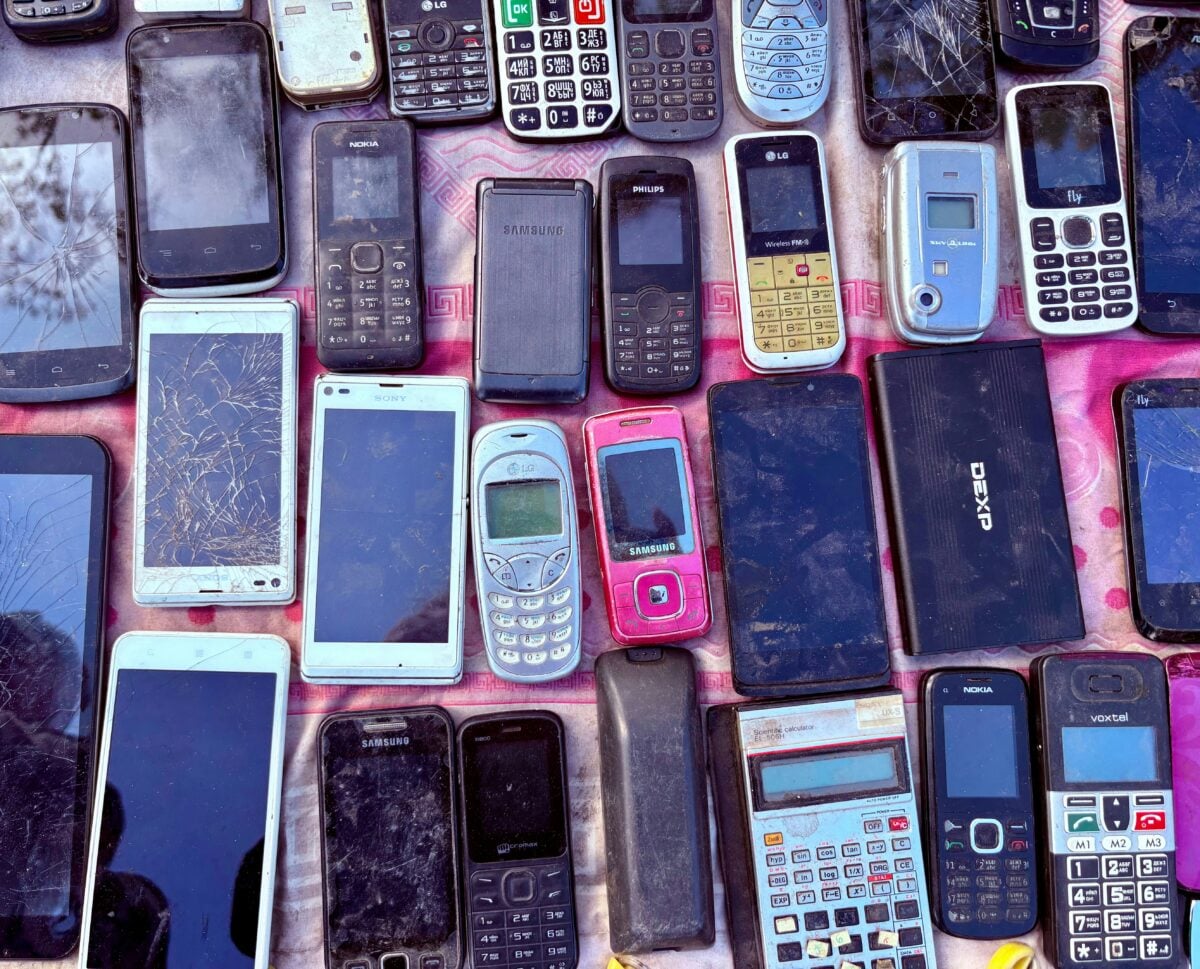
Nokia didn’t just make phones in the early 2000s—they created devices with distinct personalities, each one designed for a specific type of person living a specific type of life. The 3310 for people who needed indestructible reliability, the 8850 for those who wanted to make an impression, the 5210 for outdoor adventurers, the 6310 for business professionals who refused to compromise on style.
These phones lasted for years, not months. They became familiar objects that people genuinely missed when it came time to upgrade. In an era of disposable technology, Nokia built devices that felt permanent, substantial, real.
The early 2000s belonged to Nokia because they understood something that seems obvious but proved remarkably difficult: people wanted phones that worked reliably, looked distinctive, and lasted long enough to become part of their daily lives rather than just the next thing they’d have to replace.
More from Go2Tutors!

- The Romanov Crown Jewels and Their Tragic Fate
- 13 Historical Mysteries That Science Still Can’t Solve
- Famous Hoaxes That Fooled the World for Years
- 15 Child Stars with Tragic Adult Lives
- 16 Famous Jewelry Pieces in History
Like Go2Tutors’s content? Follow us on MSN.



