Most Popular Fast Food Chains, Worldwide
The smell of french fries cooking draws you in before you even see the golden arches. That morning coffee run happens almost on autopilot.
Fast food has woven itself into daily routines across every continent, shaping how millions of people eat, meet, and grab meals on the go. Some brands dominate nearly every street corner while others thrive in specific regions, but together they form a global industry worth over a trillion dollars.
McDonald’s: The Golden Standard

McDonald’s serves 69 million customers every single day across more than 40,000 locations in over 100 countries. Those numbers alone tell you why it remains the undisputed leader in the fast food world.
The Big Mac tastes remarkably similar whether you order it in Tokyo, London, or Chicago, though local menus often surprise visitors with regional specialties like rice burgers in Asia or McSpicy Paneer in India. The company generates roughly $25 billion in annual revenue, making it not just the biggest chain by store count but also one of the most financially powerful.
About one-third of all McDonald’s restaurants operate in the United States, yet the brand’s international presence continues to expand aggressively. You can find a McDonald’s in countries where most Western brands struggle to gain a foothold.
Starbucks: Coffee That Conquered the World

Starbucks sells over 5 million coffee drinks per day in the United States alone. The green mermaid logo has become so recognizable that many cities now have multiple locations within walking distance of each other.
Founded in 1971 by three college friends, Starbucks transformed from a single Seattle shop into a coffee empire with more than 40,000 stores worldwide. The company’s annual revenue reaches approximately $36 billion, making it the highest-grossing fast food chain globally.
Starbucks operates differently from most other chains on this list. Half of its locations are company-owned rather than franchised, giving corporate more direct control over operations and quality.
This unusual model hasn’t slowed growth—it’s accelerated it. The Pumpkin Spice Latte alone sells roughly 20 million units per year in the United States.
That single seasonal drink has become a cultural phenomenon, marking the unofficial start of fall for millions of customers. Starbucks purchases about 3% of all the world’s coffee, sourcing millions of pounds from 400,000 farmers across more than 30 countries.
Subway: Sandwiches Everywhere

Walk into any gas station or airport terminal and you’ll probably spot a Subway. The chain operates approximately 37,000 locations across more than 100 countries, making it one of the most widely distributed restaurant brands on Earth.
Subway’s business model relies almost entirely on franchising—over 99% of locations are franchise-operated rather than company-owned. The customization approach sets Subway apart.
You build your sandwich exactly how you want it, choosing from multiple bread options, proteins, vegetables, and sauces. This made-to-order system appeals to health-conscious customers who want control over what goes into their meals.
The Turkey Breast sandwich ranks as the best-seller globally, followed by the Italian B.M.T. and tuna sub. Recent years brought challenges for Subway in the United States, where thousands of locations closed between 2015 and 2021.
But international expansion keeps the brand growing steadily, particularly in India and Latin America where demand for customizable, affordable meals continues to rise.
KFC: Fried Chicken’s Global Ambassador
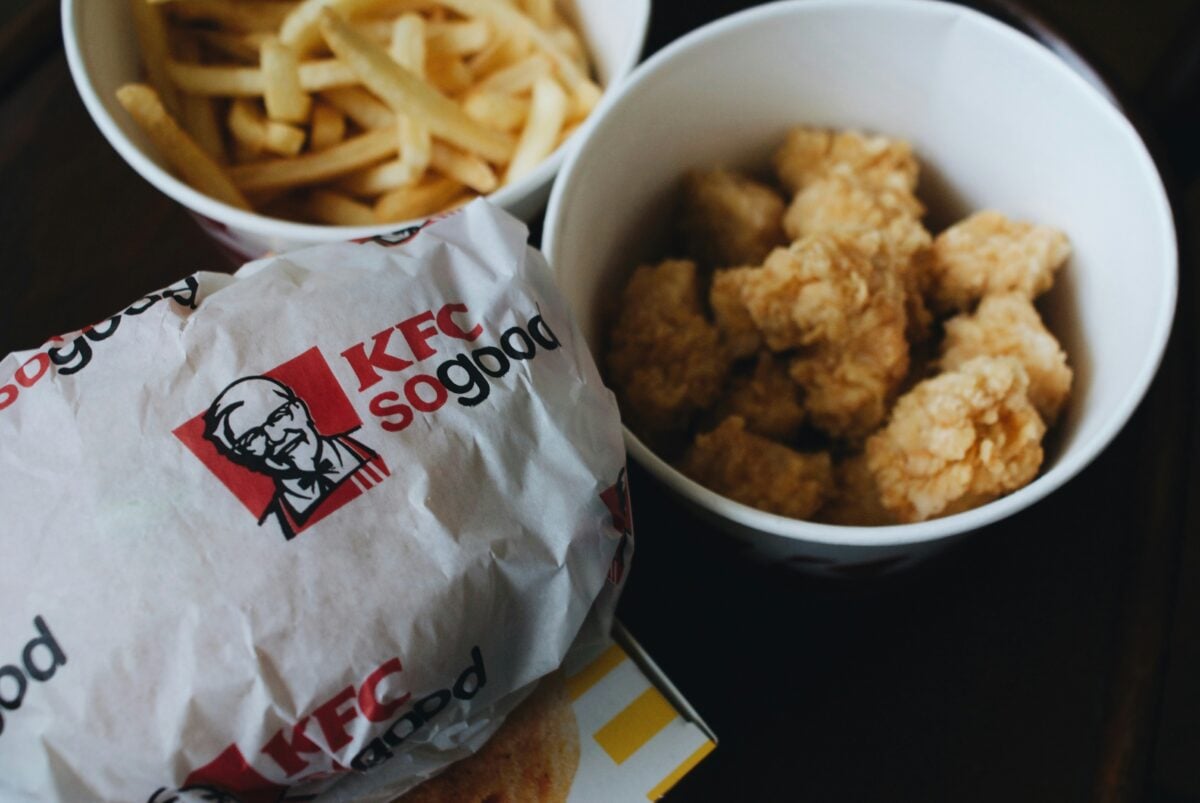
Kentucky Fried Chicken operates more than 30,000 restaurants worldwide and serves over 12 million customers daily. The secret blend of 11 herbs and spices remains locked away, creating a mystique that competitors can’t replicate.
Colonel Sanders’ face adorns storefronts from Beijing to Nairobi, making KFC one of the most recognized American brands internationally. The chain adapts its menu to local tastes with impressive creativity.
You’ll find rice bowls in India, egg tarts in China, and shrimp burgers in Japan. This flexibility helps KFC dominate markets where Western fast food sometimes struggles.
In China, KFC actually surpasses McDonald’s as the leading quick-service restaurant, a remarkable achievement in the world’s most populous country. Japan has turned KFC into a Christmas tradition.
Around 3.6 million families order it every December 25th, treating fried chicken as their holiday meal of choice. This cultural adoption happened through clever marketing decades ago and has stuck ever since.
Burger King: The Flame-Broiled Alternative

Burger King operates about 19,000 locations across roughly 95 countries, serving approximately 11 million customers each day. The Whopper stands as its signature product—a flame-broiled burger that differentiates it from McDonald’s in a crowded market.
Founded in 1954 in Miami, Burger King spent decades building itself into the second-largest hamburger chain globally. The brand has faced ups and downs over recent years, cycling through various ownership structures and strategic pivots.
Restaurant Brands International now owns Burger King along with Tim Hortons and Popeyes Louisiana Kitchen, creating a portfolio of complementary fast food concepts. Burger King’s menu extends beyond burgers into chicken sandwiches, breakfast items, and desserts.
The company’s marketing often takes a more irreverent, edgy tone compared to competitors, sometimes poking fun at McDonald’s directly in advertising campaigns.
Domino’s: Pizza Delivered Fast

Domino’s serves over 1 million customers daily across roughly 90 international markets. The brand built its reputation on speed—that famous 30-minute delivery guarantee put pressure on drivers and stirred controversy, but it also established Domino’s as the go-to choice for quick pizza delivery.
Technology drives much of Domino’s recent success. The company invested heavily in digital ordering platforms, allowing customers to track their pizza’s progress from oven to doorstep.
This tech-forward approach helped Domino’s capture market share from competitors who were slower to embrace online ordering. Annual revenue hit approximately $4.6 billion as of mid-2024.
The chain offers everything from traditional hand-tossed pizzas to New York-style thin crust, plus pasta, chicken wings, and desserts. International expansion remains a priority, with the number of overseas restaurants tripling between 2006 and 2023.
Dunkin’: America’s Morning Ritual

Dunkin’ operates over 14,000 locations across 39 countries, focusing primarily on coffee and breakfast foods. The brand dropped “Donuts” from its official name to emphasize its broader menu, though those Boston Cremes still draw crowds.
Dunkin’ serves over 3 million customers daily, with roughly 2.9 billion doughnuts sold every year. South Korea represents Dunkin’s biggest international market, contributing about 40% of the brand’s $12.4 billion in global sales.
This surprising statistic shows how American chains sometimes find their strongest footing in unexpected places. Dunkin’ actually beats Starbucks as the largest coffee operator in the Philippines, demonstrating that coffee competition varies wildly by region.
The menu extends well beyond doughnuts into breakfast sandwiches, bagels, and various coffee beverages. Dunkin’ positions itself as a faster, more affordable alternative to Starbucks, targeting customers who want good coffee without the coffeehouse atmosphere or premium pricing.
Pizza Hut: The Red Roof Classic

Pizza Hut’s iconic red roof design makes its restaurants instantly recognizable worldwide. The chain operates as the world’s second-largest pizza company and serves as the official pizza sponsor for both the NCAA and NFL.
Founded in 1958, Pizza Hut opened its first international location in Canada a decade later. Annual revenue reaches approximately $6.8 billion, keeping Pizza Hut competitive despite fierce competition from Domino’s and smaller regional chains.
The sit-down dining experience differentiates Pizza Hut from delivery-focused competitors, though many locations now offer both dine-in and takeout options. The menu features various crust styles, from thin and crispy to thick pan pizza.
Pasta dishes, wings, and desserts round out the offerings, making Pizza Hut more of a family restaurant than a pure pizzeria.
Taco Bell: Mexican-Inspired Innovation

Taco Bell specializes in Mexican-style fast food, though purists argue the menu bears little resemblance to authentic Mexican cuisine. Founded in 1962 by Glen Bell in Downey, California, the chain grew into a Yum! Brands subsidiary with over 7,000 locations worldwide.
The menu features tacos, burritos, quesadillas, nachos, and various value items that appeal to budget-conscious diners. Taco Bell has built a loyal following among younger customers who appreciate the late-night hours and experimental menu items.
Limited-time offerings like the Doritos Locos Taco become viral sensations, driving traffic and keeping the menu fresh. Taco Bell’s marketing leans heavily into internet culture and memes, creating a brand personality that feels more playful than traditional fast food chains.
This approach resonates particularly well with millennials and Gen Z consumers.
Wendy’s: The Square Burger

Wendy’s operates approximately 7,000 locations worldwide, with about 6,000 in the United States and 1,100 internationally. The chain distinguishes itself with square beef patties, a distinctive choice that founder Dave Thomas believed provided better value.
Wendy’s also pushed the fast food industry toward higher-quality ingredients, emphasizing fresh beef that’s never frozen. The brand’s Twitter account has become legendary for its witty, sometimes savage responses to customers and competitors.
This social media strategy has earned Wendy’s significant attention from younger demographics who appreciate the snarky tone. Recent years brought experimentation with dynamic pricing through digital menu boards, adjusting prices based on real-time demand.
This surge pricing approach mirrors what airlines and ride-sharing services do, though it remains controversial in the restaurant industry.
Chick-fil-A: The Chicken Sandwich King

Chick-fil-A serves what many Americans consider the country’s best chicken sandwich. The chain operates exclusively in the United States but generates impressive per-location revenue that rivals or exceeds much larger competitors.
Founded by S. Truett Cathy, Chick-fil-A maintains a distinctive corporate culture that includes closing on Sundays for religious reasons. The brand saw a 13% rise in sales in 2020, a remarkable achievement during a year when many restaurants struggled.
Customer service receives heavy emphasis at Chick-fil-A, with employees trained to respond “my pleasure” instead of “you’re welcome.” This attention to hospitality has created an almost cult-like following.
The menu remains relatively focused compared to other chains, centering on chicken sandwiches, nuggets, waffle fries, and milkshakes. Limited menu options allow Chick-fil-A to maintain consistent quality and fast service, even during peak lunch hours.
Tim Hortons: Canada’s Coffee Champion
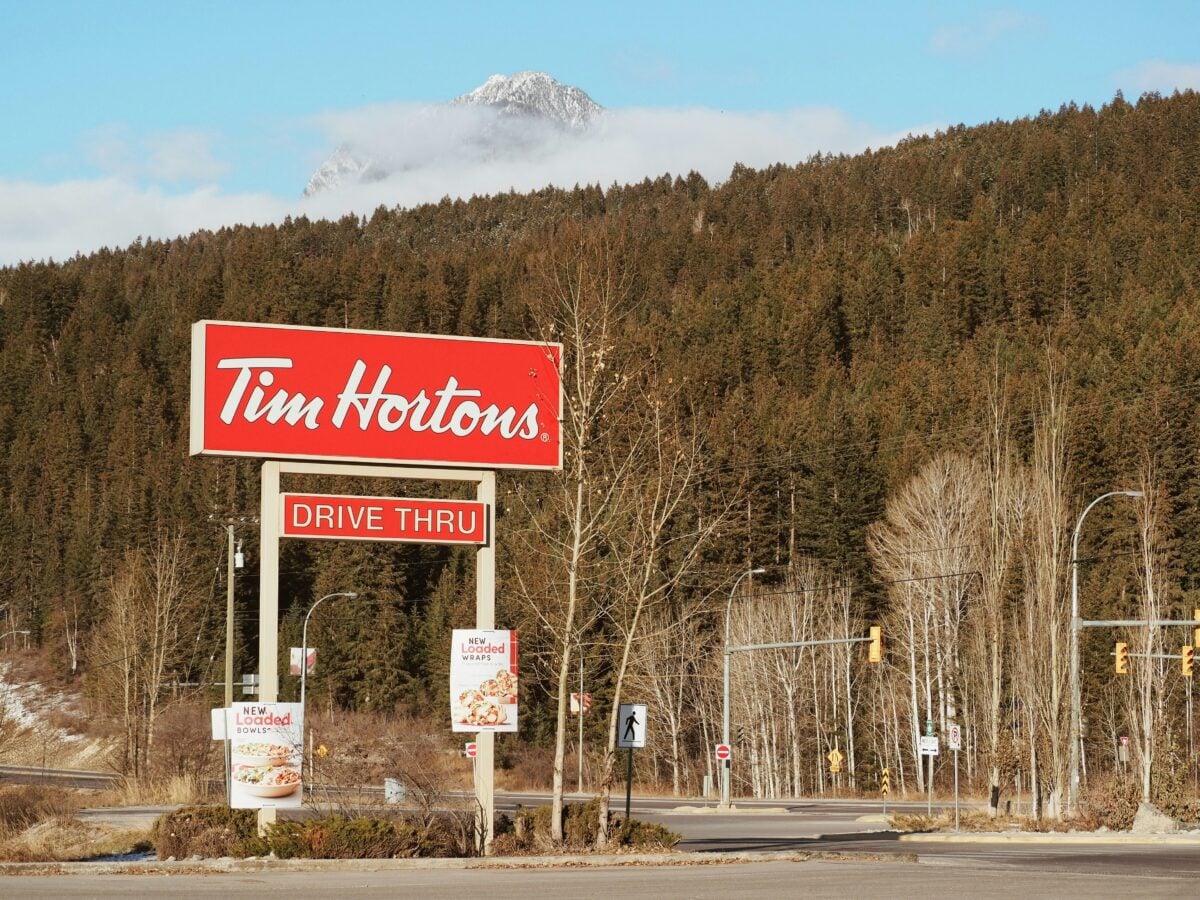
Tim Hortons rules Canada’s coffee scene like no other – Starbucks or Dunkin’ couldn’t come close. Across the country, it’s more than a café; it’s woven into everyday life, with folks stopping by for their “Timmies” fix each day.
A hockey star named Tim Horton started it back in ’64. After growing fast at home, the brand eventually crossed borders, landing in the U.S. and beyond.
Coffee with doughnuts is still the main draw, but Tim Hortons now includes breakfast wraps, chowders, or similar eats. It runs under Restaurant Brands International – same crew as Burger King, also Popeyes.
Going global took Tim Hortons to surprising spots – like parts of Asia and the Middle East. It tweaks the menu to match what locals like, yet still keeps the coffee vibe that built its Canadian fame.
The Hunger That Never Sleeps

Folks head to fast food spots since they know exactly what’s coming – meals that taste the same every time, won’t break the bank, and show up quick. No guessing games about whether the burger hits the spot or if your favorite items are on hand.
Sure, some call it boring; yet that reliability? It counts more than critics care to say. Big names worldwide stick around by tweaking choices on offer, upgrading how things work behind the counter – but never ditching the basics that made them popular.
Those yellow curves above the door stay put, just like the crowds piling in daily.
More from Go2Tutors!

- The Romanov Crown Jewels and Their Tragic Fate
- 13 Historical Mysteries That Science Still Can’t Solve
- Famous Hoaxes That Fooled the World for Years
- 15 Child Stars with Tragic Adult Lives
- 16 Famous Jewelry Pieces in History
Like Go2Tutors’s content? Follow us on MSN.