Swords That Shaped History and Legend
Some weapons are more than just tools of war. They become symbols.
Over centuries, swords have played a central role in shaping empires, legends, and even everyday stories passed down from one generation to the next. These blades weren’t just forged from steel.
They carried power, fear, pride—and in many cases, a legacy that still lingers today. Not every sword on this list belonged to a king or a myth.
But each one left a clear mark on history or legend—and some, on both.
Excalibur
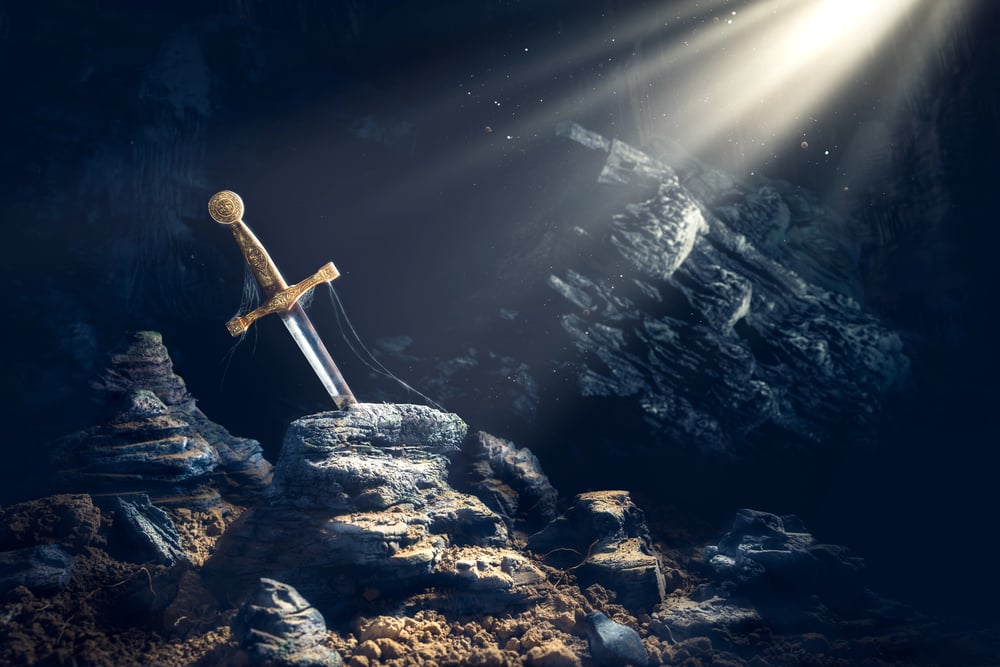
This sword is almost always the first that comes to mind when people think of legends. Excalibur, tied to King Arthur, was more than just a royal weapon—it was a sign of destiny.
In some stories, Arthur pulled it from a stone, proving his right to lead. In others, a mysterious lady from a lake handed it to him.
Joyeuse
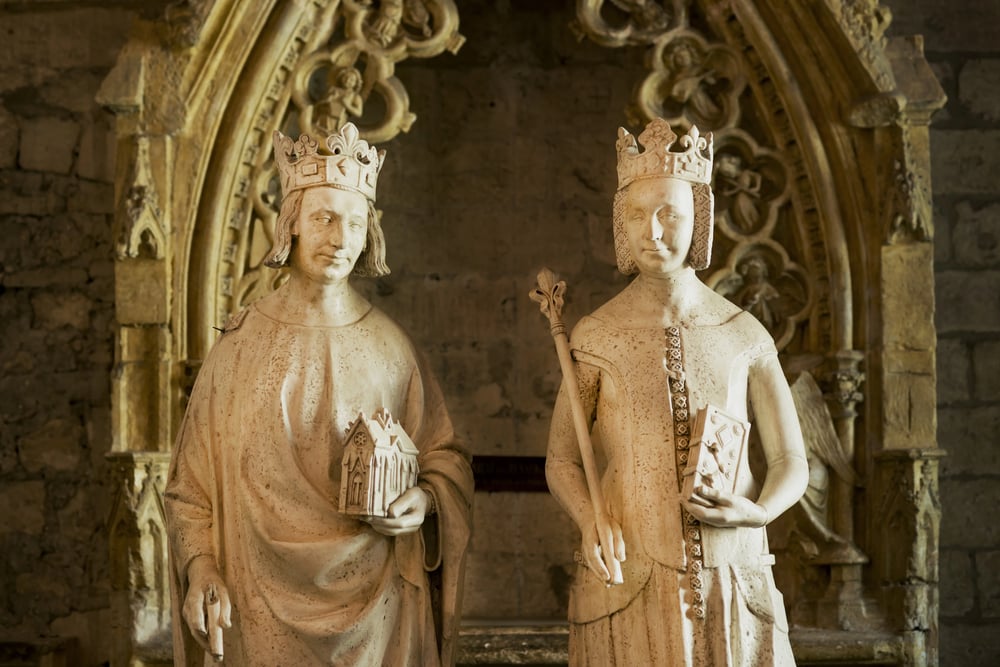
This sword was linked to one of Europe’s most powerful rulers—Charlemagne. Joyeuse was carried into battle and later used in coronations of French kings.
Its name means “joyful,” though its presence on a battlefield was anything but cheerful for enemies. Some say it held parts of the Spear of Destiny within its hilt.
It now rests in the Louvre Museum, still shining under lights instead of sun.
Like Go2Tutors’s content? Follow us on MSN.
Kusanagi-no-Tsurugi

Kusanagi’s legend begins with a storm god slaying a terrible snake. Inside the creature’s tail, he found the sword.
It later ended up with Japan’s imperial family as a sacred object, even though it’s never been seen publicly. Some believe it’s hidden in a shrine in Nagoya, guarded from sight for spiritual reasons.
Whether myth or truth, it remains a powerful symbol of authority.
Zulfiqar
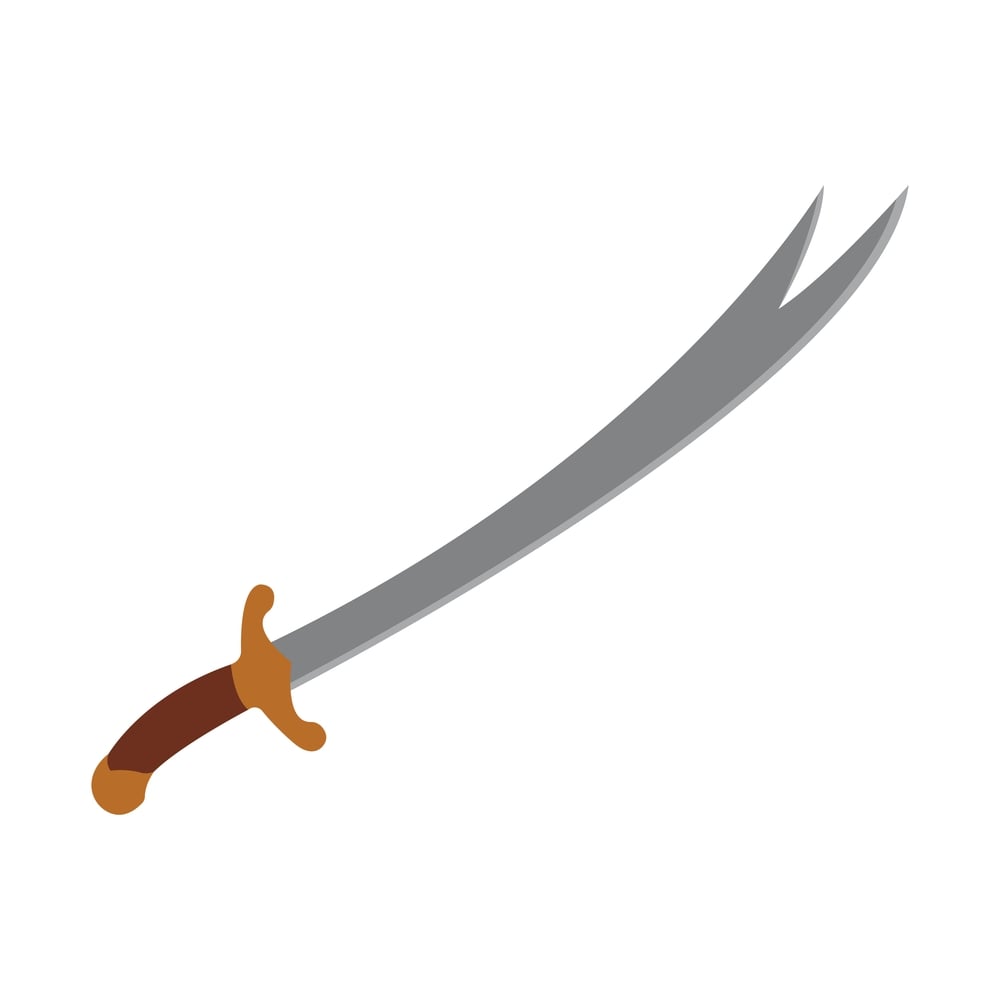
The sword is most recognized by its split tip, giving it a double-pointed look. It belonged to Ali, a cousin and son-in-law of Prophet Muhammad.
Zulfiqar became a symbol of strength, courage, and justice. It appears on banners, coins, and artwork throughout Islamic culture.
People still quote its name during speeches and sermons today.
Wallace Sword
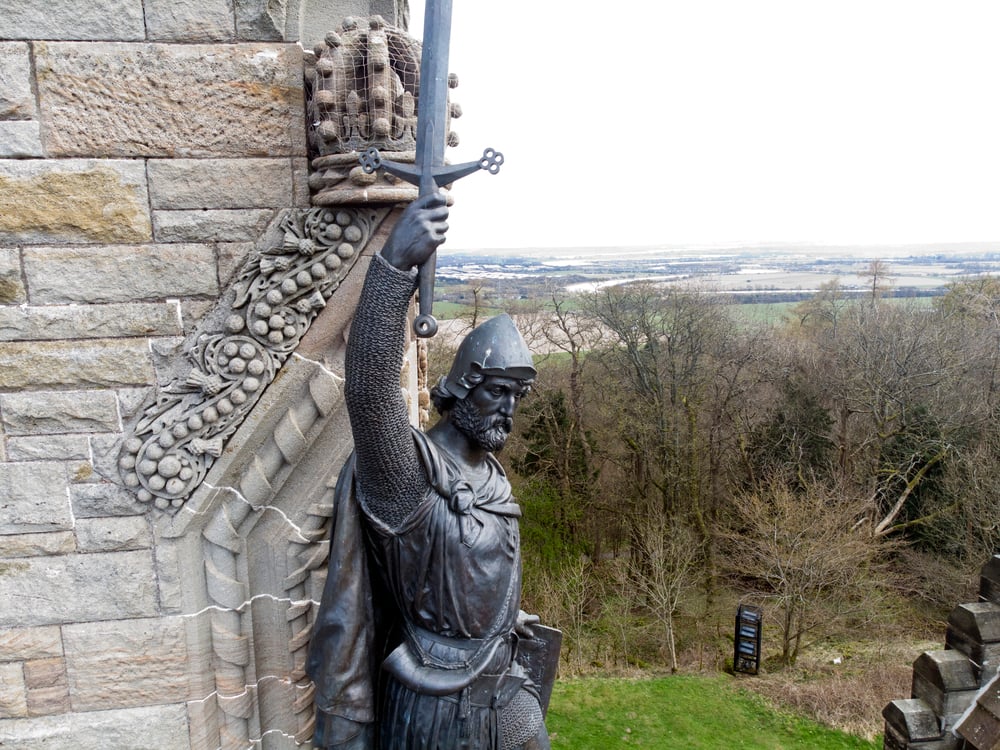
This massive weapon belonged to William Wallace, the Scottish hero who fought against English rule. It’s so large it had to be used with both hands, making it ideal for close battle.
Wallace led a rebellion that inspired future generations to keep fighting for Scotland’s freedom. His story later inspired movies and books.
The sword now stands in a museum, reminding visitors of his fight for independence.
Like Go2Tutors’s content? Follow us on MSN.
Ulfberht
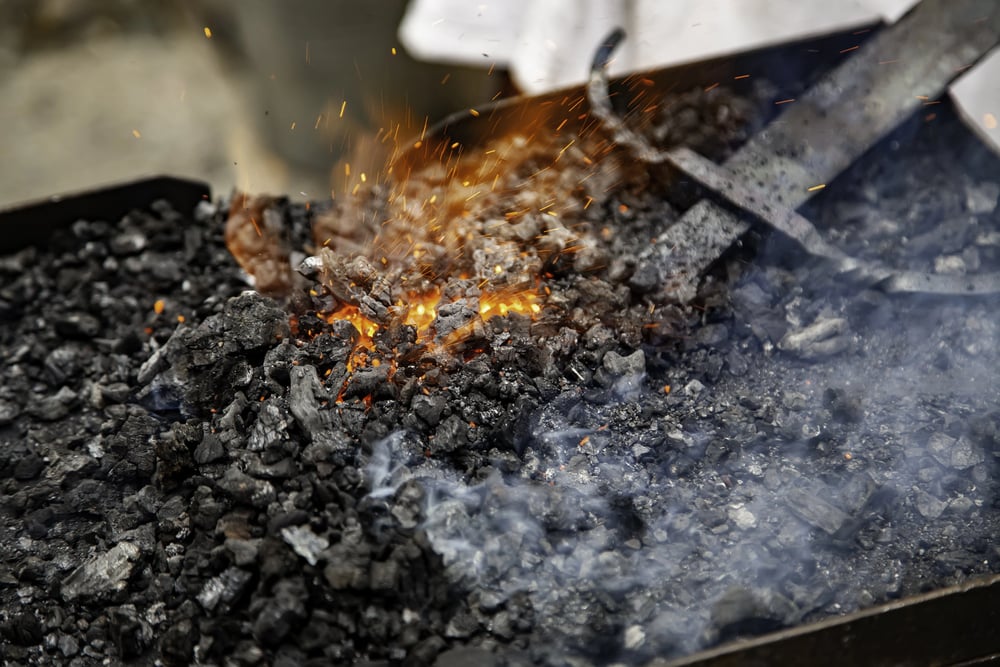
These swords had one thing others didn’t: advanced steel. Forged between 800 and 1000 AD, Ulfberht swords were stronger, lighter, and less likely to break.
They were so well made that experts were confused about how medieval smiths had the technology. Some believe the secret came from the East through trade.
Owning one of these swords meant serious status.
Sword of Goujian
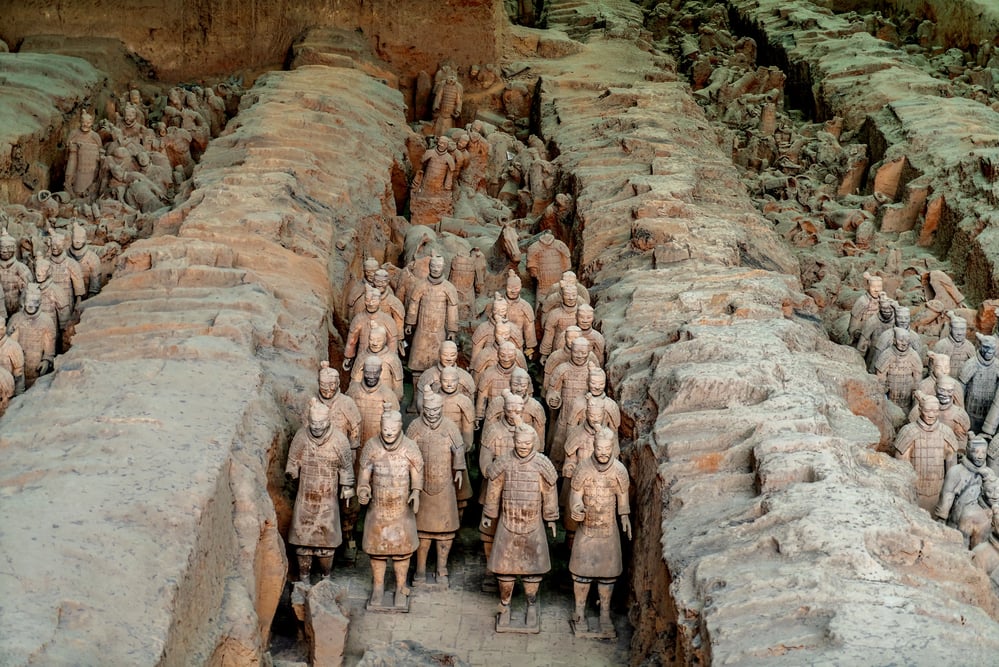
When this sword was found in a Chinese tomb in the 1960s, it shocked everyone. Despite being over 2,000 years old, it looked brand new.
The blade was still sharp and clean, with no rust. Historians believe it belonged to King Goujian, who ruled during a time of intense warfare.
Its design and condition show just how skilled Chinese sword makers were long ago.
Durandal
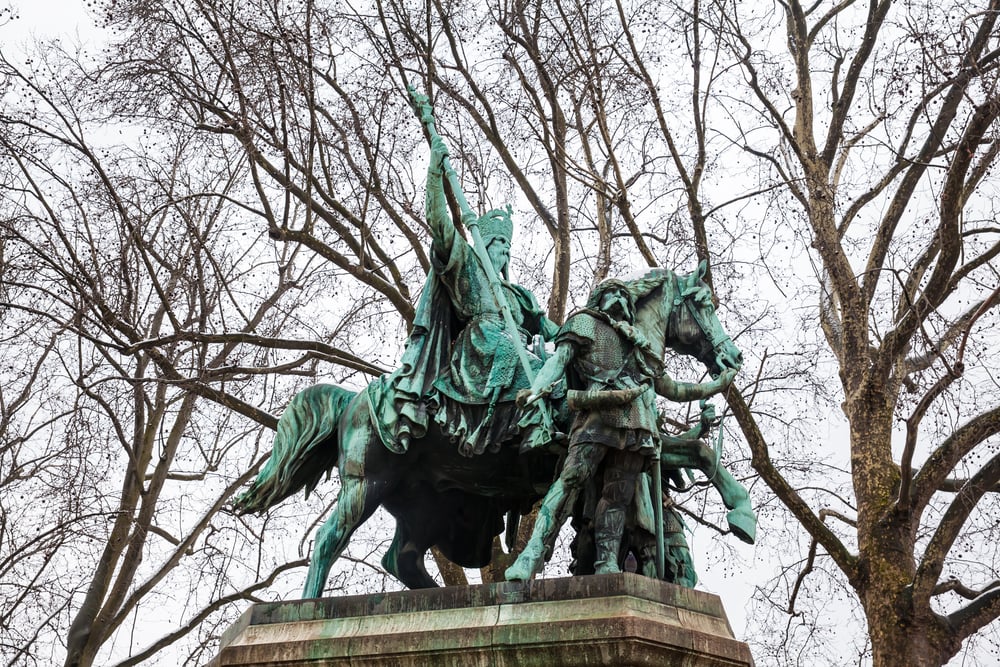
Durandal was Roland’s sword, and his story was told in the famous French epic “The Song of Roland.” The sword was said to be blessed with holy relics in its hilt.
When Roland faced defeat, he tried to destroy Durandal to keep it from enemies but failed. He then hid it beneath his body as he died.
Today, a blade stuck in a cliff in Rocamadour is claimed to be the original.
Like Go2Tutors’s content? Follow us on MSN.
Honjo Masamune
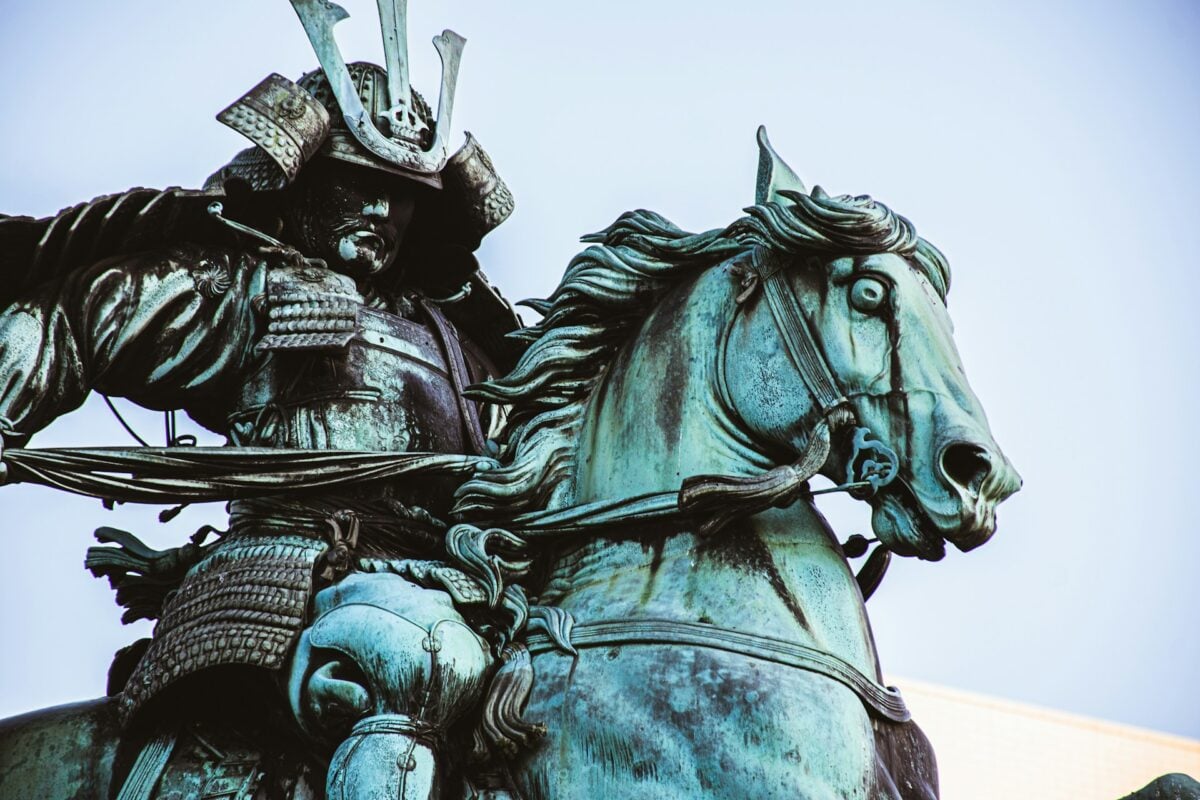
Crafted by Japan’s most famous swordsmith, this blade became a symbol of the shogunate’s rule. The Honjo Masamune changed hands through powerful samurai families.
It was last known to be handed over to American forces after World War II—and then vanished. Despite many searches, its location remains unknown.
Many still hope it will one day resurface.
Tizona
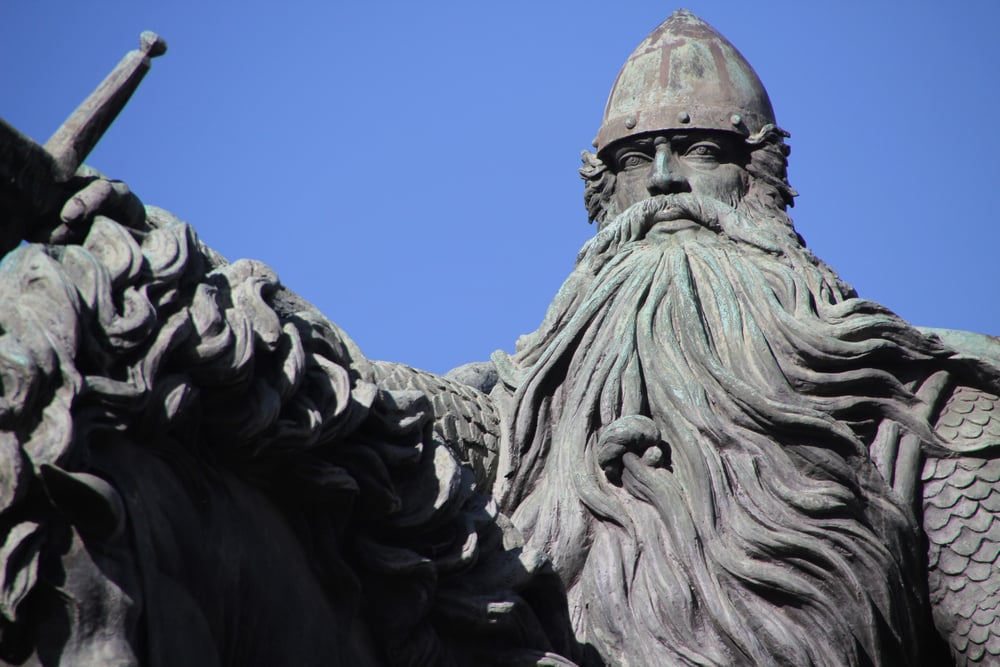
El Cid used this sword during the Reconquista, fighting to take back Spain from Moorish control. Tizona was not just deadly—it was legendary.
Stories claim enemies would flee just by seeing it drawn. The sword changed hands several times and survived many battles.
It now rests in Spain’s Museum of Burgos, still carrying a warrior’s spirit.
Xiphos
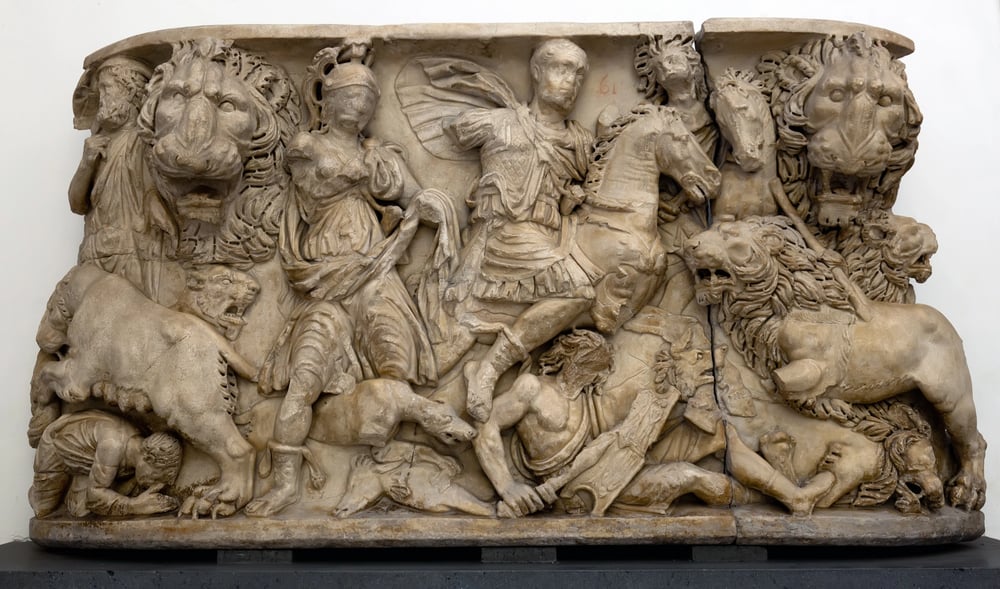
Greek soldiers, or hoplites, carried this short, sharp blade. It was used when enemies got too close for spears.
Though not as dramatic as some swords, it was reliable and easy to use. Its shape made it perfect for quick, powerful strikes.
The Xiphos helped build the might of Greek city-states.
Like Go2Tutors’s content? Follow us on MSN.
Echoes in every blade
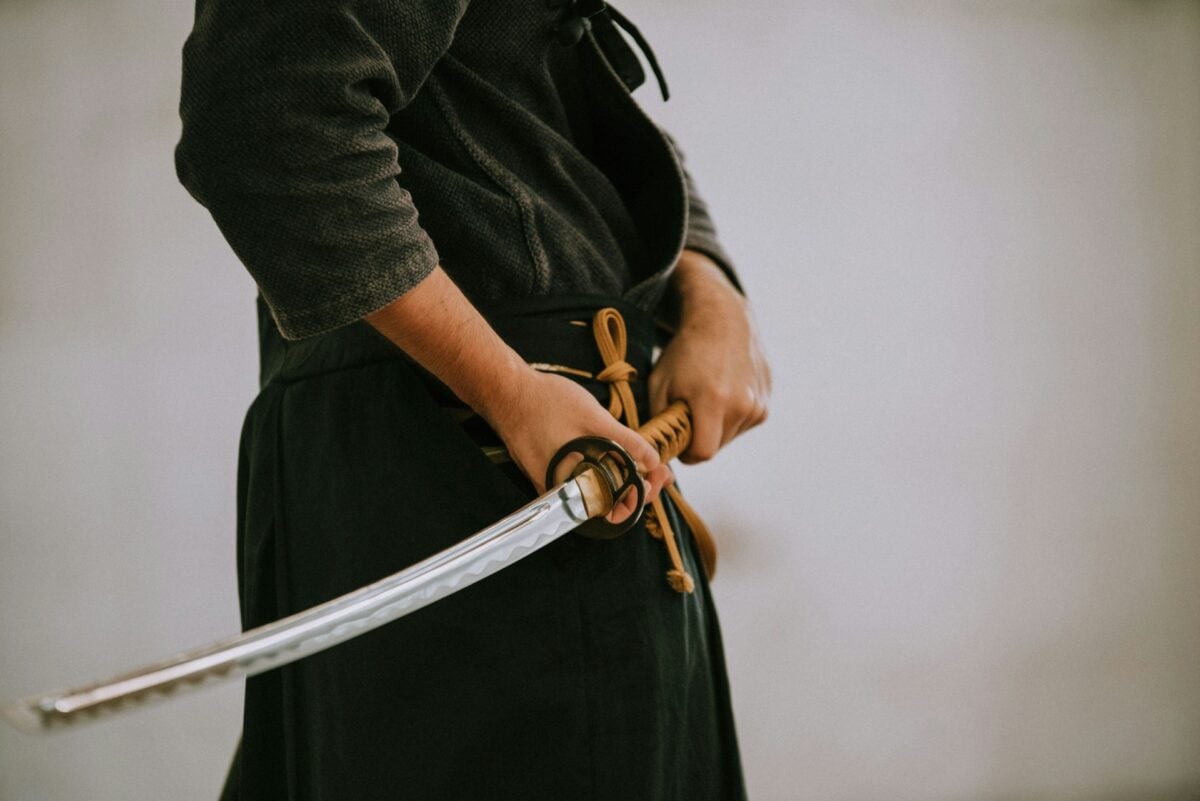
These swords aren’t just pieces of metal. They hold the memory of people, places, and events that changed the world in different ways.
Some lived in legends, others in real wars—but each one tells a story that still matters today. From battlefields to museums, they continue to spark curiosity.
The edge might be dulled by time, but their stories are still sharp.
More from Go2Tutors!

- 16 Historical Figures Who Were Nothing Like You Think
- 12 Things Sold in the 80s That Are Now Illegal
- 15 VHS Tapes That Could Be Worth Thousands
- 17 Historical “What Ifs” That Would Have Changed Everything
- 18 TV Shows That Vanished Without a Finale
Like Go2Tutors’s content? Follow us on MSN.



