Old Communication Codes That Guided Major Events
Words had to move unseen. Troops planned moves while keeping foes in the dark.
Officials shared talks meant for specific ears only. The tools they built did more than pass notes – they shifted fights, deals, and uprisings.
Some of these codes are still well known now. Meanwhile, a few were kept secret for years after shaping key moments.
Caesar Cipher Protected Roman Military Orders
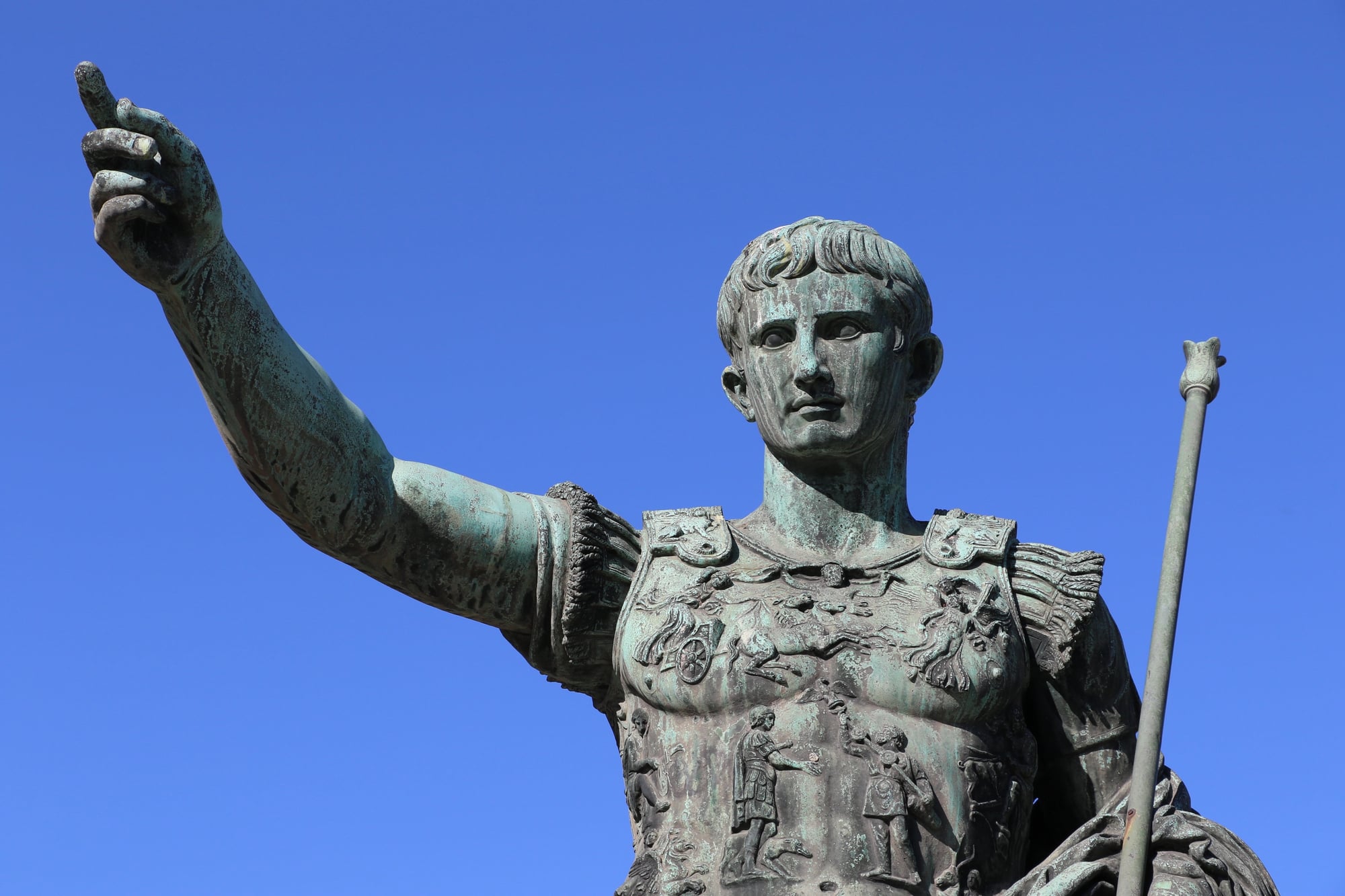
Julius Caesar needed a way to send orders that his enemies couldn’t read if intercepted. He shifted each letter in his messages by a fixed number of positions in the alphabet.
The shift number varied depending on the message. Simple, but effective against opponents who didn’t know the system.
Roman commanders could decrypt messages quickly because they knew the shift number. Enemy scouts who captured messengers found gibberish.
This advantage lasted because literacy rates were low and cryptographic thinking was rare. A simple substitution cipher gave Rome a genuine military edge.
The method spread through Roman territories and influenced encryption thinking for centuries. Even after people understood the basic principle, variations kept appearing.
The core idea—systematic letter substitution—became foundational to cryptography as a field.
Polybius Square Enabled Long-Distance Signaling
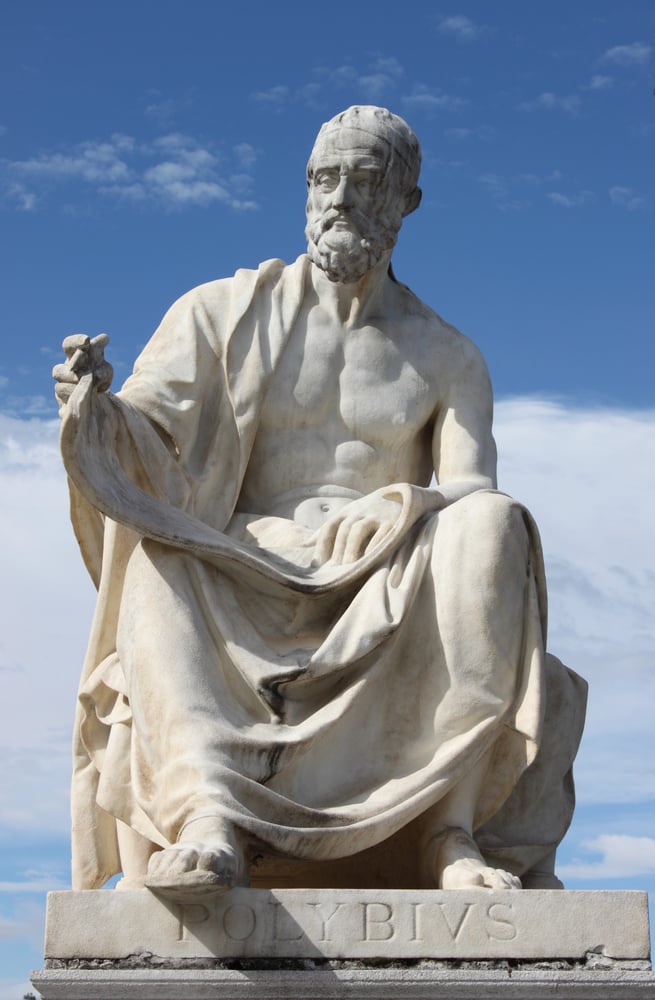
Polybius, a Greek historian, described a grid system in the second century BCE. Letters sat in a five-by-five square, each identified by two numbers representing its row and column position.
This made visual signaling theoretically possible across distances. Torches held at different heights could encode each number.
Whether Greek city-states actually deployed this system militarily remains uncertain, but the concept was sound. Watchtowers on hills could theoretically relay messages faster than messengers on horseback.
The system required only that both sender and receiver had the same grid and could see each other’s signals. The Polybius square solved a problem that limited ancient warfare.
This changed tactical possibilities. Commanders could adjust plans based on real-time information instead of operating blind between initial orders and eventual reunion.
Scytale Represented Ancient Encryption Thinking

Ancient sources describe Spartans wrapping leather strips around wooden rods of specific diameters. They wrote their messages along the wrapped strip.
When unwound, the letters appeared scrambled. Only someone with a rod of the exact same thickness could read the message by wrapping the strip around it properly.
Evidence for actual scytale usage remains limited, and historians debate how widespread or practical this method really was. But the concept demonstrates early thinking about transposition ciphers and physical encryption tools.
The scytale represents early thinking about encryption keys. The message itself wasn’t secret—anyone could see the letters.
But without the correct tool, those letters made no sense. This separation of message and method became central to later cryptographic theory.
Zimmermann Telegram Changed World War I
In 1917, Germany sent an encrypted telegram to Mexico proposing a military alliance against the United States. British intelligence intercepted it.
They had partially broken German diplomatic codes and could read enough to understand the proposal: if Mexico fought the US, Germany would help Mexico reclaim Texas, New Mexico, and Arizona. Britain shared the decoded message with the United States.
American public opinion, which had been divided on entering the European war, shifted further toward intervention. The revelation that Germany was encouraging attacks on American territory outraged citizens.
However, Germany’s resumption of unrestricted submarine warfare was the primary cause of American entry into the war. The United States declared war on Germany two months later.
The telegram accelerated public support and gave President Wilson additional justification, but submarine attacks on American ships provided the main impetus. One intercepted message helped reshape the war’s outcome, but it was one factor among several.
Enigma Machines Protected Nazi Communications
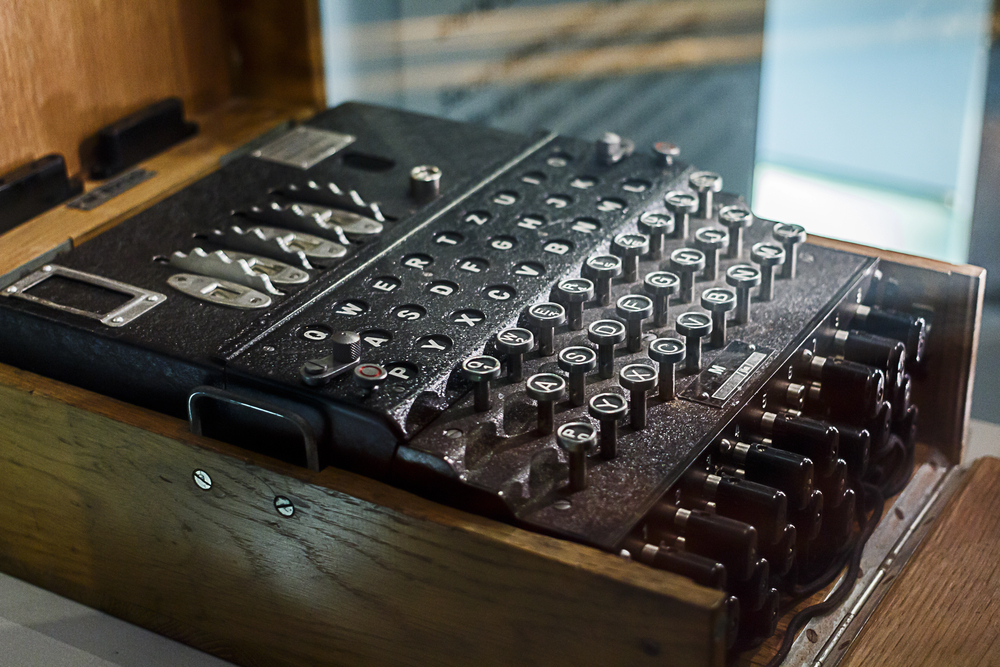
Germany developed Enigma machines for military communications in World War II. These electromechanical devices used rotating wheels to create polyalphabetic substitution ciphers far more complex than anything manual encryption could achieve.
Each keystroke rotated the wheels, changing the substitution pattern. Depending on the rotor configuration, the number of possible settings reached approximately 10²² combinations.
German commanders believed Enigma was unbreakable. They sent detailed operational plans, troop movements, and strategic decisions through Enigma-encrypted radio messages.
This confidence in their code’s security made them careless about other aspects of communications security. Allied cryptographers at Bletchley Park in England broke Enigma codes through mathematical analysis, captured machines, and operator errors.
The intelligence gained—codenamed Ultra—shortened the war significantly. Historians estimate it reduced the war’s length by two to four years, saving countless lives.
Germany never knew their supposedly secure system had been compromised.
Navajo Code Talkers Created Unbreakable Military Code
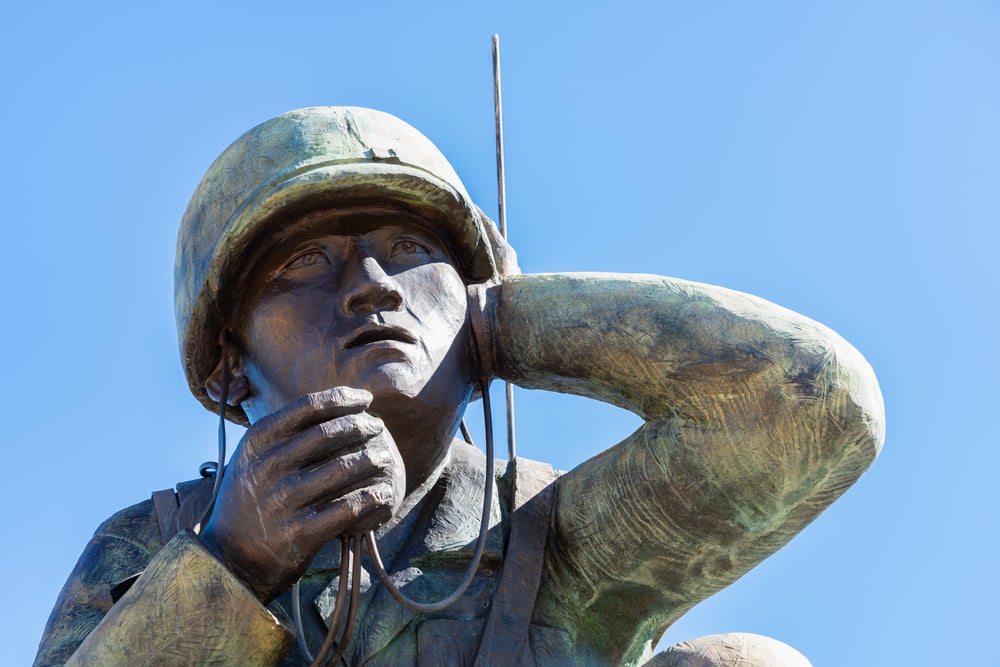
The United States Marines recruited Navajo speakers to create a code during World War II. They developed a constructed code system based on the Navajo language, creating military vocabulary—specific words for tank types, aircraft, tactical maneuvers.
The code wasn’t pure Navajo but rather a specialized system built on the language’s foundation. Japanese code breakers couldn’t decrypt messages they intercepted because they had no reference point.
The Navajo language bore no relationship to European or Asian languages they knew. Without any Navajo speakers or materials to study the constructed code system, they couldn’t even begin systematic analysis.
Navajo code talkers served in every major Pacific battle. They could encode, transmit, and decode messages in minutes—much faster than mechanical encryption devices.
Commanders trusted them with the most sensitive information. The code was never broken, making it one of the few truly unbreakable systems in military history.
Purple Cipher Gave Allies Japanese Diplomatic Intelligence
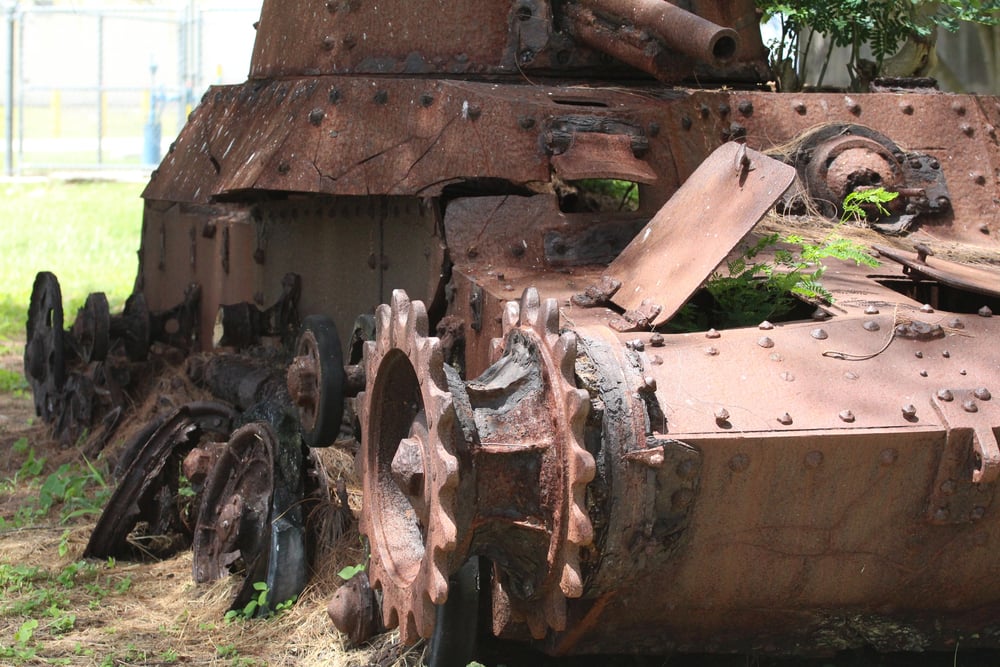
Japan used a machine called Purple for diplomatic communications, not military ones. American cryptographers spent months analyzing intercepted messages before finally replicating the machine’s function without ever seeing one.
This breakthrough, achieved in 1940, gave the United States access to Japanese diplomatic traffic. Reading these diplomatic messages provided strategic intelligence about Japanese intentions and planning at the highest government levels.
The United States could track diplomatic negotiations and policy decisions. This intelligence influenced American strategy throughout the Pacific War.
The Purple decryption capability created difficult decisions. Using intelligence too obviously could reveal that the code was broken.
American commanders sometimes had to choose between acting on intelligence and preserving the source. These calculations affected battle planning throughout the war.
One-Time Pads Secured Soviet Espionage
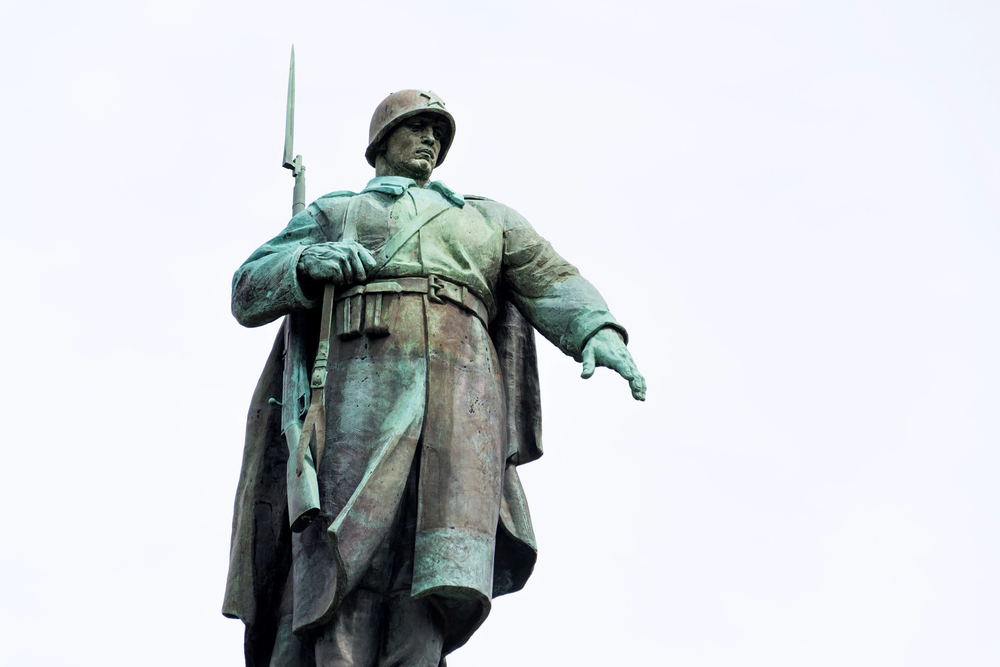
Soviet intelligence used one-time pads for communication with agents and operatives. Each pad contained pages of random numbers.
Both sender and receiver had identical pads. To encrypt, you added the random numbers to your message numbers.
To decrypt, you subtracted them. Each page was used once and then destroyed.
This system is mathematically unbreakable only if pads are never reused and properly destroyed. The random numbers provide no pattern for cryptographers to analyze when used correctly.
Without the pad, decryption is impossible regardless of computational power. But reusing pads creates patterns that can be exploited.
The Venona project succeeded in decrypting Soviet messages during and after World War II specifically because Soviets had reused one-time pads under wartime pressure. This reuse created the vulnerability that allowed American cryptographers to break the code.
Properly executed without reuse, the system would have kept their espionage communications completely secure.
Military Encryption Systems Coordinated D-Day
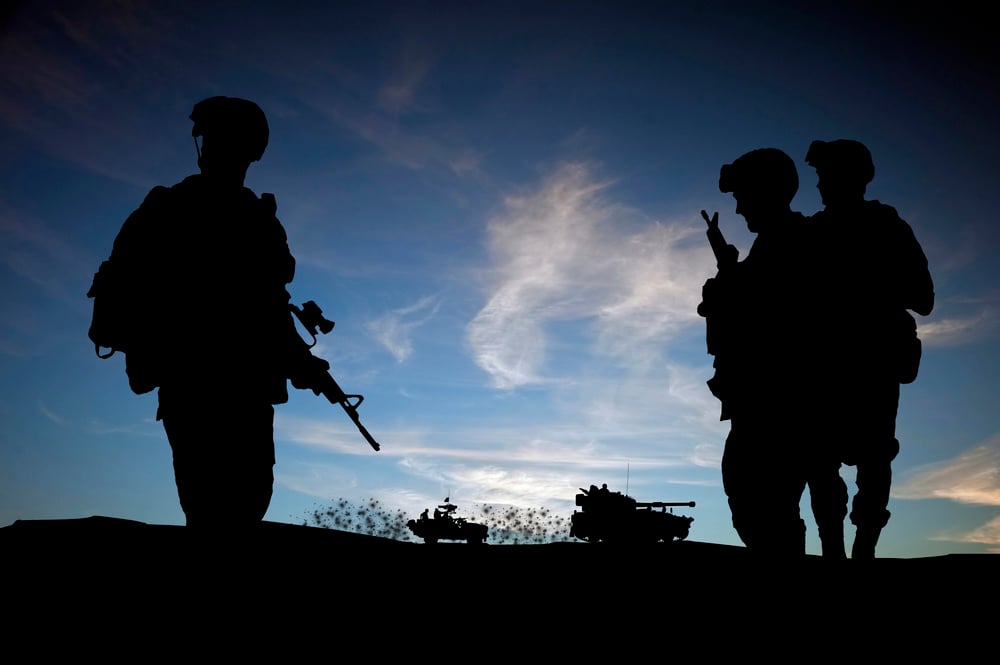
Allied forces planning the Normandy invasion needed secure communication across multiple command levels. Military encryption systems like Typex and SIGABA handled the secure communications for D-Day operations.
These weren’t just encryption machines—they included procedures for authenticating messages, confirming receipt, and handling emergency situations. The coordination required was massive.
Thousands of ships, aircraft, and units had to move according to precise timing. Weather delays forced last-minute changes that had to reach everyone without tipping off German intelligence about the invasion’s location or timing.
The communication systems worked. Germany knew an invasion was coming but didn’t know where or exactly when until it happened.
The ability to coordinate such a large operation secretly demonstrated how far communication security had advanced. D-Day succeeded partly because Allied forces could talk to each other while keeping Germany listening to silence or deception.
Numbers Stations Broadcast Encrypted Orders
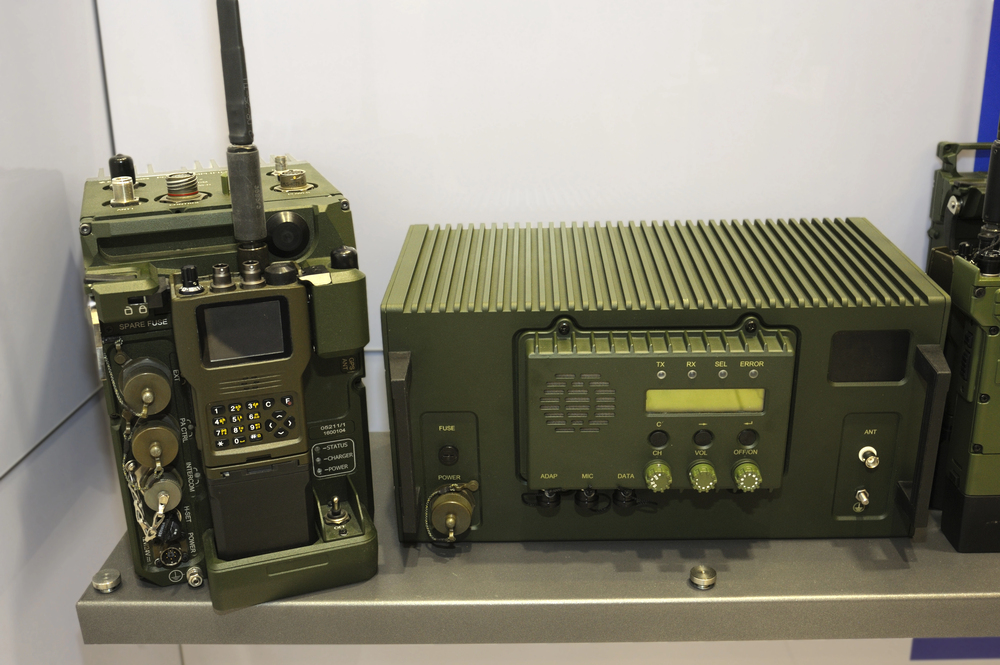
Mysterious radio broadcasts appeared on shortwave frequencies, with some operating since before World War II and continuing after the Cold War ended. A voice would read strings of numbers in various languages—usually a woman’s voice, sometimes a child’s, occasionally synthesized.
These “numbers stations” operated for decades, broadcasting at scheduled times to unknown recipients. Intelligence agencies used these for communicating with agents in foreign countries.
An agent with a one-time pad could decrypt the numbers into instructions. The broadcast method meant no direct contact between agency and agent, reducing exposure risk.
Anyone could listen to the broadcast, but only the intended recipient could decode it. Numbers stations demonstrated the tension between communication and security.
Broadcasting openly seemed risky, but encryption made the content safe even if intercepted. This approach influenced modern thinking about public-key cryptography, where the method can be known without compromising security.
Beale Ciphers Protected Hidden Treasure Location
In 1885, a pamphlet appeared describing three encoded messages allegedly from the 1820s. The author claimed they revealed the location and contents of a buried treasure in Virginia.
One cipher had been broken using the Declaration of Independence as a key—each number corresponded to the first letter of that numbered word in the document. That decoded message described gold, silver, and jewels worth millions.
The other two ciphers, supposedly revealing the exact location and the intended recipients, remain unsolved. Cryptographers and treasure hunters have spent over a century trying to break them.
The Beale ciphers show how effective simple systems can be when the key remains unknown. They also demonstrate the human element in cryptography—motivation, deception, and the distinct possibility that the whole story was an elaborate hoax.
Most researchers now consider the Beale ciphers a likely fabrication. Whether real treasure or fiction, the codes influenced American cryptographic folklore and inspired countless treasure hunters.
Communication on the Underground Railroad
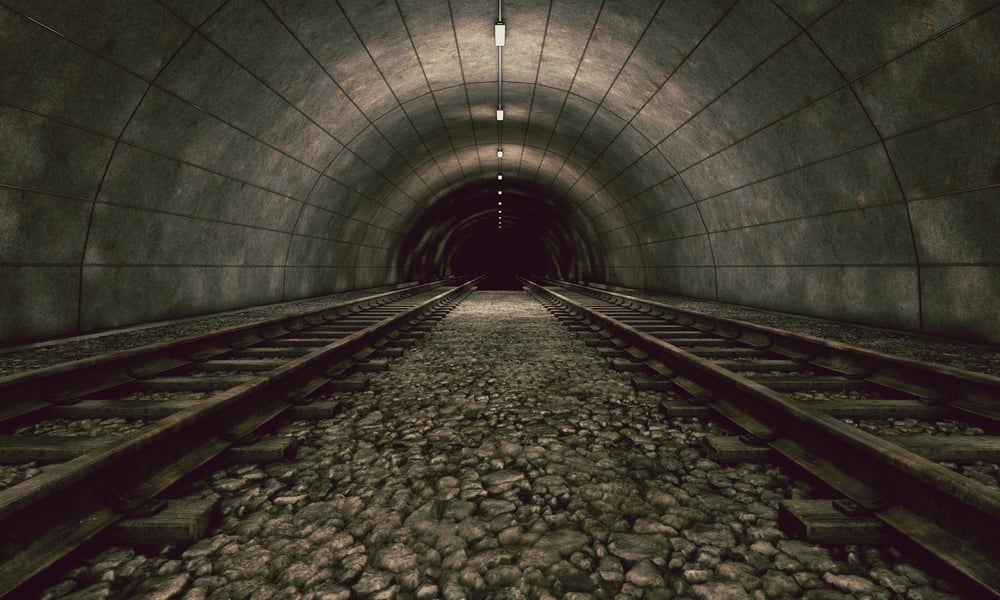
People escaping enslavement to freedom needed ways to share information about safe routes and hiding places. Stories have circulated about quilts hung on fences conveying coded meanings—bear paw patterns indicating wildlife trails, wagon wheels meaning pack your belongings, log cabin designs pointing to safe houses.
However, historians have found no documentary evidence supporting the existence of a widespread quilt code system. The claims are considered unverified folklore.
While visual signals and coded communication certainly existed on the Underground Railroad, the specific quilt code narrative lacks historical backing. The appeal of the quilt code story shows how communities create meaningful narratives around resistance and survival.
Whether or not quilts actually served this purpose, enslaved people did develop covert communication methods using the cultural knowledge and resources available to them.
When Silence Speaks Louder
Codes shaped the past by cracking a core issue – how to act together without revealing plans. Each method looked totally different: swapped letters, spinning dials, native tongues, scrambled digits, cloth designs.
Still, every one did the exact same job. The best codes had things in common.
Simple for real users – yet tough for attackers. Changed based on tech at hand instead of demanding extra tools.
More than anything, they stayed hidden not only in how they worked but even in their own existence. Check any big moment from the past – you’ll see messaging networks hiding below.
What people saw – fights, deals, getaways – depended on quiet back-and-forth behind the scenes. That back-and-forth had to stay safe; safety decided what moves were even allowed.
Ciphers didn’t only pass along stories – they picked which ones got told.
More from Go2Tutors!

- The Romanov Crown Jewels and Their Tragic Fate
- 13 Historical Mysteries That Science Still Can’t Solve
- Famous Hoaxes That Fooled the World for Years
- 15 Child Stars with Tragic Adult Lives
- 16 Famous Jewelry Pieces in History
Like Go2Tutors’s content? Follow us on MSN.