Old Beauty Rituals Practiced Across Centuries
Beauty has always been more than skin deep—it’s been a cultural obsession, a status symbol, and sometimes a dangerous gamble. Long before department store cosmetics counters and ten-step skincare routines, people around the world were getting creative with whatever nature provided.
Some of these ancient practices were surprisingly effective, while others were downright hazardous. What’s fascinating is how many of these age-old rituals have influenced the products we use today.
Here is a list of 16 old beauty rituals that have been practiced across different cultures and centuries.
Cleopatra’s Milk and Honey Baths

Ancient Egyptians elevated bathing into an art form, with Queen Cleopatra herself popularizing the luxurious combination of milk and honey for the skin. The lactic acid in milk acted as a gentle exfoliant to shed dead skin cells, while honey drew moisture to the skin as a natural humectant.
This wasn’t just royal indulgence—it actually worked, which is why modern spas still offer versions of this treatment thousands of years later.
Greek Olive Oil Treatments

The ancient Greeks were obsessed with physical beauty and used olive oil extensively in their cosmetic preparations. Women would massage olive oil onto their skin to shield it from the harsh Mediterranean sun while keeping it hydrated, with its antioxidants fighting free radicals and fatty acids maintaining skin elasticity.
The wild olive tree was considered sacred in Greece, so slathering yourself in its oil was both practical and spiritual.
Like Go2Tutors’s content? Follow us on MSN.
Chinese Pearl Powder
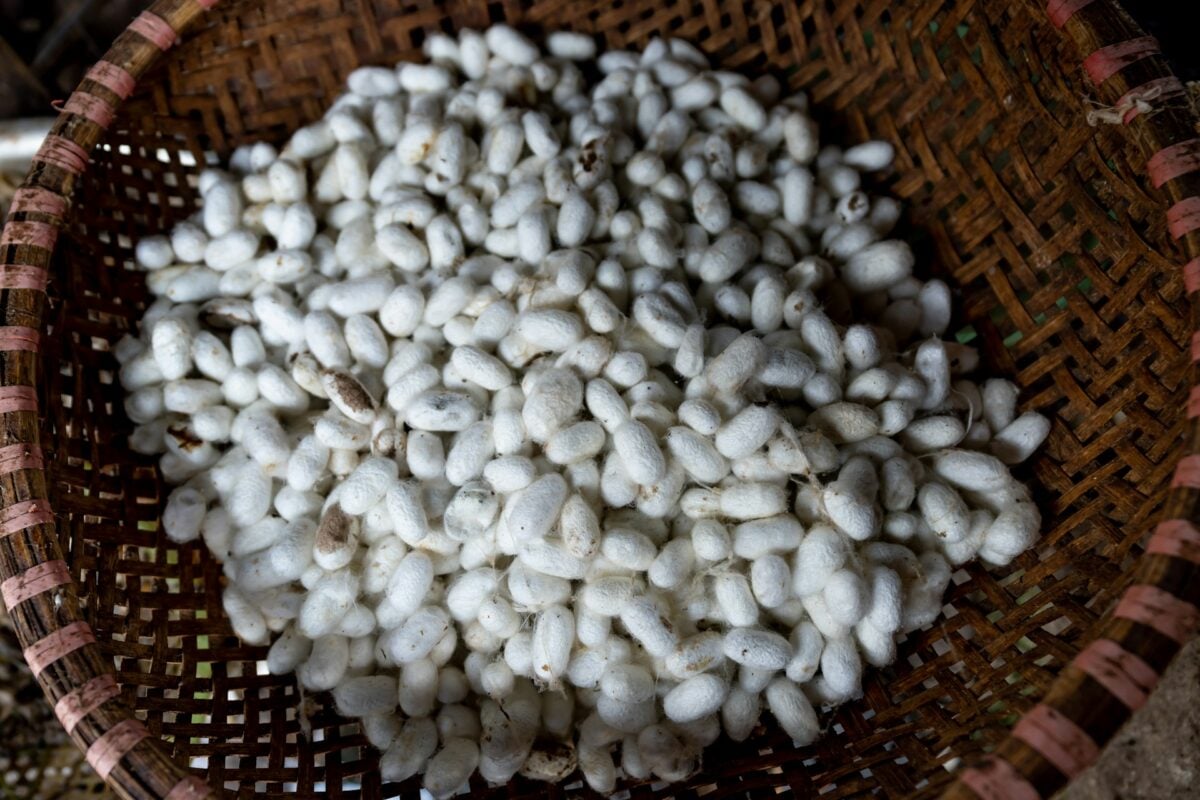
Empress Dowager Cixi, who ruled China for 47 years in the 19th century, popularized pearl powder for its beauty benefits and was widely recognized for her stunning appearance. Pearl powder, rich in amino acids and minerals, was believed to illuminate the skin and create the pale, luminous complexion that was equated with aristocracy in ancient China.
Pearls were cultivated for three to four years, then ground into powder and rubbed onto the face for brightening and anti-wrinkling effects.
Indian Turmeric Ubtan

The classic Haldi Ubtan face mask originated in India over 5,000 years ago and is considered the first beauty product ever created. Made of turmeric, herbs, and gram flour mixed with water or milk, this paste is known to keep acne, pigmentation, dull skin, and aging at bay.
Applying turmeric before weddings remains a celebrated ceremony in India and Pakistan today, proving that some beauty secrets really do stand the test of time.
Roman Bathhouse Culture

Romans around 100 AD created opulent bathhouses comparable to modern spas, where bathing rituals were central to therapeutic healing and social gathering. The sweating was thought to release toxins and impurities, giving way to glowing skin while providing relief from rheumatism, arthritis, and overindulgence in food and drink.
These weren’t quick showers—Romans spent hours moving through different temperature pools, making relaxation a full-time commitment.
Like Go2Tutors’s content? Follow us on MSN.
Japanese Ohaguro (Teeth Blackening)

During the Heian period in Japan, teeth blackening involved coating the teeth with black paint and was primarily done by the wealthy. Ohaguro became an established beauty practice during the Edo period as a symbol of a woman’s married status, with women blackening their teeth immediately before their wedding.
While Western visitors found this custom abhorrent, it was considered beautiful in Japan and lasted until the 19th century.
Burmese Thanaka Powder

Burmese women have been using thanaka powder as natural SPF for over 2,000 years, created by grinding the wood and bark of the tropical thanaka tree. This powder has long been used on the face to brighten the complexion and shield the skin against free radicals, polluted air, and harmful UV rays.
Long before we understood sun damage scientifically, these women had already figured out natural sun protection.
Aztec Temazcal Steam Baths

The word temazcal originates from the Aztec words for house and steam, with structures made from mortar and stone that were symbolic of Mother Nature’s womb. This ritual combined Mesoamerican chants, meditation, and heated rocks doused with herb-infused water to create an aromatic, healing steam.
The Aztecs understood that beauty wasn’t just about appearance—it required spiritual cleansing too.
Like Go2Tutors’s content? Follow us on MSN.
Polynesian Monoi Oil

Soaking Tahitian gardenia petals in coconut oil creates monoi, a beautifully scented oil whose origins most likely date back 2,000 years to the indigenous Maohi people of Polynesia. The oil was revered as a skin and hair softener and was deemed so special that it was also used in offerings and burial ceremonies.
This wasn’t just grooming—it was sacred ritual wrapped in a gorgeous scent.
Native American Volcanic Mud Baths

Eight thousand years ago, the native Wappo people of North America took advantage of Calistoga’s volcanic history and geothermal springs to create volcanic mud baths. These baths could exfoliate and soften the skin while providing relief to weary backs and muscles.
When life gives you geothermal activity, apparently you make a spa.
Victorian Arsenic Wafers
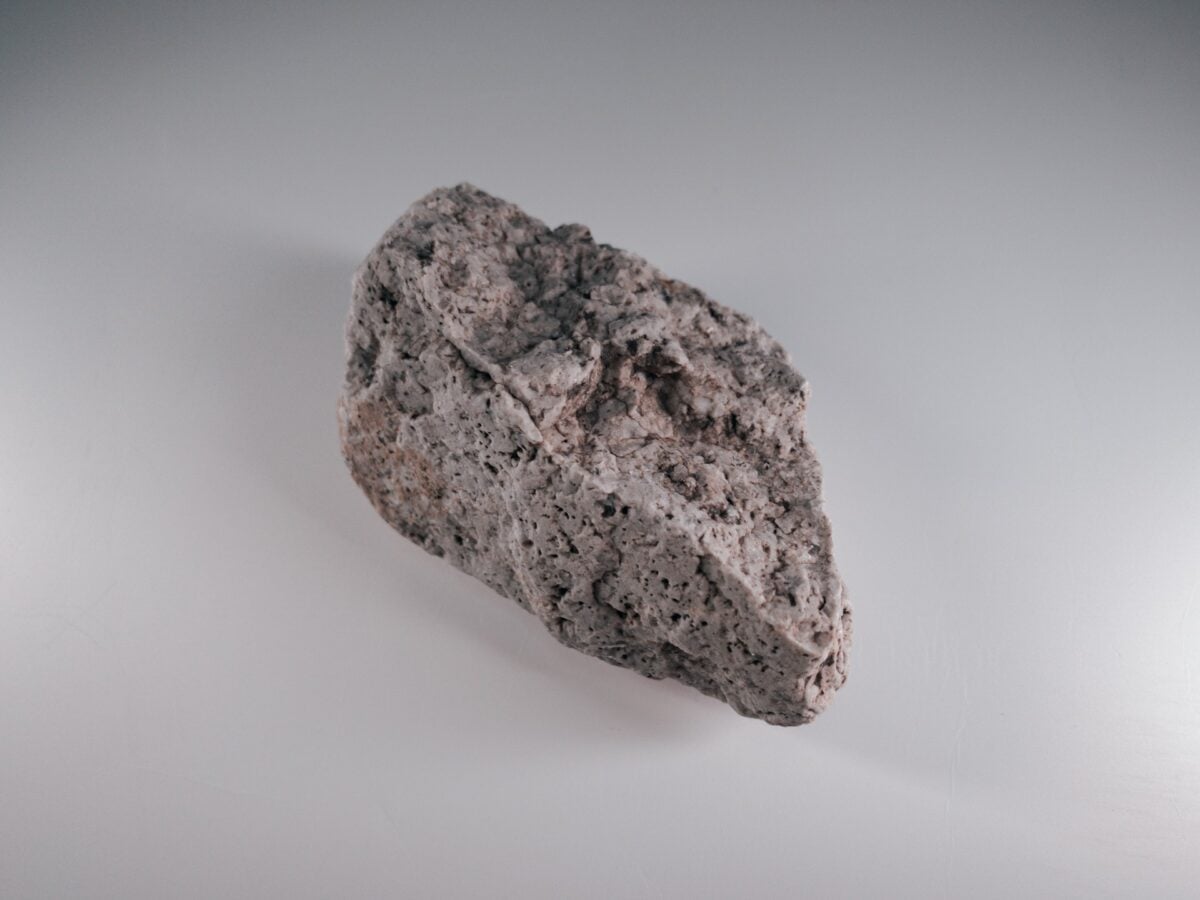
In Victorian England, achieving pale, porcelain skin was the ultimate beauty standard, leading upper-class women to consume arsenic complexion wafers to lighten their skin. This deadly poison promised a flawless, pale complexion but instead caused severe health issues such as organ failure, chronic fatigue, and digestive problems.
The pursuit of beauty has sometimes been a literal killer, and this practice proves it.
Like Go2Tutors’s content? Follow us on MSN.
Ancient Greek Cold Cream
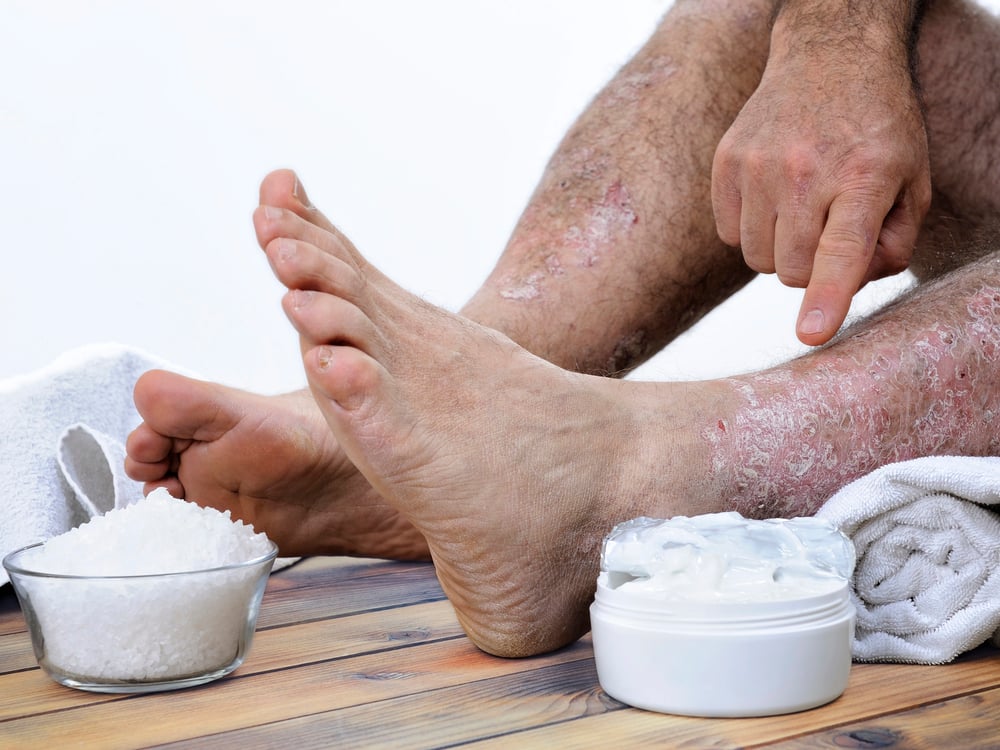
Ancient Greek women were some of the first to use cold cream—a mixture of olive oil, beeswax, and water—to moisturize and protect their skin from the Mediterranean sun. This early form of skincare was relatively harmless and fueled the age-old obsession with anti-aging that persists today.
Unlike many ancient beauty treatments, this one was actually sensible and still influences modern moisturizer formulations.
Medieval Beauty from The Trotula
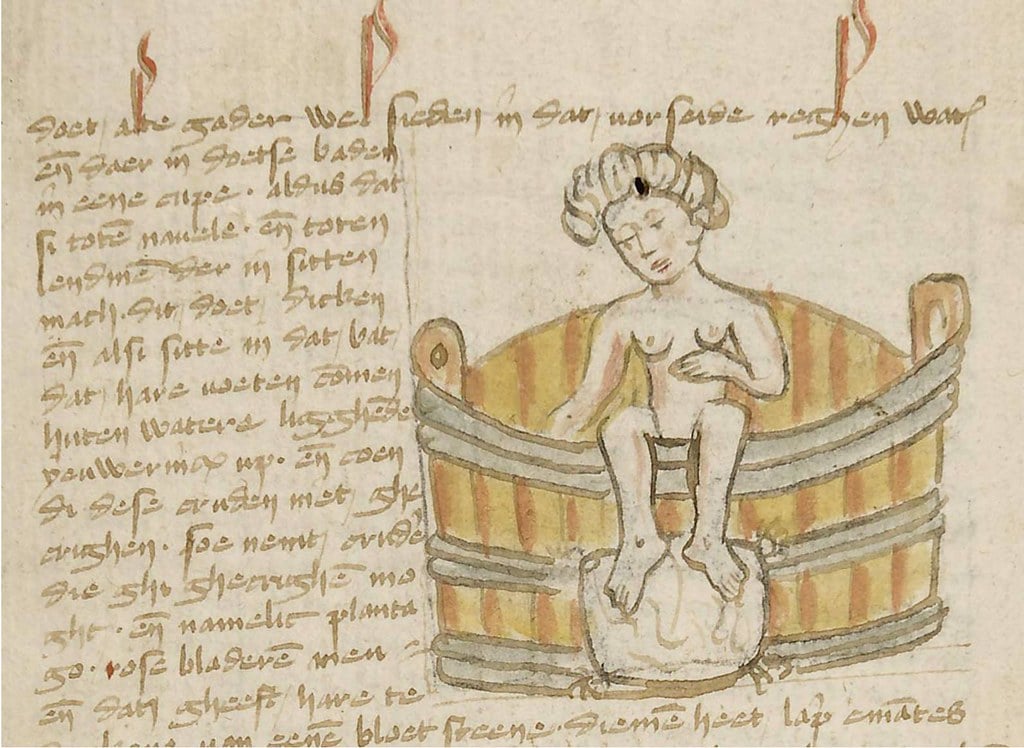
The 12th-century medieval text The Trotula from Italy offered recipes for women to clear their skin, color their hair, and eliminate bad breath. For shiny, golden hair, women combined ashes of burnt vine, barley chaff, licorice wood, and sowbread, boiling the mixture and using it as a cleanser to create shimmering, radiant locks.
Medieval women weren’t as backwards about beauty as we might think—they had detailed instruction manuals.
Roman Rouge and Cosmetics

Romans around 100 AD used rouge made from mulberry juice, wine dregs, rose and poppy petals, red chalk, and even crocodile dung for cheek color. They also used barley flour and butter to soothe skin, while nail color was made using animal fat and blood to create pink and red tints.
The ingredient lists might sound wild by today’s standards, but Romans were serious about their cosmetics game.
Like Go2Tutors’s content? Follow us on MSN.
Japanese White Face Powder (Oshiroi)

During the Nara period in Japan, women applied white powder called oshiroi to their faces, which continued into the Heian period as a symbol of beauty among noble women. The white face powder was first made from rice powder and clay soils, but the more deadly white lead imported from China remained the prevalent choice until the 19th century.
The Japanese saying ‘white skin covers the seven flaws’ explains why women endured lead poisoning for the sake of a pale complexion.
Australian Lemon Myrtle

Aboriginal Australians used native Australian lemon myrtle in beauty and to revive the body and spirit for thousands of years. The flowering plant, which smells fresh and like sweet lemons, was used as an antioxidant, antiviral, and antiseptic, with women using the native spice for traditional medicine to treat skin conditions and sores.
This botanical wonder was doing triple duty long before we had fancy serums.
From Ancient Wisdom to Modern Vanities
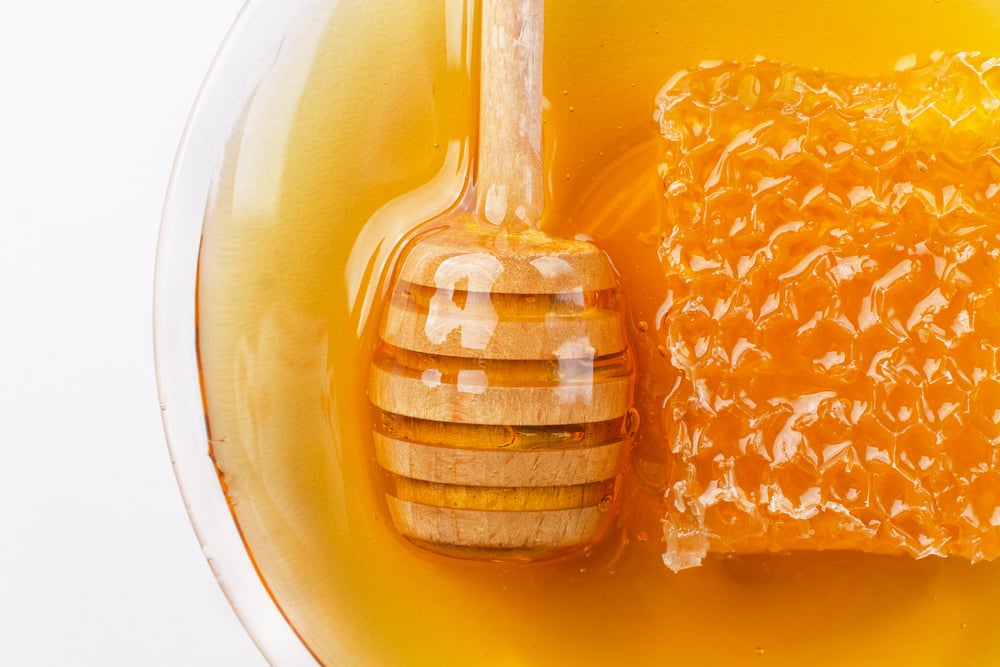
These beauty rituals reveal something deeper than vanity—they show how humans have always sought connection between inner wellness and outer appearance. Some practices like olive oil and honey have proven their worth across millennia and now fill store shelves in sleeker packaging.
Others, like arsenic wafers and lead-based powders, serve as cautionary tales about the dangerous lengths people will go for beauty. What remains consistent is our endless creativity in using whatever nature provides, whether that’s volcanic mud, pearl powder, or tree bark ground into sunscreen.
The modern beauty industry owes more to these ancient experimenters than it might want to admit.
Like Go2Tutors’s content? Follow us on MSN.
More from Go2Tutors!

- 16 Historical Figures Who Were Nothing Like You Think
- 12 Things Sold in the 80s That Are Now Illegal
- 15 VHS Tapes That Could Be Worth Thousands
- 17 Historical “What Ifs” That Would Have Changed Everything
- 18 TV Shows That Vanished Without a Finale
Like Go2Tutors’s content? Follow us on MSN.