Old Technologies Making A Comeback
Technology moves fast. Every year, something new hits the market and promises to change everything.
But lately, something interesting has been happening. People are dusting off old gadgets, formats, and tools that were supposed to be dead and gone.
Let’s look at the tech from yesterday that’s found its way back into today’s world.
Vinyl Records
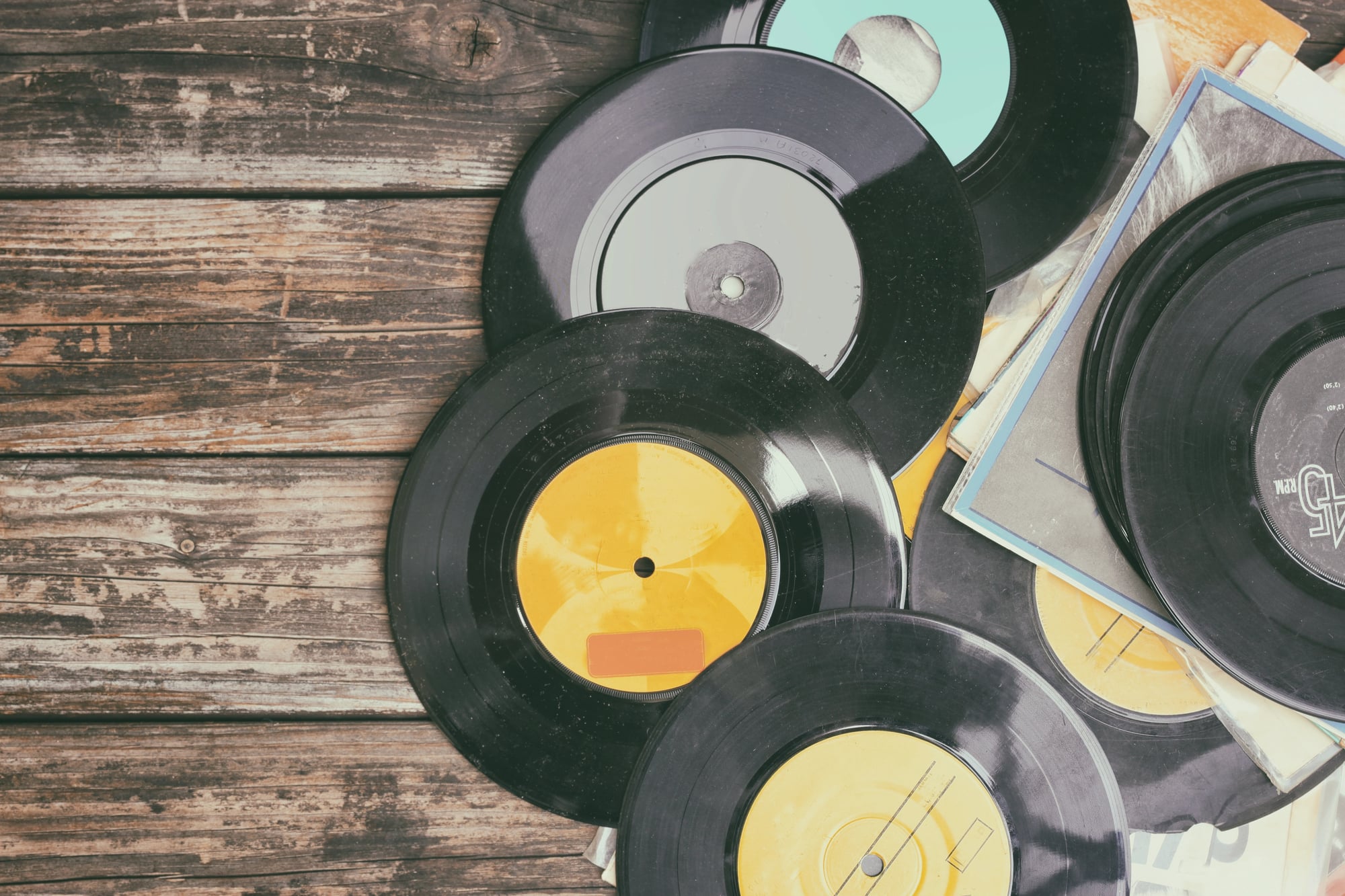
Music lovers thought vinyl was finished when CDs arrived in the 1980s. Then streaming made even CDs look ancient.
But record sales have been climbing for over a decade now. People say the sound feels warmer and richer than digital files.
There’s also something satisfying about holding an album cover, dropping the needle, and hearing that first crackle before the music starts. It’s an experience, not just background noise.
Film Cameras
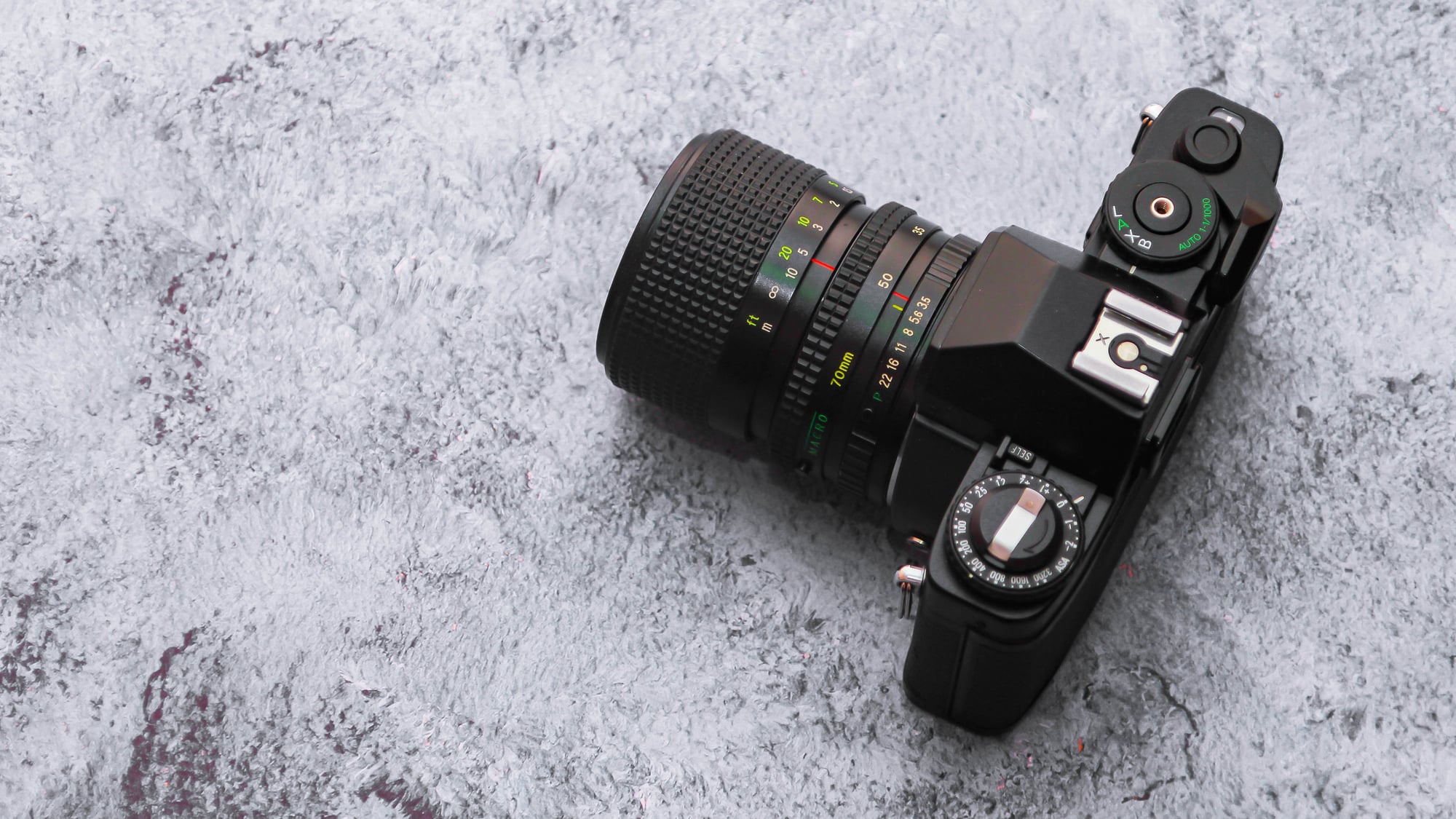
Digital cameras were supposed to replace film completely. For a while, it seemed like they did.
But walk into any thrift store and you’ll see young people hunting for old Canon AE-1s and Pentax K1000s. Film photography has become popular again because it forces you to slow down and think about each shot.
You only get 24 or 36 exposures per roll, so every click matters. The grain, the color shifts, the occasional light leak add character that phone cameras can’t quite copy.
Flip Phones
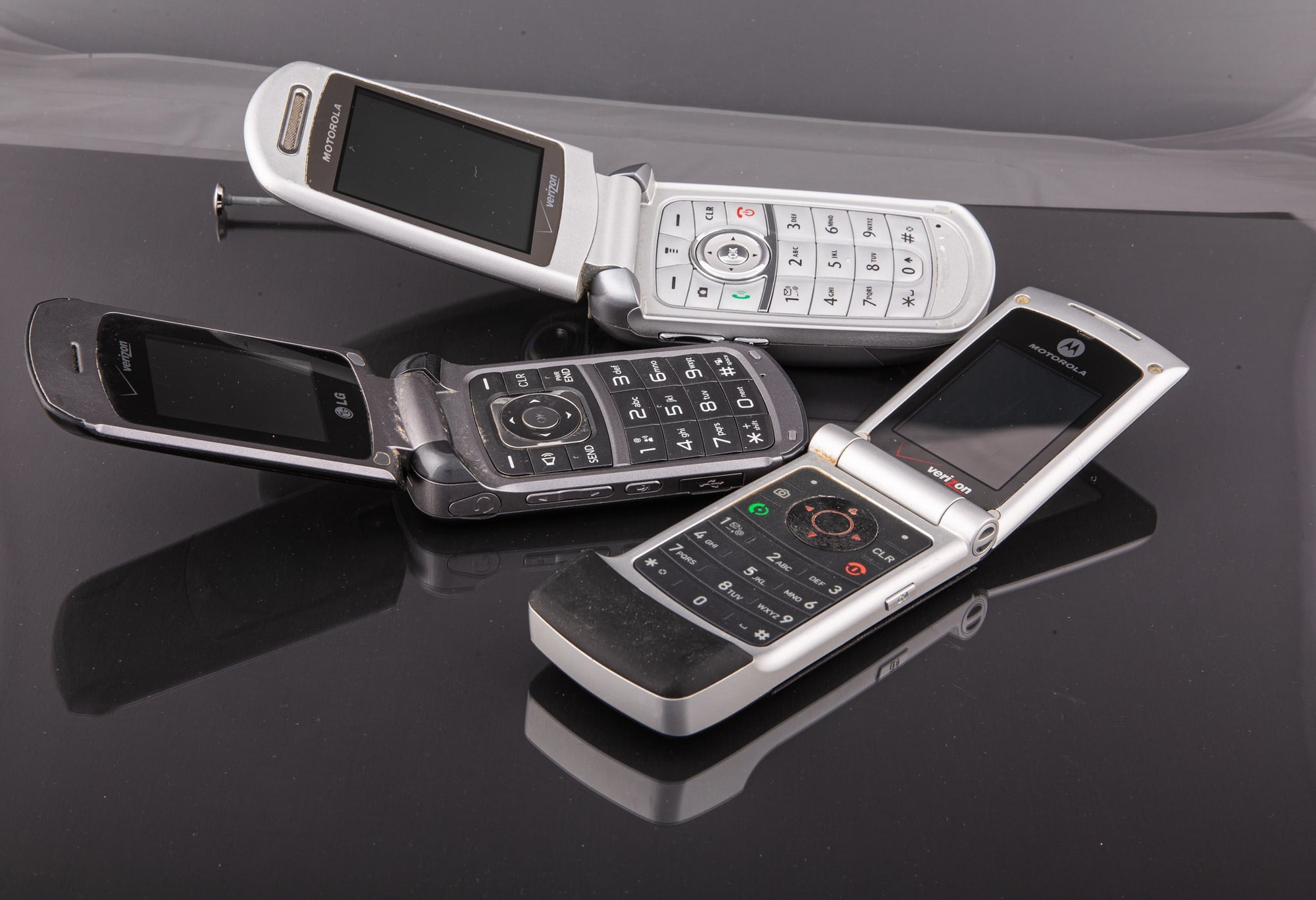
Smartphones do everything, which is exactly why some people want to escape them. Flip phones are back, and not just the new foldable models that cost a fortune.
Simple clamshell phones from the 2000s are being used by people who want to make calls and send texts without getting sucked into social media. There’s a freedom in having a phone that just acts like a phone.
It fits in your pocket, the battery lasts for days, and closing it to end a call still feels great.
Typewriters
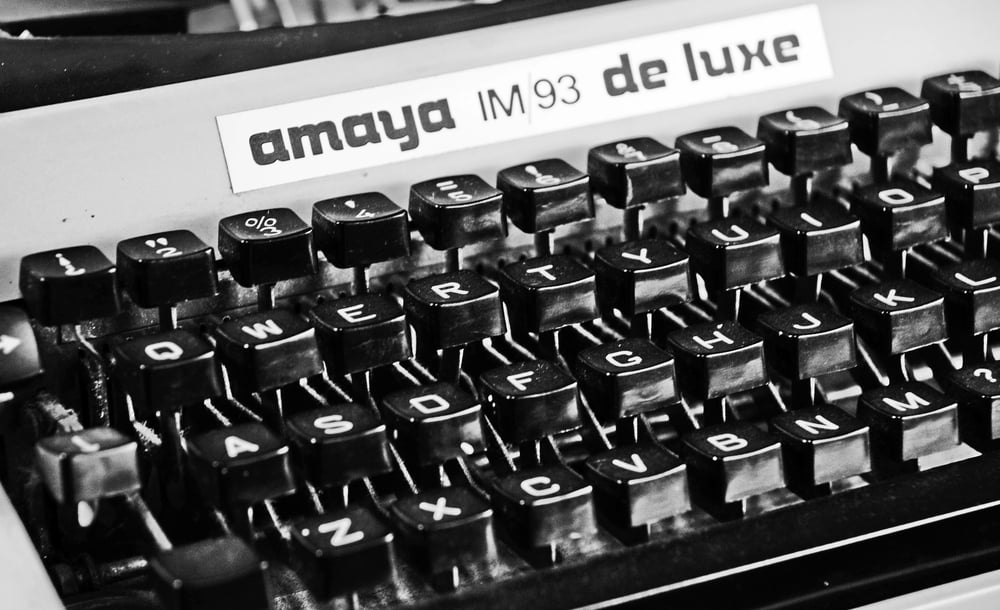
Writers are pulling typewriters out of closets and off of eBay. These machines don’t have autocorrect, delete keys, or internet distractions.
When you hit a key, it stamps ink onto paper, and that’s it. You can’t endlessly edit or second-guess yourself.
Some people find this limitation helpful because it keeps them focused and makes their first draft feel more intentional. Plus, the sound of the keys clacking is oddly satisfying.
Polaroid Cameras
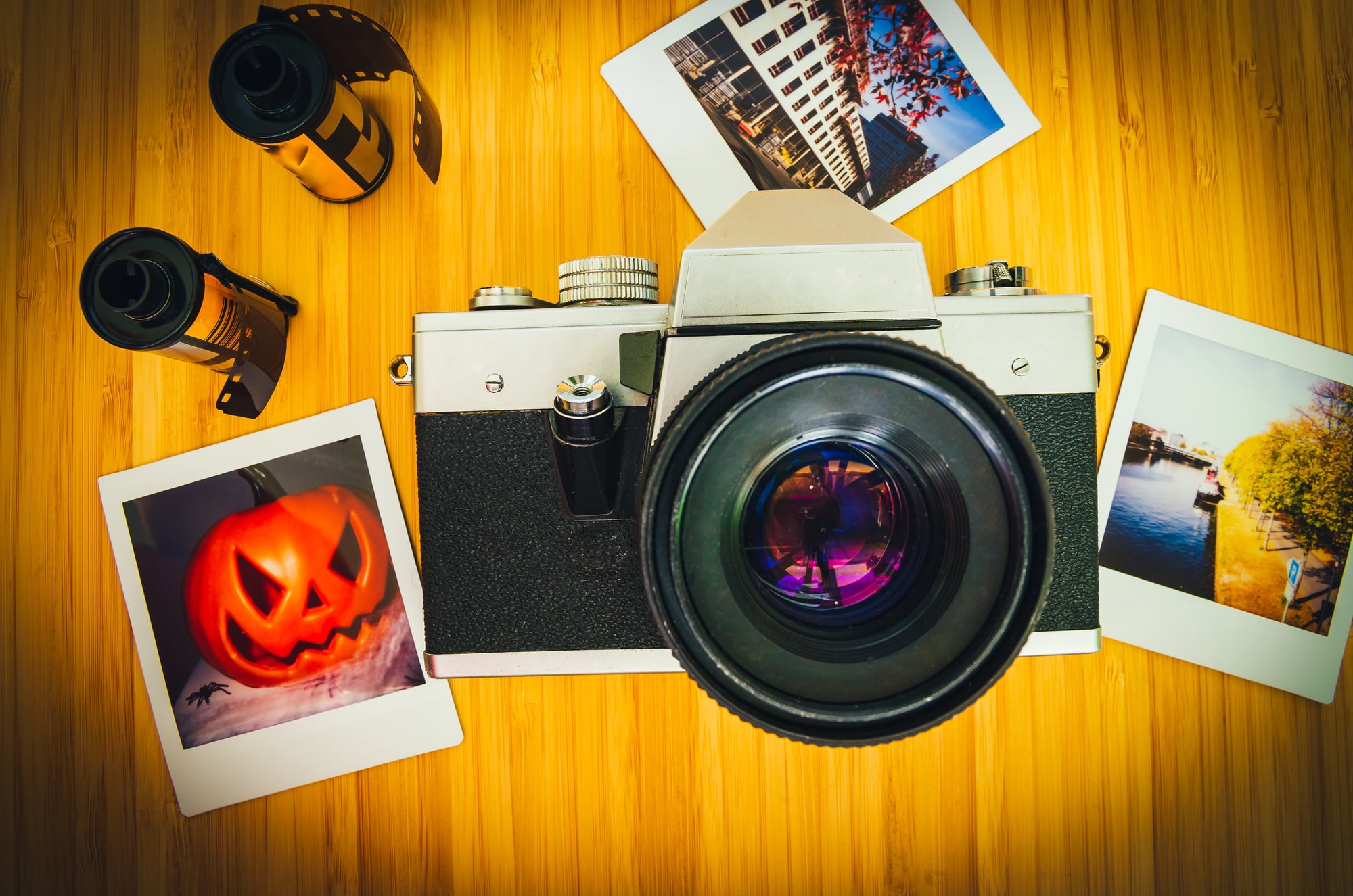
Instant cameras disappeared when digital photography took over. Fujifilm kept the idea alive with Instax, but Polaroid itself came back from the dead.
Now people use these cameras at parties, weddings, and trips because the photos print out right away. You shake the picture, watch it develop, and suddenly you have a physical memory to stick on the wall or give to a friend.
It’s tangible in a way that phone pictures stored in the cloud just aren’t.
Landline Phones
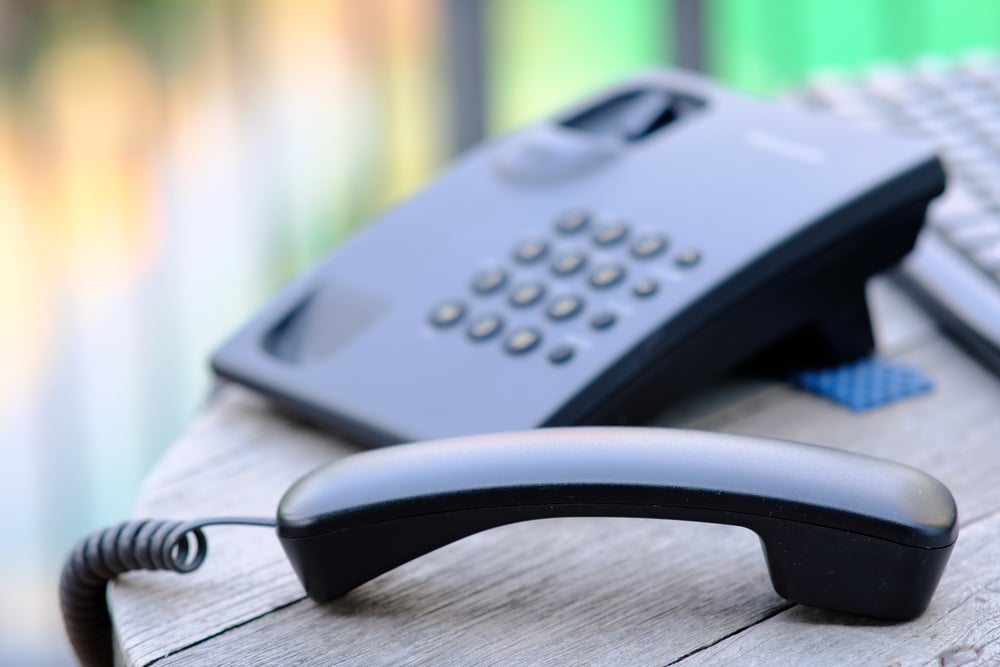
Most people ditched their landlines years ago. But some folks are bringing them back, especially in areas where cell service is spotty.
A corded phone doesn’t need charging, doesn’t drop calls, and works even when the power goes out if it’s plugged into the wall jack. For families with kids, a landline gives everyone a shared number and keeps screen time under control.
Emergency services can also locate landline calls more accurately than cell calls.
Cassette Tapes
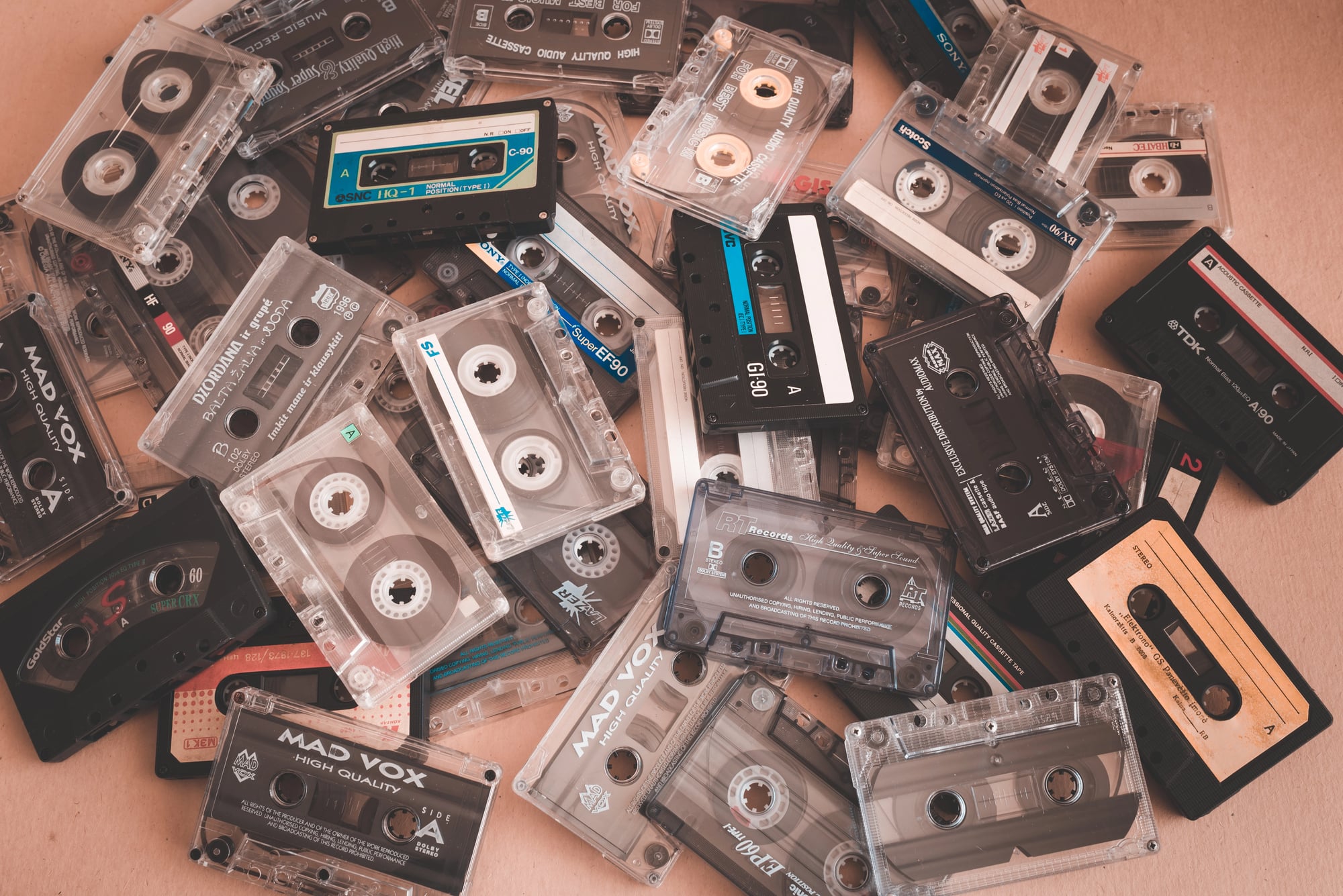
Cassettes were clunky, they tangled, and the sound quality was never amazing. But musicians are releasing albums on tape again, and people are buying them.
Part of the appeal is nostalgia, but there’s more to it. Making a mixtape for someone takes effort and thought.
You have to curate the songs, record them in real time, and design the cover. It’s personal.
Streaming playlists are convenient, but they don’t have the same weight.
CRT Televisions
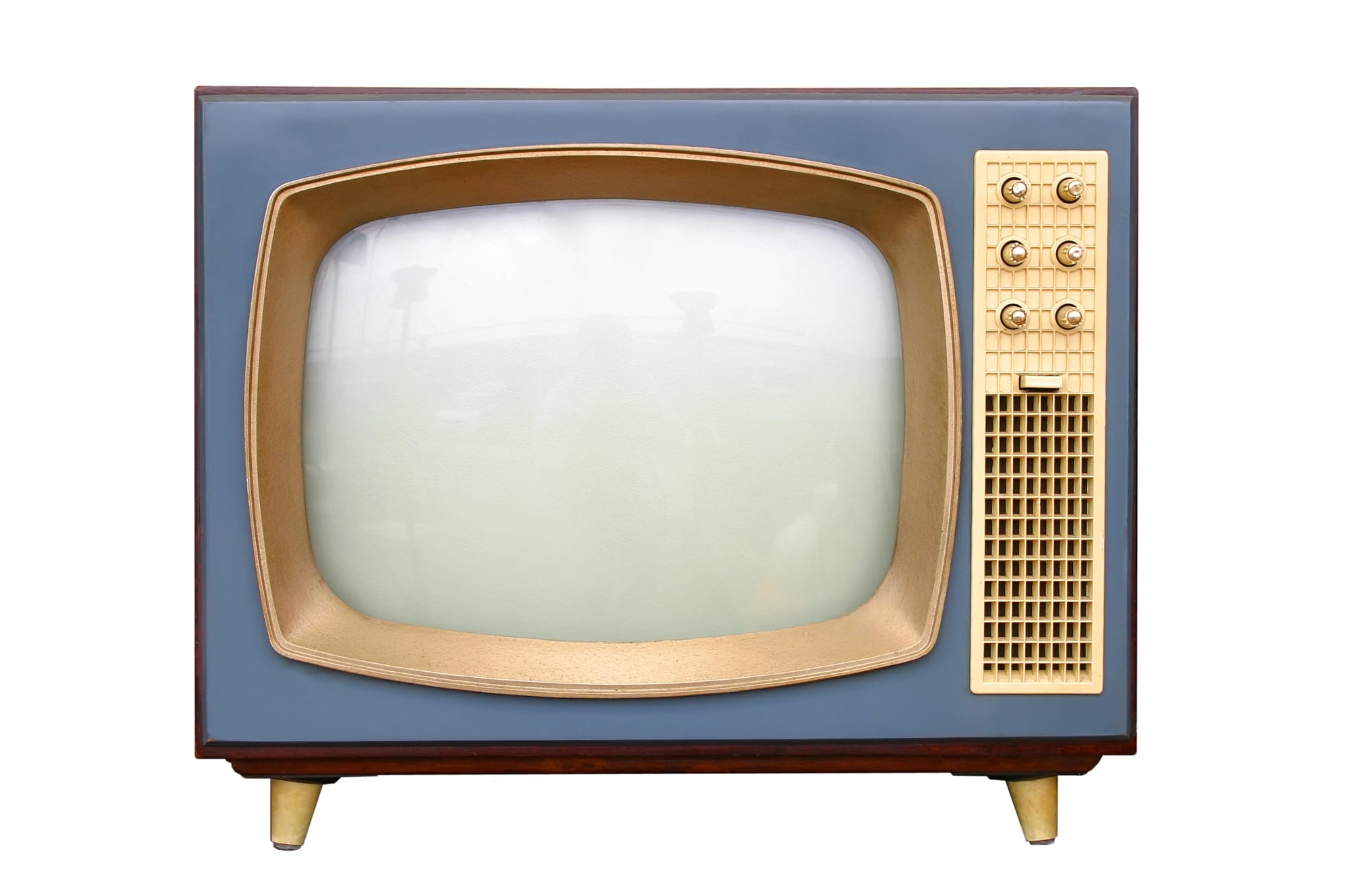
Flat screens won the TV wars, and old tube televisions ended up in landfills or basements. Now retro gamers are hunting for them.
Classic video games were designed for CRT displays, and they look wrong on modern screens. The colors are off, the input lag throws off timing, and the pixels don’t scale right.
A chunky old Sony Trinitron from the 1990s displays those games exactly as they were meant to be seen. Collectors will pay good money for the right model.
Mechanical Keyboards
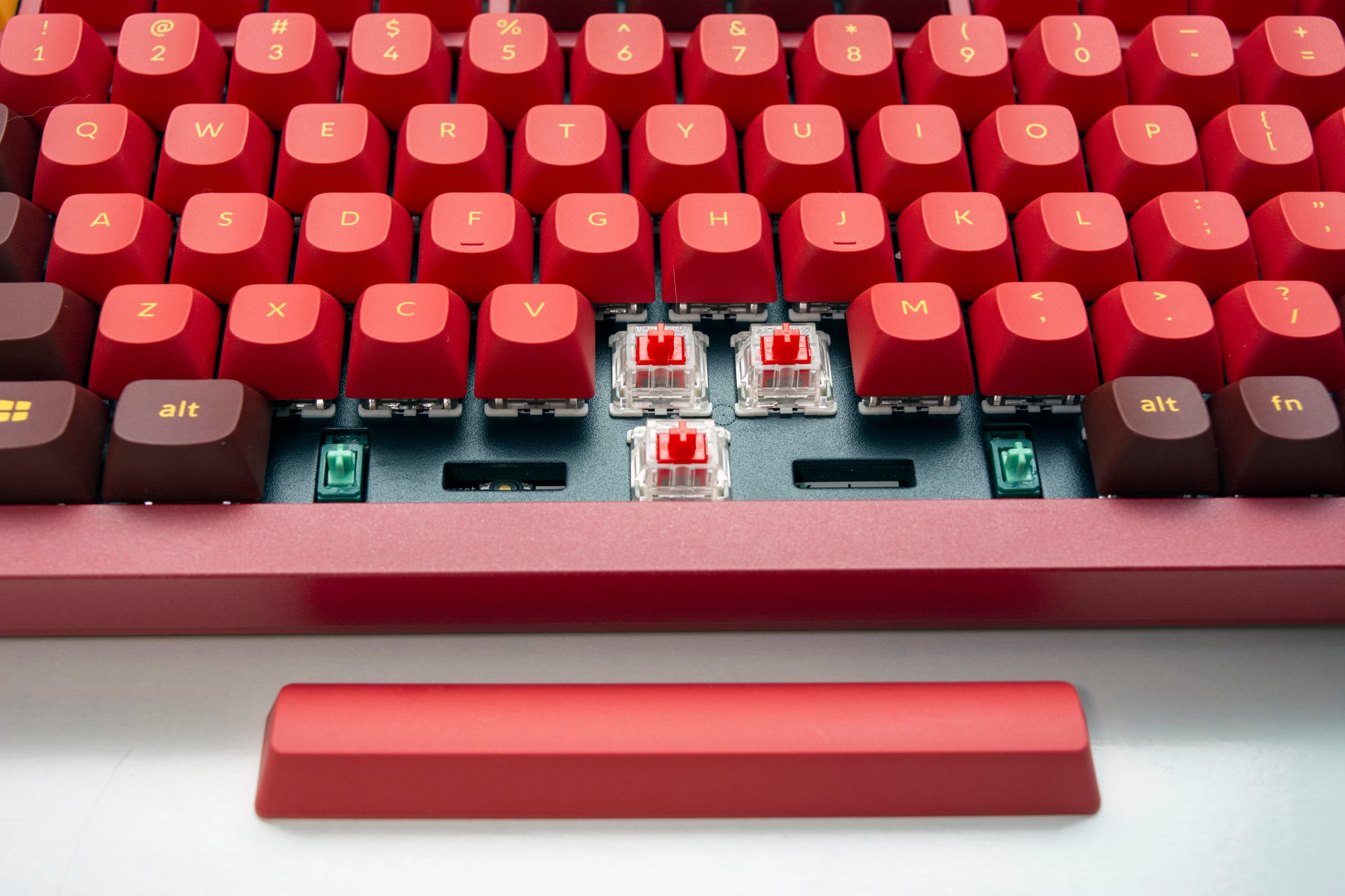
Keyboards got thinner and quieter over the years. Laptop-style chiclet keys became the norm.
But typists and gamers started going back to mechanical keyboards, the kind with individual switches under each key. They’re louder, bulkier, and more expensive than membrane keyboards.
But they feel better to type on, they last longer, and you can customize them with different switches and keycaps. The click and tactile feedback make typing feel like an activity instead of a chore.
Fax Machines
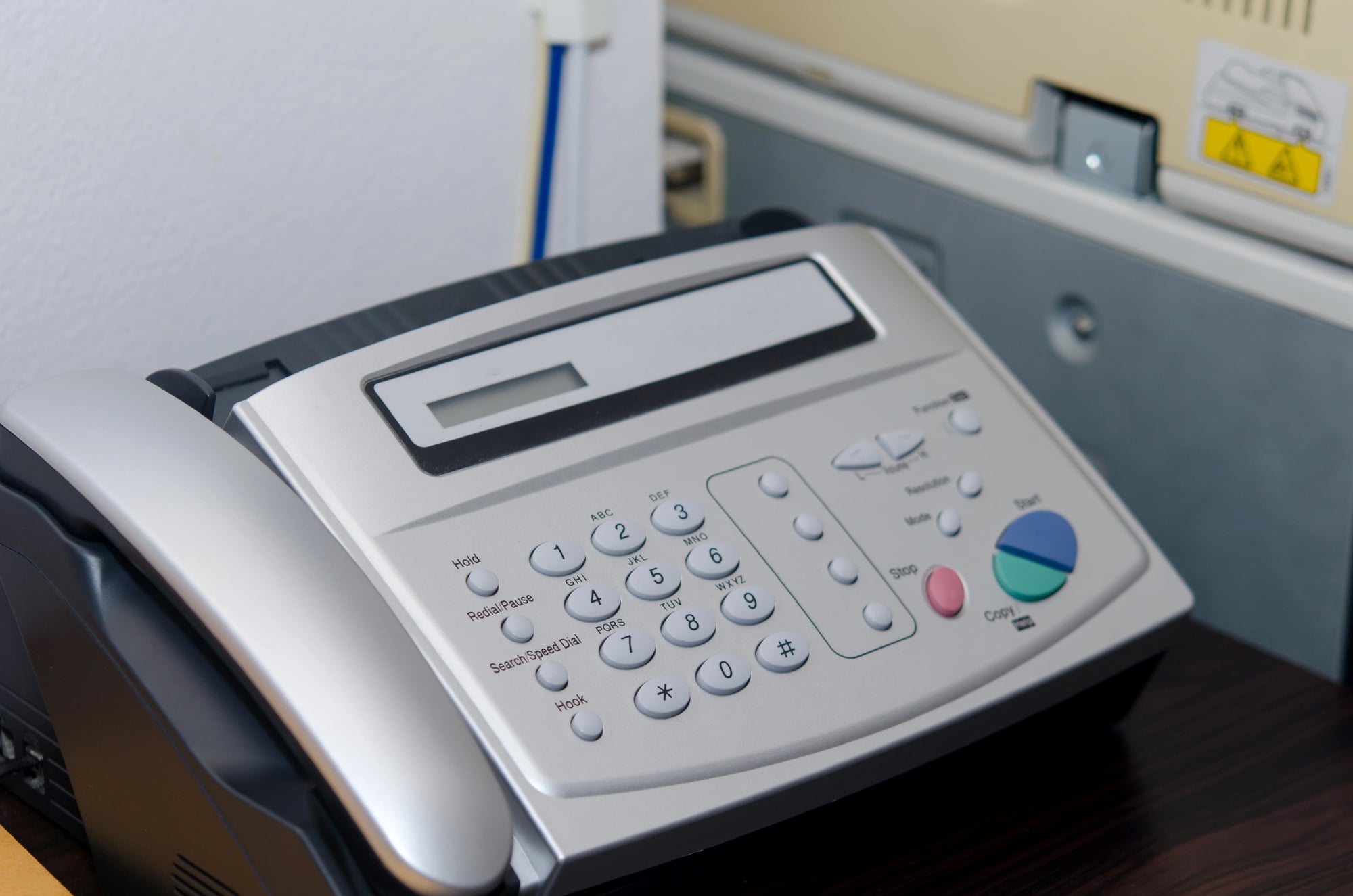
Email and file sharing should have killed the fax machine. In most places, they did.
But certain industries, like healthcare and law, still rely on them. Faxes are considered more secure than email in some regulations, even though that’s debatable.
Some offices never stopped using them, and others have brought them back because dealing with digital signatures and file formats became a headache. It’s old, it’s clunky, but it still works.
Wristwatches
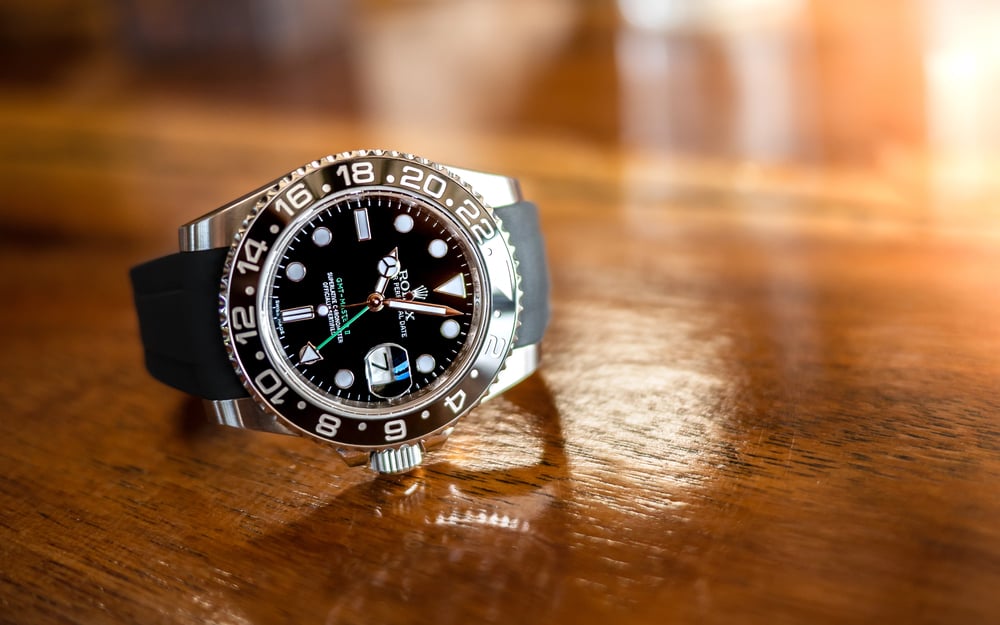
Smartphones replaced watches for a lot of people. Why wear something on your wrist when your phone tells the time?
But mechanical watches, the ones with gears and springs instead of batteries, have seen a surge in popularity. They’re crafted objects that can last for generations if you take care of them.
Wearing one is a statement that you value craftsmanship and tradition. Smartwatches are popular too, but they’re disposable.
A good mechanical watch is forever.
Paper Maps

GPS is built into every phone and car now. Paper maps seemed pointless.
But hikers, road trippers, and preppers are buying them again. A paper map doesn’t need a signal, a battery, or a satellite connection.
It won’t recalculate your route or lead you down a closed road because the data is six months old. You can spread it out on a table, mark it up with a pen, and see the whole area at once.
It’s reliable in ways that apps aren’t.
Fountain Pens
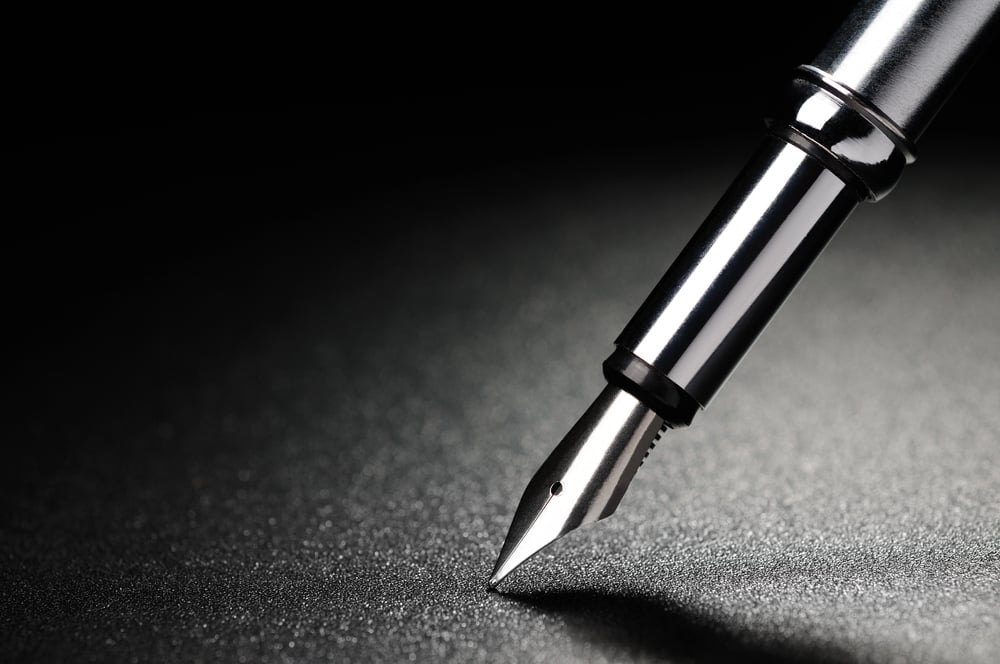
Ballpoint pens are cheap and convenient. Fountain pens are fussy and expensive.
But people are using them again because writing with one feels different. The ink flows smoothly, the nib glides across the page, and your handwriting looks better.
It’s a slower, more deliberate way to write. Some people journal with them, others use them for letters or signing documents.
It turns writing into something you pay attention to instead of something you rush through.
Tube Amplifiers
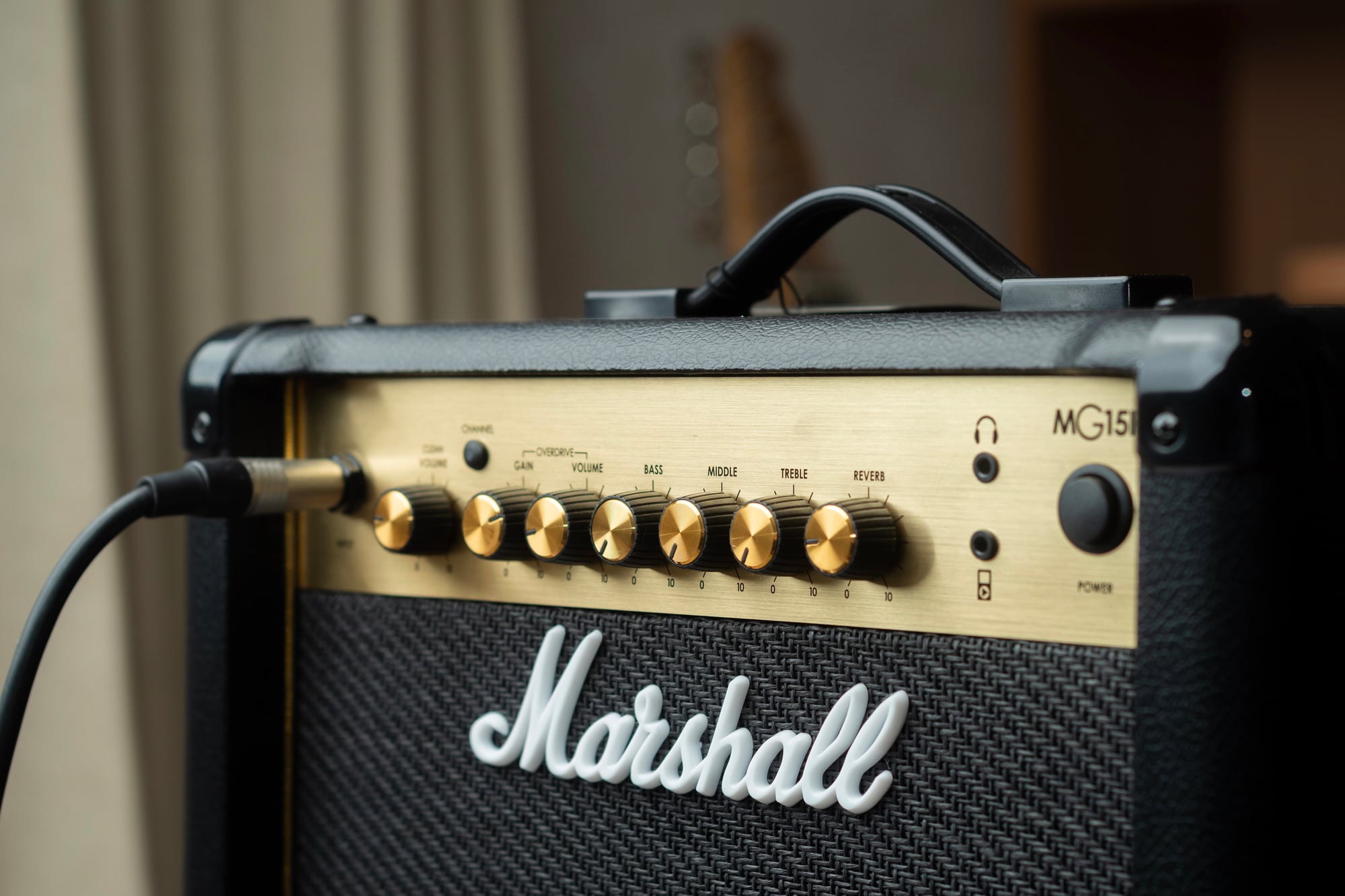
Solid-state amplifiers are efficient, reliable, and affordable. Tube amplifiers are none of those things.
They use vacuum tubes, they get hot, and they need maintenance. But guitarists and audiophiles swear by them.
The sound they produce is described as warm, rich, and full of character. Digital amps can simulate that tone, but players say it’s not quite the same.
There’s something about the way tubes distort and compress sound that feels alive.
Board Games
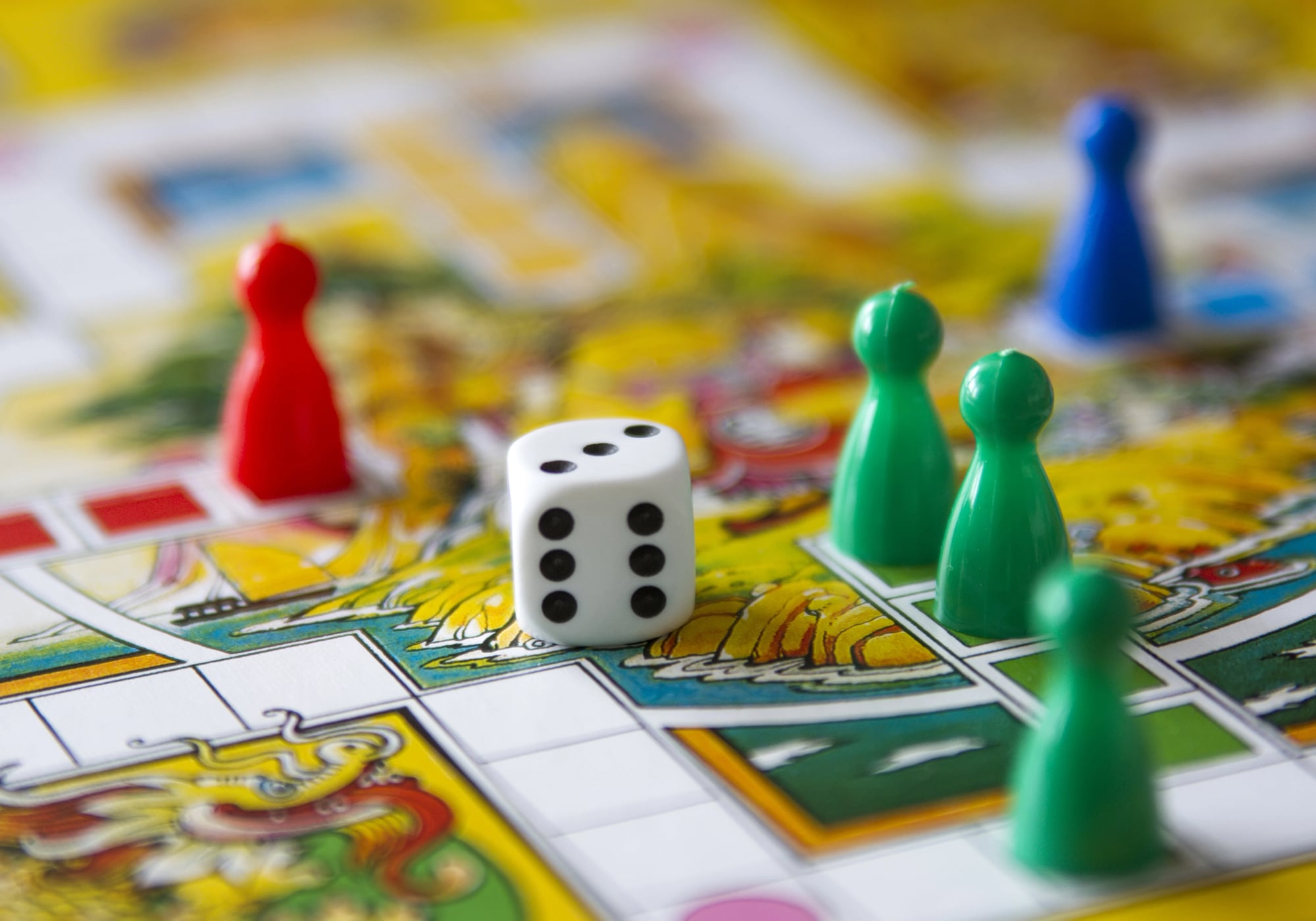
Video games were supposed to make board games obsolete. For a while, it seemed like they might.
But board game sales have been growing for years. People gather around a table, set up the pieces, and play together in the same room.
There’s no screen, no internet lag, no patches or updates. Games like Catan, Ticket to Ride, and Pandemic brought strategy and creativity back to tabletops.
It’s a social experience that video games can replicate online but not replace in person.
Dumb TVs
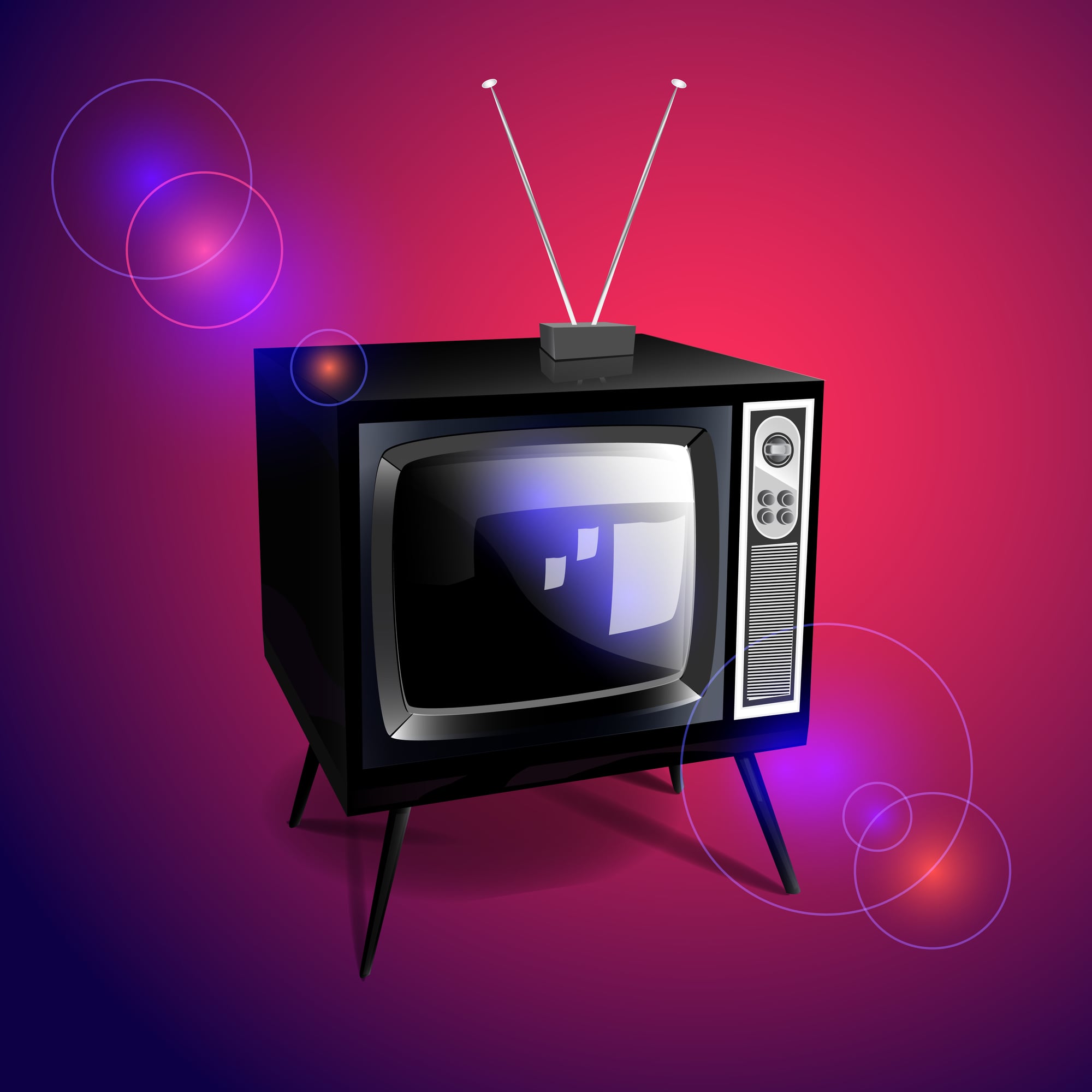
These days, nearly every television is smart-enabled. Loaded with streaming apps, web access, and voice helpers right out of the box.
Still, there are folks who’d rather have a set that only shows whatever signal comes through the cable or antenna. Without constant updates gumming up the works, simpler models avoid slowdowns.
Privacy leans cleaner too – no tracking, no targeted banners popping up before you even pick a channel. Finding them takes more effort, yet some choose vintage versions or business-grade screens to skip the connected functions.
Now and then, basic wins. Though rare, these picks show a quiet trend.
Film Projectors
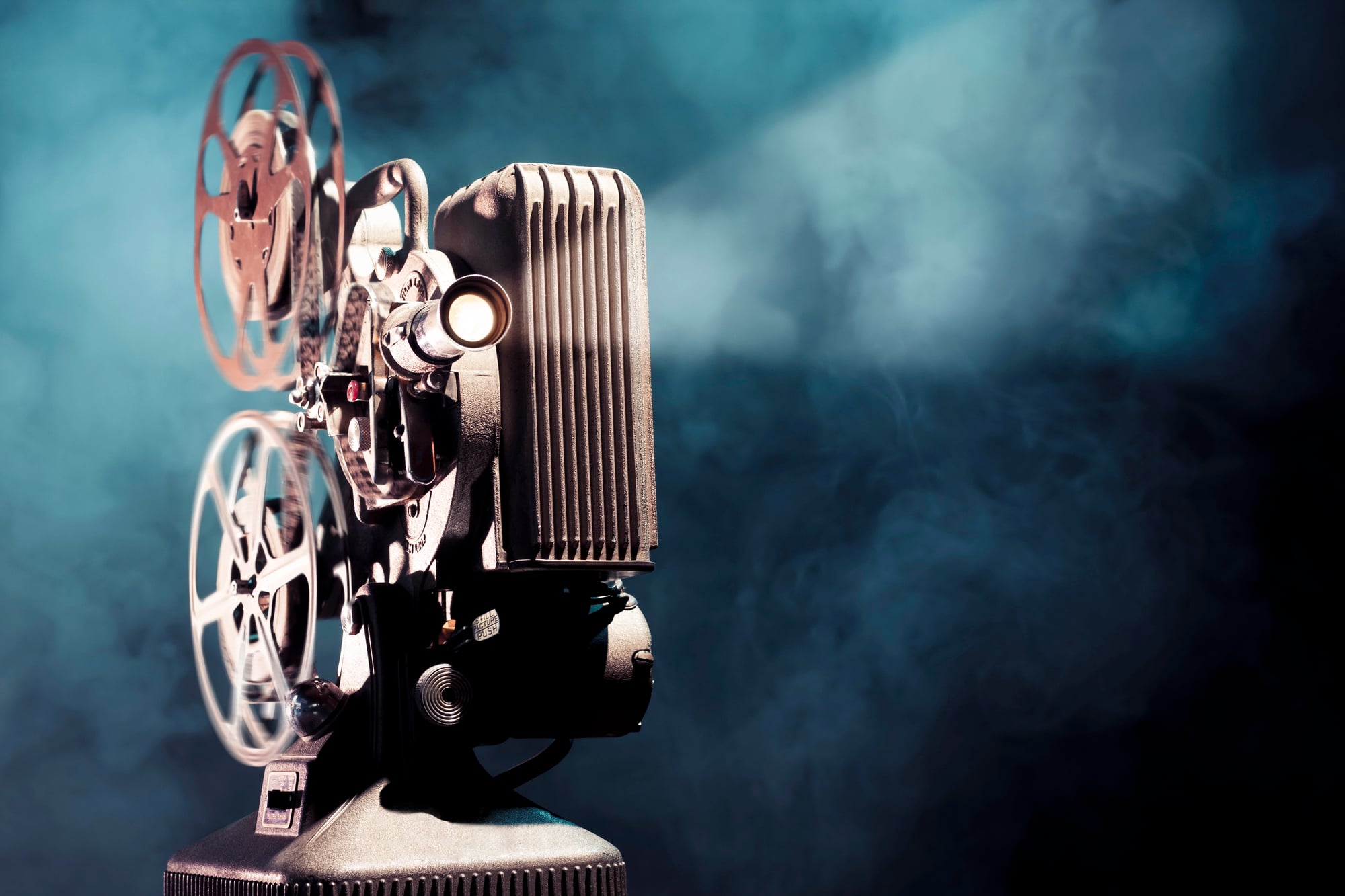
Now showing: old-school reels aren’t gone. Once pushed aside when home projectors turned digital – soon after, cinemas did too – they’re creeping back.
A few indie spots plus die-hard fans keep the flicker alive. There’s something about light passing through physical frames.
It gives images a warmth screens often miss. A shimmer here, a soft blur there – light moves differently across old-fashioned reels.
Not everyone switched to digital; names like Nolan and Tarantino stick with film, saying it changes things. A few viewers feel that difference too.
Round It Goes Again
Old things sometimes come back around. Not everyone tosses aside today’s gadgets entirely – some mix in bits of the past instead.
A vintage tool might handle the task more smoothly, sit better in hand, or spark a quiet kind of joy. Progress rarely follows one steady path forward.
A straight line always doesn’t move the future.
More from Go2Tutors!

- The Romanov Crown Jewels and Their Tragic Fate
- 13 Historical Mysteries That Science Still Can’t Solve
- Famous Hoaxes That Fooled the World for Years
- 15 Child Stars with Tragic Adult Lives
- 16 Famous Jewelry Pieces in History
Like Go2Tutors’s content? Follow us on MSN.