Oldest Recorded Photos Ever Taken
You take hundreds of photos on your phone without thinking twice. Snap, filter, post, forget. But there was a time when capturing a single image required hours of preparation, dangerous chemicals, and absolute stillness.
The oldest photographs that survive today represent not just technical achievements but moments when humanity first figured out how to freeze time. These early images look nothing like modern photos.
They’re blurry, faded, and sometimes barely recognizable. But each one marked a breakthrough that brought us closer to the instant photography you carry in your pocket.
The View That Started Everything
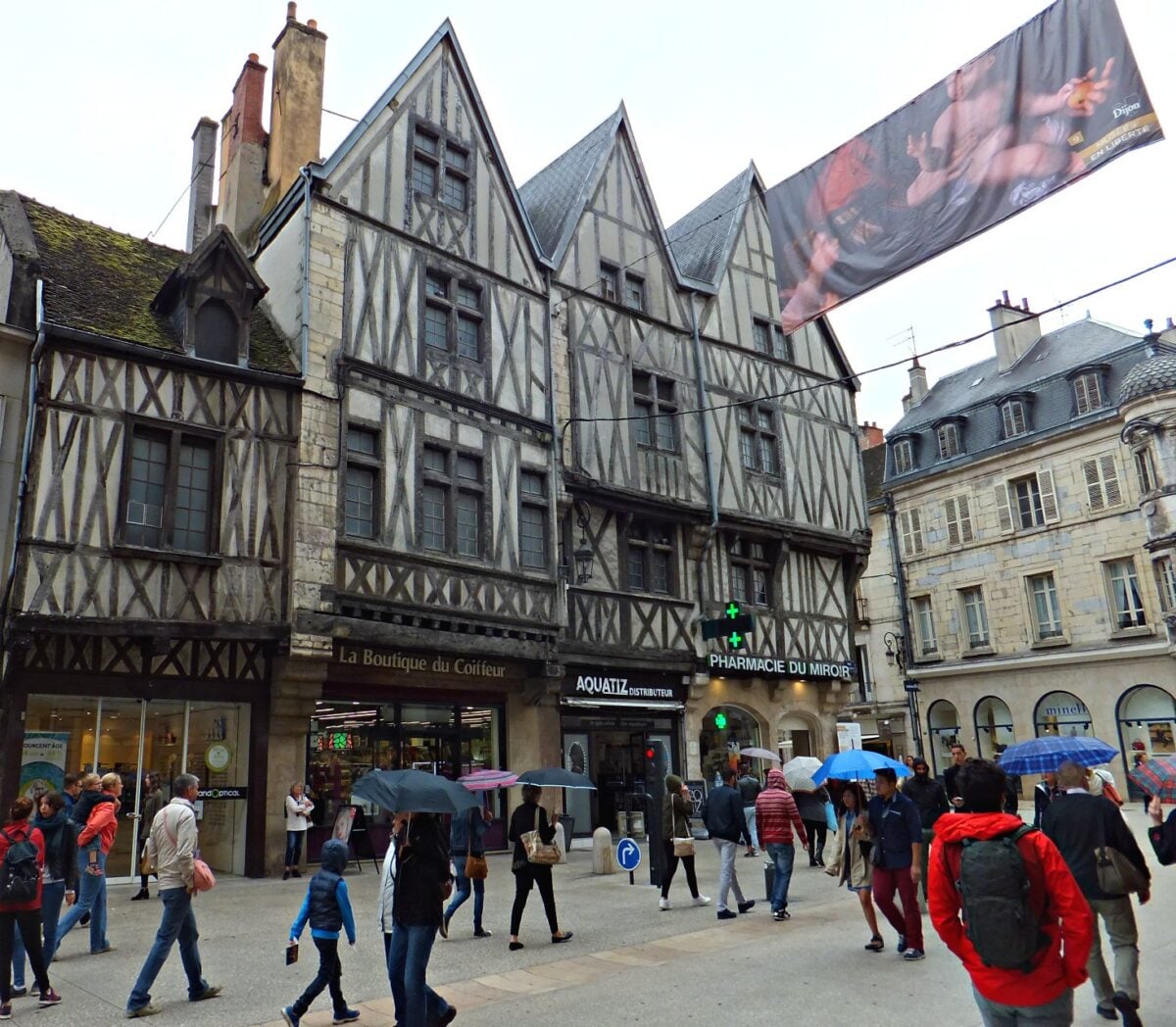
Joseph Nicéphore Niépce pointed his camera out of an upstairs window at his estate in Burgundy, France, sometime in 1826 or 1827. What he captured became the oldest surviving photograph in existence.
The image shows buildings and rooftops, though you have to squint to make them out. Niépce used a process he invented called heliography.
He coated a pewter plate with bitumen of Judea, a naturally occurring tar that hardened when exposed to light. The plate sat in his camera for at least eight hours, possibly as long as two days.
The sunlight moved across the sky during that time, which explains why both sides of the courtyard appear lit. The result looks grainy and indistinct.
But this blurry view from a window changed everything. Niépce proved that images formed in a camera could be captured permanently on a physical surface.
He called his creation “View from the Window at Le Gras.” The photograph now sits at the Harry Ransom Center at the University of Texas in Austin.
Historians tracked it down in 1952 after it had been lost for nearly fifty years. Life magazine later named it one of the 100 photographs that changed the world.
Daguerre’s Plaster Cast Collection
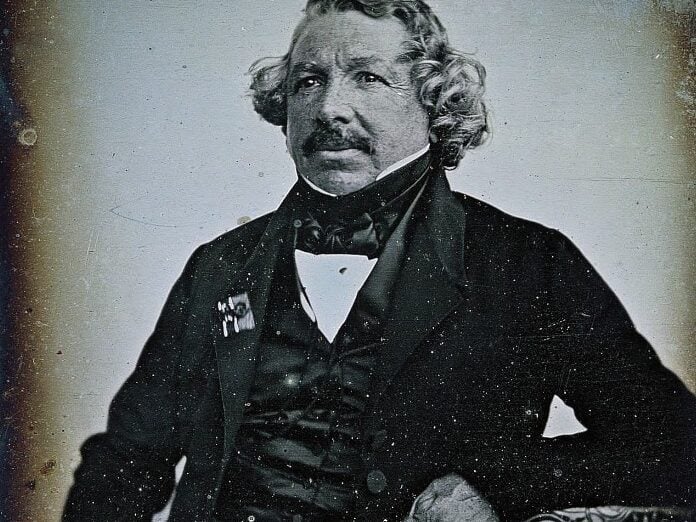
Louis Daguerre teamed up with Niépce in the 1830s to improve the heliographic process. After Niépce died in 1833, Daguerre continued working with his son.
Together they developed a new technique using silver iodide plates and mercury fumes. In 1837, Daguerre photographed several plaster casts in his workshop.
This still life represents one of the earliest daguerreotypes ever made. The image shows much more detail than Niépce’s window view.
You can actually see the texture and depth of the objects. Daguerre kept his technique secret for two years. In 1839, the French government awarded him a lifetime pension in exchange for revealing his methods.
The daguerreotype process became the first publicly available photography system and remained popular for nearly two decades.
The First Human Face Accidentally Captured
Boulevard du Temple in Paris bustled with activity on the morning of 1838 when Daguerre set up his camera. He aimed it at the street below his workshop window and opened the shutter for about ten minutes.
The exposure time was too long to capture the moving carriages, horses, and pedestrians. But at the bottom left corner of the frame, two figures appear.
A man stood still while someone polished his boots. The boot polisher stayed in one spot long enough too.
Their images burned into the silver plate while everyone else vanished like ghosts. This photograph accidentally became the first to show living people.
The man getting his shoes shined had no idea he was making history. He probably just wanted clean boots before continuing his day.
Instead, he became immortalized as the first human being ever photographed. The street that day was actually crowded with people.
But the camera couldn’t see them. They moved too fast.
Only stillness could be captured in those early days of photography.
Cornelius Takes His Own Portrait
Robert Cornelius worked in his family’s lamp shop in Philadelphia, specializing in silver-plating. When a client hired him to produce a silver plate for a daguerreotype in 1839, Cornelius got curious about the new process.
He decided to try it himself. In October 1839, Cornelius set up his camera in the yard behind his family’s store.
He removed the lens cap, ran into frame, and stood perfectly still for over a minute. Then he ran back and covered the lens.
The result was the first photographic self-portrait in history. This might be the world’s first selfie.
Cornelius had to hold his pose for much longer than you hold your phone, but the principle was the same. He wanted a picture of himself and figured out how to make it happen.
The image captures him with tousled hair and an intense stare, looking directly at the camera he had just operated.
The Moon Makes Its Photographic Debut
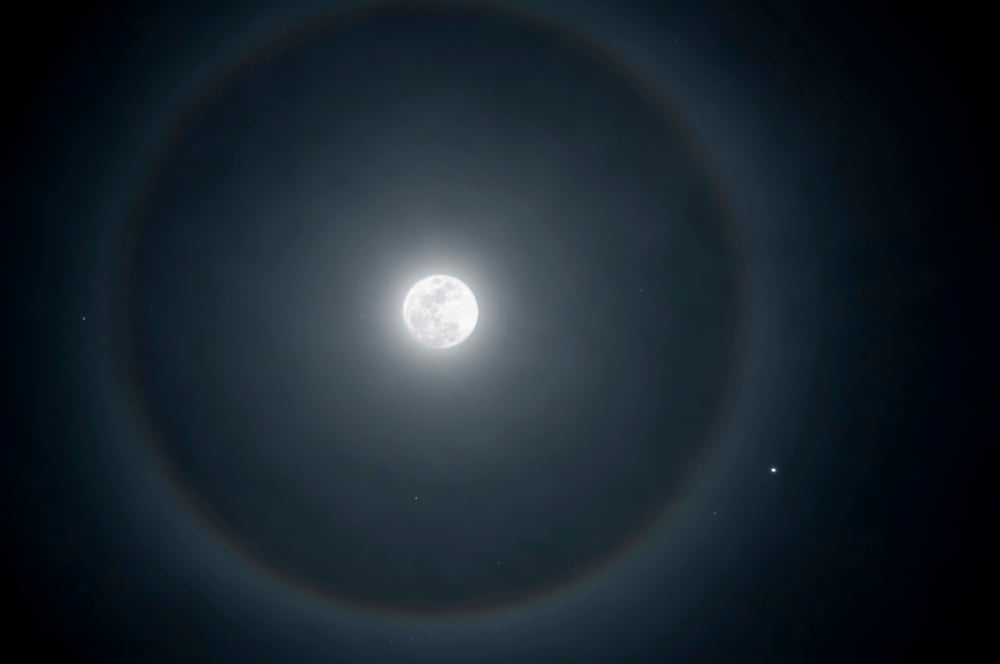
John William Draper set up his camera on a rooftop observatory in New York City’s Greenwich Village in 1840. He pointed it at the moon and managed to capture the first photograph of Earth’s satellite.
The daguerreotype showed enough detail to make out the moon’s craters and surface features. This photograph opened up astronomical photography.
Scientists suddenly had a way to record what they saw through telescopes. They could study celestial objects in ways that weren’t possible when they had to rely on sketches and written descriptions.
Five years later, in 1845, French physicists Louis Fizeau and Leon Foucault photographed the Sun. Their image captured sunspots and measured only 4.7 inches across, but it showed remarkable detail considering the technology available.
These early attempts at space photography laid the groundwork for everything from modern telescopes to planetary missions.
John Quincy Adams Sits for History
Photography arrived just a bit too late to capture the first presidents. George Washington, John Adams, Thomas Jefferson, and their successors through James Monroe all died before cameras could record their faces.
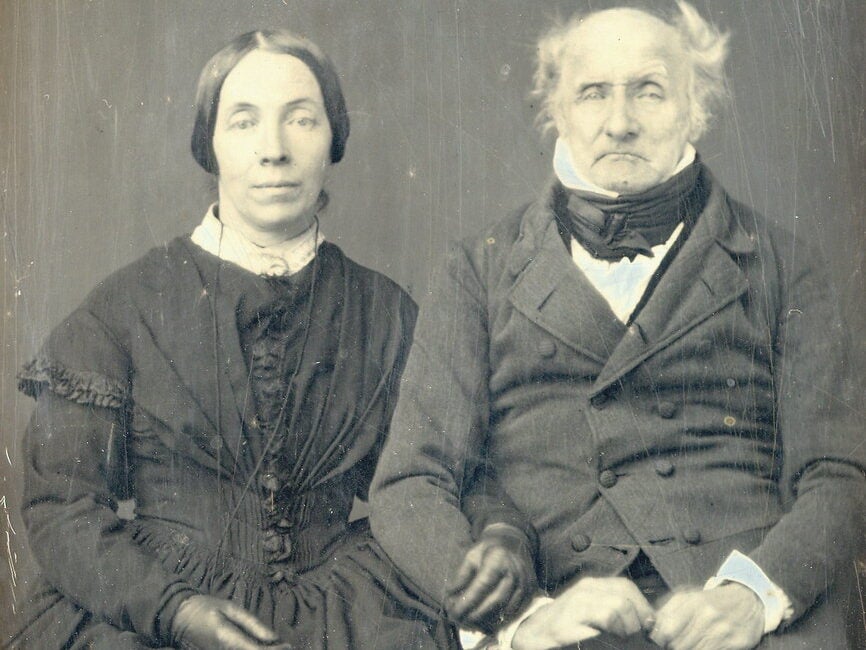
But John Quincy Adams, who served from 1825 to 1829, lived long enough to pose for a daguerreotype. Philip Haas photographed Adams at his studio in Washington D.C. in March 1843, years after Adams left the presidency.
The former president apparently gave the photograph to a congressman friend. The image stayed in that family for generations before resurfacing publicly.
This photograph represents the oldest surviving image of a U.S. president. The half-plate daguerreotype measures about 5 by 4 inches.
When it came up for auction in 2017, it was expected to fetch between $150,000 and $250,000.
Young Lincoln Before His Legend
Abraham Lincoln sat for a photograph in 1846 or 1847, shortly after his election to Congress from Illinois. He was just 37 years old, a frontier lawyer from Springfield with no idea what history had in store for him.
The photograph shows a young man with none of the weathered gravitas of the presidential portraits you know. No beard yet. No weight of civil war on his shoulders.
Just a congressman-elect at the beginning of his political career. This early image captures Lincoln before he became the Lincoln of history books and monuments.
He looks almost unrecognizable compared to the iconic photos taken during his presidency. Those later images show a man aged by war and responsibility.
This one shows someone still young and relatively unknown.
The First Color Photograph Appears
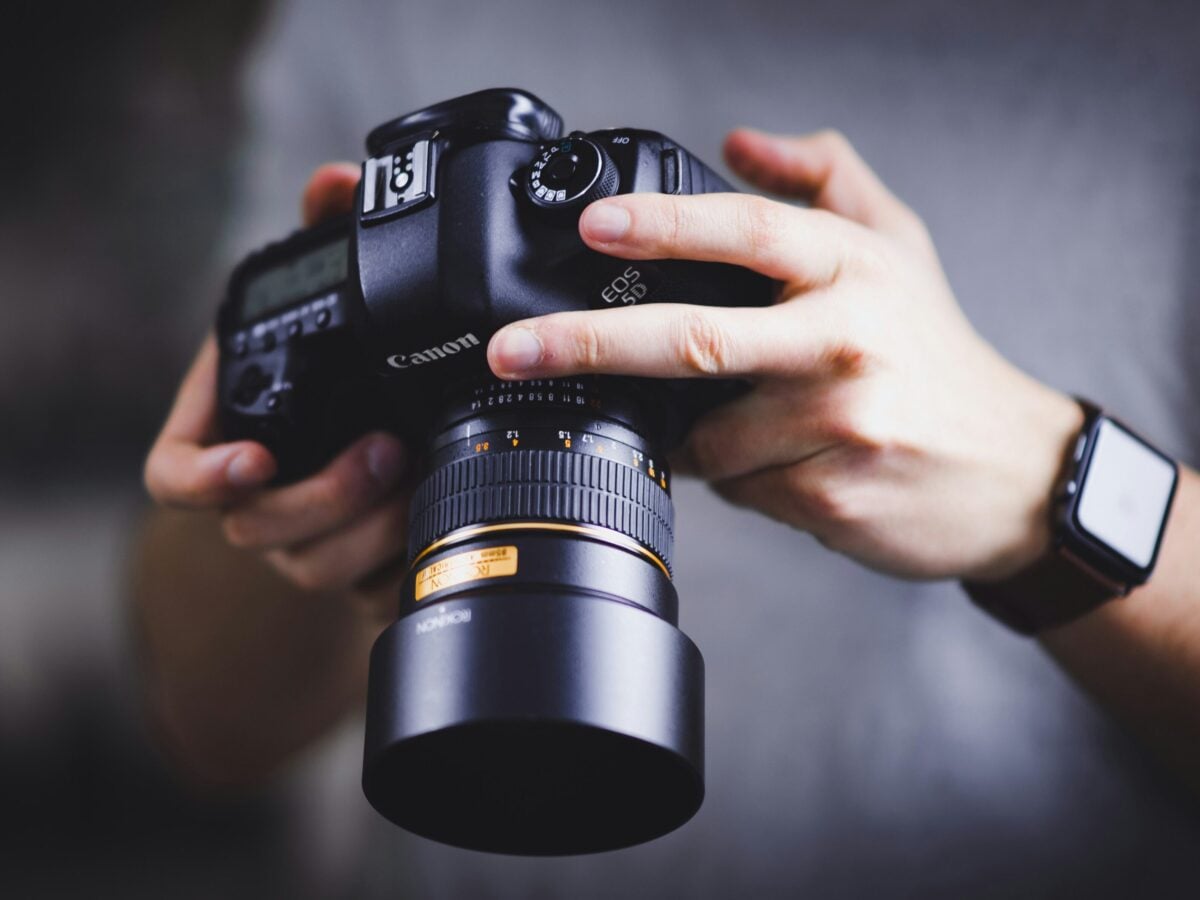
James Clerk Maxwell, a Scottish physicist, proposed a method for color photography in 1855. Six years later, in 1861, Thomas Sutton actually pressed the shutter button on the first color photograph during one of Maxwell’s lectures.
The technique involved taking three separate black and white photographs through red, green, and blue filters. When projected simultaneously through matching filters, the images combined to show color.
The result was far from perfect because photographic emulsions of the time couldn’t capture most of the spectrum properly. But the demonstration proved that color photography was possible.
The method eventually led to modern color photography after Hermann Wilhelm Vogel figured out how to make emulsions sensitive to a broader range of light in 1873.
Boston From Above

James Wallace Black climbed into a hot air balloon on October 13, 1860. His companion, balloonist Samuel Archer King, took them up to 2,000 feet above Boston.
Black aimed his camera down at the city below and captured the oldest surviving aerial photograph. The image shows streets, buildings, and urban patterns from a perspective humans had rarely experienced.
Flying in balloons was still relatively new. Photographing them was even newer.
Black titled the image “Boston, as the Eagle and the Wild Goose See It.” This wasn’t technically the first aerial photo.
Felix Tournachon had photographed the Bievre Valley in France from a tethered balloon in 1858. But no copies of that earlier image survived.
Black’s photograph became the oldest aerial image that still exists. The technique opened up entirely new possibilities for photography.
Suddenly you could document landscapes, cities, and battlefields from above. Aerial reconnaissance during wars would later rely on this same basic idea.
Niagara Falls Freezes on Film
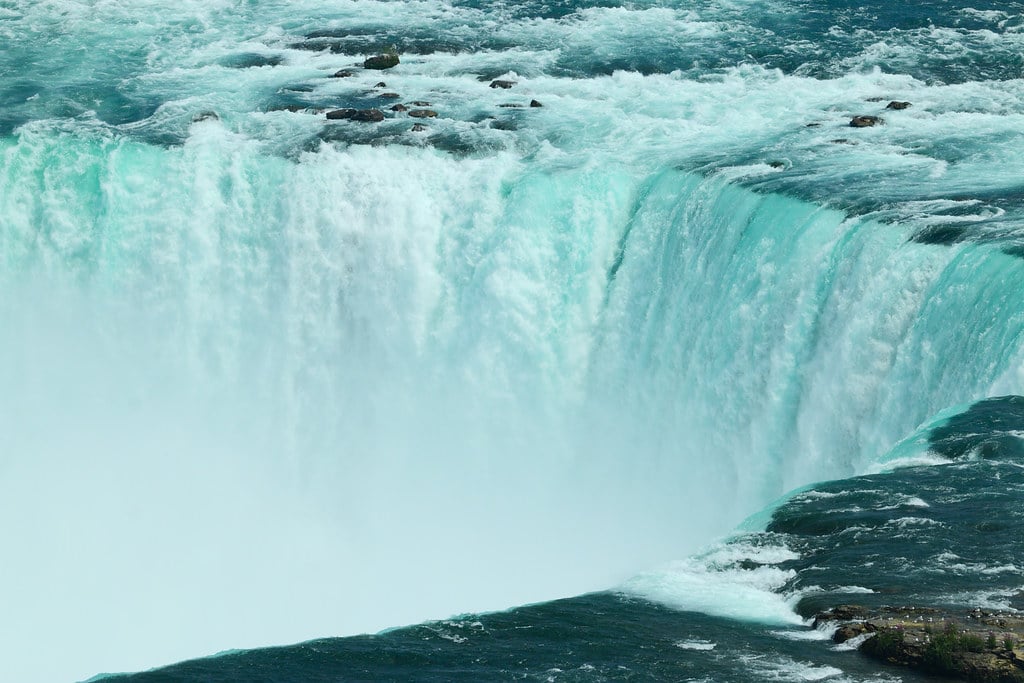
An unknown photographer captured one of the earliest images of Niagara Falls using the daguerreotype process. The photograph, taken from the Canadian side, represents one of the first attempts to photograph rapid motion in nature.
The exposure limitations meant the photographer couldn’t truly capture the movement of the water. But the image shows the scale and power of the falls in a way that words and paintings couldn’t quite convey.
Early photographers pushed the boundaries of what their equipment could handle by pointing cameras at challenging subjects. These attempts to photograph natural wonders like waterfalls helped define what photography could do.
The technology kept improving, allowing for shorter exposure times and better detail. Each successful image encouraged others to try even more difficult shots.
The First News Photo Records an Arrest

France, 1847. A photographer whose name has been lost to history captured a man being arrested. This unremarkable moment became the first known photograph taken specifically to document news.
The man in the photo looks defiant and proud. We don’t know what he did or why the photographer happened to be there with a camera.
But the image changed how news got delivered to the masses. Before this, people relied on written descriptions and illustrations of events.
Photography added a new dimension to journalism. Now reporters could show what actually happened, not just describe it.
The power of photographic evidence would become central to how modern societies understand current events.
Draper’s Portrait of His Sister

John William Draper, the same scientist who photographed the moon, also took one of the earliest photographic portraits of a person. In 1840, he convinced his sister Dorothy to sit still for about 65 seconds while the camera captured her image.
Dorothy Draper’s portrait shows remarkable detail for such an early photograph. Her eyes look directly at the camera.
Her expression seems natural despite the long pose time. The lighting illuminates her face evenly.
This photograph demonstrated that portraiture photography was practical. People didn’t need to commission expensive painted portraits anymore.
They could sit for a photograph instead. The implications for how people would remember their loved ones, document their families, and preserve their own images were staggering.
The Moon Again, But Better
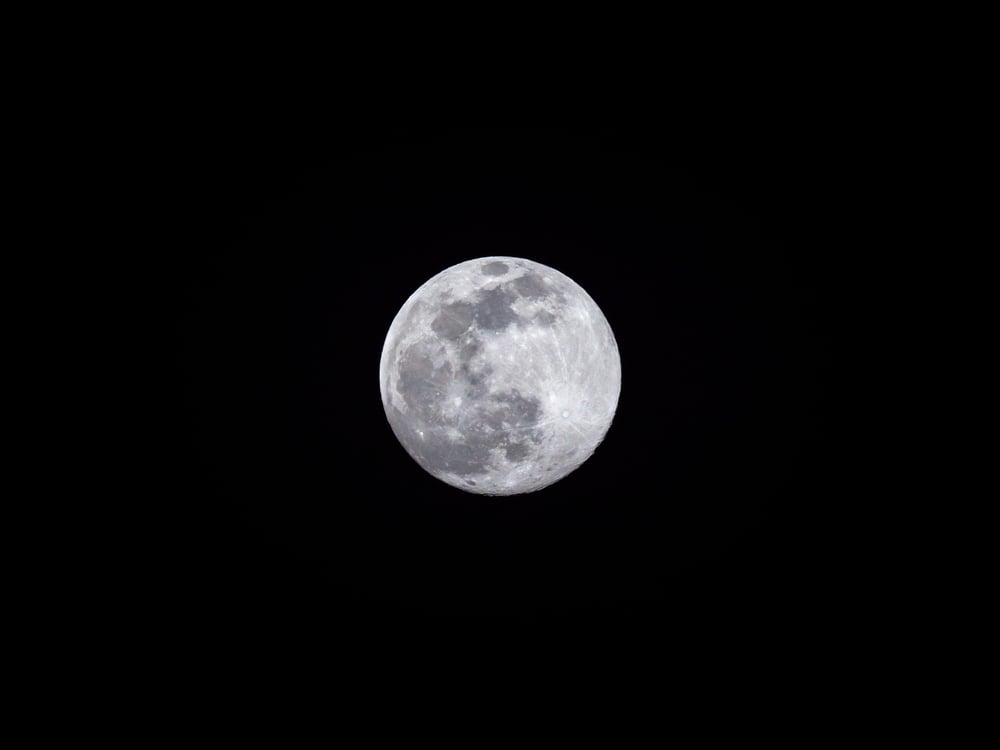
By the time photographers were taking better moon photos in the late 1800s, the technology had improved dramatically. Exposure times dropped from minutes to fractions of a second.
Plates became more sensitive to light. Lenses captured sharper details. These improved lunar photographs showed craters, mountains, and surface features with increasing clarity.
Astronomers could map the moon’s surface and study its geology through photography. The moon went from being a distant mystery to a well-documented celestial body.
Photography transformed astronomy from a field that relied on hand-drawn sketches to one based on precise photographic records. Every advancement in camera technology meant better views of space.
A Digital Boy Becomes the First Digital Photo

Russell Kirsch, a scientist working on early computer vision, wanted to see if computers could process images the way humans do. In 1957, he created a crude drum scanner and tested it on a photo of his infant son.
The result was the first digital photograph. The image shows a baby’s face rendered in black and white pixels.
The resolution was terrible by modern standards. But Kirsch had proven that images could be converted into digital data that computers could understand.
It would take two more decades before someone built the first digital camera. But this baby photo started the journey toward the billions of digital images created every day now.
Your smartphone camera exists because Kirsch scanned his son’s face and turned it into computer data.
When Shadows Became Memories
Photography evolved from those first grainy images into the sophisticated art and science you know today. But every photo you take connects back to Niépce’s eight-hour exposure in 1826.
Every selfie traces its lineage to Cornelius standing awkwardly in his family’s yard. The oldest photographs survive as physical objects.
You can see them in museums, displayed carefully behind glass. They’ve faded over time. Some have deteriorated despite preservation efforts.
They look primitive compared to what your phone can do. But these images represent something more than technical achievements.
They capture the moment when humanity figured out how to stop time. Before photography, memories existed only in minds and paintings.
After photography, moments could be frozen and preserved forever. The people in these early photographs had no concept of Instagram, selfies, or digital filters.
They couldn’t imagine a world where everyone carries a camera everywhere and takes photos of their meals. They just wanted to capture a moment, preserve a face, document a view.
They succeeded beyond anything they could have imagined. Their grainy, faded images opened the door to an entire visual language that defines modern life.
Every photograph ever taken owes something to those pioneers who coated plates with chemicals, waited hours for exposures to complete, and developed images using toxic fumes. The oldest photographs look strange to modern eyes.
But they changed the world more profoundly than almost any other invention. They gave us the ability to see the past as it actually was, not as someone painted or described it.
That gift continues every time someone points a camera and captures a moment that would otherwise vanish forever.
More from Go2Tutors!

- The Romanov Crown Jewels and Their Tragic Fate
- 13 Historical Mysteries That Science Still Can’t Solve
- Famous Hoaxes That Fooled the World for Years
- 15 Child Stars with Tragic Adult Lives
- 16 Famous Jewelry Pieces in History
Like Go2Tutors’s content? Follow us on MSN.