Origins of Symbols We See Everywhere
Symbols surround us constantly, from the icons on our phones to the signs we pass on the street. Most of us use them without thinking twice about where they came from or what they originally meant.
The ampersand dates back to the first century AD when scribes writing in Latin cursive created it by linking the letters ‘e’ and ‘t’ from the Latin word ‘et,’ meaning ‘and.’ That’s just one example of how ancient these everyday marks really are.
Here is a list of 16 symbols and their fascinating backstories.
The Ampersand
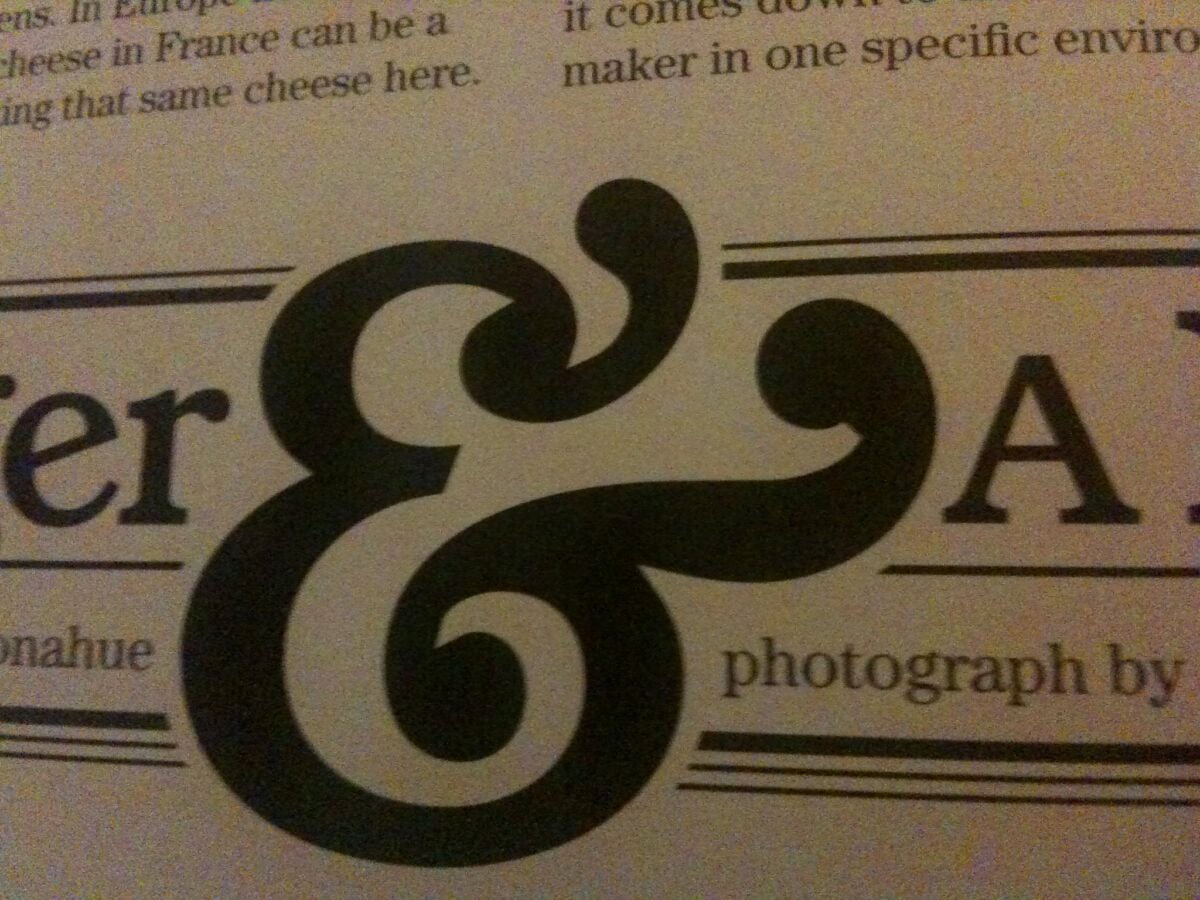
The ampersand symbol comes from Roman times when scribes merged the letters of the Latin word ‘et’ into a single flowing character. What’s interesting is that the name itself came much later.
When the symbol joined the English alphabet in the early 1800s, schoolchildren would recite ‘X, Y, Z, and per se and’ at the end of the alphabet, since saying just ‘and’ felt awkward. Those last words eventually blended together into ‘ampersand.’
Today you’ll spot it mainly in company names and academic citations, though it’s generally too casual for formal writing.
The Dollar Sign
The most widely accepted explanation traces the dollar sign back to the Spanish peso, which was the main currency circulating in colonial America during the late 1700s. Merchants and traders abbreviated ‘pesos’ as ‘ps,’ and over time the ‘s’ began to be written over the ‘p,’ eventually developing into the dollar symbol we recognize today.
The oldest known use appears in the correspondence of Oliver Pollock, an Irish immigrant who helped finance the Revolutionary War. Another theory suggests the symbol comes from the Pillars of Hercules on Spanish coins, but there’s less evidence supporting that idea.
Like Go2Tutors’s content? Follow us on MSN.
The Hashtag
The hash symbol traces its origins to the Roman term ‘libra pondo,’ meaning ‘pound weight,’ which was abbreviated as ‘lb’ with a horizontal line across the top. Quick handwritten use of this abbreviation gradually morphed into the modern hash mark.
For decades it was called the pound sign or number sign in the United States. Everything changed on August 23, 2007, when San Francisco tech developer Chris Messina tweeted asking how people felt about using the hash symbol for groups on Twitter. Two days later, another developer suggested calling it a ‘hashtag,’ and the name stuck.
The At Sign
The at sign has been around for centuries in commerce and accounting. In 1971, computer scientist Ray Tomlinson needed a symbol to connect people on different computers that wasn’t already used heavily in programming. The at sign was perfect because it was already called ‘at’ in both French and English, making it ideal for addressing messages to someone at a different computer on Arpanet.
That simple choice changed digital communication forever. The symbol now appears in every email address on the planet.
Like Go2Tutors’s content? Follow us on MSN.
The Peace Sign

The peace sign was originally designed as a campaign logo and wasn’t initially intended to represent peace broadly. The symbol combines semaphore signals for the letters ‘N’ and ‘D,’ standing for nuclear disarmament.
Created in 1958 for the British Campaign for Nuclear Disarmament, it quickly spread beyond its original purpose. By the 1960s, anti-war protesters had adopted it as a universal symbol for peace.
What started as a specific political statement became one of the most recognizable icons of non-violence worldwide.
The Heart Symbol
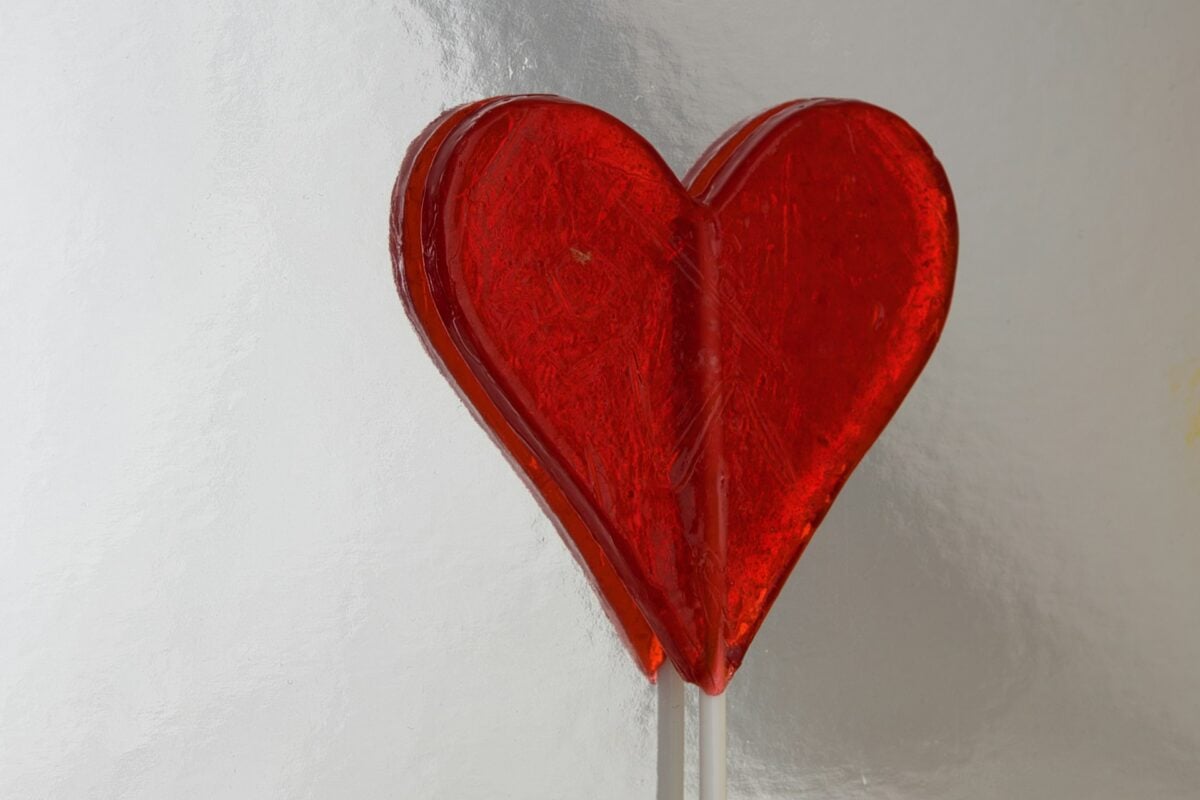
The heart shape we use for love doesn’t actually look much like a real human heart. Some historians believe it might have been inspired by the shape of ivy leaves, which represented fidelity in ancient times.
Others think it could come from the silphium plant, which ancient Romans used as a form of birth control and associated with love and passion. The symbol appeared in medieval manuscripts representing love and devotion long before Valentine’s Day cards made it ubiquitous.
Whatever its true origin, the stylized heart became permanently linked with romantic feelings.
The Infinity Symbol
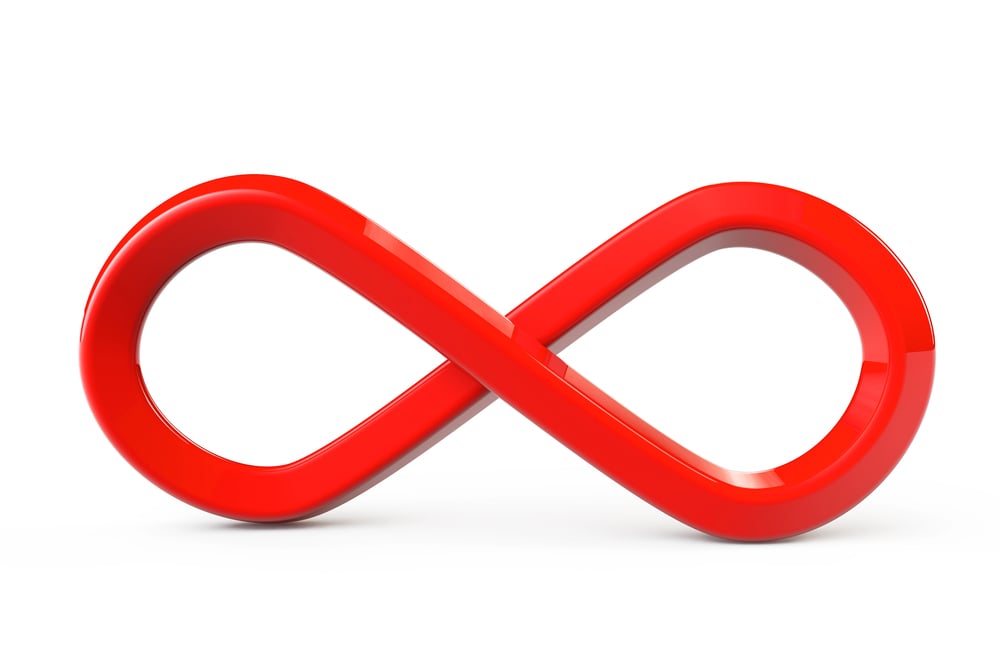
The infinity symbol’s origins trace back to mathematics, with its first appearance attributed to a specific mathematical context. The sideways figure eight was introduced by English mathematician John Wallis in 1655 to represent the concept of something without end.
Some suggest he chose this shape because it could be drawn in a continuous loop without lifting the pen. The symbol has since expanded beyond mathematics into jewelry, tattoos, and popular culture, where it represents eternal love, unlimited possibilities, or timeless bonds.
Like Go2Tutors’s content? Follow us on MSN.
Yin and Yang
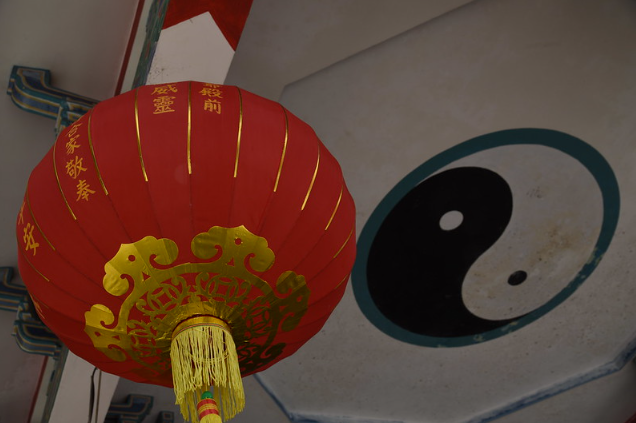
The Yin and Yang symbol stands out for having a consistent and unified history, origin, and meaning across cultures. This ancient Chinese symbol represents the concept of dualism, showing how opposite forces are interconnected and interdependent in the natural world.
The dark yin represents feminine energy, night, and passivity, while the white yang symbolizes masculine energy, day, and activity. The small dots of opposite colors within each half show that nothing is purely one thing or another. The symbol has been used in Chinese philosophy for thousands of years.
The Eye of Horus
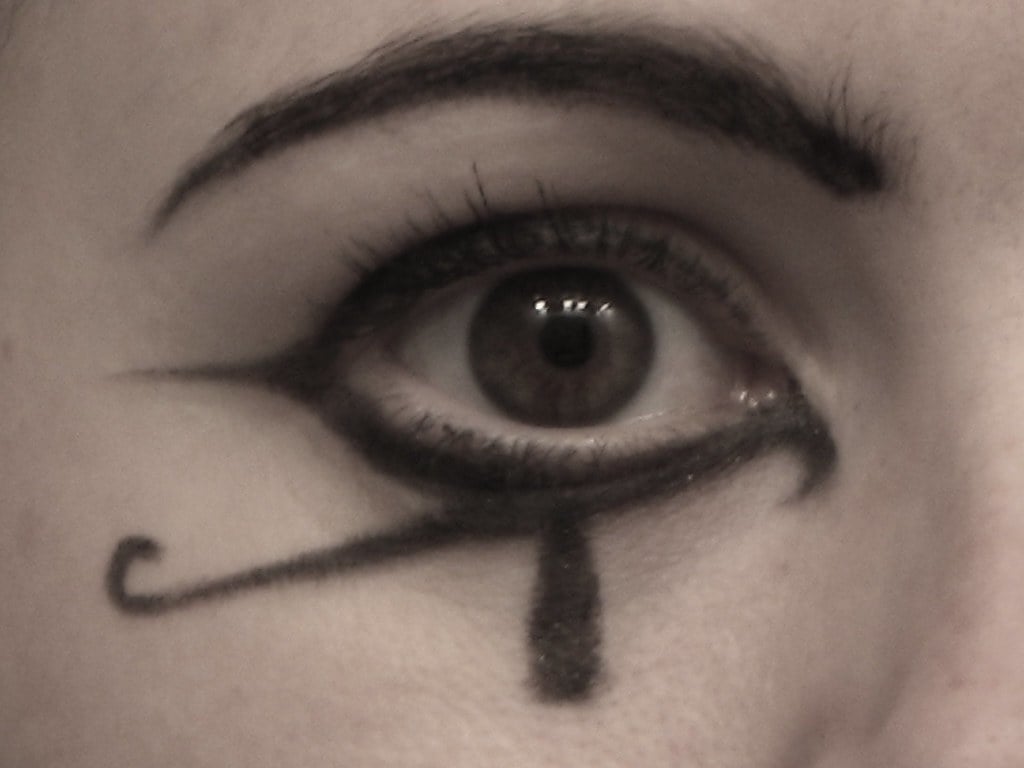
Ancient Egyptians regarded the Eye of Horus as an emblem of royalty and perfection. They painted it on ship prows and used it during funeral ceremonies as a guide in both the known and unknown world. The symbol also represented prosperity and good health.
Horus was the Egyptian god of the sky and sun, and according to myth, he lost his eye in battle but had it magically restored. The restored eye became a powerful symbol of healing and protection that Egyptians wore as amulets and incorporated into their art and architecture.
The Evil Eye
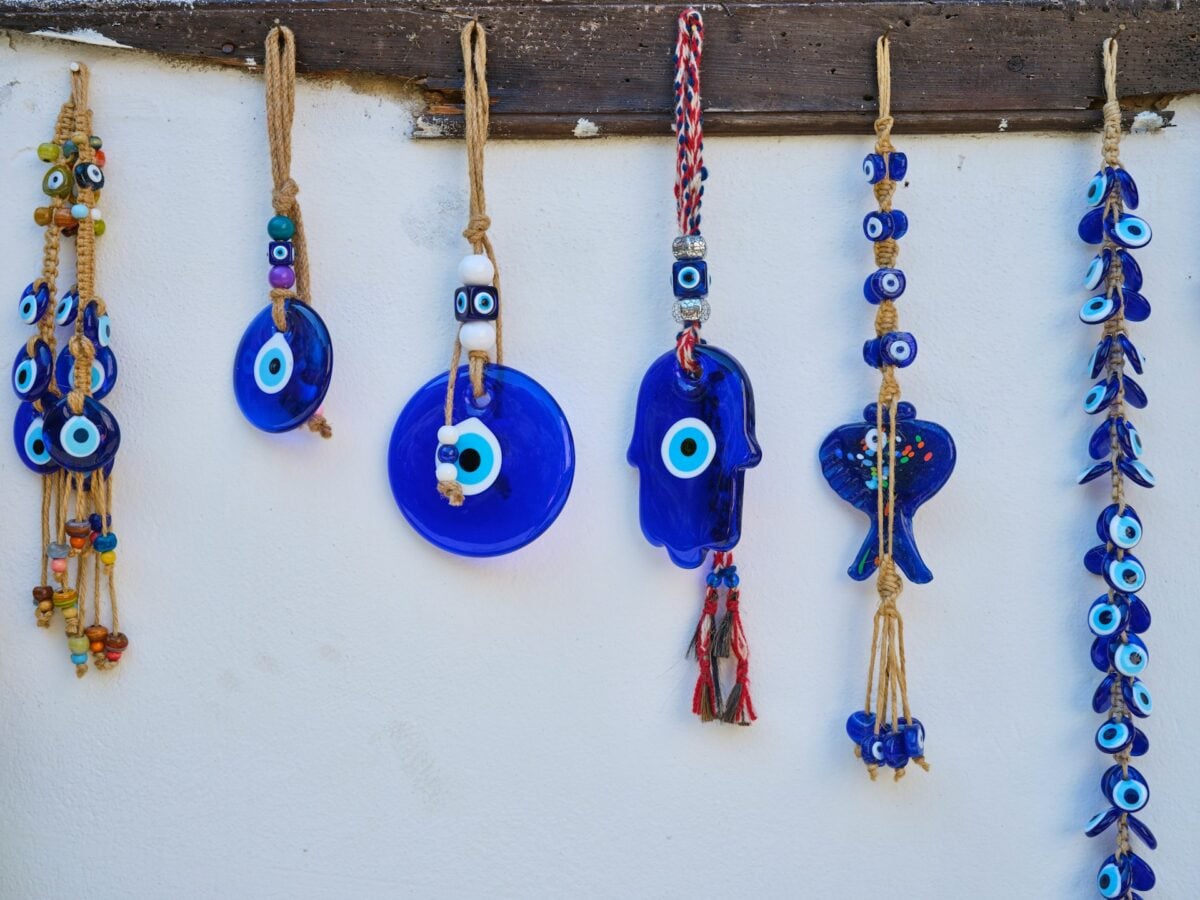
Known as the ‘Eye of Allah’ or ‘Nazar’ in Muslim cultures, particularly in Turkey, the blue eye symbol has been used as a charm against the ‘evil eye’ since ancient times. The belief behind it is that envious glares from others can cause harm, and wearing this protective symbol deflects that negative energy.
The charm typically features concentric circles in blue and white, sometimes with a dark center resembling an eye. You’ll find these talismans hanging in homes, cars, and worn as jewelry throughout Mediterranean and Middle Eastern countries.
Like Go2Tutors’s content? Follow us on MSN.
The Cross

The cross likely has its origins in the sun, specifically representing the rays of sunlight. Crosses are most commonly associated with protection and the force of good, particularly protection against evil beings and people who wish harm.
Before Christianity adopted it, the cross appeared in various ancient cultures as a symbol of the four directions or the meeting of heaven and earth. Combining a regular cross and a diagonal cross creates one with eight tips, which would mean protection against all directions and everything.
The symbol’s meaning transformed dramatically when it became associated with Christian faith.
The Tree of Life

From the biblical Tree of Life to Sioux tribes depicting it at the center of the world’s circle, the tree represents a universal and archetypal image. The symbol connects earth and sky, with roots anchored to origins and branches reaching toward growth and evolution.
Nearly every culture has some version of a sacred tree in its mythology. The tree represents family lineages, interconnectedness, strength, and the cycle of life, death, and rebirth.
Its enduring appeal comes from being both literally life-giving through oxygen and fruit, and metaphorically representing personal and spiritual growth.
The V Sign

A common legend claims the V sign emerged during the Hundred Years’ War as a gesture of English defiance against the French. According to the story, English archers were so deadly with their longbows that captured archers would have their bow fingers cut off, so the gesture became a way to show they still had their fingers.
Whether or not that tale is true, the V sign has taken on multiple meanings over centuries. With the palm facing outward, it signals victory or peace. With the palm facing inward in British culture, it becomes an offensive gesture.
Winston Churchill famously used the victory version during World War II.
Like Go2Tutors’s content? Follow us on MSN.
The OK Hand Gesture

The OK hand gesture has a surprisingly complicated history. One theory suggests it originated as an abbreviation for ‘oll korrect,’ a humorous misspelling of ‘all correct’ that became popular in 1830s Boston.
It was later adopted as the initials for ‘Old Kinderhook,’ the nickname of President Martin Van Buren, whose campaign used ‘OK’ to suggest he was the perfect candidate. However, in 2019, the Anti-Defamation League added the OK hand gesture to its database of hate symbols after white supremacist groups began using it.
Context matters enormously with this one now.
The Thumbs Up

The thumbs up sign indicates okay or best of luck in modern usage. While many people associate it with Roman gladiators and life-or-death decisions in the Colosseum, historians actually debate whether thumbs up or thumbs down signaled mercy in ancient Rome.
Regardless of its classical origins, the gesture became universally understood as approval or agreement. It’s now so common that it appears as an emoji and serves as the primary feedback button on social media platforms.
The simplicity of the gesture makes it effective across language barriers.
The Rainbow Flag
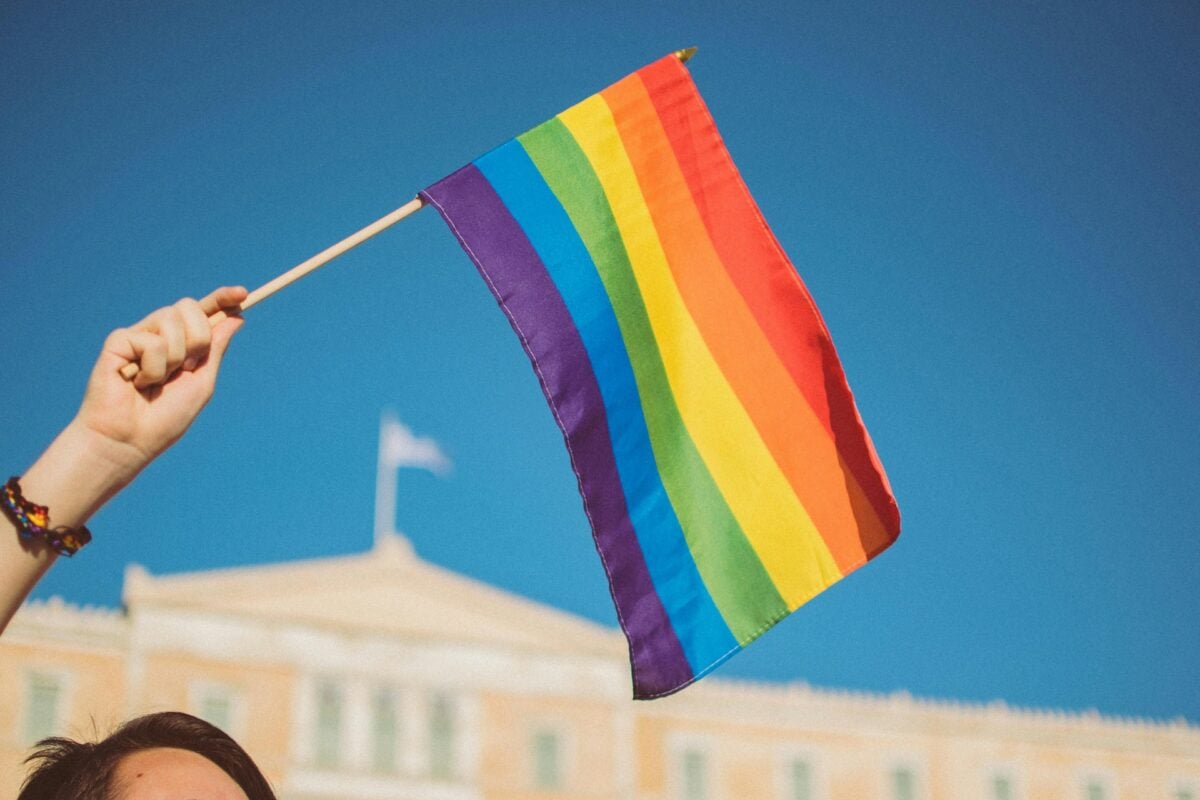
The colors used in flags can symbolize various concepts, which is why most countries have designed their flags with specific color meanings in mind. Red can represent valor and revolution, white usually stands for nonviolence and harmony, blue symbolizes freedom, yellow stands for wealth, and green commonly represents agriculture and fertility.
The rainbow flag in particular has become associated with LGBTQ+ pride since the 1970s. Artist Gilbert Baker designed it in 1978, with each color representing different aspects of the community. The rainbow itself has appeared across cultures as a symbol of hope, promise, and diversity long before its modern association.
Like Go2Tutors’s content? Follow us on MSN.
The Radioactive Symbol

Researchers at the University of California created the radioactivity symbol to warn people about areas where they could encounter harmful radioactive rays. The symbol features three fan-shaped blades radiating from a central circle, typically displayed in black and yellow for maximum visibility.
It was designed in 1946 at the Berkeley Radiation Laboratory. The trefoil shape was meant to be memorable and not easily confused with other symbols.
Today it marks everything from medical equipment to nuclear power plants, serving as a universal warning that transcends language.
From Ancient Marks to Digital Icons
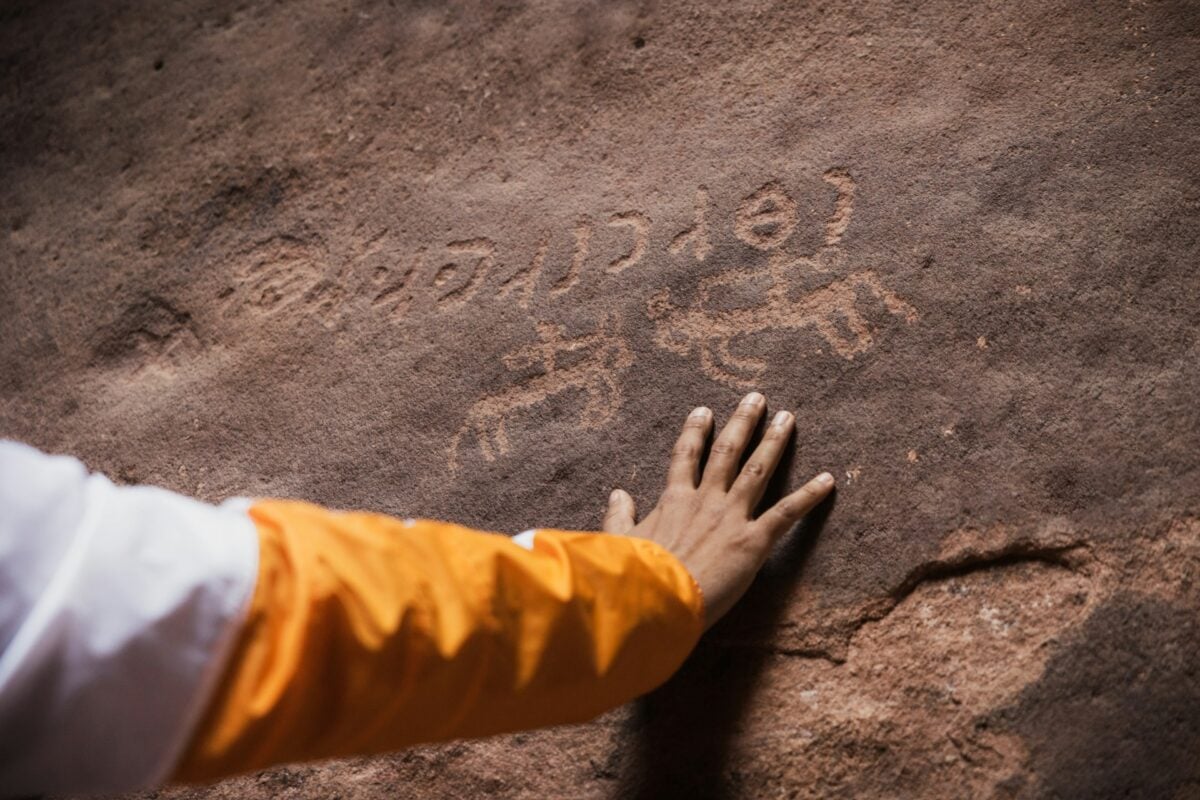
These sixteen symbols show how humans have always needed visual shorthand to communicate complex ideas quickly. Some originated thousands of years ago and still carry their original meanings, while others have been repurposed so many times that their origins barely matter anymore.
The hashtag went from representing weight to organizing social movements in less than three centuries. The peace sign existed for only fifty years before becoming universally recognized.
As technology evolves and culture shifts, today’s emoji might become tomorrow’s ancient hieroglyph, puzzling future historians who wonder what we meant by a laughing face with tears.
More from Go2Tutors!

- 16 Historical Figures Who Were Nothing Like You Think
- 12 Things Sold in the 80s That Are Now Illegal
- 15 VHS Tapes That Could Be Worth Thousands
- 17 Historical “What Ifs” That Would Have Changed Everything
- 18 TV Shows That Vanished Without a Finale
Like Go2Tutors’s content? Follow us on MSN.



