Project Habakkuk and Other Wild WWII Experiments You’ve Never Heard Of
World War II pushed scientists and engineers to think way outside the box. When your country’s survival is on the line, suddenly the craziest ideas start sounding reasonable.
While everyone learns about the atomic bomb and code-breaking machines in history class, there are dozens of other projects happening in secret that sound completely bonkers. Here are some of the strangest wartime experiments that actually happened.
Project Habakkuk
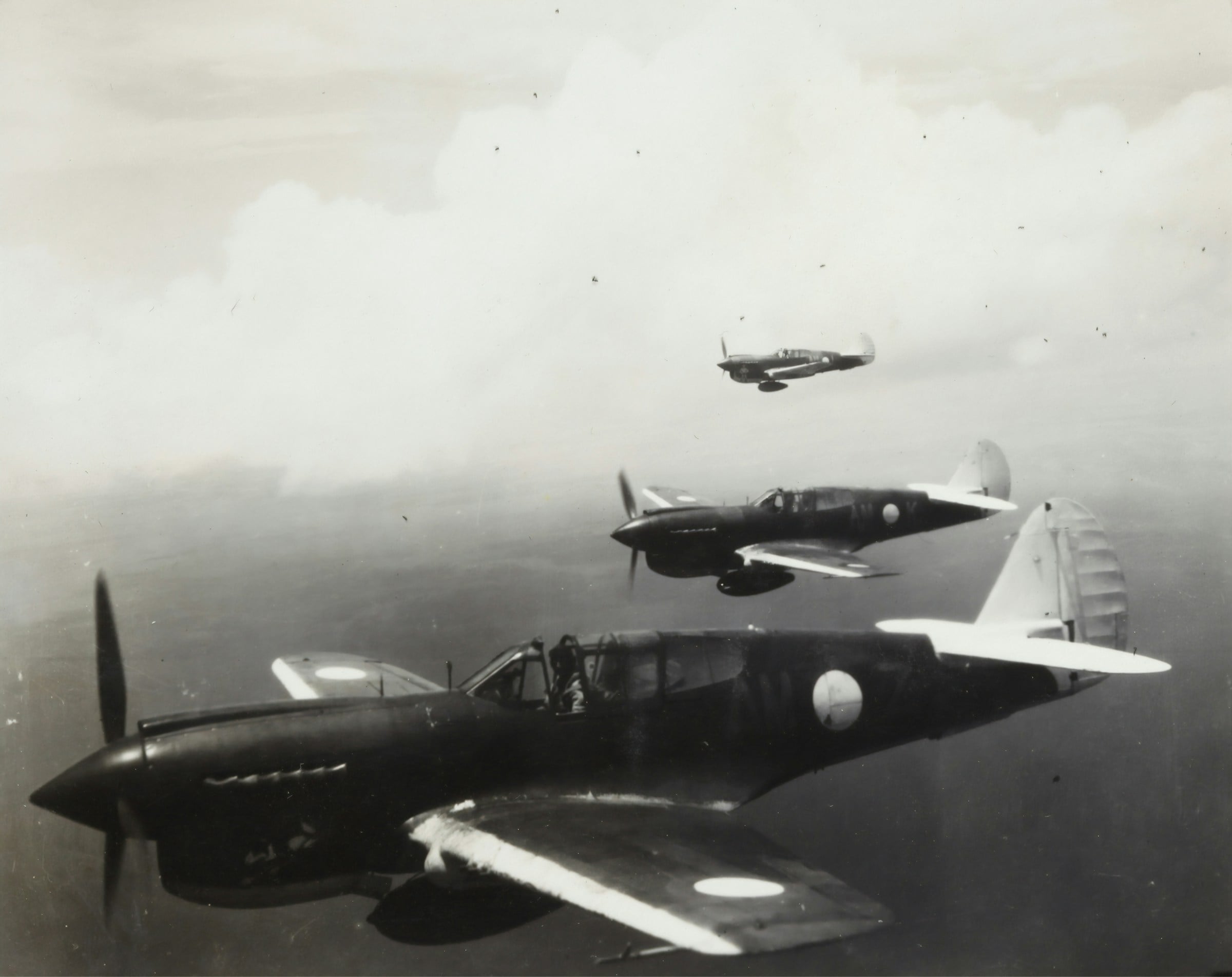
A British inventor named Geoffrey Pyke thought he could build an aircraft carrier out of ice. Not just any ice though, he mixed sawdust into frozen water to create something called pycrete that was tough as concrete and melted super slowly.
Churchill loved the idea because you could patch torpedo pits by just spraying more water on them. They built a small version on a lake in Canada, and it actually worked pretty well.
The full-size ship would have been longer than six football fields. It needed so many workers and so much time that the war moved on before they could finish it.
Bat bombs

An American dentist visiting a cave in New Mexico looked at millions of bats and had a wild thought. What if they strapped tiny fire starters to bats and dropped them over Japanese cities?
The bats would fly into attics and under roofs, then boom, fires everywhere at once. The military tested it and the results were almost too good.
Some bats escaped and burned down a brand new Air Force base by accident. They were ready to use them for real until the atomic bomb project started showing better results.
Pigeon-guided missiles
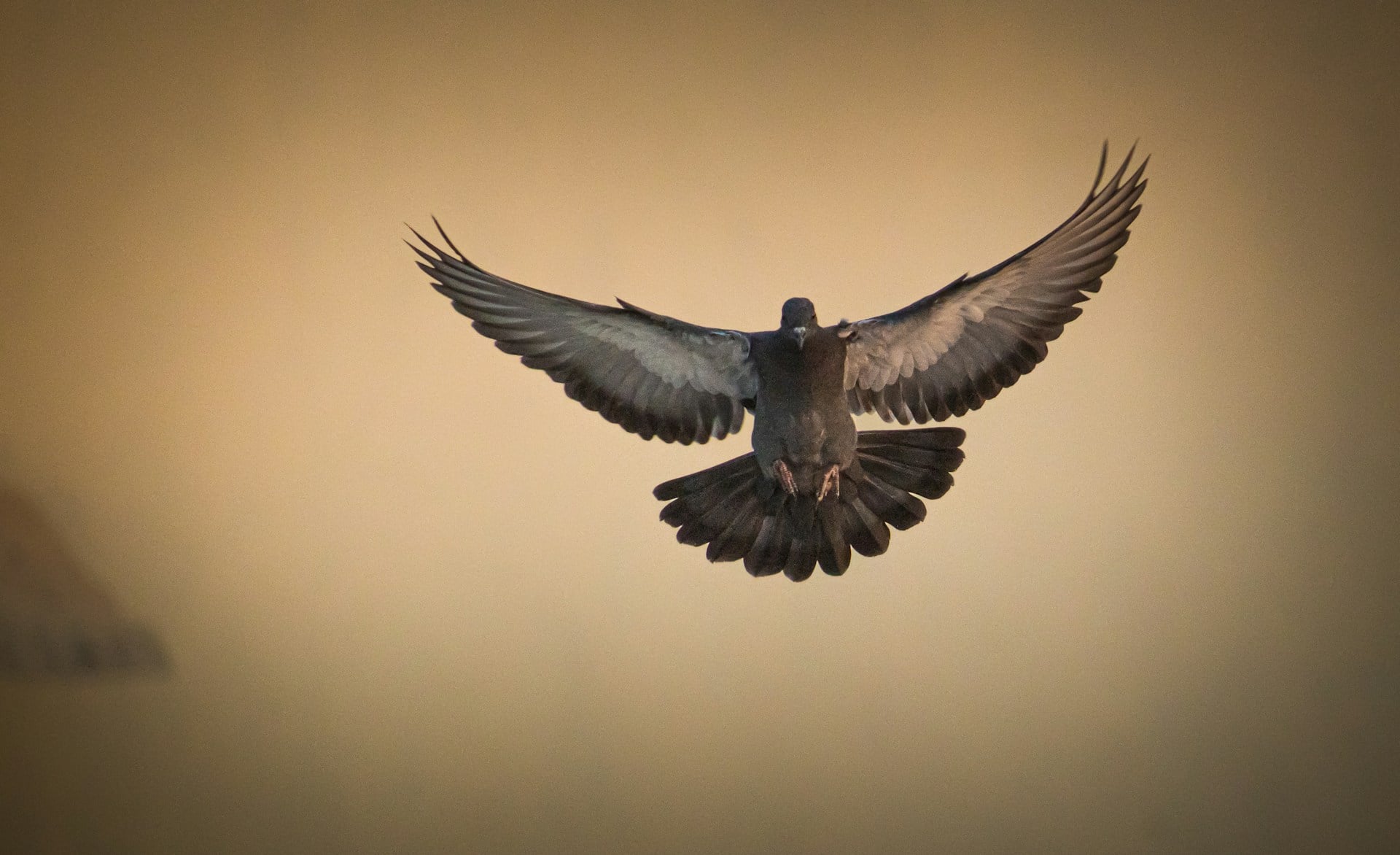
B.F. Skinner, a famous psychologist, spent years teaching pigeons to peck at pictures of enemy ships and buildings. He put the birds inside the nose of missiles where they could see through a window and peck at targets on a screen.
Their pecking would steer the missile right where it needed to go. The system worked surprisingly well in tests, but military brass thought it sounded ridiculous and refused to take it seriously.
Skinner was convinced his pigeons were more reliable than the early electronic guidance systems.
Exploding rats
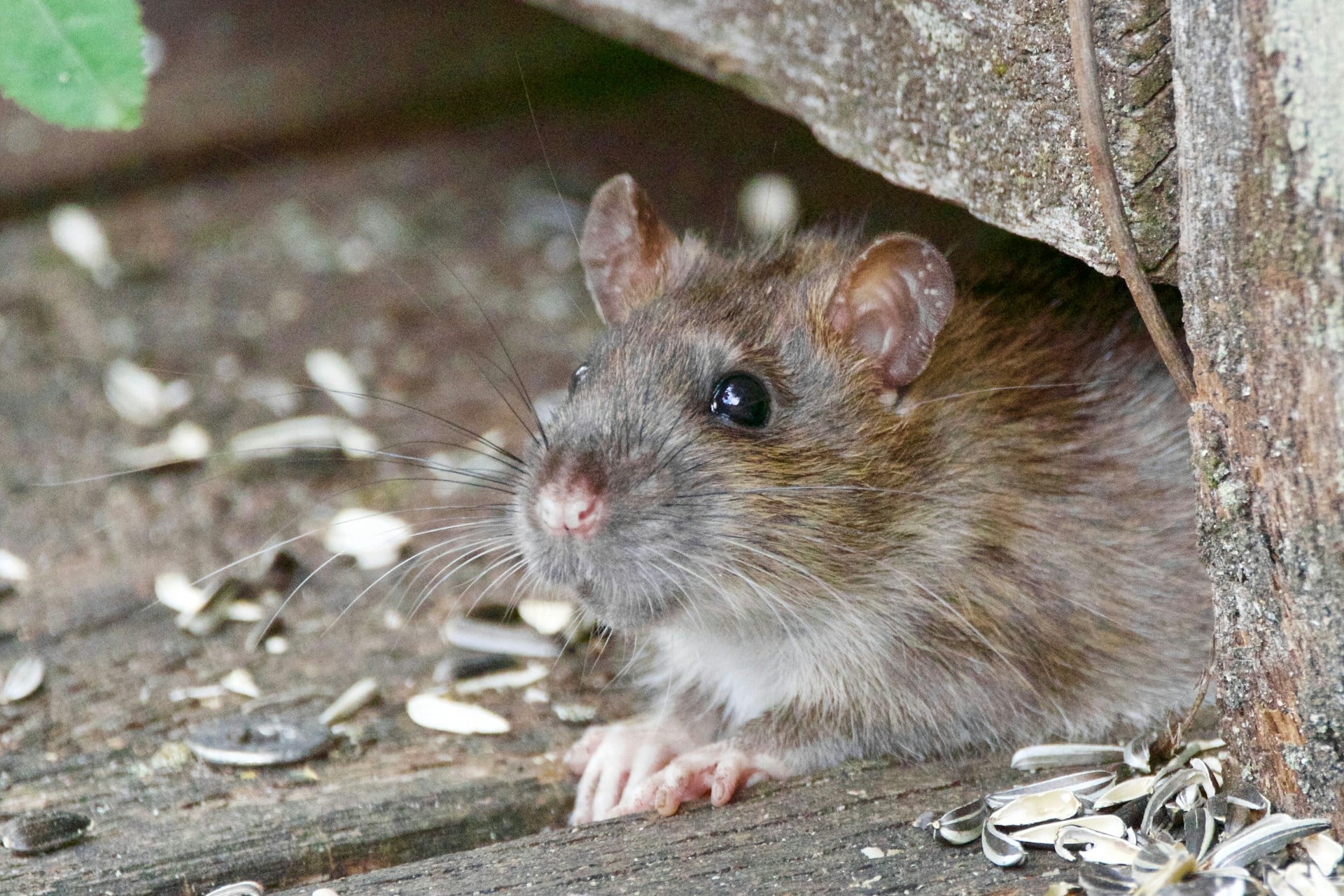
British spies came up with a plan to stuff dead rats with explosives and leave them near German factories. The idea was that workers would see a dead rat and toss it into the furnace without thinking twice.
The Germans found a shipment of these rats before anyone could use them. After that, German soldiers wasted so much time checking every single dead rat they came across that it probably disrupted their work more than the explosions would have.
Anti-tank dogs
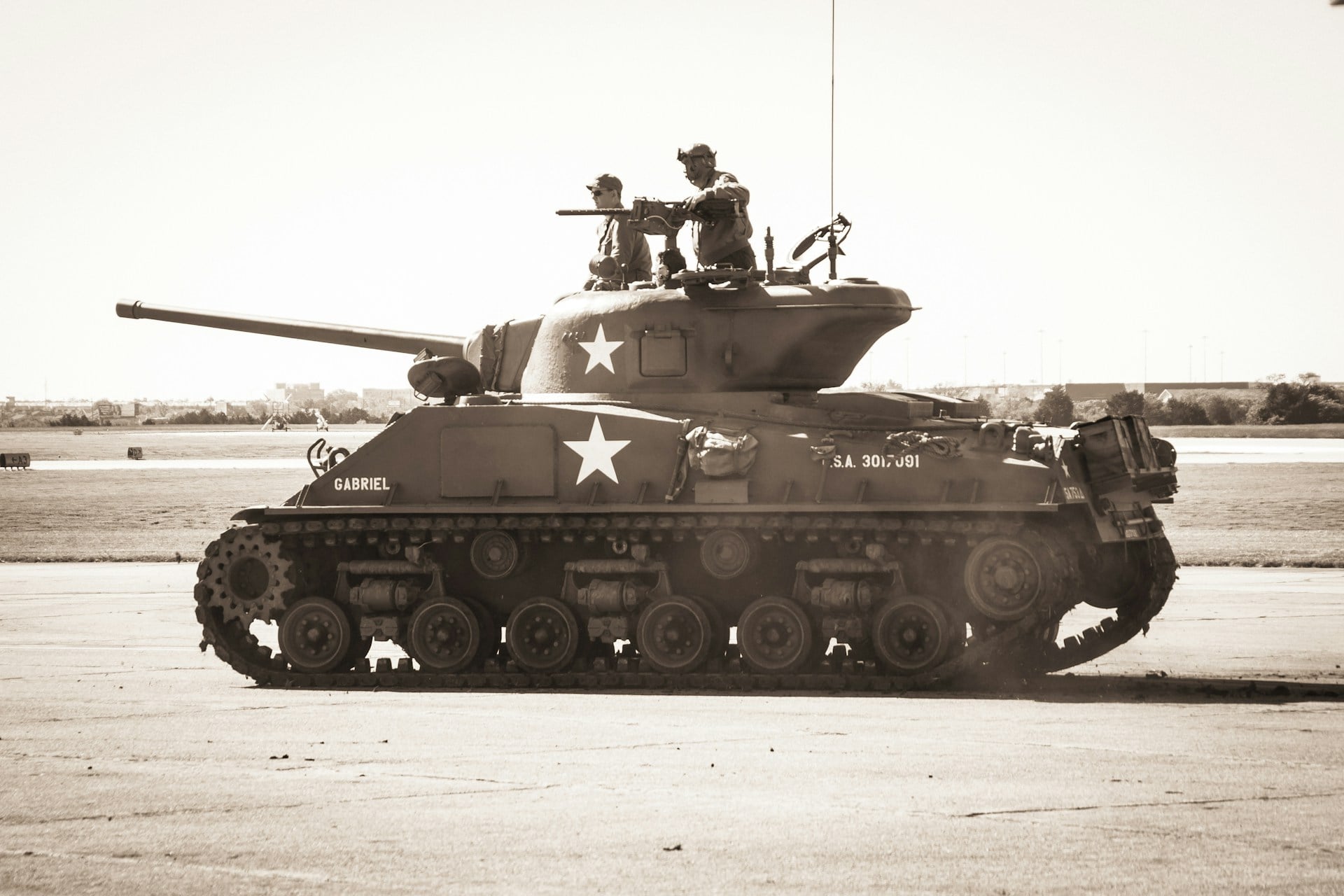
The Soviet Union trained dogs to run under tanks with bombs strapped to their backs. They taught the dogs that food was always under tanks during training.
This went horribly wrong on the battlefield because they trained the dogs using Soviet tanks that ran on diesel. When they sent the dogs out against German tanks that used gasoline, the dogs got confused and ran under friendly tanks instead.
Some dogs also got scared by the noise and ran straight back to their handlers.
Acoustic kitty
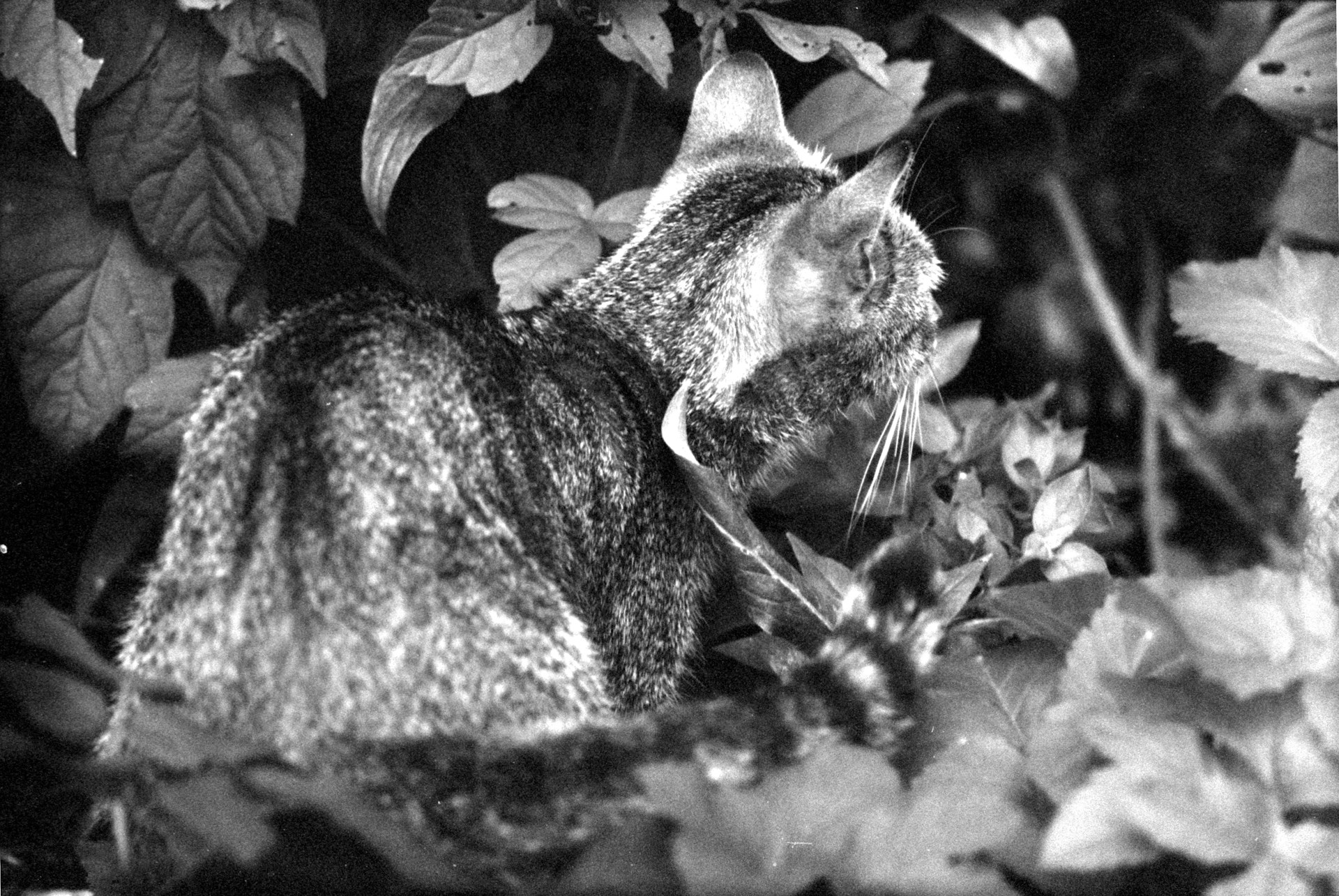
The CIA surgically implanted microphones and radio equipment inside a cat, thinking it could walk near enemy conversations without raising suspicion. They spent five years and about 20 million dollars on this project.
On the very first mission, they let the cat out near a park where two men were talking. The cat immediately wandered into the street and got run over by a taxi.
Turns out you can’t train cats to go anywhere specific, which someone probably should have figured out before the surgery.
Great Panjandrum
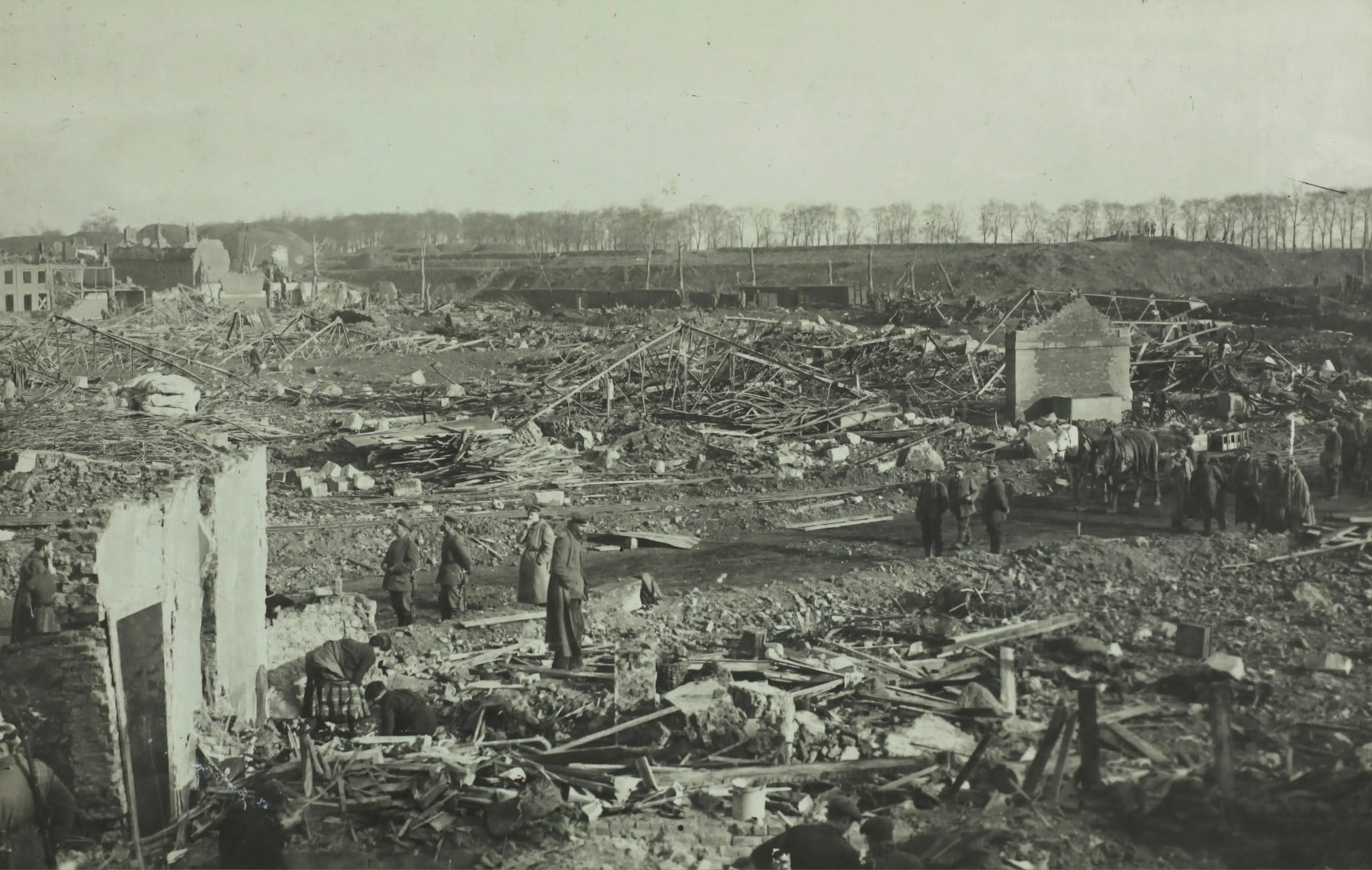
British engineers built a huge rolling wheel packed with explosives that was supposed to blast through German beach defenses. Picture two massive wooden wheels connected by a barrel full of explosives, with rockets strapped all around the edges to make it roll.
During beach tests, the rockets started firing randomly and the whole thing spun out of control. It chased terrified officers down the beach.
They tried several times but could never make it roll in a straight line.
Wind cannon
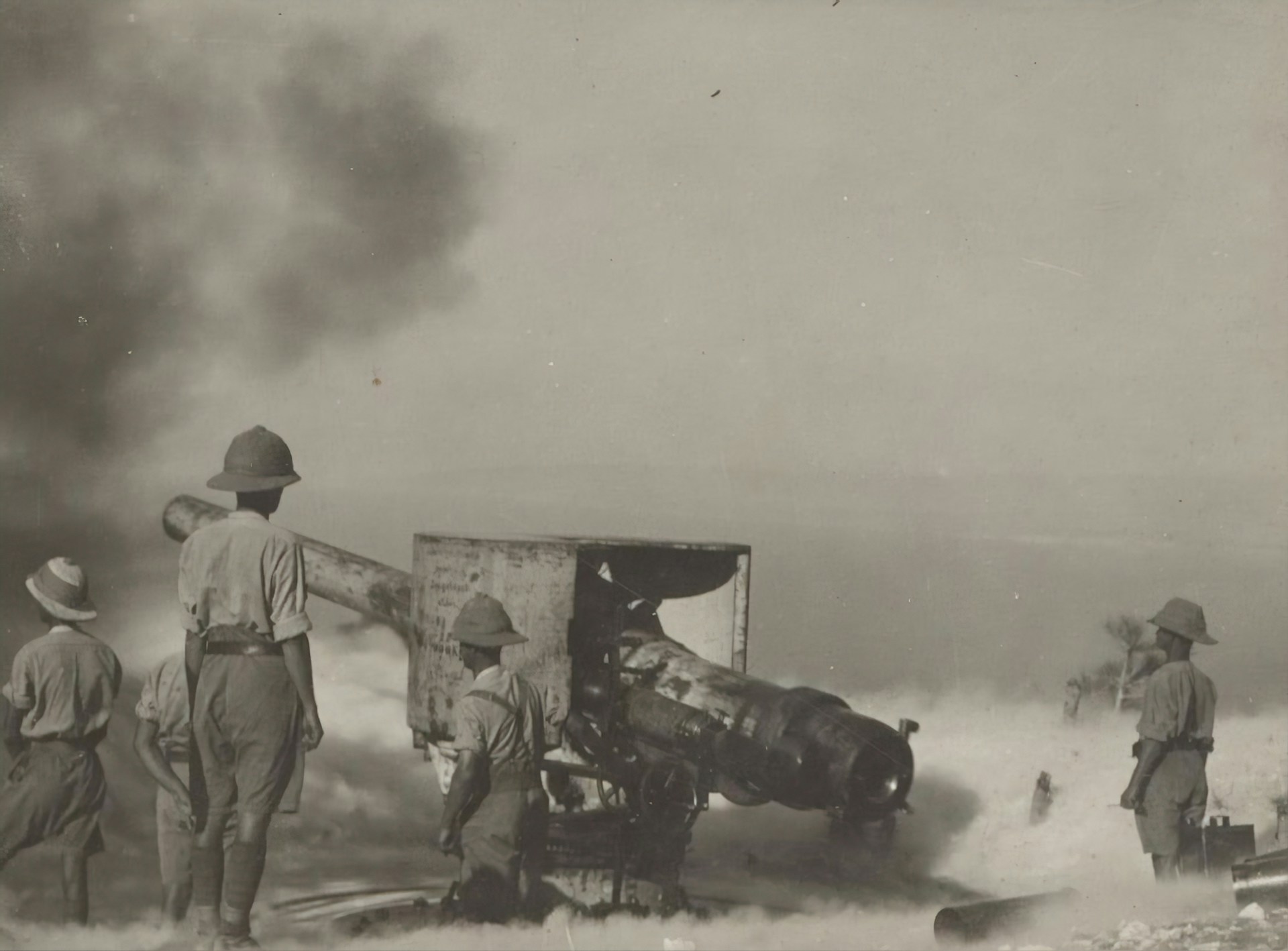
Germans built a huge cannon that shot blasts of compressed air instead of bullets. They thought they could knock planes out of the sky with invisible shock waves.
The thing could break wooden boards from 200 yards away, which sounds impressive until you realize planes fly way higher than that. It only worked if aircraft flew directly overhead, making it pretty useless.
Allied bombers destroyed the test site before Germany could figure out the range problem.
Pigeon photography
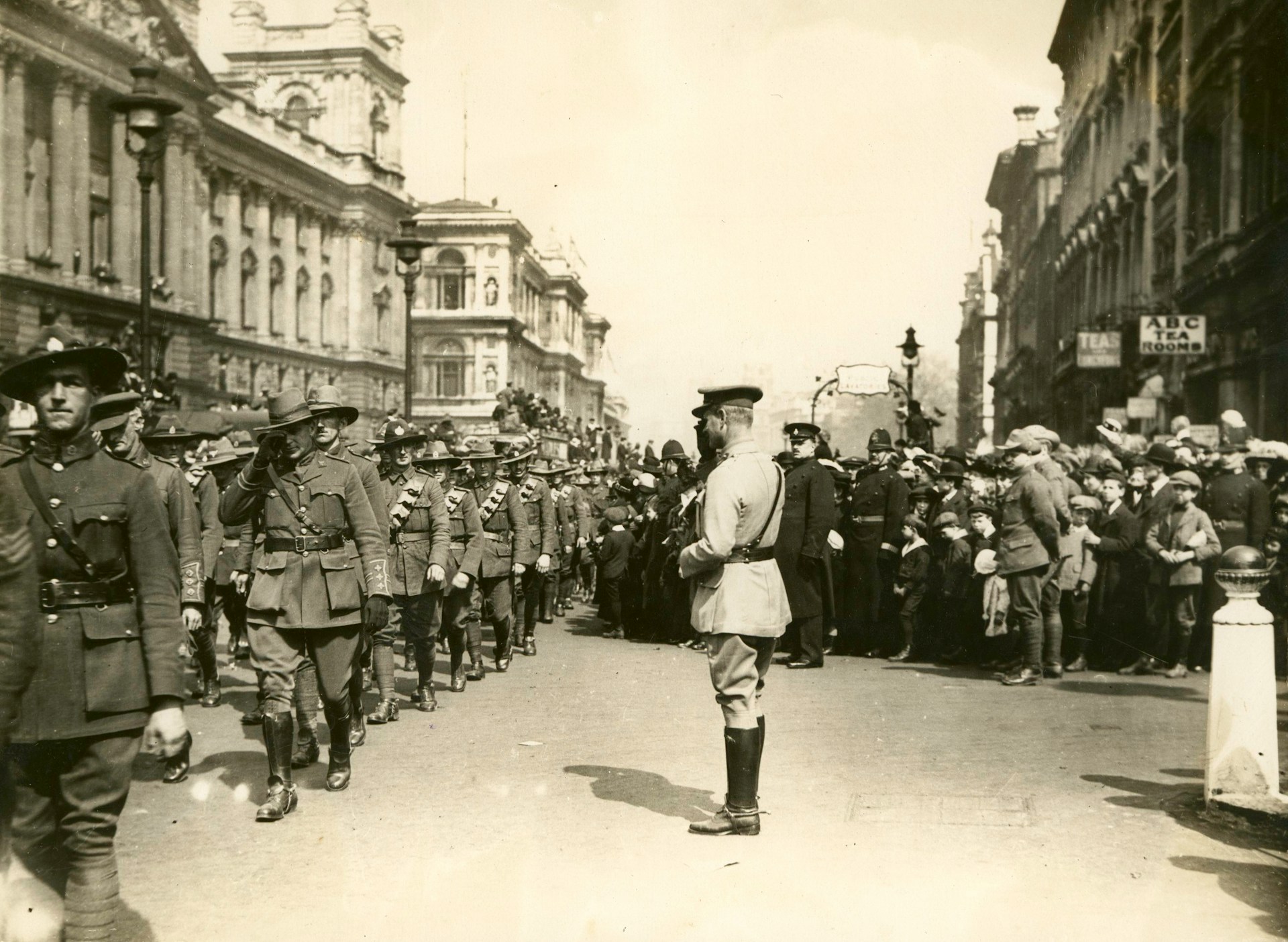
A German inventor named Julius Neubronner strapped tiny automatic cameras to pigeons and sent them flying over enemy positions. The cameras would click photos on a timer while the birds flew around.
Some of the pictures actually came out okay, but most were too blurry or taken from the wrong angle to be useful. Once planes got better at reconnaissance, nobody needed pigeons with cameras anymore.
Grappling convoy
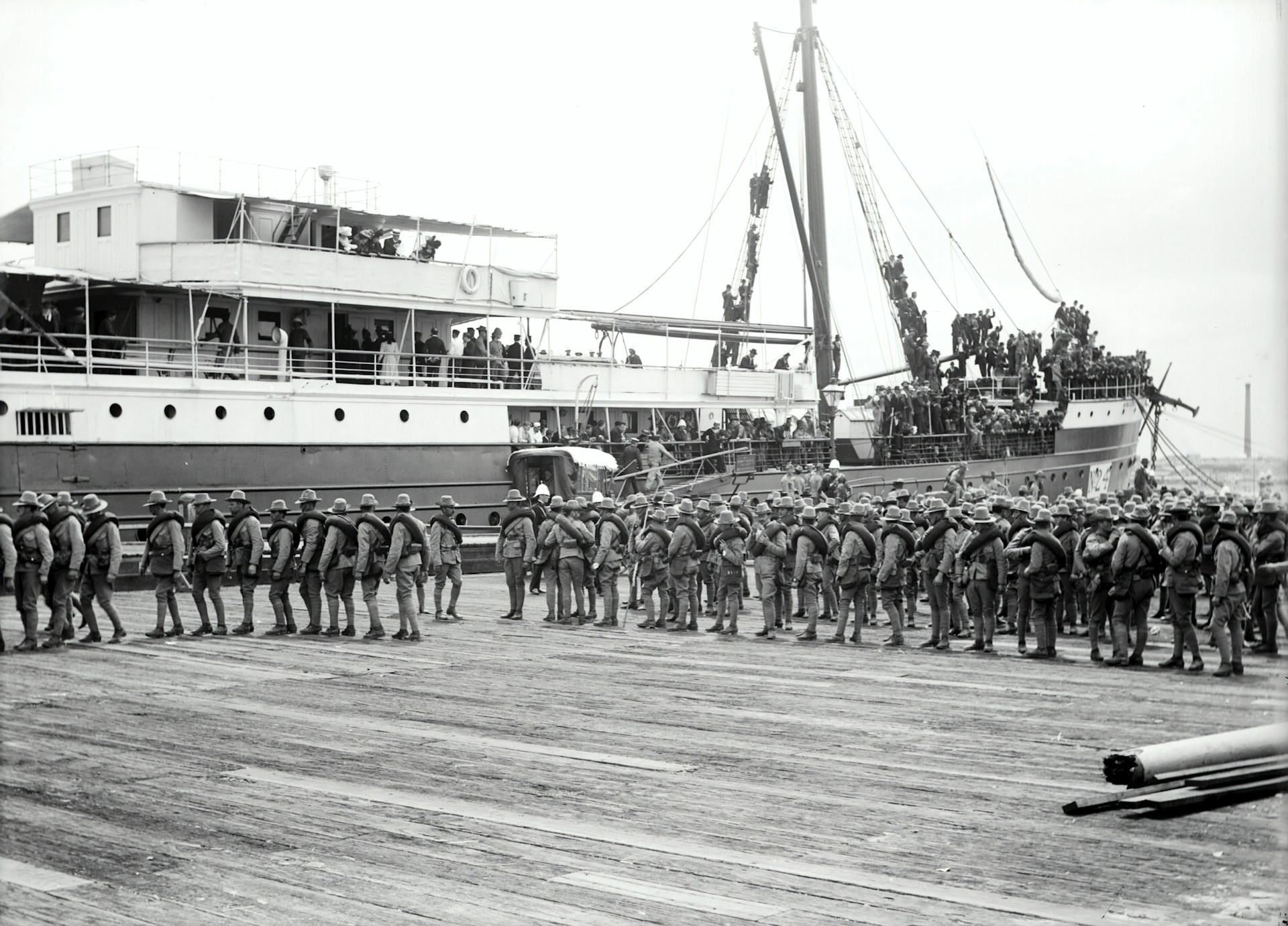
The Allies tried hanging giant nets between ships in a convoy to catch German torpedoes before they could hit anything. The nets would stretch from ship to ship like a giant underwater fence.
Torpedoes were supposed to get tangled up and explode harmlessly in the middle. The problem was that dragging all those nets through the water slowed the ships down so much that submarines could easily catch up to them.
Bouncing bomb

British engineer Barnes Wallis figured out how to make bombs skip across water like flat stones. The bombs spun backwards before being dropped, which made them bounce over the torpedo nets protecting German dams.
They would skip right up to the dam wall, sink down, and explode at the perfect depth to crack the concrete. The Dam Busters mission actually used these and successfully destroyed several dams.
This one actually worked, unlike most ideas on this list.
Sea lion seals
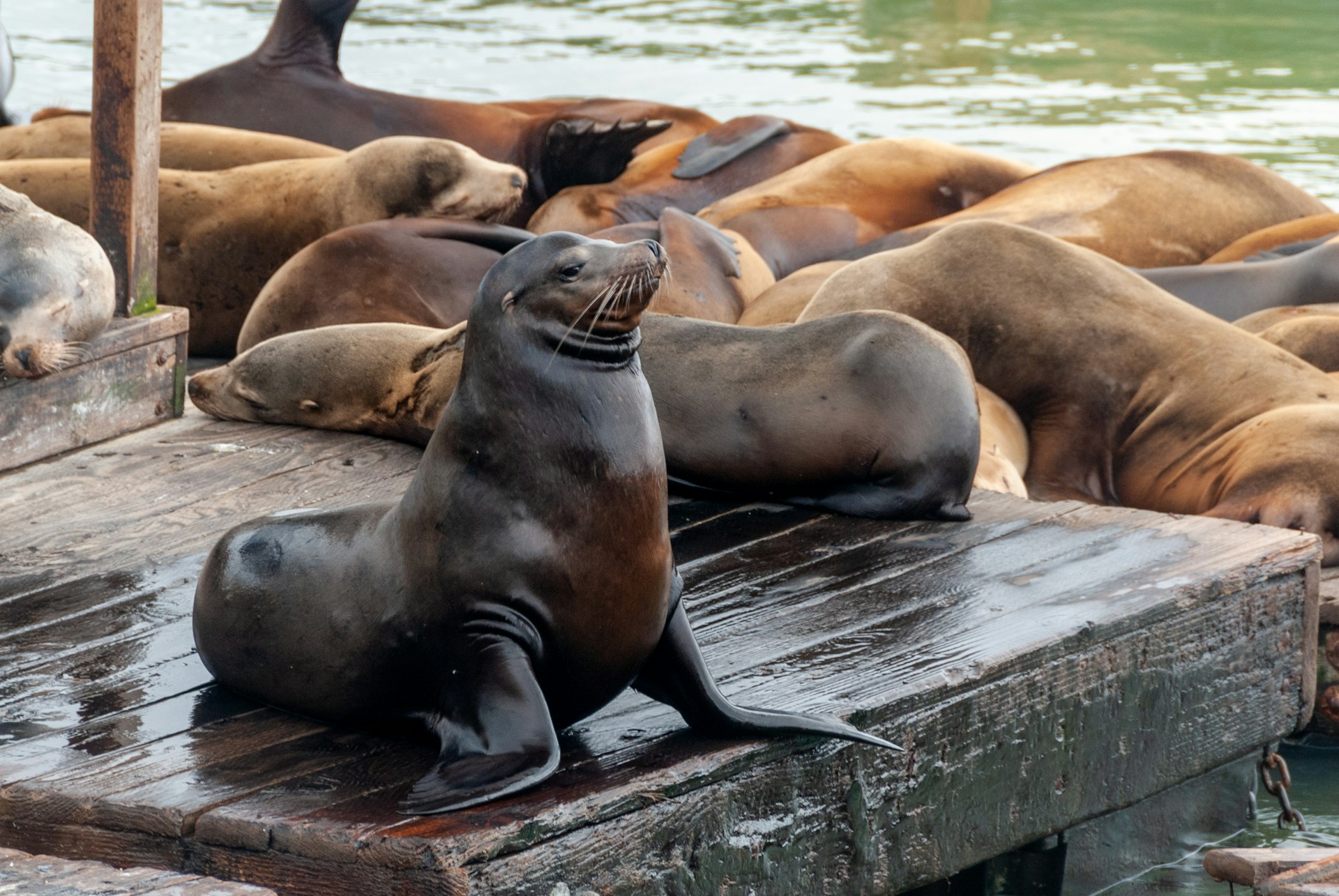
The U.S. Navy trained sea lions and seals to find underwater mines and enemy divers. These animals can dive deeper and stay under longer than any human, plus they have natural sonar that works better than most equipment from that era.
The program started in WWII and kept going for decades. The Navy still uses marine mammals today for certain jobs that machines can’t do as well.
Exploding chocolate
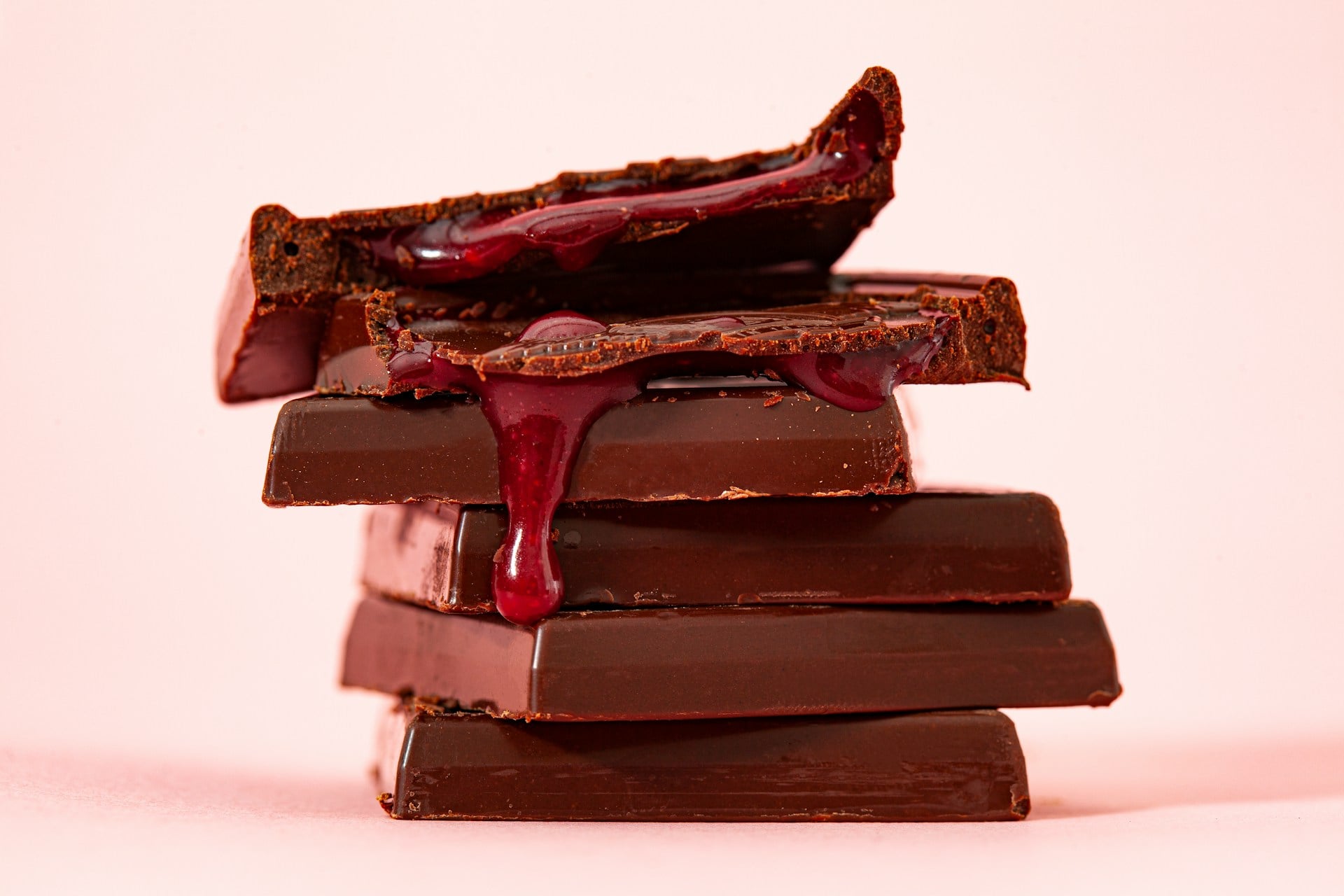
British intelligence made chocolate bars that looked totally normal but had bombs hidden inside. The chocolate coating was real, but underneath was a steel case full of explosives.
Breaking off a piece would set off the bomb. The Nazis found out about these before anyone got poisoned, but it made German officers super paranoid about eating anything they didn’t prepare themselves.
The psychological warfare might have been worth more than the actual explosions.
Foxer noisemakers
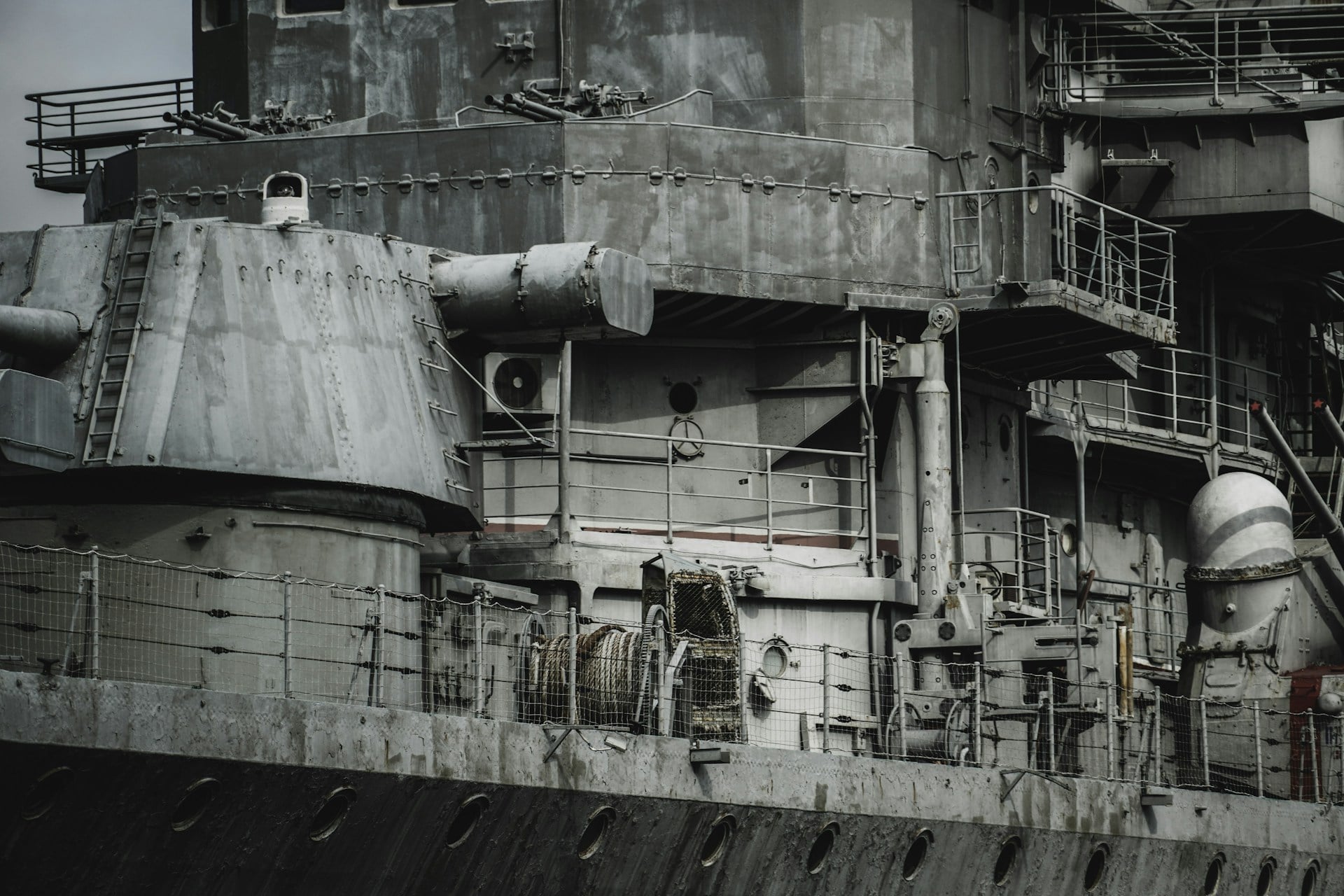
Allied ships dragged noisy underwater devices behind them to trick German torpedoes. The torpedoes were hunted by sound, so these decoys made the same noise as ship engines and drew the weapons away.
It worked pretty well and saved a lot of ships. Eventually Germany made smarter torpedoes that could tell the difference, and then the Allies had to come up with something new.
Fog investigation dispersal operation
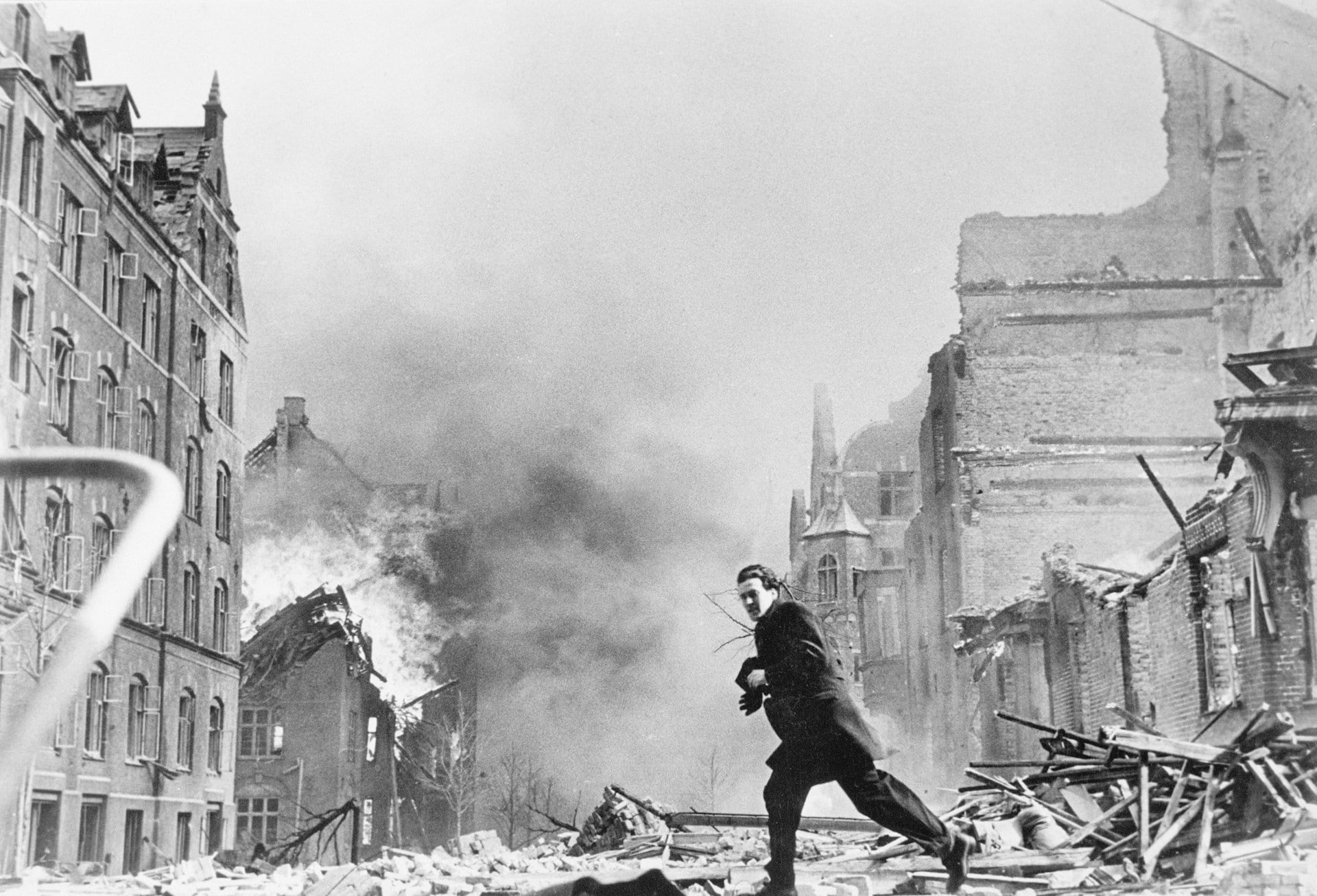
British engineers set massive fires alongside runways to burn off fog so planes could land safely. They installed miles of pipes that sprayed out fuel and lit it on fire, creating enough heat to evaporate the fog.
It used an insane amount of fuel, but when you have bomber crews circling overhead with nowhere to land and their fuel running low, cost does not matter. The system called FIDO helped thousands of planes land when they otherwise would have crashed.
Bee bomb detectors
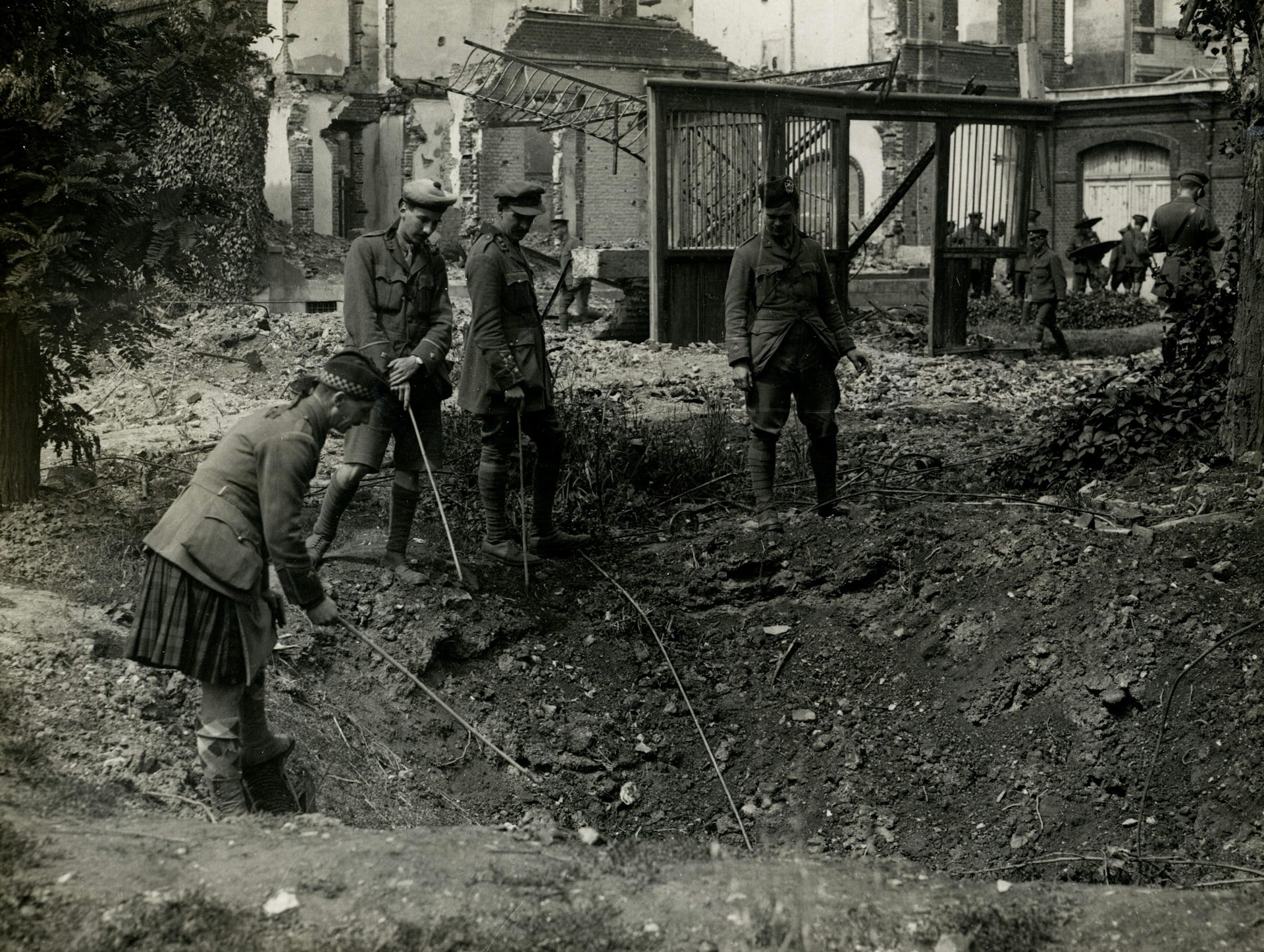
American scientists tried to train bees to sniff out explosives by giving them sugar water every time they flew near TNT. The thinking was that bees could learn to associate bombs with food and would swarm around hidden explosives.
It sort of worked in the lab where everything was controlled, but outside with wind and other smells, the bees were completely useless. The military gave up on insect detectives until technology got way better decades later.
Germany’s rocket program
The V-2 rocket was the first real ballistic missile and it terrified people in London and other cities. These things flew faster than sound, so you could not hear them coming.
They killed thousands of people, but they arrived too late in the war to actually change anything.
When desperation meets creativity
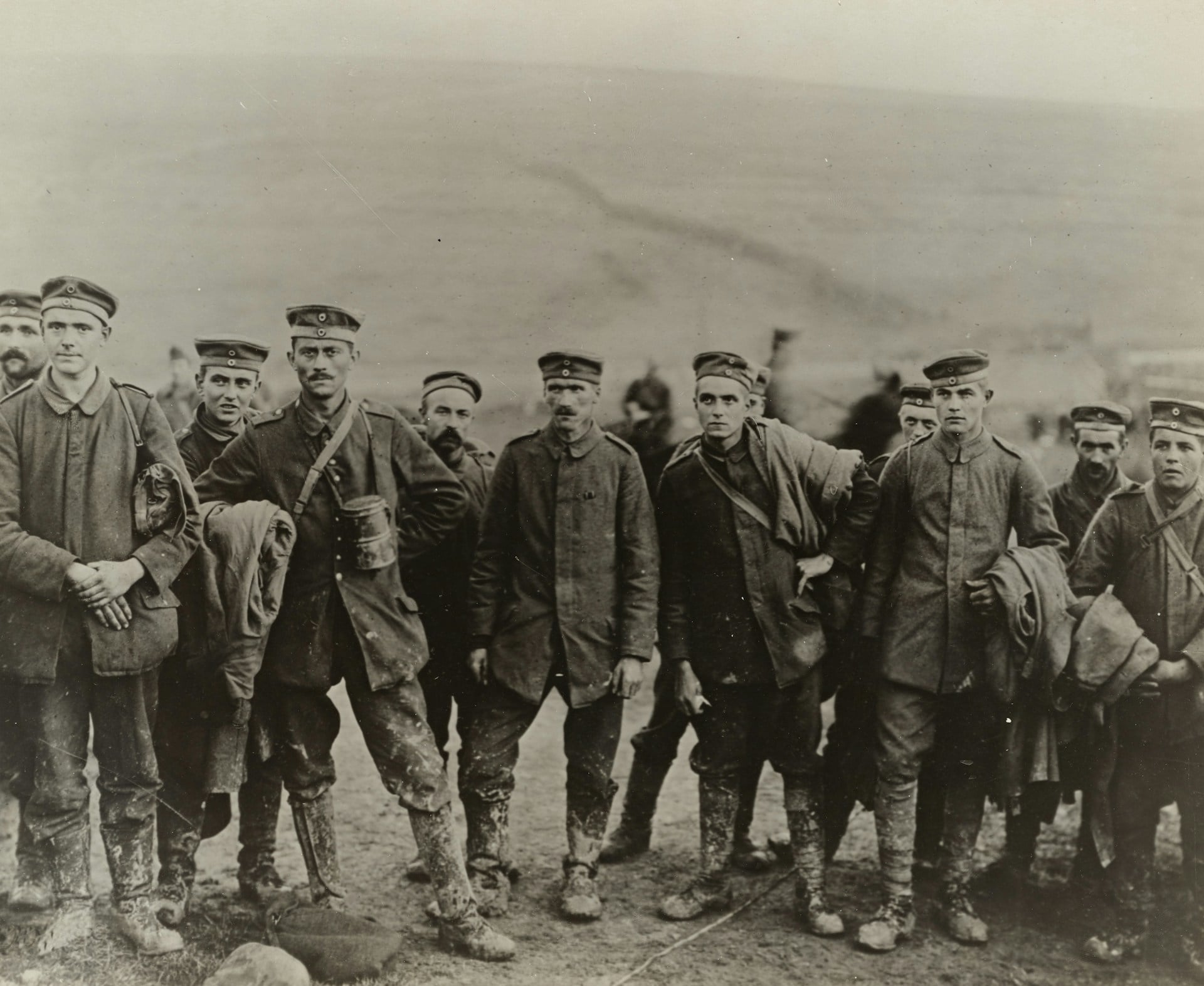
War makes people try things they would never consider during peacetime. Some of these experiments like the bouncing bomb and trained sea lions actually changed military technology forever.
Others like the ice aircraft carrier and pigeon missiles ate up millions of dollars and never worked at all.
More from Go2Tutors!

- The Romanov Crown Jewels and Their Tragic Fate
- 13 Historical Mysteries That Science Still Can’t Solve
- Famous Hoaxes That Fooled the World for Years
- 15 Child Stars with Tragic Adult Lives
- 16 Famous Jewelry Pieces in History
Like Go2Tutors’s content? Follow us on MSN.