Rarest Gems Found In Nature
Most people know about diamonds, rubies, and emeralds. These gems fill jewelry stores and appear in countless engagement rings.
But nature produces stones so rare that entire museums might own only a single specimen. These gems exist in quantities measured in carats rather than pounds, found in remote locations under conditions that occur almost nowhere else on Earth.
Some were discovered by accident. Others took decades of searching.
All of them command prices that make diamonds look affordable.
Painite Was the Rarest for Decades
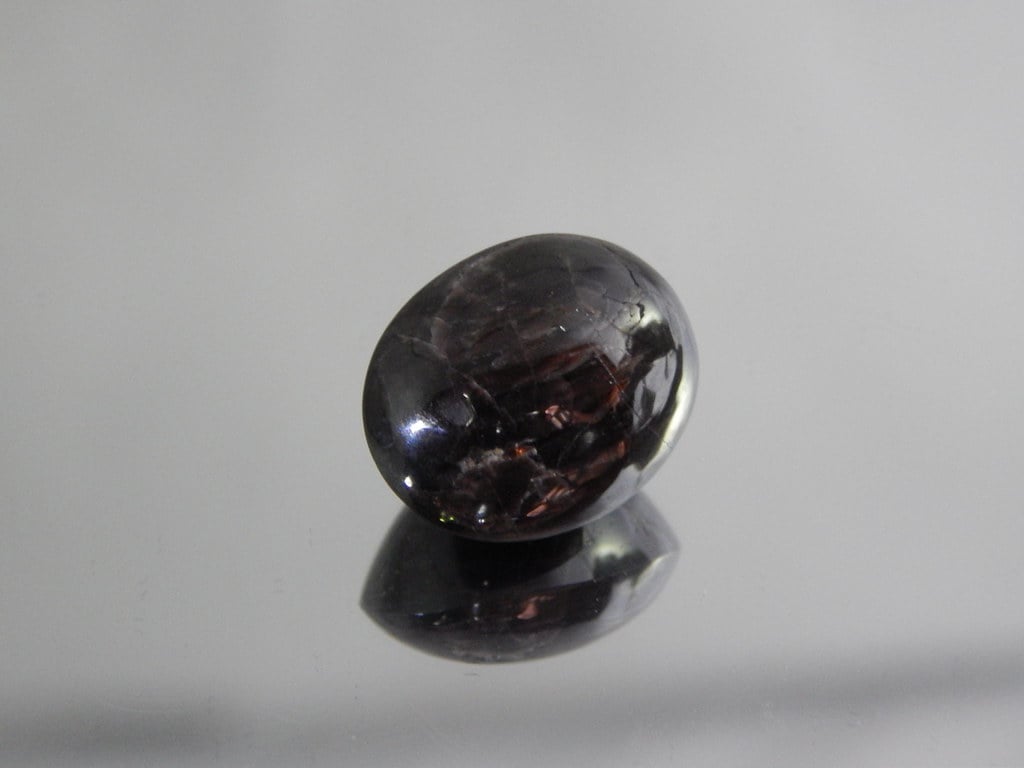
British mineralogist Arthur Pain discovered this gem in Myanmar in the 1950s. For over half a century, only two crystals existed.
The Guinness Book of World Records listed painite as the rarest mineral on Earth. The gem appears deep reddish-brown to orange-red, and its chemical composition confused scientists for years.
Painite forms when aluminum, calcium, boron, zirconium, and oxygen combine under specific conditions. Those conditions occur almost nowhere.
Myanmar’s Mogok region produces the most known specimens, though a few have turned up in other locations. The total number of faceted stones probably doesn’t exceed a few hundred worldwide.
Recent discoveries increased supply slightly, but painite remains extraordinarily rare. A single carat can sell for tens of thousands of dollars when quality is high.
Most specimens show inclusions and imperfections that make them suitable only for collectors rather than jewelry. The few clean stones command premium prices from collectors who want to own something almost no one else can have.
Red Beryl Exists in One Mountain Range
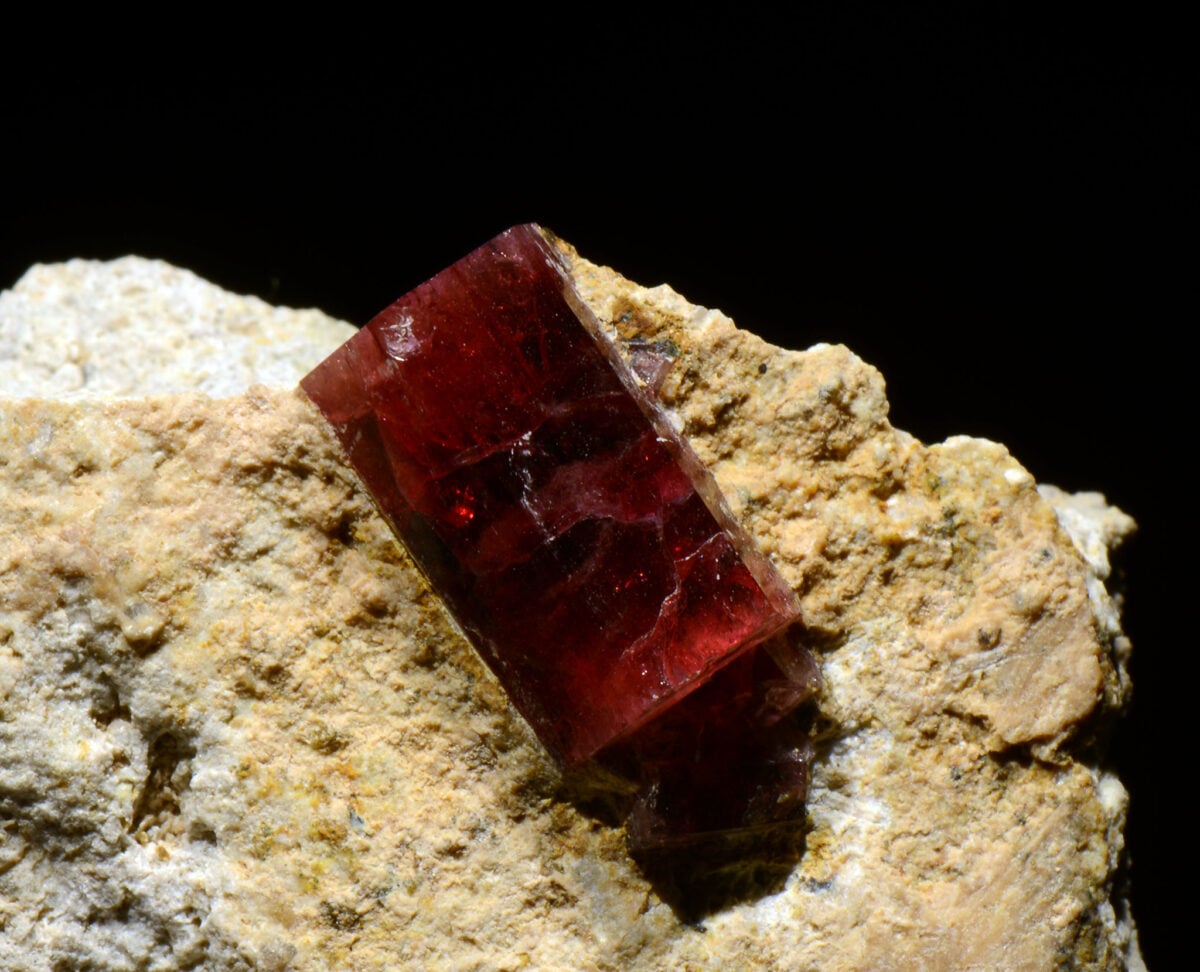
This gem occurs naturally in only one location: the Wah Wah Mountains of Utah. Red beryl forms in volcanic rock under conditions so specific that geologists estimate only one crystal exists for every 150,000 diamonds.
The gem displays a raspberry red color unlike any other beryl variety. Miners extract red beryl from rhyolite rock formations created millions of years ago during volcanic activity.
The crystals form in small cavities where the right minerals and temperatures coincide. Most crystals measure less than a carat, and finding a specimen over two carats is exceptional. Faceted stones above three carats are museum-quality rarities.
The primary mine closed in 2013, making existing specimens even more valuable. No other location produces gem-quality red beryl in commercial quantities.
A few crystals have appeared in New Mexico and Mexico, but these lack the quality and size of Utah specimens. Collectors pay up to $10,000 per carat for clean stones, and prices continue rising as supply dwindles.
Musgravite Took Decades to Identify
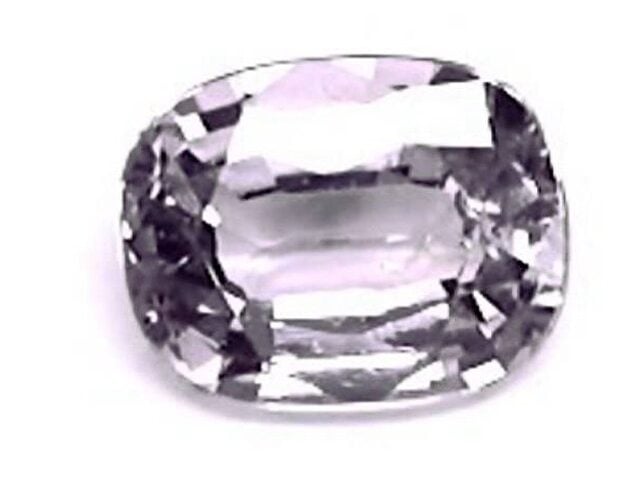
An Australian mineralogist discovered this gem in the Musgrave Ranges of South Australia in 1967, but scientists didn’t properly identify it as a distinct species until decades later. Early specimens were confused with taaffeite, another extremely rare gem.
Musgravite ranges from grayish-green to purple, depending on trace elements in its composition. The gem forms from magnesium, beryllium, aluminum, and zinc oxide crystallizing under intense pressure and heat.
These conditions exist in only a few locations worldwide. Small deposits have turned up in Greenland, Madagascar, Antarctica, and Sri Lanka, but gem-quality material remains scarce.
Most specimens are too small or included for faceting. Fewer than 100 faceted musgravites exist in private collections and museums.
A clean stone over two carats represents a significant find. The gem’s hardness of 8 to 8.5 on the Mohs scale makes it durable enough for jewelry, but its scarcity means most stones never leave collector vaults.
Prices range from $6,000 to $35,000 per carat depending on size, color, and clarity.
Benitoite Grows Only in California
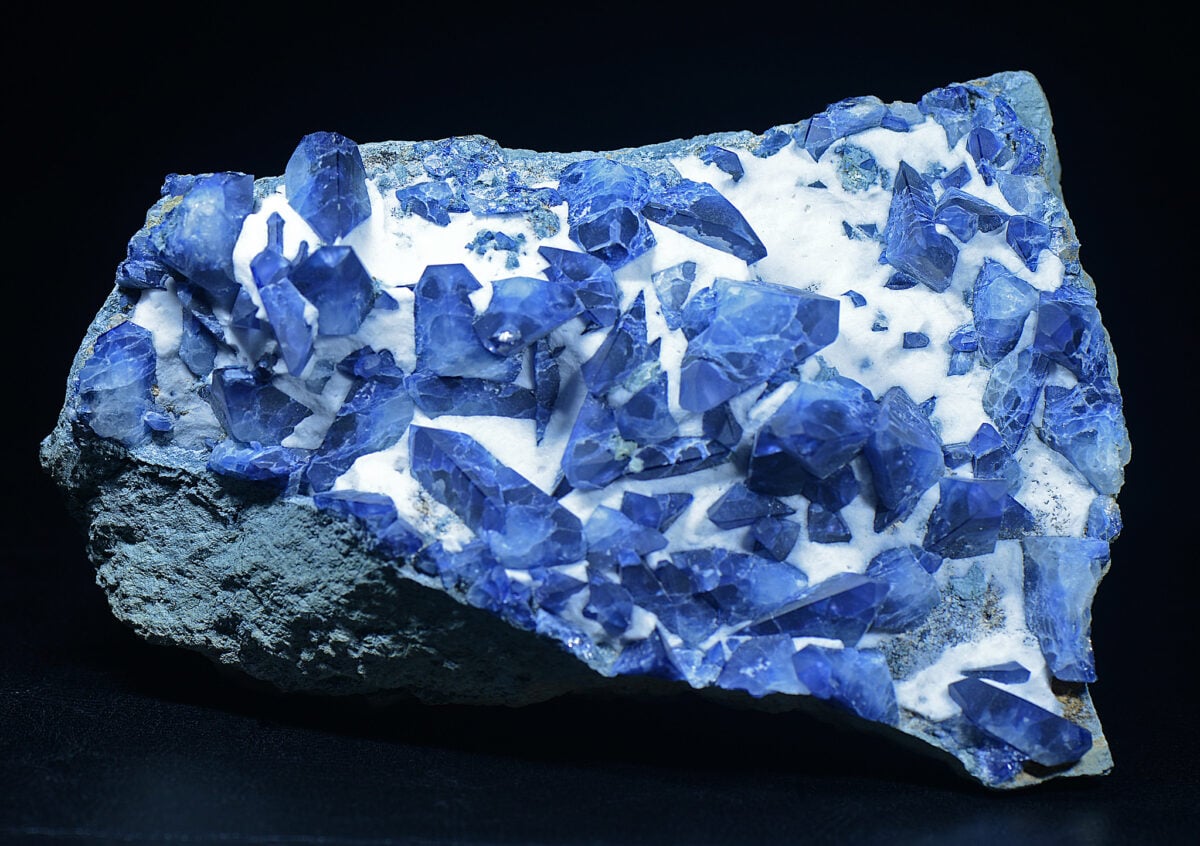
California designated benitoite as its official state gem because it occurs naturally in only one place: San Benito County. The gem forms a striking sapphire blue color and displays exceptional brilliance and fire when faceted.
Under ultraviolet light, benitoite glows bright blue, making it easy to identify. The gem crystallizes in serpentinite rock formed when oceanic crust transforms under heat and pressure.
The specific conditions needed for benitoite formation occurred in a small area of California and apparently nowhere else on Earth. The primary mine closed in 2006, ending commercial production.
Most benitoite crystals are small, with faceted stones over two carats being extremely rare. The gem’s dispersion exceeds that of diamond, creating rainbow flashes that catch the eye.
Clean stones sell for $3,000 to $4,000 per carat, with prices increasing for larger sizes. The combination of single-location scarcity and mining cessation makes benitoite increasingly valuable to collectors.
Grandidierite Shows Two Colors
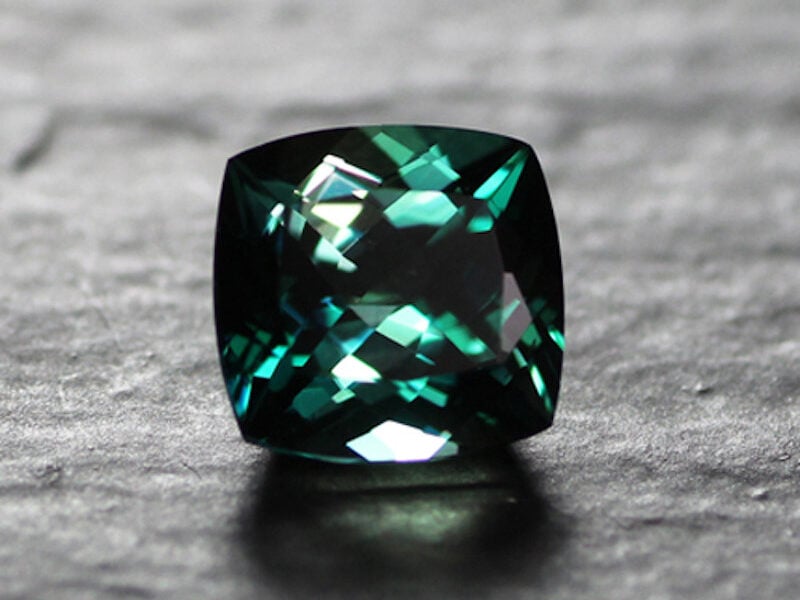
This blue-green gem from Madagascar displays strong pleochroism, showing different colors when viewed from different angles. Turn a grandidierite crystal and watch it shift from blue-green to colorless or white.
The effect creates visual interest that makes the gem popular with collectors despite its rarity. Grandidierite forms from aluminum, boron, and iron combining in metamorphic rocks.
Madagascar’s Tranomaro region produces most specimens, though small deposits exist in Malawi, Namibia, and Sri Lanka. Gem-quality material is scarce, with most crystals being opaque or heavily included. Transparent stones suitable for faceting are exceptional finds.
The gem measures 7 to 7.5 on the Mohs hardness scale, making it relatively durable but requiring care in jewelry settings. Faceted grandidierite over five carats is museum-quality rare.
Prices vary widely based on transparency and color intensity, ranging from $3,000 to over $20,000 per carat for the finest specimens.
Taaffeite Was Found in a Jewelry Box
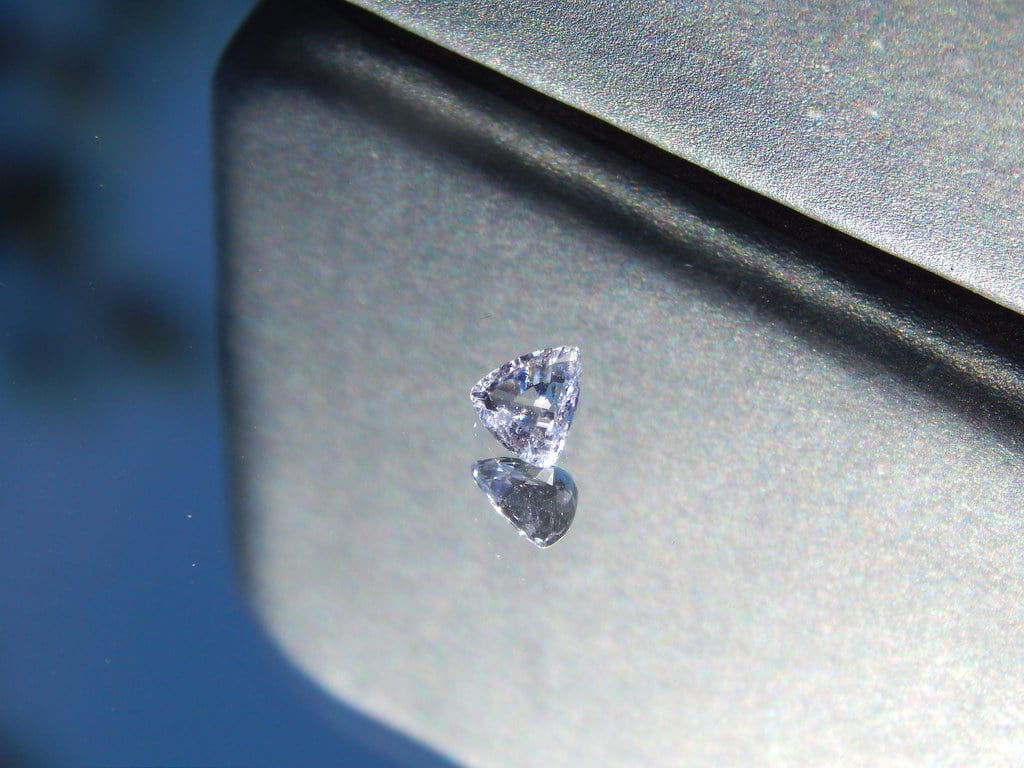
Richard Taaffe discovered this gem in 1945 among a box of spinels purchased in Dublin. He noticed one stone looked different and sent it for testing.
Scientists confirmed it as a new mineral species, the first gem discovered already faceted rather than in rough form. The gem appears mauve to pale lavender, sometimes with hints of blue or green.
Taaffeite forms from magnesium, beryllium, and aluminum oxide under specific conditions in metamorphic rocks. Sri Lanka produces most specimens, with smaller quantities from Tanzania and China.
The gem is so rare that many jewelers have never seen one. Total known faceted stones probably number in the low thousands worldwide.
Clean taaffeite over five carats commands premium prices. The gem’s rarity combined with its subtle beauty makes it desirable to collectors who appreciate understated elegance.
Prices range from $2,500 to $20,000 per carat depending on size, color saturation, and transparency. The pale colors make inclusions more visible, so clean stones are particularly valuable.
Jeremejevite Comes From Namibia
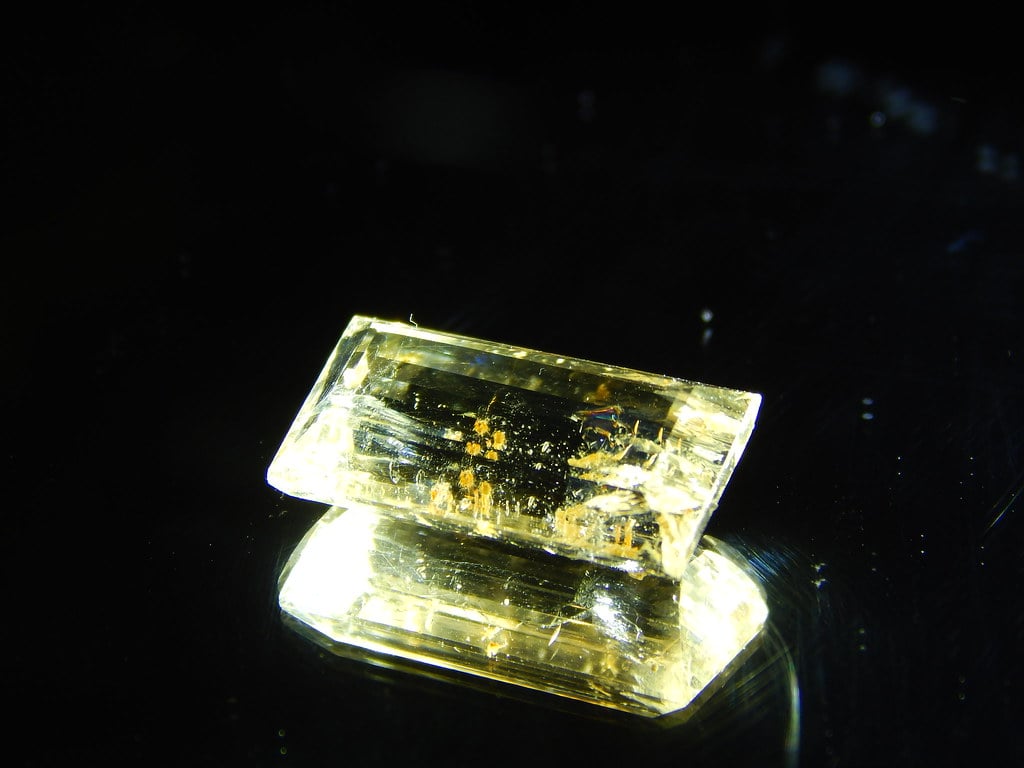
This colorless to pale blue gem forms from aluminum, boron, and fluoride crystallizing in granite formations. Namibia’s Erongo Mountains produce the finest specimens, though the gem has appeared in Russia, Germany, and Tajikistan.
Most crystals are too small or included for faceting, making clean stones exceptionally rare. Jeremejevite measures 6.5 to 7.5 on the Mohs scale, suitable for jewelry with protective settings.
The gem lacks the brilliance of a diamond but displays a subtle beauty that appeals to collectors. Blue specimens are more valuable than colorless ones, with deep blue being extremely rare.
Faceted jeremejevite over two carats is uncommon. Stones over five carats are significant finds that end up in museum collections or serious private holdings.
The gem’s scarcity keeps it largely unknown outside collector circles. Prices range from $2,000 to $5,000 per carat for fine material.
Poudretteite Remained Unknown Until 1987
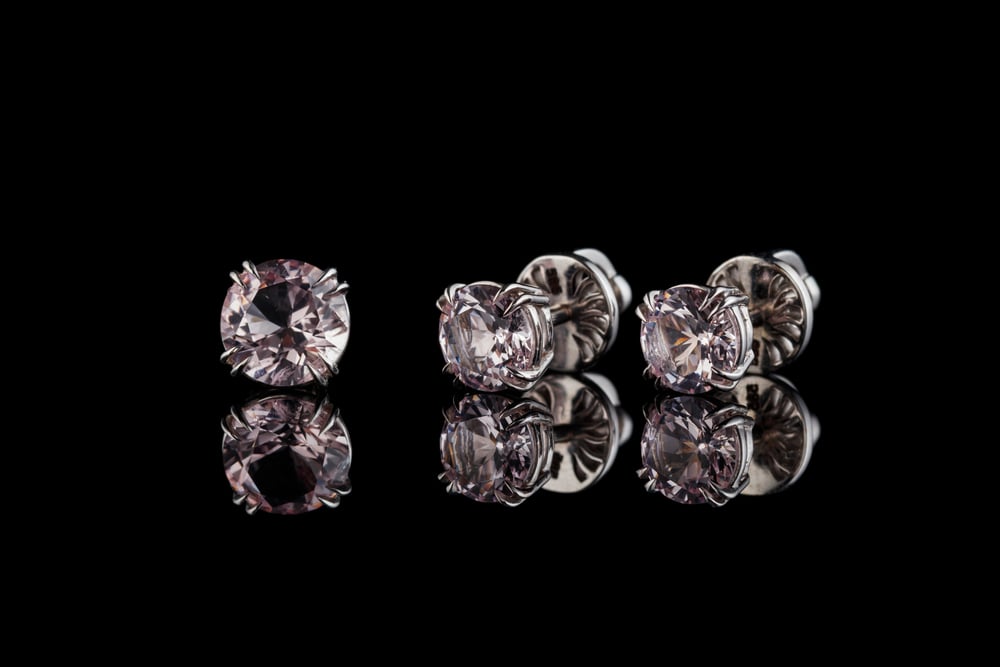
Canadian prospectors found this gem at the Poudrette quarry in Quebec during the 1960s, but scientists didn’t identify it as a distinct species until 1987. The gem appears pink to purple, caused by trace amounts of manganese.
Poudretteite’s chemical composition includes potassium, sodium, beryllium, aluminum, silicon, and oxygen in a complex arrangement. For years, the Quebec quarry was the only known source.
Then Myanmar’s Mogok region started producing gem-quality crystals in the early 2000s. Burmese stones tend to be larger and cleaner than Canadian specimens, though both sources produce material scarce enough to qualify as extremely rare.
Faceted poudretteite over 10 carats exists but ranks among the most valuable specimens. The gem’s softness, measuring 5 on the Mohs scale, limits its use in jewelry. Most stones remain in collections where they’re safe from the wear that could damage them.
Prices reach $3,000 to $5,000 per carat for top-quality material.
Serendibite Hides in Sri Lanka
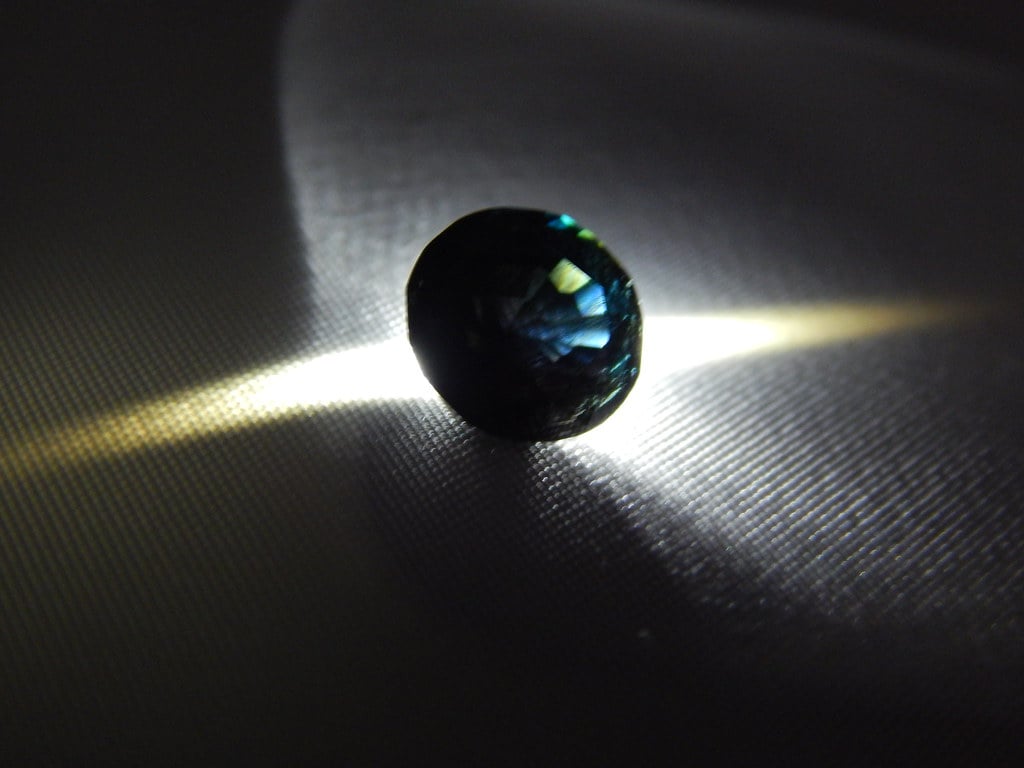
Serendibite takes its name from Serendib, an old name for Sri Lanka where the gem was discovered in 1902. The deep blue-black to greenish-blue stones form from calcium, magnesium, aluminum, silicon, boron, and oxygen under high-pressure conditions.
Serendibite occurs in skarns, metamorphic rocks created when limestone encounters magma. For over a century, only Sri Lanka produced serendibite.
Myanmar discovered a deposit in 2005, providing the first significant source of facetable material. Even with Burmese production, serendibite remains rare.
Most crystals are opaque or too dark to display much color when cut. Transparent stones are exceptional.
The gem’s hardness of 6.5 to 7 makes it somewhat suitable for jewelry, though its rarity means few stones ever get set in rings or pendants. Faceted serendibite over two carats is uncommon.
Clean stones can sell for $2,000 to $3,000 per carat, with prices rising for larger sizes and better color.
Black Opal Shines From Lightning Ridge
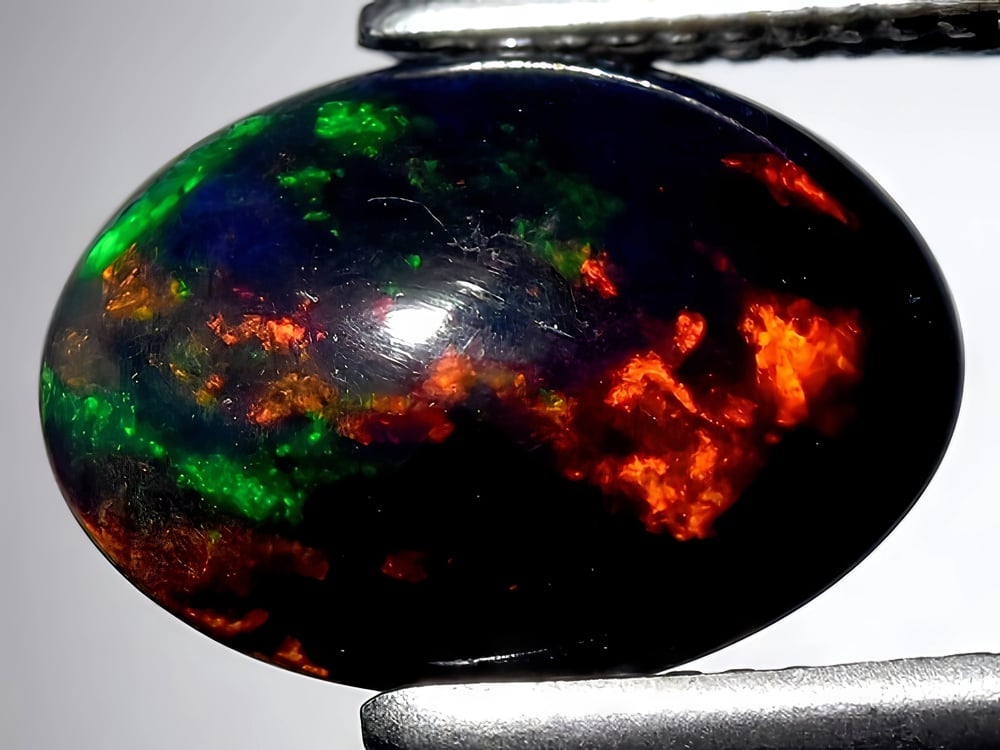
Australia’s Lightning Ridge produces black opal, the rarest and most valuable type of opal. Unlike common opal which has a white or light background, black opal displays its play-of-color against a dark gray to black body tone.
The contrast makes the colors appear more vivid and intense. Red flashes are particularly valuable, with full spectrum stones commanding the highest prices.
Black opal forms when silica-rich water seeps through ancient rock formations, depositing microscopic spheres in precise arrangements. The sphere size and arrangement determine which colors appear.
Lightning Ridge’s unique geology creates conditions that produce black rather than white or crystal opal. Other locations produce black opal occasionally, but Lightning Ridge dominates the market.
Fine black opal can sell for tens of thousands of dollars per carat. Large stones with vivid red, orange, green, and blue patterns are investment-grade rarities.
The gem’s softness, measuring 5.5 to 6.5 on the Mohs scale, requires protective settings. Most serious collectors own at least one black opal, considering it essential to a complete gem collection.
Alexandrite Changes Color
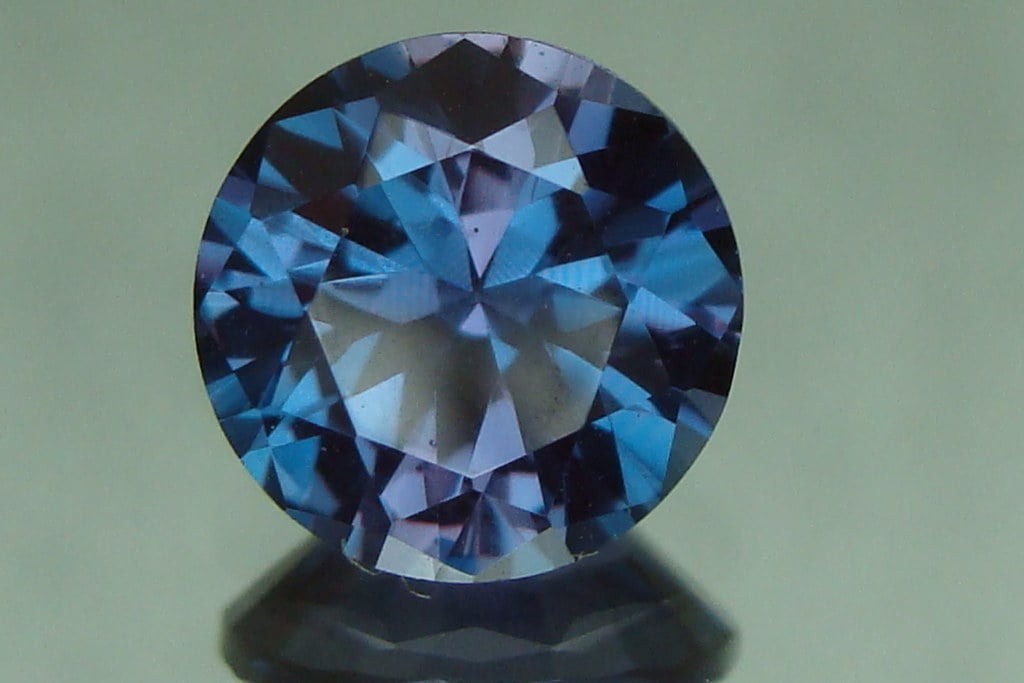
This variety of chrysoberyl appears green in daylight and red under incandescent light. The color change results from chromium in the crystal structure absorbing specific wavelengths.
Alexandrite was discovered in Russia’s Ural Mountains in the 1830s and named after Czar Alexander II. Russian mines produced the finest material, with dramatic color shifts and good clarity.
The original Russian deposits are largely depleted. Brazil, Sri Lanka, East Africa, and Madagascar now produce alexandrite, but these sources rarely match Russian quality. The best stones show a pure grass green in daylight and raspberry red in incandescent light, with color changes of 80% or more.
Most modern alexandrite shows weaker color shifts and brownish tones. Fine Russian alexandrite over five carats is museum-quality rare.
These stones sell for $10,000 to $70,000 per carat depending on color change strength and clarity. Brazilian and Sri Lankan stones cost less but still command premium prices.
The gem’s hardness of 8.5 makes it excellent for jewelry, but supply limitations keep it available only to serious collectors.
Paraiba Tourmaline Glows Electric Blue
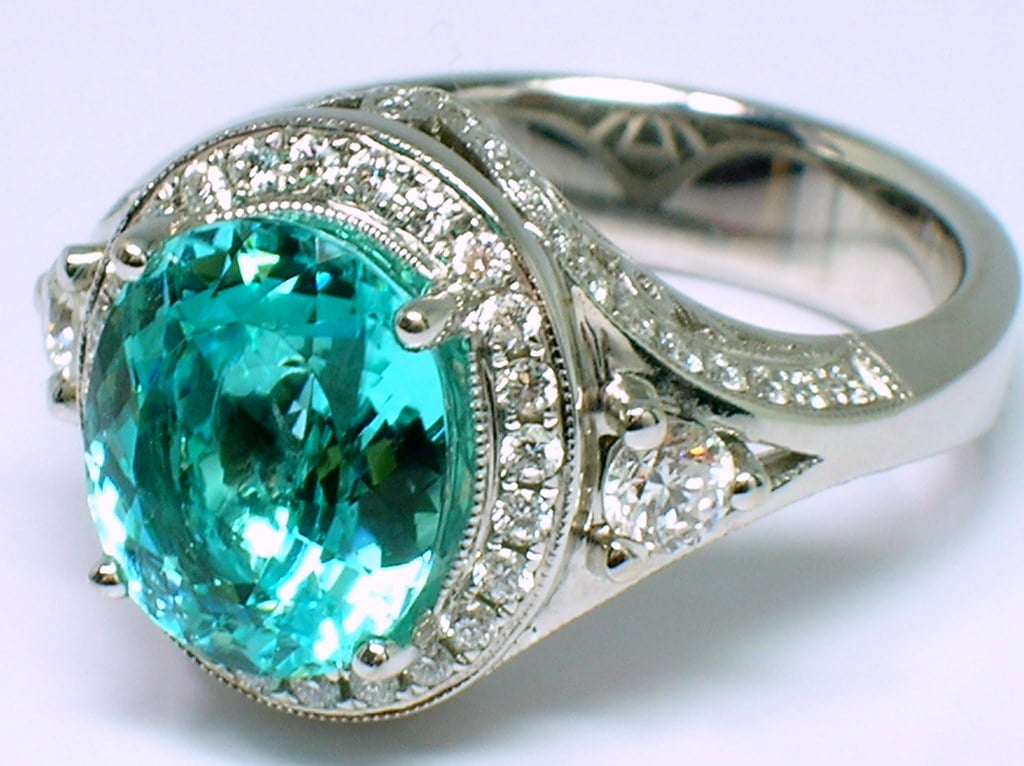
Brazilian miners discovered this neon blue tourmaline in Paraiba state in the late 1980s. The electric color comes from copper and manganese in the crystal structure, creating a vivid blue-green unlike any other gem.
Paraiba tourmaline appears to glow even in dim light, giving it an otherworldly appearance that captured the gem world’s attention. The original Brazilian deposit produced spectacular material but in tiny quantities.
Mining difficulties and the small deposit size meant supply couldn’t meet demand. Nigeria and Mozambique later discovered copper-bearing tourmalines with similar colors, expanding supply but not enough to make the gem common.
The finest Brazilian stones remain the most valuable. Paraiba tourmaline over five carats in fine quality is extremely rare.
The gem’s intense saturation and brightness make it instantly recognizable. Prices range from $3,000 to $30,000 per carat depending on origin, color intensity, and size.
Brazilian stones command premiums over African material. The gem’s popularity means most newly discovered stones sell immediately to waiting buyers.
Jadeite Jade Reaches Imperial Green
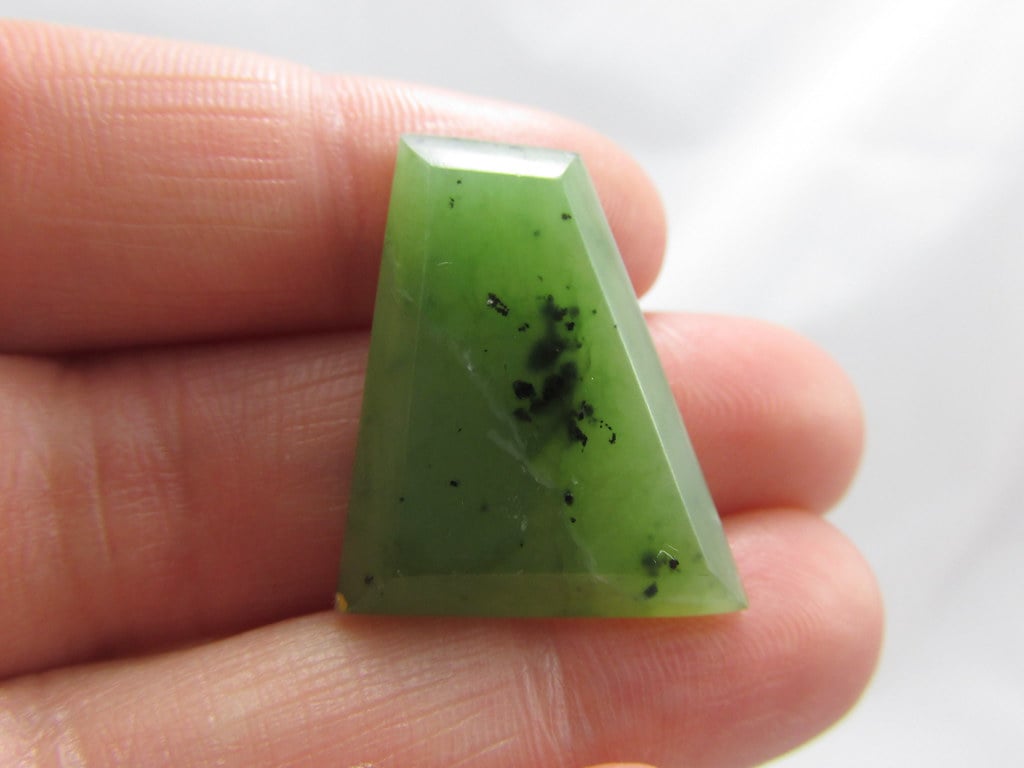
While jade is common, imperial jadeite is not. This vivid emerald-green variety comes almost exclusively from Myanmar and represents the finest quality jade.
The color comes from chromium, the same element that colors emeralds. Imperial jadeite must be translucent with even color saturation and no brown or gray tones.
Jadeite jade forms when sodium-rich fluids alter existing rocks under intense pressure deep in the Earth. Myanmar’s Kachin State contains the world’s premier jadeite deposits, formed by ancient tectonic activity.
The finest imperial green stones are rarer than many diamonds and command incredible prices in Asian markets where jade holds cultural significance. A single bangle bracelet carved from imperial jadeite can sell for millions of dollars.
Cabochons suitable for rings or pendants fetch thousands to tens of thousands per carat. The gem’s toughness exceeds almost any other material, making it practically indestructible.
Chinese collectors consider imperial jadeite the ultimate gem, valuing it above diamonds, rubies, or any Western precious stone.
Why Rarity Matters Beyond Price
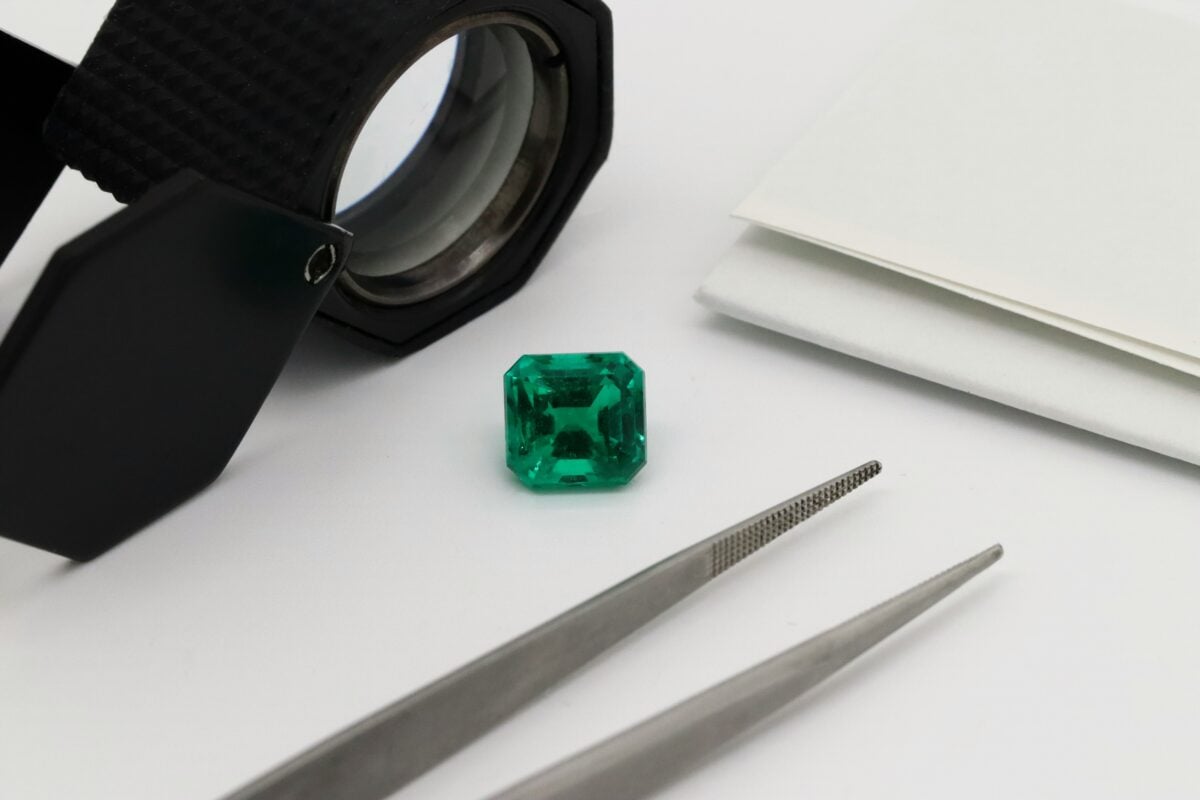
Few will ever lay eyes on such stones beyond a printed image. Behind museum glass they sit, watching closely. Locked away in private safes, hidden from view.
Because they are rare and striking, their worth goes far past coins or bills. To hold one is to carry a piece of near-impossible rarity.
What stands out alters your view on things. Beauty matters, yet plenty of diamonds fill the market. Something like painite or red beryl feels different – nearly one of a kind.
Every piece holds traits setting it apart from its few peers it has. It isn’t about picking something off a shelf.
This one item stands alone – no copy exists anywhere else. What makes these finds special isn’t just what they are.
For ages, no one even knew painite existed. A jeweler stumbled upon taaffeite – already shaped – in a pile of ordinary stones.
Deep red beryl hides in a single stretch of rugged peaks, absent everywhere beyond. Stories wrap around the rocks, coloring them with more than just weight or shine.
Out of sweat, chance deep underground, plus time too long to imagine – they emerge. Not likely at all, yet here they are.
Out here, rare gem trading doesn’t follow regular jewelry rules. Walking into a shop won’t get you one of these finds.
Deals usually go down among private collectors, niche brokers, or through auctions tuned to true worth. Value shifts – no set price tags.
What someone pays often hinges on how long it might take before such a stone shows up again. Tomorrow could bring fresh finds, while some known spots may vanish entirely.
Hidden truths remain buried beneath the surface, waiting. Human eras feel short when measured against the slow forces that form such minerals.
A deposit thought empty might yield surprises after just another look. One generation might see abundance fade into memory.
Chance plays a role every time someone picks up a rare piece formed long before history began.
More from Go2Tutors!

- The Romanov Crown Jewels and Their Tragic Fate
- 13 Historical Mysteries That Science Still Can’t Solve
- Famous Hoaxes That Fooled the World for Years
- 15 Child Stars with Tragic Adult Lives
- 16 Famous Jewelry Pieces in History
Like Go2Tutors’s content? Follow us on MSN.