Rarest Hot Wheels Cars Ever Produced By Mattel
For more than five decades, Hot Wheels has captured the imagination of collectors and children alike. While millions of these die-cast cars have rolled off production lines, some models stand apart as legendary rarities that command astronomical prices at auction.
These aren’t your average toy aisle finds — they’re automotive artifacts that represent manufacturing errors, limited productions, or prototype designs that somehow escaped into the wild. The hunt for these miniature treasures has created a passionate community where a single car can sell for more than an actual vehicle.
Pink Rear-Loading Beach Bomb
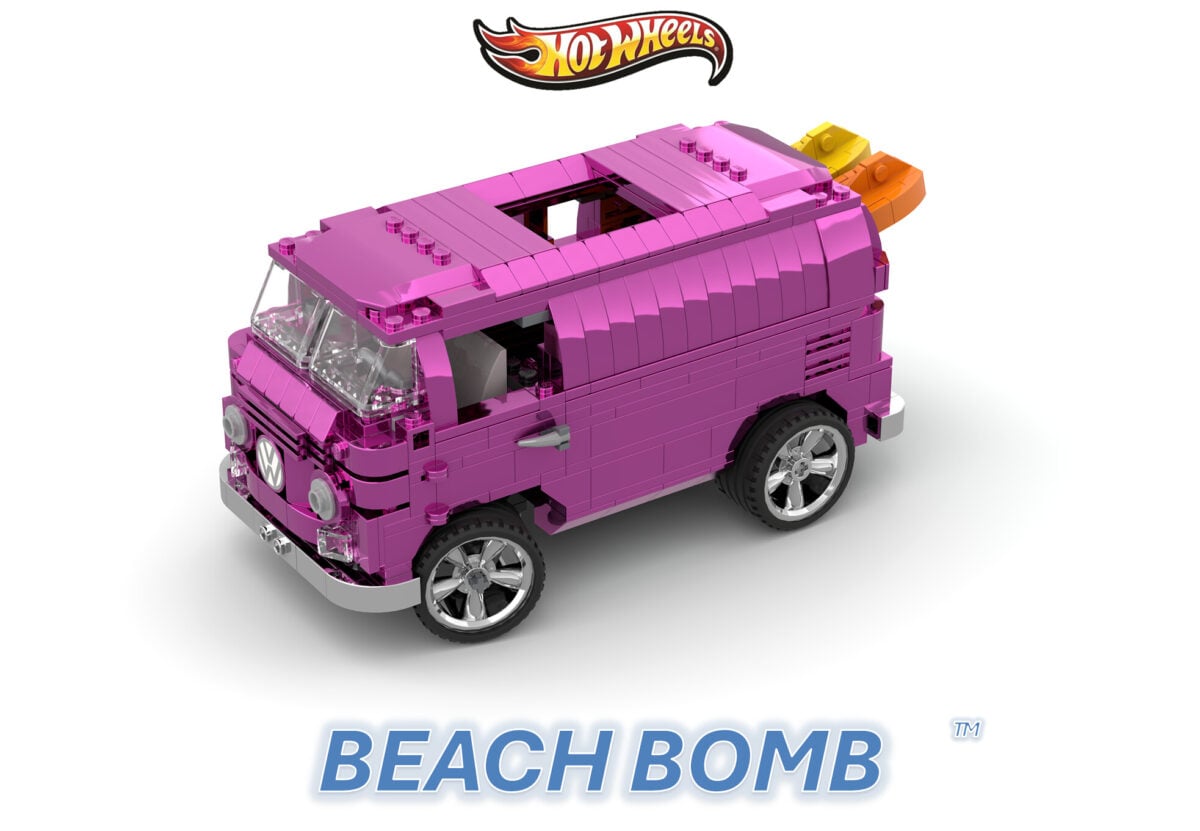
The Beach Bomb prototype never made it to mass production for good reason. Mattel’s engineers discovered that surfboards mounted on the rear made the car too top-heavy to navigate their signature orange track properly (the thing kept flipping over on curves, which defeats the purpose of a track-based toy system entirely).
So they scrapped the design and moved the boards to the side. But a few rear-loading versions survived.
The pink variant — only two are known to exist — sold for over $175,000 in recent years.
White Enamel Camaro
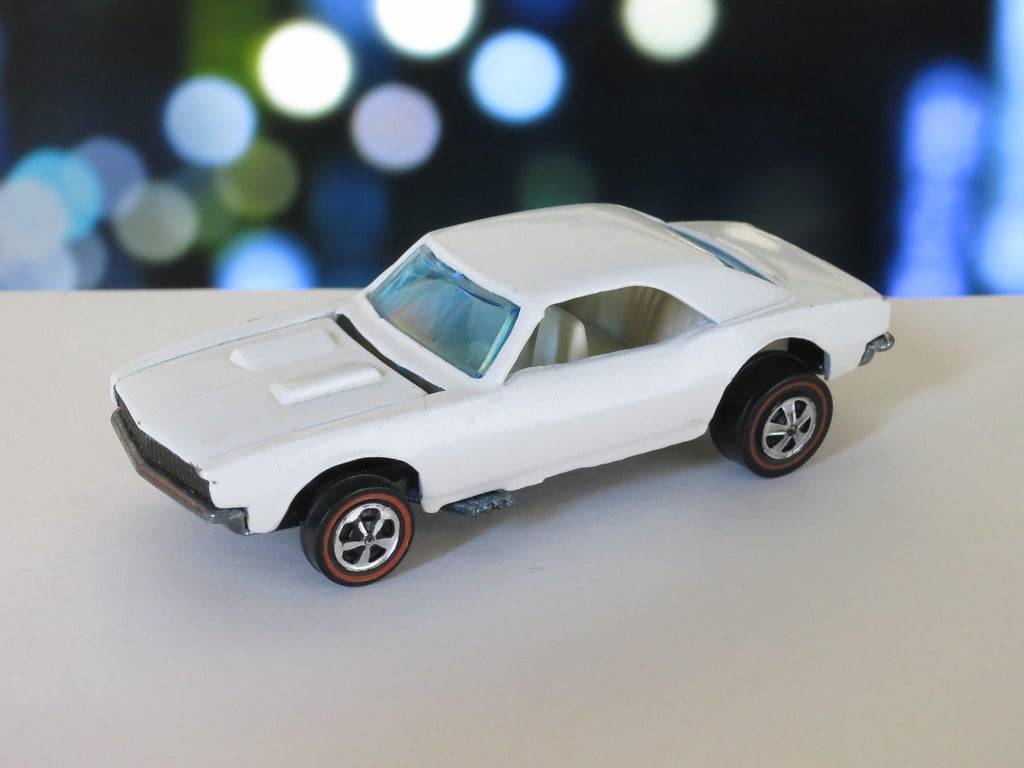
Sometimes the most valuable discoveries happen when someone wasn’t paying attention to the rules, and this particular Camaro exists because a Mattel employee apparently decided to experiment with white enamel paint during a lunch break or after hours (the exact circumstances remain unclear, but the timing suggests it wasn’t an official company initiative). The result was a single prototype that somehow made its way out of the factory — and into collecting legend.
The white enamel creates an almost porcelain-like finish that’s completely unlike the standard Hot Wheels paint jobs of the era. But here’s what makes it fascinating beyond just rarity: the paint actually changes the way light hits the car’s surface, creating depth and reflection that the designers probably never intended.
Even so, it works.
Copper Silhouette
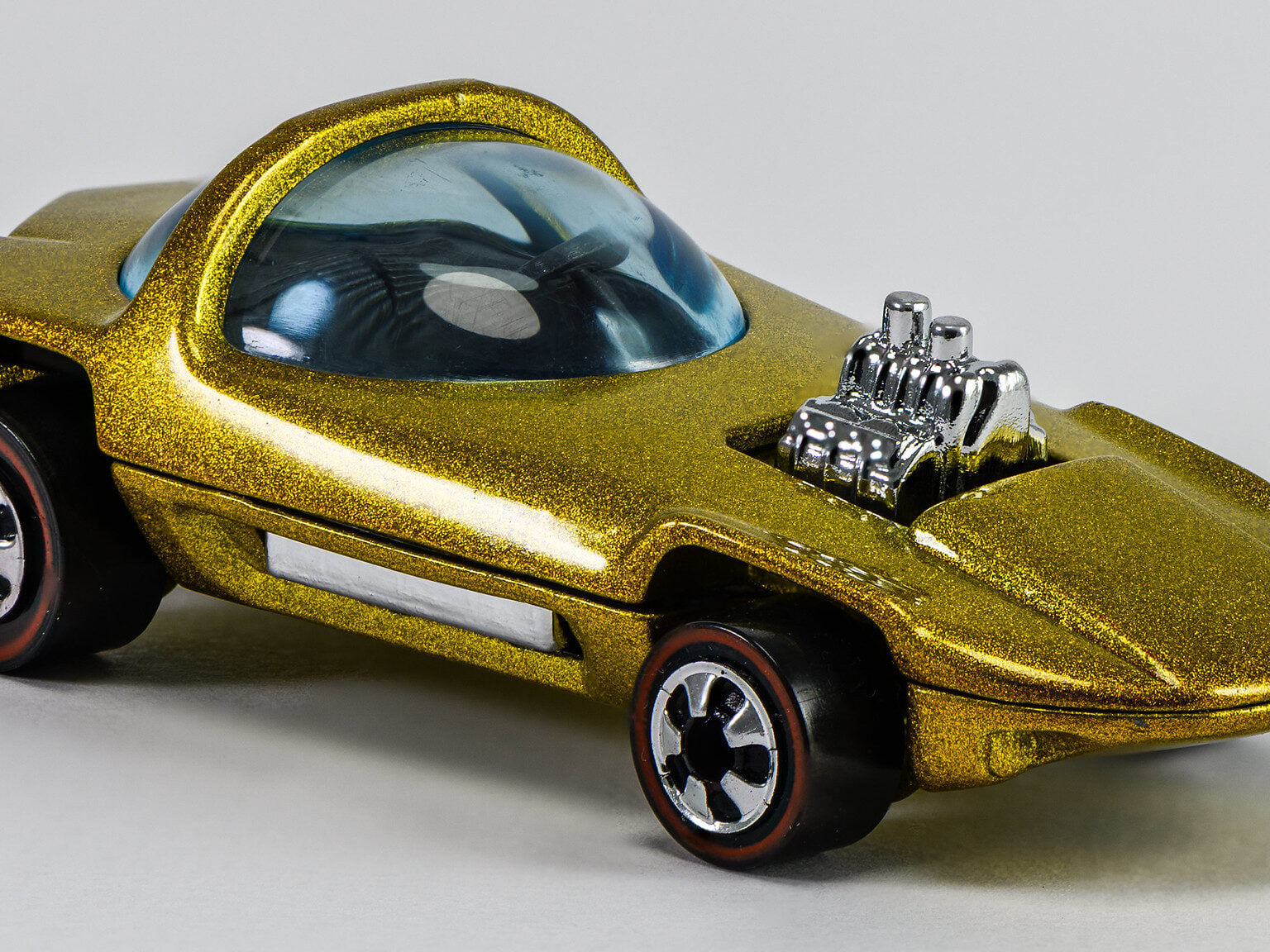
Mattel produced exactly one Silhouette in copper finish. One.
The car was created as a prototype to test how copper paint would look on the sleek, angular design. Apparently, someone decided copper wasn’t the right direction for the line.
That single test car eventually found its way to a collector, who sold it for $140,000 at auction.
Original Sweet 16
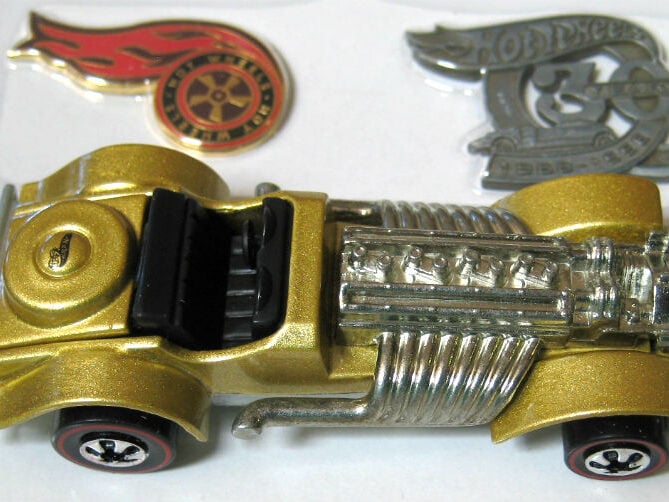
The original Sweet 16 models carried the weight of beginnings, as they were among the 16 simultaneous designs that Mattel released to launch their new Hot Wheels line in 1968. Think of it as the opening sentence of what would become a decades-long conversation between the company and millions of children.
The original version from 1968 featured a unique combination of metallic paint and redline wheels that creates an almost jewelry-like quality when you hold it up to light. The proportions feel different from later Hot Wheels too — slightly more substantial, as if the designers were still figuring out exactly how small they could make these cars while maintaining that sense of weight and quality that would define the brand.
Only a handful of these first-run Sweet 16s survived in mint condition, and they represent something that can never be replicated: the moment when an idea became reality.
Purple Olds 442
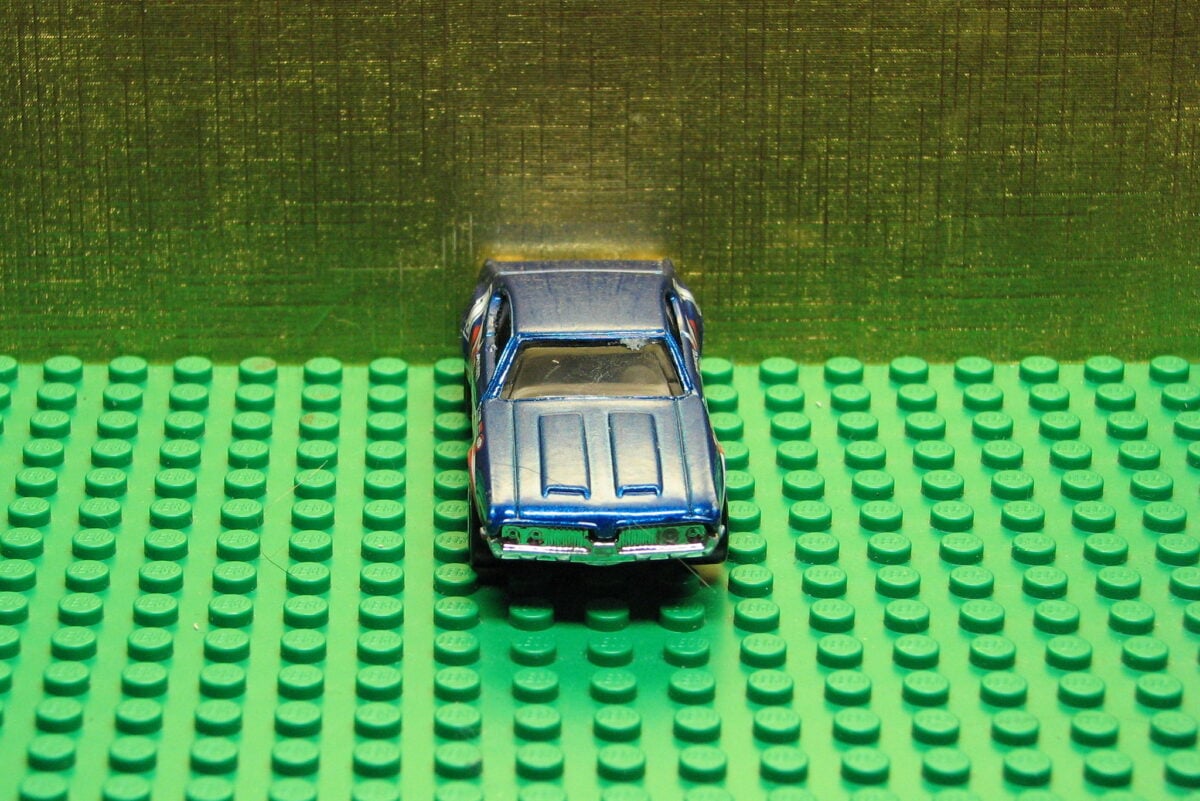
Purple wasn’t a color that appeared in many Hot Wheels lineups, which makes this Olds 442 particularly interesting. The deep purple finish was apparently a one-off experiment that never progressed beyond the prototype stage.
The car combines that unusual color with chrome details and redline wheels. Fair enough — it’s a striking combination. But what really matters to collectors is that this might be the only purple Hot Wheels car Mattel ever produced in this particular shade and finish combination.
Scarcity drives value, and absolute scarcity drives prices into five-figure territory.
Mad Maverick
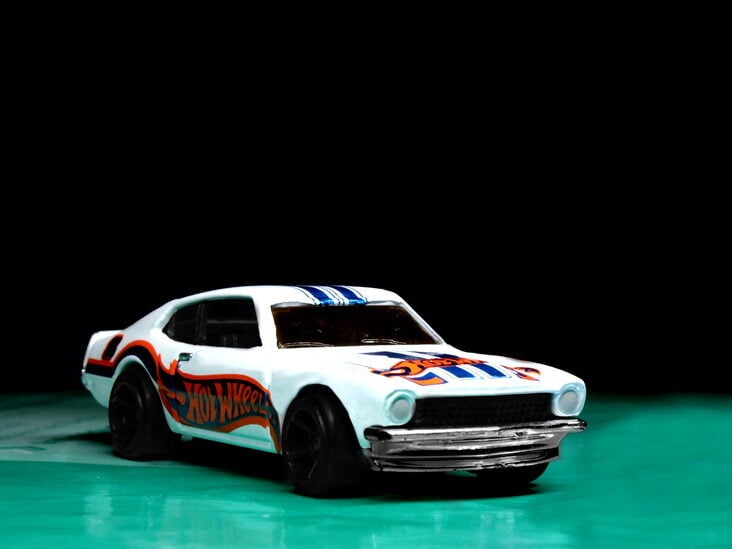
Mattel created the Mad Maverick and then promptly decided not to release it, which means the few examples that exist came from employees who managed to acquire prototype versions before the design was shelved (a practice that was apparently more common in the early days, when internal security around unreleased products was considerably more relaxed than it would later become). The car featured an unusual engine blower configuration that stuck out through the hood — perhaps too aggressive for the target market at the time.
The design has a raw, almost unfinished quality that actually makes it more appealing now than it might have been if it had gone into regular production. There’s something about seeing a road not taken in miniature form.
Custom Fleetside
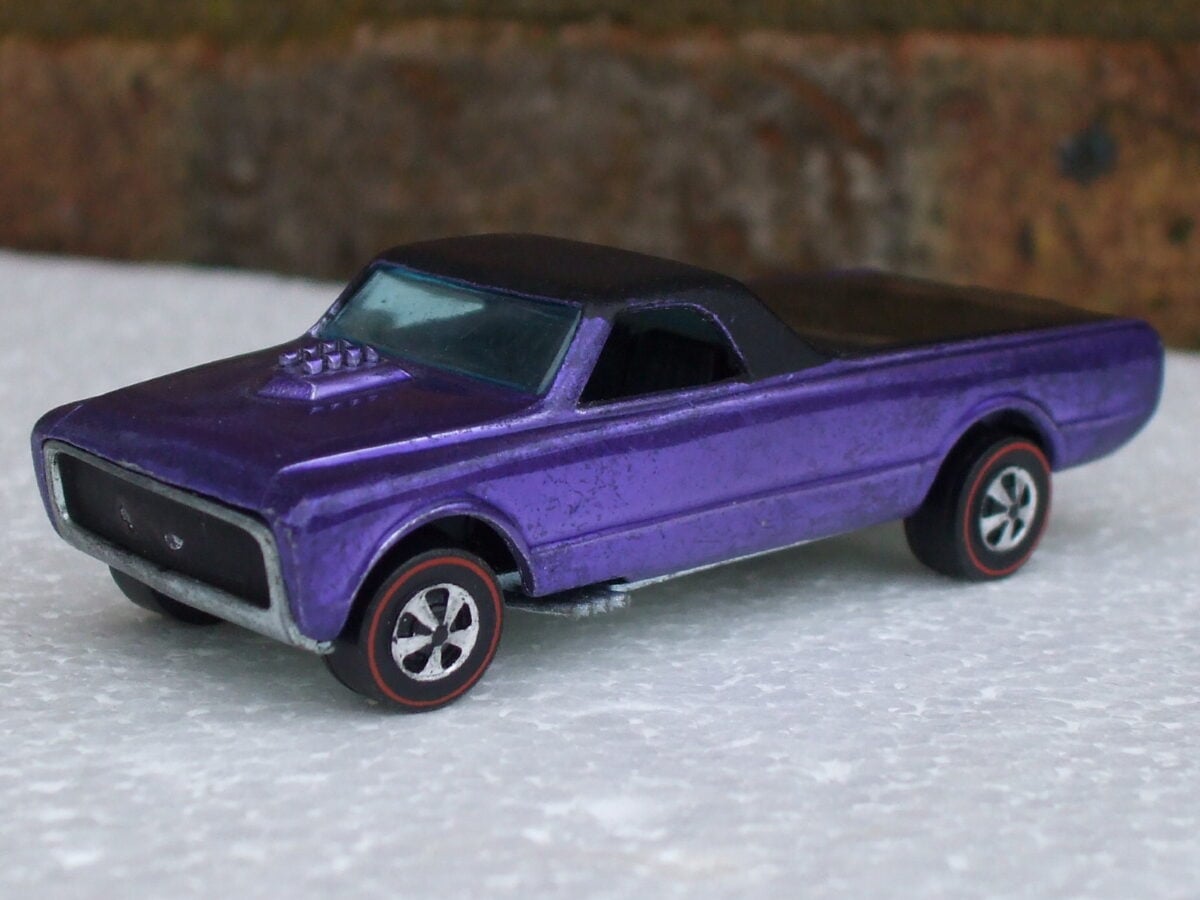
The Custom Fleetside represents something like the ghost of Hot Wheels design philosophy — a truck that embodies the customization culture of the late 1960s but rendered in miniature form with an attention to detail that borders on obsessive. The proportions are slightly exaggerated in that distinctly Hot Wheels way, where reality gets pushed just far enough to become more interesting than itself.
What makes this particular version rare isn’t just limited production numbers, but the specific combination of features that appeared on only a small batch: the metallic paint, the particular wheel configuration, and interior details that were later simplified for mass production. It’s like having a first draft of a song that ended up better than the album version.
Brown Custom Camaro
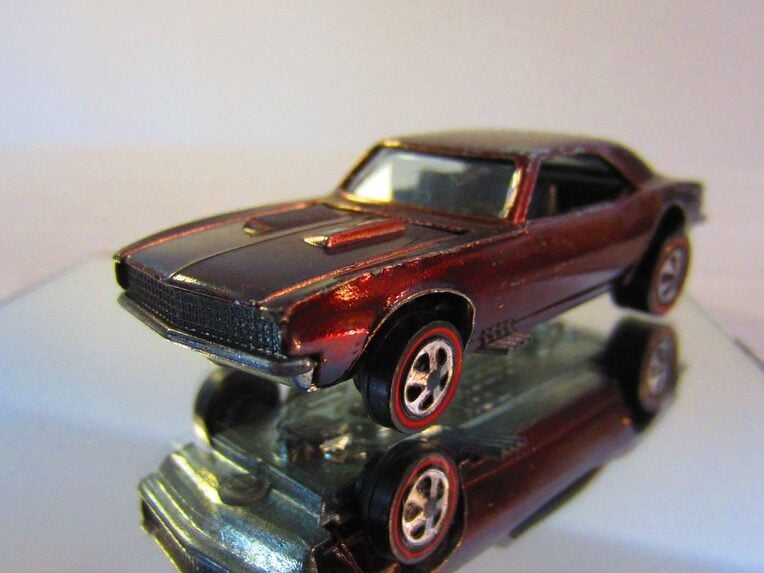
Brown was never going to be a popular color for toy cars aimed at children. Mattel figured this out pretty quickly and shifted production to more vibrant options that would actually move off store shelves.
The brown Custom Camaro exists because someone had to test how that color would look on the casting. The result was a small production run that collectors now chase relentlessly.
It turns out that what doesn’t sell well initially often becomes the most sought-after variant decades later. Market logic has a sense of humor.
Lemon Peeler
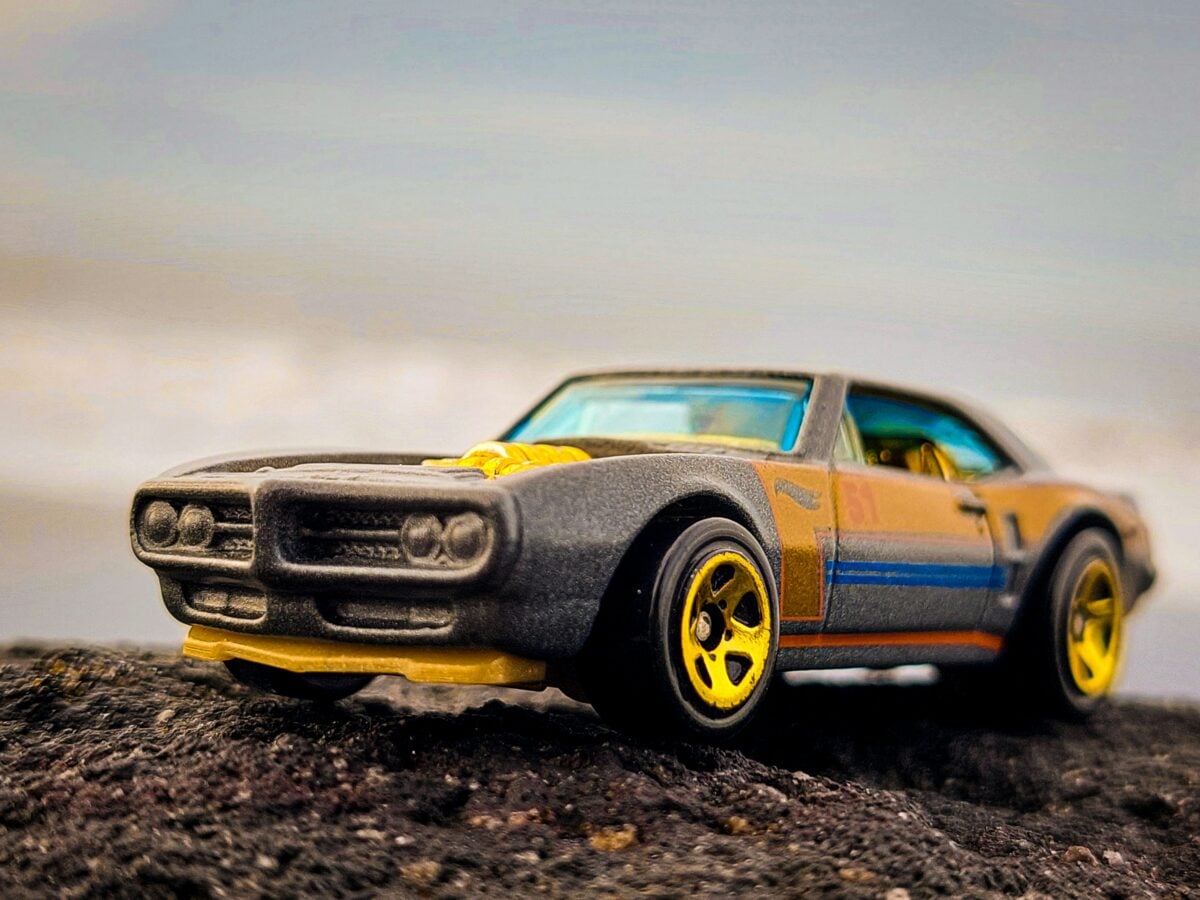
This car’s rarity stems from a production mishap rather than intentional scarcity, and honestly, that makes it more interesting than if Mattel had deliberately created a limited edition (there’s something more authentic about valuable items that exist because someone made a mistake or because circumstances aligned in an unexpected way). During a brief production run, a batch of Peelers received yellow paint that was slightly different from the standard formula — more metallic, with a depth that standard yellow lacked.
The difference is subtle until you see them side by side, at which point it becomes obvious that one version has a richness that the other simply doesn’t possess. The metallic yellow catches light in ways that transform the car from toy to something approaching art.
Custom Barracuda with White Interior
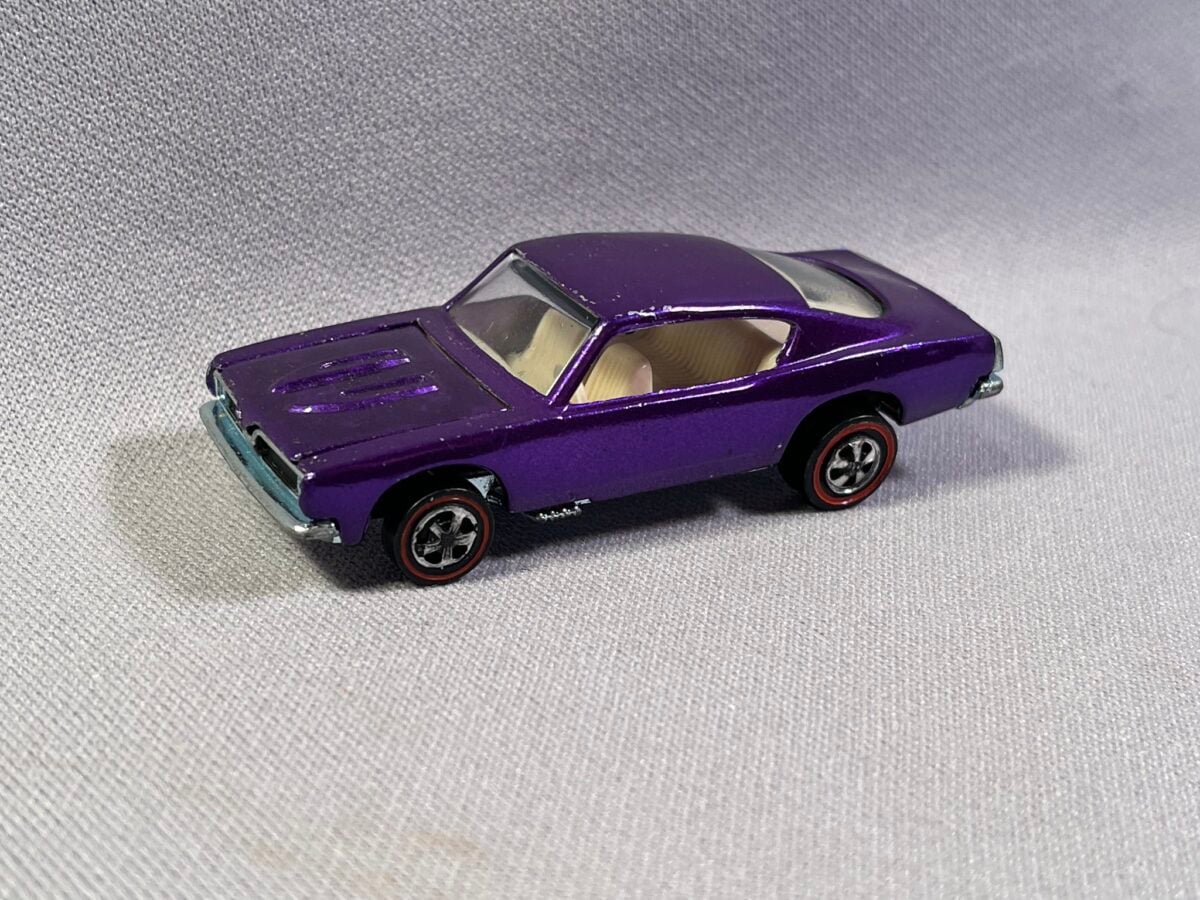
Standard Barracudas came with black interiors. Always black — that was the production standard, and Mattel stuck to it consistently throughout the car’s run in their lineup.
Except for one small batch where someone loaded white plastic into the molding machine instead. The result was a few dozen Barracudas with white interiors that looked completely different from every other version.
Collectors will pay thousands for that simple color variation, which says something about how much small details matter when everything else about an item is identical.
Red Baron with Original Helmet
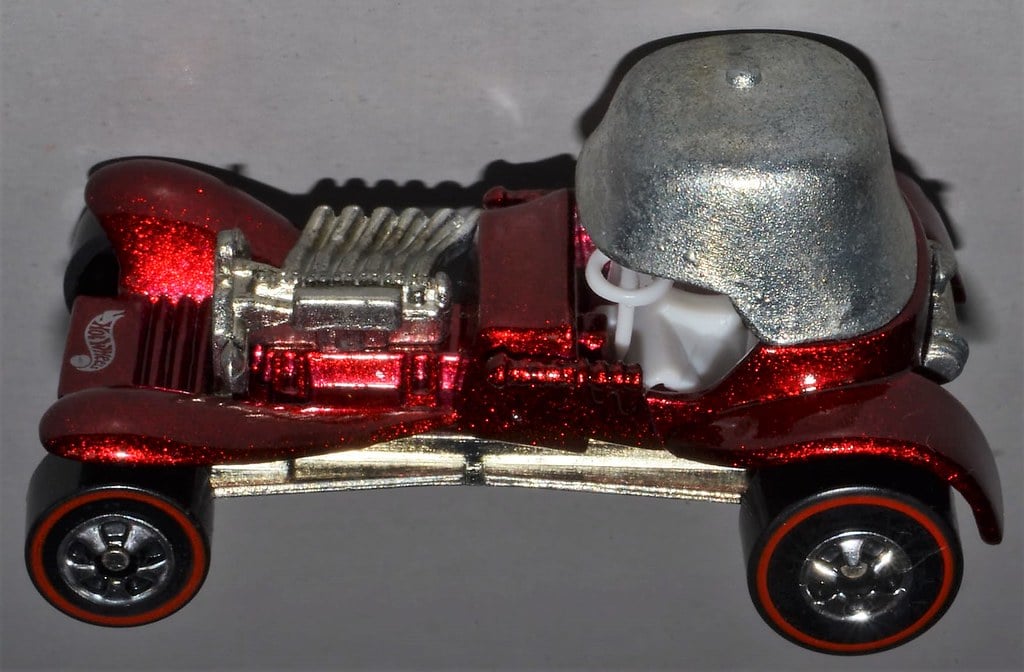
The original Red Baron came with a tiny pilot helmet that was attached to the car during production. These helmets were small, detailed, and apparently very easy to lose if you were a child actually playing with the toy rather than keeping it in a protective case.
Most surviving Red Barons have lost their helmets over the decades. Finding one with the original helmet intact requires luck, persistence, and usually a significant financial commitment.
The helmet doesn’t affect how the car rolls or looks from a distance, but it represents completeness in a way that collectors find irresistible.
Purple Python
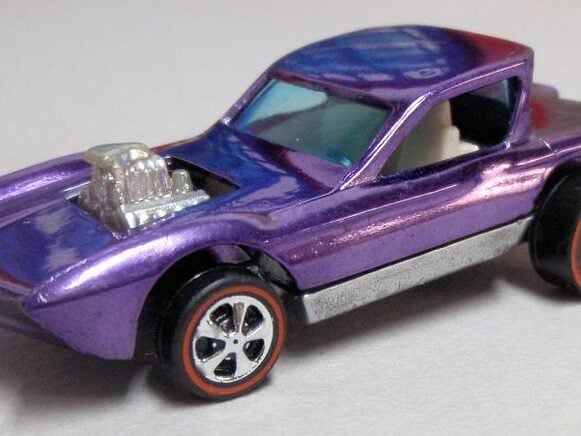
The Python casting appeared in several colors during its production run, but purple wasn’t supposed to be one of them, and the few purple examples that exist represent either a production error or a very limited test run that never made it to official release status (Mattel’s records from that era don’t provide definitive answers, which only adds to the mystery). The purple version has a finish that’s simultaneously metallic and deep, creating color variations depending on lighting conditions.
The car’s serpentine design works particularly well in purple — better than it probably would have in more conventional Hot Wheels colors. Sometimes accidents produce better results than planning.
14-Karat Gold Custom Camaro
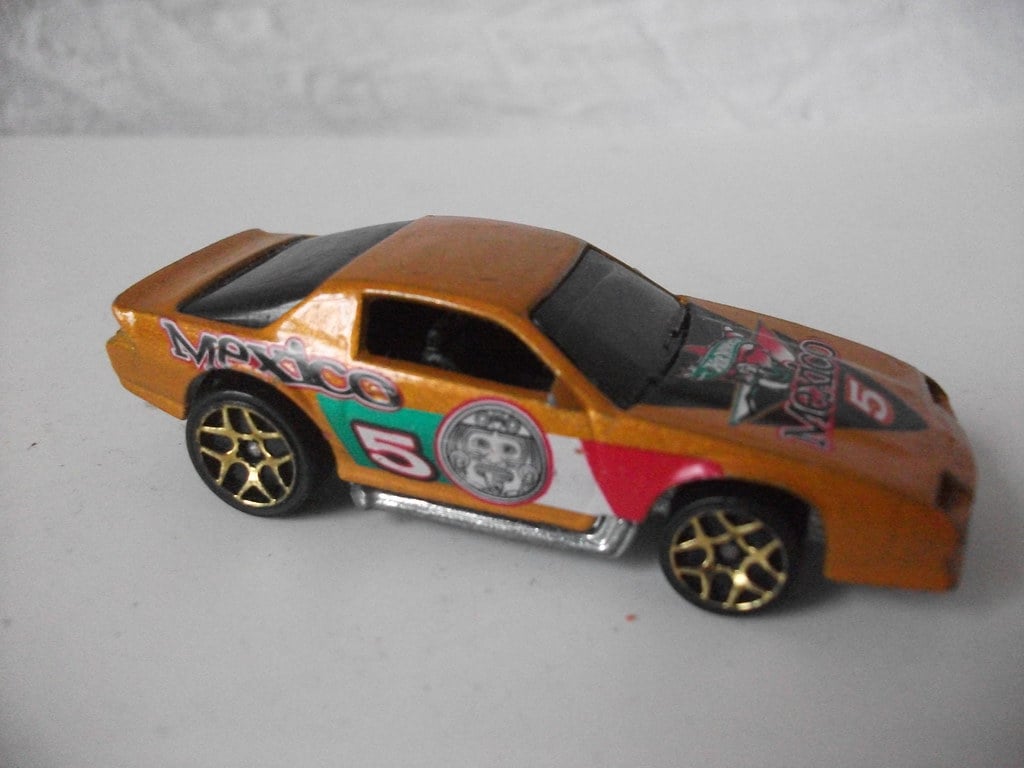
Mattel produced exactly 20 Camaros in actual 14-karat gold plating for a special promotion. These weren’t toys in any practical sense — they were collectibles from the moment they were created, intended as premium items for serious collectors rather than children.
The gold plating process required different techniques than standard Hot Wheels production, and the weight difference is immediately noticeable when you hold one. They came in special packaging and were numbered individually.
Finding one today requires both patience and deep pockets, since they rarely appear at auction and command prices that reflect their precious metal content as much as their rarity.
Beyond the Hunt
Chasing these miniature legends reveals something fundamental about how value gets created and preserved over decades. The rarest Hot Wheels cars exist at the intersection of accident and intention, where production mistakes become treasures and forgotten prototypes transform into automotive archaeology.
Their worth extends beyond simple economics — these tiny cars represent moments in design history, captured in metal and preserved by collectors who understood their significance long before the rest of the world caught on.
More from Go2Tutors!

- The Romanov Crown Jewels and Their Tragic Fate
- 13 Historical Mysteries That Science Still Can’t Solve
- Famous Hoaxes That Fooled the World for Years
- 15 Child Stars with Tragic Adult Lives
- 16 Famous Jewelry Pieces in History
Like Go2Tutors’s content? Follow us on MSN.