Ridiculous & Useless School Supplies for Spoiled Kids
Back-to-school shopping has become an arms race of unnecessary luxury items that would make previous generations scratch their heads in bewilderment. What started as simple notebooks and pencils has transformed into a theatrical display of excess, where parents compete to outfit their children with the most elaborate, overpriced, and ultimately pointless supplies imaginable.
The aisles of target and office supply stores now resemble high-end boutiques, filled with items that serve no educational purpose beyond broadcasting how much money a family is willing to spend on appearance.
Diamond-Encrusted Pencils
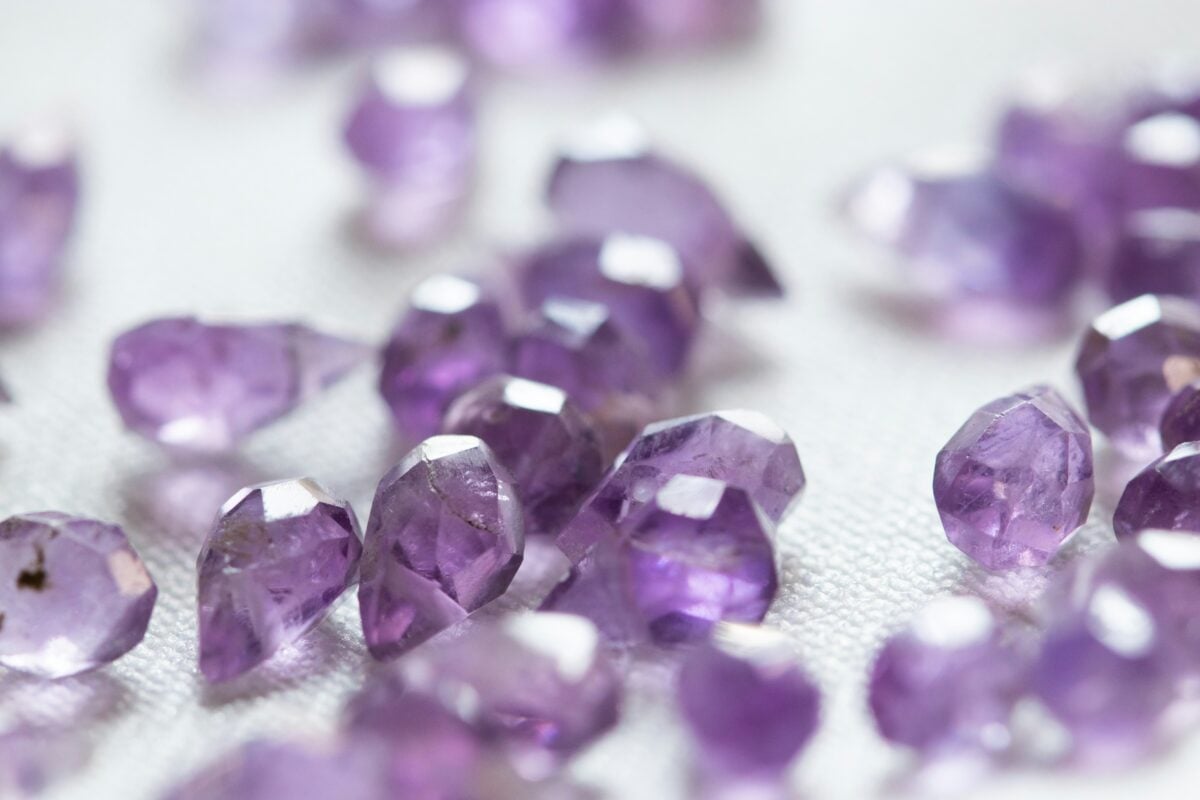
Pencils with actual diamonds embedded in them exist. They cost more than most people’s monthly grocery budget.
When the pencil gets sharpened, the diamonds disappear along with the wood shavings.
Electric Pencil Sharpeners with Bluetooth
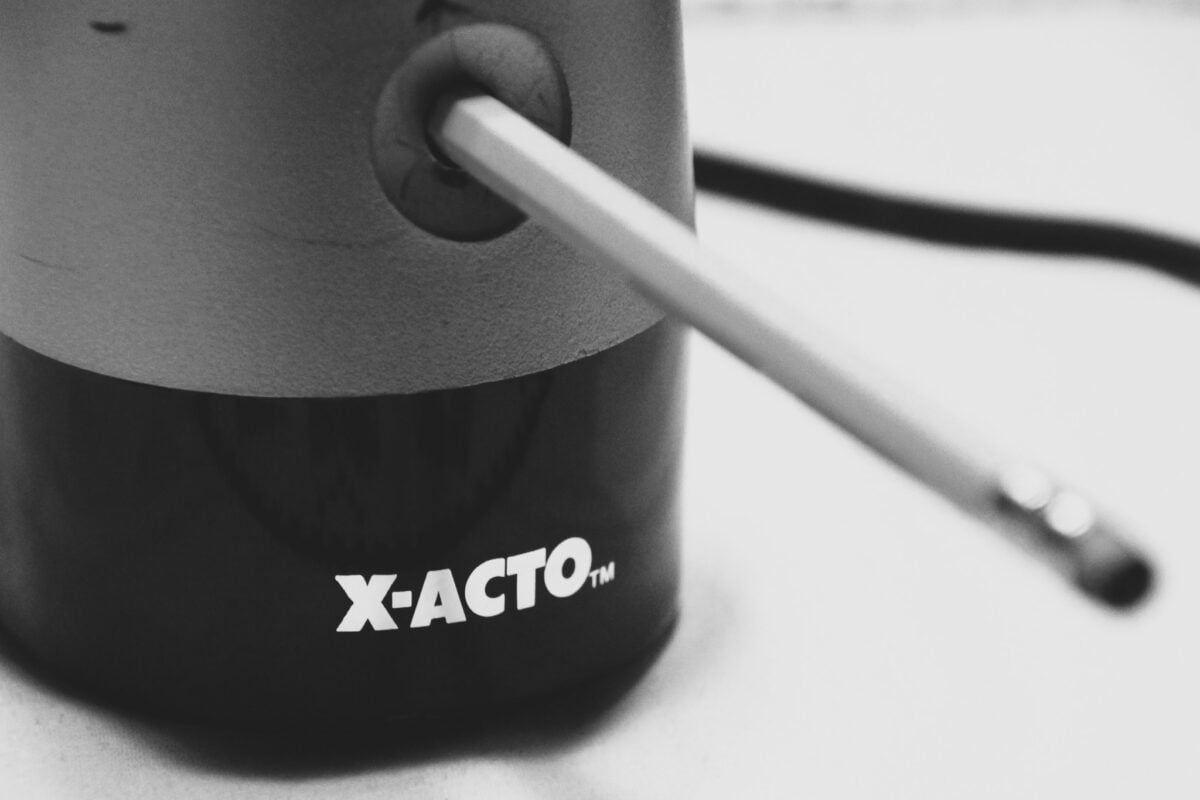
Because apparently manually turning a pencil sharpener builds no character anymore, companies now make battery-powered sharpeners that connect to smartphones via Bluetooth. Parents can monitor their child’s pencil-sharpening habits through an app (which sends push notifications when the shaving compartment is full, naturally).
The irony here is that most schools have switched to mechanical pencils anyway, but that detail seems lost on whoever designed this monument to technological overreach. And yet the most ridiculous part isn’t the Bluetooth connectivity — it’s that these contraptions require firmware updates.
So when your child can’t sharpen their pencil because the device is downloading version 2.1.4 of its operating system, you’ll know progress has officially eaten its own tail.
Monogrammed Erasers Made from Organic Materials
There’s something beautifully absurd about customizing an object designed to eliminate mistakes — like putting a nameplate on a paper shredder. These erasers (crafted from sustainably sourced rubber trees, because regular erasers apparently contribute to environmental collapse) come individually wrapped in biodegradable packaging that takes longer to open than the eraser takes to wear down to nothing.
The monogramming process costs three times more than the eraser itself. Which means parents are essentially paying premium prices to watch their child’s initials slowly disappear, letter by letter, as homework gets corrected.
Smart Backpacks with GPS Tracking and WiFi Hotspots

Modern helicopter parenting demands knowing your child’s exact location at all times, so naturally someone invented backpacks that broadcast GPS coordinates while providing internet access. These technological marvels weigh approximately as much as a small refrigerator when fully loaded, which defeats the entire purpose of making education portable in the first place.
But here’s the thing about turning a simple bag into a mobile command center: it creates more problems than it solves. The backpack needs charging every night (because heaven forbid it runs out of battery during the third period), the WiFi password gets shared with every kid in school, and the GPS tracking becomes useless the moment your child sets it down somewhere and walks away.
So you end up with an expensive, heavy, overcomplicated solution to problems that didn’t exist when backpacks were just… bags that carried things.
Fountain Pens for Elementary Students
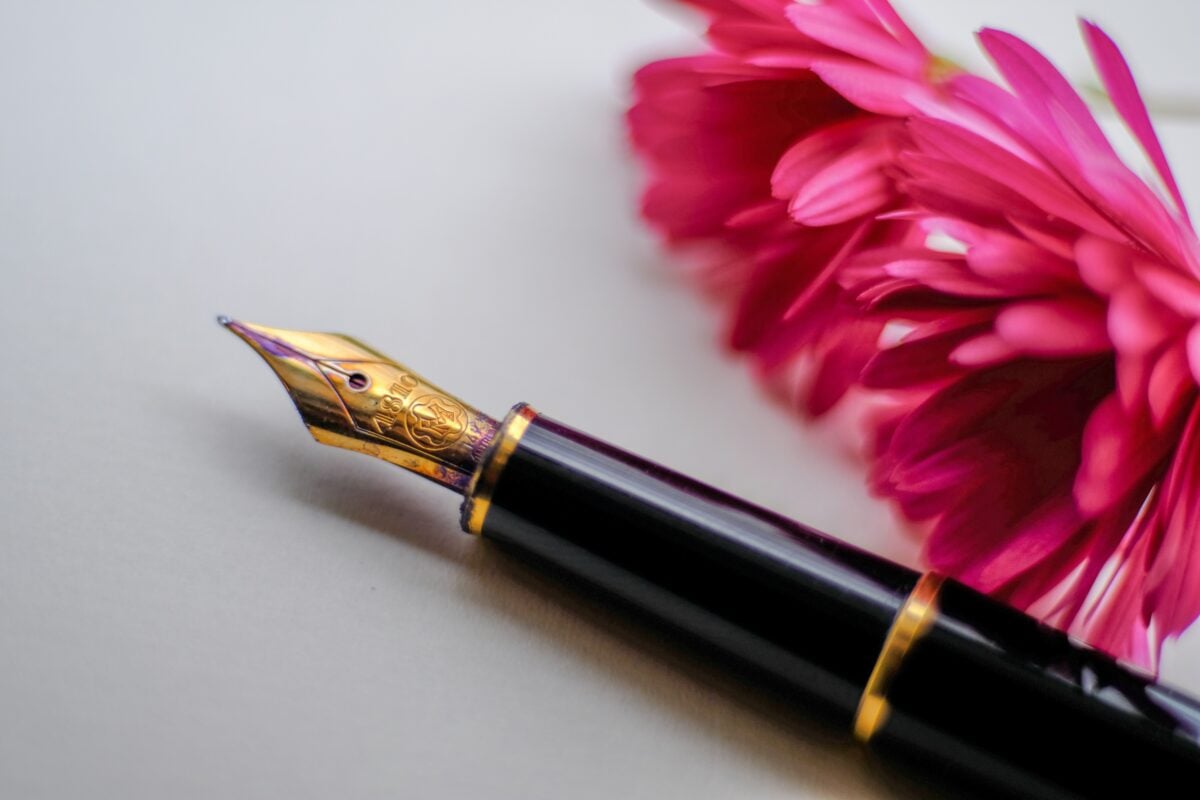
Giving a seven-year-old a fountain pen makes about as much sense as handing them car keys and asking them to parallel park. Fountain pens require a delicate touch, proper grip, and the kind of patience that most adults struggle with — yet some parents insist their third-grader needs to write with the same tools used by 19th-century poets and diplomats.
The result is predictable: ink stains on everything within a three-foot radius, tearful meltdowns when the nib gets bent, and homework that looks like abstract art rather than cursive practice.
Temperature-Controlled Lunch Boxes with Digital Displays
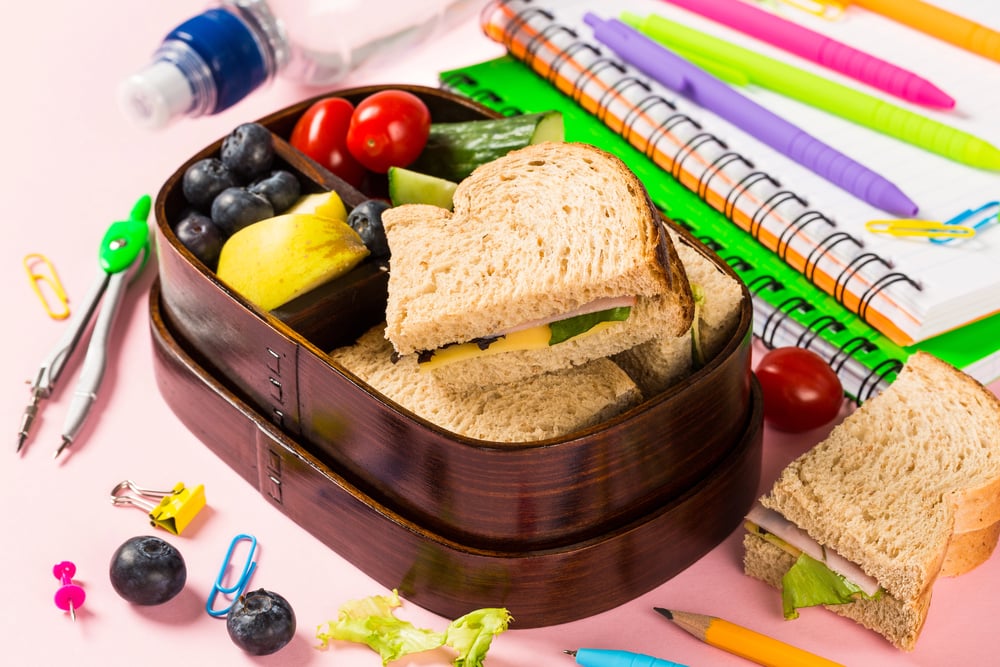
Keeping food at the right temperature matters, but these lunch boxes approach the problem like NASA engineers planning a Mars mission. They feature LED displays showing internal temperature, separate heating and cooling zones, and smartphone apps that send alerts if your child’s sandwich drifts outside the optimal thermal range.
The absurdity peaks when you consider that most school cafeterias don’t even provide microwaves for students. So while your child’s lunch box is maintaining laboratory-precise conditions, they’re sitting at a plastic table eating room-temperature pizza like everyone else. The technology is impressive; the application is completely divorced from reality.
Customized Highlighters in Exotic Colors
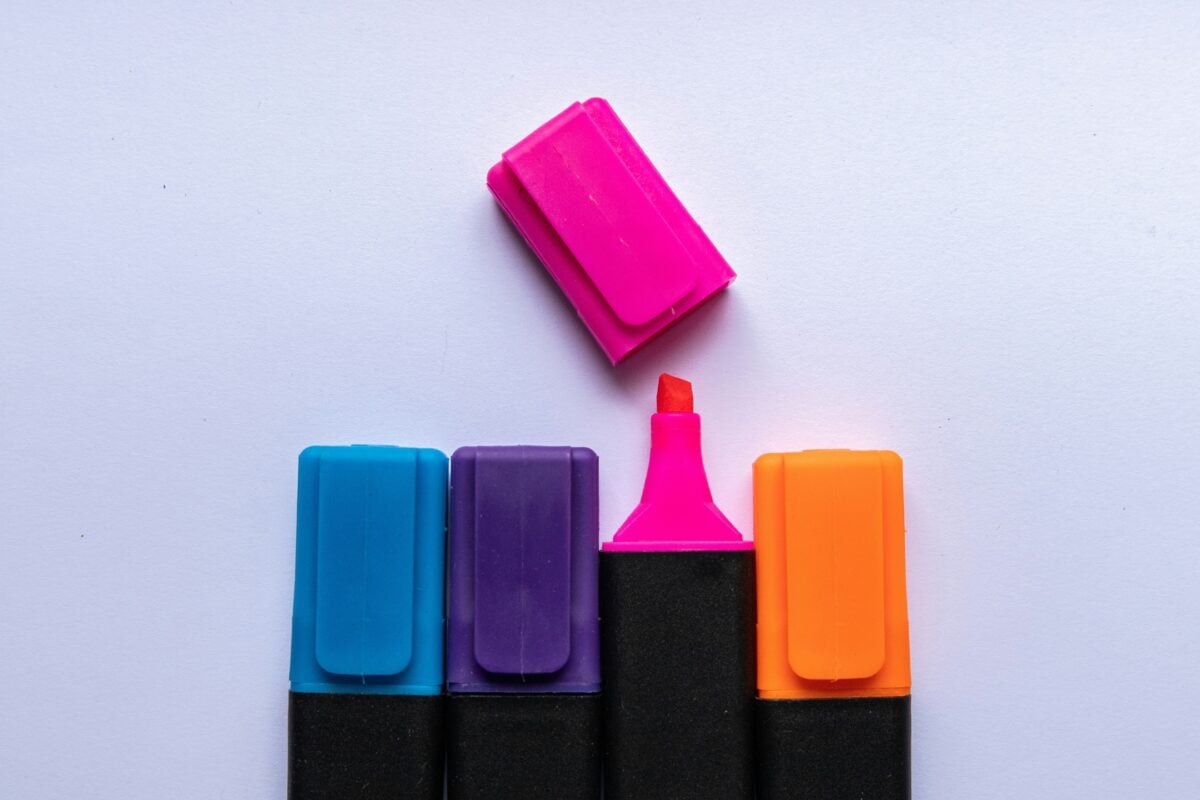
Standard highlighter colors weren’t cutting it anymore, apparently. Now companies offer highlighters in shades like “Midnight Sage” and “Artisanal Coral” — colors so specific they require a magnifying glass to distinguish from regular yellow or pink.
The customization extends to having each highlighter engraved with motivational quotes, zodiac signs, or the child’s future career aspirations. Nothing says academic achievement like highlighting math problems with a marker that reads “Future CEO of the Universe” in microscopic font.
Voice-Recording Rulers
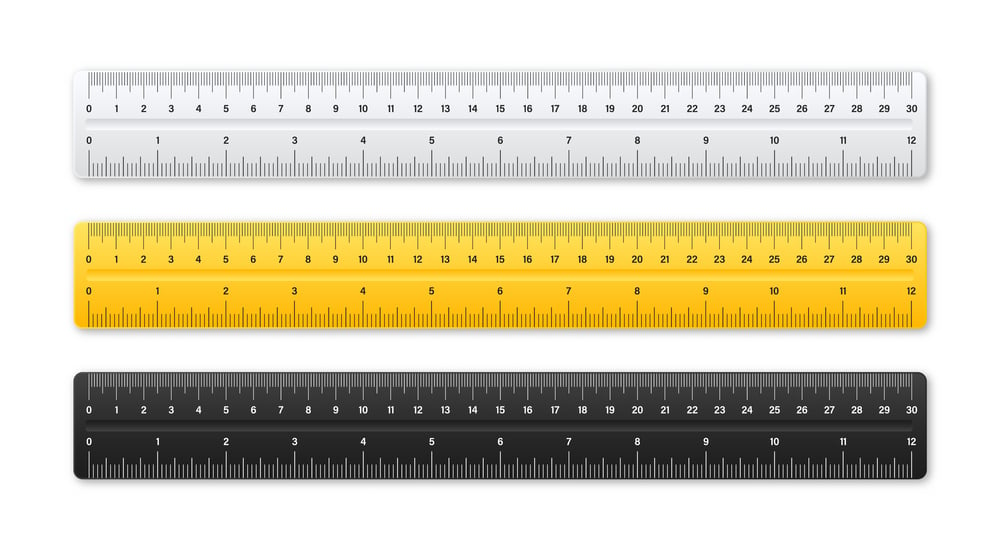
Someone decided that measuring things wasn’t engaging enough for modern students, so they created rulers that record and play back audio messages. The idea, presumably, is that children can leave themselves study notes while measuring angles or line segments.
What actually happens is that kids record silly voices, sound effects, and fragments of conversations, turning their geometry homework into an inadvertent comedy show. Teachers end up confiscating rulers — rulers! — because they’ve become disruptive audio devices. It’s hard to think of a more ridiculous sentence than “Please put away your talking ruler.”
Artisanal Glue Sticks Made from Sustainable Ingredients
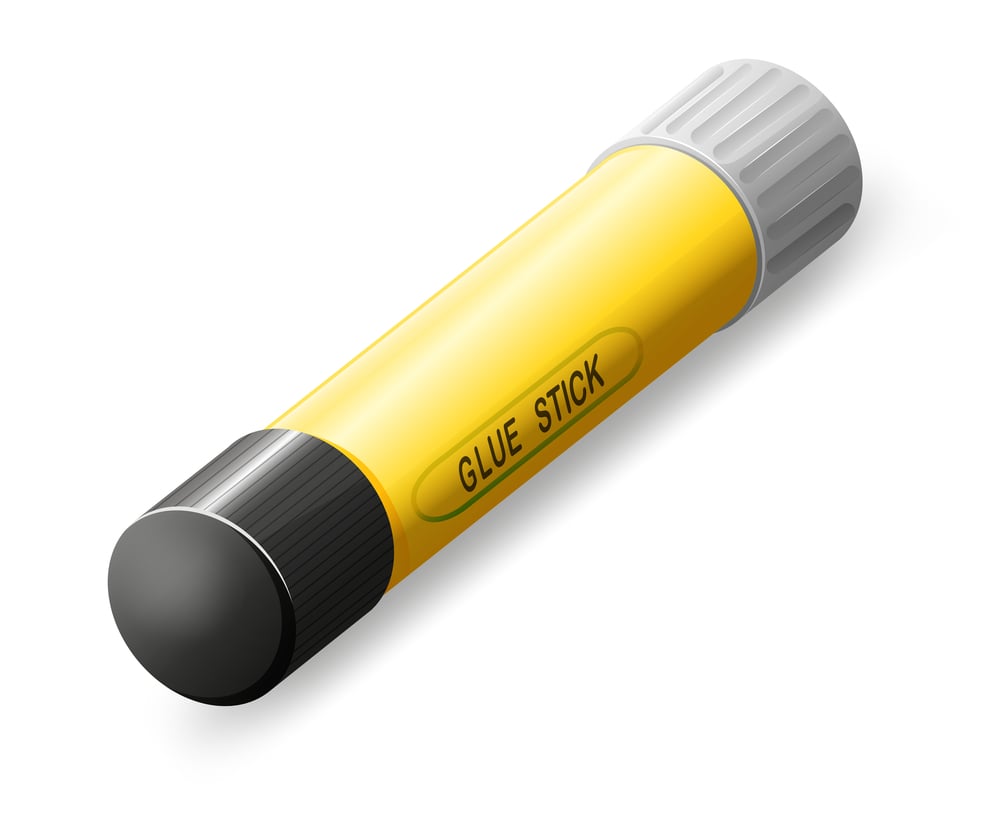
Regular glue sticks work perfectly fine, but that’s apparently not good enough anymore. These premium adhesive products cost ten times more than standard versions and come with detailed documentation about their organic ingredients and carbon-neutral manufacturing process.
The glue itself performs identically to the basic version, but parents can feel virtuous about their child’s craft projects having a smaller environmental footprint. The irony is that most elementary school art projects end up in the trash anyway, making the sustainability angle somewhat academic.
Mechanical Pencils with Ergonomic Grips and Shock Absorption
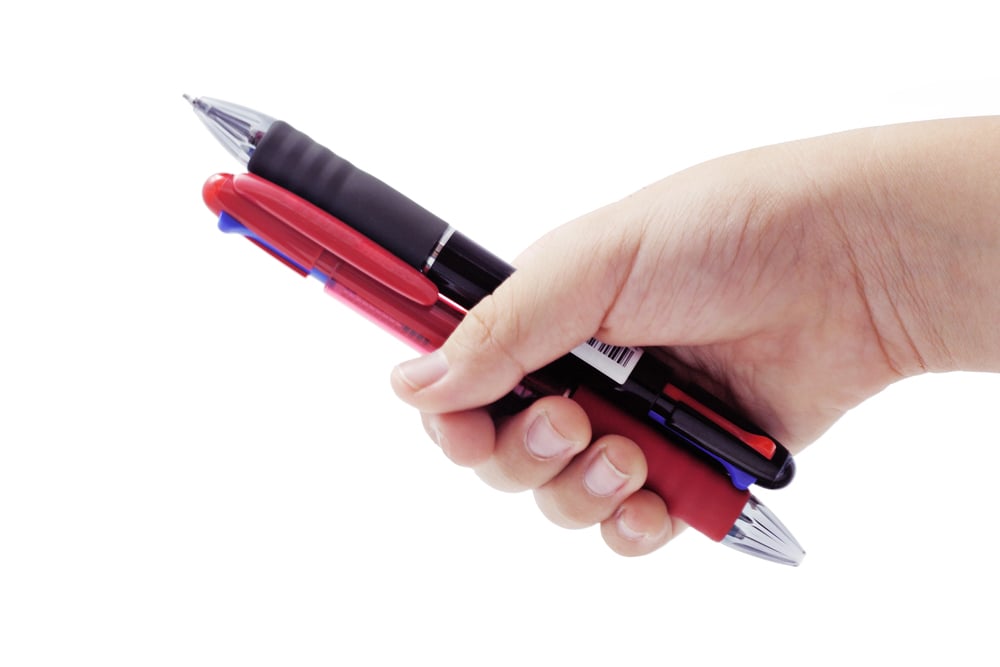
Writing has been reclassified as an extreme sport, apparently, because these pencils feature grip technology borrowed from professional tennis rackets. They include shock-absorbing chambers to reduce writing fatigue and ergonomic contours designed by engineers who probably never spent a day in an elementary classroom.
The shock absorption is particularly puzzling — exactly what kind of writing trauma are these pencils designed to prevent? The most strenuous thing most students do with pencils is fill in bubble sheets on standardized tests, which hardly requires industrial-grade equipment.
Color-Coded Binders with Electronic Locks
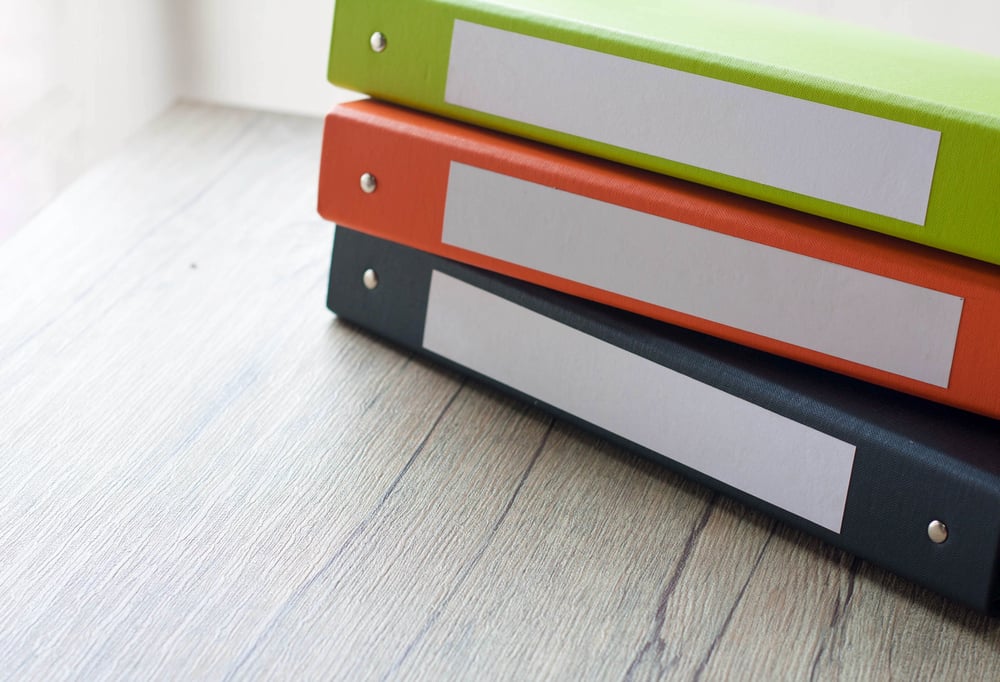
Organizing school papers is important, but these binders approach it like storing state secrets. Each subject gets its own color-coded binder with an electronic lock that opens via fingerprint or smartphone app.
The security measures are more sophisticated than most people use for their actual valuables. The practical problems are obvious: batteries die during school hours, fingerprint scanners malfunction, and kids forget their passwords.
Meanwhile, the traditional three-ring binder continues working exactly as designed, without requiring technical support or firmware updates.
Premium Tissues with Moisturizing Properties

School tissues are notoriously rough, but the solution isn’t necessarily tissues that cost more per sheet than most writing paper. These luxury tissues contain moisturizers, vitamins, and essential oils designed to pamper young noses during the cold season.
The moisturizing properties wear off after about two seconds of use, making them functionally identical to regular tissues but with a dramatically higher price point. Schools aren’t exactly encouraging students to savor the tissue-using experience anyway.
Designer Scissors with Customizable Handles
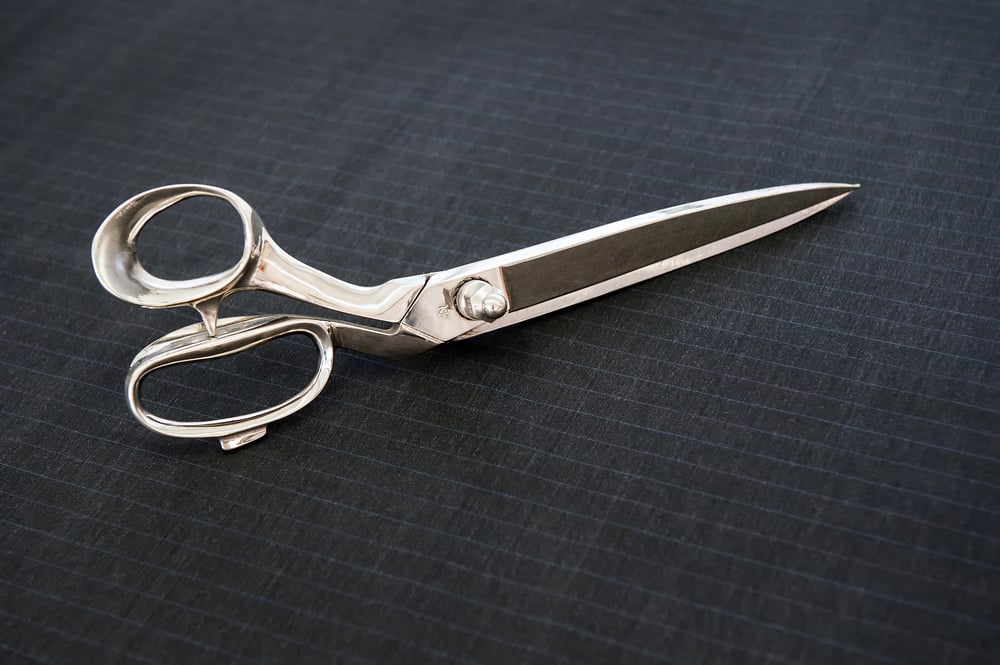
Cutting paper doesn’t require haute couture, but someone decided regular scissors weren’t expressing enough personality. These premium cutting tools feature interchangeable handles in various colors and patterns, allowing students to coordinate their scissors with their outfits or mood.
The customization options are endless and entirely pointless — the cutting performance remains identical regardless of whether the handles are zebra-striped or holographic. But parents can spend considerable time and money ensuring their child’s scissors make the right fashion statement.
Laboratory-Grade Protractors with Digital Readouts
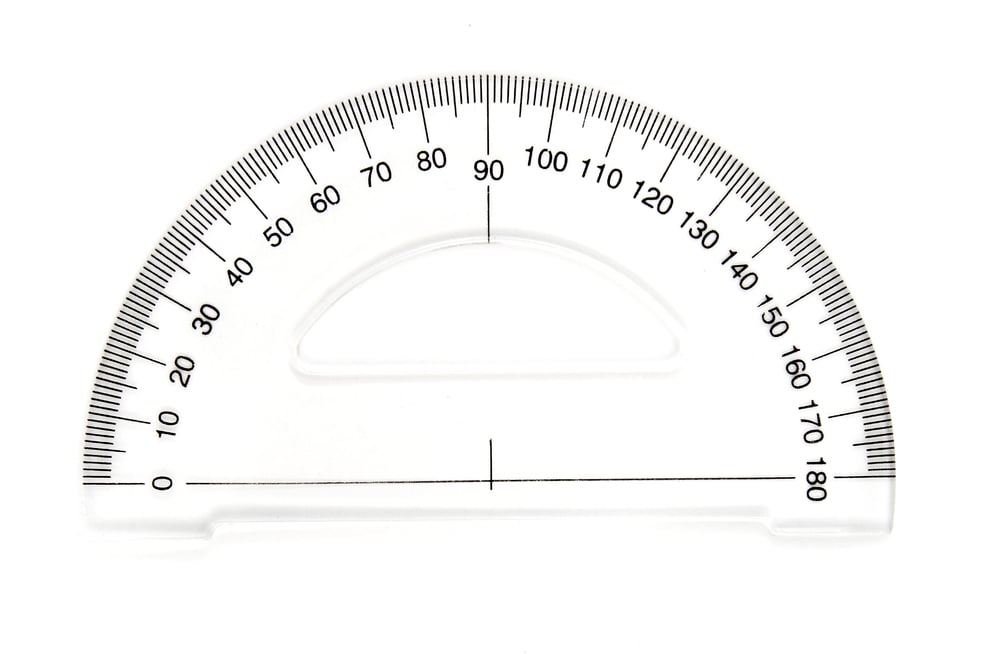
Measuring angles is apparently too challenging for traditional protractors, so companies now make digital versions with LED displays that show measurements to three decimal places. These precision instruments cost more than most calculators and require batteries to perform the same function as a piece of curved plastic.
The digital readout creates a false sense of accuracy that’s completely unnecessary for elementary geometry. Most school math problems involve nice, round angles that are easily measured with basic tools, making the laboratory-grade precision both overkill and educationally counterproductive.
When Shopping Becomes Performance Art

The real tragedy isn’t the existence of these ridiculous products — it’s that parents feel compelled to buy them. School supply shopping has transformed from a practical necessity into an opportunity for competitive spending, where the goal isn’t equipping children for learning but demonstrating family status through educational accessories.
The children, meanwhile, learn that simple tools aren’t good enough, that every basic function requires technological enhancement, and that appearance matters more than substance. These lessons stick around long after the overpriced supplies break, wear out, or get forgotten in lockers.
More from Go2Tutors!

- The Romanov Crown Jewels and Their Tragic Fate
- 13 Historical Mysteries That Science Still Can’t Solve
- Famous Hoaxes That Fooled the World for Years
- 15 Child Stars with Tragic Adult Lives
- 16 Famous Jewelry Pieces in History
Like Go2Tutors’s content? Follow us on MSN.