Secrets Casinos Hide from You
Walking into a casino feels random. The lights flash, machines beep, people cheer.
But none of it happens by accident. Every detail, from where you enter to how you leave, gets planned by people who study human behavior for a living.
These places make billions because they understand something most visitors don’t: the environment controls behavior more than willpower does. You might think you’re just there for fun, but the building itself works against that intention.
The Carpet Isn’t Just Ugly by Mistake
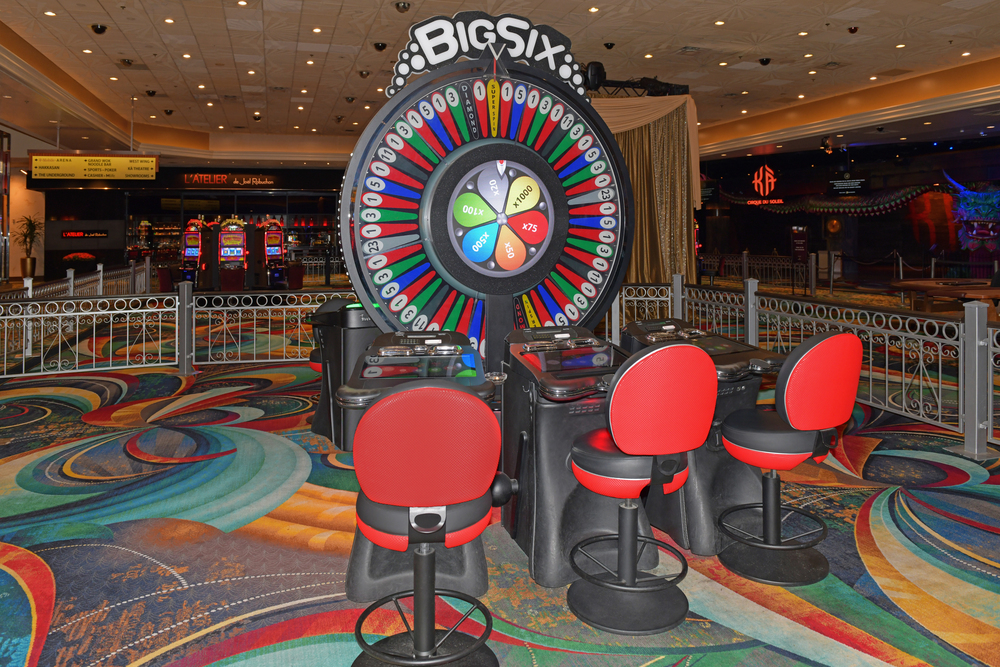
Casino carpets look deliberately chaotic. Those wild patterns with clashing colors serve a specific purpose—they make you look up instead of down.
When you’re looking up, you see slot machines and table games, not the path to the exit. The design also hides stains and wear patterns, so the place always looks fresh even with thousands of people walking through daily.
But mostly, it keeps your eyes on the money-making equipment.
Your Phone Has No Idea What Time It Is

Try finding a clock anywhere inside a casino. You won’t.
The same goes for windows. This absence is completely intentional.
Without these time markers, your internal clock stops working properly. What feels like an hour might be three.
That 20-minute break you planned turns into two hours before you realize it. Casinos profit from time confusion, so they eliminate anything that helps you track it.
Those Free Drinks Cost More Than You Think

Casinos serve alcohol for free while you gamble. Sounds generous, but drunk people make bad decisions. They bet more, they bet longer, they ignore their limits.
The servers who bring these drinks get trained to keep them coming at specific intervals. Just sober enough to keep gambling, just drunk enough to stay loose with money.
The house makes back that free vodka tonic within minutes.
The Maze Layout Traps You Inside
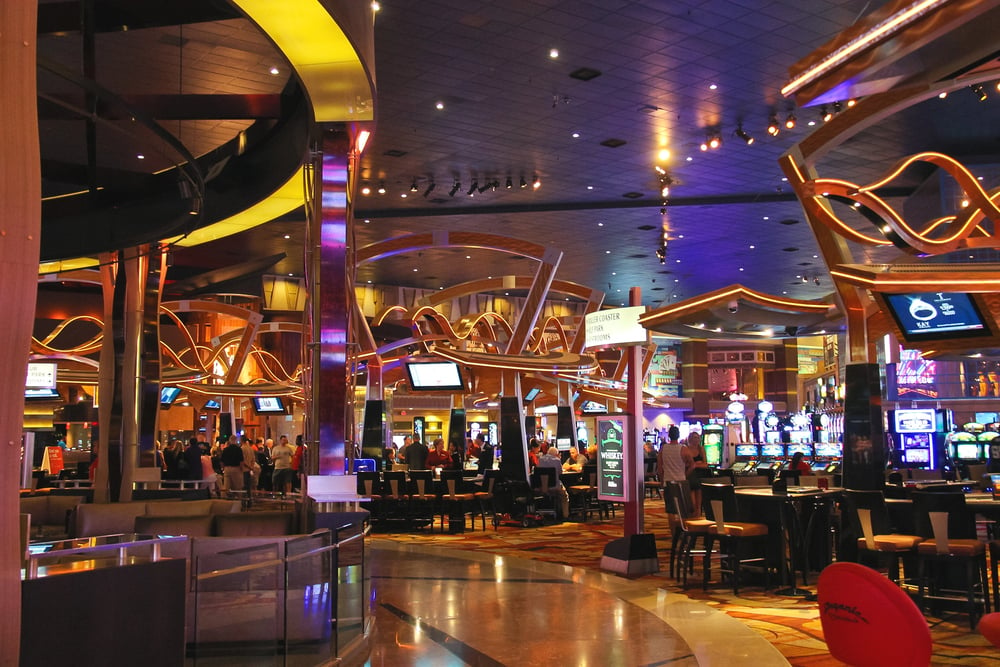
Getting to the bathroom requires walking past 50 slot machines. Trying to find the exit means navigating through three different gaming areas.
Casinos design their floor plans like mazes. High-limit rooms sit in the back. Bathrooms hide in corners.
Exits are marked but never obvious. The route from any point A to point B always includes detours past gambling opportunities.
You can’t walk a straight line anywhere, and that’s the point.
Slot Machines Near Entrances Pay Worse
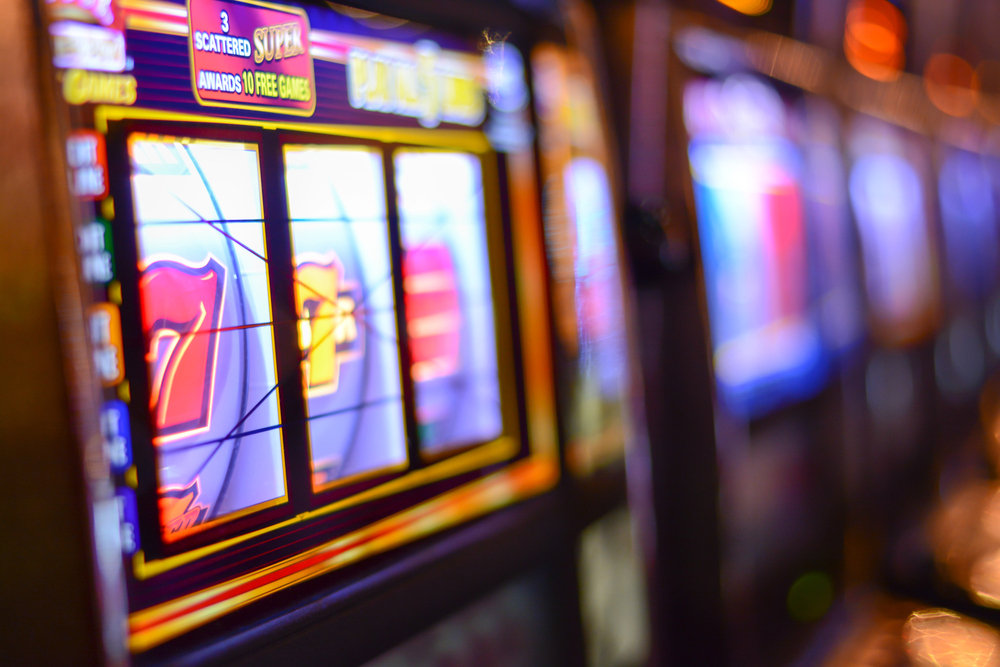
The machines positioned where you first walk in tend to have lower payout rates. Casinos put them there as hooks—they want people walking by to see others winning.
But those flashy entrance machines keep more of your money than the ones deeper inside. The best-paying slots usually sit in less trafficked areas.
The casino wants you to walk past everything else to reach them.
The Music Gets Into Your Head
Listen carefully to the soundtrack playing overhead. It runs at a specific tempo designed to keep you engaged but relaxed.
Nothing too fast that makes you anxious, nothing too slow that bores you. When someone wins, the machine erupts in celebration.
Even small wins trigger elaborate audio sequences. This trains your brain to associate the space with positive feelings, even when you’re losing money.
Those Loyalty Cards Track Everything

Sign up for a player’s club card and the casino immediately starts building a profile on you. They track every bet, every game, how long you play, when you take breaks, what you drink.
This data helps them figure out your “pain point”—the exact amount of loss that makes you quit. Then they send offers right before you hit that point.
A free buffet or room discount arrives just when you’re about to leave, pulling you back in.
Windows Only Appear Where They Want Them
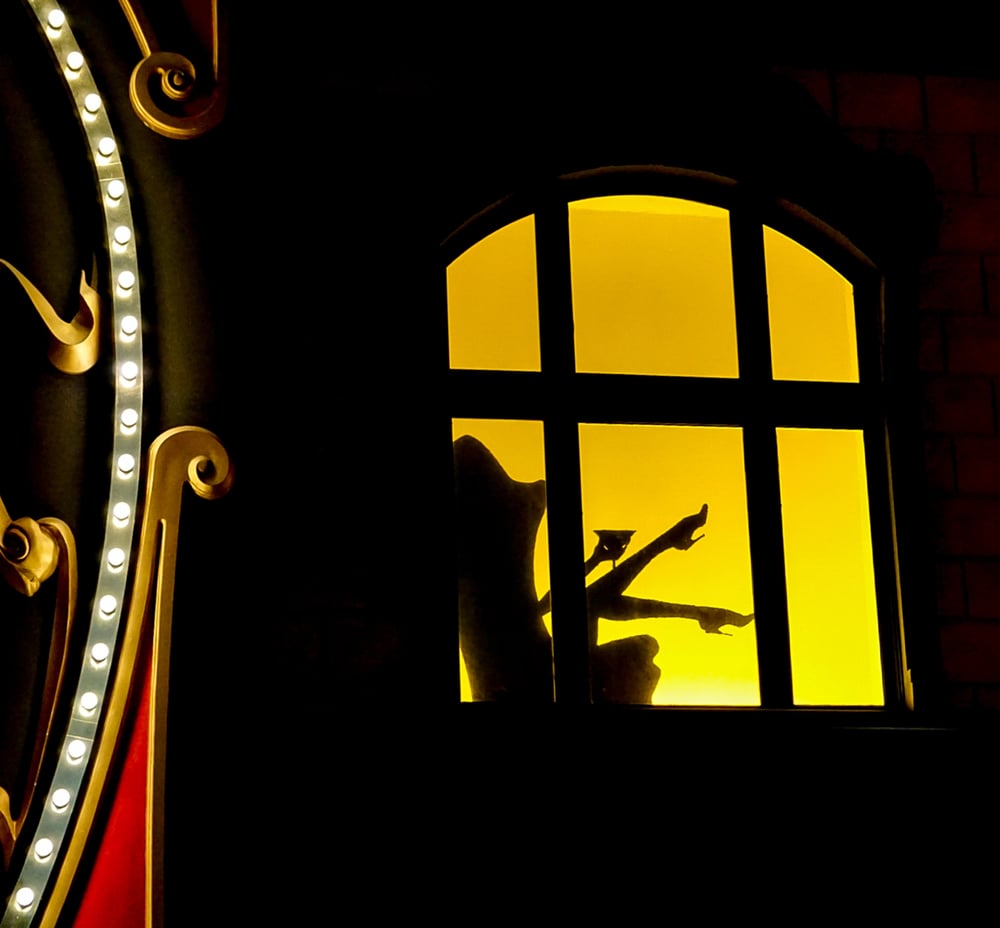
The few windows that exist in casinos look out at parking lots or walls, never at anything interesting. This isn’t an accidental design.
Beautiful views would remind you there’s a whole world outside worth seeing. Bland views just reinforce that you might as well stay inside and keep playing.
Some newer casinos add scenic views near exits to make leaving feel less appealing than staying.
Chips Hide What Money Really Means
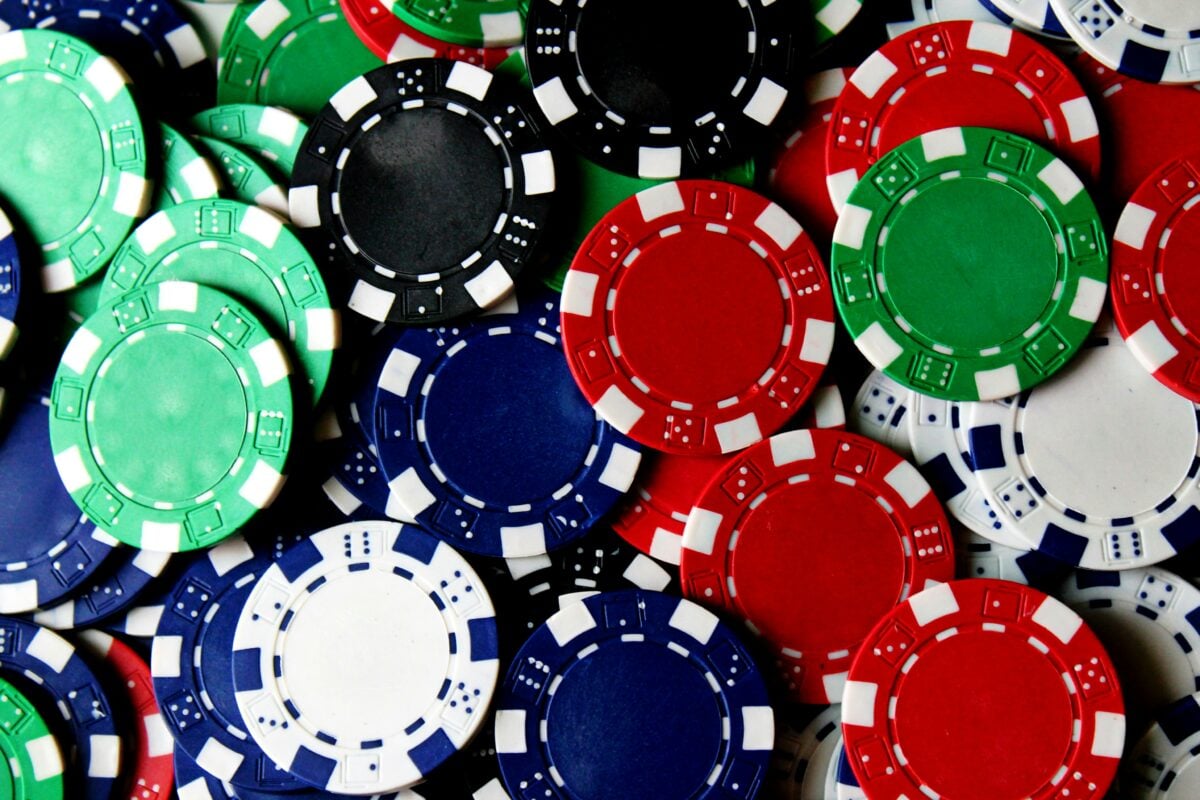
Betting $100 in cash feels significant. Betting a single chip marked $100 feels like a game piece. Casinos convert your money to chips because the psychological distance makes spending easier.
Those colorful discs don’t trigger the same mental alerts as watching actual bills leave your hand. By the time you cash out and convert back to real currency, you’ve forgotten how much those chips actually represented.
The Lighting Never Changes
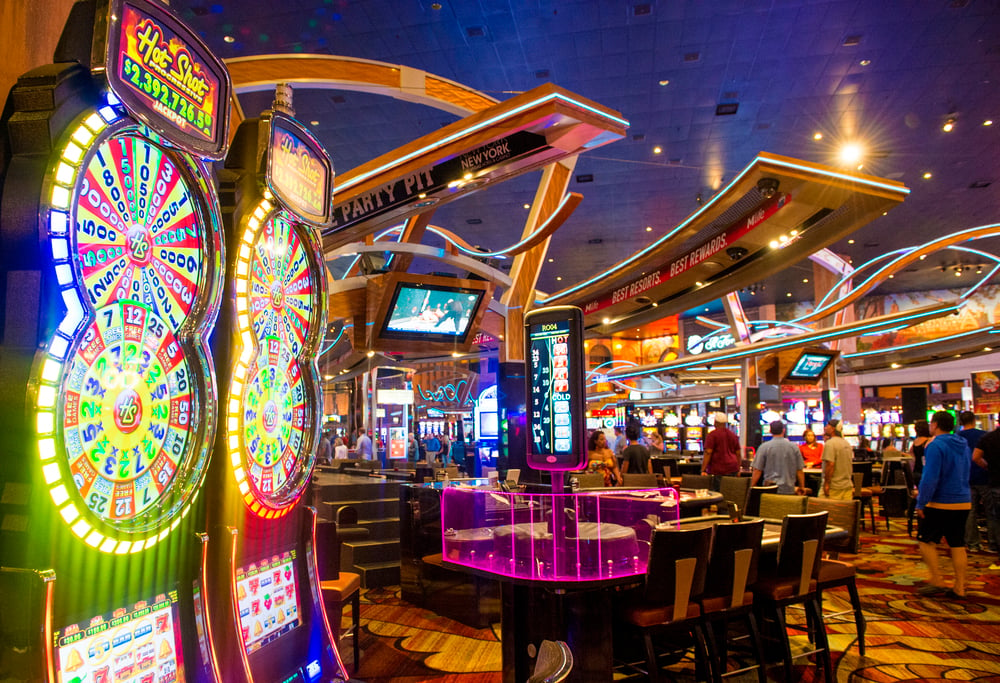
Bright, constant lighting maintains the same energy level whether it’s noon or midnight. Your body can’t tell what time of day it is, so you don’t feel the natural fatigue that would normally tell you to go home.
The light quality also minimizes shadows and creates a consistent atmosphere throughout the entire space. This sameness keeps you in a steady state instead of experiencing the natural rhythm changes that happen outside.
Near-Misses Get Programmed In
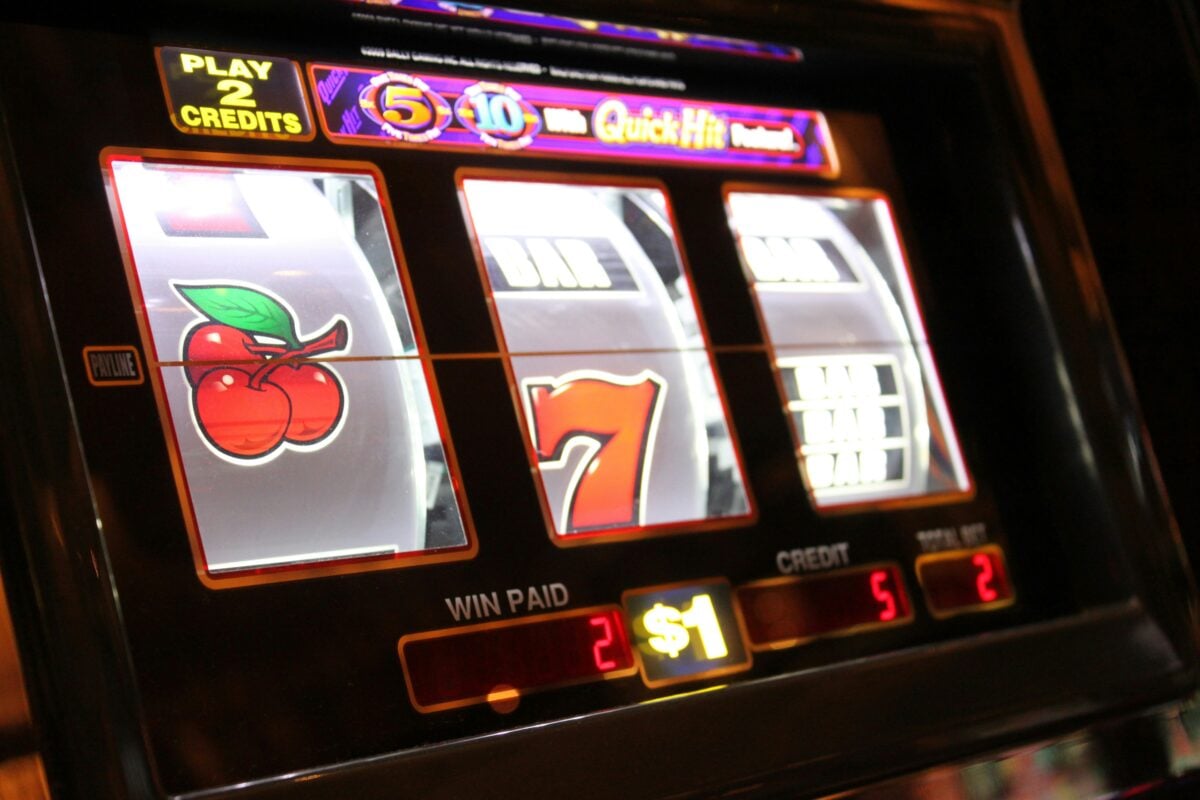
Slot machines show you two matching symbols and a third one just barely off. This “near miss” triggers the same brain response as an actual win. Your brain thinks you almost succeeded, so you keep trying.
Modern digital slots can program exactly how often these near-misses appear. They happen far more frequently than random chance would allow, keeping you engaged even during losing streaks.
The Smallest Bills Get Rejected

Many slot machines won’t accept bills smaller than $20. This forces you to put in more money than you might want to bet.
Once that $20 is in the machine, you’re committed to playing it out. Even if you only wanted to spend $5, you’ve now got $20 in credits staring at you.
Most people play until it’s gone rather than cashing out the difference.
Surveillance Sees Everything Except What You Think
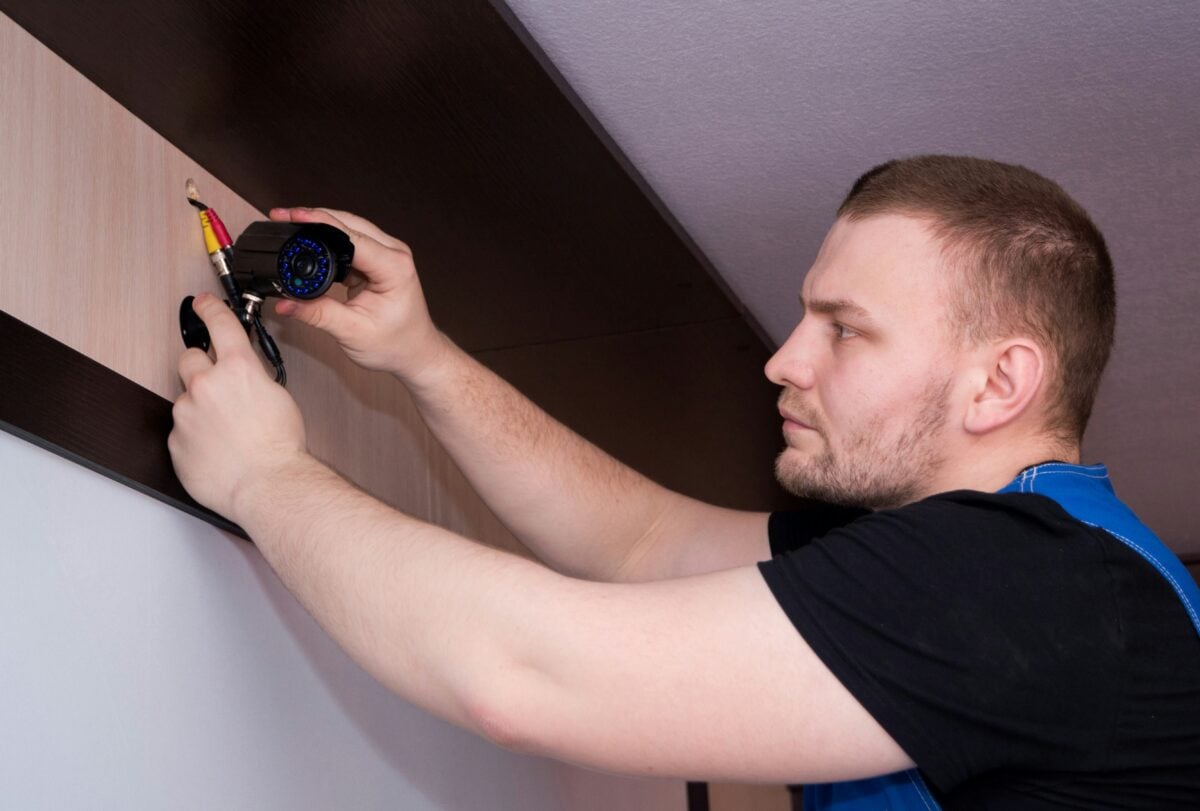
Those obvious cameras in the ceiling mainly exist to make you think you’re being watched for cheating. The real surveillance happens through facial recognition, gait analysis, and behavior pattern tracking.
The casino knows if you’re counting cards before you win a single hand. They know if you’re too drunk to keep playing responsibly.
They track advantage players and professional gamblers through databases shared across properties. The technology goes far beyond basic security cameras.
Exit Signs Don’t Mean Easy Exits
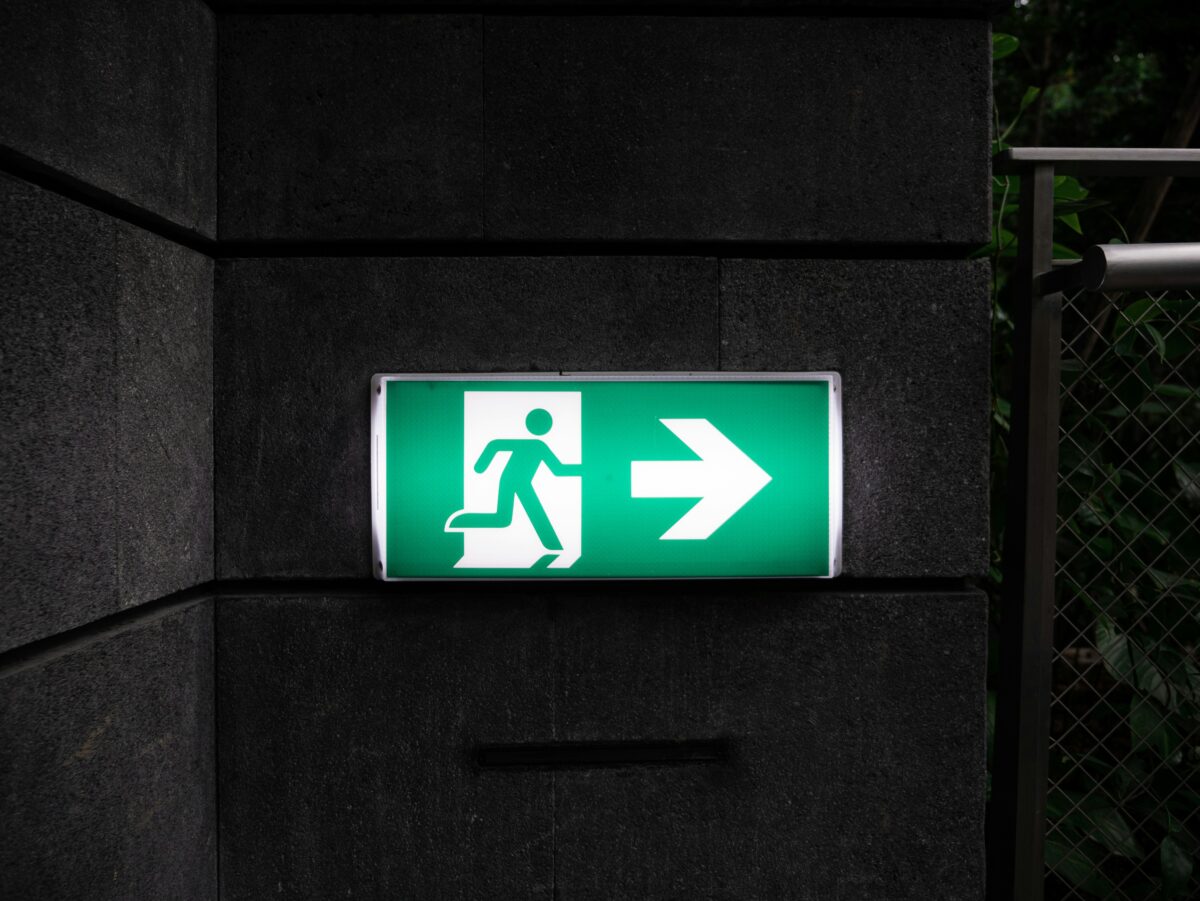
Yes, there are clearly marked exit signs—fire codes require them. But the actual path to those exits winds through the busiest, loudest, most tempting parts of the casino floor.
You’ll pass the newest games, the most popular tables, and usually the cashier cage, which is deliberately positioned to make you reconsider leaving with your winnings. That brightly lit “EXIT” sign might be visible, but getting there takes work.
The Temperature Stays Just Right

Casinos maintain temperatures slightly cooler than you’d keep your own home. Not cold enough to be uncomfortable, but cool enough to keep you alert and energized.
If the space got too warm, you’d get tired and leave. Too cold, and you’d be distracted by discomfort.
The precise temperature control keeps you in that sweet spot where you’re comfortable enough to stay but energized enough to keep gambling.
Why This All Keeps Working
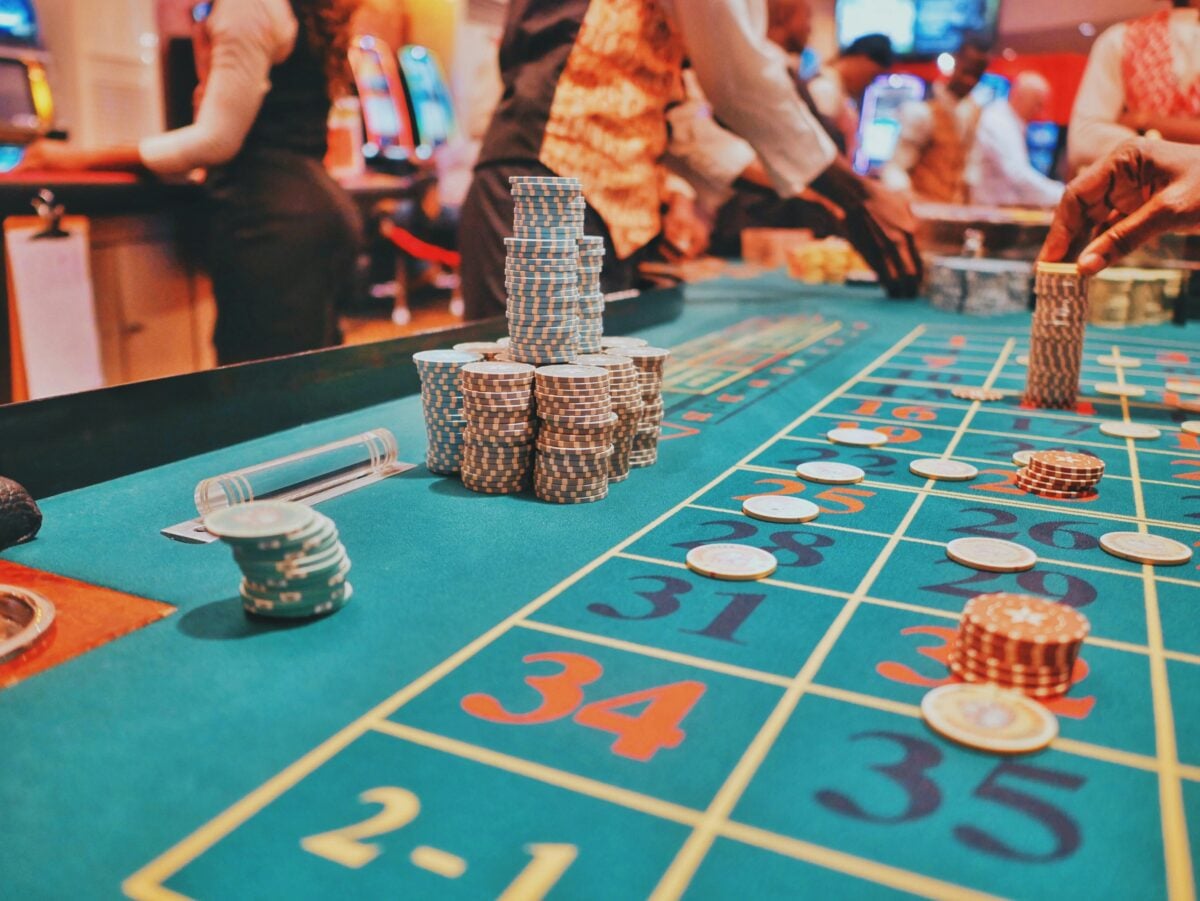
Knowing these tactics exist doesn’t make you immune to them. Environmental psychology works on everyone, even people who understand the tricks.
The person who designed these systems knows you know, and designed around that knowledge too. Casinos spend millions on research, testing, and refinement.
They hire behavioral psychologists, data scientists, and design experts. You’re one person walking in with a budget and good intentions.
The math isn’t in your favor, and neither is the building.
More from Go2Tutors!

- 16 Historical Figures Who Were Nothing Like You Think
- 12 Things Sold in the 80s That Are Now Illegal
- 15 VHS Tapes That Could Be Worth Thousands
- 17 Historical “What Ifs” That Would Have Changed Everything
- 18 TV Shows That Vanished Without a Finale
Like Go2Tutors’s content? Follow us on MSN.



