Greatest Failures in High-End Fashion History
The fashion industry has always thrived on risk, innovation, and pushing boundaries. But sometimes those risks backfire spectacularly, turning celebrated brands into cautionary tales.
From tone-deaf advertising campaigns to billion-dollar branding blunders, high-end fashion has seen its share of disasters that money and prestige couldn’t fix. Here is a list of the greatest failures in luxury fashion history.
Gap’s Six-Day Logo Disaster

Gap’s 2010 logo rebrand stands as one of the fastest corporate reversals in fashion history. The company spent around $100 million replacing its iconic blue square logo with a black Helvetica font and a tiny gradient box.
The design looked like something thrown together in Microsoft Word, and customers immediately took to social media to express their disgust. Within just six days, Gap pulled the plug and reverted to the original logo.
The speed of the reversal actually saved the company from even greater embarrassment, but the incident became a textbook example of how not to rebrand a beloved fashion label.
Balenciaga’s Advertisement Controversy
In November 2022, Balenciaga released two campaigns that sparked massive outrage and became the brand’s worst public relations nightmare. The first featured children holding teddy bear bags dressed in bondage gear, while the second included court documents about child pornography laws as props.
The hashtags #burnbalenciaga and #cancelbalenciaga accumulated over 300 million views on TikTok, with influencers publicly destroying their Balenciaga items. The brand initially tried to blame production companies before eventually taking responsibility, but the damage was done.
Balenciaga lost 100,000 Instagram followers, fell out of the Lyst Index’s top 10 brands, and saw a 4% decline in sales during Kering’s fourth quarter of 2022.
Gucci’s Blackface Sweater

Gucci pulled an $890 turtleneck sweater from stores in February 2019 after social media erupted over its resemblance to blackface imagery. The black sweater featured a pull-up collar with a cutout for the mouth surrounded by exaggerated red lips.
The timing made it worse since the controversy unfolded during Black History Month. High-profile figures including Spike Lee, T.I., and Soulja Boy called for boycotts of the brand.
Creative director Alessandro Michele claimed the design was inspired by performance artist Leigh Bowery, but the excuse fell flat with consumers who saw it as either tone-deaf or deliberately provocative.
Burberry’s Chav Check Crisis

Burberry’s iconic check pattern became so associated with British working-class ‘chav’ culture in the early 2000s that pubs actually banned customers wearing it. The brand’s signature pattern appeared on everything from baby strollers to baseball caps, making it accessible to lower-income shoppers and football hooligans.
TV personality Danniella Westbrook famously wore a head-to-toe Burberry check, including dressing her child in it, which became a symbol of the brand’s fall from grace. By 2005, the check appeared on less than 5% of products, down from 20% just three years earlier.
Christopher Bailey spent years buying back licenses and limiting the pattern’s use to restore the brand’s luxury status.
John Galliano’s Antisemitic Rant

Christian Dior fired its star designer John Galliano in March 2011 after video surfaced of him making antisemitic comments in a Paris bar. Galliano was caught on camera saying ‘I love Hitler’ and telling patrons their mothers and forefathers would be ‘gassed.’
The incident occurred in Paris’s historic Jewish quarter and led to criminal charges, as expressing antisemitic ideas is illegal in France. Natalie Portman, who was the face of Dior perfume at the time, immediately distanced herself from the designer.
Galliano was convicted and given a suspended fine of €6,000, effectively ending his 15-year tenure at one of fashion’s most prestigious houses.
Ted Baker’s Complete Collapse
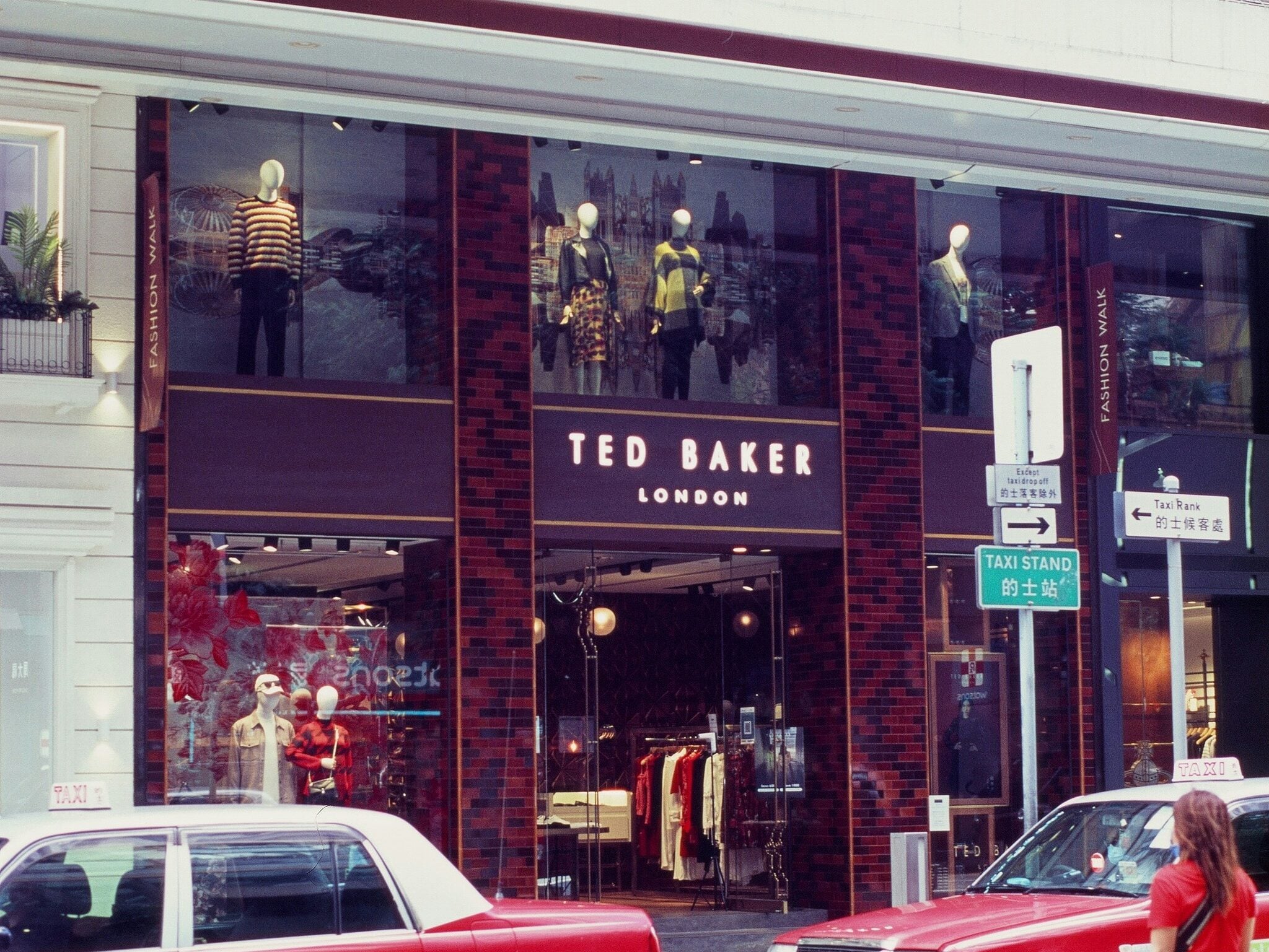
Ted Baker filed for bankruptcy in 2024 after years of financial mismanagement and operational failures. The British brand reported a net loss of $11.3 million in the 11 months leading to its bankruptcy filing, with negative cash flow exceeding $5 million.
Suppliers demanded upfront payments after the company breached agreements with its parent company Authentic Brands Group. Technology transitions during peak seasons disrupted inventory management, and the decommissioning of e-commerce platforms severed critical revenue channels.
The collapse of this once-beloved high-street brand showed how quickly things can unravel when business fundamentals are ignored.
Tom Ford’s Provocative Advertising

Tom Ford’s 2007 advertising campaign for men’s fragrance pushed boundaries so far it sparked widespread condemnation. The campaign featured a closeup of a woman’s body with a bottle of cologne strategically placed to hide certain anatomy.
Ford defended the ads as equal-opportunity objectification, but critics saw them as exploitative and gratuitous. While the controversy generated plenty of attention, it also demonstrated how shock value in advertising can backfire when it crosses the line from provocative to offensive.
Dior’s Cultural Appropriation Scandal

Dior faced accusations of cultural appropriation in 2017 when the brand presented designs in its pre-fall collection that directly plagiarized a Bihor coat, a traditional Romanian vest. The house used the same colors and patterns as the traditional garment without giving any credit to the Romanian people or acknowledging the source of inspiration.
This wasn’t just borrowing from another culture but rather presenting copied designs as original creations. The incident highlighted ongoing problems in luxury fashion where designers appropriate ethnic designs without proper attribution or respect for their cultural significance.
LVMH’s Luxury Slowdown

The world’s largest luxury goods company faced unexpected turbulence in 2024 and 2025 as sales momentum faltered across its fashion and leather goods division. According to market sources, sales at Dior flagged significantly, contributing to broader concerns about the luxury sector’s health.
The company’s fashion division struggled despite strong performance from brands like Louis Vuitton in previous years. The slowdown exposed vulnerabilities in the megabrand model that had worked so well during the post-pandemic boom, forcing executives to reconsider pricing strategies and product innovation.
Prada’s Monkey Keychain Debacle

Prada withdrew products and displays from its stores in December 2018 after customers pointed out that monkey-like characters with oversized red lips resembled blackface imagery. The Pradamalia figurines were part of a holiday collection, and their removal came after fierce backlash on social media.
Like other luxury brands that stumbled into racial insensitivity, Prada’s failure revealed a stunning lack of diversity in design teams and approval processes. The company responded by establishing a diversity council in partnership with filmmaker Ava DuVernay.
Kering’s Gucci Problem

Kering’s flagship brand Gucci struggled significantly under creative director Sabato De Sarno, whose designs failed to ignite industry interest or consumer desire. The parent company’s performance suffered as other Kering brands couldn’t make up for Gucci’s weakness, leaving the group facing a complex multi-faceted turnaround.
Additionally, Balenciaga’s advertising scandal further damaged Kering’s portfolio, particularly in the U.S. and UK markets. The situation demonstrated how luxury conglomerates remain vulnerable when their star brands lose creative direction.
The Body Shop’s Insolvency

The Body Shop, once an icon of ethical beauty and fashion retail, filed for insolvency in 2024 after struggling with rising production costs and supply chain bottlenecks. Despite its ethical appeal and strong brand heritage, the company couldn’t adapt its business model to changing market conditions.
The collapse came as part of a broader wave of high-end retailer failures that included brands like Dancing Leopard and Hemper. These failures proved that even brands with loyal followings and positive messaging can’t survive without sound financial management.
Luxury Supply Chain Scandals

Italian authorities investigated major luxury brands including Armani and LVMH in 2024 for alleged labor exploitation in their Italian supply chains. The probe accused companies of failing to adequately oversee suppliers who operated what amounted to sweatshops.
Incoming EU regulation means such lapses could soon carry penalties of up to five percent of global revenue. The scandal shattered the illusion that high prices guarantee ethical production and exposed how luxury brands sometimes cut corners to maintain their profit margins.
Bstroy’s School Tragedy Exploitation

New York-based brand Bstroy sent models down the runway in 2019 wearing sweatshirts emblazoned with the names Columbine, Sandy Hook, and Stoneman Douglas. These were sites of some of America’s deadliest mass incidents, and the sweatshirts were intentionally distressed to look riddled with bullet openings.
Families of victims and survivors condemned the designs as deeply insensitive exploitation of tragedy for shock value. Founders Brick Owens and Dieter Grams defended the work as social commentary, but the fashion community largely rejected this justification.
Chanel’s Leadership Vacuum
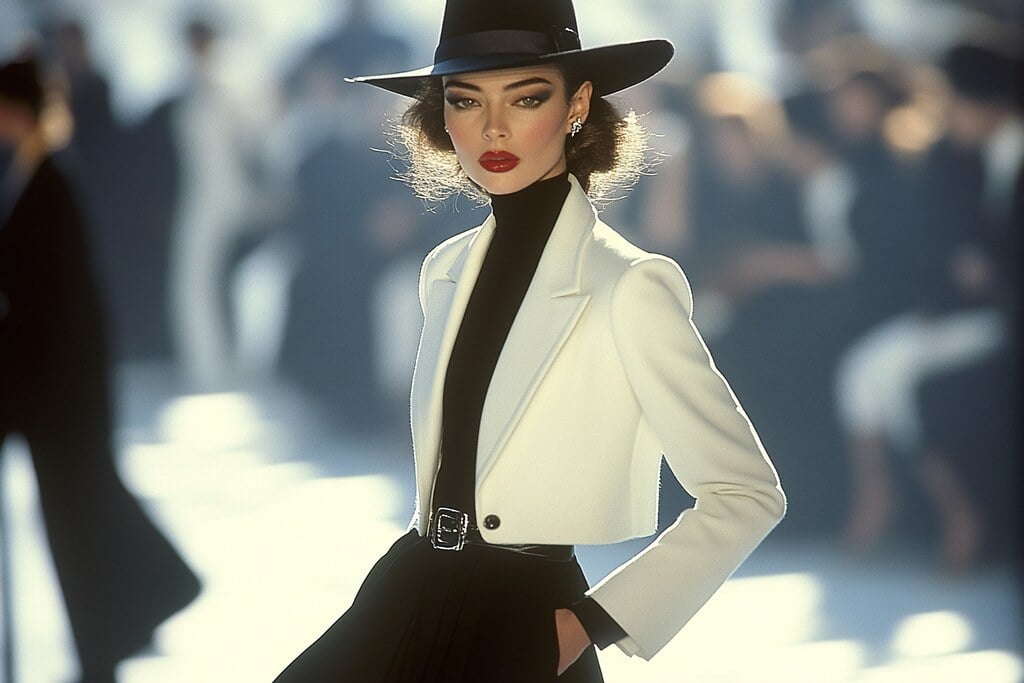
Chanel has operated without a permanent creative director since Karl Lagerfeld’s death, relying instead on his former deputy Virginie Viard. While Viard has maintained the house’s commercial success, her designs lack the grand thematic gestures and theatrical vision that made Lagerfeld’s Chanel iconic.
The brand’s reluctance to name a permanent successor or make a bold creative appointment has left fashion observers questioning whether Chanel is playing it too safe. In an industry built on vision and innovation, treading water eventually becomes sinking.
Fashion’s Reckoning

These failures share common threads that luxury brands ignore at their peril. Cultural insensitivity stems from homogeneous design teams that lack diverse perspectives.
Financial collapses happen when companies prioritize expansion over sustainable business practices. Branding disasters occur when executives lose touch with what customers actually value about their products.
The fashion industry’s greatest failures remind us that prestige and history don’t immunize brands from accountability, and that in the age of social media, mistakes spread faster than ever before.
More from Go2Tutors!

- 16 Historical Figures Who Were Nothing Like You Think
- 12 Things Sold in the 80s That Are Now Illegal
- 15 VHS Tapes That Could Be Worth Thousands
- 17 Historical “What Ifs” That Would Have Changed Everything
- 18 TV Shows That Vanished Without a Finale
Like Go2Tutors’s content? Follow us on MSN.