Smart Facts About South Sudan
South Sudan stands as one of the most remarkable nations on Earth, not just because it’s brand new, but because of its incredible journey to independence and unique characteristics. This East African country has packed more history, challenges, and achievements into just over a decade than many nations experience in centuries.
From its dramatic birth as the world’s youngest nation to its vast natural resources and rich cultural tapestry, South Sudan offers plenty of surprises.
Ready to discover what makes this young country so fascinating? Let’s dive into the amazing facts that make South Sudan truly special.
The world’s youngest country
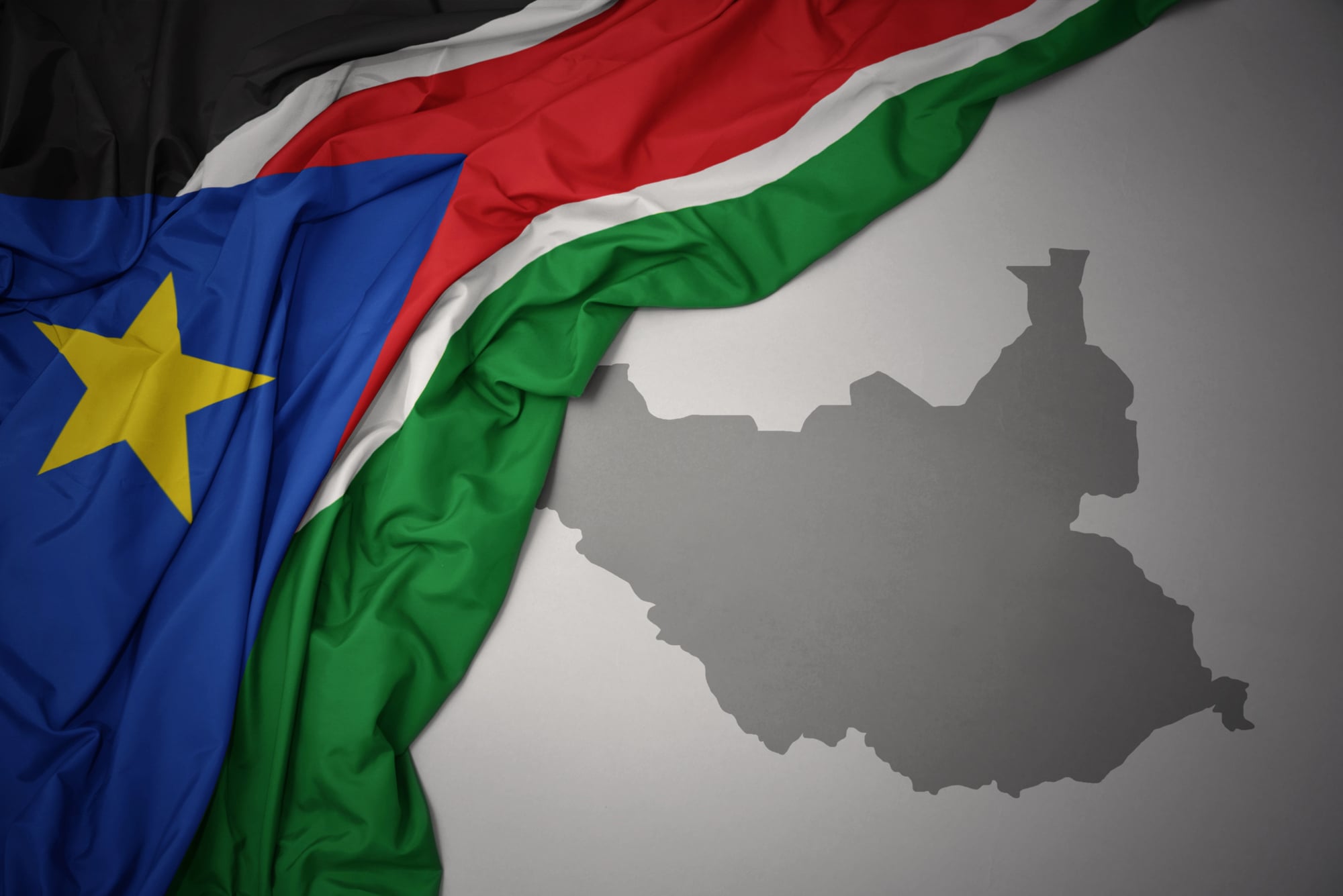
South Sudan became the world’s youngest nation and Africa’s 54th country on July 9, 2011. The date came after a referendum in January 2011 where southern Sudanese people voted overwhelmingly for independence from Sudan.
Since 14 July 2011, South Sudan is the 193rd member of the United Nations. The country had to build everything from scratch, including government institutions, embassies, and national symbols.
On 27 July 2011, South Sudan became the 54th country to join the African Union.
It took decades of fighting to get there
The road to independence wasn’t easy or quick. South Sudan fought two devastating civil wars against northern Sudan, spanning several decades before finally achieving independence.
The conflicts cost millions of lives and displaced countless families across the region. The comprehensive peace agreement signed in 2005 finally set the stage for the independence referendum.
Years of international mediation and diplomatic efforts helped make the peaceful separation possible.
A massive country with room to grow
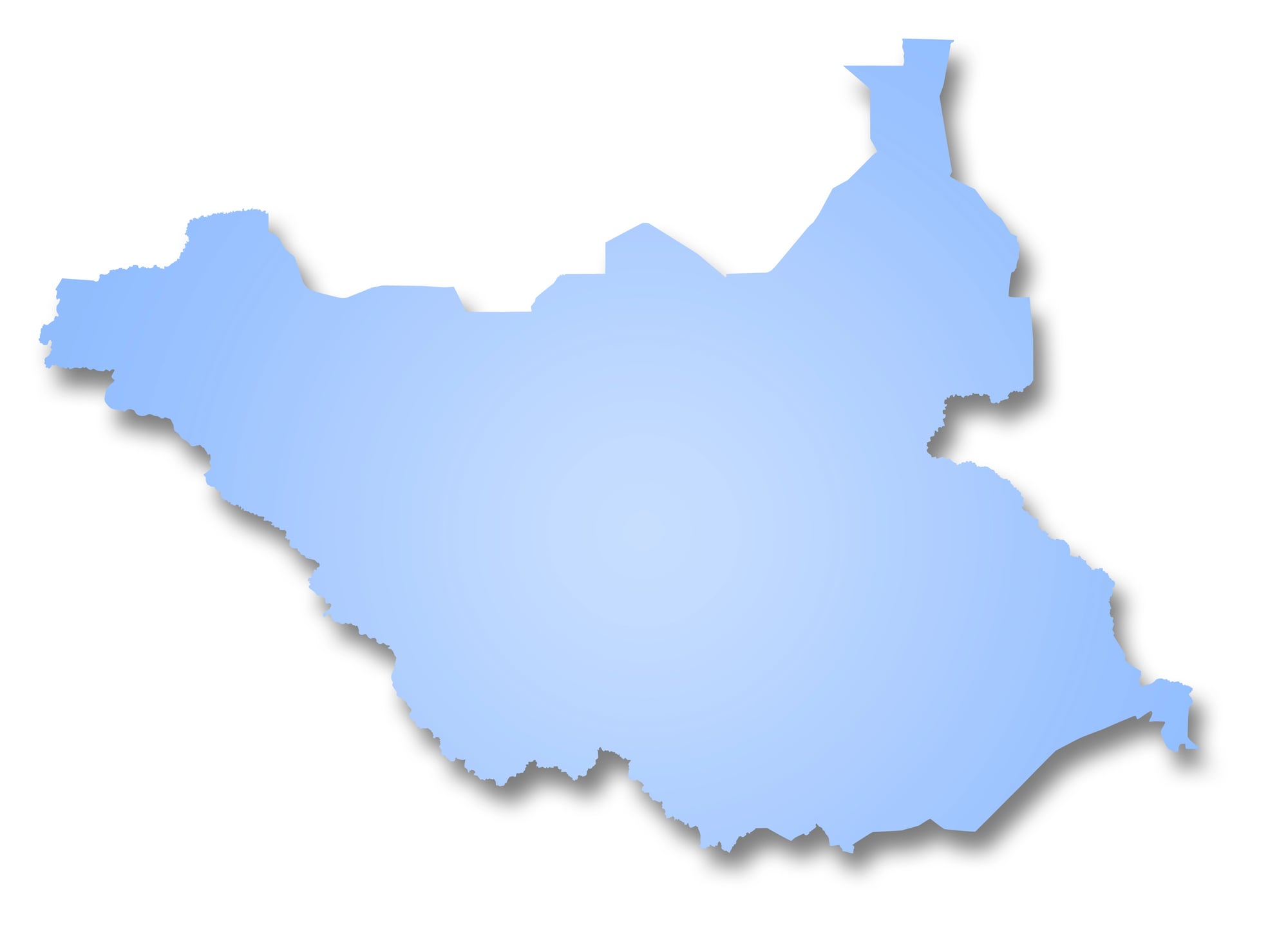
South Sudan covers 619,745 square kilometers, making it larger than countries like France or Spain. Despite its enormous size, the country has a relatively small population for its land area.
The population density is only 13.33 people per square kilometer, leaving vast areas of pristine wilderness and undeveloped land. This low population density means there’s plenty of space for future growth and development.
The country is roughly the size of Texas, giving perspective on just how much room South Sudan has.
Home to the world’s second-largest animal migration
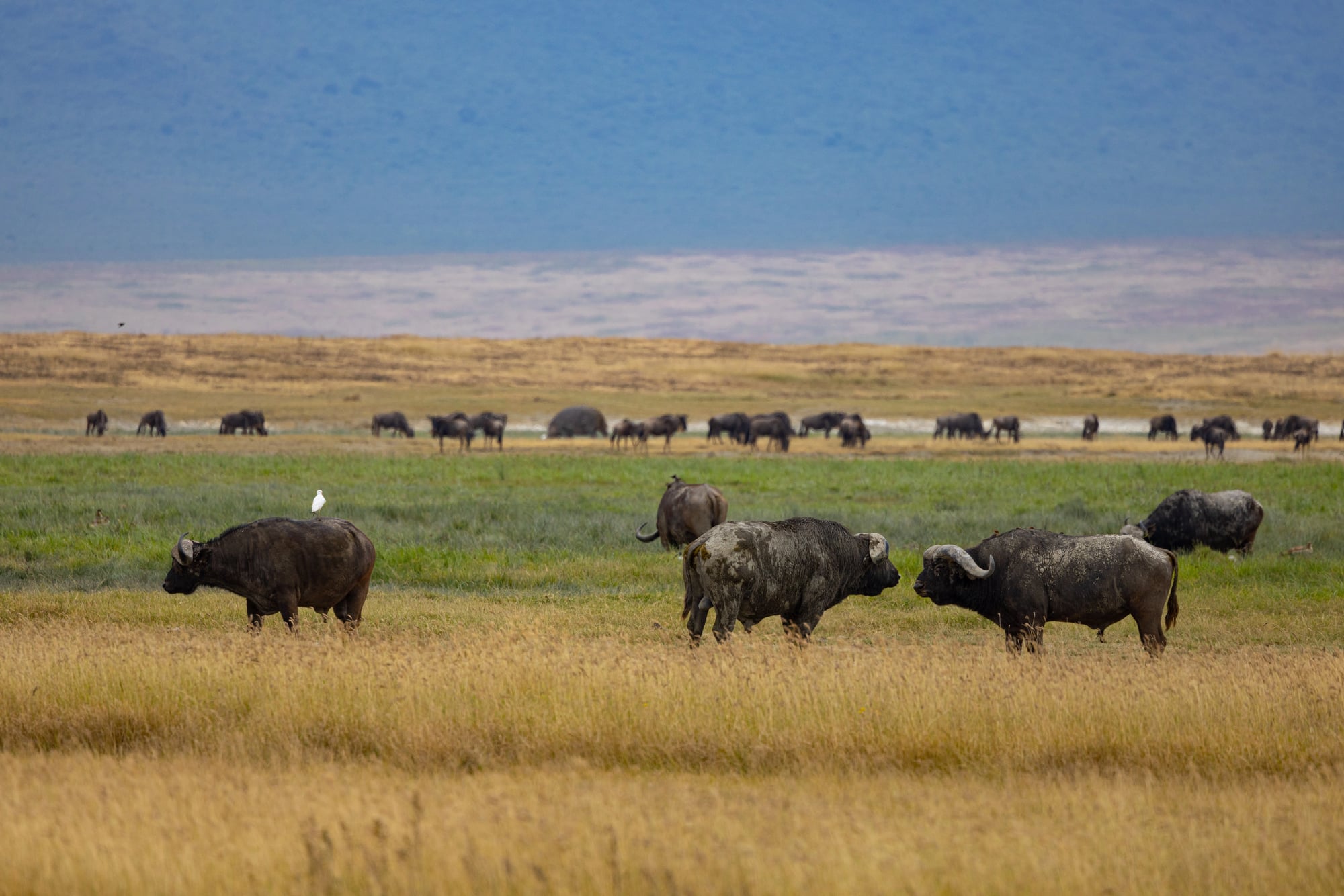
South Sudan’s protected area of Bandingilo National Park hosts the second-largest wildlife migration in the world. Every year, millions of animals including antelope, gazelles, and other species move across the landscape in search of water and grazing areas.
This incredible natural spectacle rivals Kenya’s famous Masai Mara migration in scale and drama. The migration patterns have remained largely unchanged for thousands of years.
Wildlife photographers and researchers consider this one of Africa’s best-kept secrets.
The White Nile flows right through it
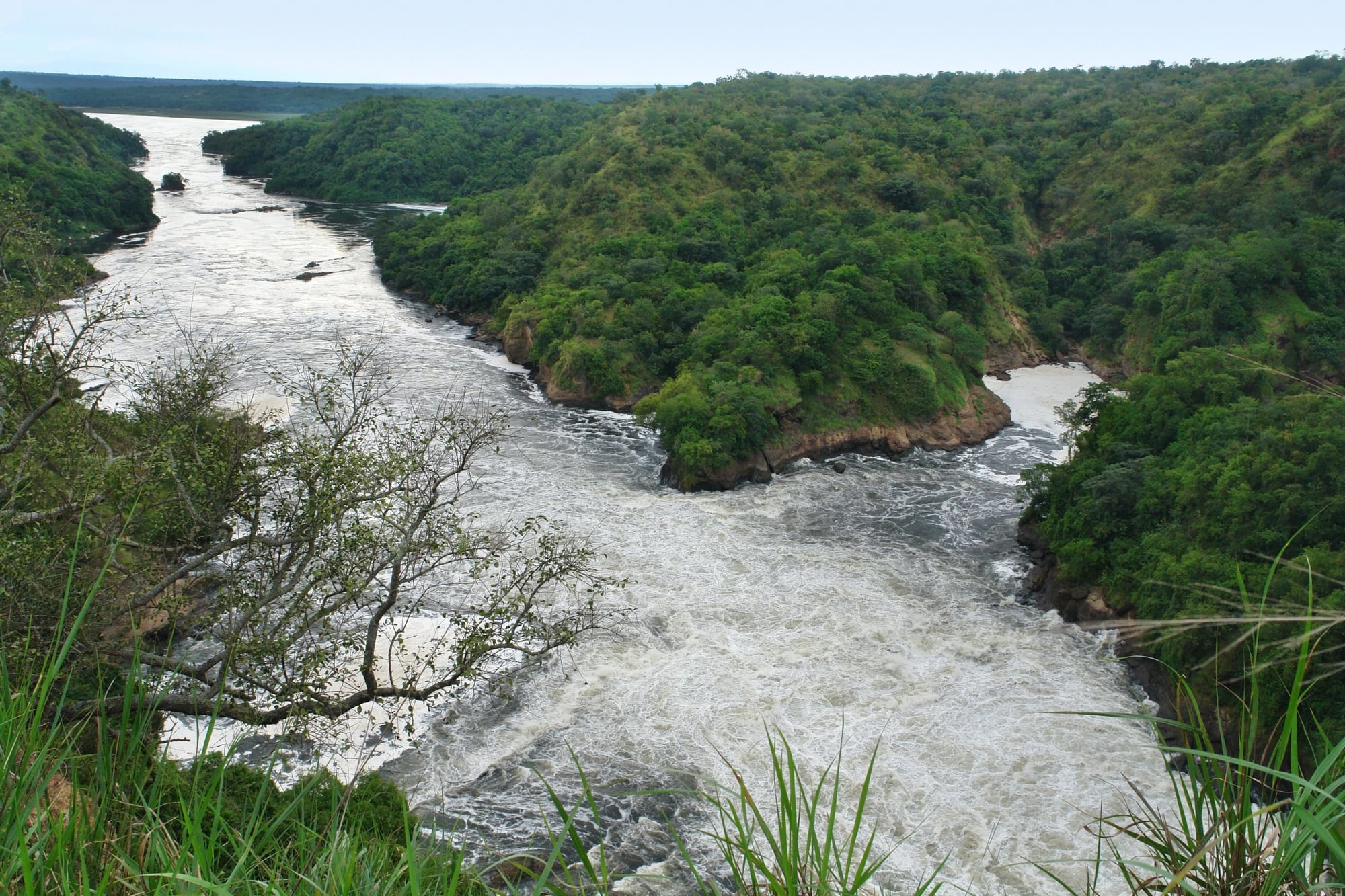
The White Nile passes through the country, passing by Juba, the capital city. The Nile is the primary water source for South Sudan, Sudan and Egypt.
This famous river provides water for agriculture, transportation, and daily life for millions of South Sudanese people. The country sits at a crucial point in the Nile’s journey from East Africa to the Mediterranean Sea.
Having the Nile run through their territory gives South Sudan important strategic value in regional water politics.
The Sudd is a natural wonder

The Sudd is formed by the White Nile, known locally as the Bahr al Jabal, meaning “Mountain Sea”. This massive wetland is one of the world’s largest swamplands, covering an area roughly the size of England.
The Sudd acts like a giant natural filter, cleaning water as it flows through the system. During different seasons, the wetland expands and contracts dramatically, creating a constantly changing landscape.
Local communities have adapted their lives around these seasonal changes for generations.
Oil wealth beneath the ground

South Sudan controls about 75% of the former unified Sudan’s oil reserves, making it one of Africa’s major oil producers. The oil industry provides the vast majority of the government’s revenue and foreign currency earnings.
Most of the oil fields are located in the northern regions near the border with Sudan. However, the country faces challenges because oil pipelines run through Sudan, creating dependency on their former adversary.
International oil companies have invested billions of dollars in South Sudanese oil infrastructure.
Over 60 languages spoken

South Sudan has incredible linguistic diversity with more than 60 different languages spoken across the country. English serves as the official language, a decision made to distinguish the new nation from Arabic-speaking Sudan.
The most widely spoken local languages include Dinka, Nuer, Bari, and Zande. Many people speak multiple languages to communicate with different ethnic groups.
This linguistic richness reflects the country’s diverse cultural heritage and tribal traditions.
Juba is the bustling capital
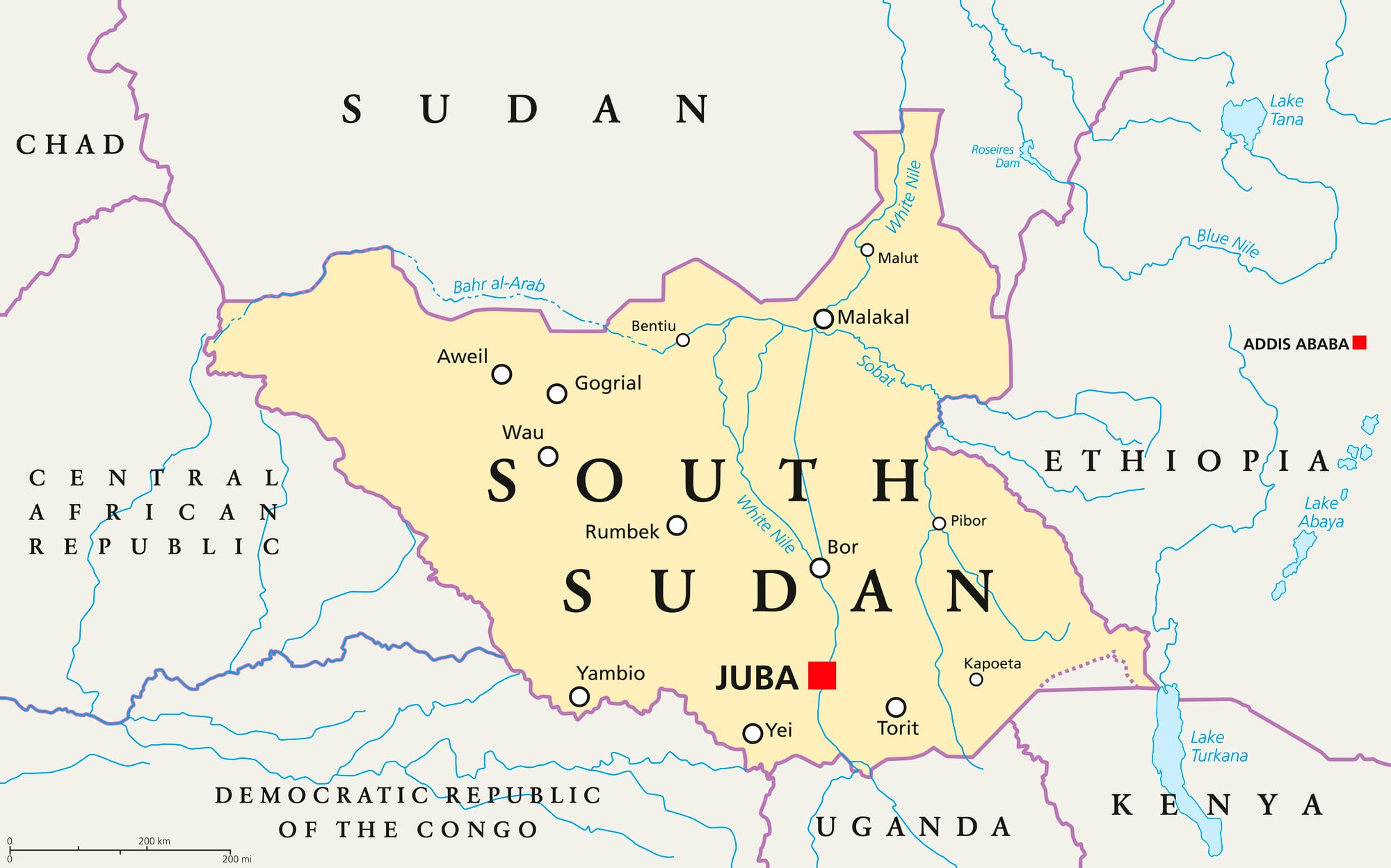
Juba serves as South Sudan’s capital and largest city, sitting on the banks of the White Nile River. The city has grown rapidly since independence, transforming from a small town into a major urban center.
Juba houses government offices, international organizations, and businesses that support the young nation. The city faces challenges with infrastructure development as it tries to keep up with rapid population growth.
Despite the challenges, Juba represents hope and opportunity for many South Sudanese people.
A very young population

More than half of South Sudan’s population is under 18 years old, making it one of the world’s youngest populations. This demographic reality means the country has enormous potential for future growth and development.
However, it also creates challenges for education, healthcare, and job creation. Many young South Sudanese have never known life under Sudan and consider themselves purely South Sudanese citizens.
The youth represent both the country’s greatest asset and its biggest responsibility.
Gold and other minerals await discovery
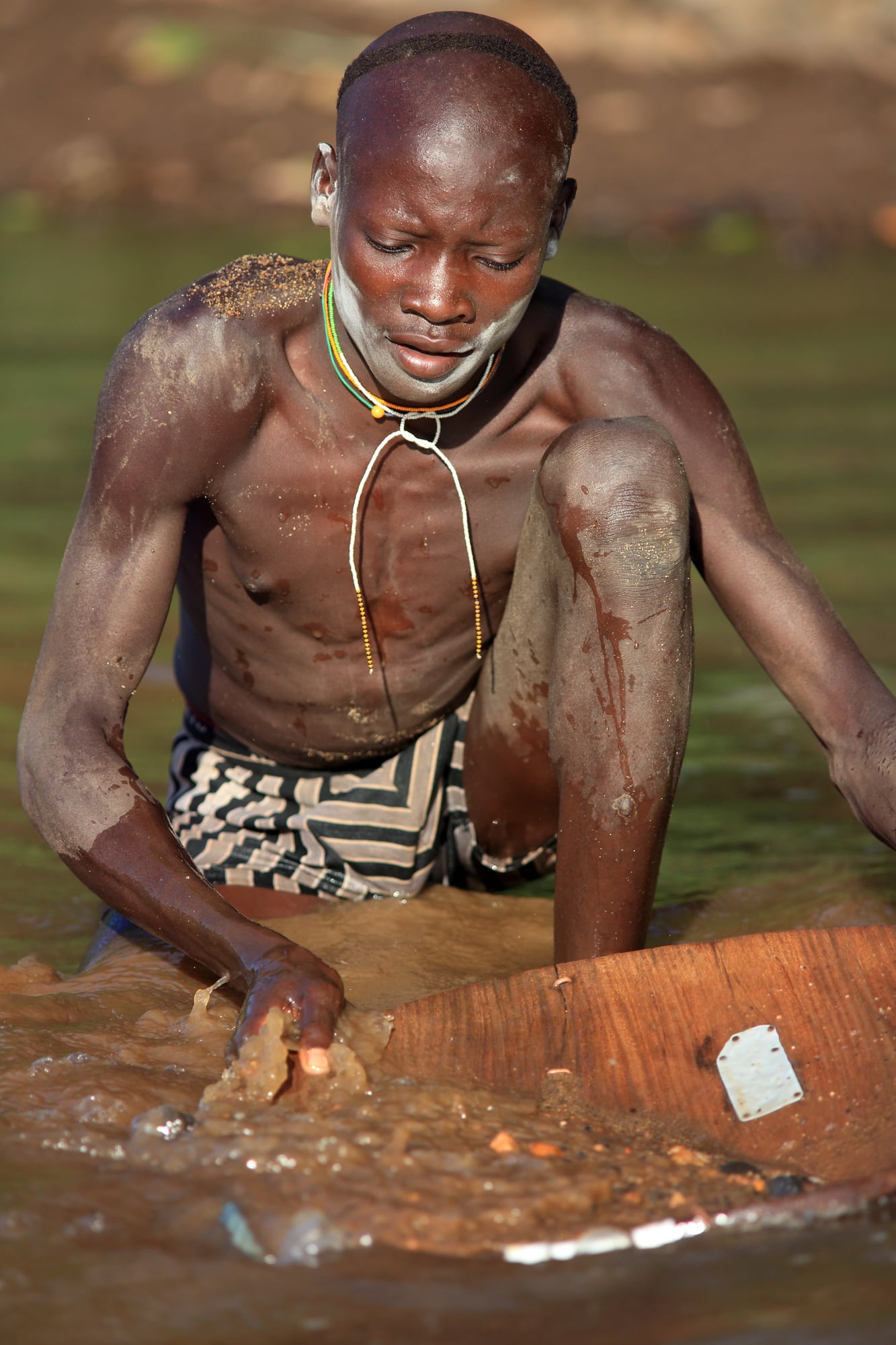
Beyond oil, South Sudan has significant untapped mineral wealth including gold, copper, iron ore, and other valuable resources. Most of these resources remain unexplored due to limited infrastructure and ongoing security challenges.
Geological surveys suggest the country could have substantial mineral deposits throughout its territory. International mining companies have shown interest but are waiting for more stable conditions.
These resources could provide alternative revenue sources beyond oil dependence.
Cattle culture runs deep
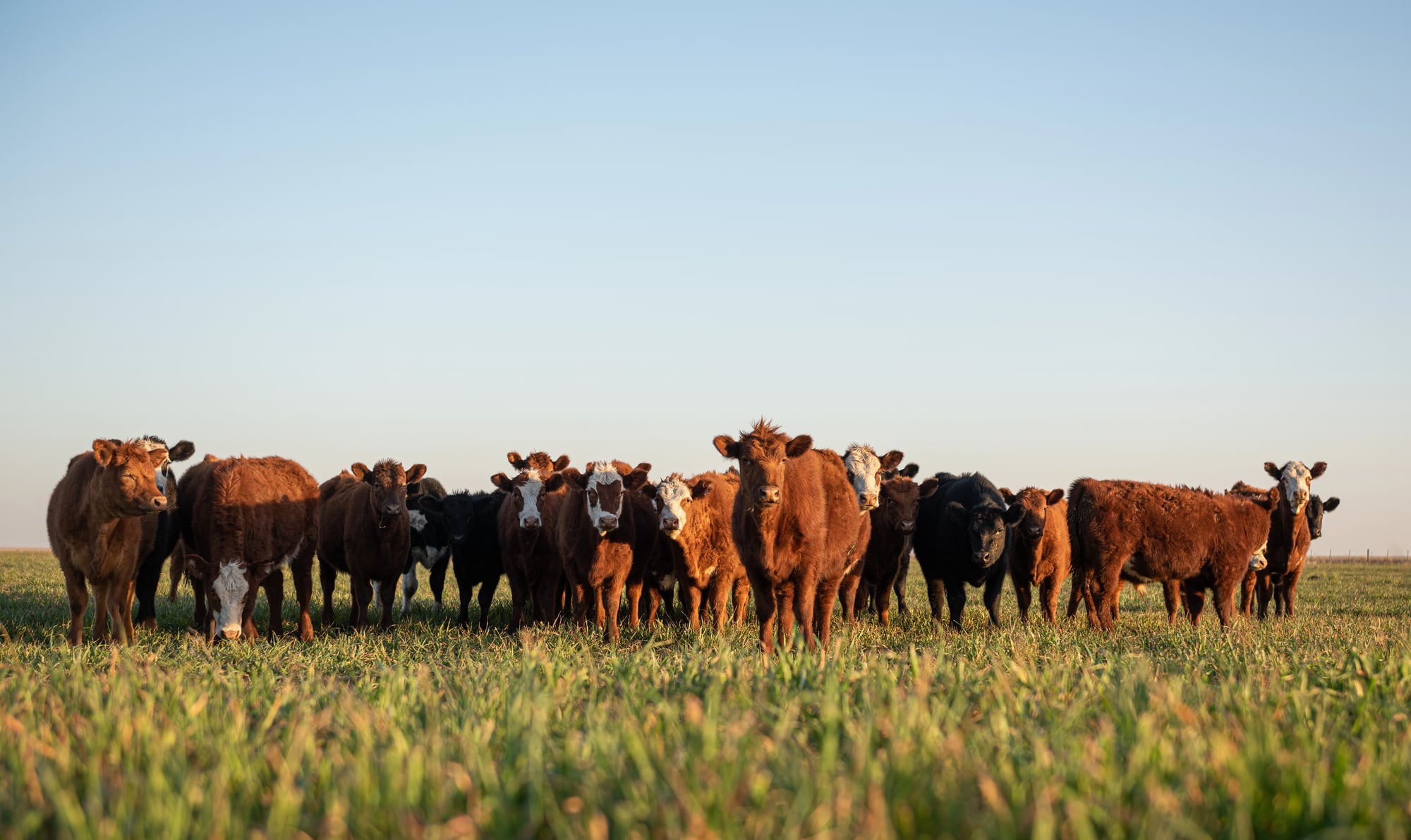
Cattle hold enormous cultural and economic importance throughout South Sudan, especially among pastoral communities. Many ethnic groups measure wealth, status, and family connections through cattle ownership.
Cattle provide milk, meat, and serve as currency for important transactions like bride prices. Traditional conflicts often center around cattle raiding and grazing rights. The government recognizes cattle’s cultural importance while trying to modernize the economy.
Basketball brings international recognition

South Sudan’s national basketball team has gained international attention by competing against much larger and more established nations. Several South Sudanese-American players have joined the national team, bringing NBA-level talent to international competitions.
The team’s success has brought positive publicity to the young nation during challenging times. Basketball courts have appeared in communities across the country as the sport gains popularity.
Sports provide a way for South Sudan to engage with the world beyond politics and conflict.
Education challenges and opportunities
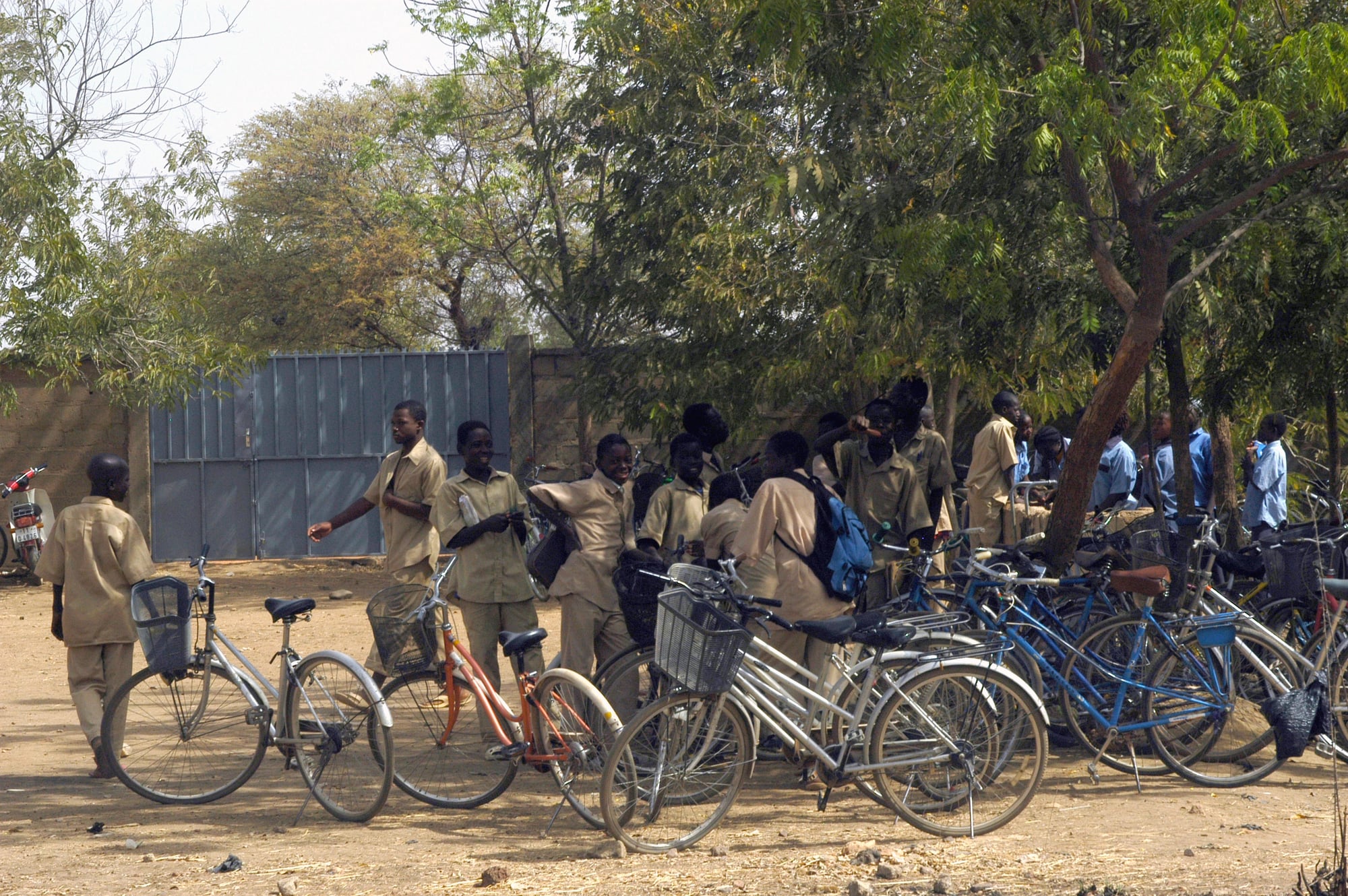
South Sudan has one of the world’s lowest literacy rates, with many adults never having had access to formal education. The country inherited very limited educational infrastructure from the decades of conflict and neglect.
Building schools, training teachers, and developing curriculum represents a massive undertaking for the government. International organizations provide significant support for education programs throughout the country.
Despite the challenges, enrollment rates have increased significantly since independence.
Traditional music and dance thrive
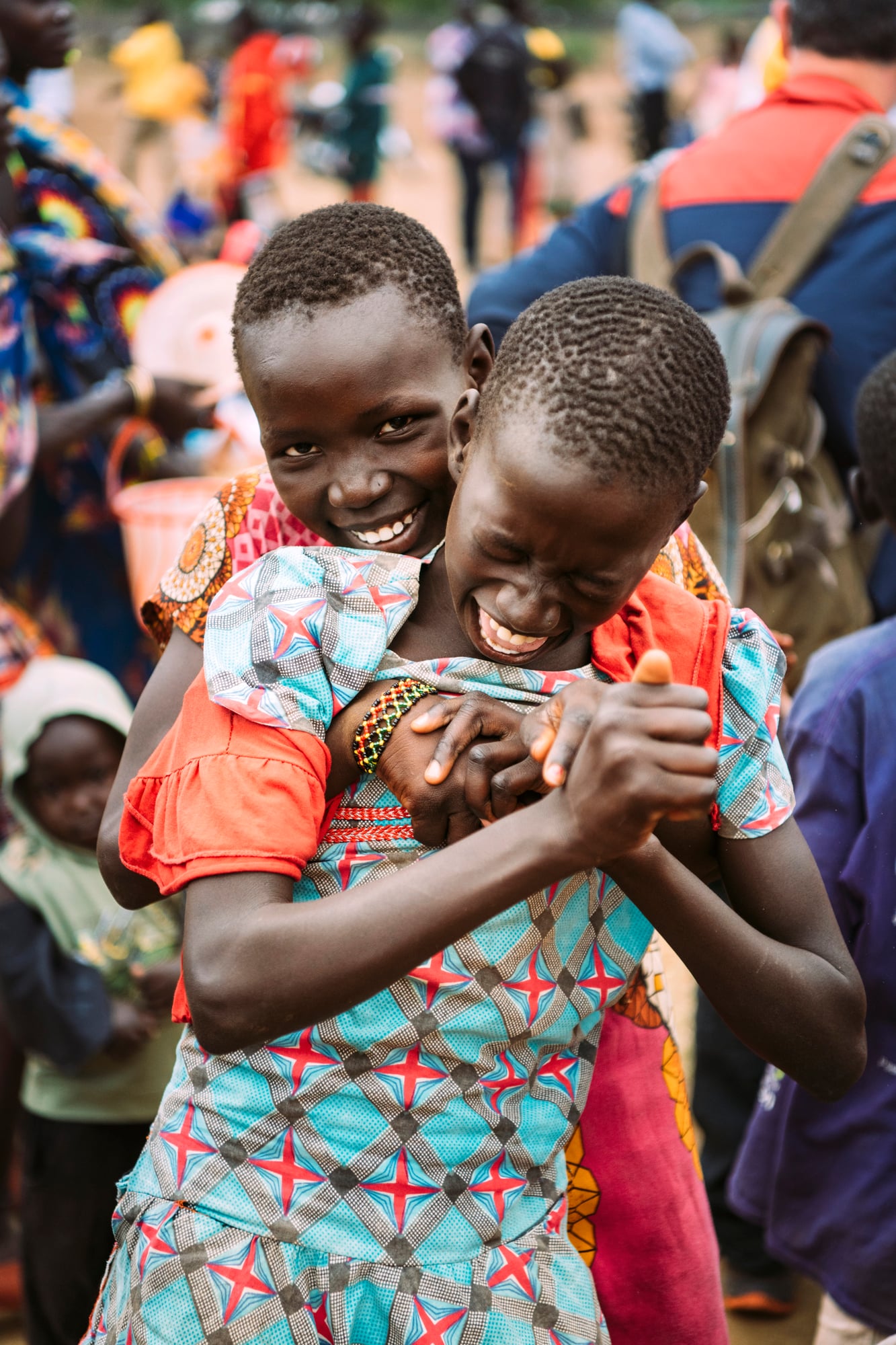
Each ethnic group in South Sudan has its own distinctive musical traditions, dances, and cultural celebrations. Traditional instruments include drums, harps, and various wind instruments made from natural materials.
Music and dance play important roles in ceremonies, celebrations, and community gatherings. These cultural traditions have survived decades of conflict and continue to bring communities together.
Young people are learning traditional arts while also embracing modern music styles.
Food security remains a major concern

Agriculture provides livelihoods for most South Sudanese people, but food security remains challenging due to various factors. Climate changes, conflict, and limited infrastructure affect agricultural production throughout the country.
Many communities still practice traditional farming methods that are vulnerable to weather variations. International aid organizations provide food assistance during difficult periods.
ZThe government is working to improve agricultural techniques and market access for farmers.
International support continues
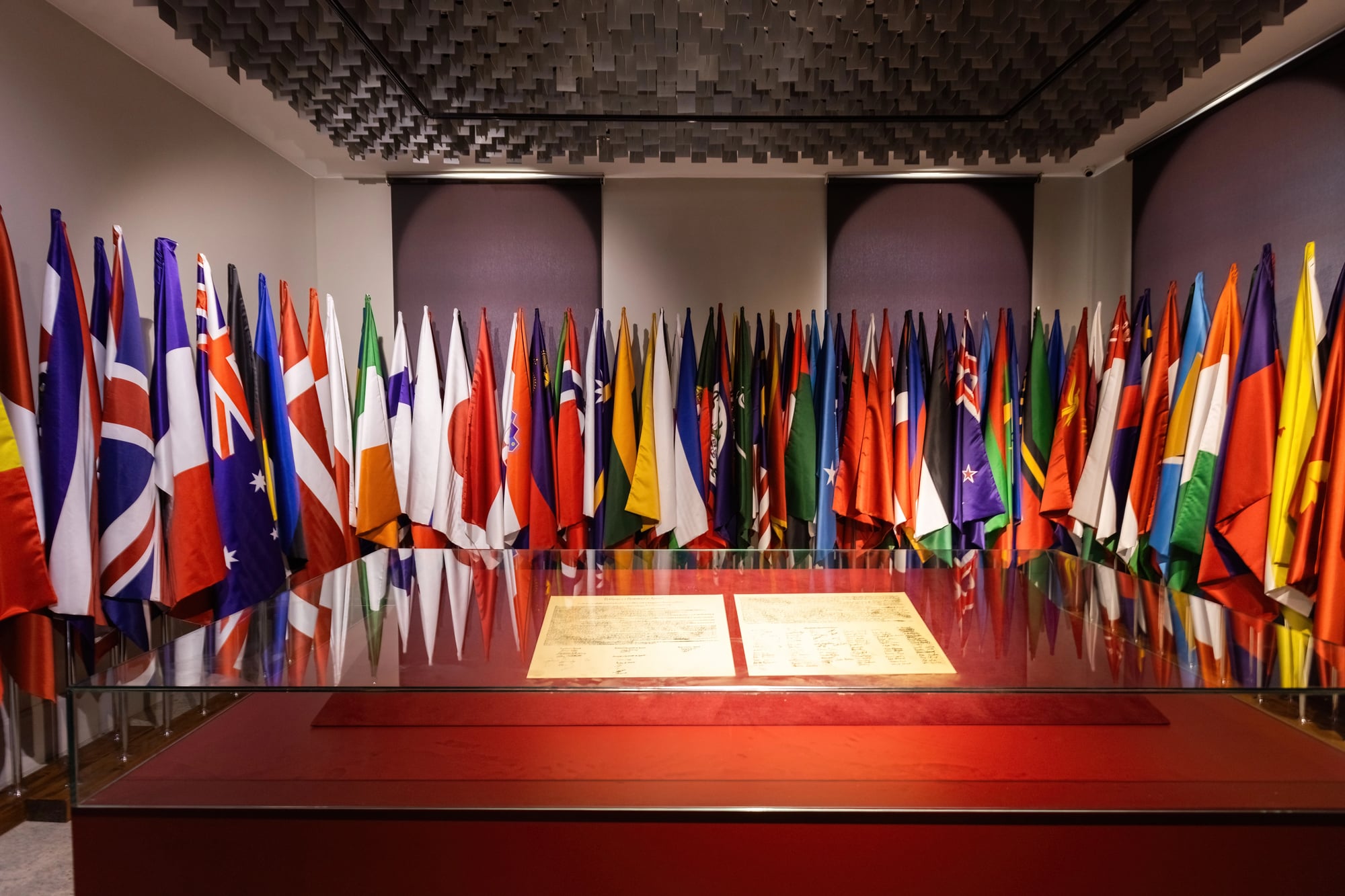
The international community has invested heavily in South Sudan’s development since independence, providing billions of dollars in aid and assistance. The United Nations maintains one of its largest peacekeeping missions in the country.
Neighboring countries in the region have played important roles in peace processes and economic development. International organizations work on everything from healthcare and education to infrastructure development.
This support reflects global recognition of South Sudan’s strategic importance and potential.
From dreams to reality and beyond

South Sudan’s journey from a dream of independence to a functioning nation shows what determined people can achieve despite overwhelming challenges. More than a decade after independence, South Sudan remains impacted by fragility, economic stagnation, and instability, yet the country continues working toward its goals.
More from Go2Tutors!

- The Romanov Crown Jewels and Their Tragic Fate
- 13 Historical Mysteries That Science Still Can’t Solve
- Famous Hoaxes That Fooled the World for Years
- 15 Child Stars with Tragic Adult Lives
- 16 Famous Jewelry Pieces in History
Like Go2Tutors’s content? Follow us on MSN.