Spite Houses and Structures With Bizarre Backstories
People build things for all sorts of reasons. Sometimes those reasons have nothing to do with practicality or beauty.
Sometimes they build because they’re angry, petty, or determined to prove a point. Spite houses and structures represent pure human stubbornness turned into bricks and mortar.
These buildings exist solely to inconvenience someone else, to win an argument, or to immortalize a grudge. Their stories are strange, vindictive, and surprisingly entertaining.
The Skinny House in Boston
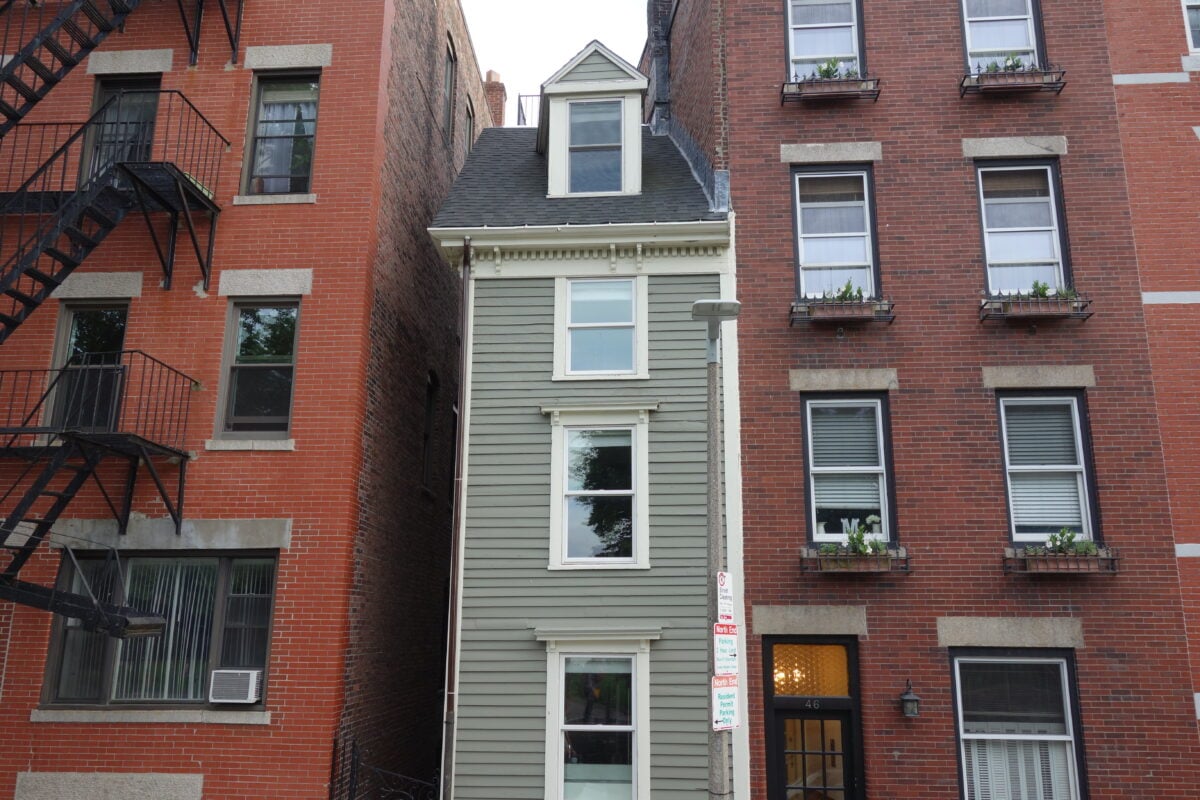
The narrowest house in Boston measures just over 10 feet wide at its base and tapers down to less than 10 feet at the back. The story goes that two brothers inherited land from their father.
One brother went off to war, and while he was gone, the other built a large house on most of the property, leaving only a sliver of land. When the soldier returned and saw what his brother had done, he built the spite house.
The narrow structure blocked light and air to his brother’s house, making it less pleasant to live in. The spite house still stands in Boston’s North End, a permanent monument to sibling rivalry.
Whether the story is completely accurate doesn’t matter much anymore. The house exists, and it’s aggressively impractical.
Walking through it means turning sideways in some spots. But it served its purpose—annoying the person it was meant to annoy for as long as both brothers lived.
The Alameda Spite House
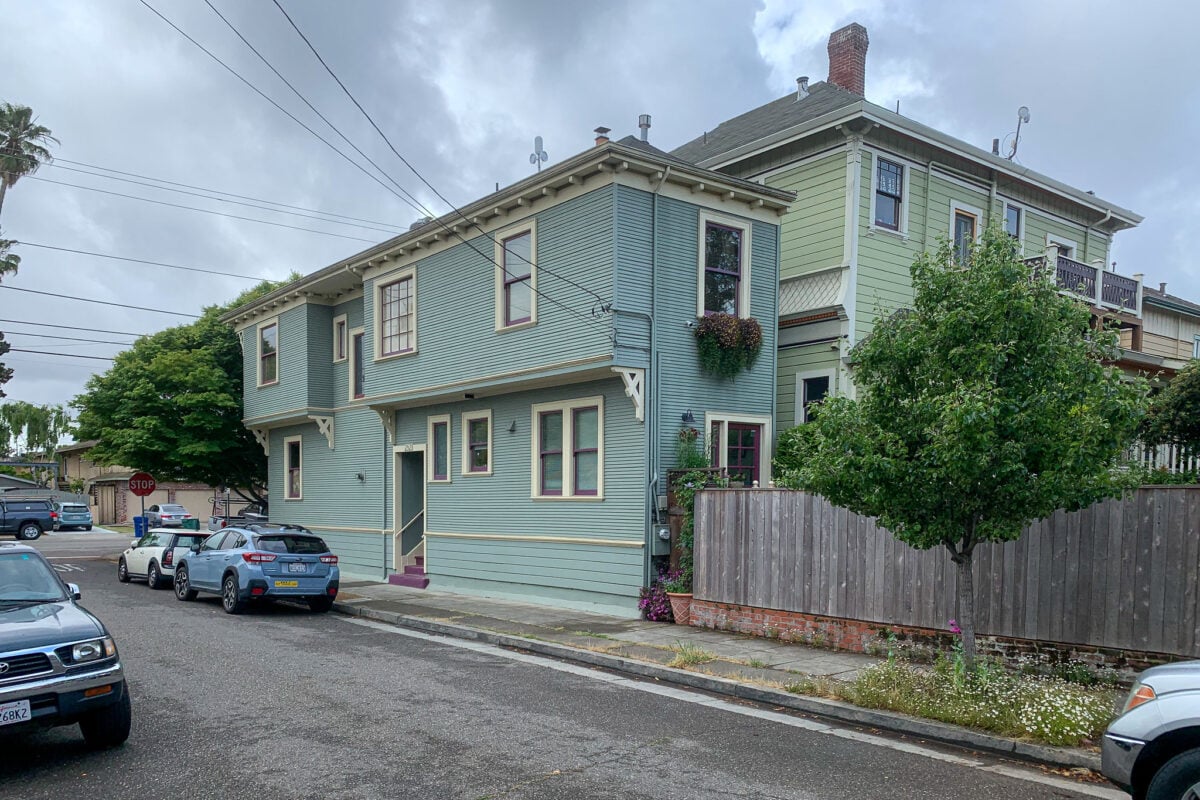
In Alameda, California, a man named Charles Froling owned a lot that the city wanted for a street widening project. He refused to sell.
The city took most of his land through eminent domain anyway, leaving him with a strip barely wide enough to build on. Froling decided that if he couldn’t have his full property, he’d at least make sure the city regretted taking it.
He built a house 10 feet wide and 54 feet long on the remaining strip. The structure blocked what would have been a straight street, forcing a slight jog in the road that still exists today.
The house has changed hands multiple times over the years. Current residents embrace its quirky history and narrow layout.
Inside, rooms are arranged in a straight line like train cars. You can’t have traditional hallways when your entire house is essentially one hallway with rooms attached.
The Tyler Spite House
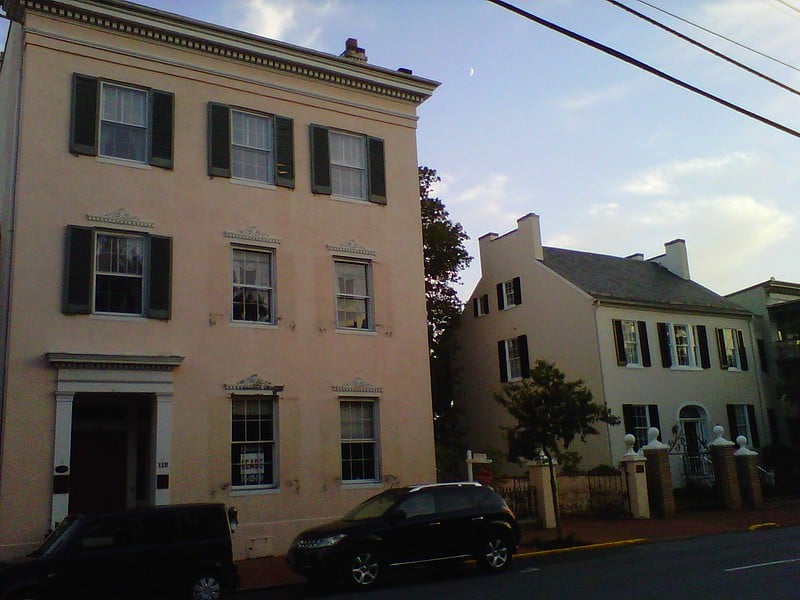
This house in Frederick, Maryland, started as a dispute over an alley. Dr. John Tyler owned property that included an alley frequently used by people to reach the courthouse.
The city council decided to officially designate it as a public road without compensating Tyler. Tyler responded by building a house that completely blocked the alley.
The structure was 25 feet wide but only 7 feet deep—essentially a wall with windows. It had rooms, but they were so shallow that you could barely fit furniture.
The whole point was obstruction, not habitation. The house stood for over a century before being demolished in the 1980s.
While it existed, it served as a daily reminder that the city had angered the wrong property owner. Tyler never backed down, and generations of courthouse visitors had to walk around his architectural middle finger.
The Montlake Spite House
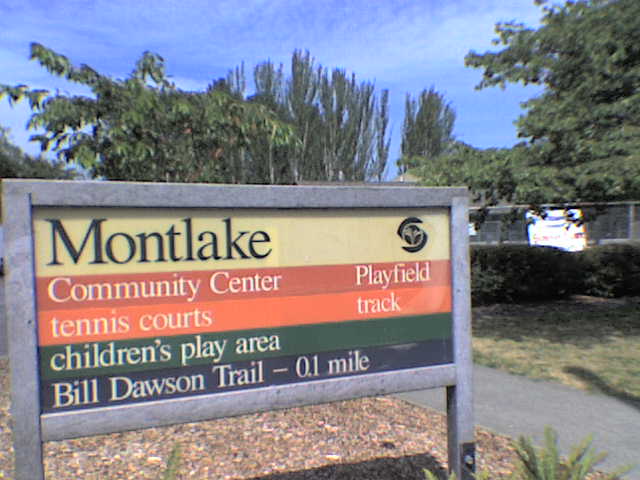
Seattle’s spite house came about because of a woman scorned in a business deal. A landowner refused to sell a corner lot to a developer for the price he wanted to pay.
The developer bought all the surrounding property and built apartments, assuming the holdout would eventually cave. Instead, the owner built a small house on the corner lot, deliberately designed to be an eyesore next to the new apartments.
The house was painted in clashing colors and built as close to the property line as legally allowed. It ruined the clean aesthetic the developer wanted for his project.The spite house still exists, though it’s been renovated and no longer looks particularly spiteful.
The location is now prime real estate worth far more than the original offer. The owner’s refusal to sell ended up being a sound financial decision disguised as pettiness.
Freeport’s Spite Tower

In Freeport, New York, a dispute between neighbors over a driveway easement escalated into construction. One neighbor built a tower on his property that blocked his neighbor’s view of the bay.
The tower served no practical purpose—it was just tall enough to ruin the view. The blocked neighbor sued, but local ordinances didn’t prohibit the tower.
The courts ruled that spite alone wasn’t enough to force its removal. The tower owner had technically followed all building codes, even if his motivation was purely vindictive.
The tower still stands, though both original neighbors have long since moved away or died. Subsequent owners inherited a feud they had nothing to do with.
The structure remains a testament to how far people will go to win a neighborhood dispute.
The Hollensbury Spite House
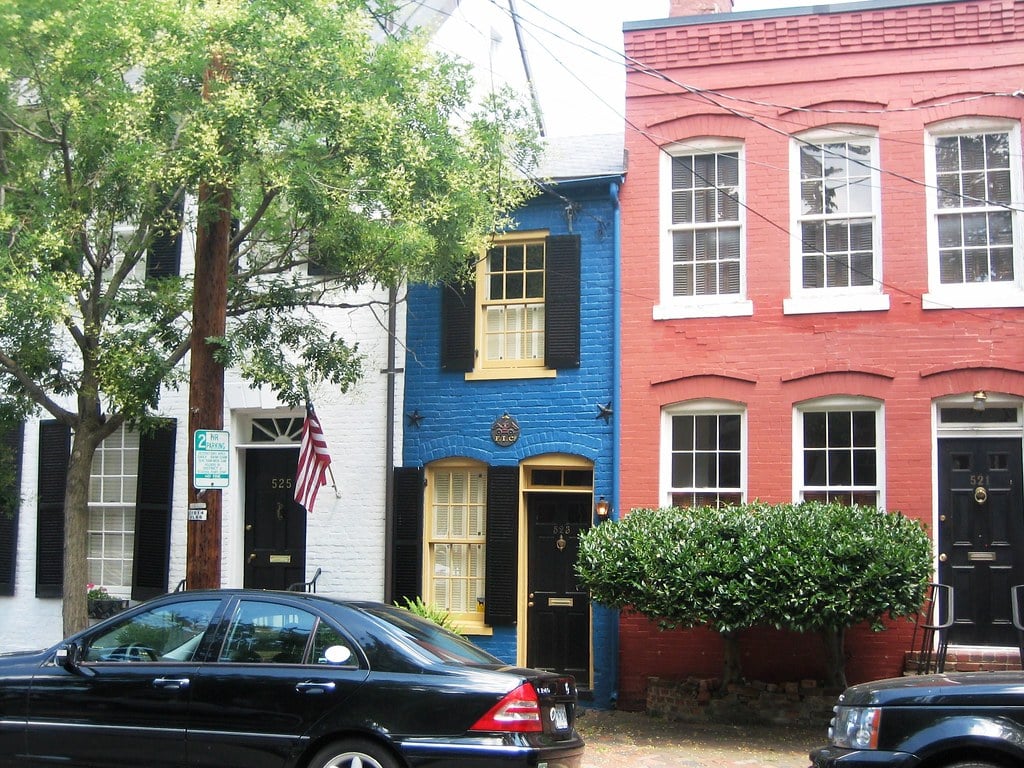
Alexandria, Virginia, has its own spite house, just seven feet wide. The story claims it was built in 1830 to block off an alley where loiterers gathered and horse-drawn wagons constantly scraped the walls of the adjacent building.
The homeowner got tired of the noise and damage, so he simply built a house in the alley itself. The structure is so narrow that the staircase goes up at a steep angle, and you can touch both walls simultaneously from the middle of any room.
Modern residents have to get creative with furniture placement. The house has become a point of pride for Alexandria, frequently featured in architectural tours.
What started as an angry solution to an annoying problem became a cherished historic oddity. Spite aged into charm over nearly two centuries.
Richardson’s spite windmill

In Rhode Island, a farmer named Richardson got into a dispute with his neighbors over land boundaries. Rather than settling it through normal legal channels, he decided to make their lives difficult through construction.
He built a windmill positioned specifically to cast a shadow over his neighbor’s garden during peak growing hours. The windmill wasn’t optimally placed for catching wind or for agricultural efficiency. Its entire purpose was to shadow the neighbor’s property.
The vegetables grew poorly. The neighbor’s resentment grew strong.
Richardson considered it a victory. The original windmill no longer exists, but the story lives on as an example of agricultural pettiness.
Farmers have long memories and creative ways of expressing displeasure. Richardson’s shadow warfare was passive-aggressive genius.
The Spite Fence of Alameda

Before the spite house, Alameda had a spite fence. A man angered by his neighbor built a fence that was 40 feet tall and deliberately painted it an offensive color.
The fence blocked sunlight from the neighbor’s house and garden, making the property cold and gloomy. The fence became so famous that California passed a law specifically addressing spite fences.
The legislation set height limits and gave neighbors legal recourse against structures built purely for harassment. The original spite fence eventually came down, but it changed property law across the state.
The case established that you can’t do whatever you want on your property if your sole purpose is harming someone else. The fence builder had to remove his creation, but his pettiness at least contributed something useful to the legal system.
Cohen’s Spite Building
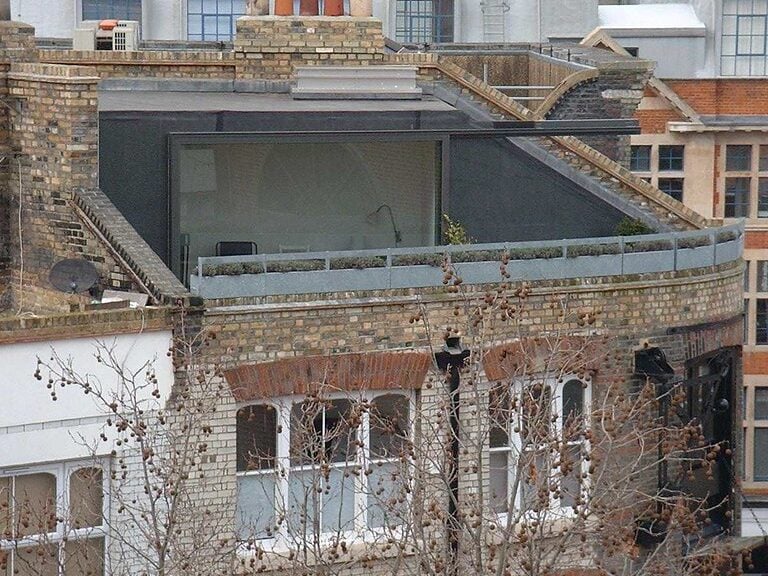
In New York City, a man named Joseph Richardson owned a plot of land between two buildings. A developer tried to lowball him for the property, assuming Richardson had no choice but to sell since the land was too narrow to develop alone.
Richardson proved him wrong by building a five-story apartment building just five feet wide. The structure had apartments, though calling them cozy would be generous.
The building exists as a functioning residence, demonstrating that spite can produce surprisingly practical results. The narrow building has become a New York curiosity, photographed constantly by tourists.
It’s a reminder that sometimes refusing to be bullied produces something worth preserving. The developer never got his consolidated property, and Richardson made his point permanently.
The Pink House of Newbury
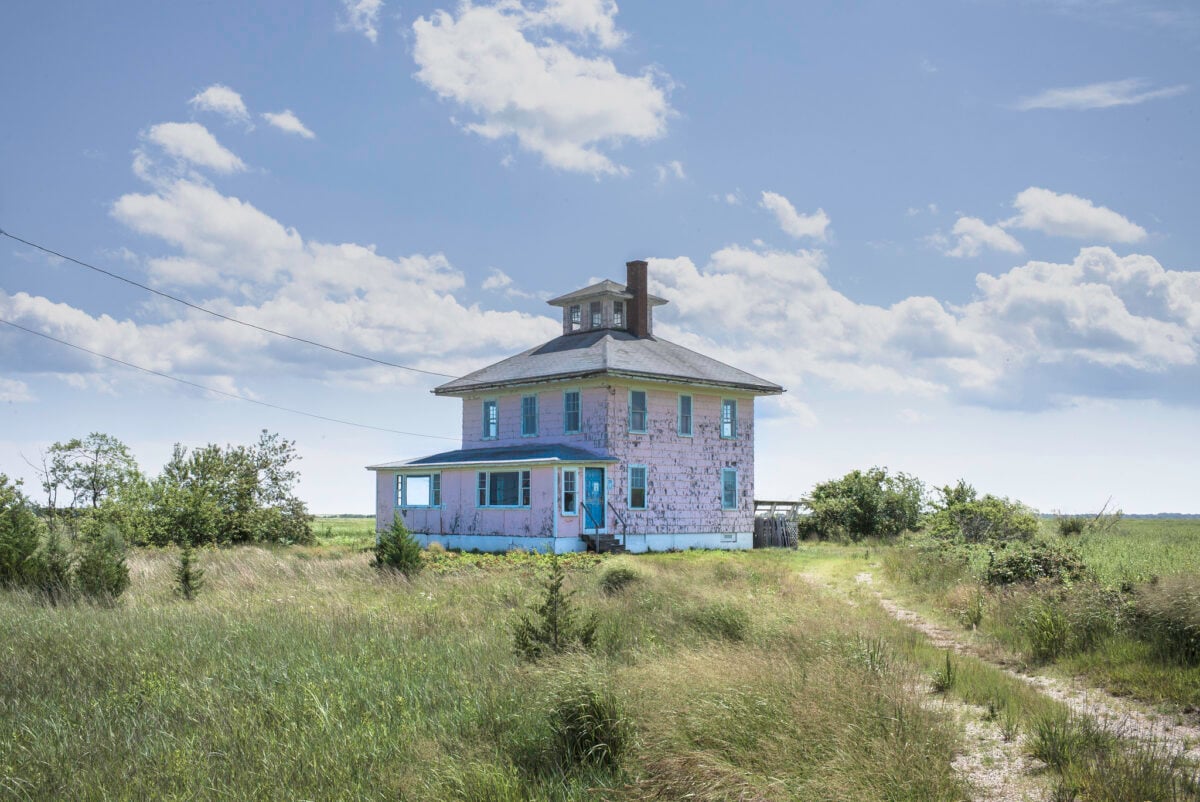
In Newbury, Massachusetts, a homeowner painted her house bright pink specifically to annoy town officials who had denied her various permits over the years. The color violated no laws or covenants, so authorities couldn’t force her to change it.
The pink house became a local landmark, visible from considerable distances. The owner maintained the aggressive color scheme for decades, repainting whenever the hue started to fade.
Every fresh coat was a renewed declaration of her ongoing dispute with the town hall. Eventually, new owners bought the property and repainted it a more subdued color.
The era of pink spite ended, but for years it served as a highly visible reminder that bureaucratic stubbornness works both ways.
McCobb’s spite lighthouse
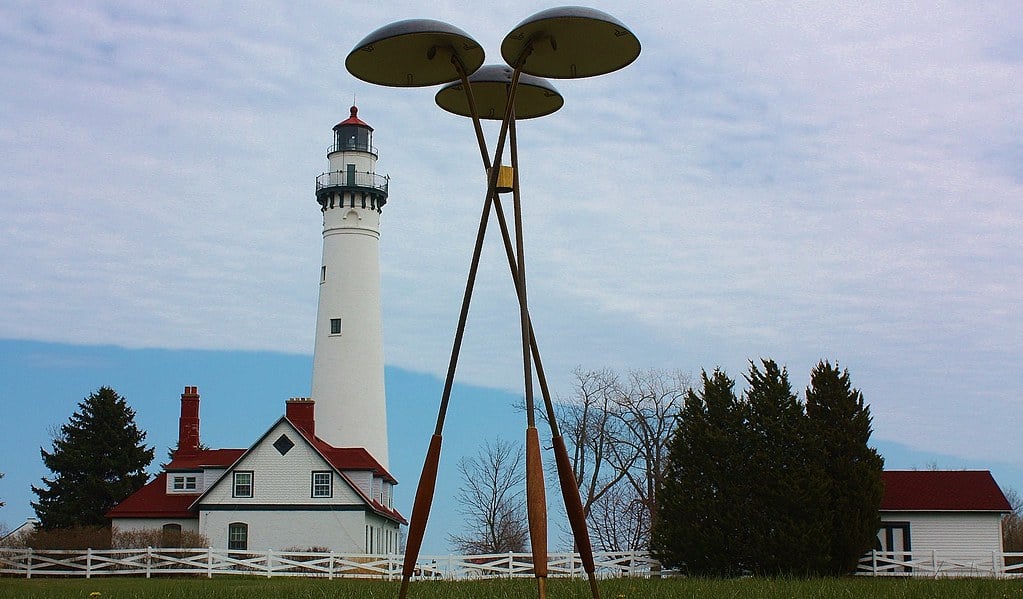
In Maine, a property owner built a fake lighthouse on his land specifically to confuse and irritate a neighbor who operated a maritime business. The lighthouse wasn’t functional and served no navigational purpose.
It just sat there, looking official enough to cause problems. The maritime neighbor complained to authorities, but the lighthouse owner argued it was decorative architecture.
The structure didn’t technically violate maritime law because it didn’t emit light or make any claims of functionality. It was just a lighthouse-shaped building on private land. The courts eventually sided with the maritime business, ordering the fake lighthouse removed as a potential hazard.
But it took years of legal battles, during which time the spite lighthouse stood as an absurd monument to one person’s determination to annoy another.
The Spite House of Ireland
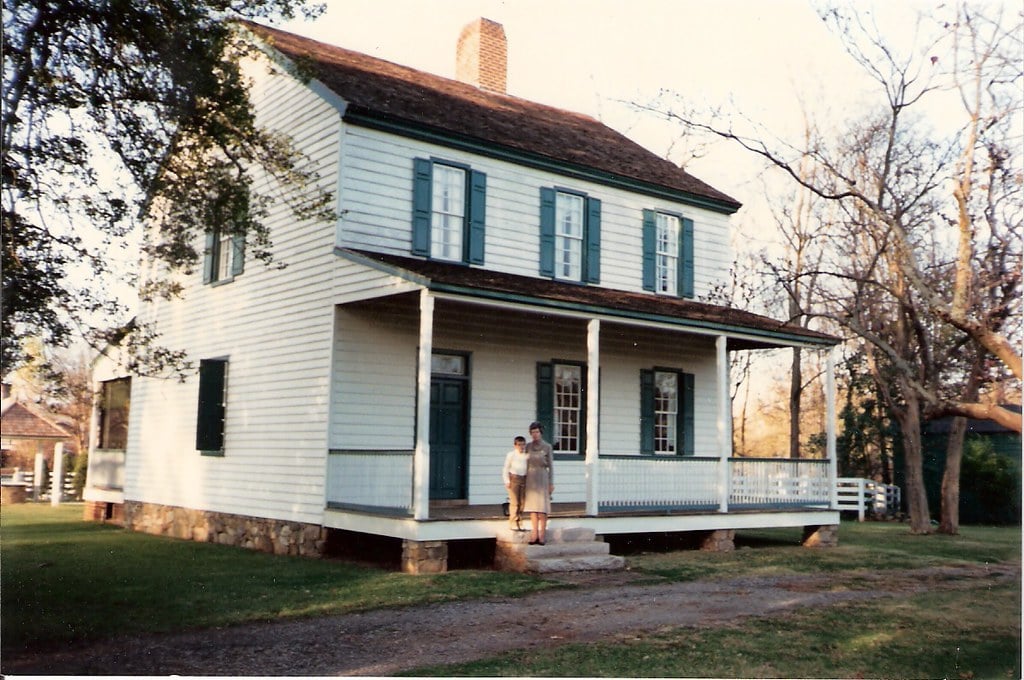
In Ireland, a stone cottage was built directly blocking the main entrance to a neighbor’s estate. The dispute originated from a land sale that one party felt was conducted unfairly.
Rather than contest it legally, the aggrieved party built a small house positioned to maximize inconvenience. The estate owner had to create a new entrance road that added significant distance to reach the main house.
Visitors found the situation confusing and embarrassing. The cottage owner considered this an appropriate response to being cheated in the original land transaction.
Generations passed, and the spite cottage remained. Eventually, both properties were sold to people unconnected to the original dispute.
The cottage is now considered a charming historic structure, its vindictive origins softened by time and changing ownership.
The Dinner Table Spite House

In Queens, New York, a couple in the middle of a divorce couldn’t agree on what to do with their property. The husband wanted to sell.
The wife refused. So the husband built a wall directly through the middle of the house, splitting it in half.
Each ex-spouse got their own entrance, their own utilities, and their own half of every room. The dining room was divided down the middle.
The kitchen got split. The absurdity of the situation attracted media attention, but neither party would compromise.
The divided house existed for years before finally being sold and renovated. The wall came down, and the house became whole again.
But photographs of the spite division remain, documenting one of the more extreme property disputes in recent memory.
Architecture of Anger

People do wild things just to get their way. Instead of talking it out, they’d rather throw cash into weird buildings or slap up ugly walls.
To spite a neighbor, someone might toss together a crooked shed or pick paint that burns your eyes. All this hassle isn’t about comfort – it’s about winning a feud no one else cares about.
Still, revenge isn’t usually logical. It’s more about feeling good when someone else gets irritated, slowed down, or beaten.
These constructions hold onto old anger longer than the angry folks did. The fights behind them faded from memory – yet the buildings still stand.
Some turned into favorite spots, where old grudges now feel oddly charming thanks to years passing. Meanwhile, a few keep dishing out annoyance, souring days for anyone stuck dealing with them.
Yet each one shows how small-mindedness, shaped by buildings, can stick around much longer than expected.
More from Go2Tutors!

- 16 Historical Figures Who Were Nothing Like You Think
- 12 Things Sold in the 80s That Are Now Illegal
- 15 VHS Tapes That Could Be Worth Thousands
- 17 Historical “What Ifs” That Would Have Changed Everything
- 18 TV Shows That Vanished Without a Finale
Like Go2Tutors’s content? Follow us on MSN.