Stonehenge Secrets Archaeologists Uncovered
You’ve seen the photos. The massive stones standing in a circle on Salisbury Plain, looking mysterious and permanent.
But what you might not know is that archaeologists keep finding things about Stonehenge that flip the story on its head. These aren’t small tweaks to the narrative.
They’re major revelations about how it was built, why it was built, and what actually happened there thousands of years ago.
The Scottish Stone That Changed Everything

Deep in the middle of Stonehenge lies the Altar Stone, a hulking piece that tips the scales at six tons. Most experts long thought it traveled from Wales, just like several nearby rocks.
Yet by 2024, new findings pointed north instead. Way farther north – its roots dug into the Orcadian Basin, more than four hundred miles distant across Scotland.
This gap means something – someone dragged that huge stone without wheels ever touching British soil. Just getting it there hints at planning so advanced, experts once believed ancient groups could never manage it.
Glaciers Didn’t Do the Heavy Lifting

There was a comfortable theory floating around for about a century. Maybe glaciers carried these stones south during the ice age, and ancient people just assembled what nature delivered.
Recent research crushed that idea. Scientists analyzed microscopic mineral grains in river sediments near Stonehenge, looking for evidence of glacial deposits.
They found nothing. No geological fingerprints from Scotland or Wales.
The conclusion: humans deliberately hauled these stones across Britain.
A Sound System Built in Stone

When acoustics researchers built a one-twelfth scale model of Stonehenge and tested it in a sound chamber, they discovered something unexpected. The stone circle amplified voices by about four decibels for people standing inside.
But here’s the weird part – sound didn’t escape to the outside. Someone standing just beyond the outer circle wouldn’t hear a thing.
The stones created a private acoustic bubble, amplifying speech and music for those inside while blocking it from everyone else. This changes how you think about ceremonies.
Standing inside that circle, your voice would have echoed back at you in ways most Neolithic people never experienced. Outside of caves or deep canyons, this kind of sound manipulation simply didn’t exist in their world.
Stones That Ring Like Bells

Some of the bluestones at Stonehenge make metallic sounds when you tap them. Not subtle sounds.
Clear, ringing tones like bells or gongs. Researchers tested this by gently striking the stones with small quartz hammers, and different spots on the same rock produced different notes.
You could play these stones like a massive stone xylophone. This might explain why builders were willing to transport bluestones from Wales when perfectly good local rocks sat much closer.
The sonic properties made them special. The embedding of some stones in concrete during 1950s restoration work dampened this effect, but you can still hear it if you know where to listen.
The Massive Pits Nobody Noticed

In 2020, archaeologists scanning the ground near Durrington Walls found something that shouldn’t exist. More than a dozen enormous pits, each about 30 feet wide and 15 feet deep, arranged in a circle over a mile across.
These shafts encircle both Durrington Walls and nearby Woodhenge. The scale is unmatched anywhere else in prehistoric Britain.
What makes these pits remarkable is that they’ve been hiding in plain sight. The evidence sat in terabytes of remote sensing data that nobody had connected before.
Researchers used electrical resistance tomography and ground-penetrating radar to map them out. The pits appear deliberately dug by human hands, creating what might be one of the largest prehistoric structures in Britain.
A Monument to Unite a Fractured Island

The stones come from wildly different places. Bluestones from Wales, sarsen stones from 15 miles northeast, and Altar Stone from Scotland.
This scattered sourcing pattern is unique among Britain’s 900-plus stone circles. New research suggests Stonehenge might have served a political purpose beyond astronomy or religion.
Around 2500 BC, when the Altar Stone arrived, Britain was experiencing increased contact with European migrants from what’s now the Netherlands and Germany. Building a monument from stones sourced across the entire island could have been a unification project.
A way to celebrate connections between different groups and their ancestral lands. The monument would have belonged to everyone and no one, drawing materials from distant corners of the island into one shared sacred space.
The Oldest Part You Walk Right Over

Most people stepping into Stonehenge pass right over a small rise known as the North Barrow, eyes elsewhere. Not even scholars paid attention long – thought it just rubble left behind.
Yet when someone finally looked closer, they found proof: this ring of soil, roughly twenty paces wide, was first here. Built before that massive ditch-and-bank structure laid down near 3000 BC.
Stands centuries ahead of any standing stones, maybe five hundred winters earlier. Older than most realize, the North Barrow might be Stonehenge’s earliest piece.
Around it, slowly, the great structure took shape – built long after this quiet mound had settled into the land.
A Landscape of Hidden Circles
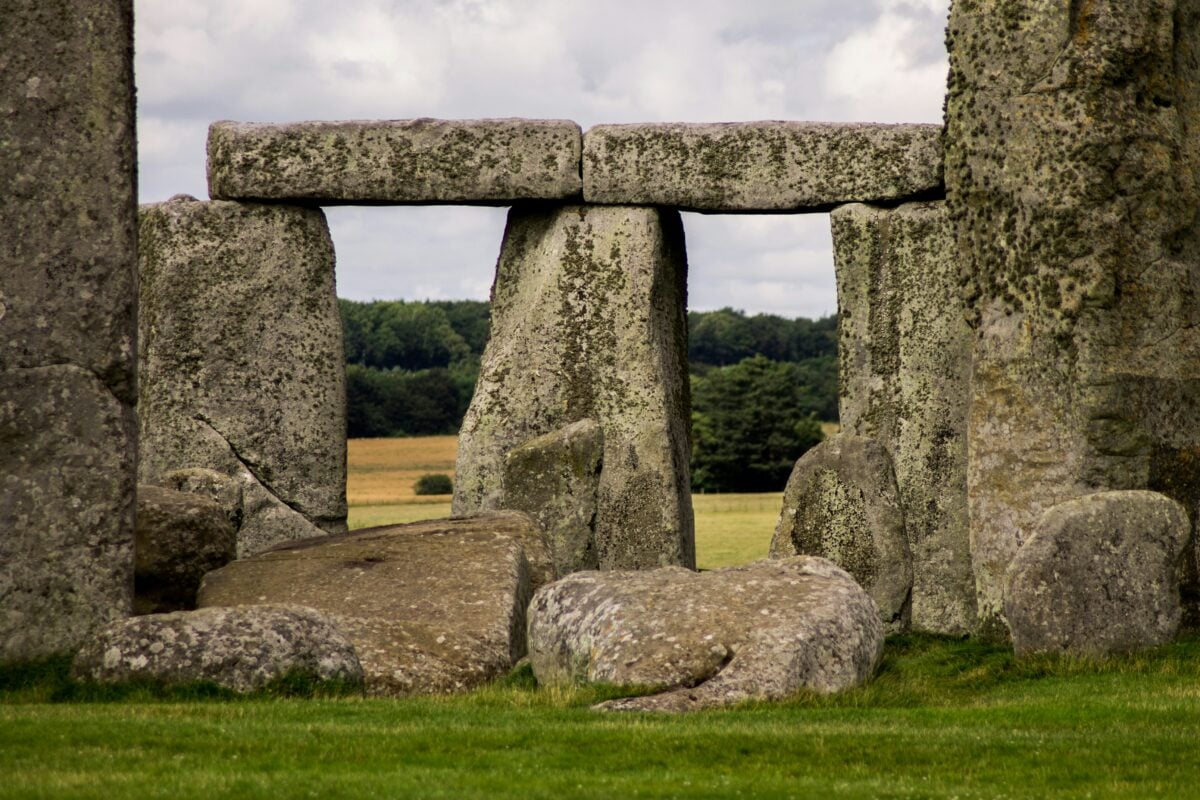
Down near Stonehenge, scans of the land showed roughly twelve ring-shaped spots tucked into the fields. Some are just wide enough to stand inside, others grow massive – like Durrington Walls, almost half a kilometer wide.
Wooden posts once stood in rings within many of them. Though no one knows what rituals happened there, they were clearly meant for something sacred.
Away from solitude, Stonehenge stood among others. In that patch of earth, circles of stone gathered like echoes, one after another – each shaped for reasons only time knows well.
Together they mapped out rituals grown slowly, layer by forgotten layer.
The Circle Might Not Be Complete

Brown patches appeared in the grass at Stonehenge in 2013 because a hosepipe used for watering didn’t reach one section. These patches revealed parchmarks where missing stones once stood.
This discovery reignited debate about whether the sarsen circle was ever finished. Today, 17 sarsen stones remain in the outer circle.
Archaeologists estimate 157 stones originally stood at the site. The hosepipe incident provided new evidence, but the question of completion remains unresolved.
A Calendar Carved in Stone

Back in 2022, researchers spotted clues suggesting Stonehenge worked like a giant clock tied to the sun. Its stones line up so they catch the solstice light just right – pinpointing the start and end of the solar cycle at exactly 365.25 days.
Yet it went beyond noting summer or winter; timing mattered deeply across years. Farmers likely used those markers to know when to plant while rituals followed sky patterns.
Building something this exact in rock means someone knew their stars – and did math without paper or tools.
Bones Tell Stories of Pilgrimage
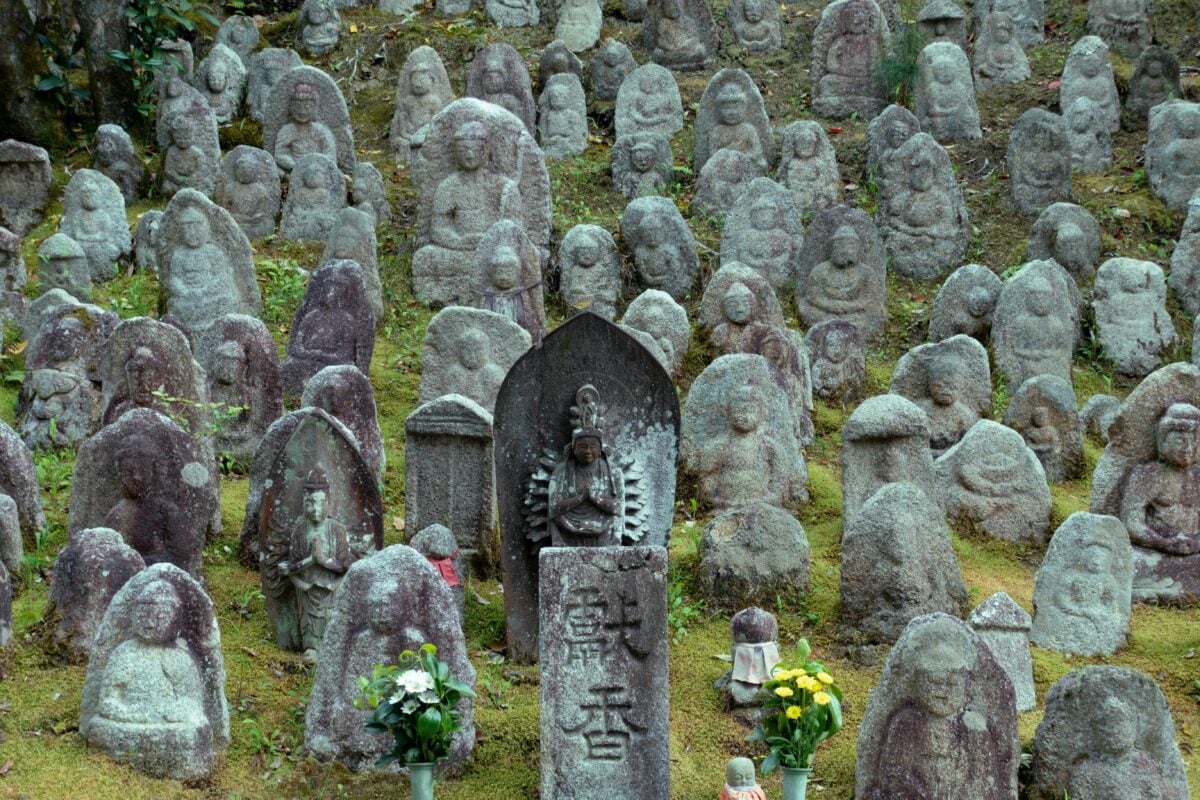
Nearly half the people buried at Stonehenge didn’t grow up on Salisbury Plain. Isotope analysis of their bones reveals they lived elsewhere before coming to the monument.
The Amesbury Archer, buried nearby, suffered from an infected kneecap and an abscessed tooth so severe it destroyed part of his jawbone. Isotope evidence places his origin in the Swiss or German Alps.
He traveled hundreds of miles while sick and injured, possibly seeking Stonehenge’s healing powers. These weren’t random burials.
The people interred at Stonehenge came from across Britain and beyond, suggesting the site held special significance for the sick, the dying, or those seeking ancestral connections.
The Village That Built It
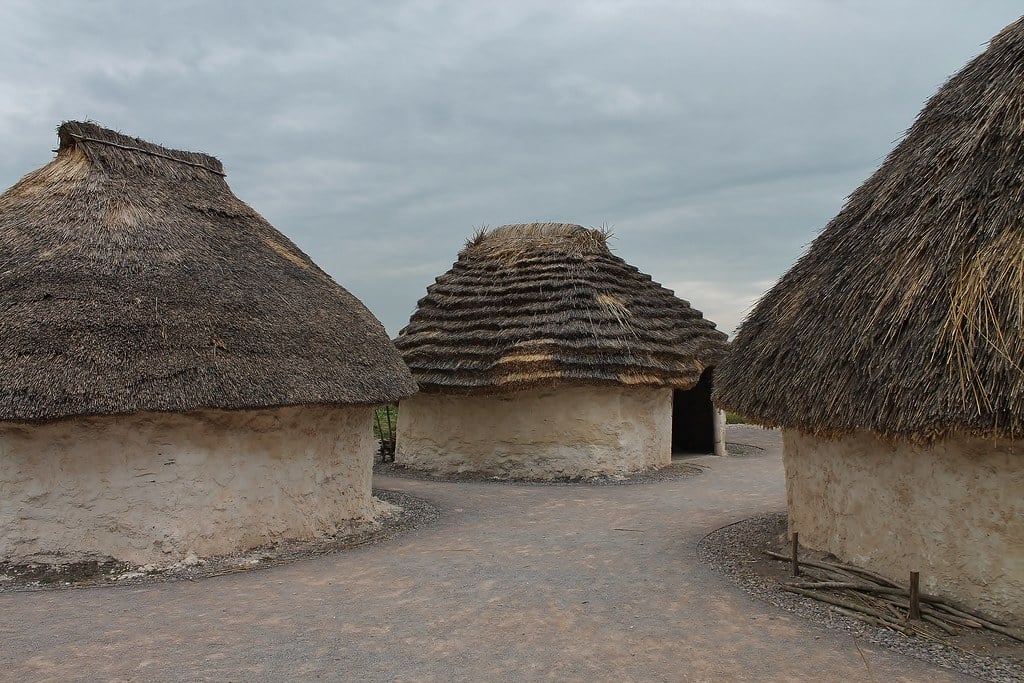
Durrington Walls likely housed one of northwest Europe’s largest Neolithic villages. Researchers believe the communities that built Stonehenge lived here.
People came from distant regions with their pigs and cattle to feast at Durrington Walls. The settlement wasn’t just nearby.
It was integral to Stonehenge’s construction and use, a living community that sustained the monument over generations. The contrast is striking: Stonehenge seems associated with death and ancestors, a place reserved for special ceremonies.
Durrington Walls was where people actually lived, worked, and gathered for massive communal feasts.
Numbered Like a Modern Museum
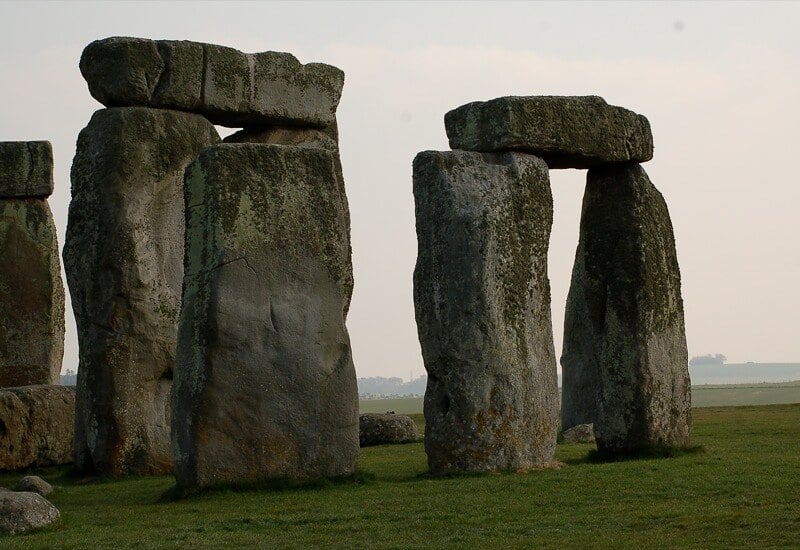
Back in 1874, Sir William Flinders Petrie began closely studying Stonehenge – his work carried on into 1877. His idea?
A set of labels for each stone, now standard among experts who study ancient sites. That quiet choice – a way to name things – turned into a shared way of talking about the place.
Think of Stone 80, known as the Altar Stone; even that term traces back to his old system from long ago. Though made in the Victorian period, it sticks around simply because it works well enough.
Lasting impact does not always come from grand theories – often it hides in useful tools instead.
Where Questions Keep Leading Further

Now that experts changed their minds about the Altar Stone, it no longer ties back to those rocks from Wales. A full hundred years of thinking could be off – what other assumptions might fall apart too?
Hunting down the specific spot in Scotland where this stone was pulled from Earth is only starting now. Each clue uncovered seems to open more paths instead of closing them.
Exactly which part of northern bedrock gave rise to this block remains unknown. Was it moved by hand or some older method?
Someone must have chosen Scotland’s role in building this marker. How that choice was made remains unclear.
Slowly does Stonehenge let go of what it knows, every clue hinting at deeper unknowns beneath. Permanent though it seems, figured out by now – yet always shifting, reshaped when fresh findings arrive.
Not silent do those rocks stand. Whispering they are, truths just starting to reach listening ears.
More from Go2Tutors!

- The Romanov Crown Jewels and Their Tragic Fate
- 13 Historical Mysteries That Science Still Can’t Solve
- Famous Hoaxes That Fooled the World for Years
- 15 Child Stars with Tragic Adult Lives
- 16 Famous Jewelry Pieces in History
Like Go2Tutors’s content? Follow us on MSN.



