Strange Hobbies People Had During the Middle Ages
People in the Middle Ages weren’t just surviving plague and dodging knights on horseback. They had free time — not much of it, but enough — and they used it in ways that would raise a few eyebrows today.
Some of their pastimes were surprisingly athletic. Others were strange in ways that are hard to categorize.
And a few were just genuinely unsettling. Here’s what medieval people got up to when the crops were in and the sun was still up.
Bear-Baiting Was a Saturday Afternoon Activity

Bear-baiting involved chaining a bear to a post and setting dogs on it while a crowd watched. This wasn’t an underground event — it was mainstream entertainment with dedicated venues called bear gardens.
People paid to attend, nobles hosted it at court, and Queen Elizabeth I reportedly loved it. The bear usually survived multiple rounds, becoming something of a local celebrity.
Crowds rooted for both sides. It was, by all accounts, a spectator sport taken very seriously.
Falconry Was the Golf of Its Time

If you wanted to signal wealth and leisure in the medieval world, you kept a bird of prey. Falconry required expensive birds, specialized equipment, and years of patience to train properly.
Lords spent enormous sums on their hawks and took them everywhere — including, apparently, to church, which became enough of a problem that multiple clergy had to formally address it.
The birds had their own social hierarchy too. Kings flew eagles and gyrfalcons.
Earls flew peregrine falcons. A yeoman stuck with a goshawk.
Showing up with the wrong bird for your rank was a real social misstep.
Competitive Feasting Had Rules and Losers

Feasting wasn’t just eating — it was a performance. At noble tables, there were informal competitions around who could eat the most, drink the fastest, or consume the strangest things.
Servants kept score. Guests brought reputations with them.
Some households had rotating champions who defended their titles at seasonal banquets. The losers were expected to pay in humiliation, usually by completing a forfeit in front of the assembled guests.
Not unlike modern party games, except the drinks were served in animal horns and the stakes involved your standing in the community.
Knucklebones Was Everywhere

Long before dice, people played knucklebones — a game using the small ankle bones of sheep or goats. You tossed them, caught them, stacked them, and scored points based on which side they landed on.
Children played it in the streets. Adults played it in taverns.
Roman soldiers had brought the game across Europe centuries before, and it never really left. By the medieval period, wealthier players had knucklebones carved from ivory or cast in bronze.
The basic game stayed the same, but the materials told you exactly how much money the other person had.
Collecting Holy Relics Became a Competitive Hobby

Pilgrimage was the medieval version of travel, and many pilgrims came home with souvenirs — fragments of bone, pieces of cloth, splinters of wood supposedly from sacred objects. Churches collected them too, and the competition between institutions to own the most significant relics got intense.
Some collectors weren’t motivated by faith at all. They traded relics, showed them off to guests, and built elaborate containers called reliquaries to house them.
A few noble collectors had dozens of items. Whether the objects were genuine didn’t really concern most of them.
The collecting was the point.
Stoolball Was Played Mostly on Holy Days
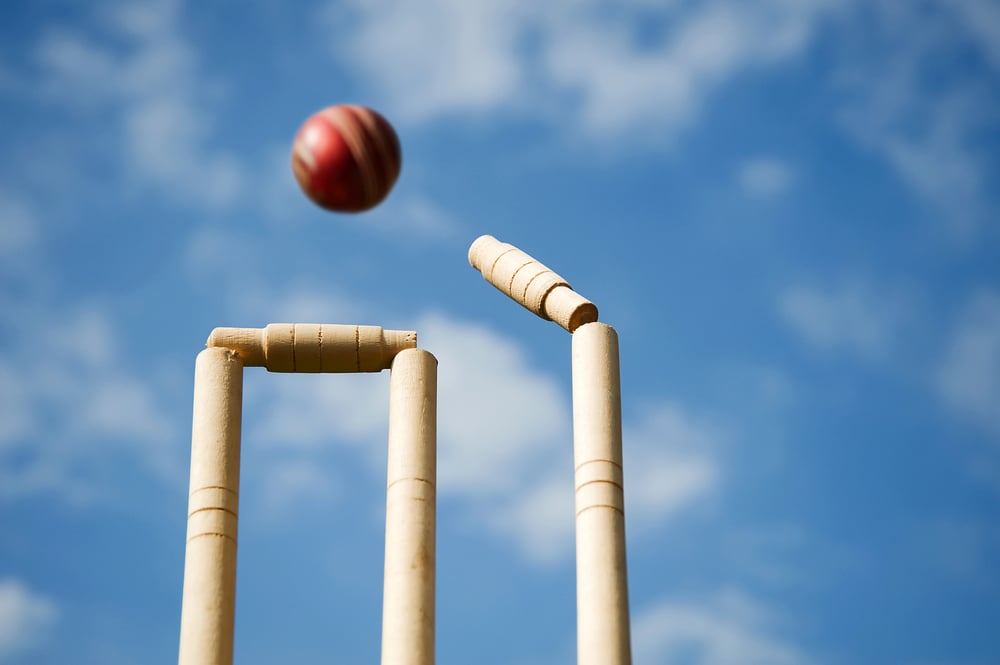
Stoolball is an ancestor of cricket and possibly baseball. Players used a stool as a target, a bowler tried to hit it, and a batter tried to defend it with their hand or a paddle.
It was played mainly on feast days and Sundays, which is part of why church officials occasionally tried to ban it — people were skipping the sermon to play stoolball in the field outside. It was especially popular among young women, which made it socially unusual for the time.
Men played too, but stoolball had a strong association with female players in a period when most organized recreation was dominated by men.
Shovelboard Was a Tavern Obsession

Shovelboard — also called shove-groat — involved sliding a coin or disc down a long table and landing it in a scoring zone. It sounds simple, and it was, which is probably why it spread through every tavern in England.
Some tables were purpose-built, stretching ten or more feet long. Players took it seriously enough to practice.
The game attracted gambling, which attracted bans. Edward IV tried to outlaw it.
Henry VIII banned it. Henry VIII was also reportedly a devoted shovelboard player, which somewhat undercut the ban.
People Hunted With Ferrets

Ferreting — using trained ferrets to flush rabbits out of their burrows — was a practical hunting method that became a legitimate pastime. A well-trained ferret was worth real money, and ferreters developed strong opinions about the right breeds, diets, and handling techniques.
The ferrets wore small collars with bells attached so hunters could track them underground. Losing a ferret who fell asleep in a burrow was a genuine occupational hazard, and some hunters carried small shovels specifically to dig out a napping ferret that refused to emerge.
Cock-Fighting Had Formal Seasons and Championships

Like bear-baiting, cock-fighting was a mainstream public activity rather than a hidden one. Towns had dedicated pits, matches followed formal rules, and winning birds became regional celebrities with names and histories.
Owners tracked their birds’ records the way modern sports fans track statistics. The breeding of fighting birds was its own specialized hobby.
Some breeders spent more time on their birds than on their actual farming work, which annoyed landlords enough that it shows up in several surviving complaints from the period.
Manuscript Illumination Was a Hobbyist Craft
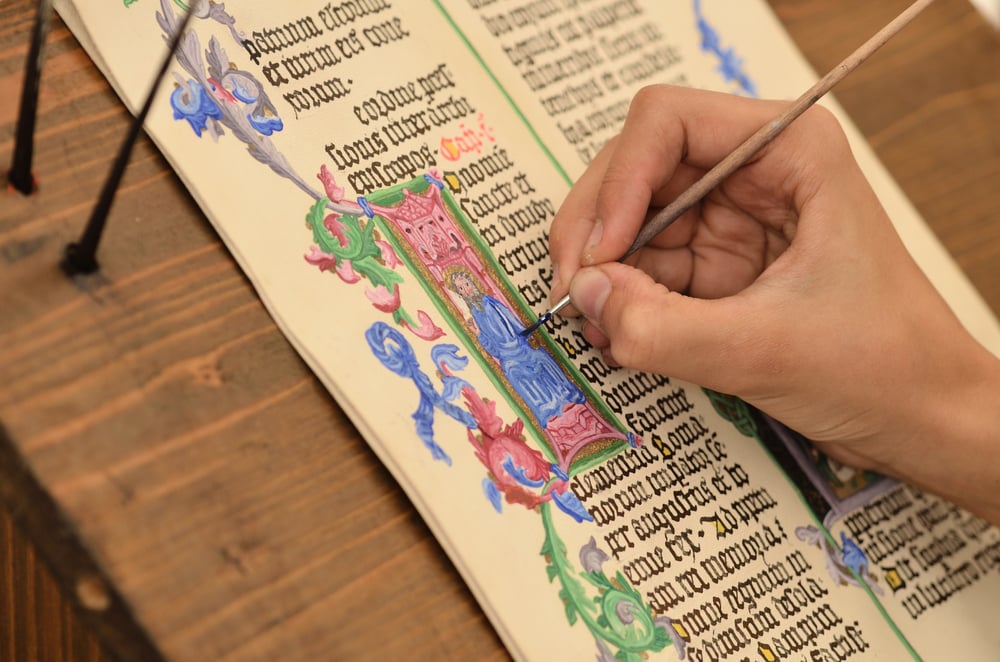
Monks and professional scribes produced illuminated manuscripts for a living, but wealthy amateurs also took it up for pleasure. The hobby required grinding pigments, preparing vellum, and learning precise brushwork — it was expensive, time-consuming, and demanding enough to keep idle nobility occupied for hours.
Some surviving manuscripts are clearly amateur work, technically imperfect but carefully done. The people who made them weren’t trying to produce masterpieces.
They were doing what people do with hobbies: working carefully at something difficult because the process itself was satisfying.
Fasting Competitions Existed in Monastic Communities

Fasting inside monasteries slowly turned into something like a quiet contest, though the original creators of monastic rules likely never wanted that. Instead of focusing inward, monks began measuring days without food, listing forbidden meals skipped, comparing sacrifices made during Lent.
Now and then, leaders needed to interrupt these comparisons, pointing back to inner growth instead of rankings. The goal always centered on self-control, not outdoing one another.
Folks beyond the monasteries sometimes raced to see who could fast longest. Not during ordinary days, but near holy times – those events drew quiet admiration from neighbors.
A rare mix: devotion sharpened by rivalry. The oddness lingered long after the meals stayed uneaten.
Riding Wooden Horses Was Once for Adults

From practice drill to crowd favorite, quintain shifted purpose over time. On a swivel stood a carved wooden dummy, one side holding a small shield, opposite end weighted with a sack of sand.
Charging forward at full speed, the mounted participant aimed precisely at the target panel. Miss by even a little?
The heavy bag spun outward fast, sending the rider tumbling into dirt. Success meant balance, timing, and staying seated after impact.
A few soldiers first did this to train, yet soon townspeople included it in local festivities, market days, even harvest rounds. A swinging sack sent flyers tumbling – onlookers packed close just for that lurching moment.
Certain names gained notice, not for winning, but for surviving longer while wobbling wildly. Skill mattered less than stumbling well.
Laughter rose loudest when balance gave way.
Egg Throwing at Seasonal Festivals

Easter brought medieval crowds together for contests where eggs flew through the air. Farther than anyone else – those who tossed them aimed high but gentle.
Some teams tried to catch what was hurled their way, hands outstretched like nets. Boiled ones survived flight better; raw versions could burst on impact.
Victory felt tidy when shells stayed whole, yet slippery if yolk ran down wrists. Messy results didn’t stop laughter echoing across fields.
Sound filled the air as crowds packed into the open area beyond the church wall. Those upset by it had little power since events unfolded just past holy ground, yet still on common land.
Gatherings took place when folks had already come together, spirits high after worship. Officials could object but never quite shut things down.
Feasting Games of Witty Questions

Back then, riddles belonged to adults too. Nobles would gather around feasts where guessing games became lively contests.
One person after another offered tricky questions to the crowd. Failing to answer left you red-faced among peers.
That pressure? It made some spend nights rehearsing answers beforehand. Riddles once traveled through halls on the backs of memory, later caught in ink by scribes who saved them.
Those skilled at posing them earned fame that moved faster than they did. In times without pages or playhouses, minds danced where light flickered – around flames, across wooden boards crowded with listeners leaning into silence.
A single unanswered query could hold more weight than a song.
The Past Was Never as Silent as It Seems

From far away, the Middle Ages might appear harsh and unyielding. Still, folks back then weren’t so different.
Boredom crept in, just like now. A spark of rivalry often followed.
Excitement drew their eyes, much as it does today. Challenging tasks held appeal.
Victory over someone sitting opposite? That mattered. Hobbies shifted over time.
Yet the urge stayed much the same. Not far off is the modern soul lost in a curious task – hours slipping by without clear gain.
A person centuries ago fine-tuning a game on ice mirrors one now absorbed in some odd pastime. Back then, just like now, fascination made it worthwhile.
Purpose needn’t explain everything.
More from Go2Tutors!

- The Romanov Crown Jewels and Their Tragic Fate
- 13 Historical Mysteries That Science Still Can’t Solve
- Famous Hoaxes That Fooled the World for Years
- 15 Child Stars with Tragic Adult Lives
- 16 Famous Jewelry Pieces in History
Like Go2Tutors’s content? Follow us on MSN.