Strange Museums Hidden in Small Towns
On their way to larger cities, most tourists skip over the hidden gems found in America’s small towns. Odd bits of history that aren’t found in any large city are preserved by these communities, which have created whole museums based on everything from toilet seats to cryptids.
The best part is that these oddball collections frequently wait for inquisitive tourists who value the delightfully bizarre aspects of American culture just off the highway. This is a list of 16 odd museums that are tucked away in American small towns.
Mothman Museum
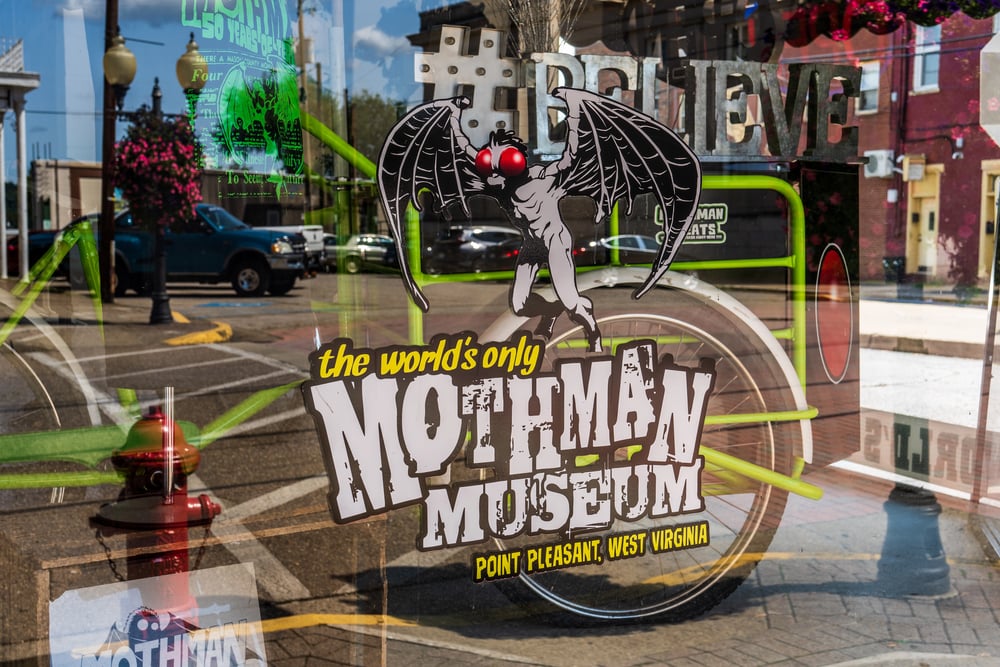
Point Pleasant, West Virginia isn’t your typical tourist destination, but this town of about 4,000 people has become world-famous for a flying creature with glowing red eyes. The Mothman Museum documents the 1966 sightings of a mysterious winged being that supposedly terrorized the area before the tragic Silver Bridge collapse.
Inside, you’ll find original newspaper clippings, eyewitness accounts handwritten by locals who saw the creature, and props from ‘The Mothman Prophecies’ starring Richard Gere. The museum charges $4.99 for adults, making it one of the most affordable ways to dive into American cryptid folklore.
Barney Smith’s Toilet Seat Art Museum

Retired plumber Barney Smith spent decades in San Antonio, Texas creating over 1,400 decorated toilet seats before the collection moved to The Colony, Texas in 2019. Smith transformed ordinary toilet lids into historical documents by adding pieces of the Space Shuttle Challenger, volcanic ash from Mount St. Helens, shredded currency from the Federal Reserve, and mementos from every presidential administration since Eisenhower.
The collection now lives on the second floor of Truck Yard beer garden, where visitors can view it for free during business hours. It’s like walking through American history told by someone who really loved plumbing.
Spam Museum
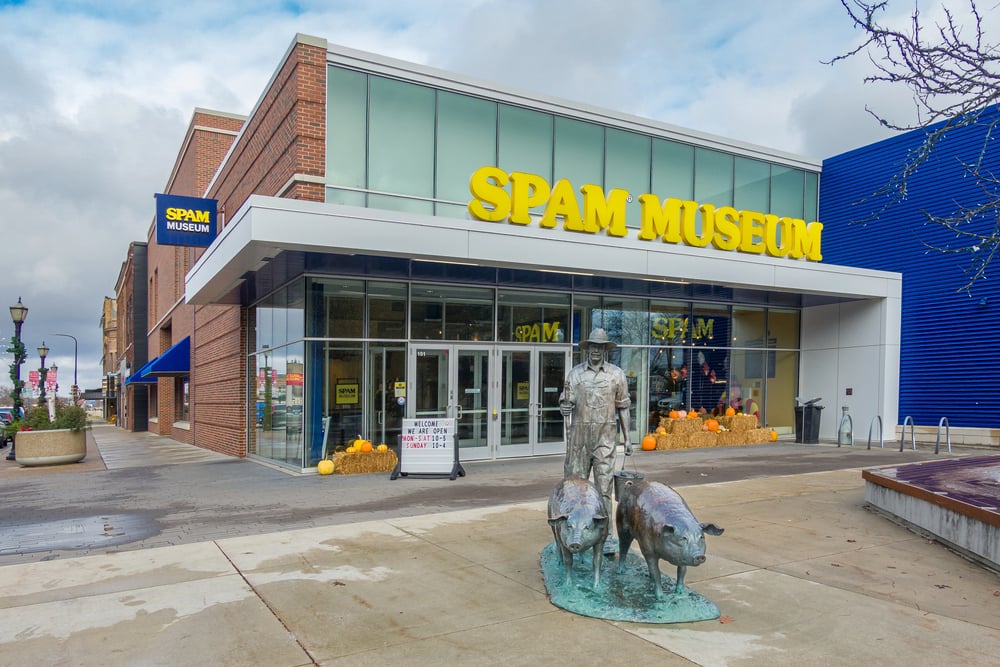
Austin, Minnesota celebrates its most famous export with a museum dedicated entirely to canned meat. The Spam Museum offers free admission and guided tours by ‘SPAMbassadors’ who explain how this processed meat became a global phenomenon sold in over 40 countries.
You can measure your height in Spam cans, watch demonstrations of the canning process, and flip through vintage cookbooks featuring hundreds of Spam recipes. The museum attracts over 100,000 visitors annually, proving that even polarizing foods deserve their moment in the spotlight.
National Mustard Museum

Originally founded in Mount Horeb, Wisconsin in 1986, the National Mustard Museum relocated to Middleton in 2009 with a collection of nearly 6,000 different mustards from around the world. The museum houses everything from ancient mustard-making equipment to modern artisan varieties you never knew existed.
Visitors can sample dozens of flavors in the tasting room and purchase from over 500 varieties in the gift shop. The bright yellow building is impossible to miss, which seems fitting for a museum that celebrates America’s second-favorite burger topping.
Jell-O Gallery Museum
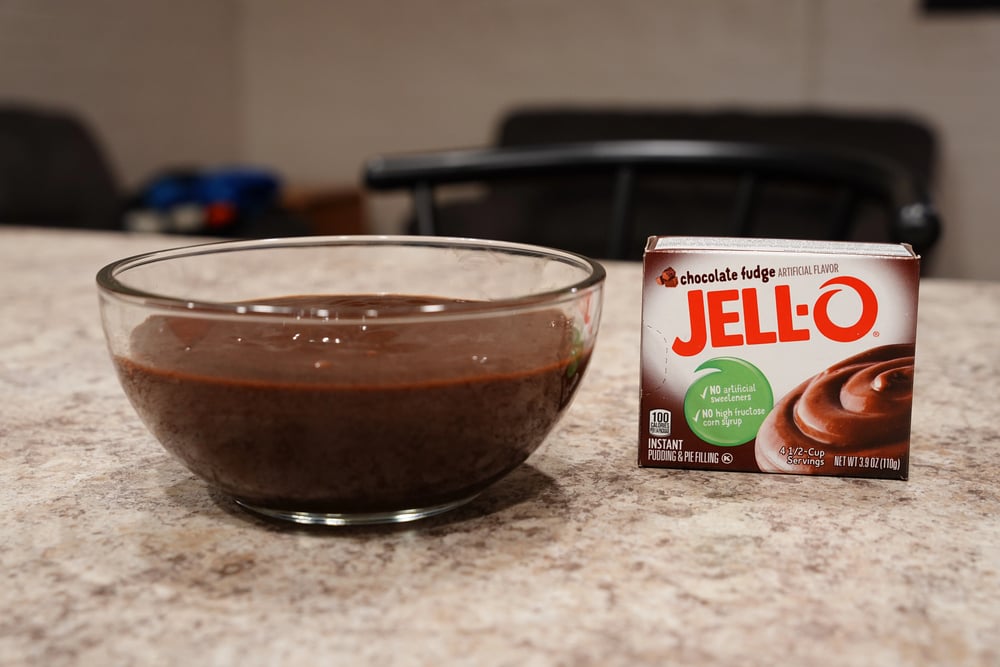
Le Roy, New York built an entire museum around the jiggly dessert that defined mid-century American cuisine. The small but comprehensive collection includes vintage molds, old advertisements, and the surprisingly interesting history of how gelatin became a household staple.
You’ll see recipe cards that suggest putting things in Jell-O that probably shouldn’t be suspended in gelatin, but that’s part of the charm. The museum sits in Jell-O’s actual hometown, making it the perfect place to learn why this wobbly treat became such a cultural icon.
International Cryptozoology Museum

Portland, Maine houses the world’s largest collection of evidence related to hidden or undiscovered animals, though the museum is planning to relocate to Bangor in 2026. The museum displays alleged Bigfoot hair samples, plaster casts of mysterious footprints, and artifacts related to creatures like the Loch Ness Monster and the Yowie from Australia.
It’s not trying to prove these creatures exist but rather documents humanity’s fascination with the unknown. Whether you’re a true believer or a skeptic, the collection offers a fascinating look at folklore and the people who chase legends.
Vent Haven Museum

Fort Mitchell, Kentucky holds the world’s only museum dedicated to ventriloquism, featuring over 1,100 dummies on display. The collection includes figures dating back to the 1800s, celebrity puppets, and mechanical marvels that showcase the evolution of this performing art.
Walking through rooms full of glass eyes staring at you creates an atmosphere that’s equal parts fascinating and unsettling. The museum operates by appointment only, giving visitors a private tour through ventriloquism history that few people even know exists.
Nutcracker Museum
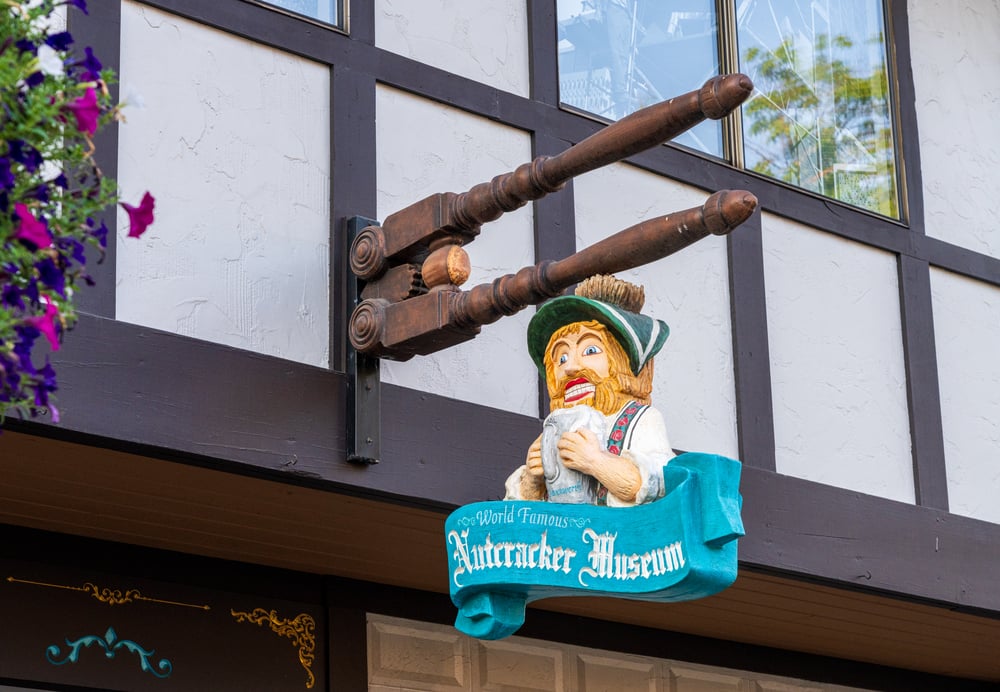
Leavenworth, Washington displays over 9,000 nutcrackers in a collection that spans centuries. The star attraction is Karl, a six-foot-tall German nutcracker with a moving jaw that towers over visitors.
Some pieces date back to Roman times, proving that humans have been obsessed with decorative nut-cracking tools for millennia. The museum isn’t just for Christmas enthusiasts because the collection stays open year-round, celebrating nutcrackers as functional art rather than seasonal decorations.
Oasis Bordello Museum
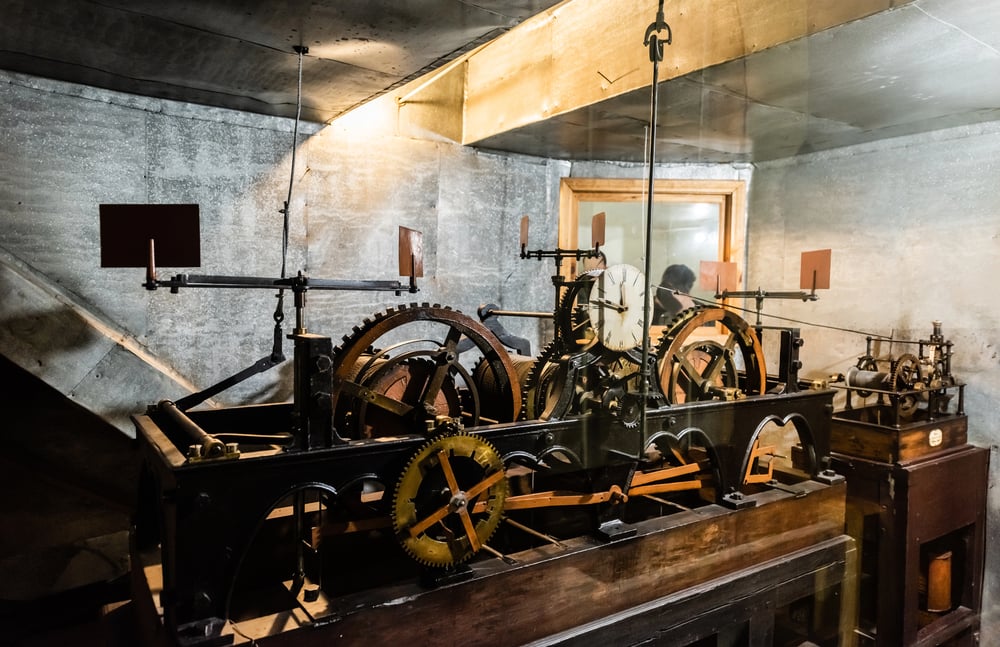
Wallace, Idaho preserves a house that closed abruptly in 1988 before a federal raid, reopening as a museum in the 1990s. The museum still contains vintage Lavoris mouthwash bottles, an Atari gaming system with Space Invaders, cassette tapes from Lionel Richie and Tina Turner, and red light bulbs waiting to be replaced.
It’s a genuine time capsule of the late 1980s mixed with the history of a working establishment in a northern Idaho mining town. The frozen-in-time quality makes it feel like the residents just stepped out for lunch and never came back.
Circus World Museum
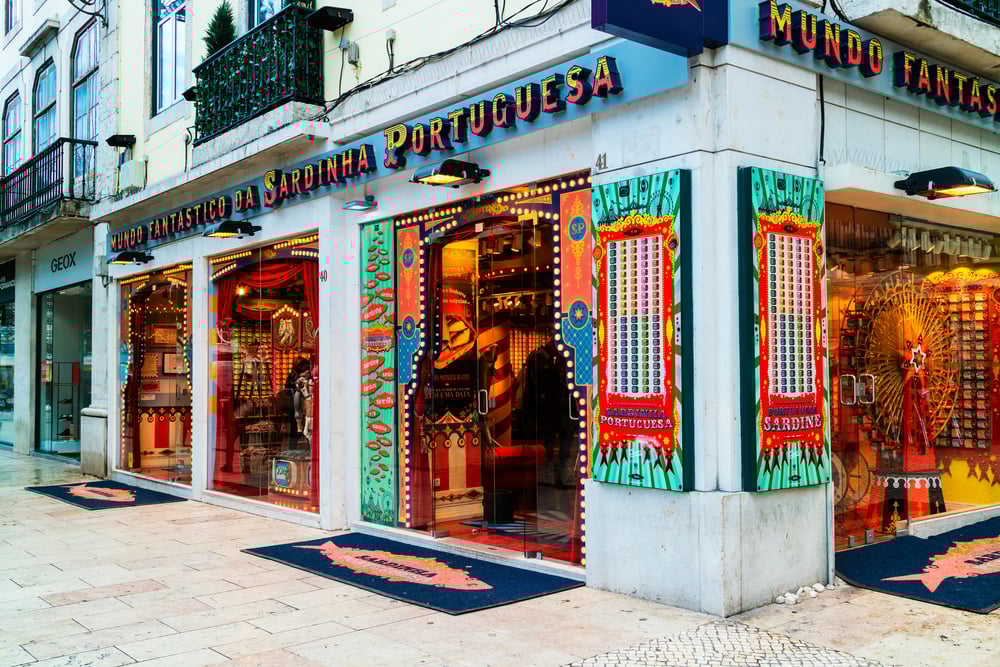
Baraboo, Wisconsin celebrates its legacy as the former headquarters of the Ringling Brothers Circus. The museum showcases vintage circus wagons covered in ornate carvings, costumes that performers wore under the big top, and historical photographs documenting circus life.
Visitors can watch live circus performances during summer months and explore how this traveling entertainment shaped American culture. It’s a colorful tribute to an era when the circus arriving in town was the biggest event of the year.
Museum of Bad Art

Somerville, Massachusetts celebrates artwork that’s so terrible it’s fascinating. The collection highlights pieces that failed spectacularly in their execution but still deserve recognition for their ambitious attempts.
Each painting comes with a detailed description explaining exactly what went wrong, from questionable anatomy to baffling color choices. It’s a reminder that not all art needs to be good to be memorable, and sometimes the biggest disasters make the best stories.
Plainview Klown Doll Museum
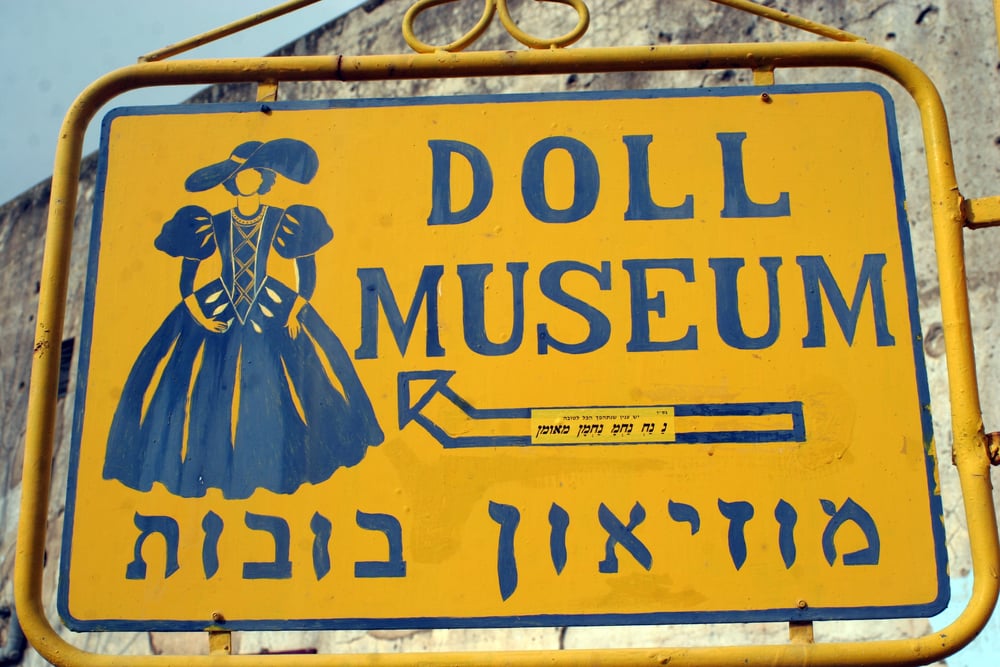
Plainview, Nebraska might be the last place you’d want to visit if dolls or clowns make you uncomfortable. The museum began as a collection for the Plainview Klown Band back in the 1950s and has grown to include thousands of clown dolls donated over the years.
An eight-foot clown named Stumpy greets visitors at the entrance before they step inside to see walls covered in grinning painted faces. It’s either a delightful celebration of circus culture or your worst nightmare, depending on how you feel about clowns.
Salt and Pepper Shaker Museum
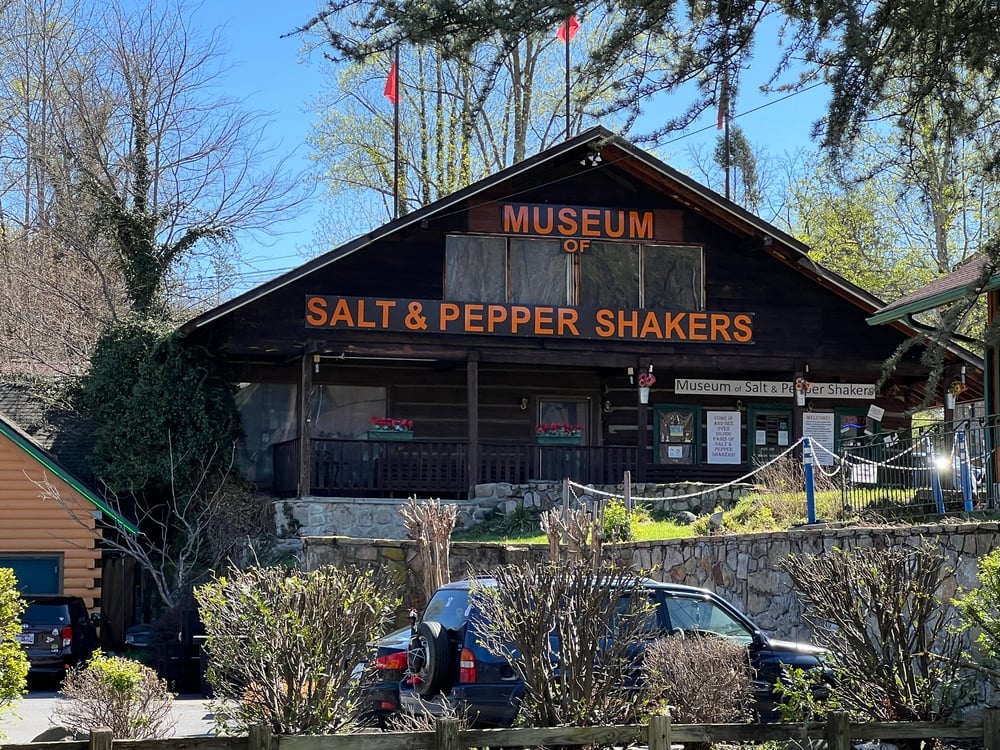
Gatlinburg, Tennessee displays over 20,000 pairs of salt and pepper shakers that transform everyday table items into collectible art. The collection includes sets shaped like everything from animals to landmarks to pop culture characters, and the same family even runs a second location in Spain.
Some sets are so elaborate you’d never want to actually use them for seasoning food. The museum proves that even the most mundane household items can become obsessions worth preserving.
International UFO Museum and Research Center
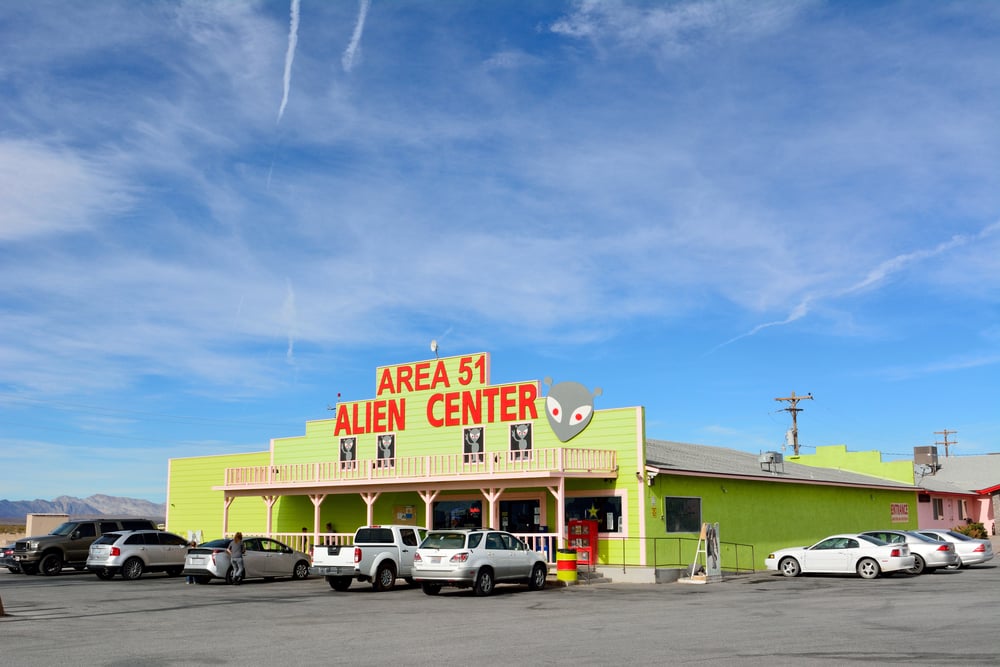
Roswell, New Mexico has built an entire tourist industry around the alleged July 1947 crash of an unidentified object. Founded in 1991, the museum examines the infamous Roswell Incident through newspaper clippings, government documents, and eyewitness testimonies.
Displays also cover other unexplained phenomena including crop circles, alien abductions, and Area 51 conspiracy theories. Whether you believe in extraterrestrial visitors or think it was just a weather balloon, the museum offers an entertaining dive into one of America’s most enduring mysteries.
Lunchbox Museum
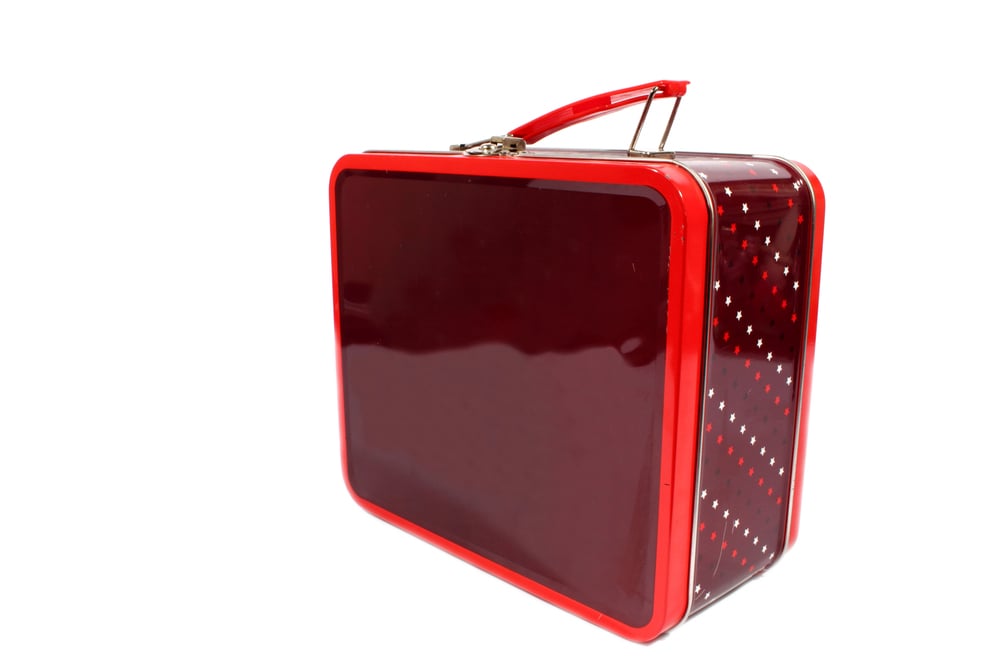
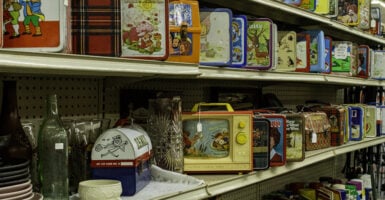
Columbus, Georgia houses hundreds of vintage metal and plastic lunch boxes at the Heritage Walk complex. The collection spans decades of American pop culture, featuring everyone from Elvis to Star Wars characters to forgotten TV shows.
Many boxes still have their matching thermoses, creating complete sets that transport visitors back to elementary school cafeterias. Duplicates are for sale, giving adults a chance to finally own the lunch box they desperately wanted as kids but never got.
American Banjo Museum
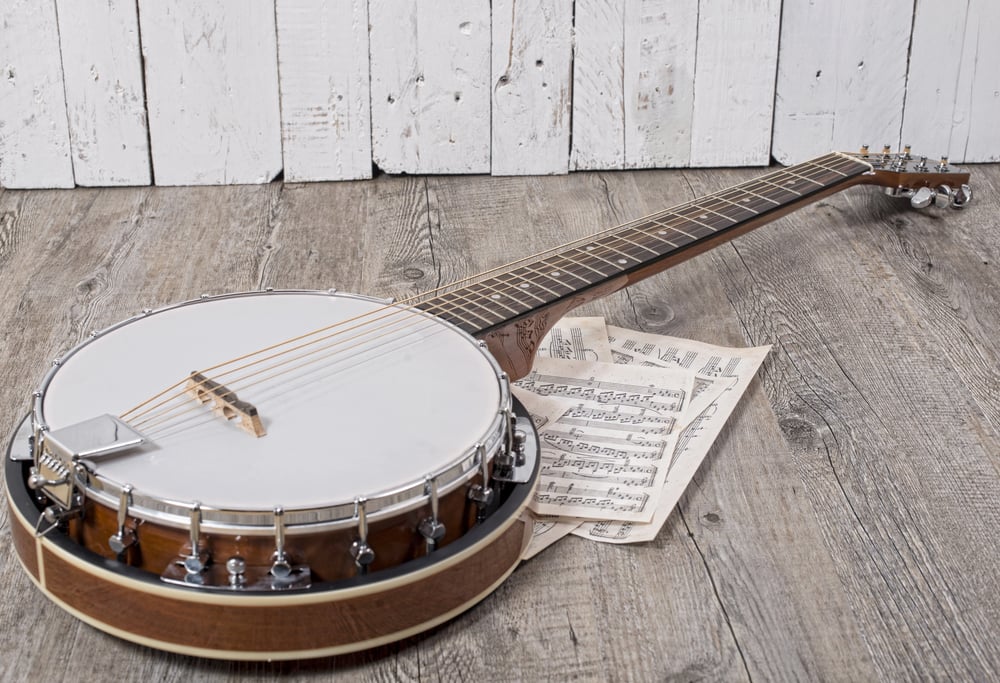
Oklahoma City’s Bricktown district is home to a museum founded in 1998 that houses over 400 banjos and related artifacts. The museum documents how this instrument shaped American music from folk to bluegrass to jazz.
Exhibits include rare vintage banjos, photographs of legendary players, and interactive displays where visitors can try their hand at picking. It celebrates an instrument that many people associate with Appalachian culture but has deep roots in African American musical traditions that spread across the entire country.
From Curiosity Cabinets to Main Street

Early in the 20th century, small-town museums began to emerge as local communities sought to preserve their history before it was entirely lost. Many started out as private collections that were too big for someone’s basement or garage before finding long-term homes in storefronts that had been repurposed or donated buildings.
These oddball organizations document the peculiar obsessions and distinctive tales that distinguish each community, filling in the gaps left by traditional museums. They continue to exist because volunteers keep them operating, admission costs remain low, and tourists are choosing genuine experiences over cliched tourist destinations. That’s precisely what makes America fascinating, so the next time you’re driving through a small town and see a hand-painted sign promoting something that seems too strange to be true, stop and take a look.
More from Go2Tutors!

- The Romanov Crown Jewels and Their Tragic Fate
- 13 Historical Mysteries That Science Still Can’t Solve
- Famous Hoaxes That Fooled the World for Years
- 15 Child Stars with Tragic Adult Lives
- 16 Famous Jewelry Pieces in History
Like Go2Tutors’s content? Follow us on MSN.