Countries Smaller Than Famous Landmarks
When we think about countries, we usually imagine vast stretches of land with mountains, rivers, and cities spread across them. But some nations are so tiny that they take up less space than a single famous building or park.
These places are real countries with their own governments, flags, and people, yet you could walk across them in less time than it takes to watch a movie. Let’s take a closer look at these incredibly small nations and see just how they measure up against some landmarks you probably already know.
Vatican City vs Central Park

Vatican City sits right in the middle of Rome and holds the title as the world’s smallest country. The entire nation covers just 0.17 square miles, which means Central Park in New York City is actually bigger.
You could fit nearly three Vatican Cities inside that famous urban park. Despite its size, this tiny country has its own postal system, radio station, and even a small army of Swiss Guards who wear those colorful striped uniforms.
Walking from one end to the other takes about 20 minutes at a relaxed pace.
Monaco vs The Pentagon
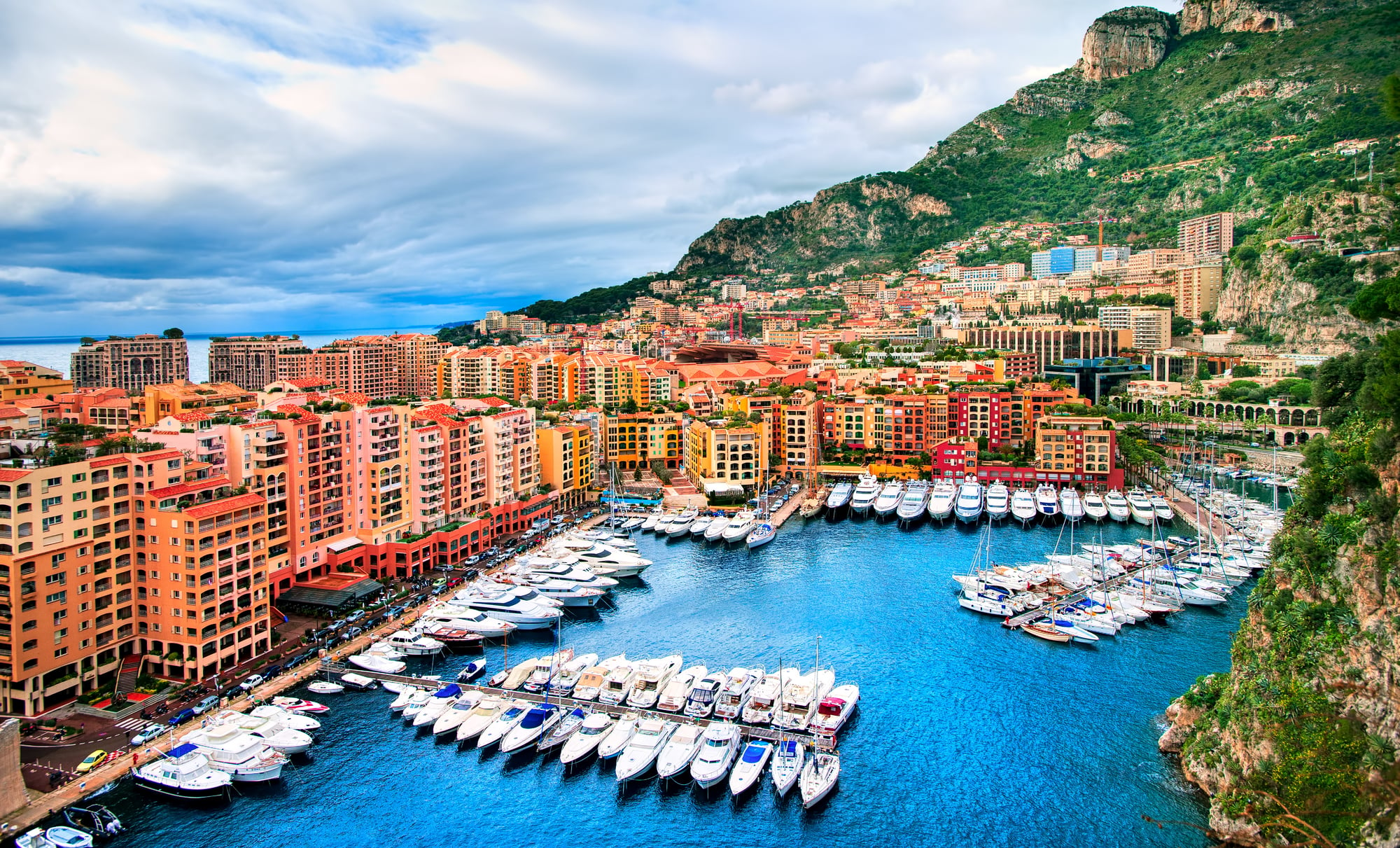
Monaco hugs the French Mediterranean coast and measures only 0.78 square miles. The Pentagon building in Virginia, along with its parking lots and grounds, covers roughly the same amount of space as this entire country.
Monaco is home to about 39,000 people, making it one of the most densely packed places on Earth. The country is famous for its fancy casinos and the Formula One race that winds through its streets every year, where drivers speed past apartments and shops that literally sit on the edge of the track.
San Marino vs Disneyland
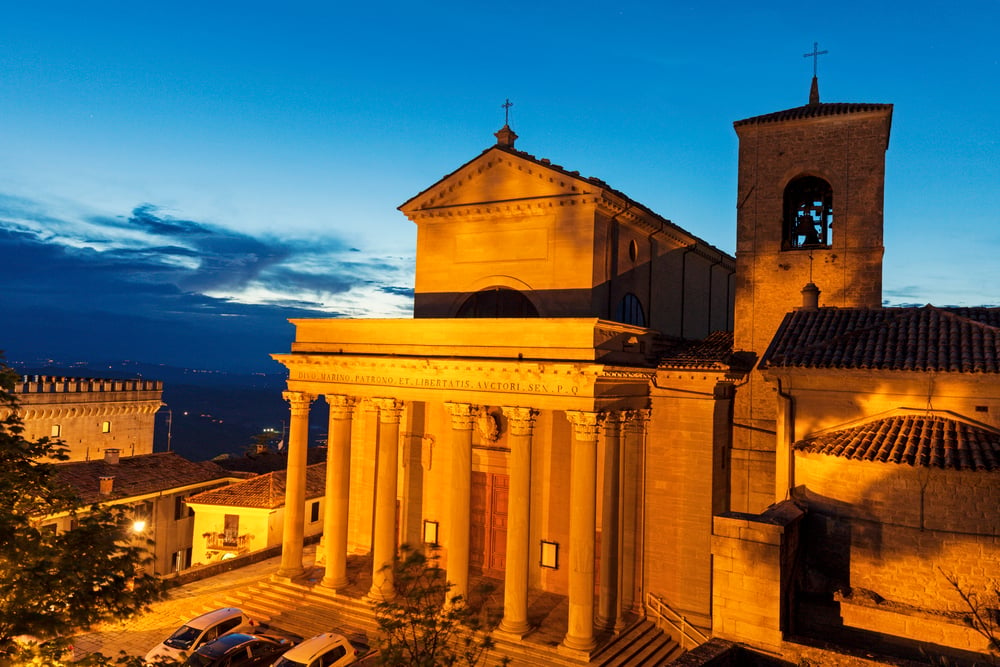
San Marino is completely surrounded by Italy and claims to be the world’s oldest republic, founded way back in 301 AD. This mountainous country covers 24 square miles, which is roughly the size of Disney World in Florida (not just Disneyland, but the entire resort property).
About 34,000 people call this place home, and it sits on top of Mount Titano with medieval fortresses that tourists climb to get stunning views. The country has never been conquered, partly because it’s so small that bigger nations just didn’t bother with it.
Liechtenstein vs Washington D.C.
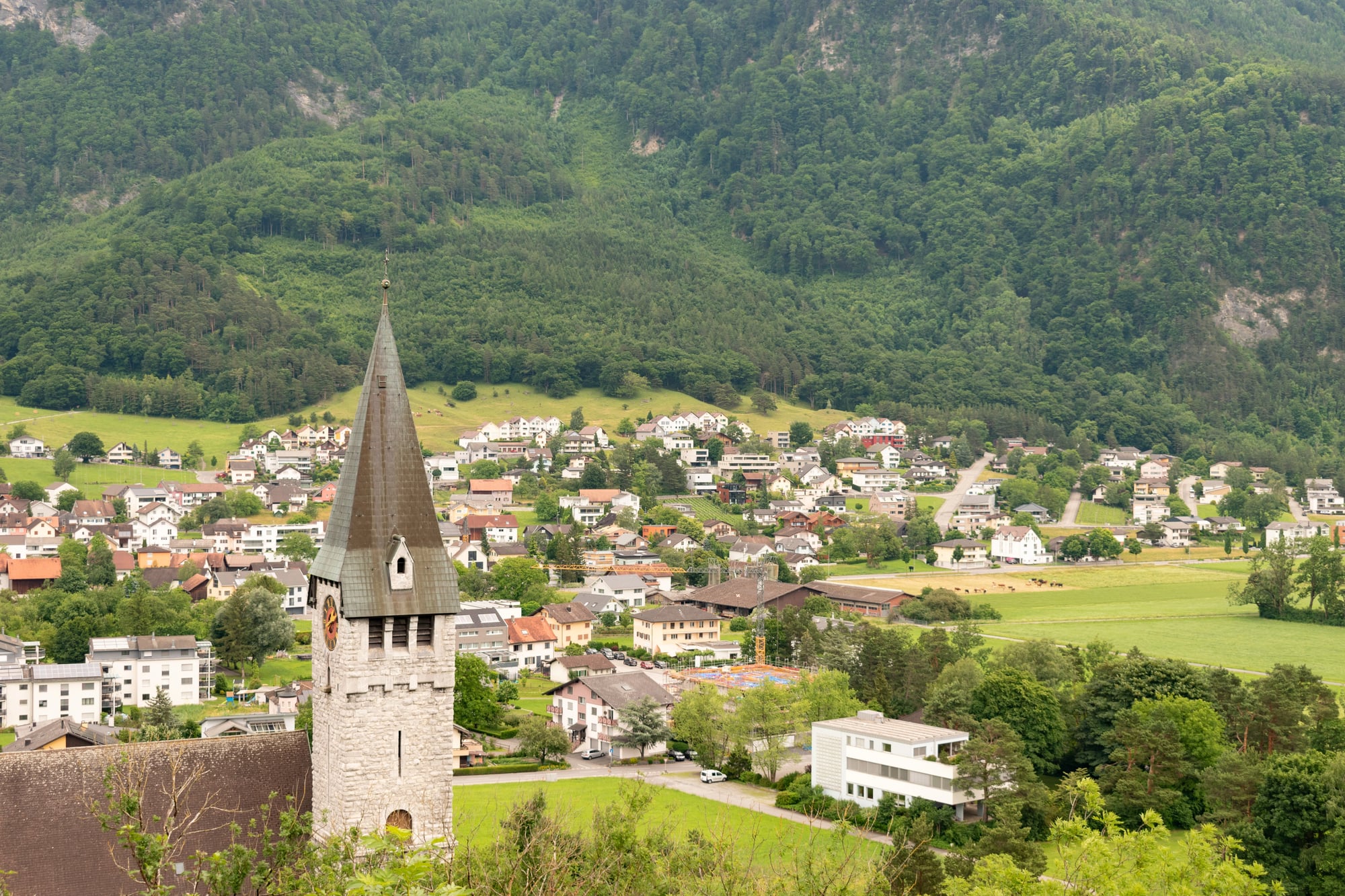
Liechtenstein sits tucked between Switzerland and Austria in the Alps and spans 62 square miles. That makes it slightly smaller than Washington D.C., which covers 68 square miles.
This tiny nation has no airport and no military, yet it’s one of the richest countries per person in the world. The prince who rules Liechtenstein actually lives in a castle that overlooks the capital, and on the national holiday, he invites all citizens to his palace for a party with free drinks.
Malta vs Detroit
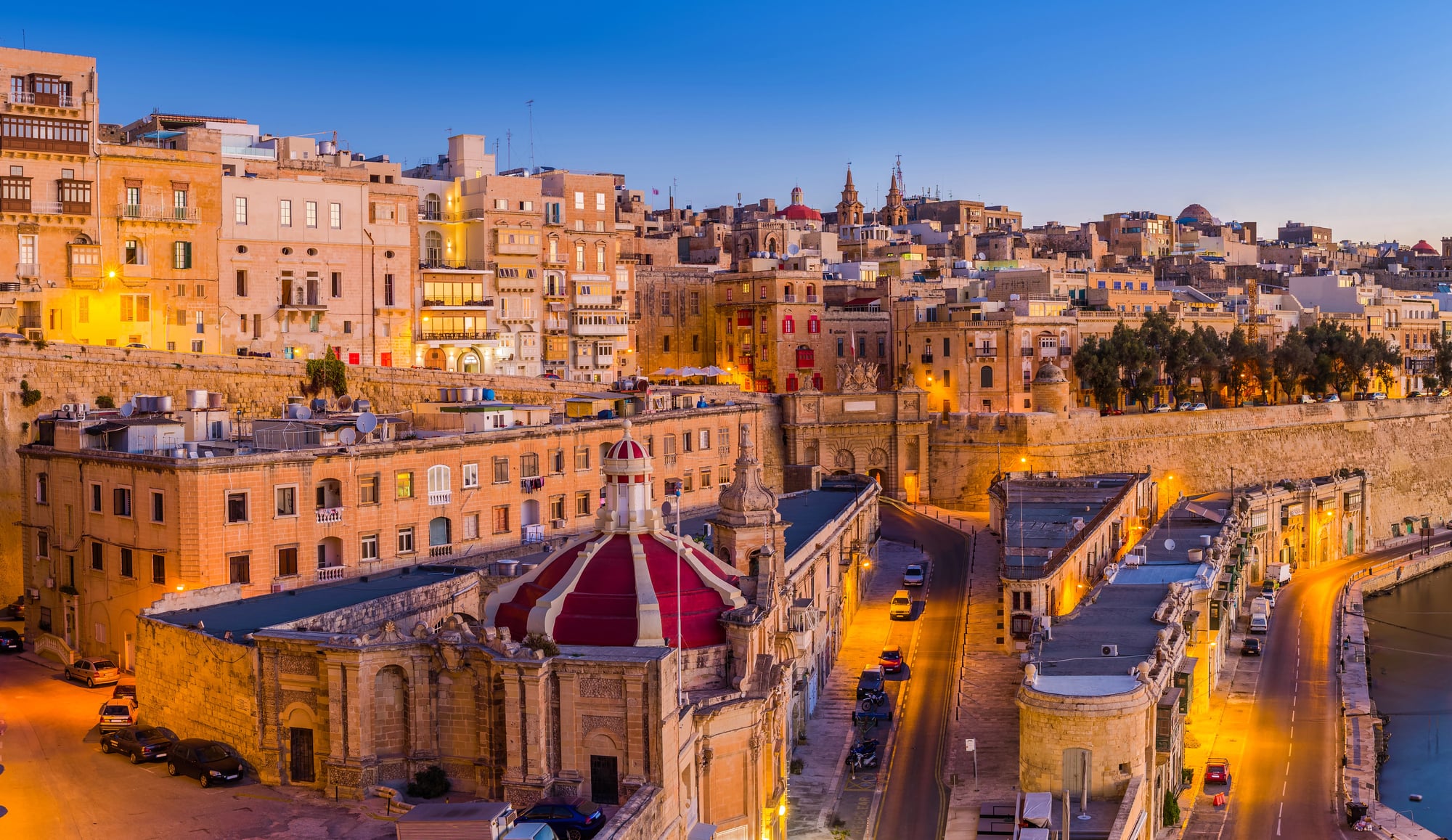
Malta is an island nation in the Mediterranean Sea that covers 122 square miles. The city of Detroit, Michigan, along with its immediate metro area, is actually larger than this entire country.
Malta has three main islands and has been inhabited for thousands of years, with ancient temples that are older than the pyramids in Egypt. The whole country is so small that there are no rivers or lakes, and people rely on rainwater collection and desalination plants to get fresh water.
Barbados vs Los Angeles
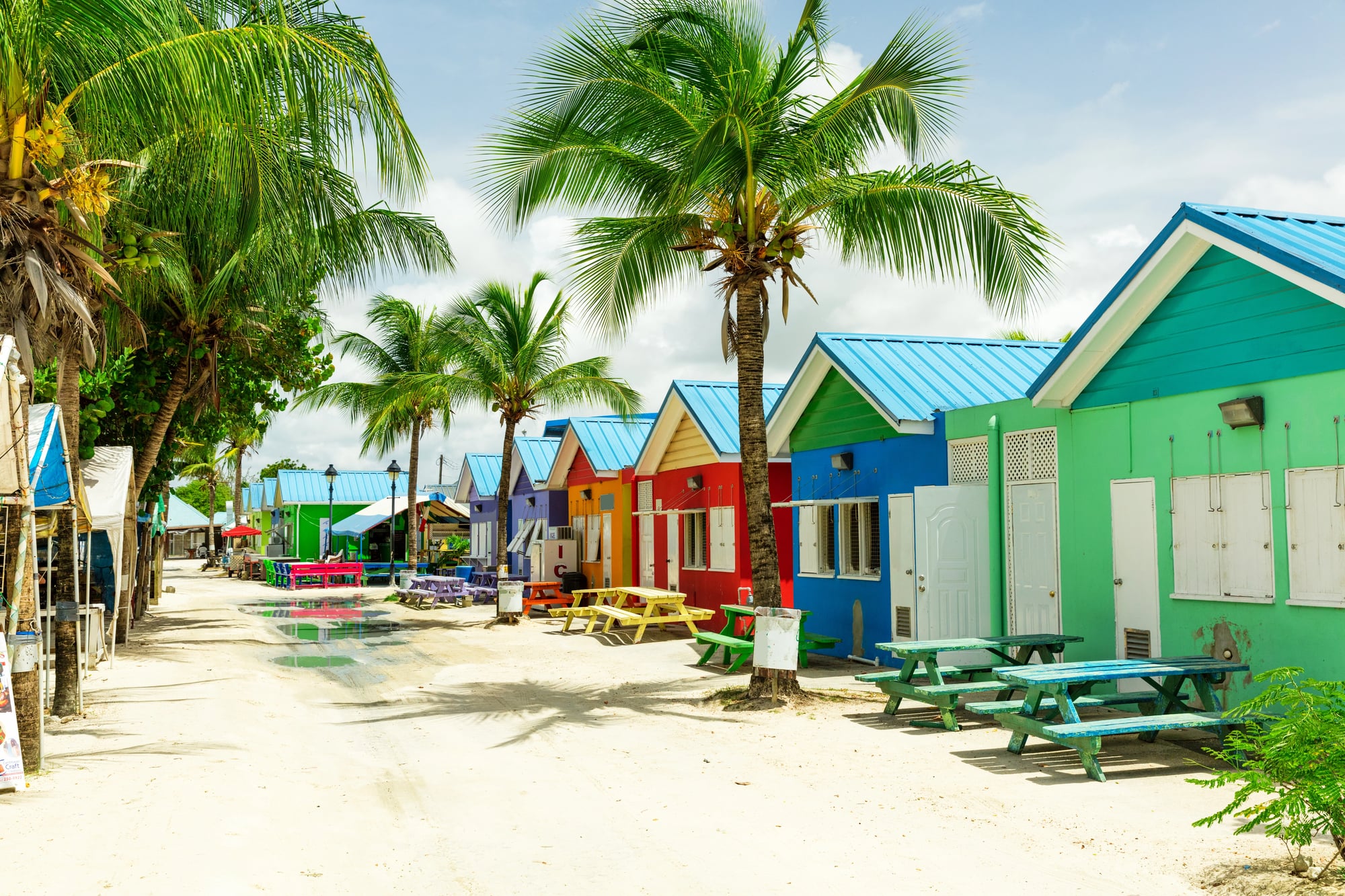
Barbados is a Caribbean island nation that measures 166 square miles. The city of Los Angeles covers about 503 square miles, making it three times bigger than this entire country.
Barbados was under British rule for centuries before gaining independence in 1966, and it only became a republic in 2021. The island is relatively flat compared to other Caribbean nations, and you can drive from the north coast to the south coast in about an hour if traffic cooperates.
Saint Lucia vs Chicago
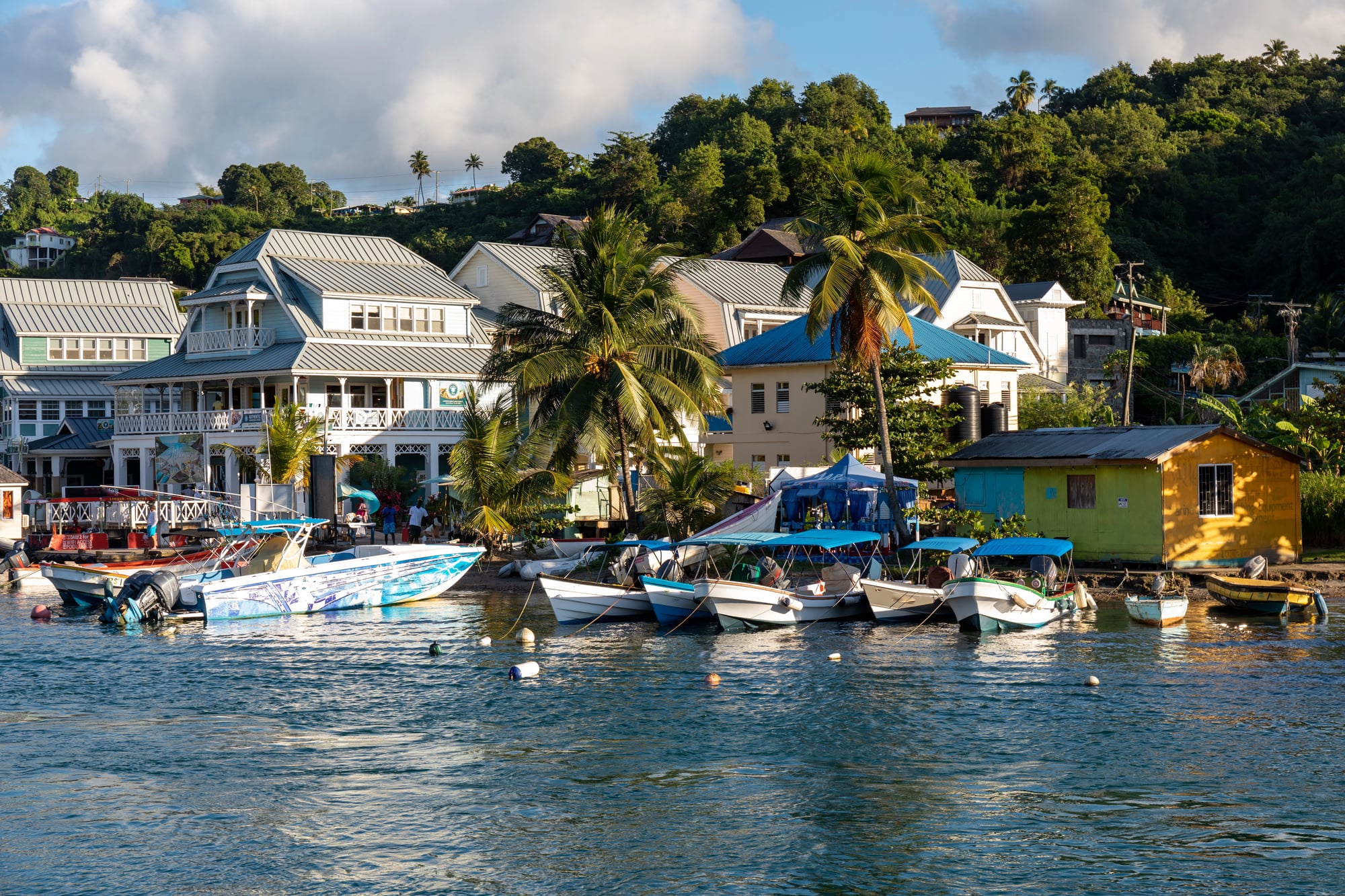
Saint Lucia is another Caribbean island nation that covers 238 square miles. Chicago, with its sprawling neighborhoods and suburbs, is larger than this volcanic island country.
Saint Lucia has two distinctive peaks called the Pitons that rise straight out of the sea and have become the island’s most recognizable symbol. The country produces some of the world’s finest cocoa, and small chocolate makers on the island turn local beans into premium treats that rival anything from Belgium or Switzerland.
Andorra vs Philadelphia
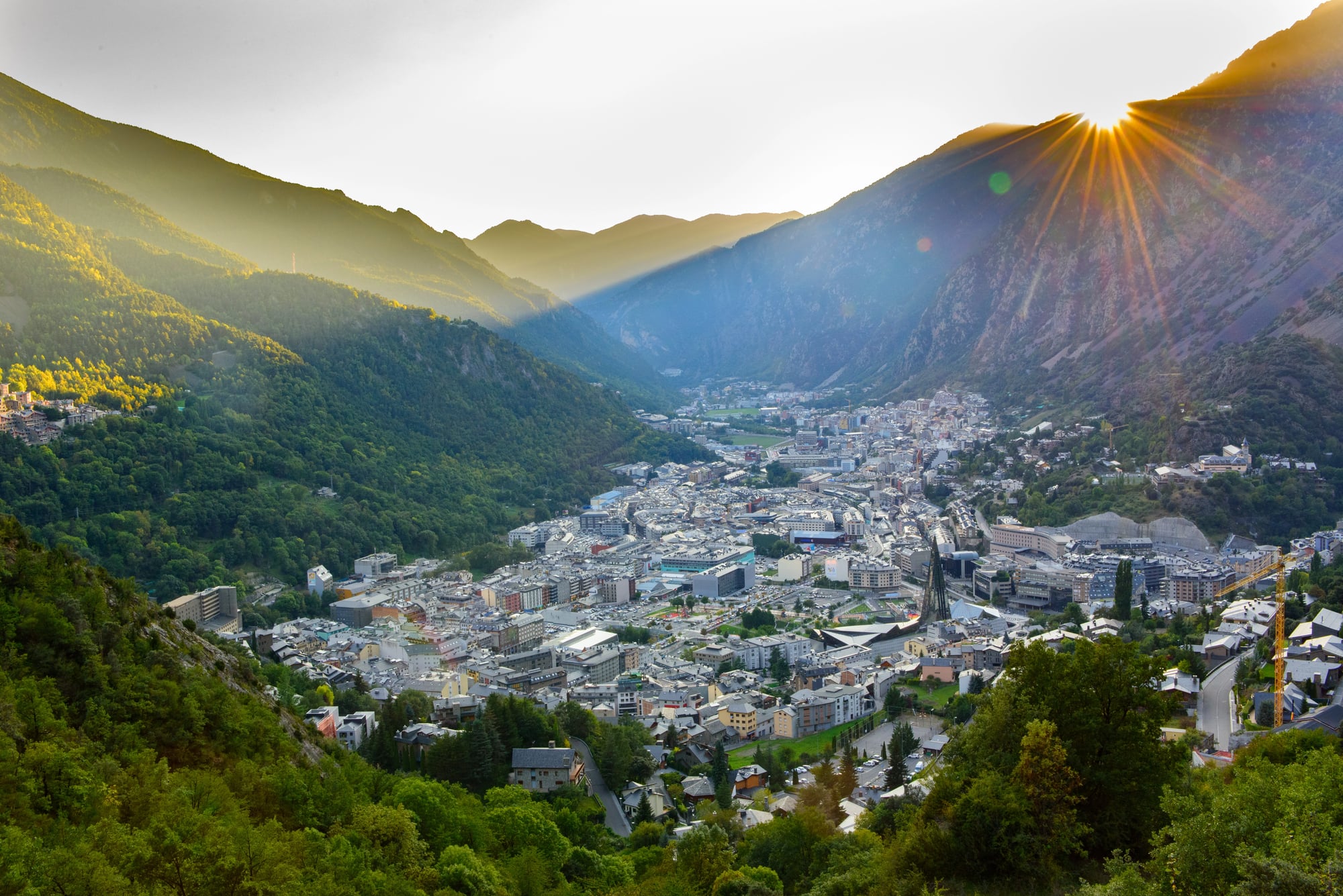
Andorra sits high in the Pyrenees Mountains between France and Spain and covers 181 square miles. Philadelphia and its immediate surrounding area are bigger than this entire mountain nation.
Andorra has no airport because the terrain is too mountainous, so visitors have to drive in from France or Spain on winding mountain roads. The country is a shopping paradise because it has very low taxes, and people from neighboring countries cross the border just to buy electronics, alcohol, and cig at cheaper prices.
Palau vs Houston
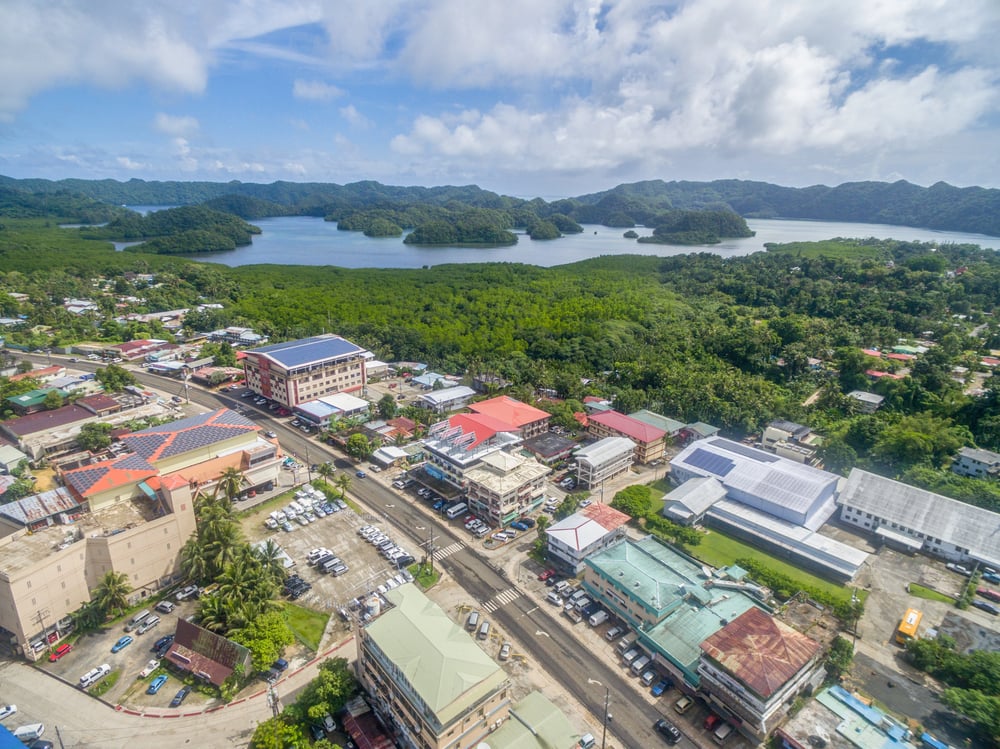
Palau is a collection of islands in the western Pacific Ocean that covers 177 square miles. Houston, Texas, sprawls across 670 square miles, making it nearly four times larger than this island nation.
Palau has some of the most pristine waters on Earth, and the country created one of the world’s first shark sanctuaries to protect these animals from fishing. The islands were under American control after World War II and didn’t become fully independent until 1994.
Tuvalu vs Atlanta
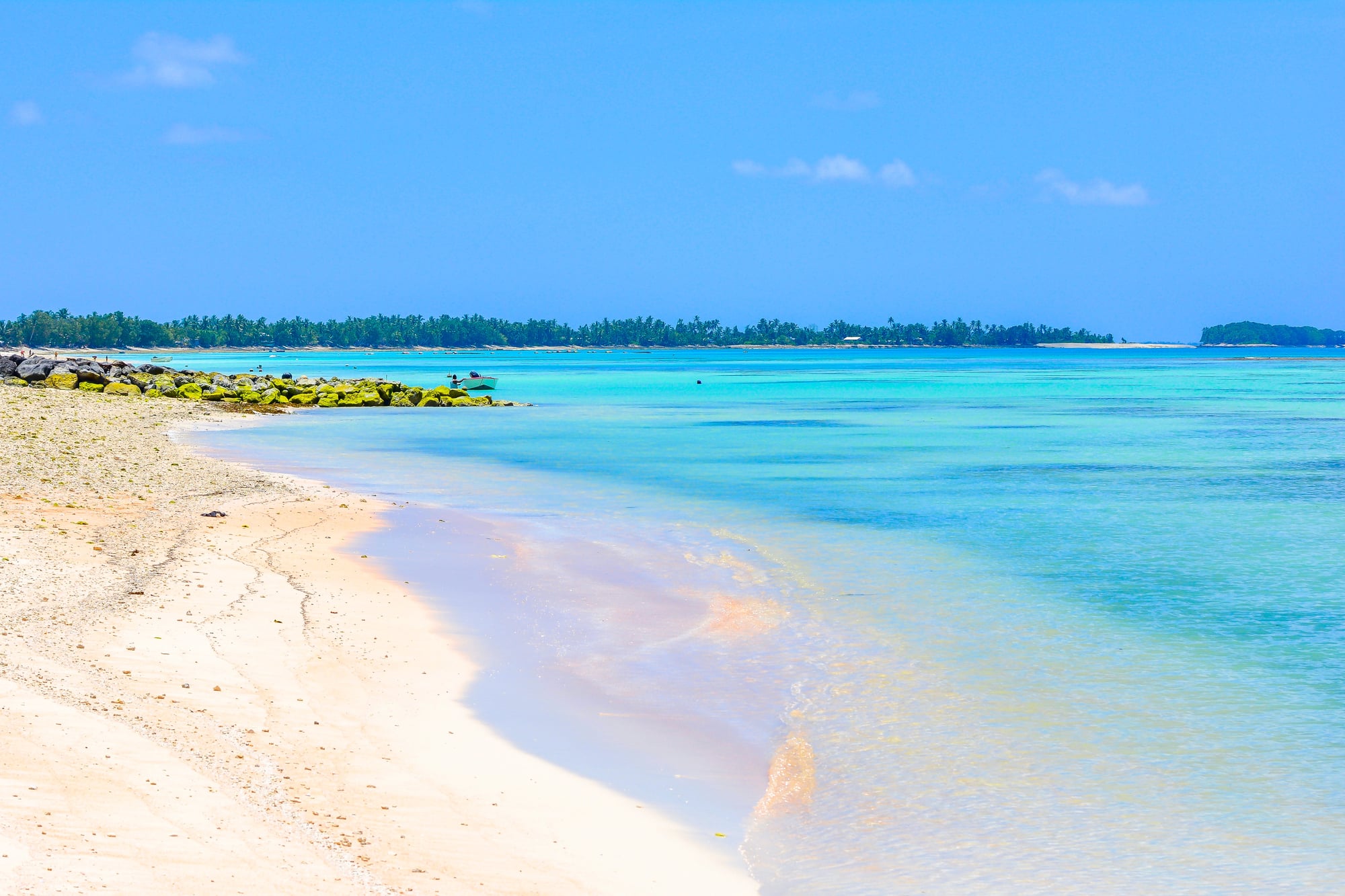
Tuvalu consists of nine small islands in the Pacific Ocean with a total land area of just 10 square miles. Atlanta, Georgia, covers 134 square miles, making it more than 13 times larger than this entire nation.
Tuvalu is one of the lowest-lying countries in the world, and rising sea levels threaten to swallow these islands completely within the next 50 to 100 years. The country makes money by licensing its internet domain name ‘.tv’ to television stations and streaming services around the world.
Nauru vs Denver International Airport
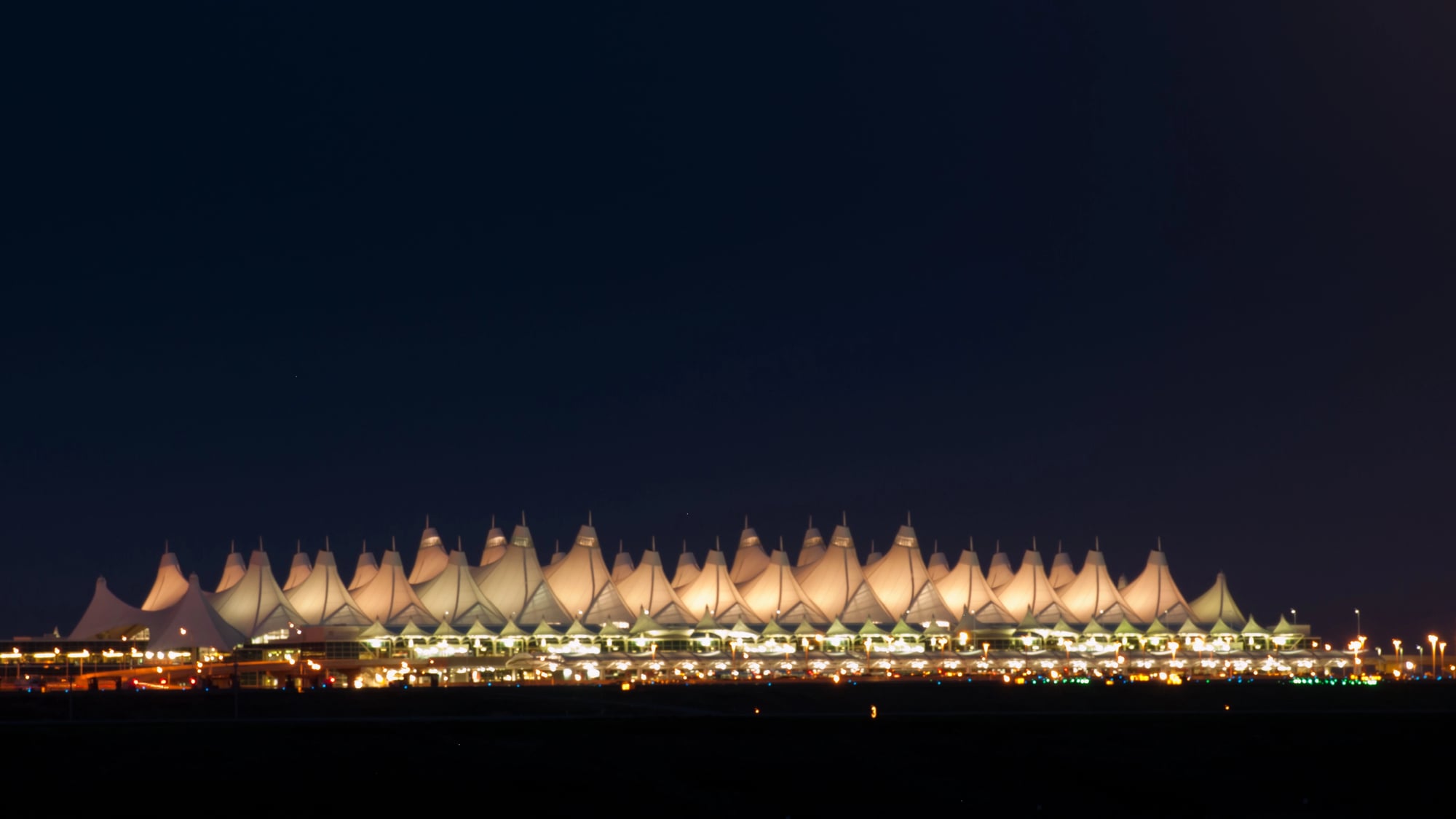
Nauru is a single island nation in the Pacific that covers only 8.1 square miles. Denver International Airport, with all its runways and terminals, sprawls across 53 square miles, making it more than six times bigger than this country.
Nauru used to be incredibly wealthy from mining bird droppings (which make excellent fertilizer), but the deposits ran out and left the island scarred with limestone pinnacles. The entire country has only one airport with a single runway that stops just short of the ocean on both ends.
Seychelles vs New York City
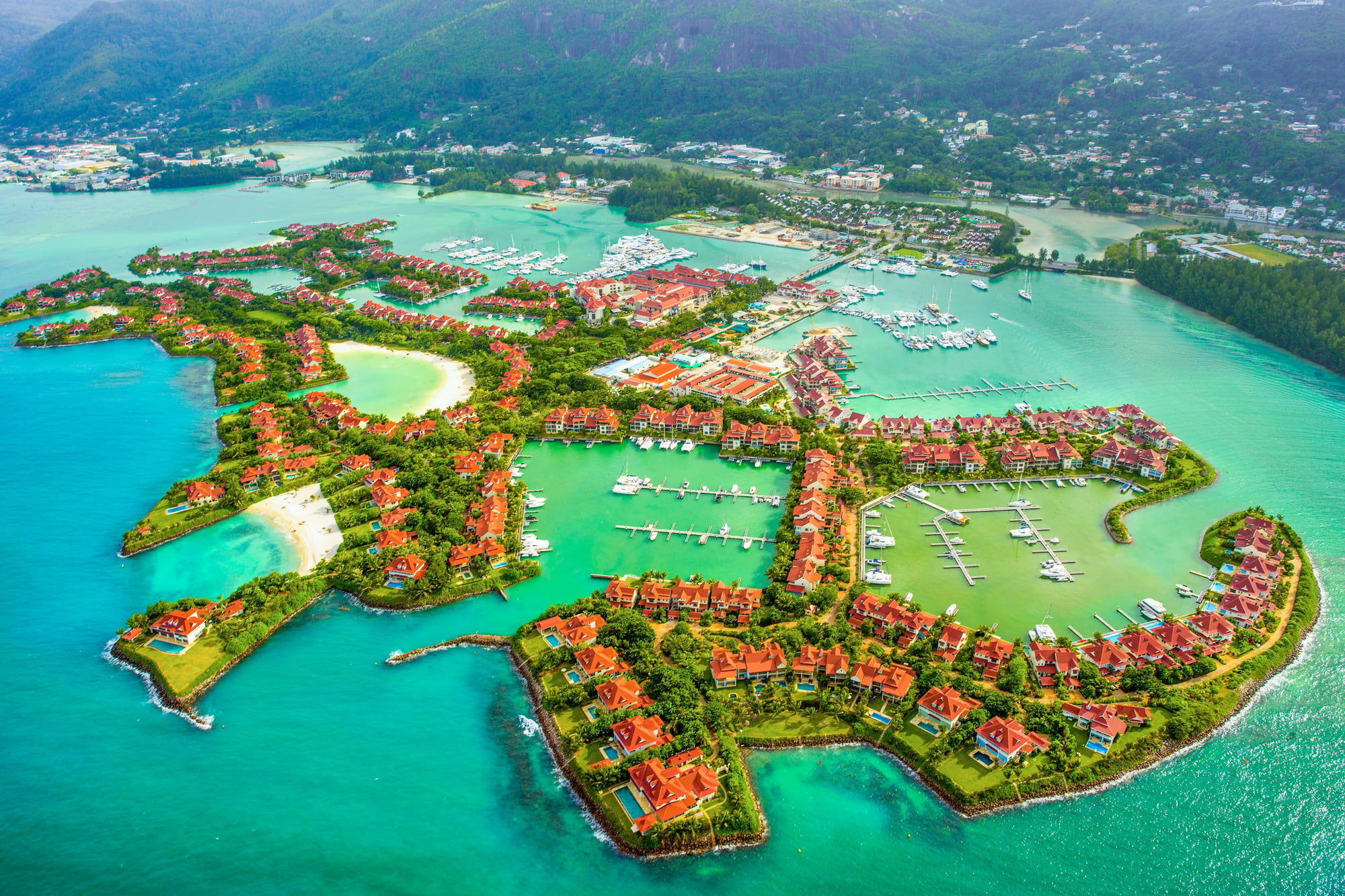
Seychelles is an archipelago of 115 islands in the Indian Ocean with a total land area of 176 square miles. New York City covers 302 square miles, making it nearly twice as large as this island nation.
The islands are famous for having some of the rarest animals on Earth, including giant tortoises that can live for over 100 years. Seychelles was uninhabited until the 1700s when French settlers arrived, which makes it one of the youngest countries in terms of human habitation.
Maldives vs Boston
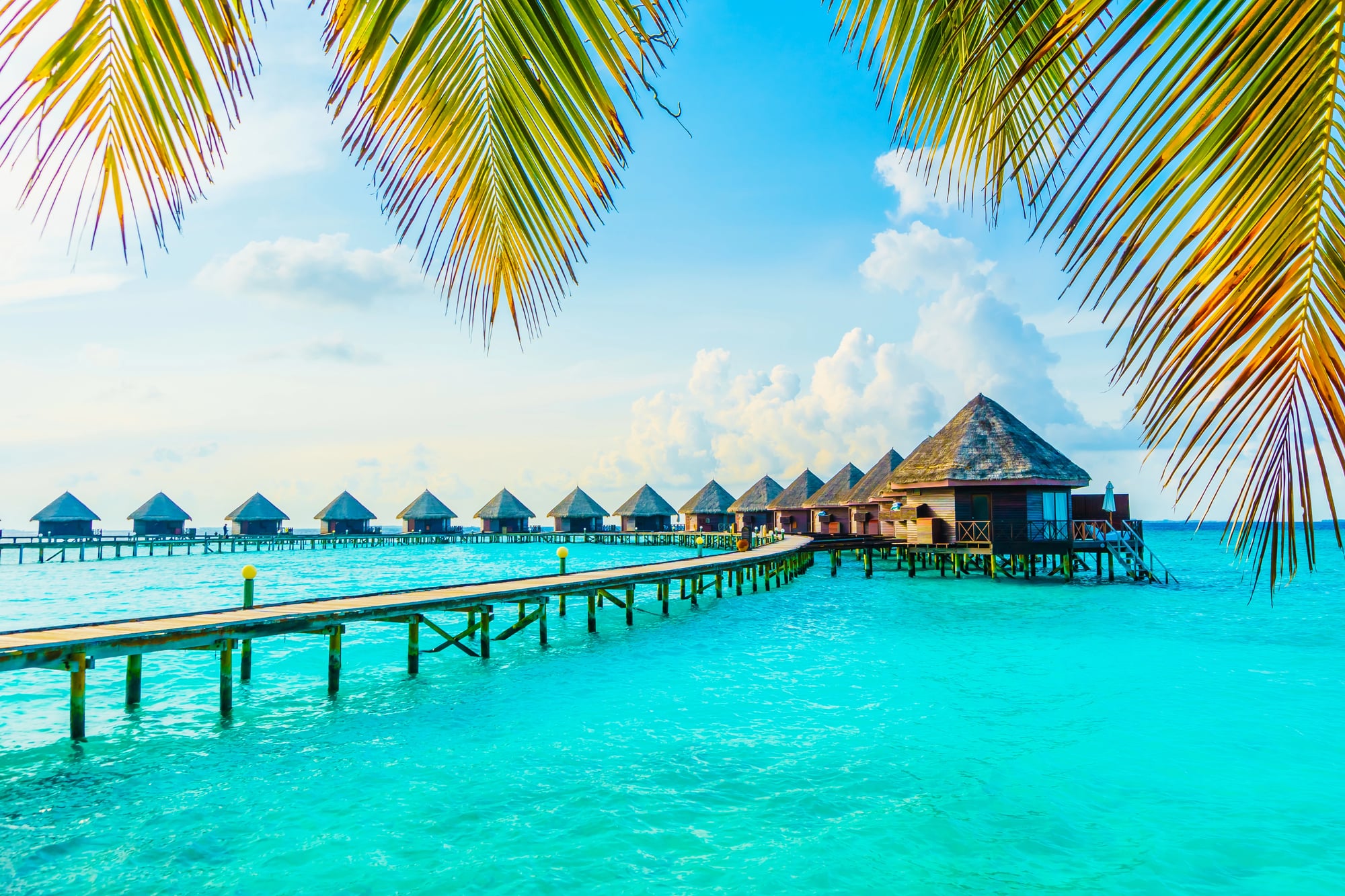
The Maldives consists of 1,192 islands in the Indian Ocean, but only 298 square miles of that is actual land. Greater Boston covers about 4,500 square miles, making it vastly larger than this island nation.
The Maldives is the flattest country on Earth, with no point on any island rising more than about 8 feet above sea level. The islands are built entirely from coral reefs, and the country is working on artificial islands to give people somewhere to move if sea levels continue to rise.
Grenada vs Memphis
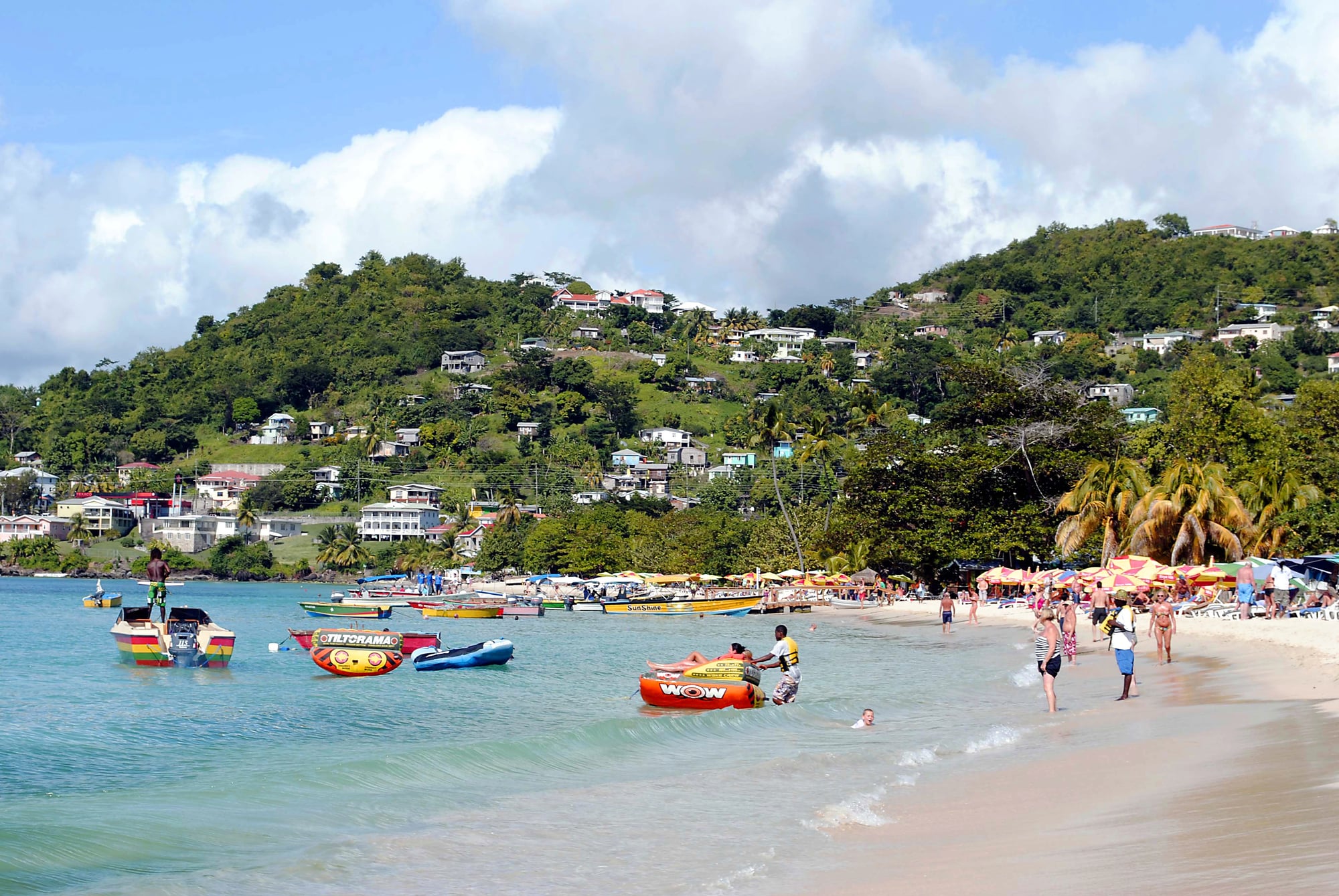
Grenada is a Caribbean island nation that covers 133 square miles. Memphis, Tennessee, sprawls across 324 square miles, making it more than twice the size of this entire country.
Grenada is known as the Spice Isle because it produces about a third of the world’s nutmeg and mace. The island was invaded by the United States in 1983 after a military coup, which remains one of the most controversial American military actions in the Caribbean.
Saint Kitts and Nevis vs San Antonio
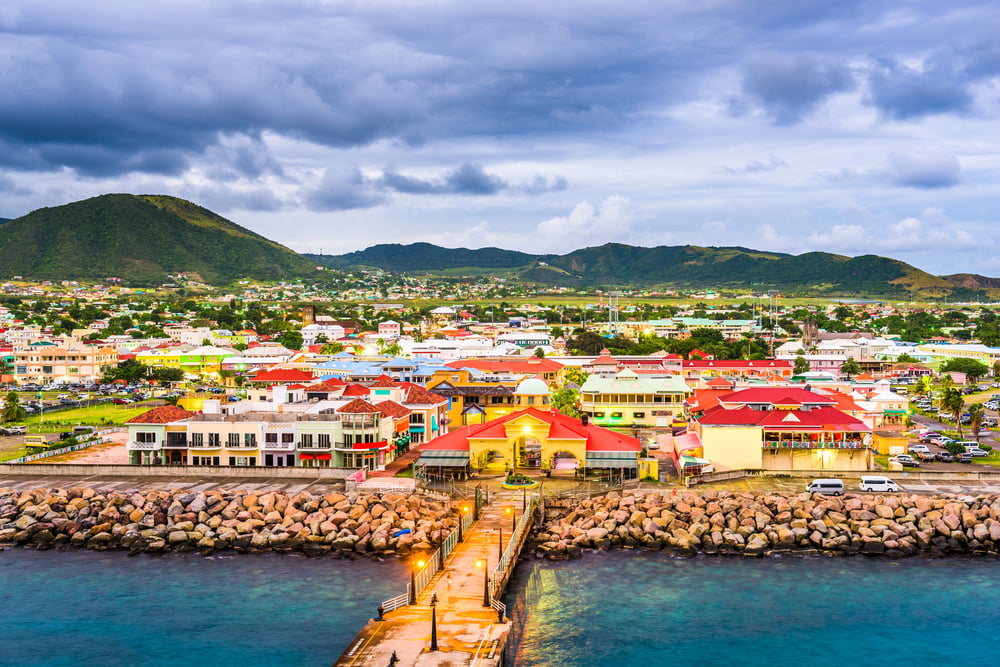
Saint Kitts and Nevis consists of two islands in the Caribbean with a combined area of 104 square miles. San Antonio, Texas, covers 465 square miles, making it more than four times larger than this two-island nation.
The country has a unique citizenship-by-investment program where wealthy foreigners can essentially buy a passport by making a large donation or investment. Christopher Columbus spotted these islands in 1493 and supposedly named one of them after himself.
Saint Vincent and the Grenadines vs Jacksonville
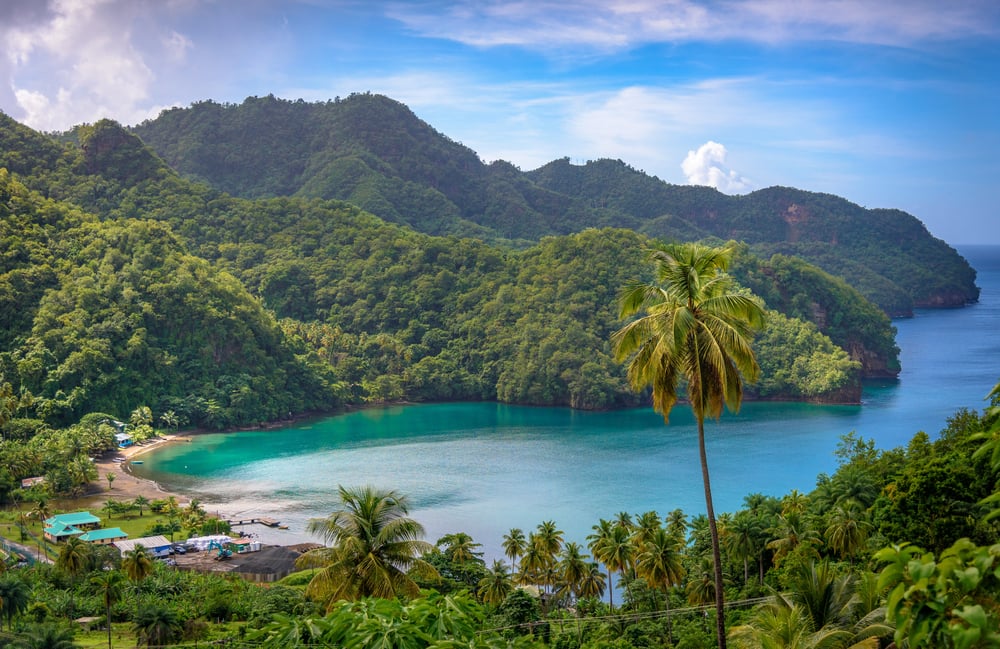
Saint Vincent and the Grenadines is a chain of islands in the Caribbean covering 150 square miles. Jacksonville, Florida, is actually the largest city by area in the continental United States and covers 747 square miles, making it five times bigger than this island nation.
The country has 32 islands and cays, though only nine are inhabited year-round. The main island has an active volcano called La Soufrière that erupted as recently as 2021, forcing thousands of people to evacuate.
Antigua and Barbuda versus Austin
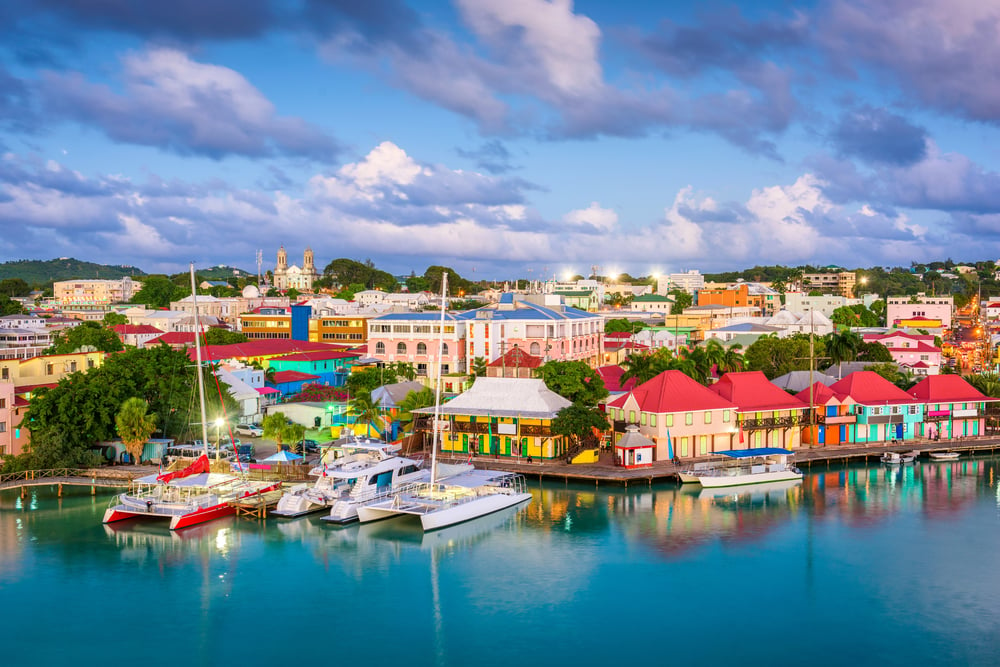
One little-known fact about Antigua and Barbuda? It’s made up of just two primary islands tucked into the Caribbean, spanning 171 square miles altogether. Size-wise, Austin in Texas spreads across 305 square miles – so the city outmeasures that entire nation by almost double.
Locals often say Antigua boasts 365 beaches – one each day of the year – but there’s zero proof anyone ever counted them properly. Since breaking free from British rule back in 1981, the place runs on its own yet keeps the British king as ceremonial leader at the top.
Kiribati vs Phoenix
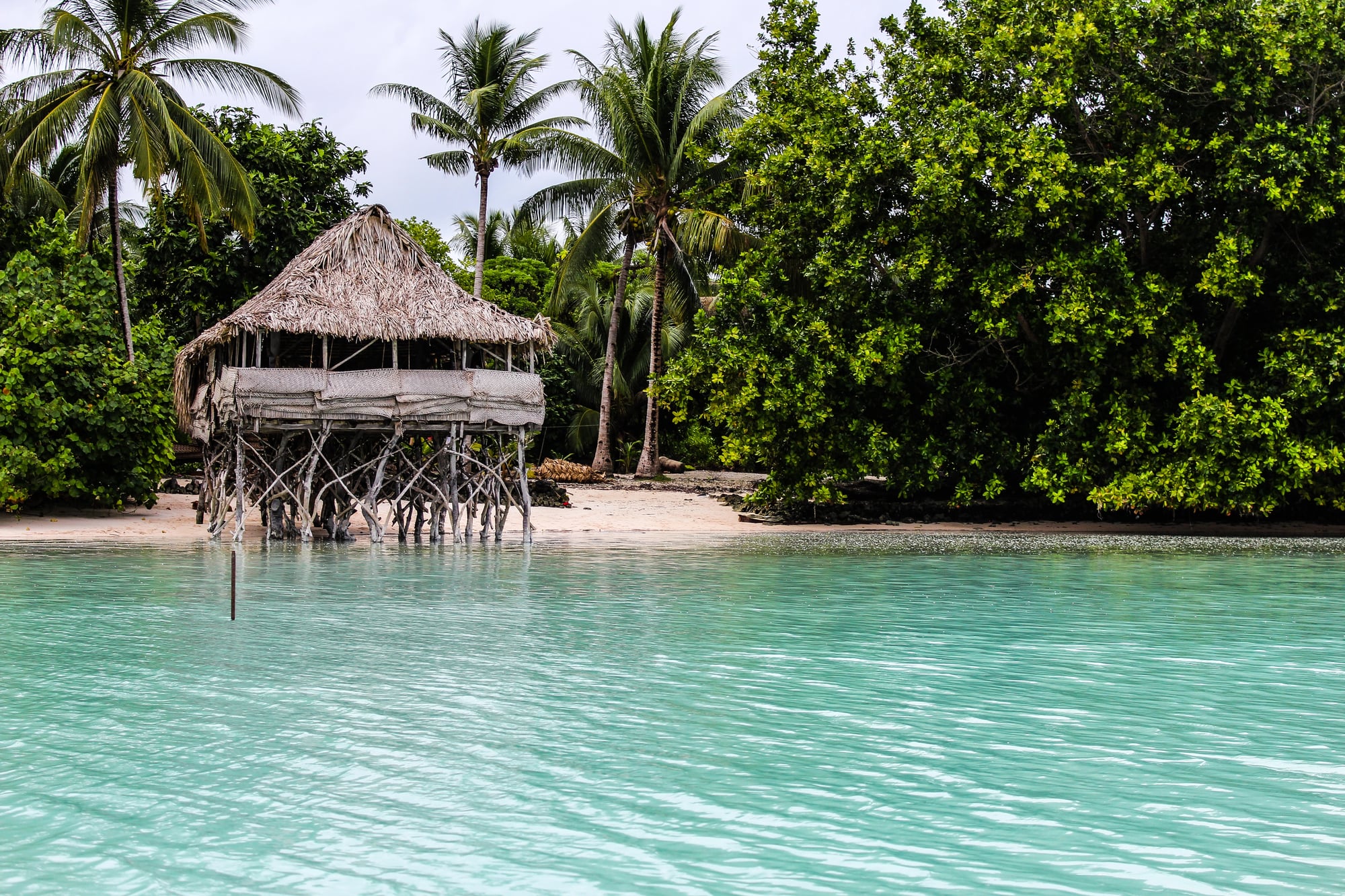
Scattered wide through the Pacific, Kiribati clings to 33 small islands totaling only 313 square miles of land. Bigger by far, Phoenix in Arizona takes up 518 square miles – more space than that whole island chain.
Cross all four corners of Earth? That happens nowhere else but here, since parts of these islands lie north, others south, some east, a few west of key global lines. Rising oceans worry leaders enough that they’ve already purchased ground in Fiji, just in case one day home becomes too wet to stay.
Size isn’t everything
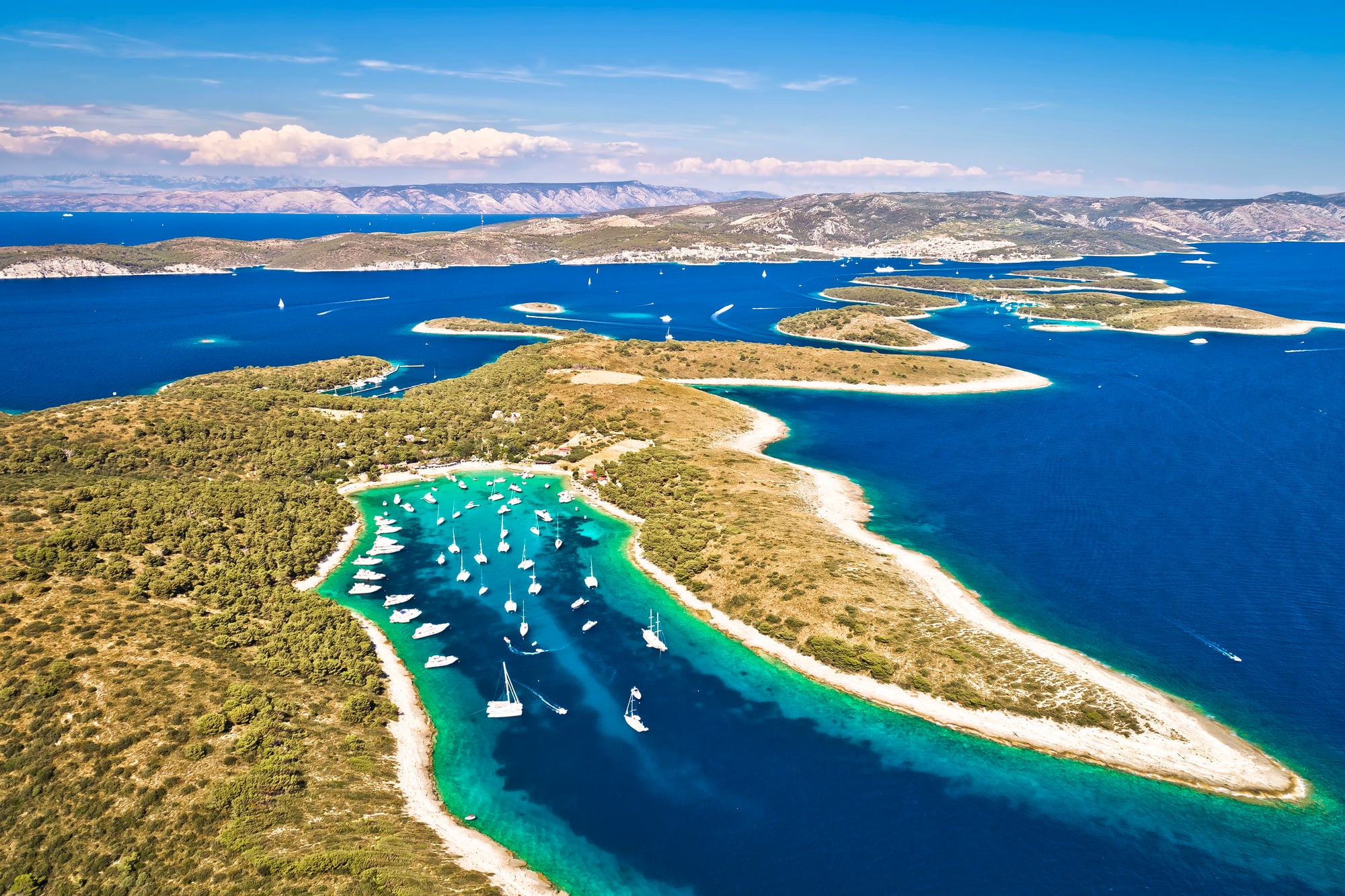
Smaller lands show size isn’t everything when it comes to having laws, traditions, or global presence. A few manage great impact despite limited space, whereas some face hurdles simply because they’re compact.
Picture walking across a large field – somewhere out there, a whole nation fits within that area, complete with athletes at international games. Flags wave even where borders shrink.
It’s odd how land divides itself sometimes.
More from Go2Tutors!

- The Romanov Crown Jewels and Their Tragic Fate
- 13 Historical Mysteries That Science Still Can’t Solve
- Famous Hoaxes That Fooled the World for Years
- 15 Child Stars with Tragic Adult Lives
- 16 Famous Jewelry Pieces in History
Like Go2Tutors’s content? Follow us on MSN.



