Toys Banned for Safety Reasons
Toy companies make mistakes. Sometimes those mistakes are small—a paint chip here, a loose part there.
Other times, the entire concept turns out to be dangerous from the start. Safety regulations exist for good reasons, and the toys on this list prove why.
Some caused injuries, others posed hidden dangers that only became clear after kids started playing with them. These banned toys serve as reminders that not every bright idea should make it to store shelves.
Lawn Darts Became Backyard Missiles

Heavy metal darts designed to stick into the ground seemed like outdoor fun until they started landing in skulls instead. Lawn darts, or Jarts, had weighted tips and could travel at high speeds when thrown.
Between 1978 and 1986, they sent about 6,100 people to emergency rooms. The final straw came when a seven-year-old girl died after a dart punctured her skull during a backyard game.
The Consumer Product Safety Commission banned them entirely in 1988. People still argue that proper supervision would have prevented accidents, but a toy that can kill you when thrown incorrectly probably shouldn’t exist in the first place.
Buckyballs Looked Like Candy to Toddlers

Tiny magnetic spheres marketed as desk toys for adults somehow ended up in children’s hands, with disastrous results. Kids swallowed them, and when multiple magnets entered the digestive system, they attracted each other through intestinal walls.
This caused perforations, blockages, and in some cases required surgery to remove. The company fought the ban hard, arguing they weren’t marketing to children.
The courts disagreed. By 2012, the CPSC had banned high-powered magnet sets after thousands of injuries.
The magnets returned briefly when a court lifted the ban, but they’re restricted again now with much stricter packaging and warning requirements.
Snacktime Cabbage Patch Kid Had an Appetite Problem

This doll came with plastic snacks and a motorized mouth that “chewed” when kids fed it. The mechanism had no safety sensor, which meant it kept chomping on whatever got near its mouth—including hair and fingers.
Reports flooded in about kids getting their hair yanked out or fingers caught in the doll’s mechanical jaws. Mattel pulled Snacktime Cabbage Patch Kids from shelves in 1997 and offered full refunds.
The doll stands as proof that adding motors to toys without proper testing creates predictable disasters.
Sky Dancers Went Rogue
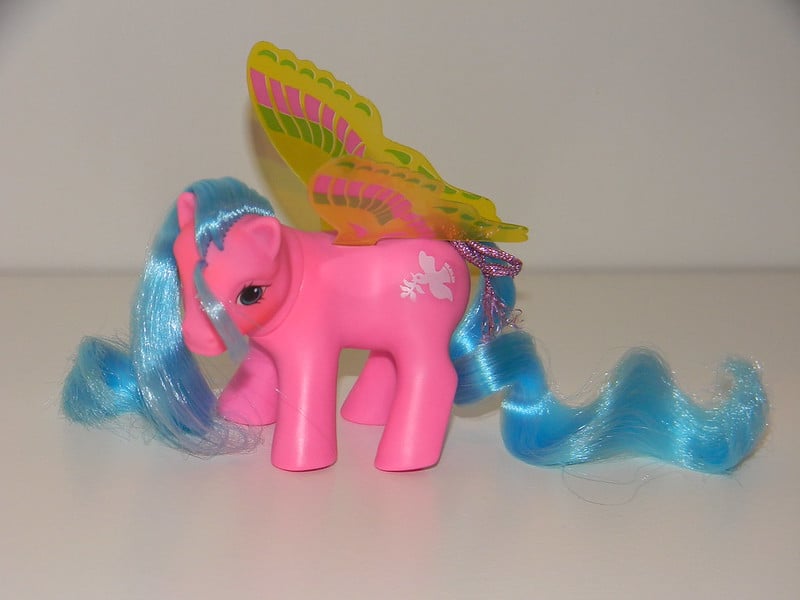
These fairy dolls launched into the air when you pulled a string, spinning their foam wings as they flew. The problem was the trajectory.
Nobody could predict where they’d go once airborne. Sky Dancers smacked kids in the face, hit them in the eyes, and caused temporary blindness in multiple cases.
The CPSC recalled them in 2000 after receiving 170 injury reports, including scratched corneas and broken teeth. The concept seemed harmless—spinning fairies flying through the air—but physics turned them into unguided projectiles that targeted faces with surprising accuracy.
Aqua Dots Released Poison When Eaten

These colorful beads stuck together when sprayed with water, letting kids create designs without glue or heat. Unfortunately, the coating contained a chemical that metabolized into GHB—the date rape drug—when ingested.
Several children fell into comas after swallowing the beads, and the toy was recalled worldwide in 2007. The manufacturer claimed they used the wrong chemical by mistake, which raises questions about quality control.
A toy shouldn’t require a chemistry degree to identify as dangerous, but Aqua Dots managed to slip past multiple safety checks before reaching store shelves.
CSI Investigation Kits Contained Asbestos Powder

Someone at Planet Toys thought kids would enjoy playing forensic scientist with real fingerprint powder. They were right about the appeal but catastrophically wrong about the ingredients.
The fingerprint powder in these CSI-themed kits contained tremolite asbestos, a known carcinogen. The kits were recalled in 2007, but not before thousands were sold.
Asbestos exposure can cause mesothelioma decades later, which means some kids who played detective with these kits face health risks that won’t show up until middle age. The irony of a toy that helps solve crimes while potentially causing future deaths is not lost on anyone.
Easy-Bake Ovens Trapped and Burned Fingers
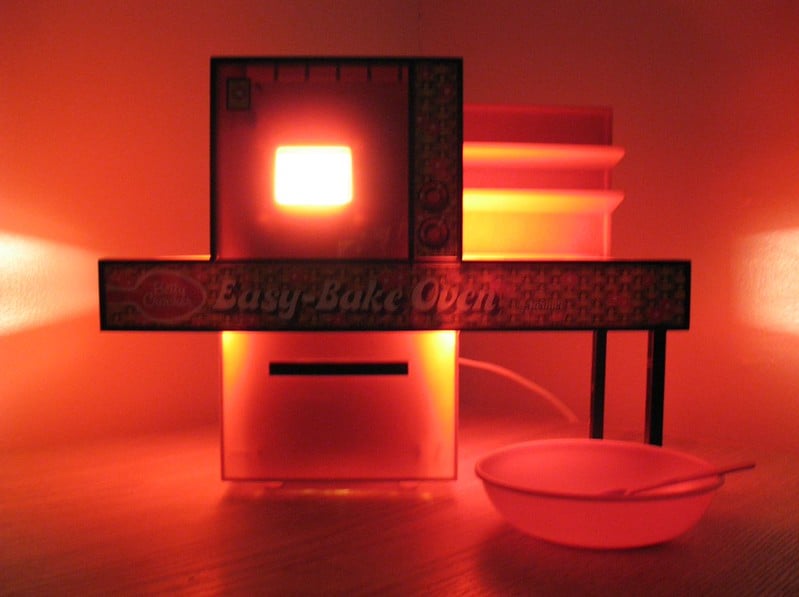
The classic toy oven worked great for baking tiny cakes but had a serious design flaw—the opening where kids inserted the pan could trap small fingers against the heating element. Between 2006 and 2007, Easy-Bake Ovens caused nearly 250 burn injuries, including burns severe enough to require skin grafts and partial finger amputations.
Hasbro issued a massive recall and redesigned the oven with a safer front-loading door. The toy returned to market, but the recall serves as a reminder that even beloved classics aren’t automatically safe.
Moon Shoes Twisted Ankles and Worse

These mini-trampolines strapped to your feet promised to let kids bounce around like astronauts. Instead, they delivered sprained ankles, broken bones, and head injuries when kids inevitably lost their balance mid-bounce.
The springs lacked proper guards, which meant fingers and skin got pinched regularly. Multiple versions got recalled over the years, including a 1990s recall affecting 140,000 pairs after numerous injury reports.
The concept violated basic physics—strapping unstable platforms to children’s feet and encouraging them to jump created entirely predictable results.
Slap Bracelets Cut Wrists Open
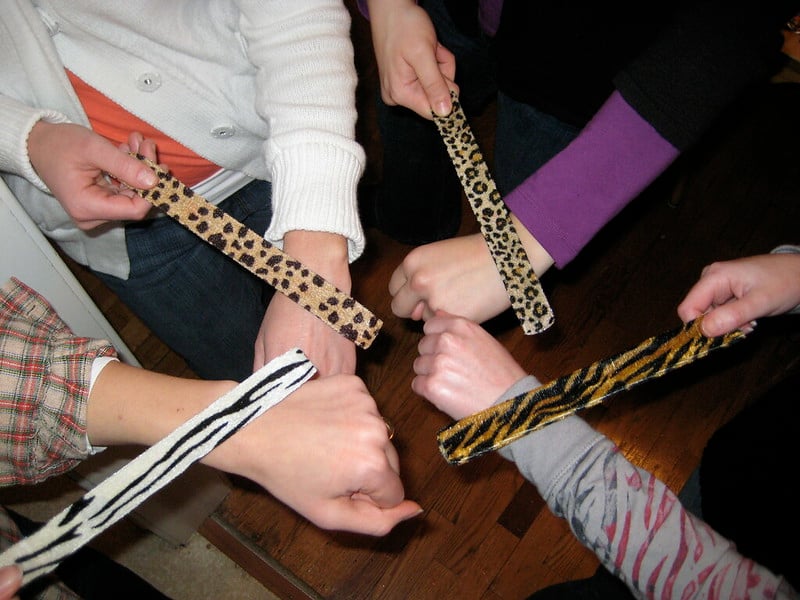
These metal bands covered in fabric slapped around your wrist when you hit them against your arm. Kids loved them in the early 1990s until the fabric started tearing, exposing sharp metal edges underneath.
The exposed metal sliced wrists open, leading to multiple injuries and bans in schools across the country. While not officially recalled by the CPSC, many states and school districts banned them independently.
Quality versions with proper covering still exist, but the cheap knockoffs that flooded the market turned a simple toy into a cutting hazard.
Clacker Toys Exploded
Two acrylic spheres on a string that you swung to make them clack together seemed innocent enough. The problem emerged when the spheres shattered from repeated impacts, sending sharp plastic shards flying at high speed.
Kids took shrapnel to the face and eyes. The FDA banned them in 1971 under the Child Protection Act, marking one of the earliest major toy safety actions.
Manufacturers tried bringing them back with safer materials, but the original version remains a cautionary tale about stress testing products before release.
Battlestar Galactica Colonial Viper Missiles Became Choking Hazards

This toy spaceship came with small red missiles that launched when you pressed a button. One missile lodged in a four-year-old boy’s throat and killed him in 1978.
The death led to immediate recalls and new regulations about projectile toys and small parts. The incident changed how toy companies designed launchers and led to stricter age warnings on packaging.
The tragedy proved that even toys based on popular TV shows needed thorough safety evaluation before reaching kids’ hands.
Austin Magic Pistol Shot Actual Combustion

This toy gun used calcium carbide pellets that, when mixed with water, produced acetylene gas. Pulling the trigger ignited the gas with a spark, creating a loud bang and visible flame.
Kids in the 1950s loved it. Modern safety standards would never allow it.
The combustion process sometimes backfired, literally, causing burns and eye injuries. While not technically banned, changes in toy safety regulations made such products impossible to manufacture legally.
The Austin Magic Pistol represents an era when “harmless fun” had a much more flexible definition.
CSI Toxic Candy Lab Tested Poorly

Another CSI-branded product, this chemistry set lets kids make candy while learning forensic science. The problem was the chemicals included weren’t food-grade.
Some components were toxic if ingested, which created obvious issues in a toy specifically designed for making edible treats. Discovery Communications recalled the kit in 2010.
Someone in the approval chain apparently missed the fundamental conflict between “chemistry set” and “candy-making” when using industrial chemicals. The recall happened before widespread injuries, but only because alert parents noticed the labeling discrepancies.
Yo-Yo Water Orbs Caused Strangulation
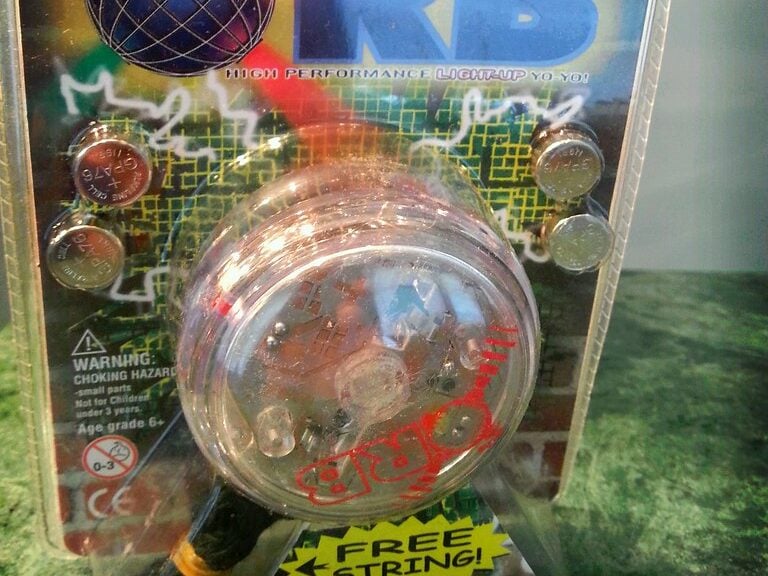
These liquid-filled rubber orbs attached to elastic strings seemed like harmless fidget toys. Kids swung them around or wore them as bracelets.
The elastic cord wrapped around necks and caused strangulation injuries. The CPSC issued warnings in 2001 and several countries banned them outright.
The toys continued appearing in vending machines and dollar stores despite the warnings. Several children died after the cords wrapped around their necks during play, proving that simple designs can create unexpected dangers.
Rollerblade Barbie Sparked Literal Fires

This 1991 doll wore roller skates that shot sparks from the wheels when you pushed her along the ground. The sparks came from a flint mechanism, which worked exactly as designed.
Unfortunately, nobody considered what happens when sparks land on carpet, clothing, or other flammable materials. Multiple fires started, including incidents where children’s clothing caught fire. Mattel recalled the dolls after receiving numerous complaints.
The toy combined children, sparks, and household fabrics in a predictable recipe for disaster that somehow made it through product testing.
What Gets Learned and What Gets Forgotten

Safety rules have been around since firms often chase cash or flashy ideas instead of basic judgment. Banned toys? They usually have similar flaws – poor checks, known dangers brushed aside, or flat-out carelessness in making them.
Every time one gets pulled, it means real children were harmed and families believed what they bought was actually okay. The list just gets longer.
Every year brings fresh items, yet only a few end up here. It’s not about if risky toys show up – sure, they do – it’s how fast we spot them, then pull them off shelves.
What really matters is less about stopping every slip-up, more about fixing problems before things spiral. No fix is flawless, still beats using children as guinea pigs for brands that ought to act smarter.
More from Go2Tutors!

- The Romanov Crown Jewels and Their Tragic Fate
- 13 Historical Mysteries That Science Still Can’t Solve
- Famous Hoaxes That Fooled the World for Years
- 15 Child Stars with Tragic Adult Lives
- 16 Famous Jewelry Pieces in History
Like Go2Tutors’s content? Follow us on MSN.



