14 Things That Happened Behind the Scenes During the Filming of Jaws
The 1975 summer blockbuster ‘Jaws’ changed cinema forever, but what happened when the cameras weren’t rolling was just as dramatic as the film itself. From mechanical sharks that refused to work to near-death experiences on the open water, the production of Steven Spielberg’s breakthrough hit was plagued with problems that nearly sank the entire project.
Here is a list of 14 fascinating behind-the-scenes moments that reveal just how challenging—and sometimes downright chaotic—the making of this classic thriller really was.
The Mechanical Shark Rarely Worked
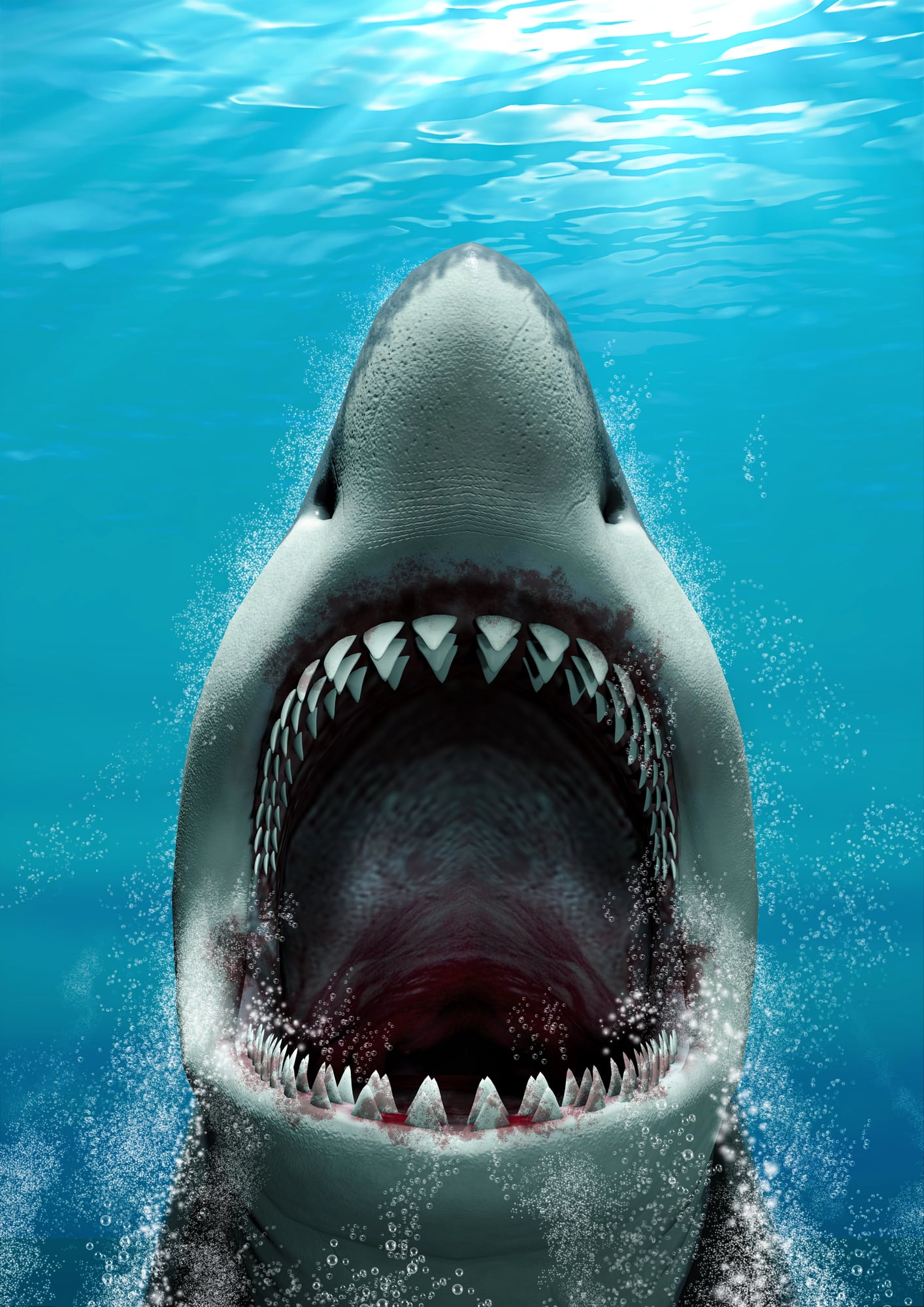
The production team nicknamed the mechanical shark “Bruce” after Spielberg’s lawyer, but the expensive prop turned into a nightmare. Saltwater corroded its pneumatic parts, causing constant malfunctions that forced Spielberg to reimagine how to create terror without showing the shark. This limitation accidentally created the film’s signature suspense technique of hiding the predator for most of the movie.
The Production Ran 104 Days Over Schedule

Filming lasted an astounding days, despite the initial plan calling for a -day shoot. Due to severe delays caused by bad weather, technical issues, and the erratic ocean environment, studio executives were alarmed by the skyrocketing budget.
Robert Shaw and Richard Dreyfuss Genuinely Disliked Each Other
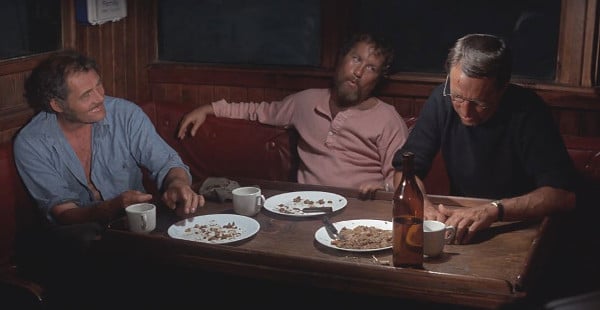
Quint and Hooper’s hostility was more than just a show. On set, Shaw and Dreyfuss had a real-life conflict, with Shaw frequently taunting his co-star. Before filming controversial parts, Shaw would sometimes drink to make his persona more sour, which further enraged Dreyfuss.
The USS Indianapolis Monologue Was Nearly Cut

The script nearly omitted Quint’s terrifying diatribe on the USS Indianapolis. The night before filming, Shaw contributed to a revision that included drafts by writer John Milius and screenwriter Howard Sackler. In just a few takes, he gave the eerie speech, resulting in one of the most unforgettable scenes in movie history.
The Open Water Sank the Real Orca Boat

Actors were on board when the real Orca fishing boat started to sink during filming. Spielberg kept the cameras going as the boat swung into the sea, even though the occurrence wasn’t prearranged. Even though it required repairing the boat for subsequent takes, the actors’ sincere panic gave the action more realism.
Spielberg Wasn’t the First Choice to Direct
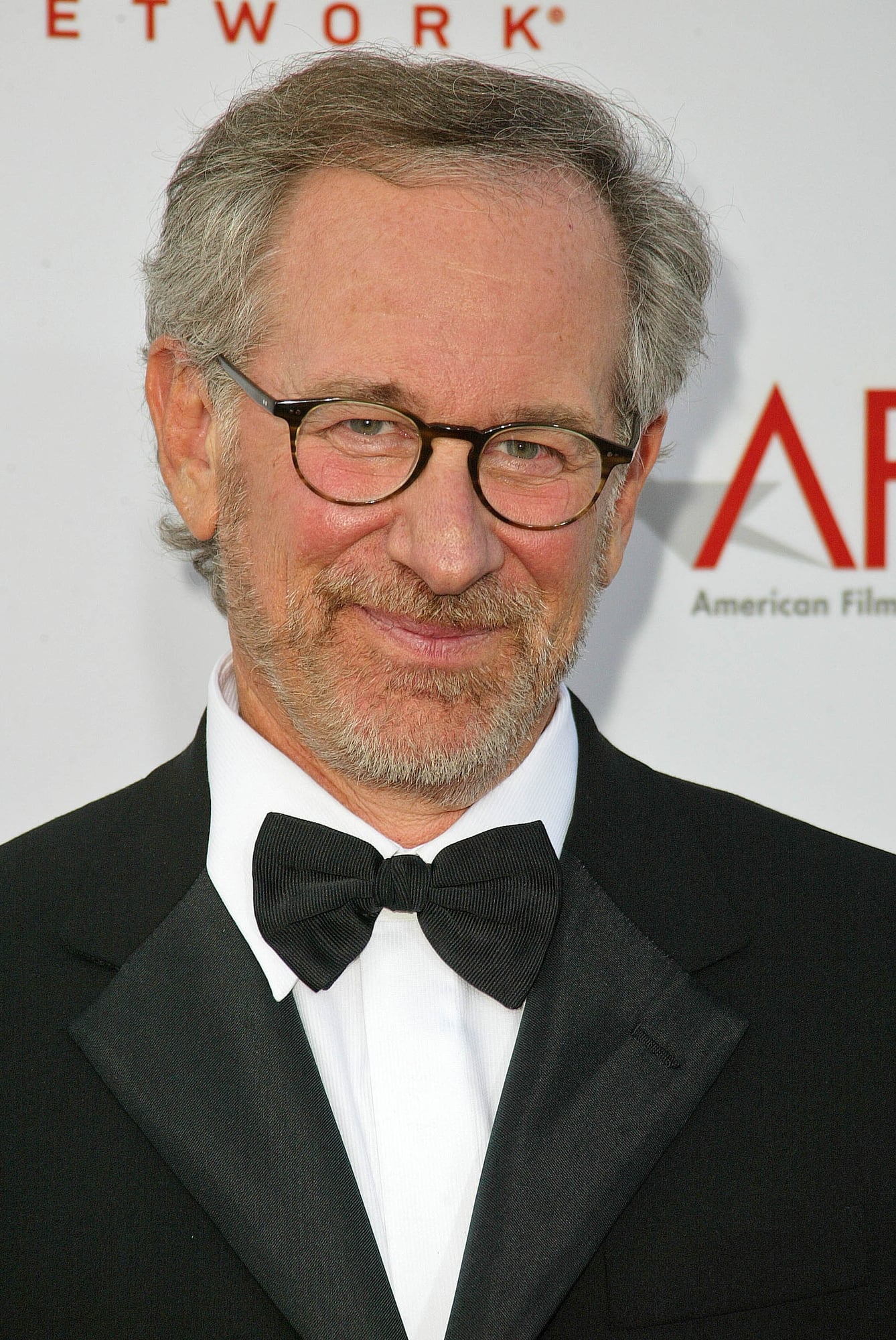
Despite becoming his breakthrough film, Spielberg was actually the third choice to direct ‘Jaws.’ Directors Dick Richards and John Sturges were both previously attached to the project but dropped out before production began, giving the young year-old filmmaker his career-defining opportunity.
The Studio Nearly Shut Down Production
Universal executives seriously considered canceling the troubled production as costs soared to more than double the original million budget. Producer David Brown had to personally convince skeptical studio heads that the film would be worth the investment, which ultimately paid off when it grossed over $ million worldwide.
The Shark Weighed Over a Ton
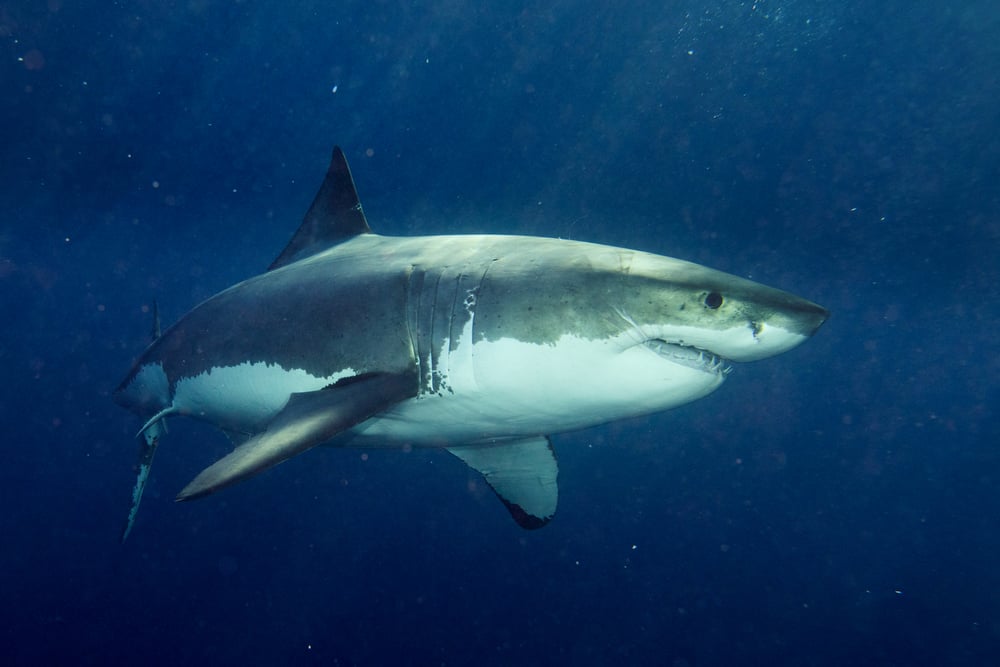
The full-scale mechanical shark models weighed approximately tons each and measured feet long. Three separate sharks were built: one for left-to-right shots, one for right-to-left shots, and one for scenes filmed from the front. Each massive contraption required people to operate.
Real Shark Footage Was Used
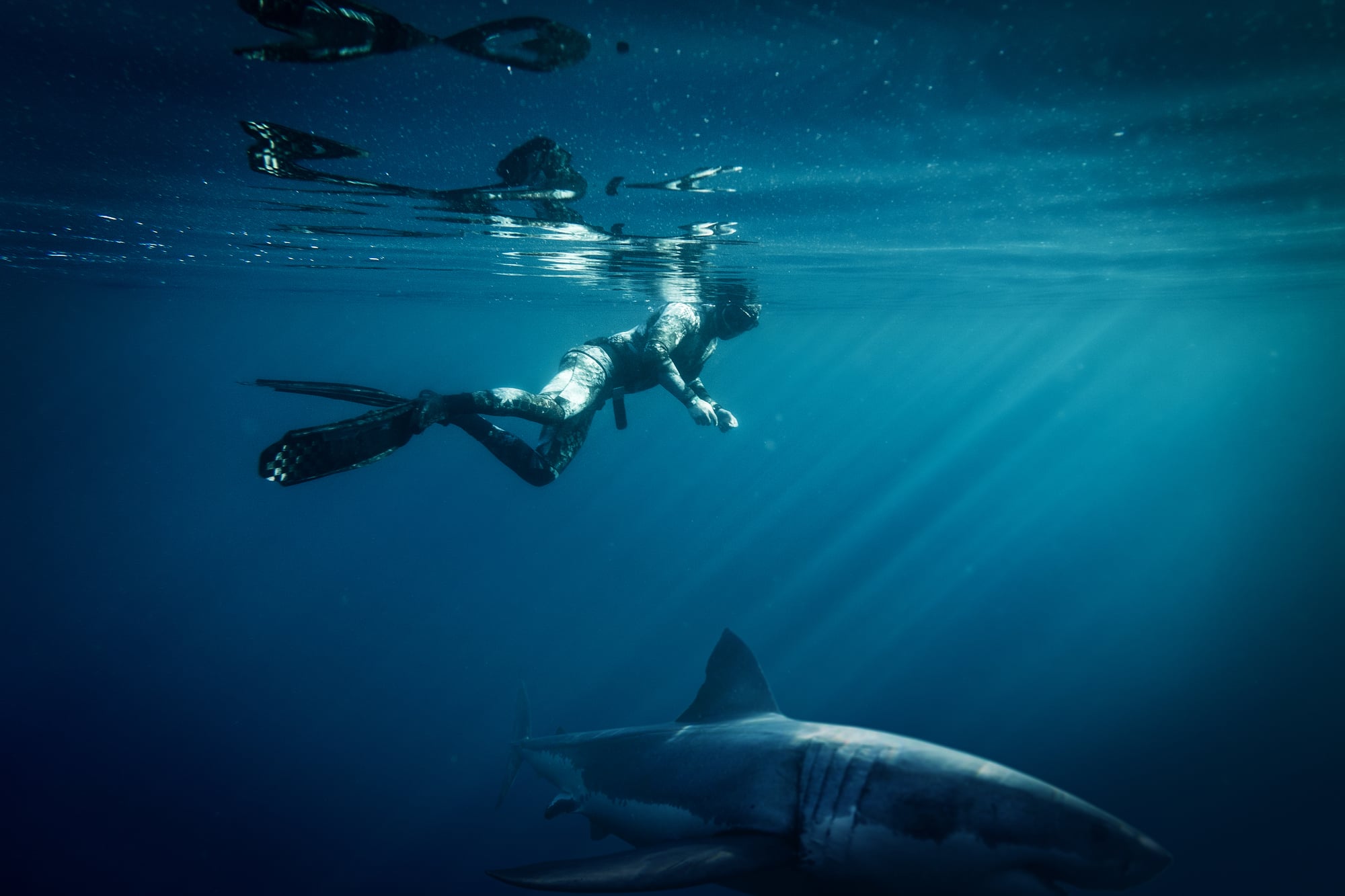
Some of the underwater shark footage in the film is actually real. Spielberg hired Australian divers Ron and Valerie Taylor to capture footage of genuine great white sharks swimming around a small cage. The filmmakers then used a small actor to make the sharks appear larger than they really were.
Martha’s Vineyard Was Transformed

The production dramatically altered parts of Martha’s Vineyard to create the fictional Amity Island. They repainted buildings, changed signage, and even constructed temporary structures that remained in place for months. Some residents grew frustrated with the disruption to their quiet community.
The Actors Were Sometimes in Genuine Danger

During filming, the actors faced real peril on several occasions. In one scene, the boat began drifting toward the open Atlantic when its engine failed. In another, a stuntman was nearly caught in the mechanical shark’s jaws when it malfunctioned during an underwater sequence.
John Williams’ Score Was Initially Rejected

Spielberg originally thought the now-famous two-note shark theme was a joke when Williams first played it. The simple ‘dun-dun’ motif seemed too primitive, but Williams convinced him that its primal nature would trigger fear in audiences. The score later won an Academy Award.
The Original Script Was Drastically Different
Subplots including Ellen Brody and Matt Hooper’s romance and Mafia connections to Amity Island were included in the original screenplay. Spielberg greatly simplified Peter Benchley’s book for a more dramatic film experience by removing these components to concentrate on the shark chase.
The Infamous Head-Popping Scene Was Filmed in a Swimming Pool
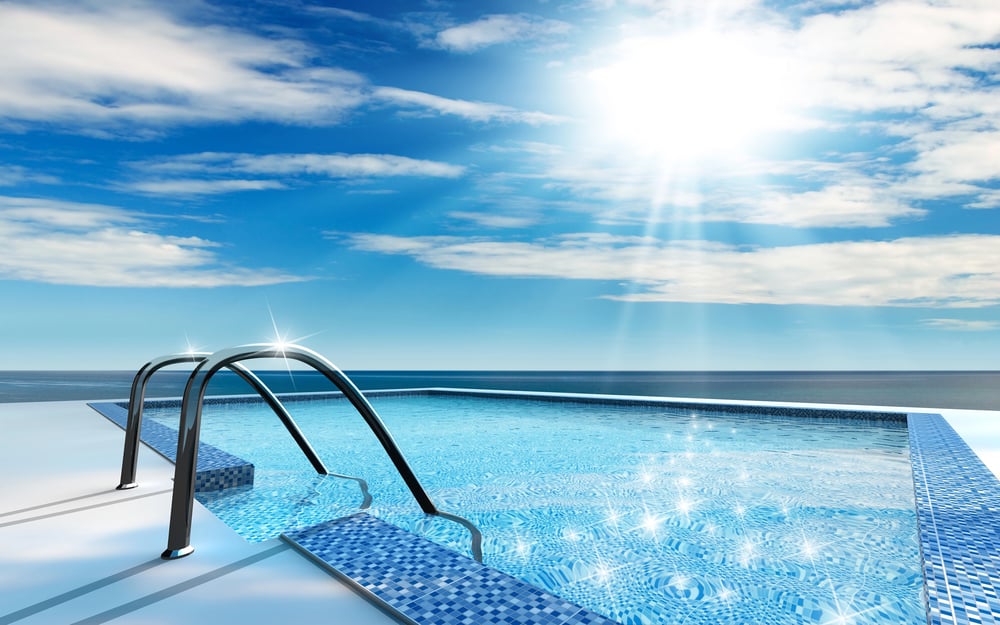
The shocking moment when the head pops out of the sunken boat was actually filmed in editor Verna Fields’ backyard swimming pool. After test audiences screamed during an earlier jump scare, Spielberg wanted to add one more shock. He quickly assembled a small crew to film this additional scene just weeks before the film’s release.
A Cinematic Sea Change
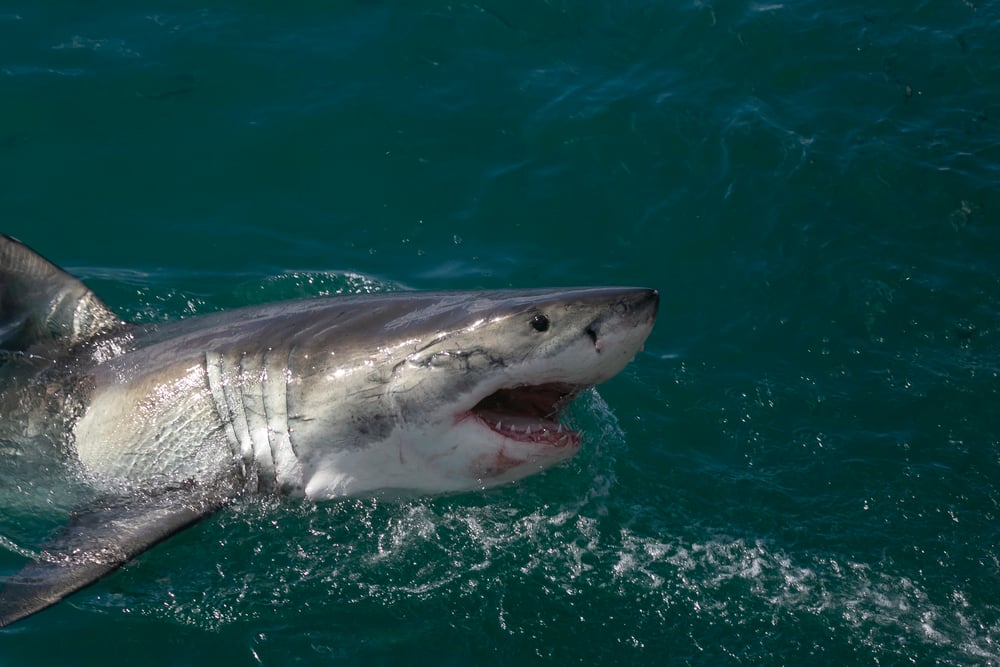
Despite being a nightmare for everyone involved, the problematic “Jaws” production transformed cinema in ways that no one could have foreseen. It not only created the summer blockbuster paradigm that Hollywood still uses today, but it also demonstrated how more innovation may result from technical constraints.
Five decades later, filmmakers still study the suspenseful masterclass that Spielberg’s forced reserve in displaying the shark generated.
More from Go2Tutors!

- The Romanov Crown Jewels and Their Tragic Fate
- 13 Historical Mysteries That Science Still Can’t Solve
- Famous Hoaxes That Fooled the World for Years
- 15 Child Stars with Tragic Adult Lives
- 16 Famous Jewelry Pieces in History
Like Go2Tutors’s content? Follow us on MSN.