How Old Malls Reflect The Rise Of Suburban Culture
The American shopping mall stands as one of the most distinctive architectural and cultural phenomena of the 20th century. These climate-controlled palaces of commerce didn’t just appear randomly across the landscape—they emerged as direct responses to massive demographic shifts happening after World War II.
When families packed up and left crowded cities for spacious suburban homes, they created a vacuum that developers were eager to fill. The mall became both a symptom and a catalyst of suburban expansion, shaping how Americans shopped, socialized, and spent their leisure time for decades.
These sprawling retail destinations tell the story of suburban America better than almost any other structure. Here is a list of 13 ways how old malls reflect the rise of suburban culture.
The Post-War Suburban Exodus Created the Market

The explosion of suburban development after 1945 created thousands of new communities with no shopping infrastructure. Between 1947 and 1952, suburban populations jumped by 43 percent as returning veterans and their families sought affordable housing outside crowded cities.
These new suburbanites had money to spend but nowhere convenient to spend it, forcing them to make long trips back into city centers for anything beyond basic groceries.
The Automobile Made Them Possible

Early shopping centers like Country Club Plaza in Kansas City (1922) and Market Square in Lake Forest, Illinois (1916) were specifically designed around car access. The widespread ownership of automobiles allowed developers to build large retail complexes away from traditional downtown areas, knowing customers could easily drive to them.
Without America’s car culture, the suburban mall would have been impossible—nobody was walking three miles through residential neighborhoods to buy a sweater.
Like Go2Tutors’s content? Follow us on MSN.
Federal Highway Investment Fueled Mall Growth
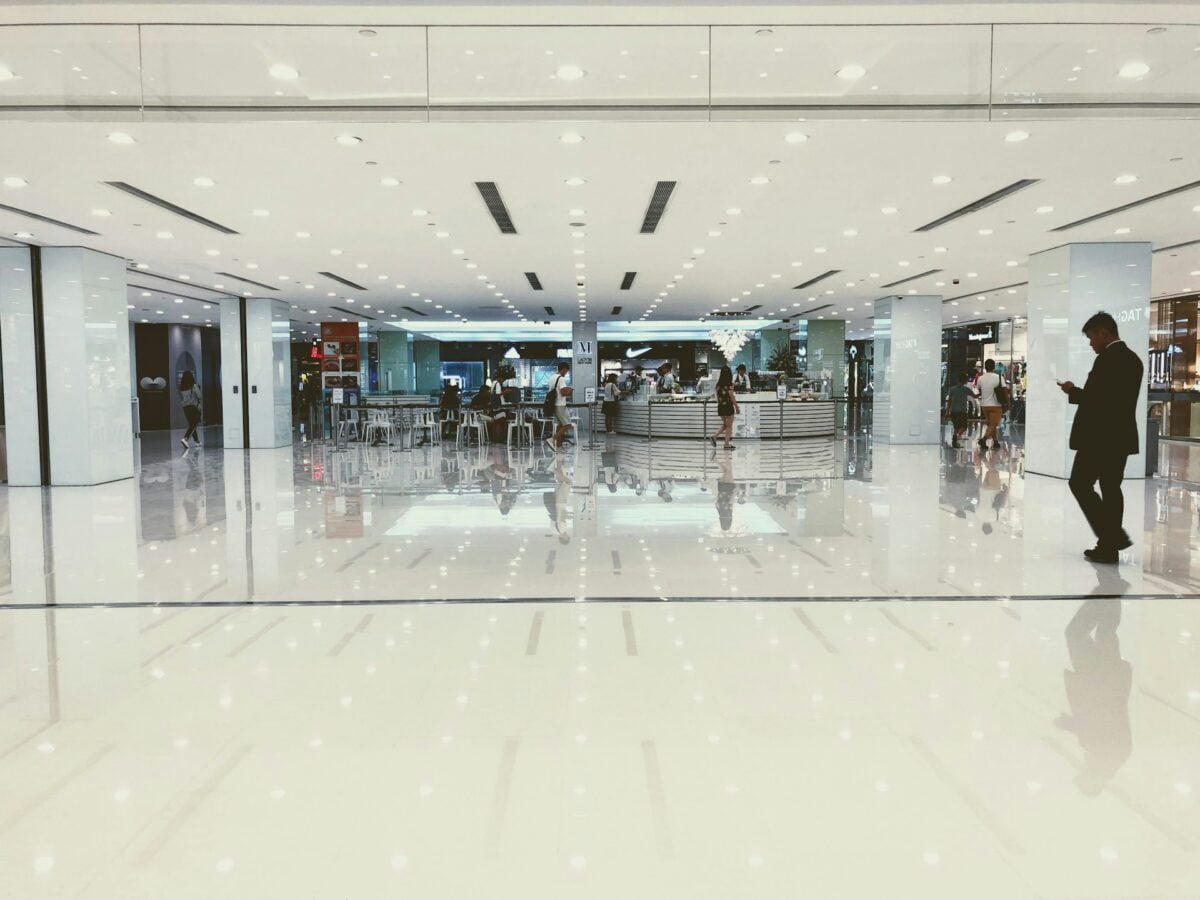
The Interstate Highway System, launched in 1956, created perfect mall locations at highway intersections and exit ramps. Developers quickly learned that a mall positioned near a major highway interchange could draw customers from a 30-mile radius.
These highways didn’t just connect cities—they created entirely new commercial geography where suburban malls became the logical stopping points for car-dependent shoppers.
Victor Gruen’s Vision Was Actually Anti-Suburban

The architect who designed Southdale Center in 1956—the first fully enclosed mall in America—originally intended it as a remedy for suburban sprawl, not an accelerant. Victor Gruen, an Austrian immigrant and socialist urban planner, envisioned dense mixed-use communities with apartments, schools, and medical centers surrounding shopping areas.
Developers ignored everything except the profitable retail core, and ironically, Gruen’s creation became one of suburbia’s defining features.
Climate Control Made Year-Round Shopping Comfortable
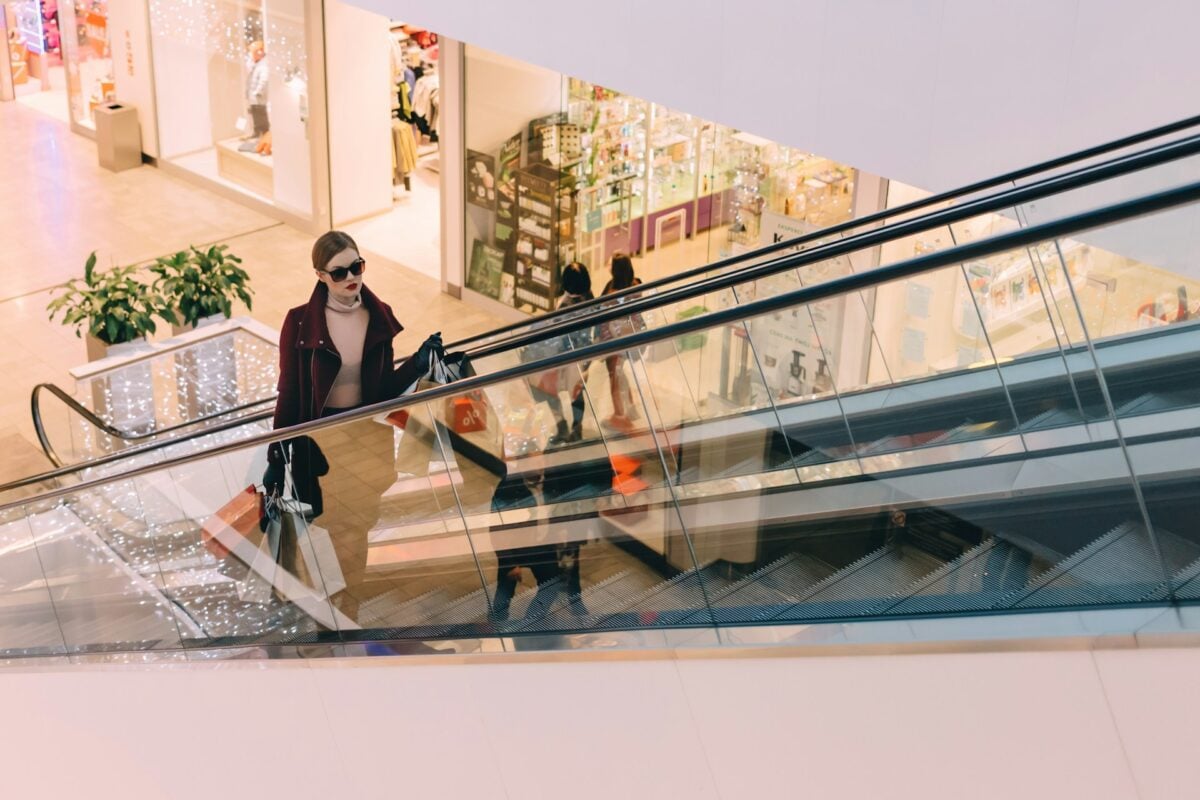
Southdale’s revolutionary enclosed, climate-controlled design meant shoppers in Minneapolis could browse stores in January without freezing. This innovation transformed shopping from a seasonal necessity into a year-round leisure activity.
The controlled environment also kept people inside longer, increasing the likelihood they’d make impulse purchases while staying comfortable in 72-degree air conditioning.
Like Go2Tutors’s content? Follow us on MSN.
Parking Lots Became Seas of Asphalt

Old malls were surrounded by massive parking fields—thousands of spaces sprawling in every direction. Gruen himself eventually denounced these ‘land-wasting seas of parking’ that came to define mall architecture.
The ratio was simple: for every square foot of retail space, developers needed roughly four square feet of parking, which meant malls consumed enormous amounts of land that could have been used for housing or parks.
Department Stores Anchored the Entire Concept
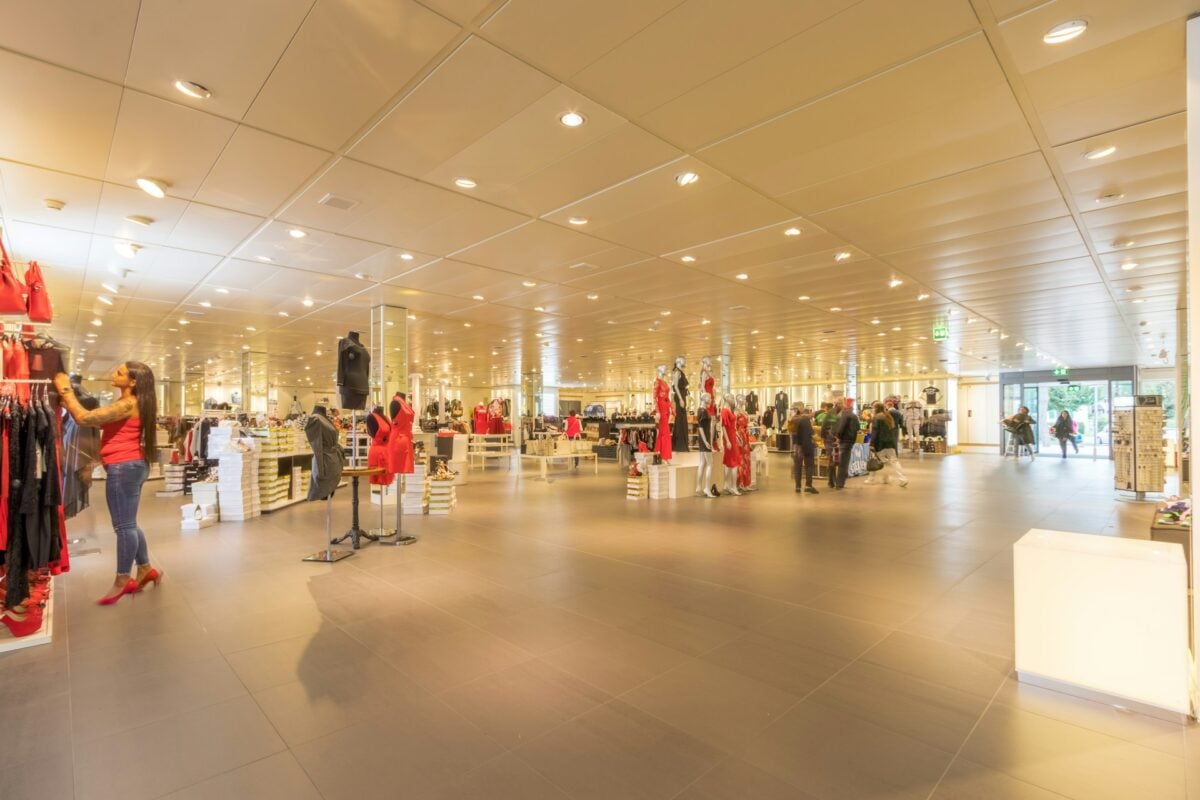
The traditional mall layout positioned major department stores like Sears, JCPenney, or Macy’s at opposite ends, connected by corridors of smaller shops. These anchor stores were the main attraction, powerful enough to negotiate exceptionally low rents and control over everything from signage to parking lot design.
Smaller boutiques survived on the foot traffic flowing between anchors—if a department store closed, it could trigger a death spiral for the entire mall.
They Replaced Downtown Shopping Districts

The first generation of malls built between the mid-1950s and mid-1960s devastated traditional downtown retail areas. Department stores that had been downtown fixtures for generations relocated to suburban malls, pulling the commercial center of gravity away from city cores.
Many downtowns struggled for 25 to 30 years as a result, leaving behind vacant storefronts and crumbling business districts.
Like Go2Tutors’s content? Follow us on MSN.
Malls Became the New Town Square

Developers marketed malls as ‘crystallization points for suburbia’s community life,’ attempting to recreate the civic function of traditional downtown areas. They featured landscaped walkways, fountains, and benches designed to encourage lingering and socializing.
For scattered suburban families living in residential-only neighborhoods, the mall became the closest thing to a public gathering space they had.
Teenagers Made Them Social Hubs
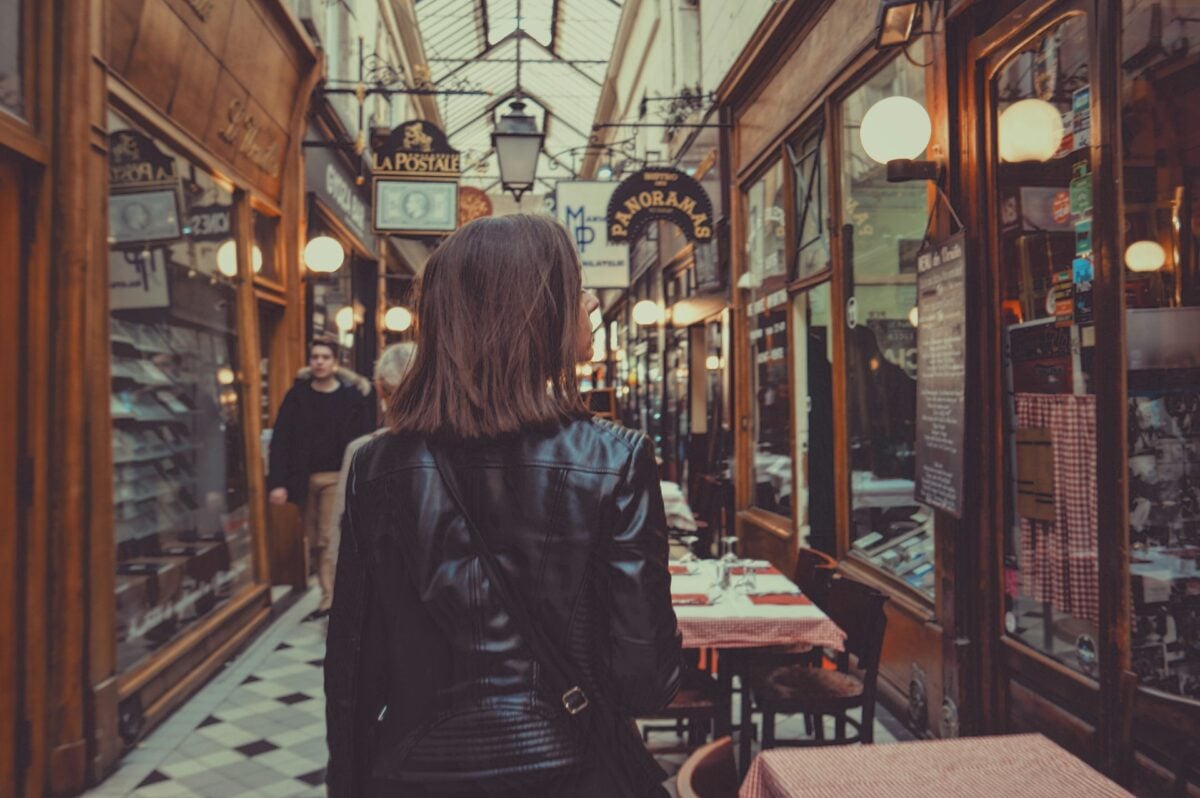
By the 1970s and especially the 1980s, malls had become the default hangout for suburban teenagers. Food courts, arcades, and movie theaters gave young people somewhere to go that didn’t require adult supervision.
The mall offered freedom—you could spend hours there with friends without buying anything, people-watching and experimenting with your identity under fluorescent lights.
They Standardized American Retail
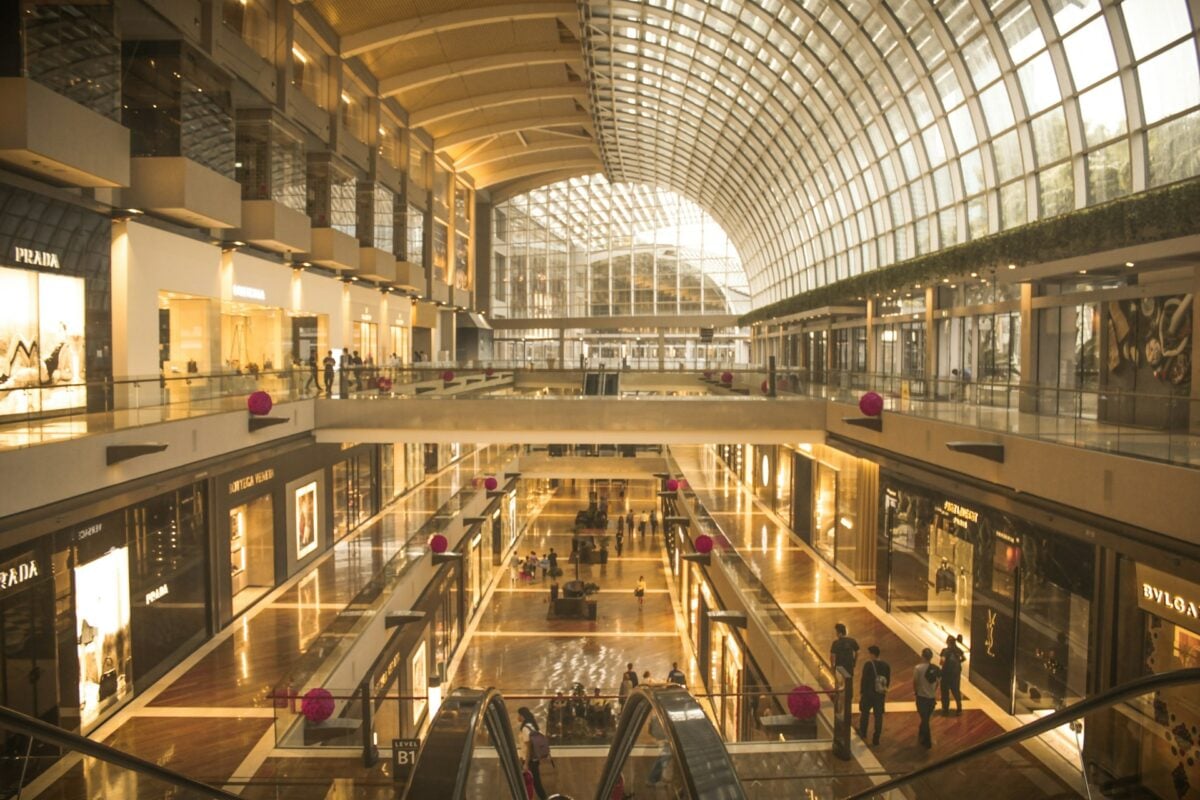
Malls featured mostly chain stores and franchises rather than independent local shops. Insurance companies and large investors who financed mall construction preferred nationally recognized brands with proven track records.
This created a homogenization effect where malls in Texas looked remarkably similar to malls in New Jersey, filled with the same Gap, RadioShack, and Sbarro locations.
Like Go2Tutors’s content? Follow us on MSN.
Architecture Prioritized Inward Focus

Unlike traditional main streets with storefronts facing the sidewalk, malls turned their backs on the surrounding community. Exterior walls were often windowless and fortress-like, with all the action happening inside.
This inward orientation reflected suburban mall culture perfectly—it was a self-contained universe where the outside world literally didn’t matter.
They Required Car Ownership to Access

Malls were typically impossible to reach without a car, sitting at highway intersections far from residential areas with little or no public transportation. This reinforced suburban dependence on automobiles and effectively excluded anyone who couldn’t drive.
The message was clear: these spaces were built for the car-owning middle class, not for everyone.
From Retail Temple to Community Recycling

The most successful old malls today are being converted into mixed-use developments with apartments, offices, medical facilities, and community colleges. Developers are finally implementing Victor Gruen’s original vision seven decades later—turning car-dependent retail boxes into walkable neighborhoods.
What was once the symbol of suburban sprawl is being retrofitted into something resembling traditional urban density, bringing suburban development full circle.
More from Go2Tutors!

- 16 Historical Figures Who Were Nothing Like You Think
- 12 Things Sold in the 80s That Are Now Illegal
- 15 VHS Tapes That Could Be Worth Thousands
- 17 Historical “What Ifs” That Would Have Changed Everything
- 18 TV Shows That Vanished Without a Finale
Like Go2Tutors’s content? Follow us on MSN.