The Wettest Places on the Map
Rain falls everywhere, but some spots on Earth get so much water that umbrellas become a lifestyle. These places don’t just see a few storms each year.
They experience daily downpours that shape everything from the landscape to how people build their homes. The constant moisture creates lush green environments that look almost unreal to visitors from drier climates.
Let’s look at where the rain never seems to stop falling.
Mawsynram, India

This village in northeastern India holds the official title as the wettest place on Earth. Mawsynram gets about 467 inches of rain each year, which is enough to fill a four-story building.
The monsoon season here isn’t just heavy rain. It’s a wall of water that falls from the sky for months without much of a break.
Locals wear special bamboo and banana leaf shields called knups that cover their entire body when they go outside.
Cherrapunji, India

Just 10 miles from Mawsynram sits another contender for the wettest spot on the planet. Cherrapunji used to hold the record before its neighbor took over, but it still gets around 463 inches annually.
The town sits on a plateau that catches moisture-heavy clouds coming up from Bangladesh. Despite all this rain, the area actually faces water shortages in the dry season because the water runs off the hills too quickly to be stored.
Tutunendo, Colombia

Deep in the Colombian jungle, this small town gets hammered with about 463 inches of rain each year. The rain here is different from India’s monsoon pattern though.
Tutunendo sees consistent precipitation throughout the entire year without much seasonal variation. The surrounding rainforest stays so wet that fungi and moss grow on nearly every surface, including buildings that people use every day.
Cropp River, New Zealand

New Zealand’s South Island has a spot that records around 453 inches annually at the Cropp River location. The rain gauge sits in an uninhabited area where mountains force wet air from the Tasman Sea upward.
This creates what meteorologists call orographic lift, which squeezes moisture from clouds like wringing out a towel. The surrounding landscape is a tangle of ferns, mosses, and ancient trees that thrive in the perpetual dampness.
San Antonio de Ureca, Equatorial Guinea

This village on Bioko Island receives approximately 410 inches of rain per year. The island sits in the Gulf of Guinea where warm ocean air constantly feeds moisture into the atmosphere.
Residents have adapted by building homes on stilts and creating extensive drainage systems. The rain comes so reliably that locals plan their entire lives around when it falls heaviest and when brief dry windows appear.
Debundscha, Cameroon
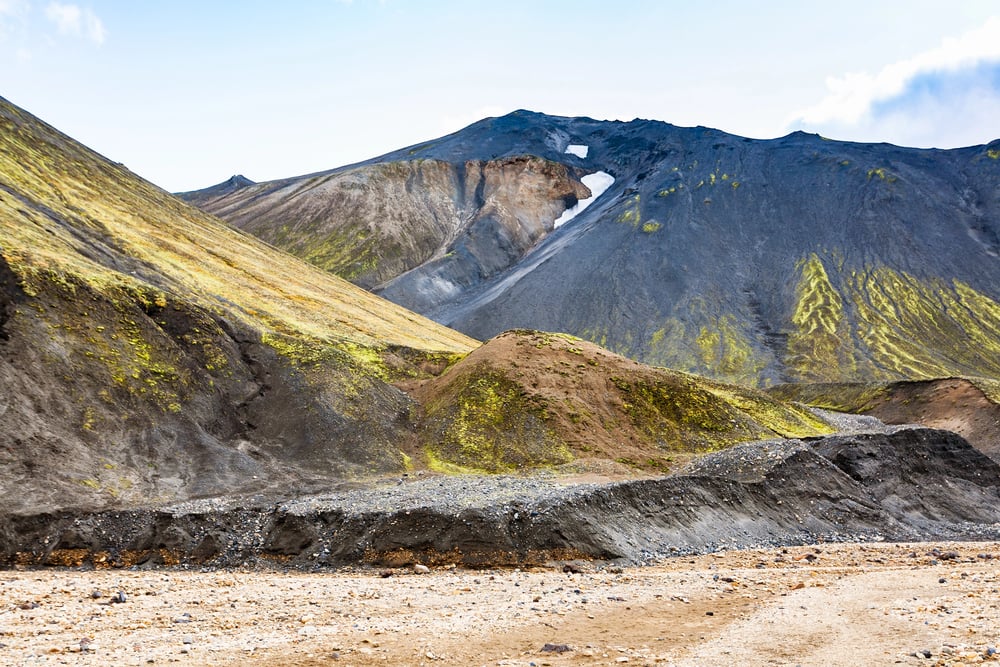
Located at the base of Mount Cameroon, this area gets about 405 inches of rain annually. The mountain creates a barrier that forces Atlantic Ocean moisture upward, causing it to condense and fall as rain.
The soil here is so waterlogged that only certain plants can survive without rotting. Farmers have learned which crops can handle the constant wetness and which ones will simply drown in the ground.
Big Bog, Hawaii

Maui’s interior holds this extremely wet location that receives around 404 inches each year. The Hawaiian Islands create their own weather patterns by interrupting Pacific trade winds.
Big Bog sits at an elevation where clouds constantly form and release their moisture. The area is largely uninhabited because building anything permanent requires constant maintenance against the relentless dampness and mold growth.
Waiaʻalealeʻ, Hawaii

This mountain peak on Kauai gets about 373 inches of rain per year and holds the title for most rainy days recorded anywhere. The summit sees rain roughly 335 days annually, which means clear skies are rare events worth celebrating.
The crater at the top has turned into a massive wetland ecosystem. Local legends say the peak is home to weather gods, which makes sense when you see clouds form there seemingly out of nowhere.
Kukui, Hawaii

Another Hawaiian location, Kukui on Maui’s eastern slopes, receives approximately 365 inches annually. The rain here comes primarily from trade winds pushing moisture against the island’s volcanic mountains.
The runoff from these slopes feeds numerous waterfalls and streams that make the area look like a natural water park. Hikers visiting the region need waterproof gear even on days that start out sunny.
Quibdo, Colombia

This city of about 100,000 people gets roughly 354 inches of rain each year. Unlike some remote wet spots, Quibdo is an actual functioning city where people deal with extreme rainfall as part of daily life.
Streets turn into rivers during heavy downpours, and residents use boats as backup transportation. The city’s economy has adapted too, with most commerce happening in covered markets and shops designed with drainage in mind.
Mount Waialeale, Hawaii

Another measurement point on the same Hawaiian peak gets around 350 inches per year. Different sides of the mountain record different amounts based on which direction storms approach from.
The constant moisture has carved deep valleys into the volcanic rock over thousands of years. These valleys channel rainwater into spectacular waterfalls that drop hundreds of feet into pools below.
Lloro, Colombia

This Colombian town sits in the Choco region and receives about 348 inches of precipitation annually. The area’s position near the Pacific coast and against mountain ranges creates perfect conditions for constant rain.
Lloro’s residents have developed unique architectural styles with steep roofs and wide overhangs to keep water away from foundations. Laundry never fully dries outside, so indoor drying spaces are essential in every home.
Mulu, Malaysia

The area around Gunung Mulu National Park gets approximately 340 inches of rain each year. This constant precipitation has helped create some of the world’s largest cave systems.
Water continuously dissolves the limestone bedrock and carves new passages underground. The caves here are so extensive that some chambers could fit entire city blocks inside them with room to spare.
Emeishan, China

This mountain region in Sichuan province receives around 322 inches of rain annually. The area is sacred in Buddhism, with monasteries built on the slopes despite the challenging conditions.
Monks and visitors deal with fog and rain so thick that visibility sometimes drops to just a few feet. The moisture keeps the mountain covered in lush vegetation that changes dramatically with elevation.
Monrovia, Liberia

Africa’s wettest capital city gets about 202 inches of rain per year. The rainy season here runs from May to October, with July and August seeing the heaviest downpours.
Monrovia’s infrastructure struggles with this volume of water, and flooding is common in lower areas. Despite the challenges, the rain supports dense tropical vegetation in areas surrounding the city.
Yakushima Island, Japan

This Japanese island receives approximately 200 inches annually, with higher elevations getting even more. The rain supports ancient cedar forests, some with trees over 1,000 years old.
The island inspired the animated film ‘Princess Mononoke’ because of its mystical, always-wet appearance. Residents and tourists alike accept that rain gear is necessary every day, regardless of the forecast.
Bogor, Indonesia

Beneath Jakarta lies Bogor, where skies pour nearly 175 inches of water annually. Thunder rumbles here so often people call it the Rain City without hesitation.
Storms crash every afternoon like clockwork, shaping how residents schedule their days. Mornings become the go-to window for anything outside.
Within this soaked landscape grows the Bogor Botanical Gardens, thriving on constant downpours. Drenched soil feeds a vast array of plants few places can match.
Reality takes form when rain begins to fall

Downpours here do more than soak the ground – they shape whole ways of living. Where rain never really stops, people treat dampness like a familiar presence, not a surprise guest.
Life adapts – houses rise off muddy soil, traditions grow around gray skies, mornings begin with dripping eaves. Instruments measure rainfall now, yet villagers already understood – the map has zones where clouds settle in for good.
Rain owns these patches of land, full stop.
More from Go2Tutors!

- The Romanov Crown Jewels and Their Tragic Fate
- 13 Historical Mysteries That Science Still Can’t Solve
- Famous Hoaxes That Fooled the World for Years
- 15 Child Stars with Tragic Adult Lives
- 16 Famous Jewelry Pieces in History
Like Go2Tutors’s content? Follow us on MSN.