These 20 Famous Companies Started as Something Completely Different
From selling seashells to becoming an energy empire, or transforming from a wooden toy workshop to a plastic brick phenomenon, many of today’s corporate giants began with surprisingly different business models. These remarkable transformations—like Nintendo’s evolution from playing cards to video games, or Tiffany’s journey from stationery store to luxury jeweler—show how companies can reinvent themselves entirely.
Here are 20 fascinating stories of corporate metamorphosis that changed business history.
Nintendo

The gaming company that brought us Mario and Zelda began in 1889 as a handmade playing card company in Kyoto, Japan. Before electronic entertainment existed, Nintendo produced traditional Japanese playing cards called hanafuda.
The company later experimented with taxi services, instant rice, and love hotels before finding its true calling in video games during the 1970s.
Tiffany & Co.
The luxury jewelry retailer started in 1837 as a “stationery and fancy goods” store in New York City. Their original inventory included paper, pens, umbrellas, and various novelty items.
The shift to fine jewelry happened gradually over decades, with the company finally cementing its reputation as America’s premier jeweler after purchasing the French crown jewels in 1887.
Nokia
This telecommunications company began as a paper mill in Finland in 1865. The founders established their factory near the Nokia River, which gave the company its name.
Over the next century, Nokia expanded into rubber products, cables, electronics, and eventually mobile phones in the 1980s. Few customers who purchased Nokia rubber boots in the early 1900s could have predicted the company’s future in cutting-edge technology.
Wrigley
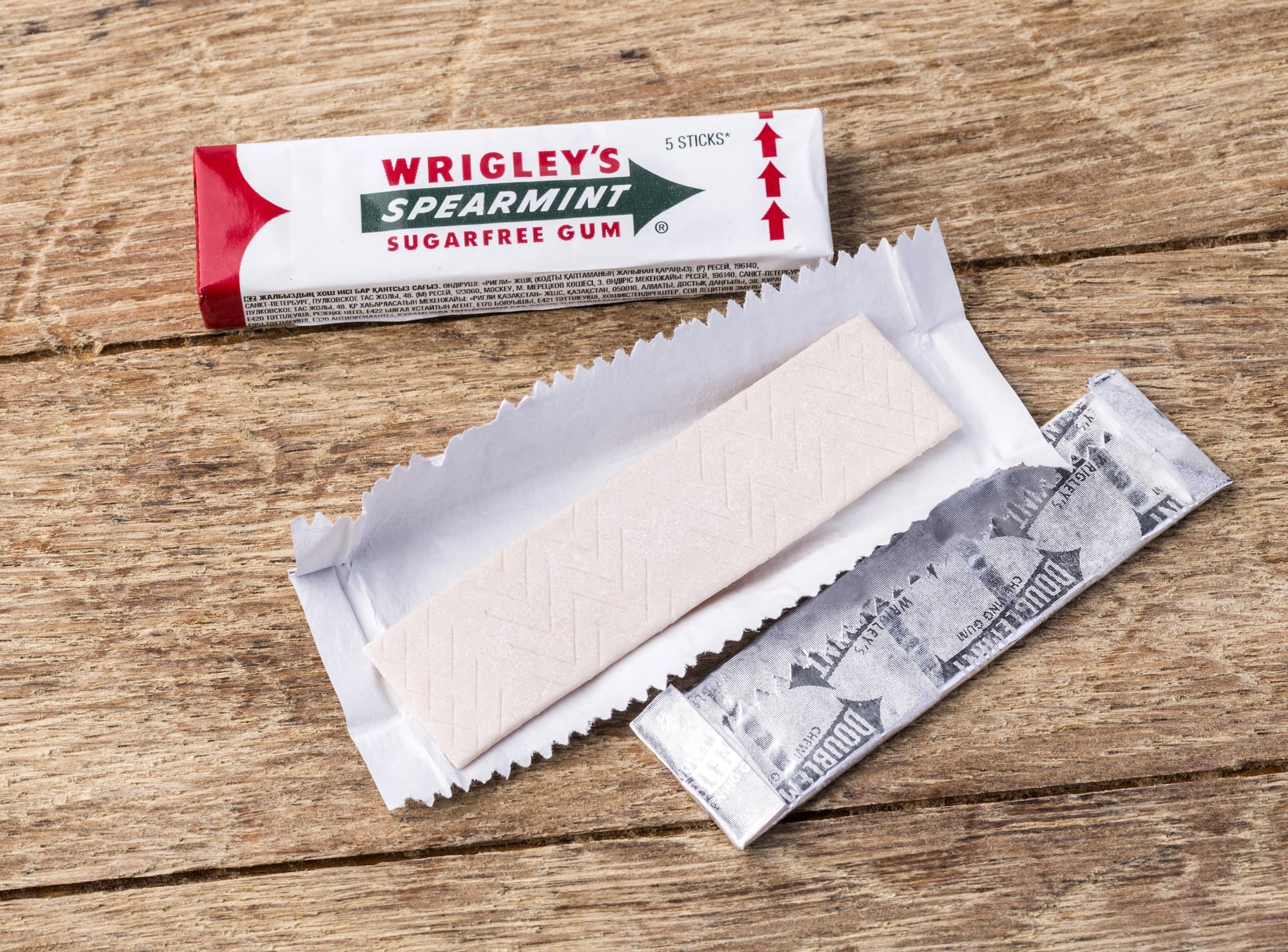
William Wrigley Jr. founded his company in 1891 as a soap and baking powder business. When he offered free packs of chewing gum as promotional items with his products, customers showed more interest in the gum than his original merchandise.
Recognizing this opportunity, Wrigley pivoted his entire business model to chewing gum production in 1892, transforming a promotional gimmick into the foundation of a confectionery empire.
Hasbro

The toy manufacturing giant started in 1923 as a textile remnant company called Hassenfeld Brothers. They initially sold cloth for hat liners and school supplies before making the switch to toys in the 1940s.
Their first toy success came with doctor and nurse kits, followed by the iconic Mr. Potato Head in 1952, launching the company into the toy industry’s upper echelon.
Avon
The cosmetics giant began in 1886 when door-to-door book salesman David H. McConnell noticed his female customers were more interested in the free perfume samples he offered than the books. McConnell wisely pivoted to selling perfumes and established the California Perfume Company, which later became Avon.
The direct-sales model remained, but the products changed completely.
American Express
Now known for credit cards and financial services, American Express was founded in 1850 as an express mail delivery service. The company transported packages, money, and valuables by horse and stagecoach.
They introduced money orders in 1882 and traveler’s checks in 1891, gradually transitioning to financial services before finally introducing their first charge card in 1958.
3M
The company behind Post-it Notes and Scotch Tape started in 1902 as the Minnesota Mining and Manufacturing Company. Their initial focus was on mining corundum, a mineral they planned to use for making grinding wheels.
When the mining operation failed, they pivoted to producing sandpaper and eventually diversified into thousands of innovative products across multiple industries.
IBM

International Business Machines began in 1911 as the Computing-Tabulating-Recording Company, making a range of products including meat slicers, coffee grinders, and punched card equipment. Their unusual combination of business interests eventually narrowed toward data processing equipment.
The company adopted the IBM name in 1924 and gradually transformed into the computing giant we know today.
Lamborghini

After World War II, Ferruccio Lamborghini launched a business making tractors from repurposed military equipment. However, his path to luxury sports cars began with frustration.
When he had mechanical issues with his personal sports car, he was unhappy with the manufacturer’s response. Determined to do better, he decided to build his own high-performance car, leading to the birth of Lamborghini’s automotive division in 1963.
Colgate

Colgate wasn’t always about toothpaste. When William Colgate started the company in 1806, he focused on soap and candles, not oral care.
It wasn’t until 1873—nearly 70 years later—that Colgate introduced its first toothpaste, which came in a jar rather than a tube. The company didn’t start selling toothbrushes until 1908.
Gucci
Long before Gucci became a symbol of high fashion, it was a small luggage shop in Florence, Italy. In 1921, founder Guccio Gucci, who had worked at London’s Savoy Hotel, noticed the elegant luggage of wealthy travelers.
Inspired by their style, he started selling imported luggage and leather goods. Over time, the brand evolved into one of the biggest names in luxury fashion.
Berkshire Hathaway

Before Warren Buffett turned it into an investment empire, Berkshire Hathaway was a struggling textile manufacturer. In the 1960s, Buffett began buying shares and eventually took control, using the company as a vehicle for investing in insurance and other industries.
Although the textile business never recovered, Buffett’s strategic investments transformed Berkshire Hathaway into one of the world’s most valuable companies.
Marriott
The global hotel chain started in 1927 as a nine-seat root beer stand in Washington, D.C. Founders J. Willard and Alice Marriott partnered with Hugh Colton to create the Hot Shoppe, a restaurant serving hot food during cold D.C. winters.
The company expanded into food service and catering before opening its first hotel in 1957. Today, their original root beer business seems worlds away from their luxury accommodations.
Shell

The energy giant began in 1833 as a small shop in London that sold antiques and oriental seashells—which explains the company name and logo. Marcus Samuel expanded the business to import and export various goods before his sons recognized the potential of the oil transport business in the 1890s.
They commissioned the first dedicated oil tankers and transformed the company into the energy corporation we know today.
Twitter/X

Before becoming a social media platform, Twitter began as a podcasting company called Odeo. When Apple announced its podcasting platform in 2005, Odeo needed to pivot quickly.
During a brainstorming session, Jack Dorsey proposed a short message service that would allow users to communicate their status to friends. This idea evolved into Twitter, completely abandoning the original podcasting concept.
Shopify

Shopify started in 2004 as an online snowboard equipment store called Snowdevil. Frustrated with existing e-commerce solutions, founders Tobias Lütke and Scott Lake built their own platform.
Their custom solution worked so well that they shifted focus from selling snowboards to offering their platform to other merchants, launching Shopify in 2006.
Slack

Slack wasn’t originally meant to be a workplace messaging tool. It started as an internal communication system for a video game company.
When the game they were developing failed commercially, the team realized their chat tool had potential. Instead of shutting down, they pivoted to focus on the messaging platform, which eventually became Slack.
Samsung
Samsung’s beginnings were far from high-tech. When it was founded in 1938, the company was in the business of exporting dried fish, vegetables, and fruit from Korea to China.
Later, it expanded into flour mills and confectionery. It wasn’t until the late 1960s that Samsung entered the electronics industry, producing its first black-and-white television in 1970. Few could have predicted that a food exporter would transform into a leading smartphone manufacturer.
Lego

The iconic toy brick manufacturer started as a wooden toy company in 1932. Danish carpenter Ole Kirk Christiansen began making wooden toys during the Great Depression when demand for furniture declined.
The company only started producing the plastic interlocking bricks we know today in 1949, with the modern brick design finalized in 1958. From wooden ducks to complex building sets, Lego’s evolution mirrors the changing toy industry itself.
The Evolution of Business

The stories of these companies prove that adaptability is key to long-term success. Many of them thrived not because they stuck to their original ideas, but because they were willing to change direction when new opportunities arose.
Their legacies aren’t just in their products, but in their ability to reinvent themselves when it mattered most.
As the business world continues to evolve, today’s startups may undergo similar transformations. Who knows which unexpected pivots will shape the next century’s biggest brands?
More from Go2Tutors!

- The Romanov Crown Jewels and Their Tragic Fate
- 13 Historical Mysteries That Science Still Can’t Solve
- Famous Hoaxes That Fooled the World for Years
- 15 Child Stars with Tragic Adult Lives
- 16 Famous Jewelry Pieces in History
Like Go2Tutors’s content? Follow us on MSN.



