Things Every Family Kept in the Hall Closet in the 1960s
The hall closet in a 1960s home was more than storage space — it was the family’s command center, hiding spot, and archive all rolled into one cramped, mysterious corner. Open that door and you’d find a carefully curated collection of necessities, keepsakes, and random objects that somehow became essential to daily life.
These weren’t items displayed for guests or organized with any particular system. They were the practical, unglamorous things that kept a household running, tucked away but always within reach when needed.
Winter Coats and Galoshes

Heavy wool coats hung like sentinels in every family’s hall closet. The thick, scratchy kind that lasted decades and weighed enough to double as workout equipment.
Galoshes sat below them in neat pairs. Black rubber boots that slipped over dress shoes, because walking through slush in leather was something only tourists did.
Everyone owned a pair, and everyone hated putting them on.
Board Games with Missing Pieces
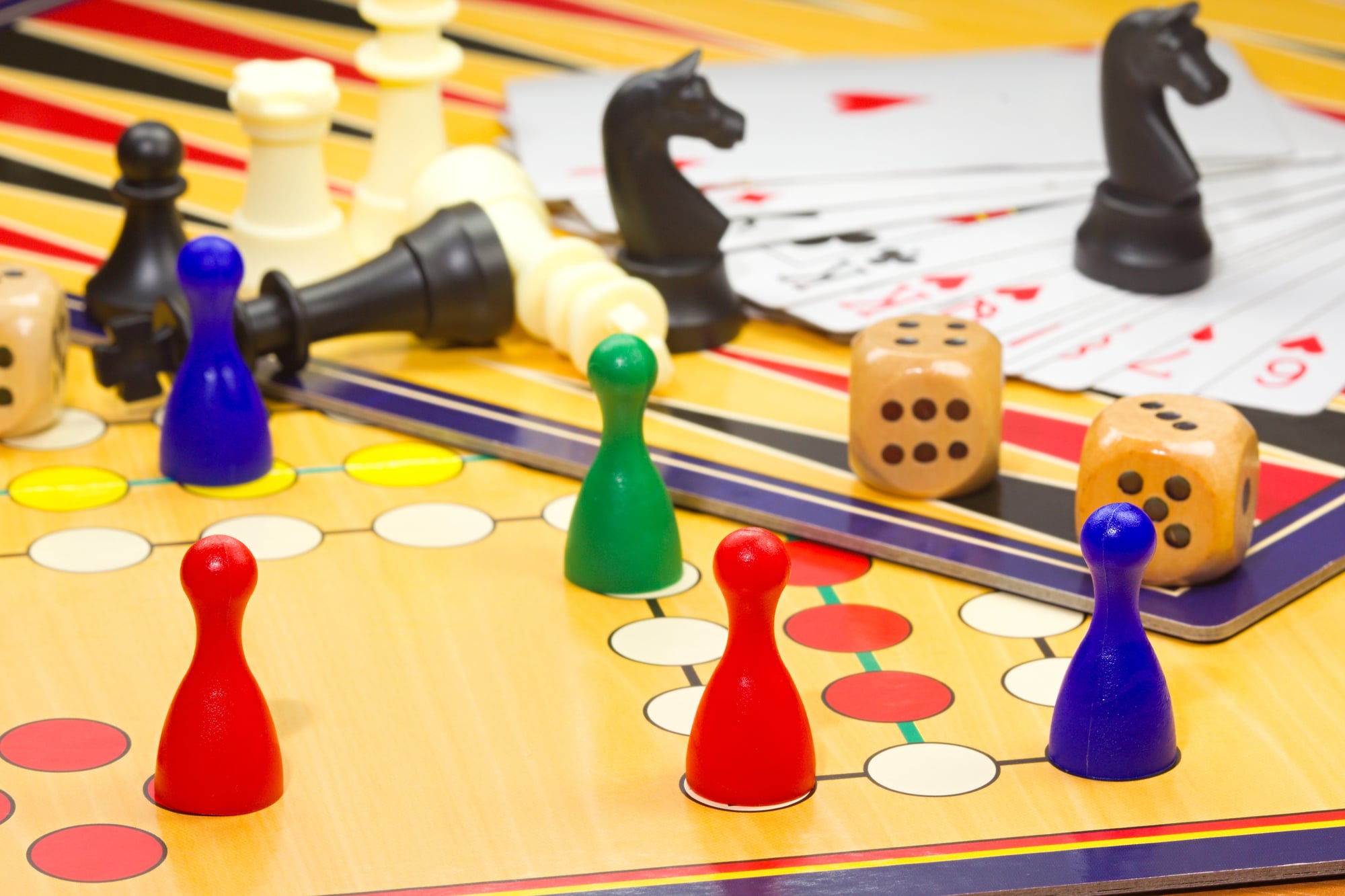
Monopoly boxes held together with masking tape sat stacked next to Scrabble sets missing half the vowel tiles. The games still got played, of course — families just improvised with makeshift pieces torn from cereal boxes or borrowed from other sets.
A good board game could survive decades of abuse, and most did. Missing pieces became part of the game’s character, not a reason to throw it away.
These were the entertainment systems of the era, reliable and indestructible, stored in closets until Saturday nights when the television offered nothing worth watching.
Photo Albums and Loose Pictures
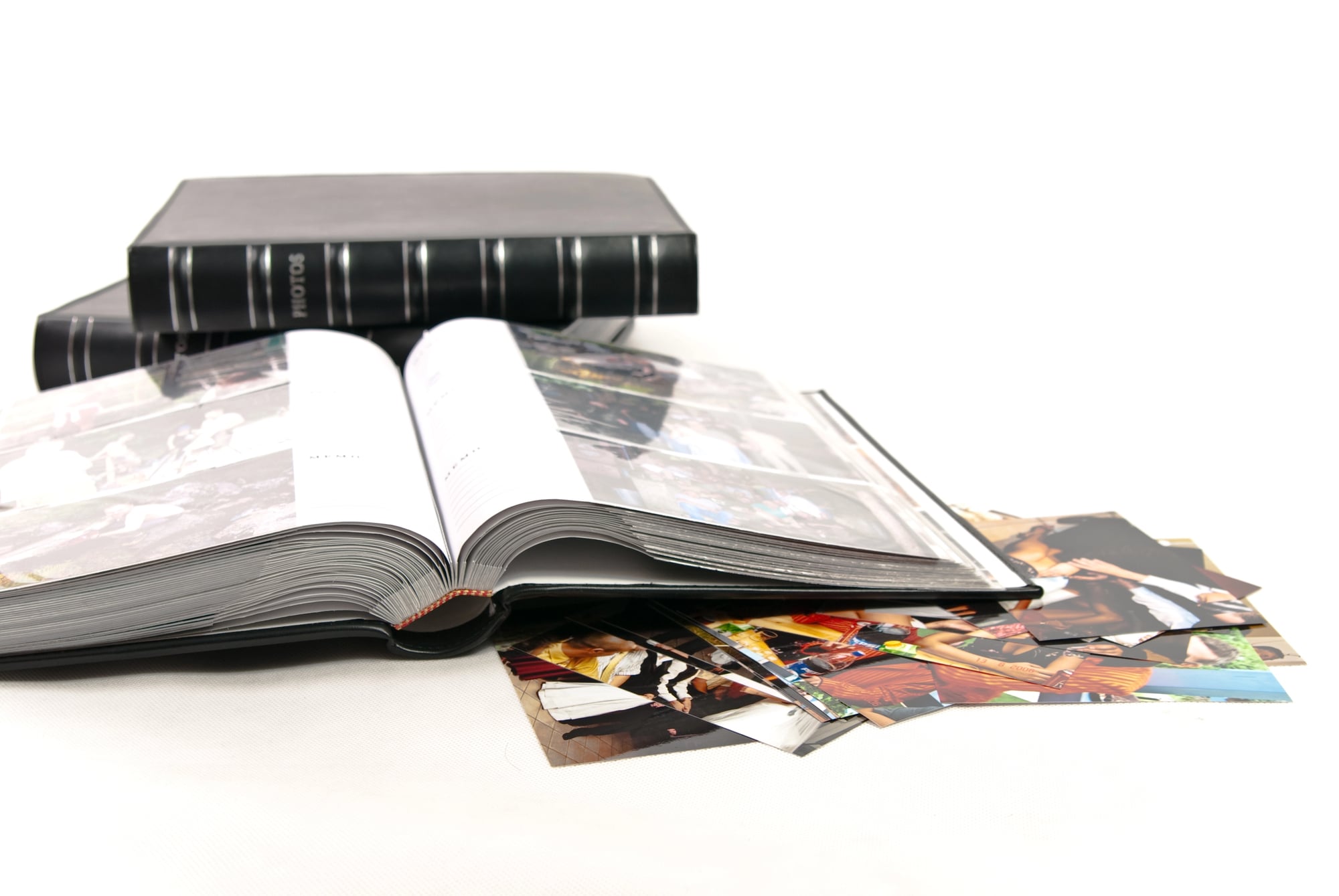
There’s something about photographs that refuses to stay organized, the way memories themselves resist neat chronological filing — and the 1960s hall closet became the unofficial archive for every snapshot that mattered but didn’t quite earn a frame. Thick albums with black pages and corner tabs held the formal pictures: Christmas mornings, birthday parties, vacation poses where everyone squinted into the sun.
But the loose photos were different; they captured the unguarded moments between the staged ones, blurry shots of kids mid-laugh or adults caught off guard. These were the pictures that got shuffled through during boring afternoons, each one carrying a story that got retold slightly differently every time someone found it again.
Christmas Decorations
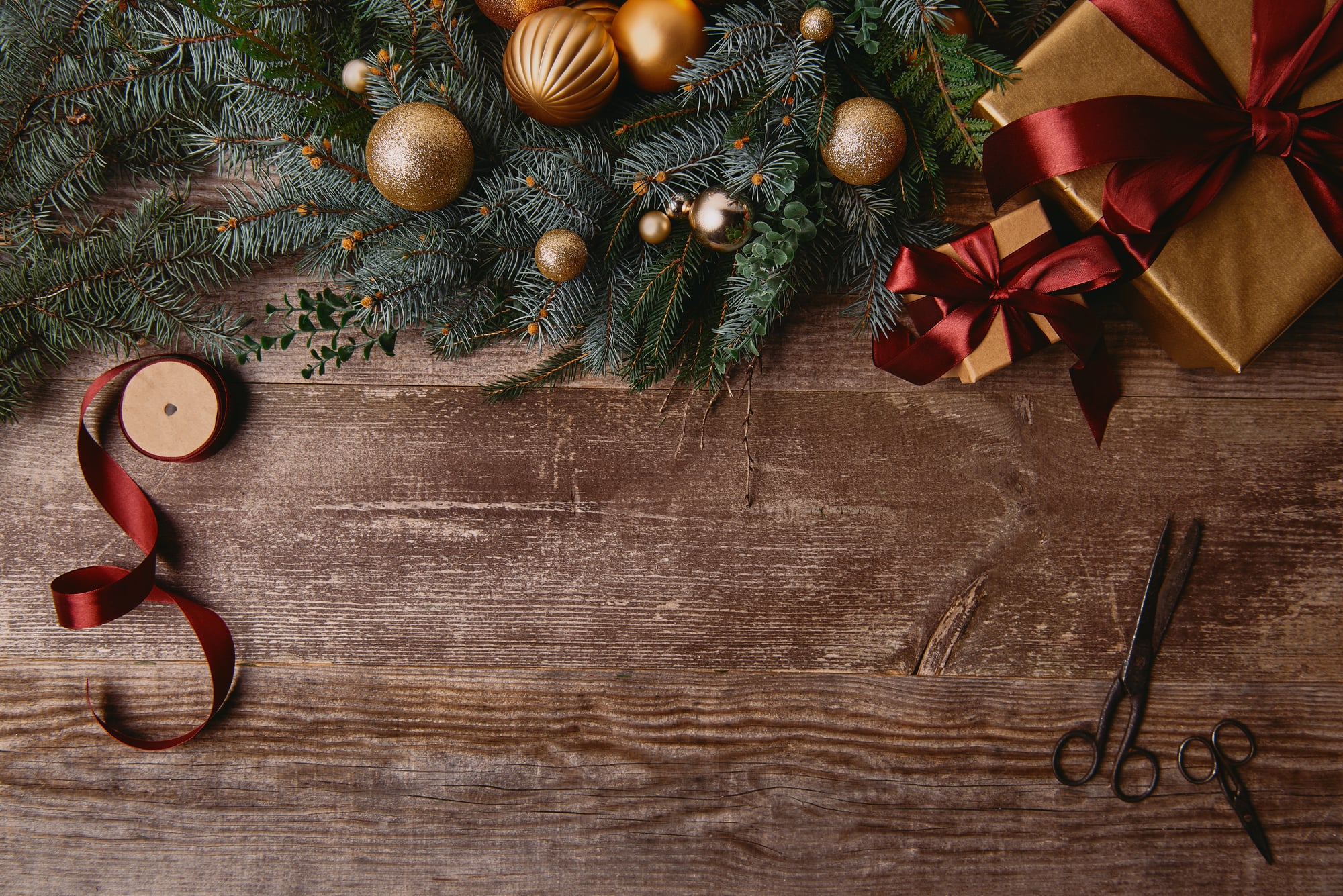
Christmas decorations deserved better storage than the hall closet provided, but that’s where they ended up anyway. Tangled strings of lights that would take an hour to untangle each December.
Ornaments wrapped in tissue paper, half of which had lost their hooks by the time the next Christmas rolled around.
The artificial tree came apart in sections that never quite fit back into the original box. So it got shoved into whatever corner remained, along with the wreaths and garland that shed fake pine needles year-round.
Finding everything in working condition come December was its own small miracle.
Flashlights and Batteries
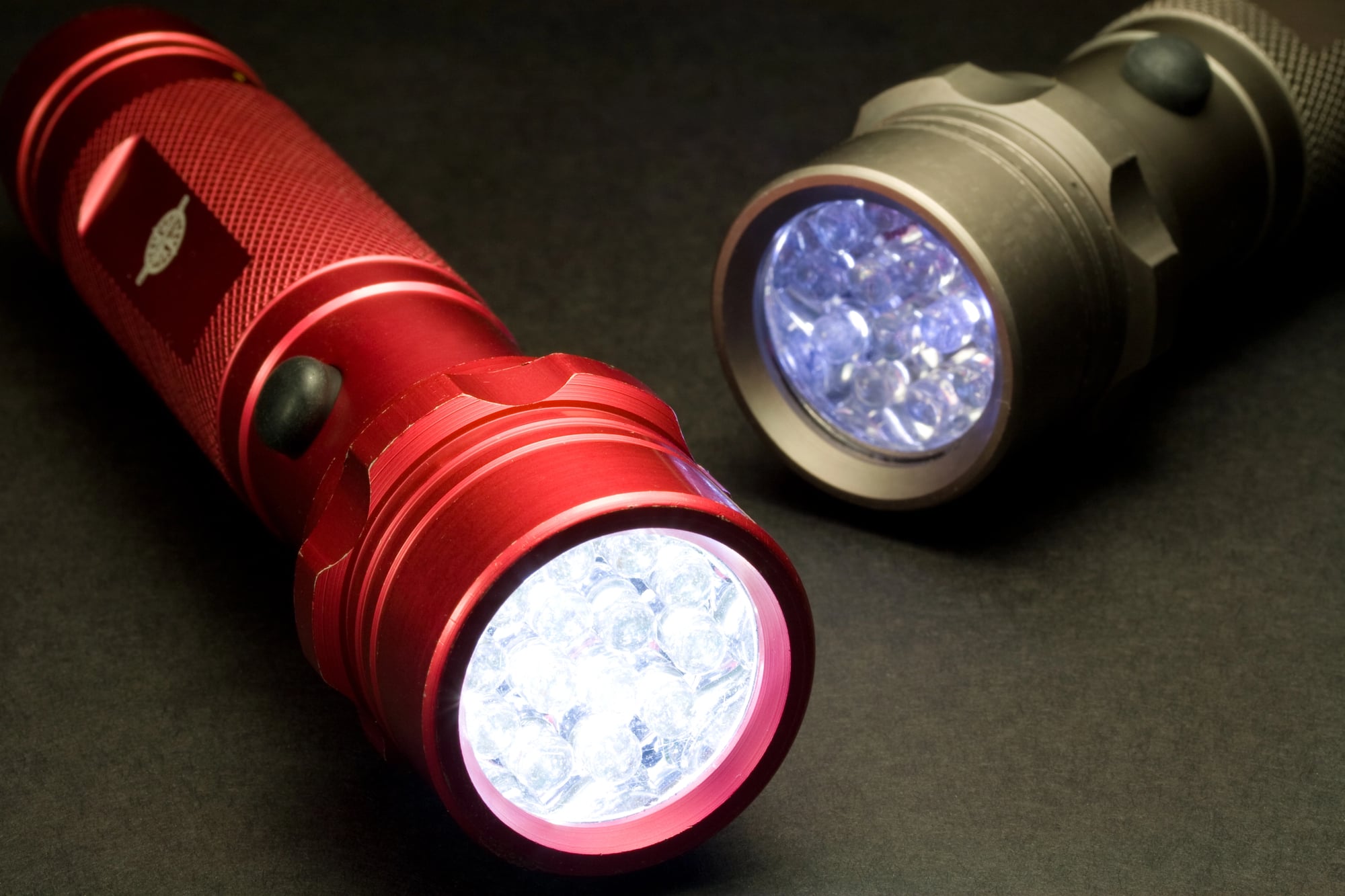
Every household kept flashlights in the hall closet — heavy metal ones that could double as weapons and smaller plastic versions that actually worked when needed. Half the batteries had leaked that chalky white residue that meant you’d be making an emergency trip to the hardware store during the next power outage.
The smart families kept spare batteries in the same spot. The rest learned this lesson the hard way, fumbling through dark houses with dead flashlights while storms knocked out power lines.
Preparedness wasn’t paranoia back then; it was common sense.
Medicine and First Aid Supplies
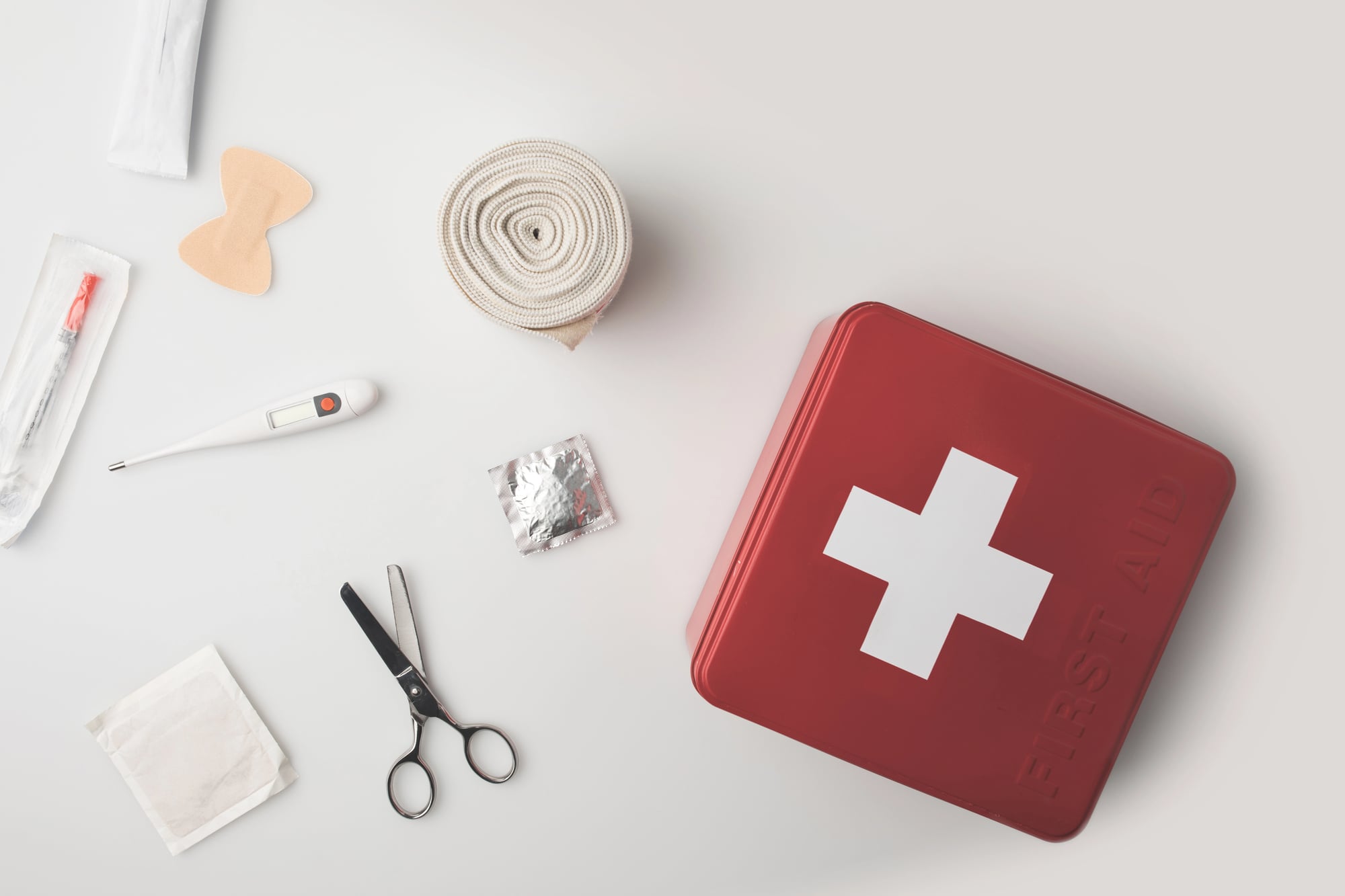
Band-aids lived in hall closets alongside bottles of aspirin and mercurochrome that stained everything orange (mercurochrome was the antiseptic of choice before people figured out it contained mercury — which explains a lot about the 1960s, when you think about it). The first aid kit was usually a metal box with a red cross painted on it, filled with gauze that had gone slightly yellow and adhesive tape that had lost most of its stick.
But it served its purpose during childhood emergencies: scraped knees, paper cuts, and the occasional mishap with playground equipment that required more than a mother’s kiss to fix. These supplies sat waiting in the closet like a medical insurance policy, rarely needed but comforting to know they were there.
Playing Cards and Poker Chips
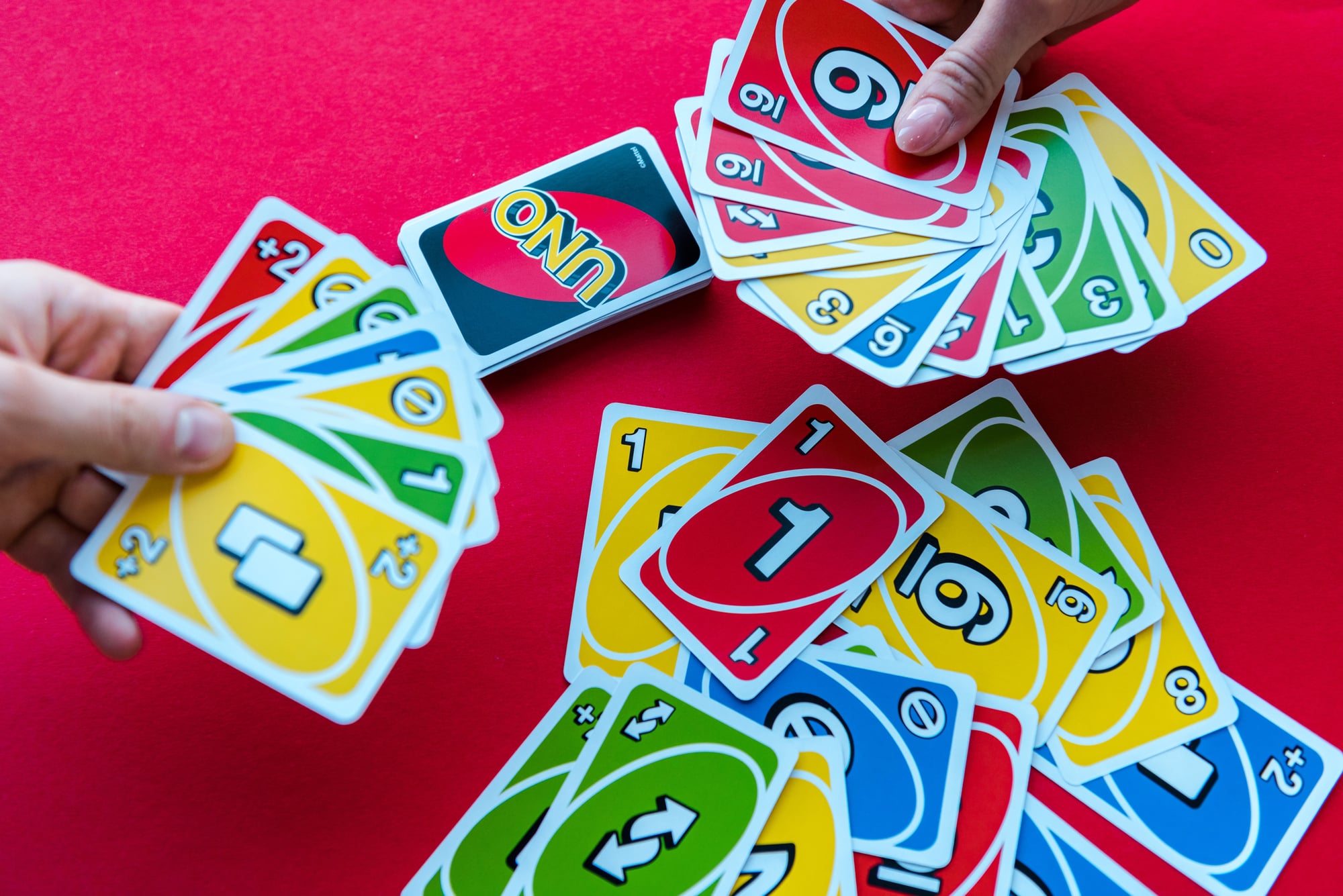
Decks of cards with bent corners and faded faces occupied prime real estate in every family’s stash. These weren’t collectible cards — they were workhorses that survived thousands of hands of gin rummy, bridge, and poker.
Poker chips came in sets of white, red, and blue, stored in round containers that rattled when shaken. Even families that never gambled kept poker chips around.
They served as game pieces, counters for keeping score, and currency for teaching kids basic math. The chips had weight and substance that made every game feel slightly more official.
Umbrellas

Broken umbrellas gathered in hall closets like wounded soldiers. Half had bent spokes that turned them inside out with the first strong wind.
The other half had handles that had come loose or fabric that leaked more than it repelled.
Yet families kept them anyway, because a partially functional umbrella was better than getting soaked. Plus, fixing umbrellas was still considered worth the effort back then.
People mended things instead of replacing them, even when the repairs never quite worked right.
Tools and Hardware
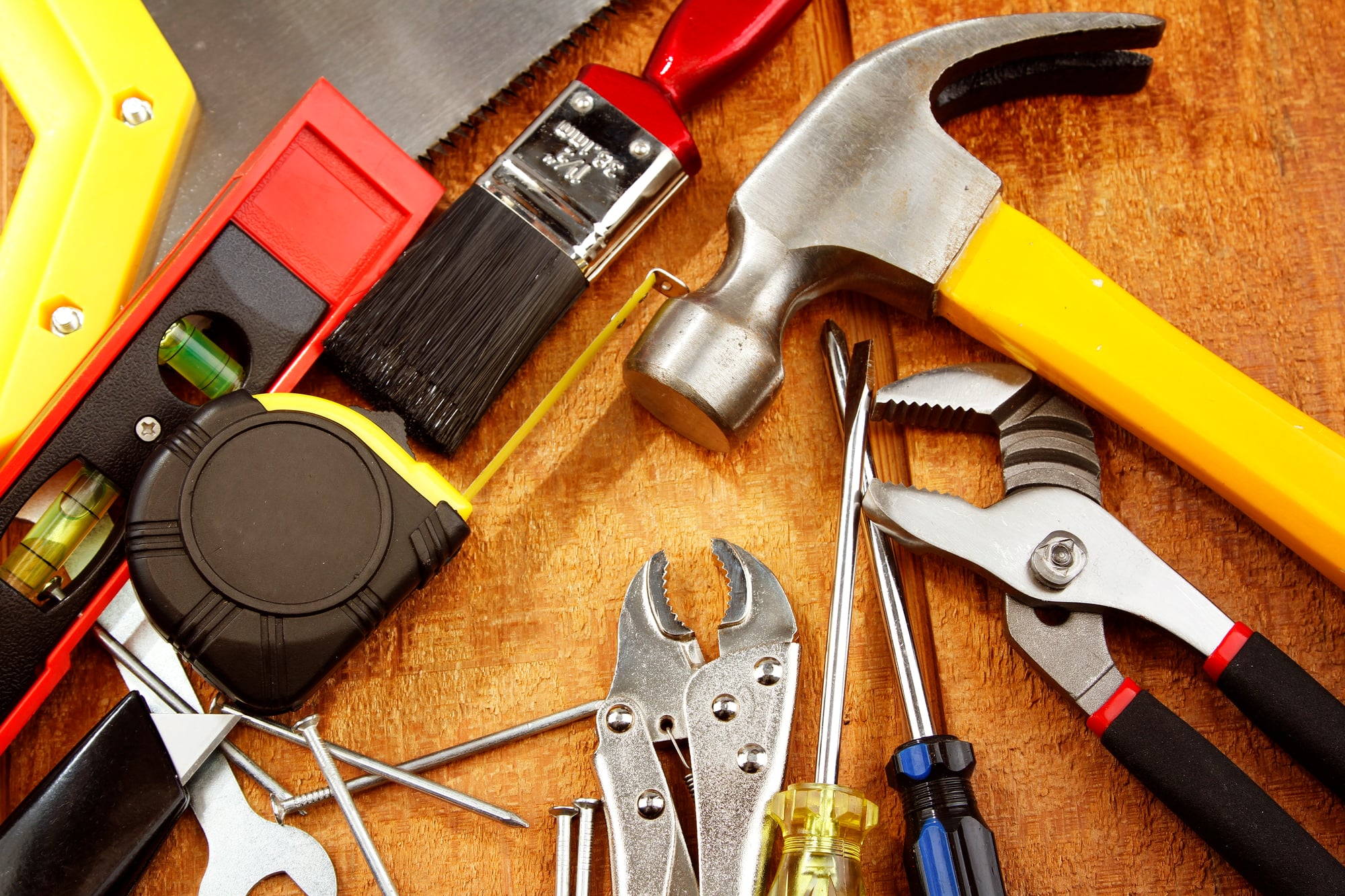
A coffee can filled with screws, nails, and miscellaneous hardware sat in most hall closets next to a basic hammer and screwdriver set. These weren’t serious tools — those lived in the garage or basement workshop.
These were the convenience tools for quick fixes around the house.
Picture hanging, loose cabinet handles, squeaky door hinges — all required trips to the hall closet for supplies. The coffee can rattled with decades’ worth of accumulated fasteners, most of which had outlived their original purpose but might come in handy someday.
That someday rarely arrived, but the can kept growing anyway.
Shoe Polish and Brushes
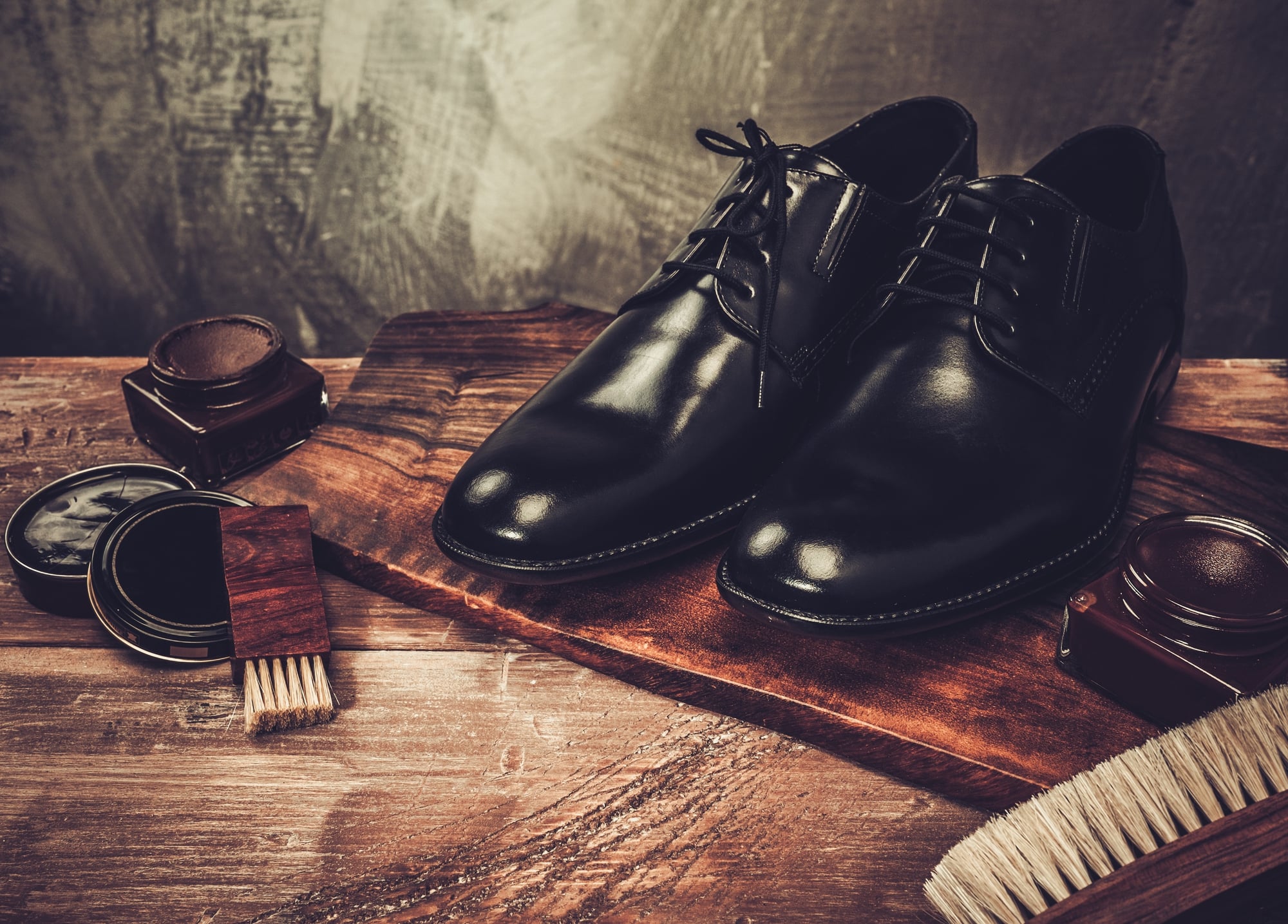
Leather shoes required maintenance in the 1960s, and every family kept the supplies for proper care tucked away in their hall closet. Small round tins of black and brown polish sat alongside horsehair brushes and soft rags cut from old t-shirts.
Sunday shoes got the full treatment: cleaning, polishing, and buffing until they reflected light like mirrors. Even everyday shoes received regular attention, because worn leather marked you as someone who didn’t take care of their belongings — which was a character judgment no respectable family wanted to invite.
The ritual of shoe care happened every weekend, usually while listening to the radio, turning a chore into a meditative routine that kept footwear looking presentable for years longer than modern shoes ever manage.
Cleaning Supplies
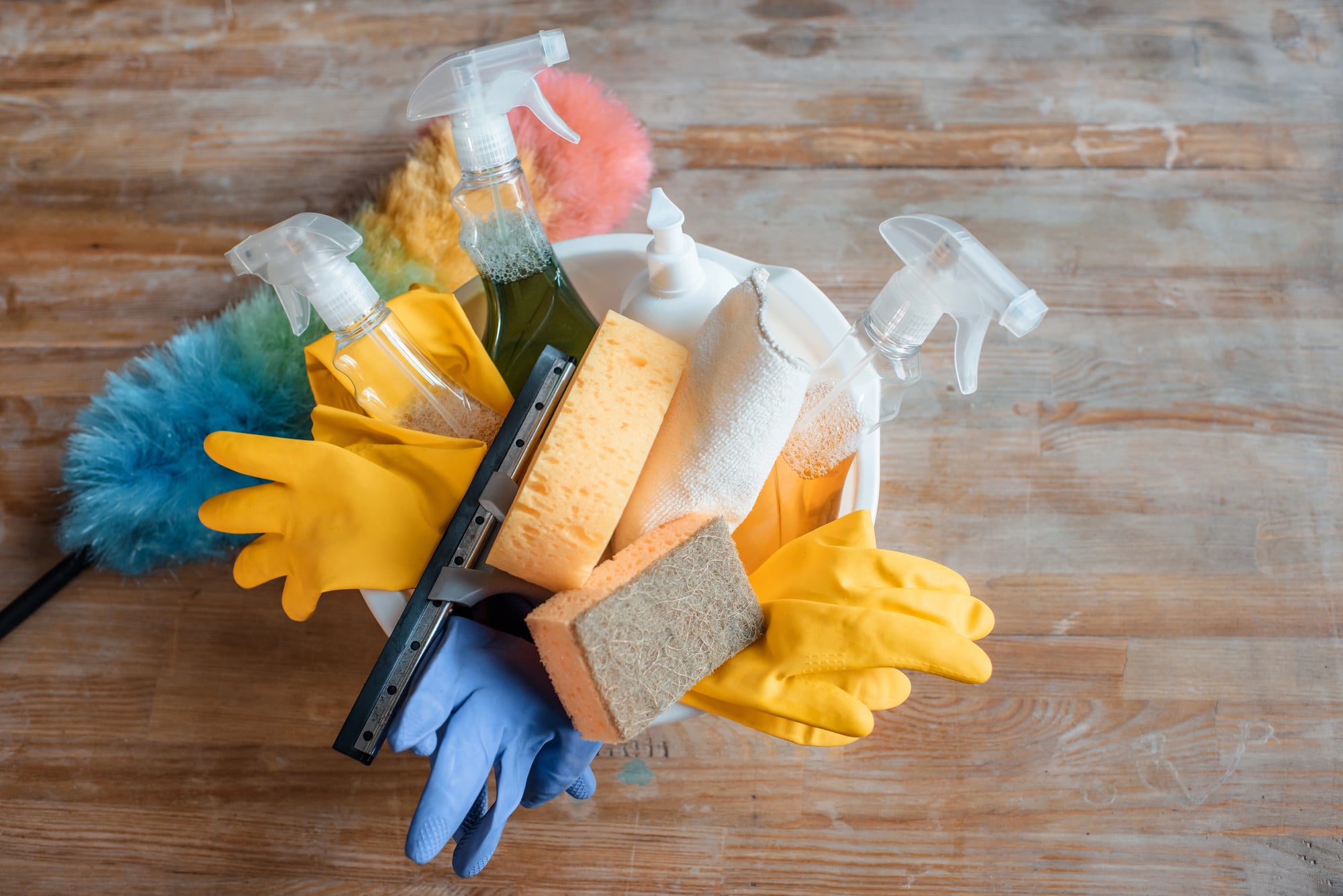
Small bottles of spot remover and stain treatment chemicals lined closet shelves next to boxes of soap powder and furniture polish. Cleaning happened differently in the 1960s — more targeted, less automated than today’s spray-everything-down approach.
Specific stains required specific solutions, and experienced homemakers knew exactly which product worked on which problem. Red wine, grass stains, ink marks — each had its own remedy stored somewhere in that closet.
The supplies were harsh by modern standards, full of chemicals that would probably be banned today, but they worked with ruthless efficiency.
Letters and Important Papers

Before filing cabinets became standard household furniture, important documents lived in shoeboxes or manila envelopes stashed in hall closets — but these weren’t just bureaucratic necessities; they were the paper trail of family life, containing birth certificates next to love letters, insurance policies mixed with report cards, and warranties for appliances that had long since broken down. The organization system was purely chronological: newest papers went on top of the pile, creating geological layers of family history that required careful excavation whenever something specific needed to be found.
Tax returns from five years back might surface next to a child’s first drawing or a sympathy card from a distant relative, turning every search into an unexpected journey through time.
Hats and Scarves
Dressy hats that came out for church and special occasions hung from hooks or sat on shelves, carefully shaped and ready for service. Men’s fedoras, women’s pillbox hats, and the occasional beret for teenagers experimenting with sophistication.
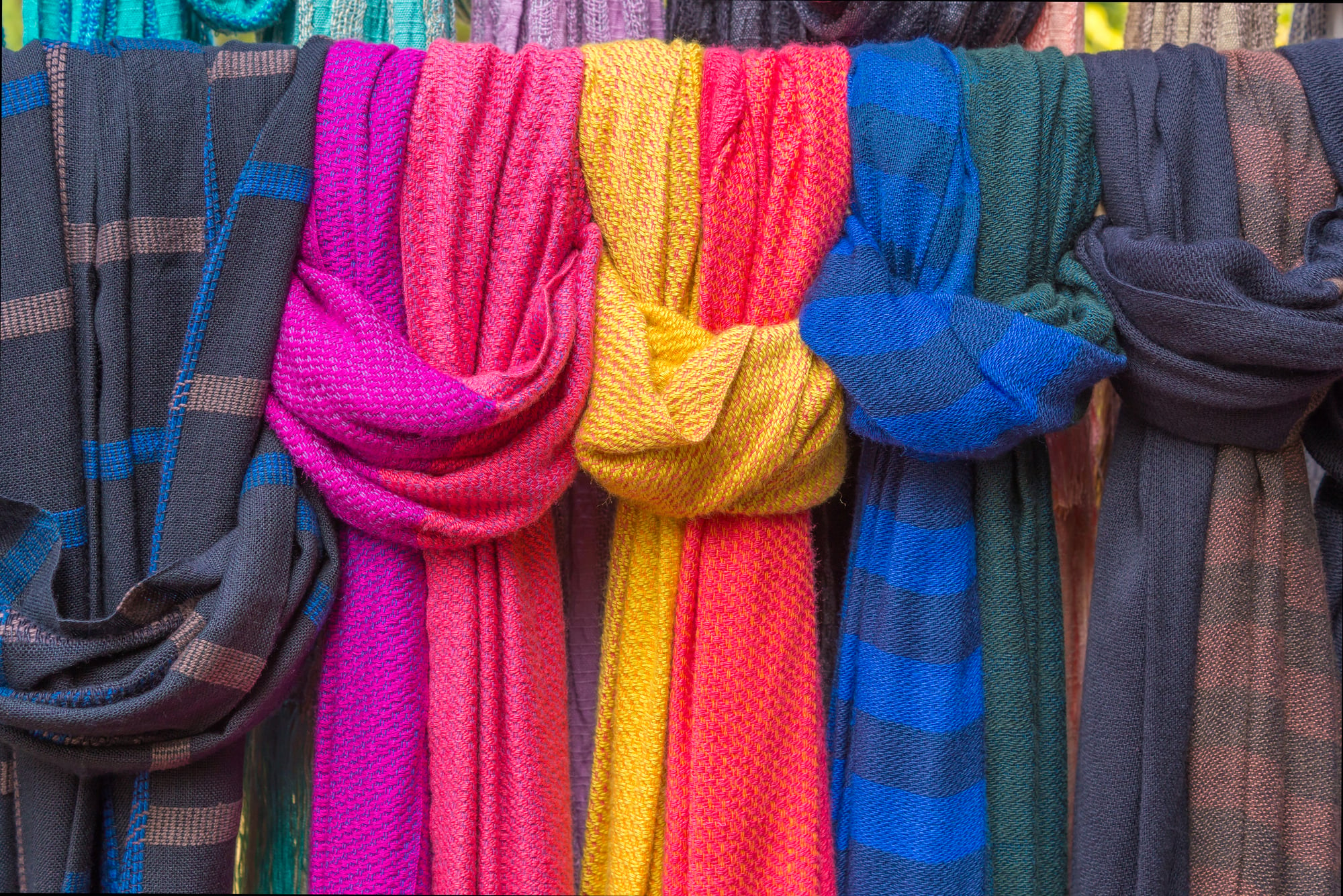
Scarves filled the remaining space — silk squares for women, wool mufflers for winter, and lightweight cotton versions for spring evenings. These accessories completed outfits in ways that modern casual dress rarely requires.
People dressed with intention back then, and the hall closet held the finishing touches that made ordinary clothes look purposeful.
Holiday Cards and Stationery
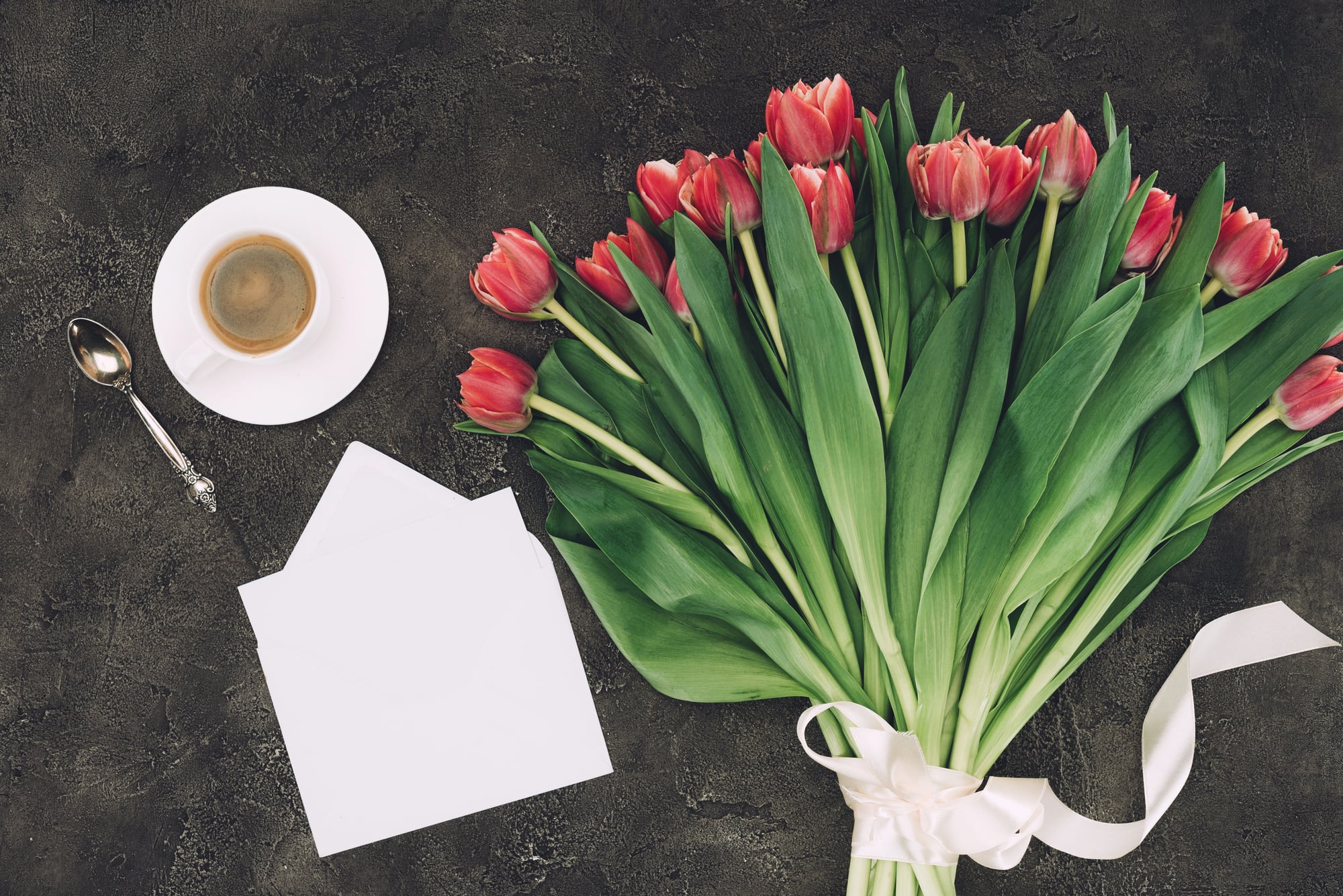
Boxes of unused Christmas cards from previous years accumulated in closets alongside thank-you notes, birthday cards, and general correspondence supplies. Writing letters was still a regular part of social interaction, not the lost art it became later.
Good stationery was an investment, something families bought in sets and used sparingly for important occasions. The paper was heavier, the envelopes lined with tissue, and the whole ritual of writing by hand carried weight that email would eventually make obsolete.
But in the 1960s, a handwritten note meant someone had taken time to sit down, think carefully about their words, and commit them to permanent form.
Candles and Matches
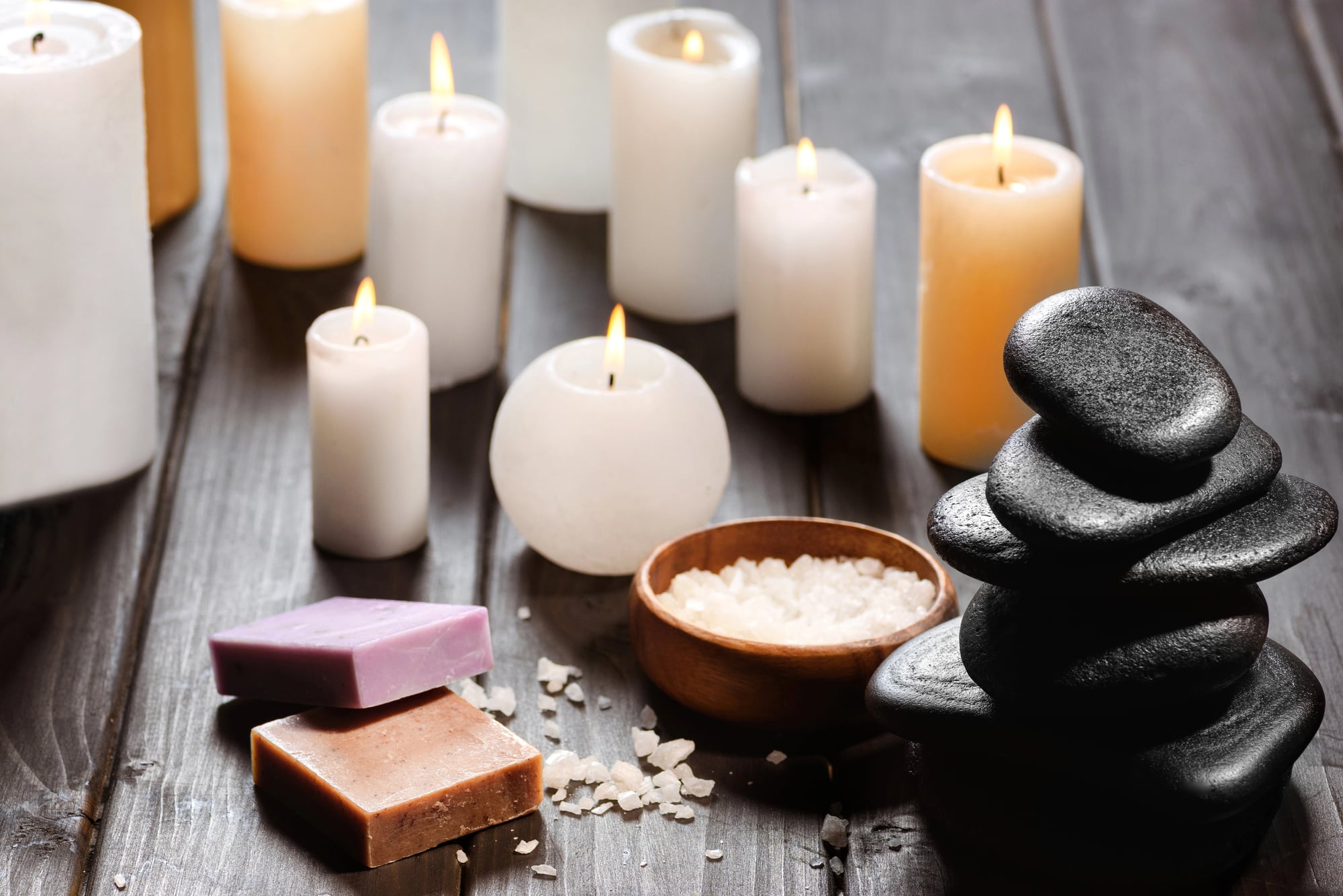
Thick white candles sat in closets next to boxes of wooden matches, ready for power outages or special dinners. These weren’t scented candles or decorative accessories — they were functional light sources that served as backup when electricity failed.
The matches came in large boxes, the kind that struck against any rough surface and produced flames hot enough to light stubborn wicks in drafty rooms. Families learned to keep these supplies handy because power grids were less reliable, and sitting in darkness wasn’t an option when work still needed to get done.
Linens and Extra Bedding

Spare sheets and blankets filled whatever space remained in most hall closets, folded with the precision that comes from making beds every single morning without exception. Extra pillowcases, guest towels, and the good tablecloth that only appeared for holidays — all waited in neat stacks for their occasional moments of usefulness.
The linens smelled like soap powder and mothballs, that particular combination that marked properly maintained households where everything stayed fresh despite months of storage. These weren’t luxury items; they were practical necessities for families that expected to host relatives, accommodate unexpected guests, and maintain standards of hospitality that required having clean bedding available on short notice.
The Stuff That Defied Categories
The bottom of every hall closet collected odds and ends that didn’t belong anywhere else but seemed too useful to throw away. Rubber bands wound into orbs, paper clips linked into chains, pencil stubs too short to write with comfortably but too long to discard.
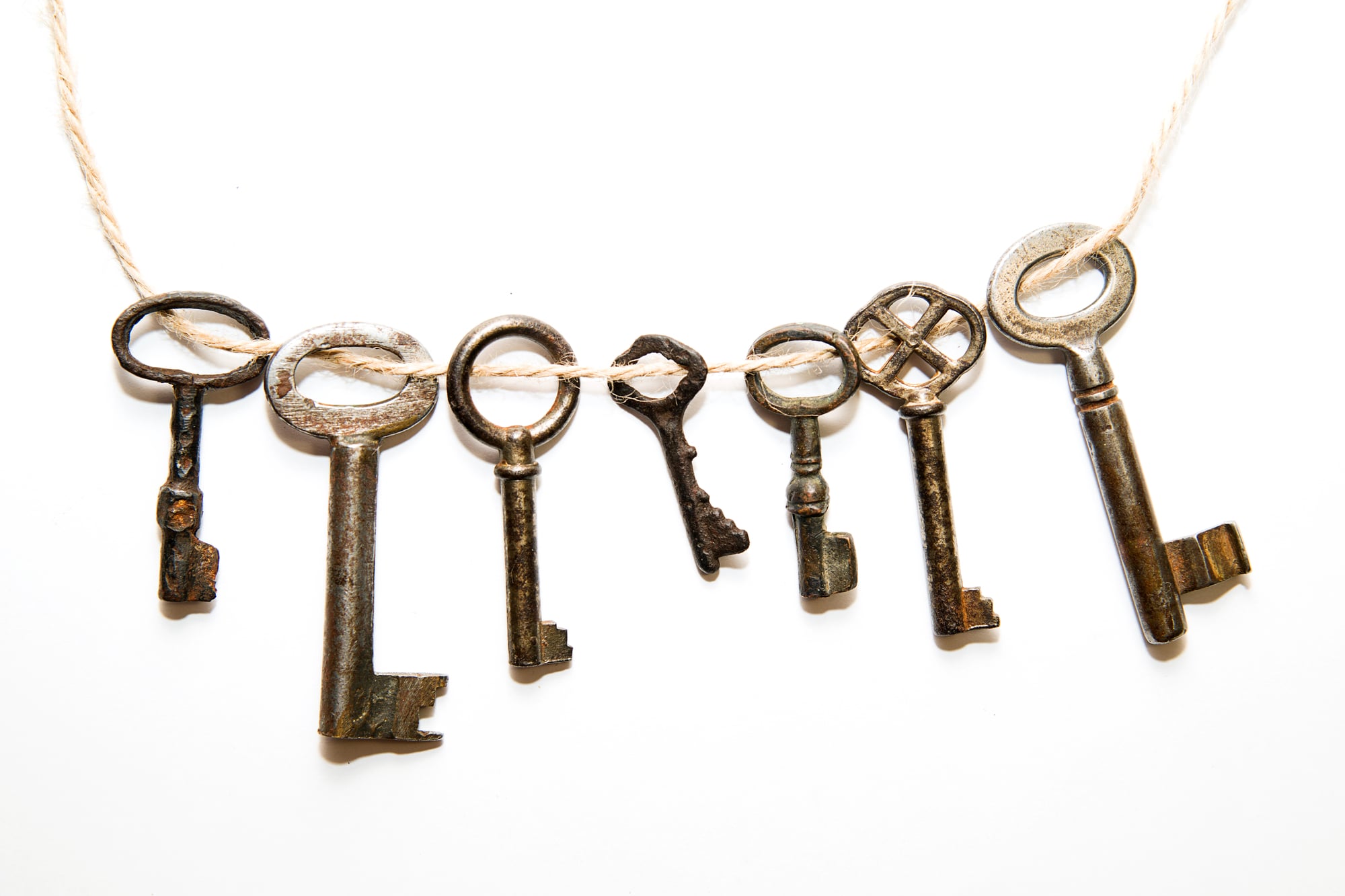
Old keys to forgotten locks, spare buttons cut from worn-out clothes, and instruction manuals for appliances that had been replaced years earlier. This was the archaeological layer of family life — small objects that had outlived their purpose but retained some vague promise of future utility.
Most of it would never be used again, but sorting through it felt like throwing away possibilities.
The Closet That Held Everything Together
The 1960s hall closet wasn’t organized by modern standards, but it worked exactly as intended: a central repository for everything a family might need on short notice, stored close enough to grab quickly but hidden away from daily view. These closets represented a different approach to household management, one that valued preparedness over aesthetics and function over form.
They were messy, overstuffed, and absolutely essential — the beating heart of homes that ran on planning ahead and making do with what was available.
More from Go2Tutors!

- The Romanov Crown Jewels and Their Tragic Fate
- 13 Historical Mysteries That Science Still Can’t Solve
- Famous Hoaxes That Fooled the World for Years
- 15 Child Stars with Tragic Adult Lives
- 16 Famous Jewelry Pieces in History
Like Go2Tutors’s content? Follow us on MSN.