Things From 2000s That Don’t Exist Anymore
Even though the 2000s seem like yesterday, a lot of things from that decade have completely disappeared. Rapid technological advancements caused retail behemoths to vanish overnight and entire communication methods to become outdated.
Some of the conveniences we took for granted are no longer there, and what once seemed state-of-the-art now seems charmingly archaic.When we look back, we can see how drastically our world changed in such a short period of time.
This is a list of fifteen items from the 2000s that are no longer in use.
Blockbuster Video Stores

Friday night meant driving to Blockbuster, wandering the aisles, and hoping your movie choice wasn’t already rented out. The blue-and-yellow chain dominated every strip mall, charging late fees that funded their empire while frustrating customers nationwide.
Though the massive chain collapsed and only one independently owned store remains in Bend, Oregon, Netflix’s streaming revolution essentially eliminated the video rental industry.
Flip Phones

Traditional flip phones largely vanished from mainstream use, replaced by smartphones that offered far more functionality. The satisfying snap of closing a call, T9 predictive texting, and phones that lasted days without charging made these devices incredibly practical during their heyday.
While modern foldable smartphones like the Galaxy Z Flip have revived the form factor, the simple flip phones of the 2000s represent a completely different era of mobile communication.
Like Go2Tutors’s content? Follow us on MSN.
Printing MapQuest Directions
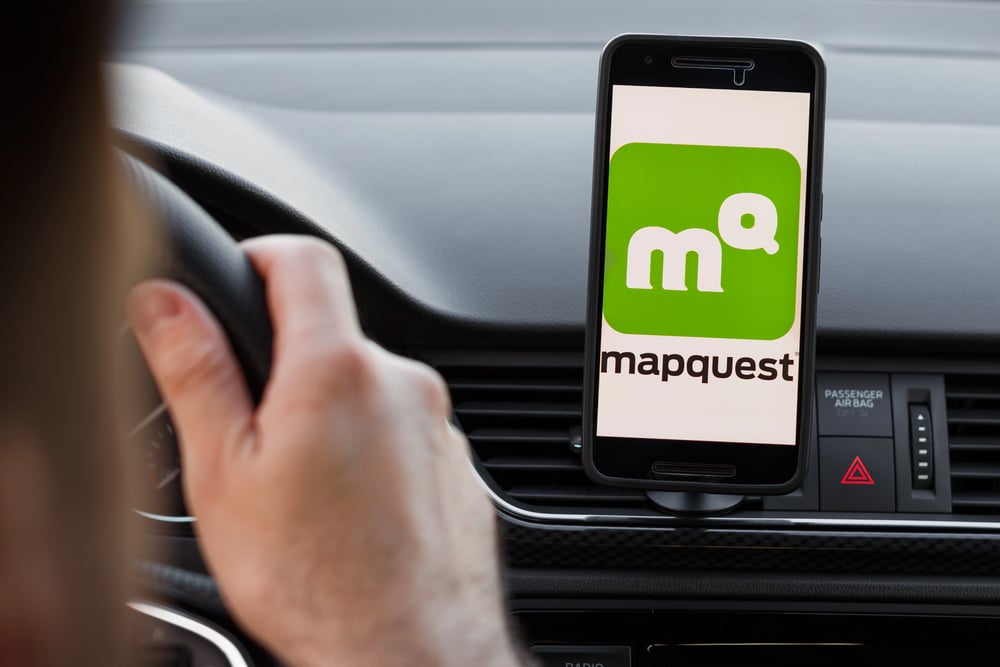
Planning any trip required visiting MapQuest.com, typing in addresses, and printing turn-by-turn directions on paper. Drivers kept stacks of printed maps in their cars, often getting lost when construction changed routes or when the directions contained errors.
The idea of real-time navigation updates seemed like science fiction, making every journey a minor adventure in problem-solving.
Tower Records

Music lovers made pilgrimages to Tower Records’ massive stores, spending hours browsing through thousands of CDs and discovering new artists. The yellow-and-red chain represented musical culture itself in the U.S., with knowledgeable staff, listening stations, and midnight album release parties creating a community around music consumption.
Though Tower Records closed its American stores in 2006, the brand continues operating in Japan and has relaunched online, showing how digital transformation reshaped but didn’t completely eliminate music retail.
iPod Video and Portable Media Players

Apple’s iPod revolutionized music consumption and dominated the 2000s, while later models added video capability that seemed revolutionary at the time. People carried separate devices for music, video, photos, and communication — the idea of one device handling everything was still years away.
Though the iPod line continued until 2022, these dedicated media players became obsolete as smartphones absorbed their functionality, marking the end of an era defined by single-purpose portable electronics.
Like Go2Tutors’s content? Follow us on MSN.
Dial-Up Internet

The distinctive screech of dial-up modems connecting to the internet defined the early 2000s online experience, though this technology has become nearly extinct. Downloading a single song took 20 minutes, while streaming video was practically impossible on 56k connections.
Families fought over phone lines since internet use prevented telephone calls, creating scheduling conflicts that broadband would eventually eliminate from most households.
DVD Rental by Mail
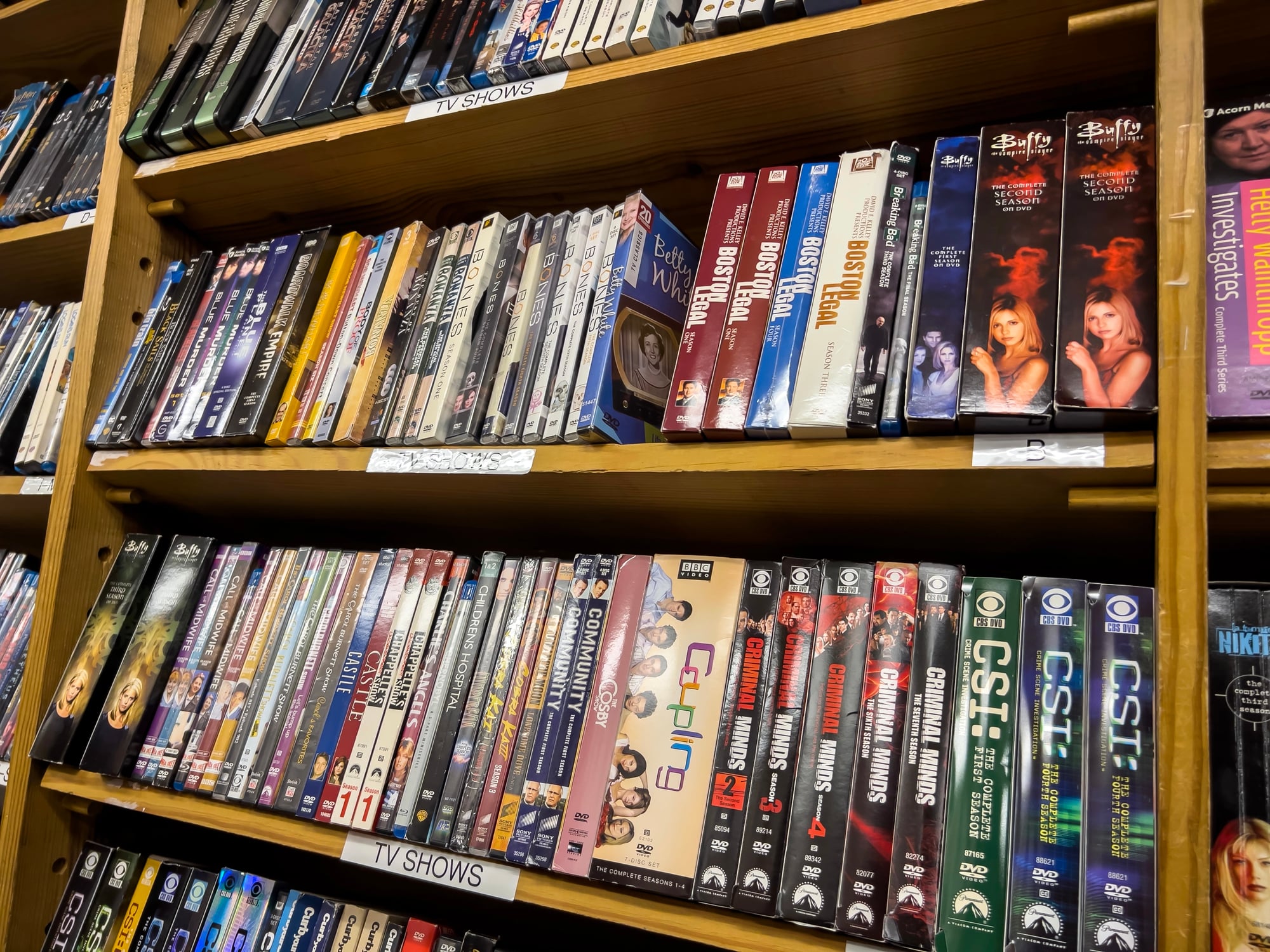
Netflix’s original DVD-by-mail business model dominated the 2000s, involving mailing DVDs to customers who returned them in red envelopes. The service felt revolutionary compared to driving to video stores, though the wait time between mailings required patience and planning.
Netflix continued this service until September 2023, but streaming had already made physical media rental feel like a relic from a different technological era.
BlackBerry Devices

Business professionals swore by BlackBerry phones throughout the 2000s for their physical keyboards, secure messaging, and efficient email handling. The devices earned the nickname “CrackBerry” due to their addictive nature among corporate users who couldn’t stop checking messages.
BlackBerry hardware production ended in 2016, with software support finally terminating in 2022, marking the end of a once-dominant mobile platform that couldn’t adapt to the touchscreen smartphone revolution.
Like Go2Tutors’s content? Follow us on MSN.
Circuit City

The electronics retailer competed directly with Best Buy, offering similar products with different service approaches and store layouts. Circuit City’s knowledgeable sales staff and competitive pricing made them a go-to destination for computers, televisions, and audio equipment.
Poor management decisions and the rise of online retail led to their bankruptcy, leaving Best Buy to dominate the electronics retail space.
Physical GPS Units
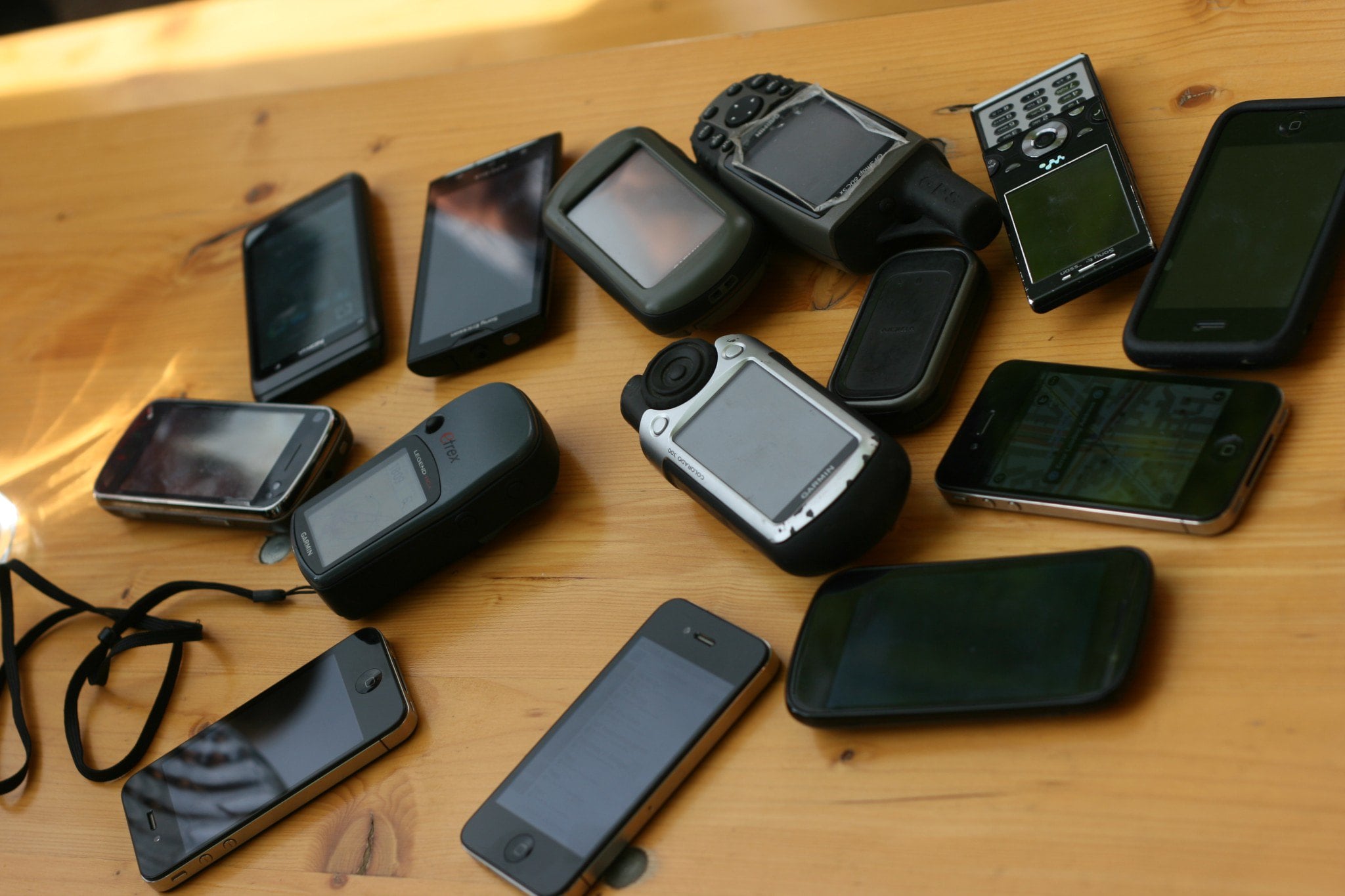
Garmin and TomTom devices mounted to dashboards provided essential turn-by-turn navigation before smartphones integrated mapping services. These dedicated units offered reliable directions and traffic updates, though updating maps required purchasing expensive software upgrades.
While these companies still produce GPS devices, they’ve been mostly replaced by smartphone apps that offer superior functionality and real-time updates without additional hardware costs.
MySpace
Before Facebook dominated social networking, MySpace allowed users to customize their profiles with HTML code, background music, and personalized layouts during the 2000s. The platform launched countless music careers and introduced social media concepts that seemed revolutionary at the time.
While MySpace still exists in a reduced form focused on music, it’s no longer a major social network, having lost its massive user base to Facebook’s cleaner, more standardized approach.
Like Go2Tutors’s content? Follow us on MSN.
CD Players and Portable Music
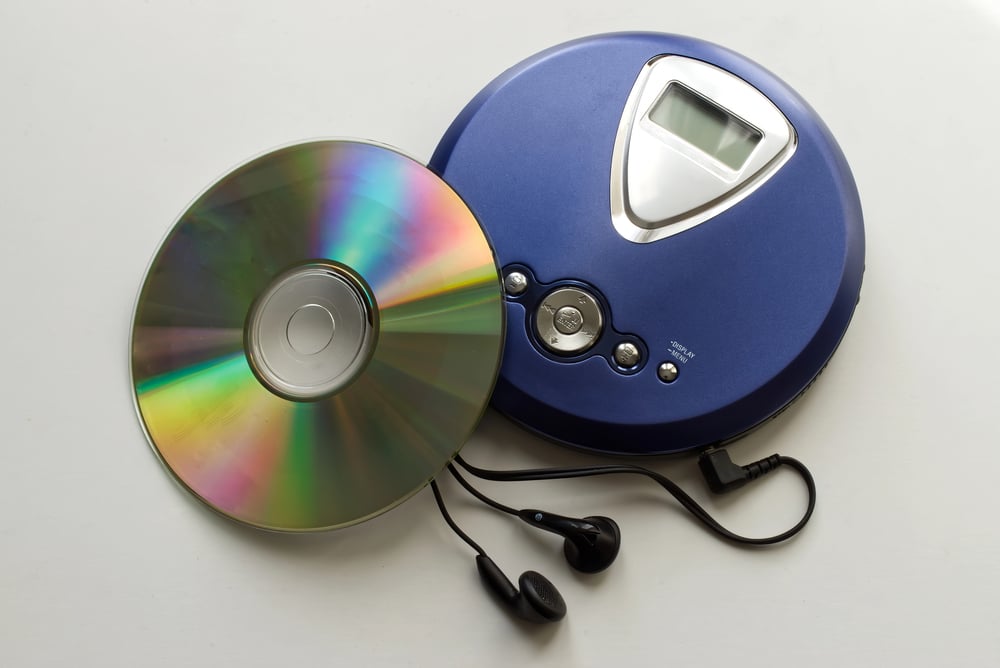
Discman devices and later portable CD players provided mobile music before digital files became standard, though they’ve largely disappeared from daily use. Users carried cases of CDs, dealt with skipping during movement, and carefully maintained their disc collections throughout the decade.
While portable CD players can still be purchased, they’ve become niche products as smartphones and streaming services eliminated the need for physical media players.
Floppy Disks and Zip Drives

Data storage relied on 3.5-inch floppy disks for small files and Zip drives for larger storage needs, though both have disappeared from consumer use. These removable media options filled the gap between tiny floppy capacity and expensive hard drive space during the early 2000s.
While some legacy industrial systems still use floppy disks, USB flash drives and cloud storage eliminated the need for these proprietary removable media formats in everyday computing.
The End of an Era
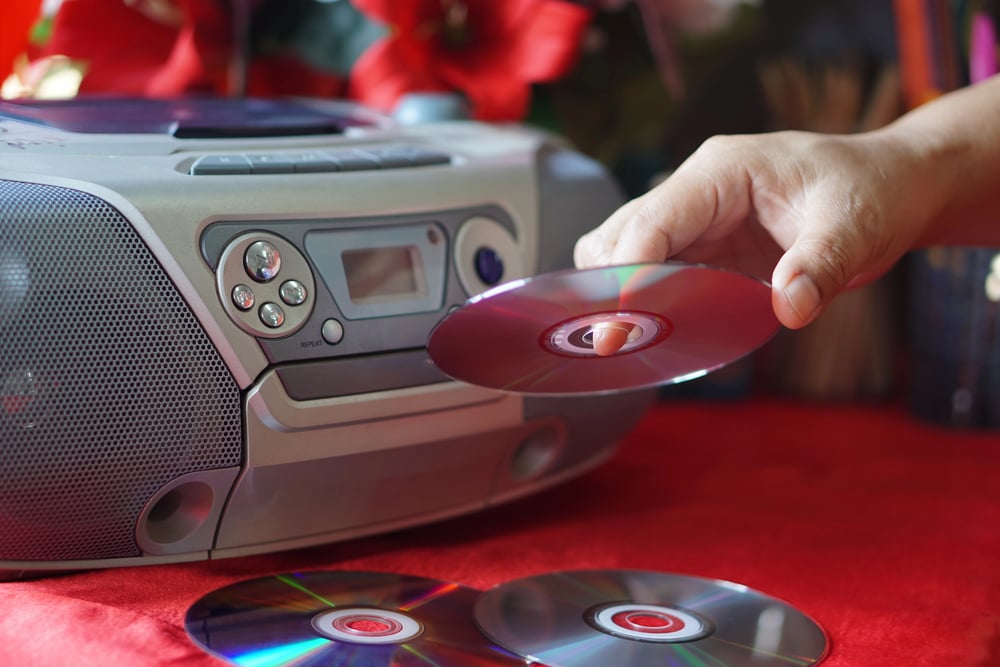
These lost aspects of life in the 2000s serve as a reminder of how quickly culture and technology change in the digital age. Within a few years, innovations that addressed issues we weren’t even aware we had replaced what had seemed permanent and necessary.
In addition to laying the groundwork for contemporary smartphones, social media, and streaming entertainment, this decade also saw the demise of numerous companies and technologies that once characterized day-to-day existence. When future generations look back on our current era, the cutting-edge innovations of today will probably seem just as archaic.
Like Go2Tutors’s content? Follow us on MSN.
More from Go2Tutors!

- 16 Historical Figures Who Were Nothing Like You Think
- 12 Things Sold in the 80s That Are Now Illegal
- 15 VHS Tapes That Could Be Worth Thousands
- 17 Historical “What Ifs” That Would Have Changed Everything
- 18 TV Shows That Vanished Without a Finale
Like Go2Tutors’s content? Follow us on MSN.