Things That Were Considered Rude a Century Ago But Are Perfectly Normal Now
In 1922, Emily Post’s etiquette guide was over 600 pages long and insisted that even a family of four should set their table as carefully as if 20 guests were coming. Today, people eat dinner while simultaneously checking email, photos, and messages on devices that would have seemed like sorcery a century ago.
The transformation isn’t mysterious—it reflects genuine changes in how we live, work, and communicate. What was once a mark of thoughtlessness or disrespect has become simply how humans function.
The shift from formal constraint to casual authenticity happened so gradually that most people don’t remember when the line moved.
The rules we take for granted as timeless were usually invented to solve very specific problems of their era, and when the problems vanished, the rules often stayed just long enough for older people to criticize younger people before fading away entirely. Understanding this helps explain why your grandparent thinks your behavior is rude while you don’t understand what the issue is—the social contract changed underneath both of you without either side fully noticing when.
Wearing Casual Clothes to Fly on Airplanes

In the 1950s, flying was an event glamorous enough to warrant a three-piece suit, formal dress, and hat. Airlines encouraged passengers to dress as though attending a cocktail party at altitude, and showing up in anything less than tailored attire was considered disrespectful to the airlines and to fellow passengers.
Today, pajamas, athletic wear, and clothes that would have scandalized a 1950s traveler are the norm on every flight. The shift reflects both the democratization of air travel and the acceptance that a six-hour flight is not a reason to abandon comfort.
Using a Cell Phone While Talking to Someone in Person

Twenty years ago, checking your phone while someone was speaking to you was a serious breach of attention and respect. The device was supposed to remain put away, perhaps glanced at only in emergencies.
Now, it’s standard for both parties in a conversation to have their phones visible, occasionally checking them mid-conversation. The shift reflects the reality that phones now handle scheduling, work communication, and navigation—functions that previously required full attention to other people and devices.
Disagreeing With Elders or Expressing Your Own Opinions
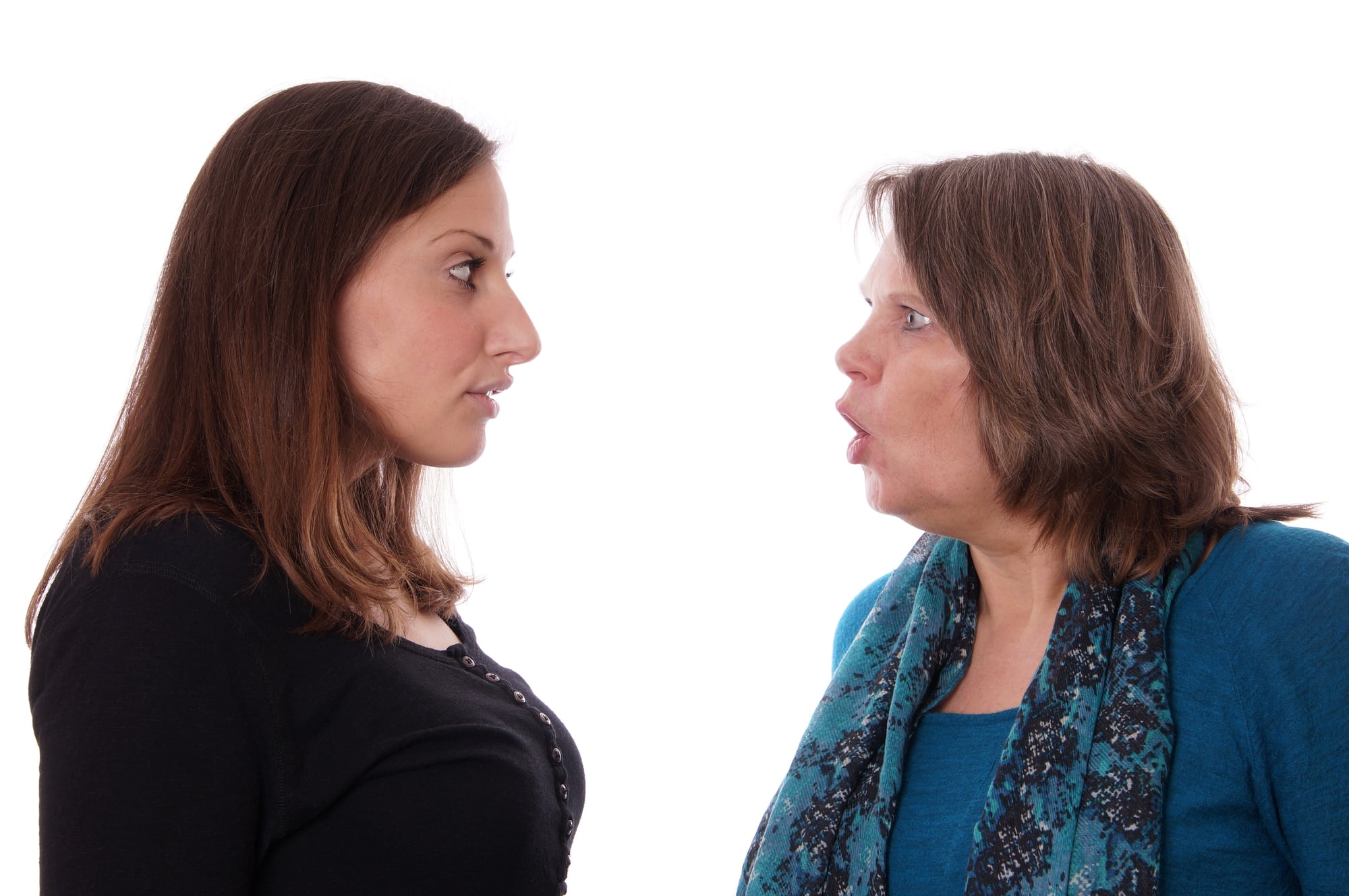
A 1920s etiquette guide instructed young people that “a really clever young person knows that his opinions are worth little beside” those of adults, and interrupting or disagreeing with an elder was considered profoundly rude. Modern society now values young people’s input and perspectives as legitimate, even when they contradict those of older generations.
The shift reflects a belief that good ideas can come from anyone and that intellectual merit matters more than age-based hierarchy.
Declining Invitations Without a Detailed Excuse

In the mid-20th century, refusing a social invitation without a substantial reason was insulting. You were expected to provide a documented excuse—family illness, out-of-town obligations, or another acceptable hardship.
Today, saying “I can’t make it” requires no explanation, and people accept that others have busy lives, mental health needs, and personal boundaries. The shift reflects a move toward respecting autonomy over enforcing obligation.
Eating Alone at a Restaurant

Dining solo at a restaurant was once considered pathetic or scandalous—why were you unaccompanied? Did you have no friends?
Today, solo dining is normal and often viewed as a sign of independence and self-confidence rather than loneliness. The shift reflects changing attitudes about solitude and the recognition that eating alone is a valid, sometimes preferable, way to spend time.
Asking Questions Instead of Silently Accepting Information

In the 1920s and 1930s, asking for clarification or questioning a statement was considered challenging authority, and silence was the expected response to adults or experts. Modern culture now encourages questions as a sign of engagement and critical thinking.
Educational systems explicitly teach that questions are welcome and desirable. The shift reflects a belief that understanding matters more than passive obedience.
Wearing Trousers as a Woman in Professional Settings

Until well into the 1960s, women wearing pants to an office job was considered shocking and inappropriate. Dresses, skirts, and hosiery were the only acceptable professional attire for women, with pants relegated to casual or weekend wear.
Today, women’s pants are standard professional wear, and wearing a skirt by choice is an option rather than a requirement. The shift reflects changing ideas about professionalism and the removal of gender-specific dress codes.
Walking Down the Street While Talking to Someone Over the Phone

A person talking to themselves on a street corner was once a sign of mental illness or public disturbance. Now, people walk while having wireless phone conversations, and it’s so normal that no one notices.
The shift is entirely technological—earbuds made the practice less disruptive and more obviously connected to a device rather than a person losing their grip on reality.
Admitting You Don’t Know Something

In the early-to-mid 20th century, saying “I don’t know” was considered a failure and an admission of inadequacy, especially for professionals or men in authority. The expectation was to either know the answer or fake certainty rather than expose gaps in knowledge.
Modern culture now celebrates “I don’t know, but let’s find out” as a sign of intellectual honesty and good problem-solving. The shift reflects the recognition that no one can know everything and that admitting ignorance is more useful than pretending certainty.
Wearing Sneakers or Athletic Shoes to Non-Athletic Events

In the mid-20th century, sneakers were exclusively for sports and were considered inappropriate footwear for anywhere else. Shoes for everyday wear had to be leather, polished, and obviously expensive.
Today, clean sneakers are worn to work, restaurants, and anywhere else except formal events. The shift reflects changing ideas about comfort and practicality overriding a need to display formal attire constantly.
Taking a Photo of Your Food Before Eating It

The idea that your meal is performance or documentation worth sharing would have seemed vain and ridiculous to previous generations. Food was meant to be eaten, not displayed.
Today, photographing dishes at restaurants is so normal that some establishments design food specifically to photograph well. The shift reflects social media culture and the changing idea that sharing experiences visually is a normal part of socializing.
Working From Home or Having Flexible Hours

In the 1950s and 1960s, working anywhere other than an office was considered shirking or not taking your job seriously. Being at your desk during specific hours was the measure of work commitment.
Remote work was impossible without technology, but the cultural attitude was that work required physical presence and supervision. Today, work-from-home is standard in many industries, and productivity measured by output rather than location.
The shift reflects technological change but also a reconceptualization of what “working” means.
Wearing Makeup as a Man

A man wearing any cosmetics would have been considered inappropriate or suspicious even into the 1980s. Today, makeup is increasingly viewed as an accessory or form of expression with no strict gender boundaries.
The shift reflects broader cultural changes about gender expression and the recognition that grooming choices don’t need to fit rigid gender categories.
Speaking About Mental Health or Emotional Struggles

A century ago, discussing anxiety, depression, or emotional problems was considered weak and inappropriate, especially in public or professional settings. The expectation was to suffer silently and present a composed exterior.
Modern culture increasingly normalizes discussing mental health as matter-of-factly as physical health. The shift reflects destigmatization and the recognition that mental health issues are legitimate and widespread.
Calling Someone by Their First Name If They’re Your Senior or Superior

Strict address hierarchies once determined how you could refer to people—Mr., Mrs., Dr., or whatever title they held. Using someone’s first name without permission was disrespectful.
Many workplaces now operate on a first-name basis regardless of title or age, and addressing someone by their first name is often the default. The shift reflects flattening hierarchies and moving toward informal, equal relationships.
Not Sending Handwritten Thank-You Notes

In the mid-20th century, failing to send a handwritten note thanking someone for a gift or hospitality was a social catastrophe that could damage relationships. Today, a text message or email thank you is perfectly acceptable, and many people don’t send thank-yous at all beyond a spoken “thanks.”
The shift reflects technological change and the acceptance that gratitude can be expressed digitally.
Leaving Food on Your Plate at the End of Dinner

In eras of scarcity, leaving any food uneaten was wasteful and offensive to the host. Finishing everything on your plate was a sign of respect.
Modern dining culture increasingly recognizes that eating until full is different from eating everything served, and leaving food uneaten is acceptable. The shift reflects abundance and the move away from guilt-based consumption.
Wearing the Same Outfit Twice Within a Short Timeframe

In the 1950s and 1960s, wearing the same dress or suit to multiple events within a season risked the social disaster of someone noticing and commenting. Having sufficient variety in one’s wardrobe was a mark of status and respectability.
Today, people wear the same clothes repeatedly without shame, and the idea that you need endless outfit variety is seen as wasteful. The shift reflects environmental consciousness and the shedding of status-based fashion rules.
Choosing Your Own Spouse Without Family Approval

Until the mid-20th century in many cultures, marrying without parental consent was considered wildly disrespectful and socially unacceptable. Today, marrying for love based on personal choice is the norm and the only socially acceptable reason to marry.
The shift reflects changing ideas about autonomy and a move away from marriage as a family negotiation toward marriage as a personal commitment.
Questioning Whether to Have Children

In previous generations, not having children required explanation and justification, especially for women. Childlessness was viewed as selfish or deviant.
Today, choosing not to have children is an increasingly accepted personal decision requiring no defense. The shift reflects reproductive autonomy and the recognition that child-rearing is a choice rather than an inevitable life requirement.
Manners Change Because Lives Change

Every rule shift reflects actual changes in the world—technology, economics, work structures, and values. When you understand that today’s rudeness is tomorrow’s normalcy, you also understand that etiquette isn’t about absolute truths but about managing shared space and showing respect for the people around you.
The best manners for your era are probably going to horrify your grandchildren, and their casual behavior will baffle you. That cycle is exactly how humans stay flexible.
More from Go2Tutors!

- The Romanov Crown Jewels and Their Tragic Fate
- 13 Historical Mysteries That Science Still Can’t Solve
- Famous Hoaxes That Fooled the World for Years
- 15 Child Stars with Tragic Adult Lives
- 16 Famous Jewelry Pieces in History
Like Go2Tutors’s content? Follow us on MSN.



