Turning points in high heel evolution
High heels have a fascinating history. Many see them simply as shoes, but their story is far richer.
Both men and women of power have worn them for various reasons over time. Let’s travel back through history and explore how this humble footwear evolved into one of the most iconic fashion symbols ever.
Butchers wore heels in ancient Egypt

The earliest heels weren’t about fashion; they served a practical purpose. In ancient Egypt, butchers wore raised shoes to avoid stepping in the blood and remains of animals.
These heels kept their feet clean by lifting them off the ground, marking one of the first uses of elevated footwear.
Persian soldiers wore heels for riding horses

Around a thousand years ago, Persian cavalrymen sported shoes with heels. This wasn’t about style but function — the heel helped secure their foot in the stirrup.
This gave riders better stability, especially when standing to shoot arrows, showing an early example of heels providing an advantage.
Catherine de’ Medici wore heels to her wedding

In the 1500s, Italian noblewoman Catherine de’ Medici brought short-heeled shoes to her wedding with a French prince. This sparked a trend, quickly making heels popular among the wealthy across France and Europe.
The “chopine” was a sign of wealth in Venice

Venetian wealthy women wore “chopines,” platform shoes that could reach up to 20 inches high. Their extreme height symbolized wealth, as women wearing them were clearly unable to perform manual labor.
This was an early, obvious status symbol in footwear.
Louis XIV made heels a sign of royalty

King Louis XIV of France regularly wore high heels to appear taller and more imposing. He decreed that only those in his court could wear them, with higher heels indicating greater closeness to the king.
He often had his heels dyed red to emphasize his power.
Heels went out of style after the French Revolution

Following the French Revolution in the late 1700s, heels fell out of favor. They represented the monarchy and aristocracy, which many rejected.
People shifted toward simpler, flatter shoes that fit the new, more natural style of the time—a major turning point for heels.
Heels came back with a new purpose

In the 19th century, heels reemerged, but now primarily worn by women. Instead of a symbol of power, they were embraced as a beautiful and graceful element of women’s fashion.
This marked the heel’s transformation from practical to decorative.
The stiletto heel changed everything
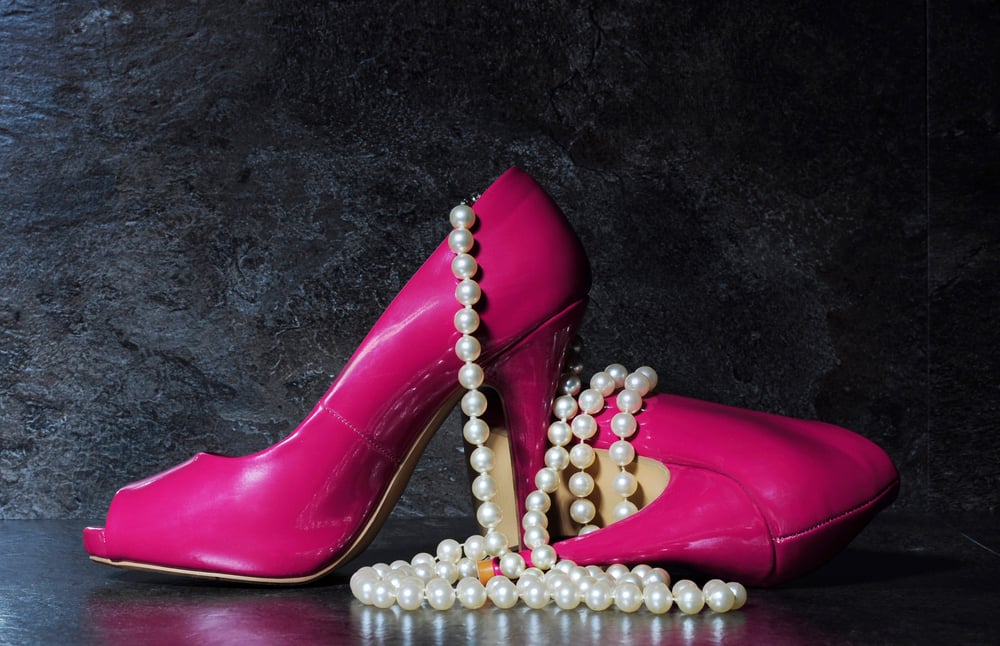
The 1950s introduced the stiletto, a very thin, long heel often reinforced with metal. This design was more delicate and daring than anything before and quickly became a symbol of elegance in that era’s fashion.
The kitten heel became a classic choice

Also in the 1950s, the kitten heel gained popularity. Short and slender, it was easier to walk in than a stiletto and considered a refined, sophisticated option for younger women—offering a stylish heel without the height challenge.
Platforms ruled the 1970s

In the 1970s, platform shoes took center stage. These featured thick soles under the front of the foot, offering more stability than stilettos.
Available in bold colors and designs, they were a hallmark of the disco era’s fun, funky style.
Power suits and pumps in the 1980s

The 1980s saw high heels become a symbol of workplace power for women. Pumps paired with business suits conveyed seriousness and authority, boosting confidence and projecting a strong image—a significant moment for both fashion and gender roles.
The chunky heel came into style in the 1990s
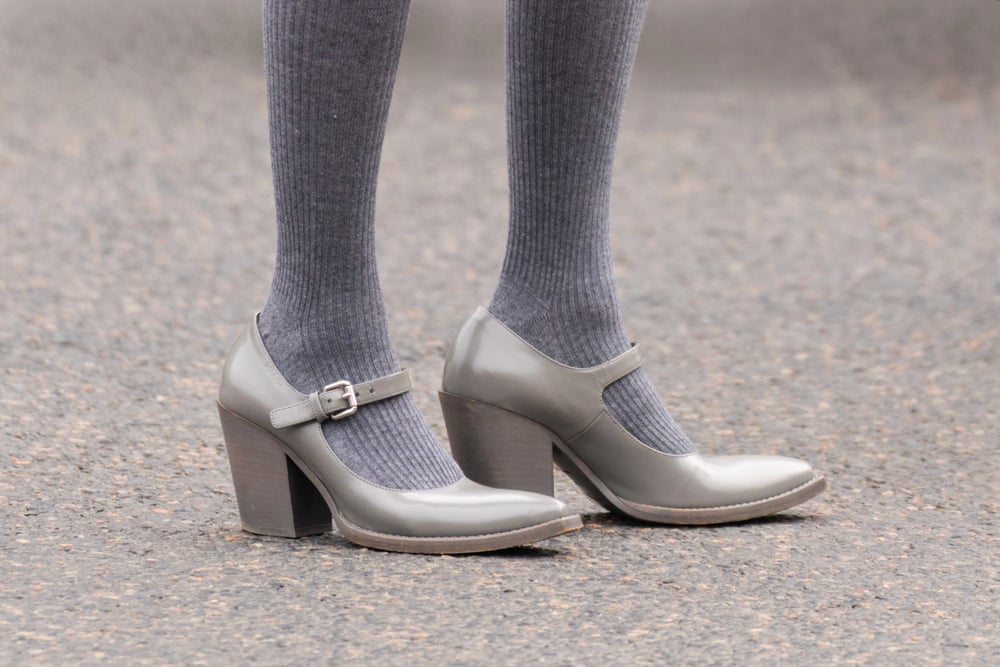
Following the skinny heels of the 80s, the 90s favored thicker, chunkier heels. These provided greater stability and a more relaxed, casual vibe.
Often paired with simple dresses and skirts, they made walking easier without sacrificing style.
High heels became a form of art

By the 2000s, designers pushed the boundaries of heel design with unusual shapes, bright colors, and elaborate details. These heels often weren’t made for everyday wear but rather as wearable sculptures—art that just happens to go on your feet.
The rise of the wedge heel

The wedge heel, which has existed for some time, gained renewed popularity. Unlike traditional heels, wedges have a solid sole running the full length of the foot, making them comfortable and stable—a great casual alternative that still adds height.
The block heel became a new favorite

Today, the block heel is widely favored. Its thick, square shape blends style and comfort, appearing on everything from sandals to boots.
This modern heel is a perfect balance between fashion and ease of wear.
High heels made for comfort became an option

Recently, many brands have focused on creating high heels designed for comfort. Using padded insoles, flexible materials, and innovative designs, they aim to reduce pain and allow longer wear—a welcome change for heel lovers.
The enduring power of a lifted foot

From Persian soldiers riding horses to French monarchs displaying authority, to the everyday shoe we know today, the high heel’s journey has been long and winding. More than just footwear, heels continue to make us feel confident, stylish, and a little taller—a small fashion item with a big story.
More from Go2Tutors!

- The Romanov Crown Jewels and Their Tragic Fate
- 13 Historical Mysteries That Science Still Can’t Solve
- Famous Hoaxes That Fooled the World for Years
- 15 Child Stars with Tragic Adult Lives
- 16 Famous Jewelry Pieces in History
Like Go2Tutors’s content? Follow us on MSN.