TV dramas that rewrote real history
TV dramas love drama. And sometimes, real history just doesn’t deliver enough of it for screenwriters.
That’s when the facts take a back seat. Some shows stretch the truth. Others toss it aside completely. Here’s a look at 15 TV dramas that rewrote real history in ways that were bold, wild, or just plain strange.
The Crown
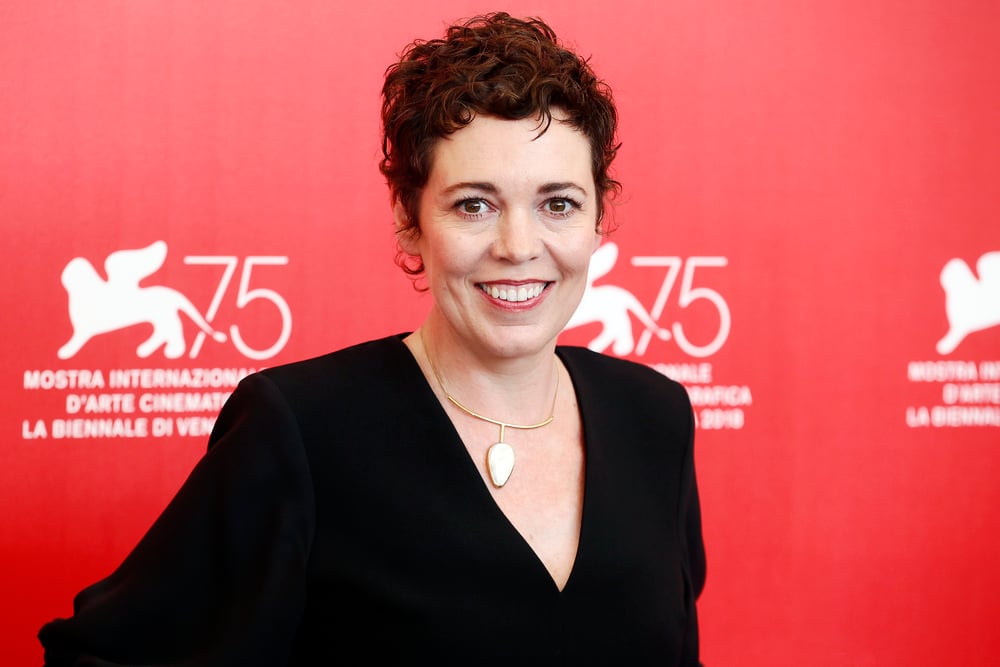
The Crown gives a front-row seat to the British royal family—but not everything on screen actually happened. The show is based on real people and events, but the creators often fill in gaps with made-up conversations and emotional scenes.
For example, Prince Charles and Princess Diana’s relationship was complex, but some of the show’s fights and private talks are pure fiction. The show also plays with dates, shifting events around to make them more dramatic. Some royal insiders even said the show should carry a warning label. Still, viewers love it for how it makes history feel personal—even if it’s not always accurate.
Bridgerton

Set in Regency-era London, Bridgerton looks historical at first glance—but that fades fast. The characters speak with modern phrases, act with modern confidence, and wear outfits that would confuse any 1800s tailor.
The show also adds a racially diverse aristocracy that didn’t exist in real history. It does this on purpose, choosing imagination over accuracy. Fans enjoy the drama, but historians have made it clear: this isn’t how life looked in England back then. It’s more a modern love story in a historical costume.
Like Go2Tutors’s content? Follow us on MSN.
Vikings

Vikings tells the story of Ragnar Lothbrok and his warrior sons, but it plays fast and loose with the truth. Ragnar might not have even been a real person, or he may have been a mix of several figures from different legends.
The show combines battles and characters from different centuries, which makes the timeline confusing. Some of the Viking raids shown didn’t happen the way the series claims. Even the clothes and hairstyles are more Hollywood than Norse. It’s exciting, but don’t use it to study for history class.
The Tudors

This steamy series about Henry VIII is full of court drama, royal power plays, and good-looking actors—but the facts often take a hit. For one, Henry is slim and handsome in the show from beginning to end, even though he became very large and ill later in life.
The timeline of his six marriages is shortened, and some political details are totally left out. Several important historical figures were erased or rewritten to keep the focus on romance. Historians have pointed out the problems, but the show was never trying to be a documentary. It’s more about scandal than truth.
Chernobyl
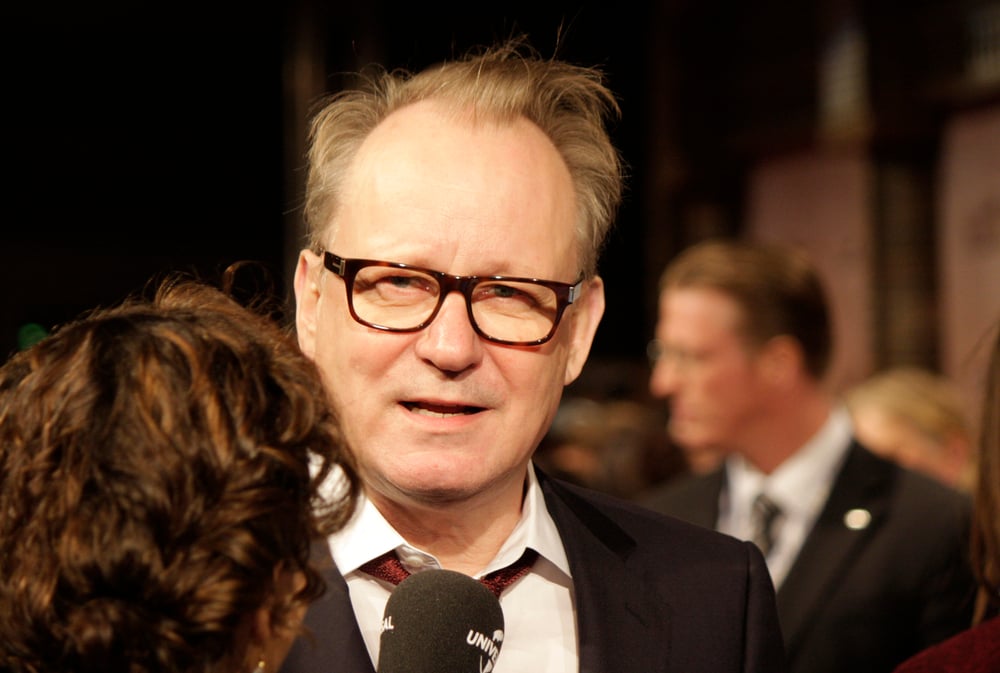
The HBO miniseries Chernobyl shocked audiences with its intense look at the 1986 nuclear disaster. While many parts are fact-based, the show created fictional characters to help tell the story.
One key example is the scientist Ulana Khomyuk, who never existed—she was meant to represent dozens of real scientists. The show also added dramatic moments, like secret meetings and personal confrontations, that didn’t happen that way. Some experts said the radiation scenes were overdone too. Still, the show succeeded in bringing attention to a disaster many people didn’t know much about.
Like Go2Tutors’s content? Follow us on MSN.
Reign

Reign follows Mary, Queen of Scots, during her years at the French court. But it often feels more like a teen drama than a history show.
Characters fall in love, betray each other, and wear outfits more suited for a fashion runway than the 1500s. The show skips over many real historical moments and invents love triangles to keep things spicy. Some names are changed, timelines are shifted, and whole events are added for drama. It’s fun to watch—but very far from how it really went down.
Mad Men

This stylish series captures the spirit of the 1960s but blends history with fiction. The main characters—Don Draper, Peggy Olson, and others—are made up, but they interact with real historical events like JFK’s assassination and the moon landing.
Some real advertising campaigns are featured, but they’re often used in ways that didn’t happen. The show also shows people reacting to history in ways that feel scripted. It paints a strong picture of the era, just not an entirely accurate one.
Marco Polo

Marco Polo tells the story of the Italian explorer’s time in Kublai Khan’s empire. But even historians argue about whether Marco Polo saw what he claimed.
The show doesn’t hold back—it adds sword fights, secret lovers, and complex politics. Many characters are either made up or heavily changed from what’s recorded. The series also changes customs and events to make them more dramatic. If anything, it’s a fantasy with a sprinkle of history on top.
Like Go2Tutors’s content? Follow us on MSN.
Peaky Blinders

This gritty British series is based on a real gang, but the on-screen version is far more powerful and organized. In real life, the Peaky Blinders weren’t major players in politics or national crime.
The show gives them influence that they never actually had. It also stretches their timeline, keeping them active longer than they were. Some of the enemies and events are real, but often dramatized or moved around to fit the plot better.
Medici: Masters of Florence

This drama follows the famous Medici family, who ruled Florence and helped shape the Renaissance. While some of the events are true—like political assassinations and church conflicts—others are fictional or reworked.
The show exaggerates rivalries and invents certain romantic plots. It also compresses decades of history into just a few years. The result is beautiful and intense, but not always real.
The Great

The Great is described by its creators as “an occasionally true story,” and they weren’t kidding. Catherine the Great really did rise to power in Russia, but almost everything else in the show is twisted.
It adds made-up characters, outrageous jokes, and wild storylines. It’s less about telling what happened and more about making the viewer laugh or gasp. Some people love the style, while others find it too far removed from reality.
Like Go2Tutors’s content? Follow us on MSN.
Downton Abbey
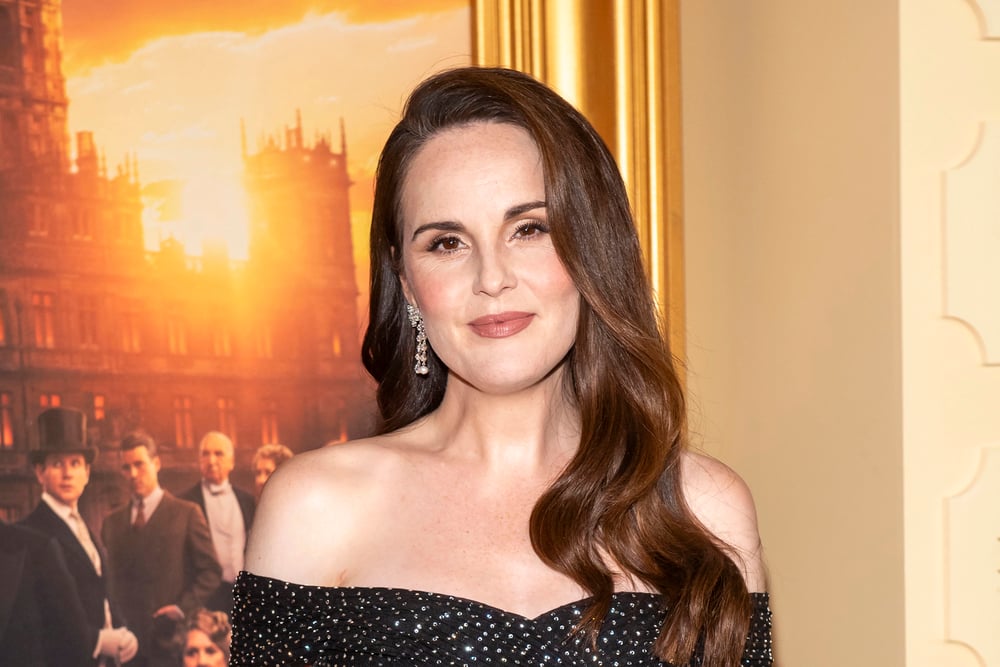
This British hit blends fiction with real-world events like World War I and the Spanish flu. The Crawley family is fictional, but they’re shown reacting to true moments in history.
However, many details are softened to feel more pleasant or polite. The show avoids showing how hard life was for most people at the time. It paints a clean version of history that’s easy to watch—but not entirely honest.
Outlander

Outlander mixes time travel with historical fiction, sending a woman from the 1940s back to 18th-century Scotland. Many events, like the Jacobite rising and the Battle of Culloden, are real.
But the characters influence history in ways that never happened. The show also blends romance and fantasy with actual politics and war. It’s a mix that keeps viewers hooked, but it changes too much to count as true history.
Boardwalk Empire

This crime drama is set during the Prohibition era and features some real-life gangsters. Nucky Thompson is based on Enoch Johnson, a real politician and bootlegger from Atlantic City.
But the show changes his background, relationships, and even his personality. Some characters and events are pulled from headlines, but most are altered to build suspense. It’s historically inspired, not historically accurate.
Like Go2Tutors’s content? Follow us on MSN.
Versailles

This lavish series focuses on King Louis XIV and his building of the famous French palace. The real court of Versailles was dramatic, but the show turns it up even more.
It adds steamy affairs, secret plots, and personal betrayals that didn’t always happen. Some historical facts, like laws and titles, are mixed up or skipped. It’s more about the feeling of power than the real rules of the time.
The truth behind the fiction

TV dramas often give history a new spin, adding extra tension, love stories, or battles where none existed. It helps turn complex timelines into exciting episodes, but it also risks confusing viewers about what really happened.
These shows can spark interest in the past, but they shouldn’t be the final word on it. The truth is usually more subtle—and sometimes even more surprising—than what’s shown on screen.
More from Go2Tutors!

- 16 Historical Figures Who Were Nothing Like You Think
- 12 Things Sold in the 80s That Are Now Illegal
- 15 VHS Tapes That Could Be Worth Thousands
- 17 Historical “What Ifs” That Would Have Changed Everything
- 18 TV Shows That Vanished Without a Finale
Like Go2Tutors’s content? Follow us on MSN.