Unusual Items Used as Currency in History
Money doesn’t always mean coins or paper bills. Throughout human history, people have traded with some pretty surprising items.
These currencies made sense at the time, shaped by geography, available resources, and what communities actually valued. Some were practical. Others seem bizarre now but worked perfectly well in their era.
Salt Blocks in Ancient Africa
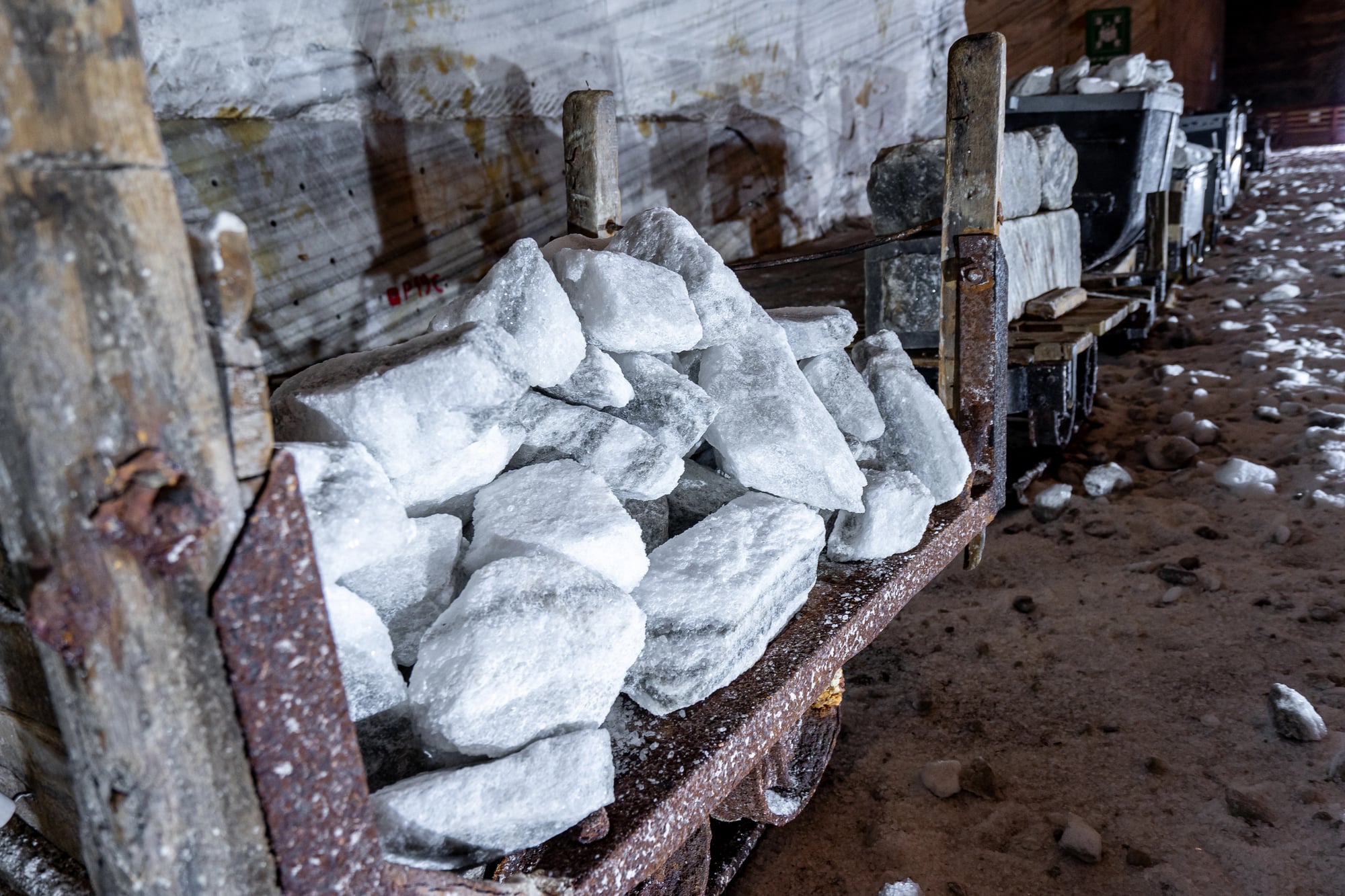
Salt was worth its weight in gold across much of Africa and beyond. Roman soldiers received part of their pay in salt, which is where the word “salary” comes from.
In sub-Saharan Africa, merchants transported massive salt blocks across the desert. These blocks could be broken into smaller pieces for everyday transactions or kept whole for larger purchases.
The value made sense. Salt preserved food before refrigeration existed. People needed it to survive, especially in hot climates where the body loses salt through sweat.
You could use salt immediately or store it indefinitely.
Cowrie Shells Across Multiple Continents

Small, glossy shells from marine snails became one of the most widespread currencies ever used. Cowrie shells circulated in Africa, Asia, and parts of Oceania for thousands of years.
Some regions used them into the 20th century. These shells had natural advantages as money.
They were durable, uniform in size, hard to counterfeit, and easy to count. The shells came from specific ocean areas, which controlled supply naturally.
When European traders figured this out, they started importing massive quantities of cowries from the Maldives to buy enslaved people and goods in West Africa, which eventually crashed the currency’s value.
Giant Stone Wheels on Yap Island

The people of Yap, a small island in Micronesia, used massive stone discs called rai stones as currency. Some measured twelve feet across and weighed thousands of pounds.
Laborers carved these limestone wheels on other islands and transported them by canoe across dangerous ocean waters. Here’s what makes this fascinating: the stones rarely moved after arriving on Yap.
Everyone knew who owned which stone. When ownership changed hands, the community simply agreed the stone now belonged to someone else.
One famous stone sits at the bottom of the ocean after falling off a canoe during transport, but it still has value because everyone acknowledges it exists and knows who owns it.
Cocoa Beans in Aztec Markets

The Aztecs valued chocolate so highly that they used cocoa beans as everyday currency. A turkey cost about 100 beans. A rabbit went for 30.
You could hire workers, pay taxes, or buy pretty much anything with enough beans. This system had a built-in problem.
People could consume their money when they got hungry or thirsty. Some enterprising individuals even figured out how to hollow out cocoa beans, fill them with mud, and seal them back up to create counterfeit currency.
Despite these issues, cocoa beans remained a standard form of money across Mesoamerica for centuries.
Dried Fish in Iceland

Medieval Iceland used dried fish, particularly cod, as its primary currency. The fish was called “stockfish” after the wooden racks where it dried in the cold air.
This currency dominated Icelandic trade for hundreds of years. The fish had real practical value.
It lasted almost indefinitely when properly dried, provided protein, and could be exported to other European nations. Icelanders measured everything in units of dried fish.
Land prices, wages, and fines all got quoted in cod. Even the Catholic Church accepted fish for tithes.
Peppercorns as Precious as Gold

Black pepper was so valuable in medieval Europe that people used individual peppercorns to pay rent, taxes, and dowries. The phrase “peppercorn rent” still exists today, though now it means a nominal or trivial payment.
Europeans couldn’t grow pepper locally and had to import it from Asia at enormous cost. A pound of pepper could buy a sheep or pay a soldier for several weeks.
When explorer Vasco da Gama opened a new trade route to India, his cargo of pepper and spices paid for his entire voyage many times over. Wealthy people would sometimes give each other decorated pepper shakers as extravagant gifts.
Tea Bricks in Asian Trade Routes

Compressed blocks of tea leaves served as currency across much of Asia, particularly along trade routes through Tibet, Mongolia, and Siberia. Producers steamed tea leaves, compressed them into brick shapes, and left them to dry.
The resulting blocks lasted for years and were easy to transport. People could break off chunks to brew tea or trade the whole brick.
The bricks came in standard sizes, which made pricing straightforward. In some regions, these tea bricks remained in use until the mid-20th century.
Russian and Central Asian traders preferred them over metal coins because tea had immediate use value.
Rai Stones Weren’t the Only Stone Money

Before the Romans arrived, parts of ancient Britain used small polished stones with openings drilled through the center. These weren’t as dramatic as Yap’s giant wheels, but they served similar purposes.
People could string multiple stones together for larger transactions.
Parmesan Cheese as Bank Collateral

Italian banks still accept Parmesan cheese as loan collateral today, continuing a tradition that goes back centuries. The Credito Emiliano bank holds a warehouse storing about 440,000 wheels of Parmigiano-Reggiano.
Each wheel ages for years and increases in value over time. Cheese makers use their aging cheese as collateral to get cash immediately.
If they can’t repay the loan, the bank keeps and sells the cheese. A single wheel can weigh 80 pounds and sell for hundreds or thousands of dollars.
The system works because real Parmesan cheese has consistent, predictable value and a long shelf life.
Squirrel Pelts in Medieval Russia

Russian territories used squirrel pelts as standard currency during medieval times. The soft, warm fur was valuable for making winter clothing. Transactions involved counting individual pelts, with larger purchases requiring stacks of furs.
The nose of a squirrel pelt also served as a small change, similar to how modern currencies have coins for smaller denominations. This gives new meaning to “nosing” around for the best price.
Grain as Universal Value

Many ancient civilizations used grain as currency because it addressed two needs at once. Food and money became the same thing.
Ancient Egypt, Mesopotamia, and many other regions conducted business in bushels of wheat or barley. Temple complexes and palaces stored massive quantities of grain that functioned like banks.
Workers received grain payments. Taxes came in as grain. Trade deals specified grain quantities.
The system made sense in agricultural societies where grain was the most important resource.
Human Hair in the Victorian Era

Victorian women sometimes used their hair as payment or sold it for cash. The elaborate hairstyles of the era required massive amounts of hair, often more than one person could grow.
Hair dealers bought long hair from poor women, then resold it to wig makers and hairstylists. Women could trade their hair directly for goods at some shops.
The value depended on length, color, and quality. Blonde hair usually commanded higher prices than darker shades.
This created a whole industry around human hair as a tradable commodity.
Tulip Bulbs During the Dutch Craze

During the 1630s, tulip bulbs became so valuable in the Netherlands that people used them as currency. A single rare bulb could buy a house.
Traders filled entire contracts based on bulb varieties that hadn’t even bloomed yet. This was arguably the first economic bubble.
People mortgaged homes and businesses to speculate on tulips. Then the market collapsed almost overnight.
Those who held tulip bulbs as stores of wealth found themselves holding basically worthless plants. The incident became a famous cautionary tale about speculative bubbles and what happens when currency loses its agreed-upon value.
Whale Teeth in Fiji

Fijians valued sperm whale teeth so highly that they used them as currency and ceremonial objects. The teeth were rare because hunting sperm whales was dangerous and difficult.
Possessing whale teeth indicated wealth and status. The teeth played crucial roles in marriage negotiations, peace treaties, and major transactions.
European traders who learned about this demand started bringing whale teeth to Fiji, which inflated supply but didn’t diminish their cultural importance. Today, these teeth remain significant ceremonial objects even though Fijians no longer use them as everyday currency.
The Pattern Behind the Oddities

Looking at these unusual currencies reveals patterns. Most combined practical use with scarcity.
Salt preserved food. Cocoa beans made drinks.
Tea bricks brewed beverages. Grain fed people.
The best currencies had immediate use if you couldn’t trade them for something else. Durability mattered too.
Grain could spoil. Fish had to be dried properly.
But stones, shells, and metal lasted almost forever. Societies that picked durable currencies found their money systems lasted longer and worked better.
The items people chose as money also tell you what they valued most in their specific context. Isolated island communities prized things from far away.
Cold climates valued warming items like furs and tea. Agricultural societies treasured food security.
Money was never just an abstract value but a reflection of what kept people alive and comfortable in their particular time and place.
When Strange Becomes Normal

Ancient people might stare at our paper notes like they’re magic spells. Those colorful sheets mean nothing without belief behind them. What lives inside computers—mere data—is now what we trade for homes and food.
That flat piece of plastic in your pocket? It unlocks doors once opened by hand.
A single idea holds every form of cash together. Picture bartering with chunks of salt or tapping a piece of plastic—value exists because people act like it does.
Strange old forms of payment? Not so strange after all.
Their worth came from group habits, much like today’s coins and digits. Belief shifts shape but never disappears.
More from Go2Tutors!

- The Romanov Crown Jewels and Their Tragic Fate
- 13 Historical Mysteries That Science Still Can’t Solve
- Famous Hoaxes That Fooled the World for Years
- 15 Child Stars with Tragic Adult Lives
- 16 Famous Jewelry Pieces in History
Like Go2Tutors’s content? Follow us on MSN.