Unusual Space Missions Few People Recall
The big names in space exploration stick with us. Apollo 11, the Mars rovers, the Hubble Space Telescope.
These missions get their moment in history books and documentaries.
But plenty of other spacecraft ventured into the cosmos and achieved remarkable things without anyone remembering much about them afterward.
Some crashed.
Some succeeded beyond expectations.
A few carried passengers you’d never expect.
Here’s a look at space missions that deserve more recognition than they typically get.
Venera 7 Touched Down on Another Planet First
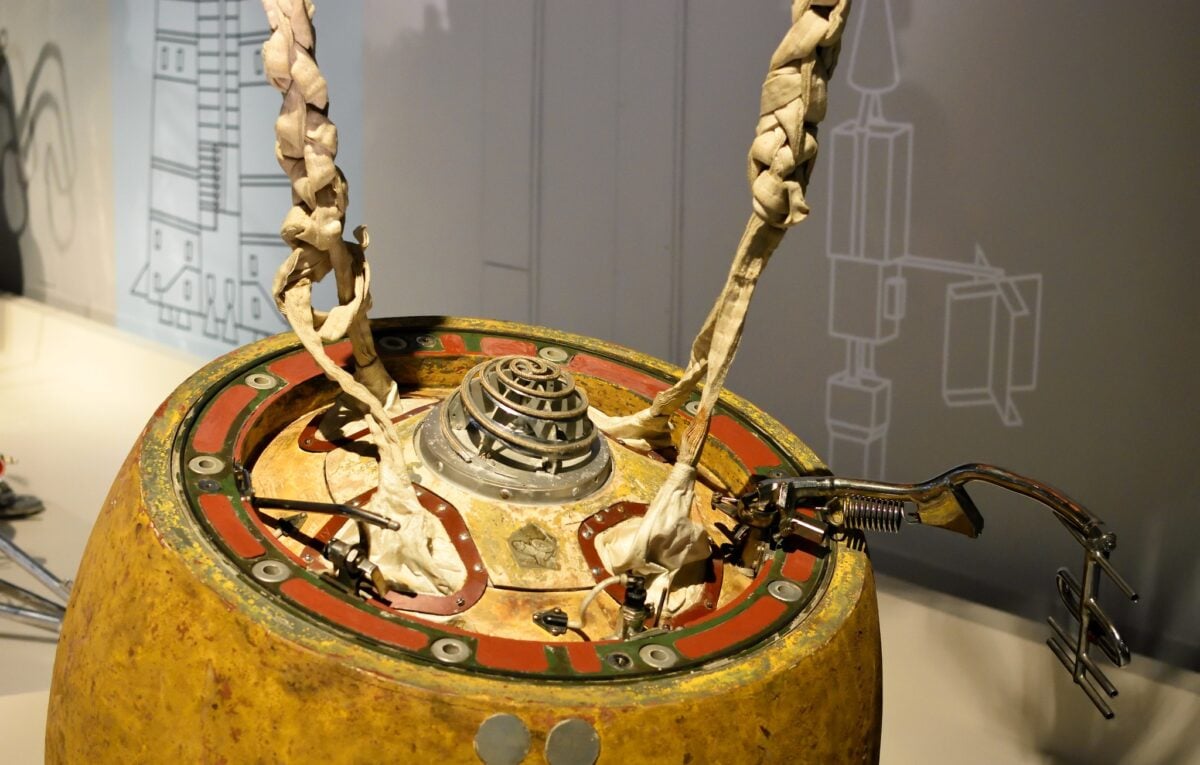
Before any Mars lander, before Viking, a Soviet probe named Venera 7 became the first spacecraft to transmit data from another planet’s surface.
The target was Venus in 1970, where surface temperatures melt lead and atmospheric pressure crushes like being 3,000 feet underwater.
The probe lasted 23 minutes.
Engineers had designed it to withstand conditions they could barely comprehend, and for less than half an hour, signals came back from that hellish world.
Those transmissions proved we could land on other planets at all, even the hostile ones.
Two Tortoises Beat Humans Around the Moon

In September 1968, the Soviet Union loaded two Russian steppe tortoises into the Zond 5 spacecraft, along with fruit flies, plants, and worms.
The mission circled the Moon and returned to Earth.
The tortoises became the first living creatures to loop around another celestial body and make it home.
The animals had been starved for 12 days before launch as part of the experiment protocol.
When the capsule splashed down in the Indian Ocean instead of Kazakhstan due to guidance problems, recovery took 10 hours.
The tortoises had lost about 10 percent of their body weight but were otherwise fine, apparently still hungry.
American intelligence intercepted what sounded like cosmonaut voices from the spacecraft during the mission.
The CIA panicked, thinking the Soviets had secretly put men aboard.
Turned out Soviet cosmonauts were just pranking everyone by relaying telemetry through the probe from their ground station.
Apollo 17 astronaut Eugene Cernan later admitted the incident “shocked the hell out of us.”
Pioneer 10 Crossed the Asteroid Belt When Nobody Knew If That Was Possible

Launched in 1972, Pioneer 10 had a simple directive: fly to Jupiter and see what happens. At the time, no spacecraft had gone beyond Mars.
The asteroid belt between Mars and Jupiter presented an unknown hazard.
Some scientists worried the probe would be shredded by debris.
Pioneer 10 made it through without incident, proving the belt was mostly empty space.
On December 3, 1973, it flew within 81,000 miles of Jupiter’s cloud tops and sent back the first close-up images of the gas giant.
Then it kept going, eventually becoming the first human-made object to achieve escape velocity from the solar system.
Mars 3 Landed Successfully But Nobody Talks About It
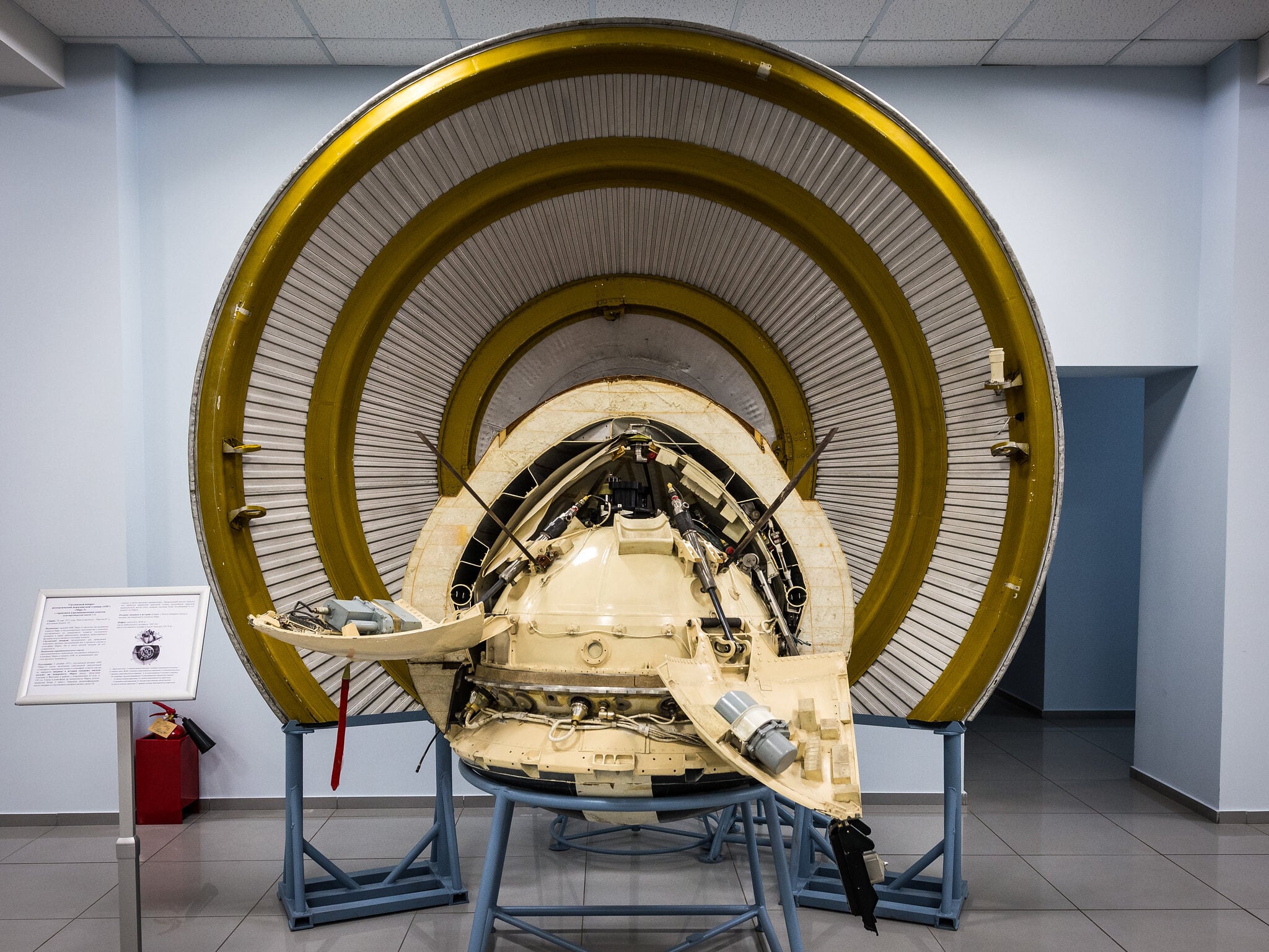
The first spacecraft to safely land on Mars wasn’t American. On December 2, 1971, the Soviet Mars 3 lander touched down on the Red Planet and began transmitting.
Then a massive dust storm knocked it out after 110 seconds.
The single image it returned showed mostly static, and Soviet officials kept it classified until the glasnost era.
Meanwhile, the orbiter portion of Mars 3 continued transmitting atmospheric data for eight months.
American media largely overlooked the achievement.
When Viking 1 landed in 1976, it got the glory despite arriving five years later.
NEAR Shoemaker Landed on an Asteroid Without Being Designed To

The NEAR Shoemaker mission launched in 1996 with one goal: orbit the asteroid 433 Eros and study it.
Landing wasn’t part of the plan.
The spacecraft didn’t have landing gear or shock absorption.
After a year of orbiting and mapping Eros, mission controllers decided to try something audacious.
In February 2001, they maneuvered NEAR Shoemaker down to the surface.
The probe touched down intact and transmitted data for two weeks until its batteries died.
First asteroid landing ever, pulled off by a spacecraft that wasn’t built for it.
Giotto Nearly Destroyed Itself to Photograph a Comet
When Halley’s Comet approached the inner solar system in 1986, the European Space Agency launched Giotto to intercept it.
The probe came within 370 miles of the comet’s nucleus while traveling at tens of thousands of miles per hour, taking the first detailed photos of a comet’s icy core.
Dust particles slammed into Giotto during the flyby, damaging instruments and knocking the spacecraft off balance.
The probe survived anyway and later flew past another comet, Grigg-Skjellerup, in 1992.
Those close-up images changed how scientists understood comets, revealing jet activity and composition details impossible to observe from Earth.
Mariner 1 Failed Because of a Missing Hyphen
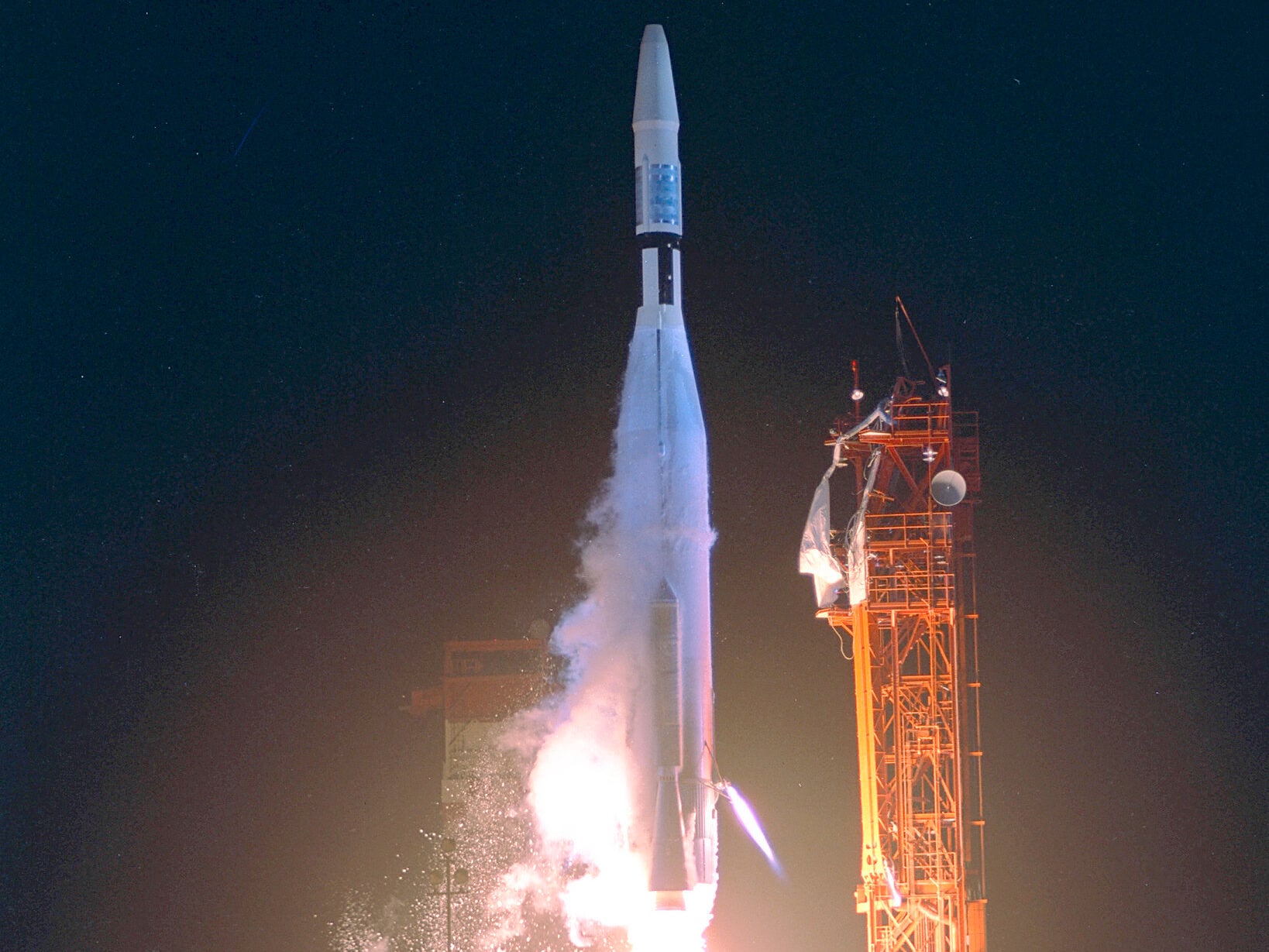
NASA’s Mariner 1 launched on July 22, 1962, headed for Venus.
Four minutes into flight, the rocket veered off course.
Range safety officers destroyed it before the thing crashed into shipping lanes or populated areas.
The investigation traced the failure to guidance software missing a single character, essentially a hyphen in the code.
That tiny error cost roughly $18 million in 1962 dollars and handed the Soviets another propaganda win during the height of the Space Race.
Mariner 2 succeeded later that year.
Phobos 1 Lost Contact Because Someone Uploaded Bad Code
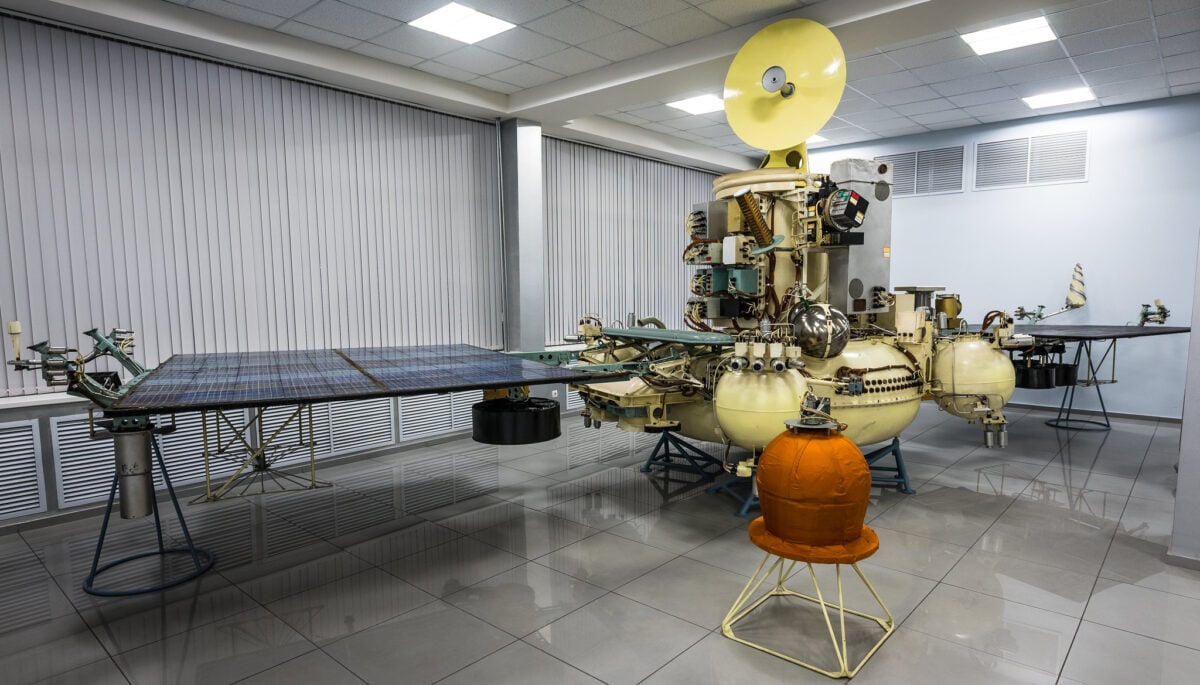
The Soviet Union launched Phobos 1 in 1988 to study Mars and its moons.
The ambitious mission planned to land a probe on Phobos itself.
On September 2, two months after launch, ground control lost contact permanently.
Investigators discovered that software uploaded on August 29 was missing a single character.
This put the spacecraft into a steering test mode that should only run on Earth, which also deactivated the attitude thrusters.
Phobos 1 couldn’t orient its solar panels toward the Sun.
When the batteries died, so did the mission.
The flight software contained code that was supposed to be removed after ground testing.
Luna 1 Missed the Moon But Made History Anyway

The Soviet Luna 1 launched in January 1959 with orders to crash into the Moon.
A guidance error caused it to miss by about 3,700 miles.
Instead of being remembered as a failure, Luna 1 became the first human-made object to reach escape velocity and leave Earth’s orbit.
While sailing past the Moon, instruments discovered that our satellite lacks a meaningful magnetic field.
The probe also detected the solar wind for the first time.
Both discoveries fundamentally changed how scientists understood space. Luna 1 eventually entered orbit around the Sun.
Mariner 10 Used Solar Pressure for Steering
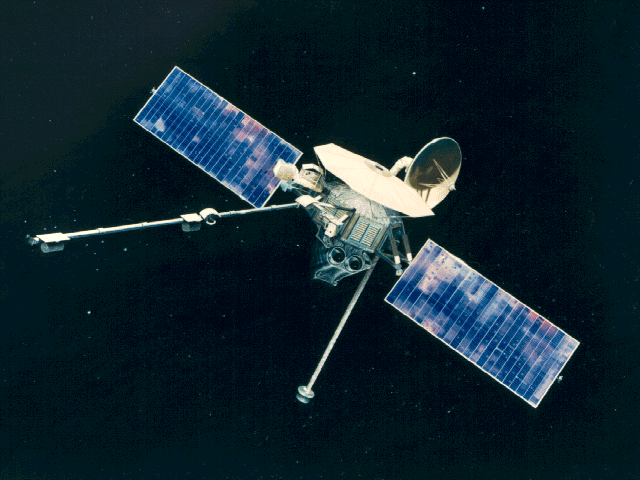
The Mariner 10 mission to Mercury in 1973 pioneered a technique nobody had tried before.
When the spacecraft’s attitude control fuel ran low, engineers realized they could use sunlight hitting the solar panels to adjust orientation.
Essentially, they steered using solar pressure.
This improvised solution worked well enough that Mariner 10 completed three Mercury flybys, mapping about 45 percent of the planet’s surface.
The technique became standard practice on future missions, proving that sometimes running out of fuel leads to better engineering.
Viking Landers Searched for Life and Found Ambiguity

The Viking missions often get overshadowed by flashier Mars rovers, but these 1976 landers conducted the first search for life on another planet.
Both Viking 1 and Viking 2 operated for years beyond their 90-day design life, with Viking 1 lasting more than six years.
The biological experiments produced puzzling results that scientists still debate.
Some chemical reactions suggested metabolic activity.
Others indicated the Martian soil was too harsh for life as we know it.
The ambiguity haunted researchers for decades and shaped how future missions would search for biosignatures.
Zond 6 Killed Its Animal Passengers on Reentry
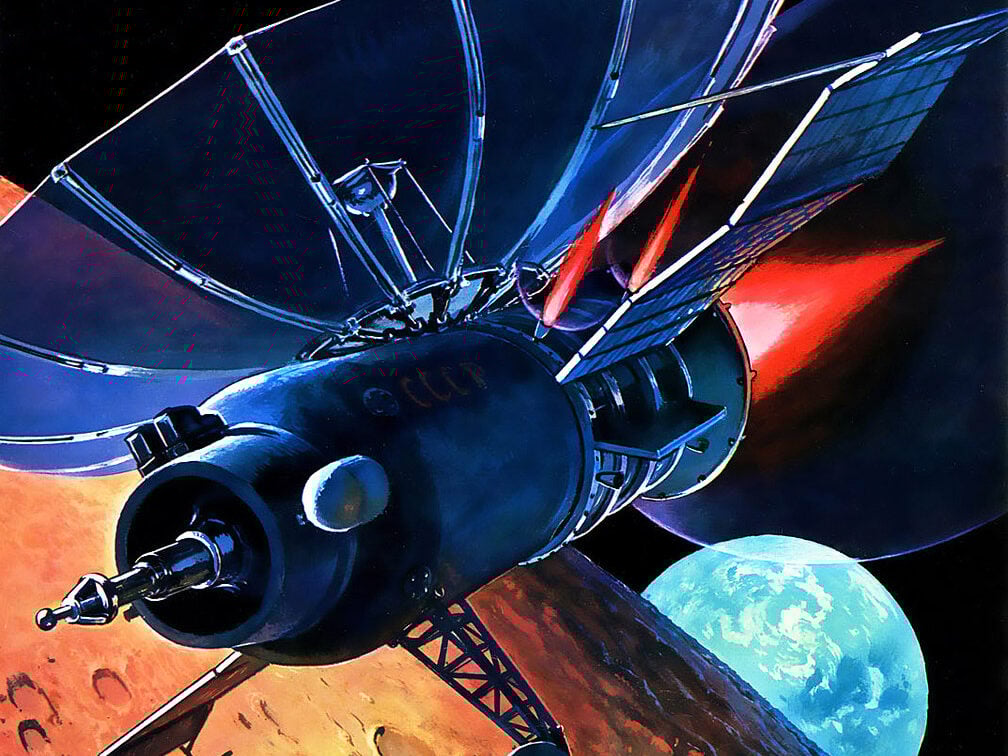
After Zond 5’s successful circumlunar flight with tortoises, the Soviets rushed to launch Zond 6 in November 1968.
The spacecraft made it around the Moon, but during reentry the capsule depressurized and then crashed in Kazakhstan when the parachute deployed prematurely.
None of the biological specimens survived.
The failure, combined with Apollo 8’s successful human mission the following month, effectively ended Soviet hopes of beating America in the Moon race.
The program faded from public attention.
Lunar Orbiter Missions Mapped the Moon for Apollo

Between 1966 and 1967, five Lunar Orbiter missions photographed 99 percent of the Moon’s surface.
These high-resolution images provided essential data for selecting Apollo landing sites and revealed terrain features nobody had seen before.
Without Lunar Orbiter, the Apollo landings would have faced far more unknowns about where to safely touch down.
The missions succeeded so quietly that most people never learned they happened.
Mars Climate Orbiter Died Because of Mixed Units

NASA’s Mars Climate Orbiter launched in 1998 and cruised to Mars just fine.
In September 1999, the spacecraft prepared to enter orbit.
Instead, its trajectory took it too close to the planet, and atmospheric friction destroyed it.
The investigation revealed something embarrassing.
The mission navigation team at NASA used metric units.
Lockheed Martin, the spacecraft manufacturer, sent thruster commands in imperial units. Nobody caught the mismatch.
The $300 million spacecraft disintegrated because engineers couldn’t agree on whether to use pounds or newtons.
A Secret Art Museum Might Be on the Moon
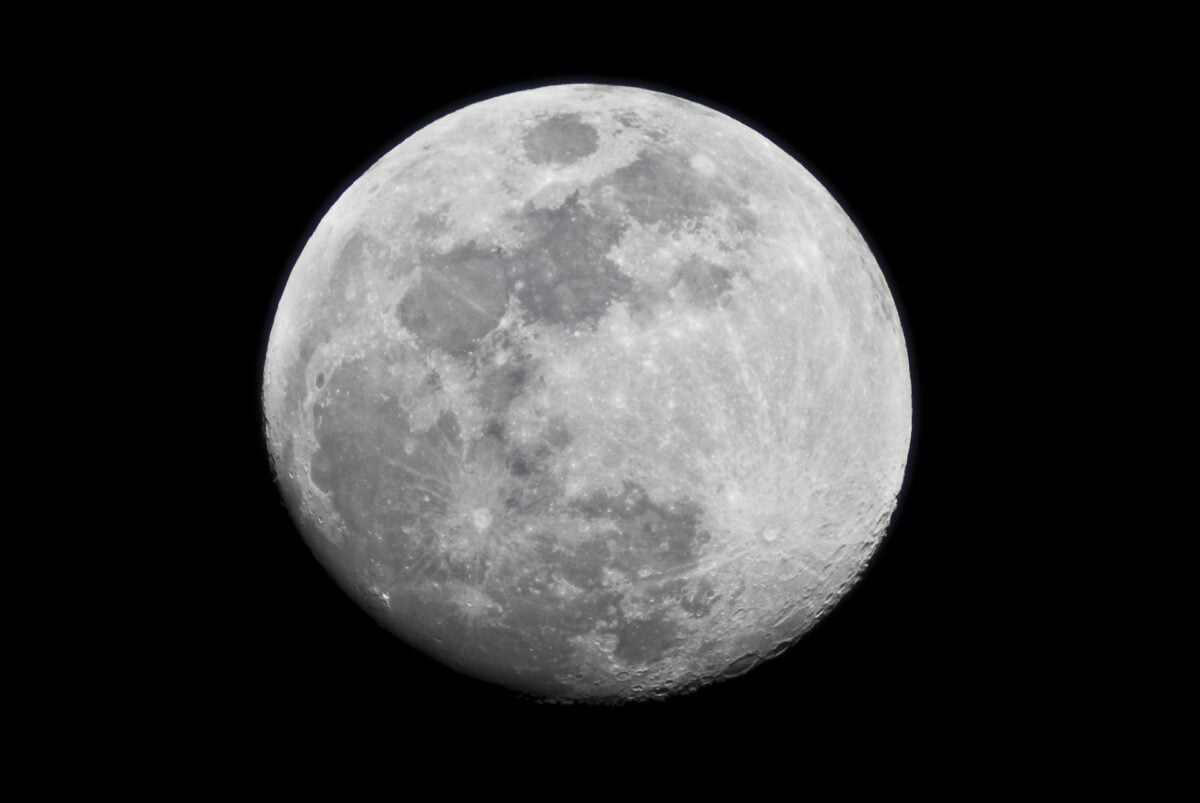
In 1969, artist Forrest Myers supposedly convinced an engineer to attach a tiny ceramic chip to a leg of the Apollo 12 lunar module.
The chip contained drawings by six artists, including Andy Warhol. Myers called it the Moon Museum.
NASA has no record of approving this.
The agency never agreed to send the art.
But Myers did receive a telegram signed “John F.” that read “YOUR ON ‘A.O.K. ALL SYSTEMS ARE GO,” which the artists interpreted as confirmation.
The lunar module is still on the Moon.
Whether the art chip is actually there remains a mystery.
What We Forget and Why

Space exploration moves fast enough that even successful missions fade from memory within a few years.
The public remembers drama, firsts, and disasters.
Steady achievements slip away unless someone makes an effort to recall them.
These forgotten missions laid groundwork for everything that came after.
The failures taught lessons.
The successes proved concepts that seemed impossible.
Some carried tortoises around the Moon or accidentally created landing techniques still used today.
They deserve better than obscurity.
More from Go2Tutors!

- The Romanov Crown Jewels and Their Tragic Fate
- 13 Historical Mysteries That Science Still Can’t Solve
- Famous Hoaxes That Fooled the World for Years
- 15 Child Stars with Tragic Adult Lives
- 16 Famous Jewelry Pieces in History
Like Go2Tutors’s content? Follow us on MSN.



