Vintage Apple Computers That Are Worth a Fortune Now
Tucked away in basements and attics across America, vintage Apple computers are sitting quietly next to old photo albums and Christmas decorations. Most people see clunky relics from a simpler time. Collectors see gold.
The machines that once democratized computing — bringing technology from corporate offices into living rooms — have become some of the most valuable collectibles in the world. What started as tools for hobbyists and early adopters now command prices that would make most stock portfolios jealous.
Apple I
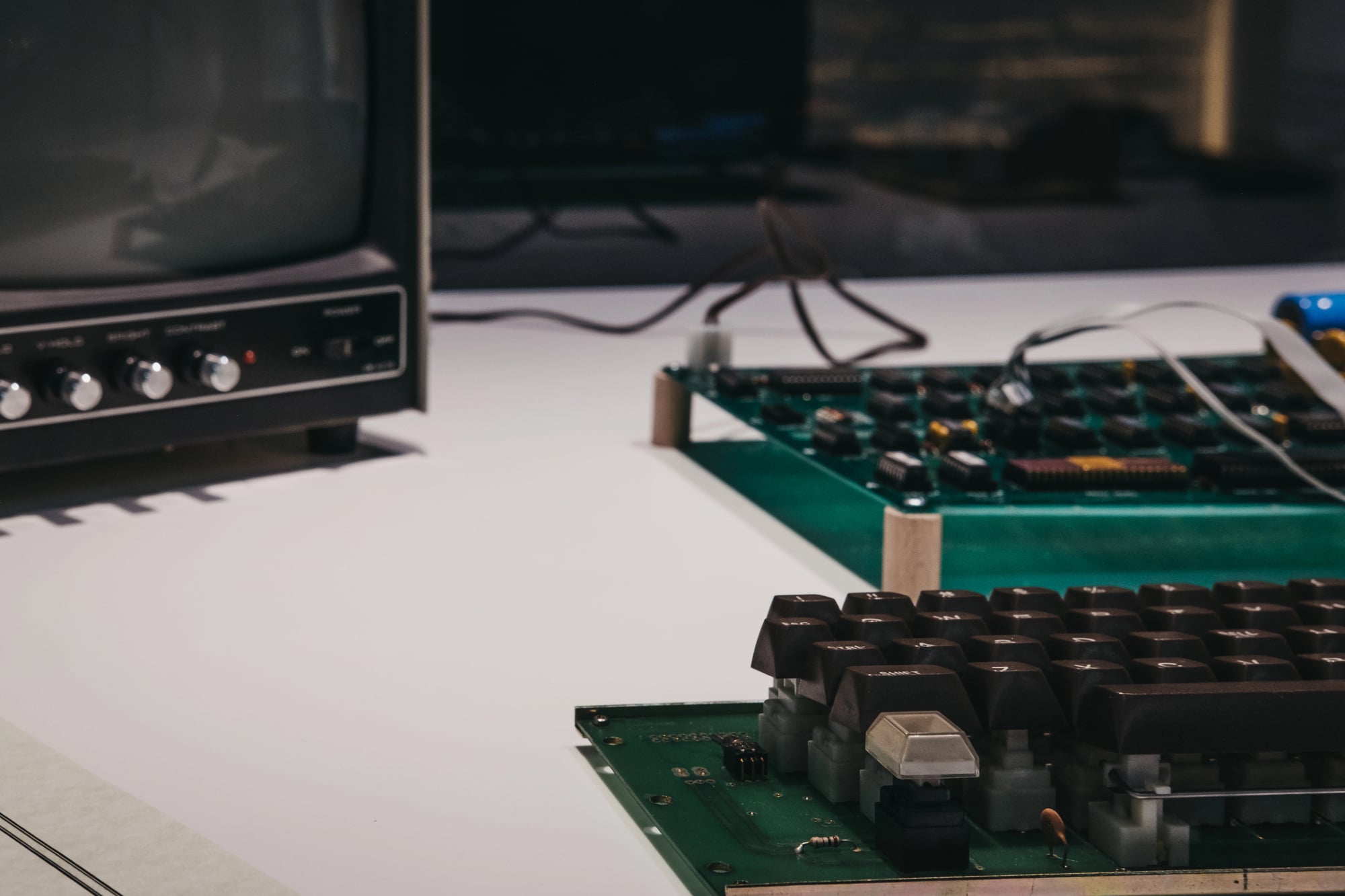
This wasn’t really a computer at all. More like a circuit board with ambition.
Steve Wozniak hand-soldered each one in the Jobs family garage, and buyers had to provide their own case, keyboard, and monitor. Only 200 were ever made.
About 60 still exist.
A working Apple I sold for $905,000 at auction in 2014. Even broken ones fetch six figures.
The machine that launched a trillion-dollar company sits in temperature-controlled cases now, behind museum glass.
Lisa
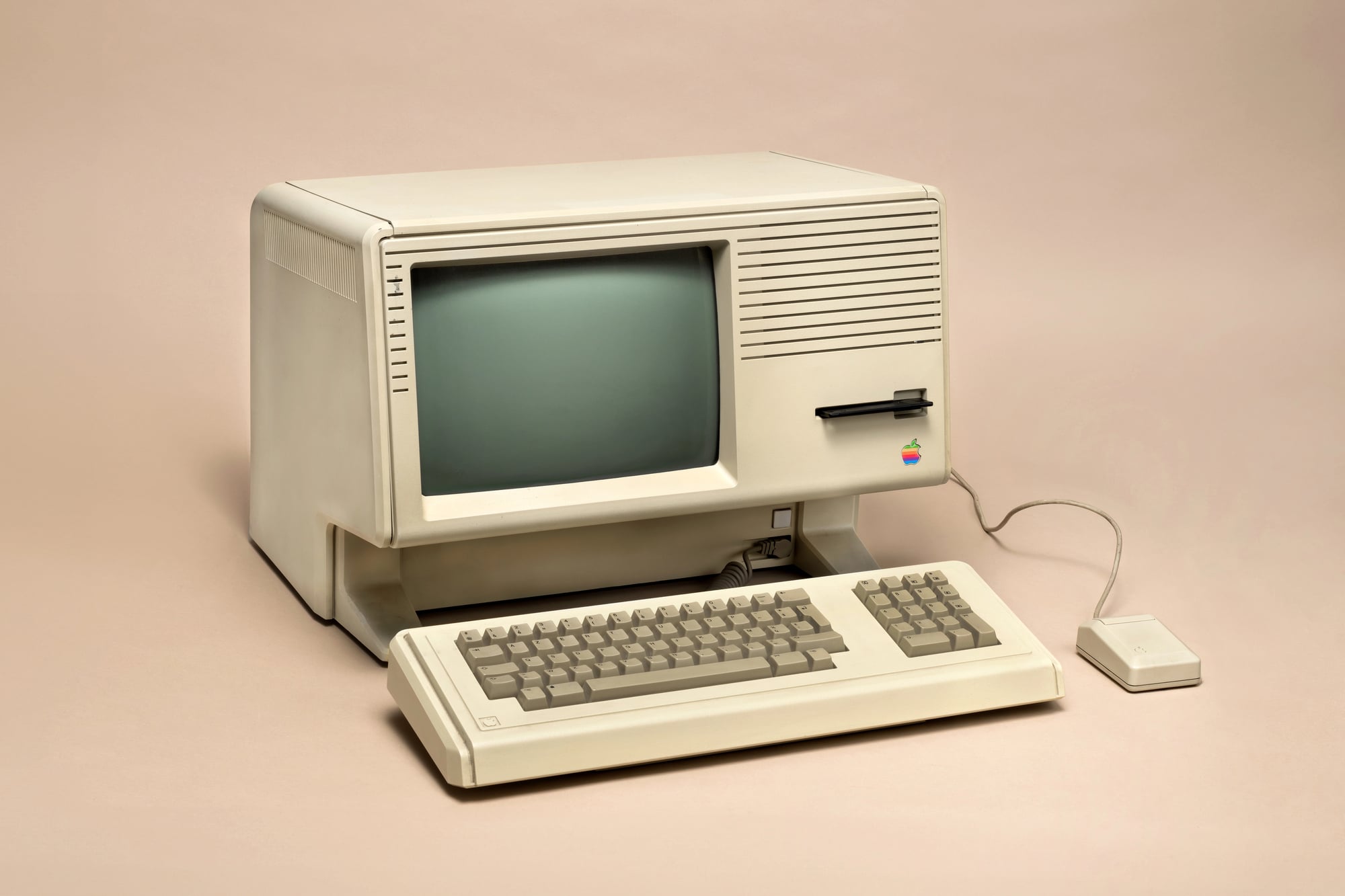
Here’s where Apple’s relationship with complexity gets interesting: the Lisa was technically superior to almost everything that came after it (and the company’s first real attempt at making computers friendly enough for regular humans to use), but it arrived at exactly the wrong moment in computing history — too expensive for home users, too unfamiliar for business buyers who were just getting comfortable with DOS, and carrying a $10,000 price tag that made corporate purchasing departments wince. The whole project felt like someone trying to describe the future to people who weren’t ready to hear it.
Predictably, it flopped.
But here’s the thing about commercial failures that were ahead of their time: they age beautifully. And the Lisa, with its graphical interface that wouldn’t become standard for another decade, now sells for $20,000 to $50,000 depending on condition. So much for being too early to the party.
Apple II
The Apple II sits in computer history like a favorite childhood home — not the fanciest place, but the one where everything important happened. Walk into any American classroom between 1980 and 1995, and there it was: beige, reliable, running Oregon Trail for the thousandth time while kids learned that dying of dysentery was both hilarious and inevitable.
The machine taught a generation that computers could be approachable rather than intimidating.
That ubiquity should have made these computers worthless by now. Instead, it made them irreplaceable. Working Apple II systems sell for $1,000 to $3,000, but the real money lives in the peripherals and software that turned a computer into a complete experience.
Apple III
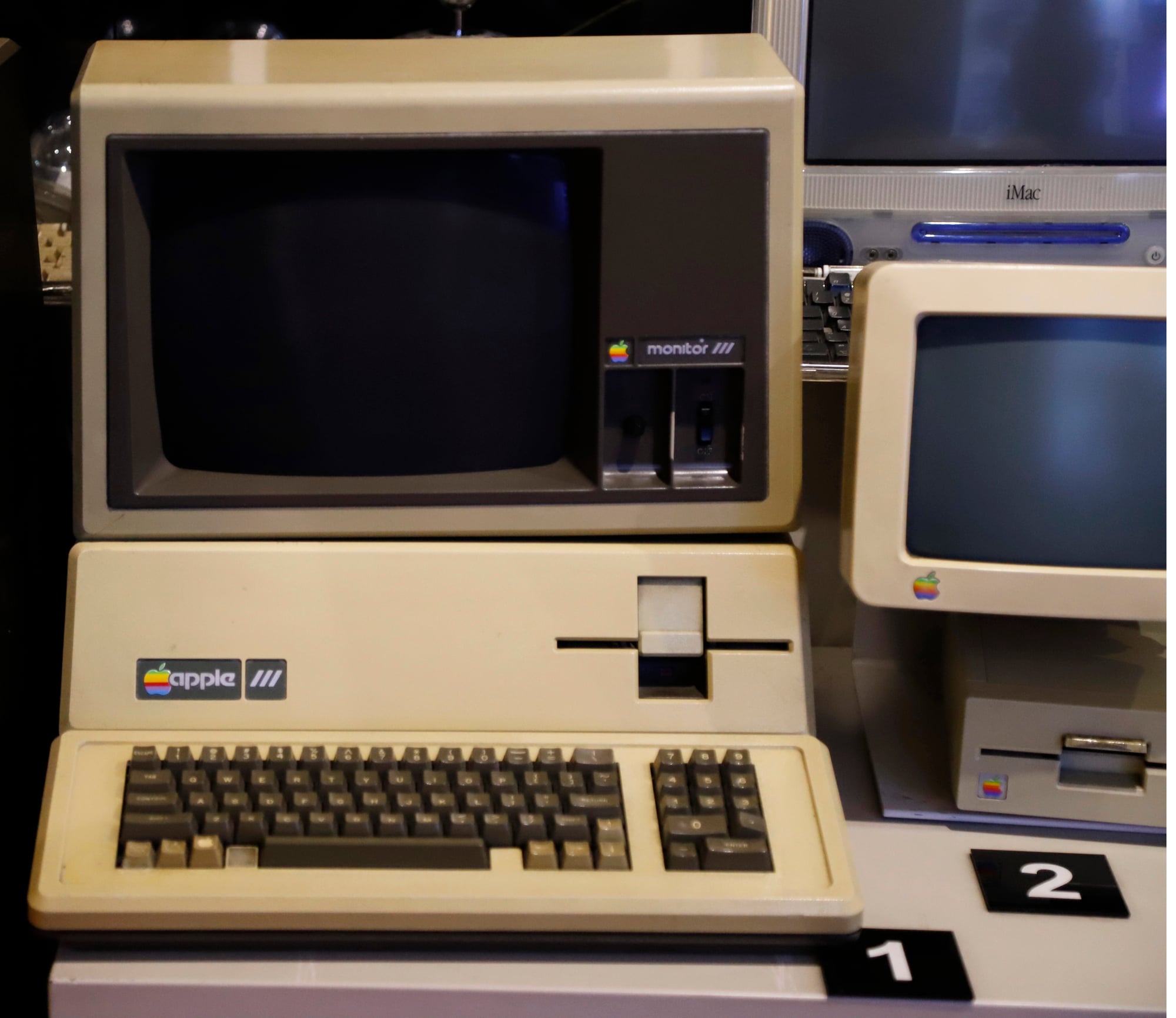
Apple wanted to kill the Apple II. The machine was too successful for its own good — popular enough that business customers were buying it instead of waiting for something more sophisticated. The Apple III was supposed to solve that problem by being everything the Apple II couldn’t: professional, powerful, expensive enough to seem serious.
It overheated instead. The engineering was ambitious but flawed, the price was astronomical, and customers stayed loyal to the machine Apple was trying to replace.
Fewer than 65,000 Apple IIIs were sold, making working units worth $2,000 to $8,000 today.
Macintosh 128K
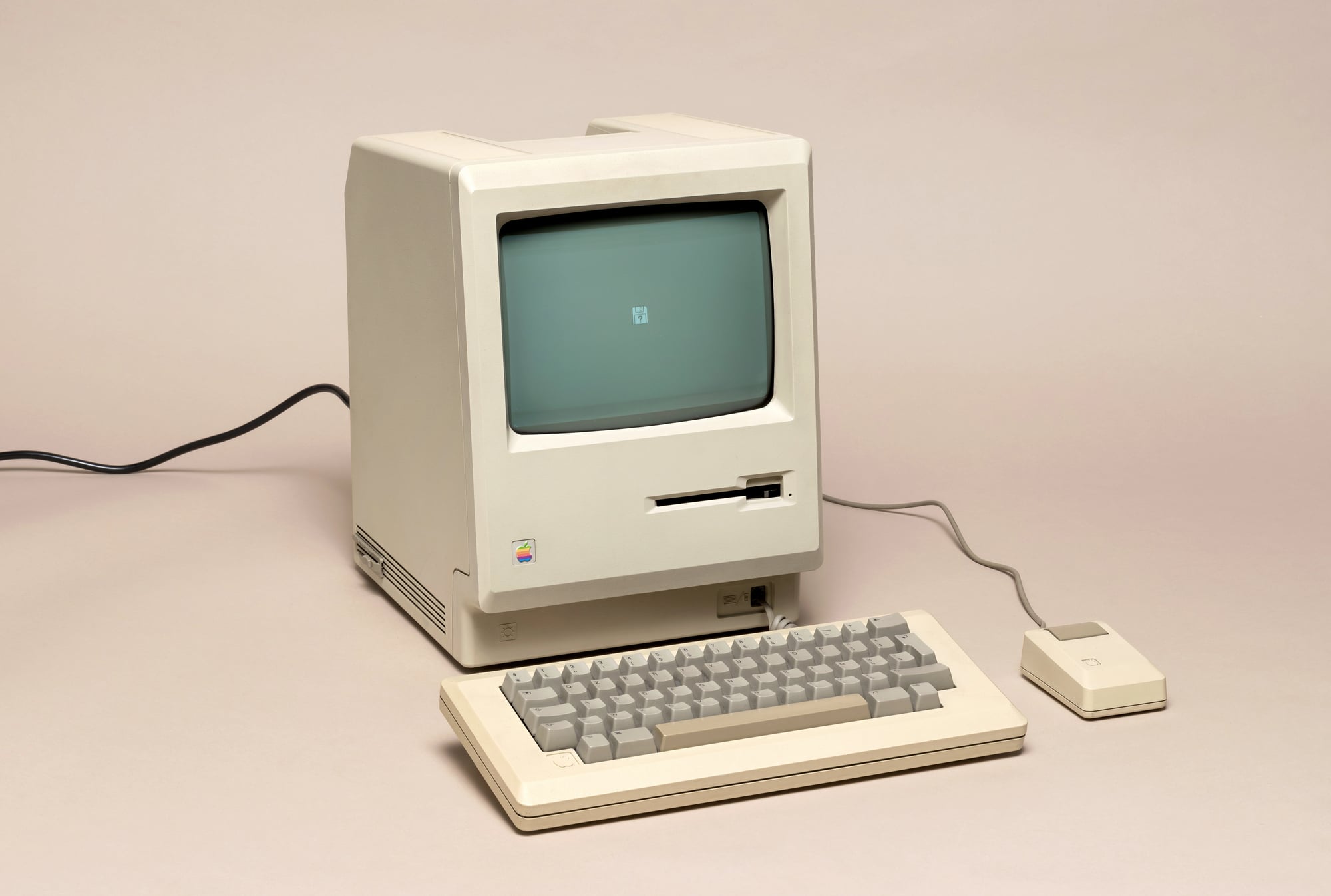
The original Macintosh arrived with a promise that felt almost absurd in 1984: regular people could use computers without learning arcane commands or memorizing function keys. Point, click, drag. The mouse would handle everything else.
Computing magazines were skeptical, business buyers were confused, and Apple spent millions on advertising trying to explain why this mattered. It mattered more than anyone realized at the time.
That first Macintosh, with its tiny screen and 128K of memory that seemed generous then, now sells for $1,500 to $4,000. The computer that made graphical interfaces mainstream sits in collectors’ hands like a historical artifact that still boots up.
Apple IIGS
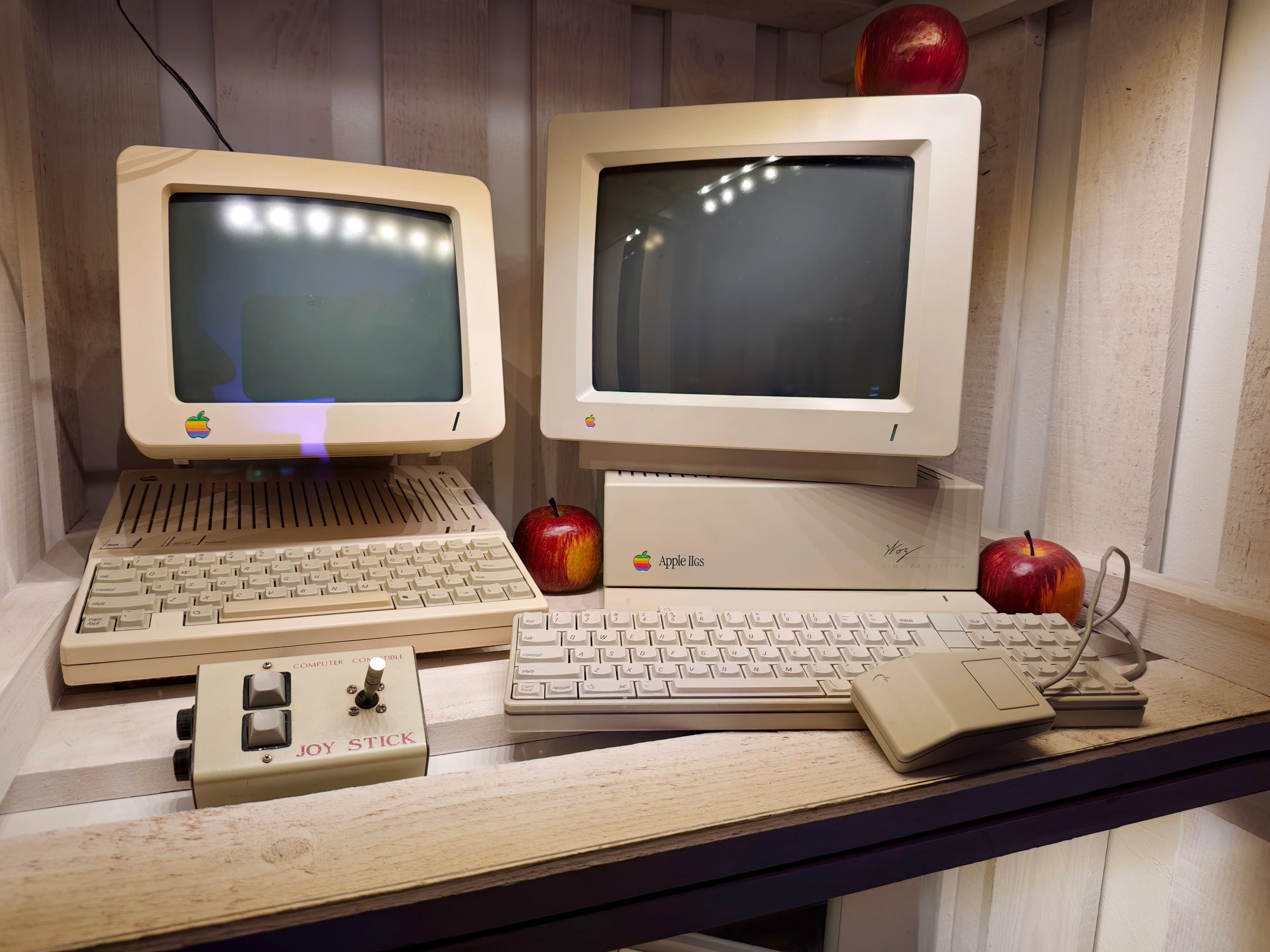
So here’s what Apple did in 1986: they took their most successful computer line and made it better in every way that mattered. More memory, better graphics, actual sound instead of beeps. The IIGS could run old Apple II software while doing things that seemed impossibly sophisticated for a home computer.
And then — because Apple has never been comfortable with things that work too well — they quietly killed it a few years later to make room for the Macintosh line.
The IIGS became the machine that got away. Powerful enough to feel modern, compatible enough to run a decade’s worth of software, and discontinued early enough to become genuinely rare.
Working systems fetch $800 to $2,500, but complete setups with monitors and peripherals can hit $5,000. Which is saying something for a computer Apple barely promoted.
NeXT Computer
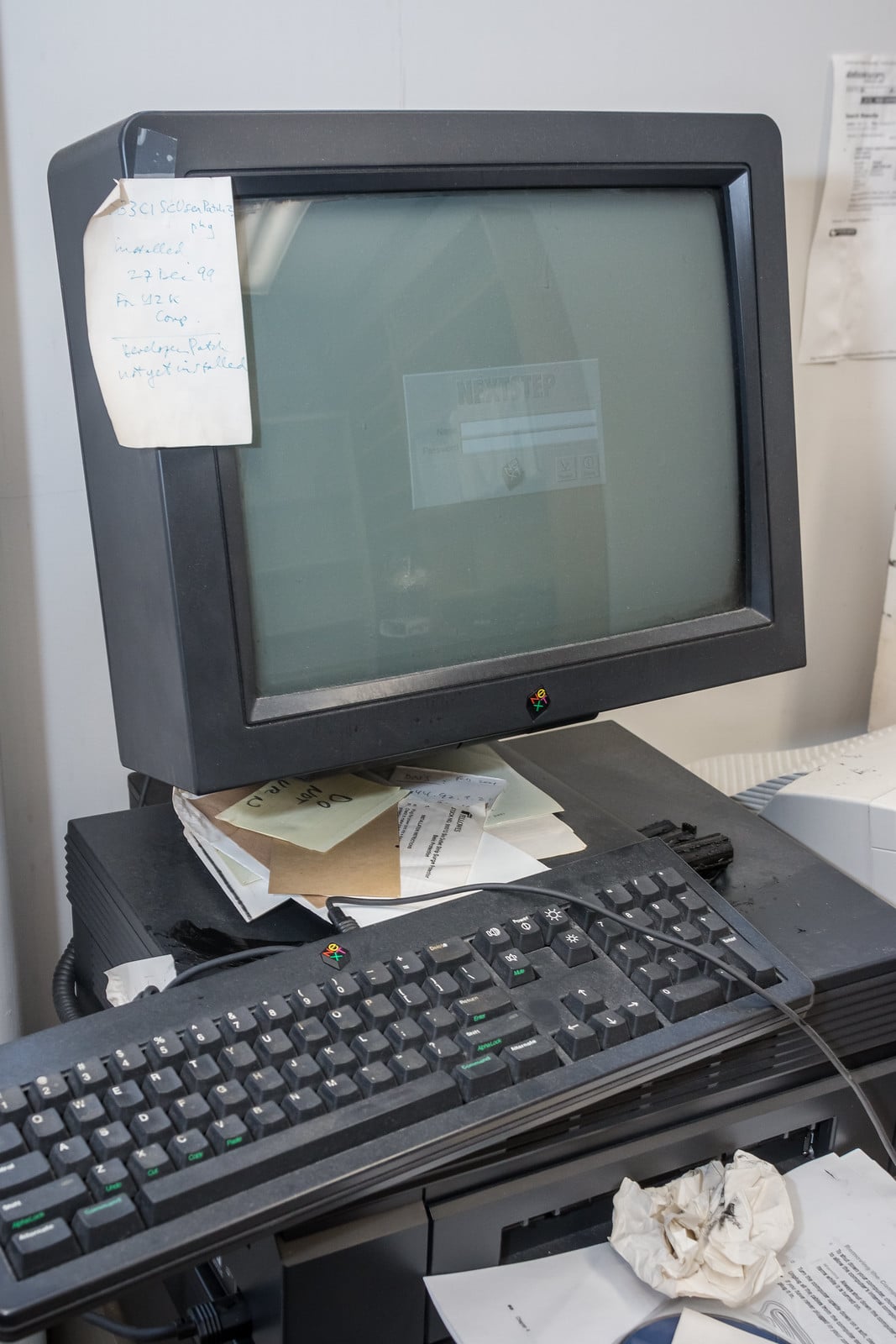
When Steve Jobs got pushed out of Apple in 1985, he didn’t retreat or start something completely different — he built the computer Apple should have been making all along, if Apple hadn’t been so concerned with mass appeal and profit margins. The NeXT was gorgeous, powerful, and priced for people who viewed computers as investments rather than appliances.
Universities bought them. Software developers coveted them. Regular consumers ignored them completely.
That exclusivity aged well. NeXT computers sell for $2,000 to $15,000 now, depending on the model and configuration.
The irony runs deeper: when Apple bought NeXT in 1997, they were essentially purchasing the foundation for every product they’d make for the next two decades.
PowerBook 100 Series
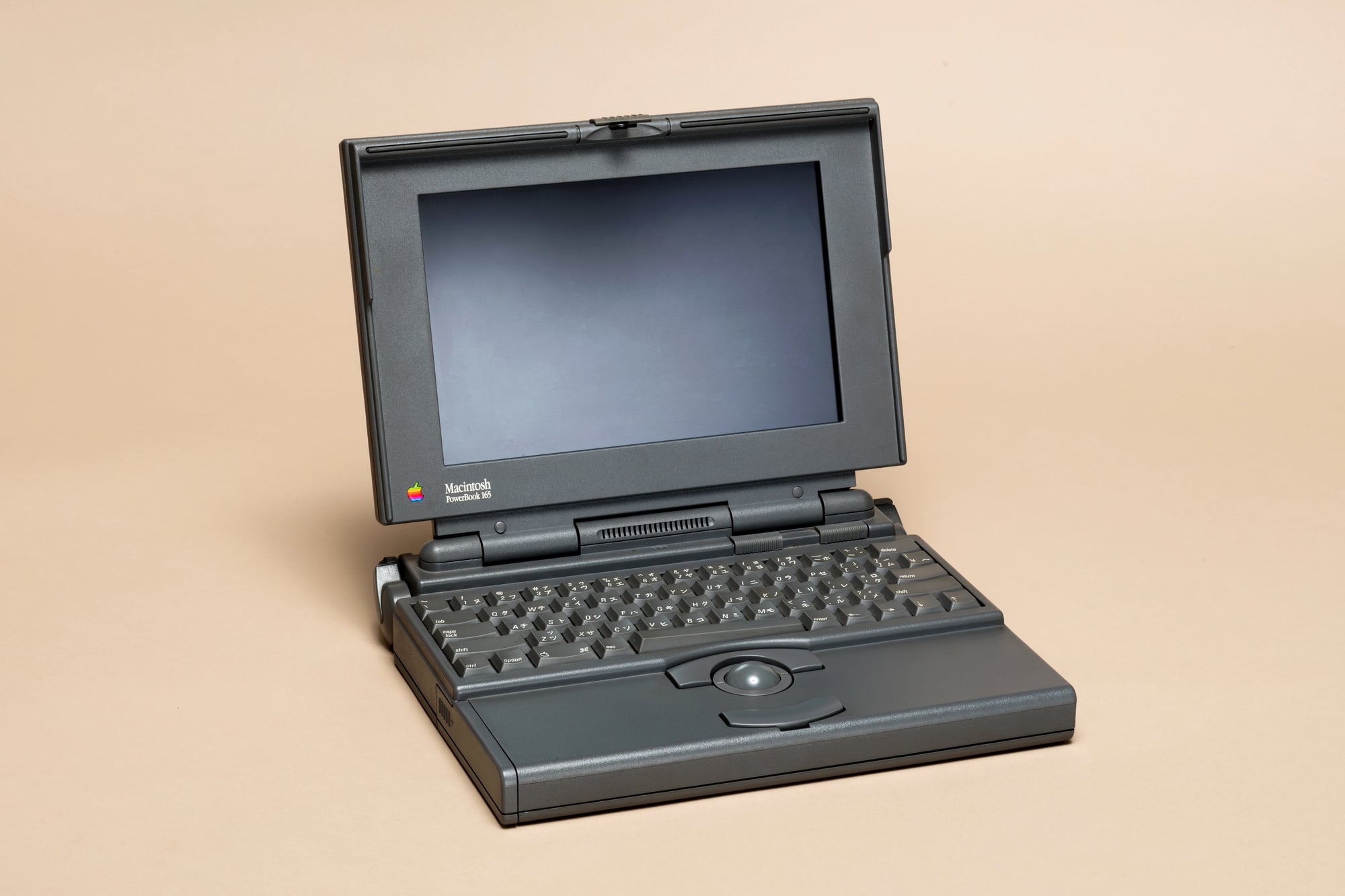
Laptops before the PowerBook were compromises. Heavy, dim-screened, short-lived machines that made computing portable in the same way a suitcase makes travel convenient — technically true, but missing the point entirely. Apple’s PowerBook changed that by treating portability as a design challenge rather than an engineering afterthought.
The original PowerBook 100 weighed 5.1 pounds, which felt miraculous in 1991. The keyboard was positioned toward the back, leaving room for a trackball that made the mouse obsolete for mobile work.
Working PowerBook 100s sell for $500 to $1,500 today, but finding one that actually works requires patience and luck.
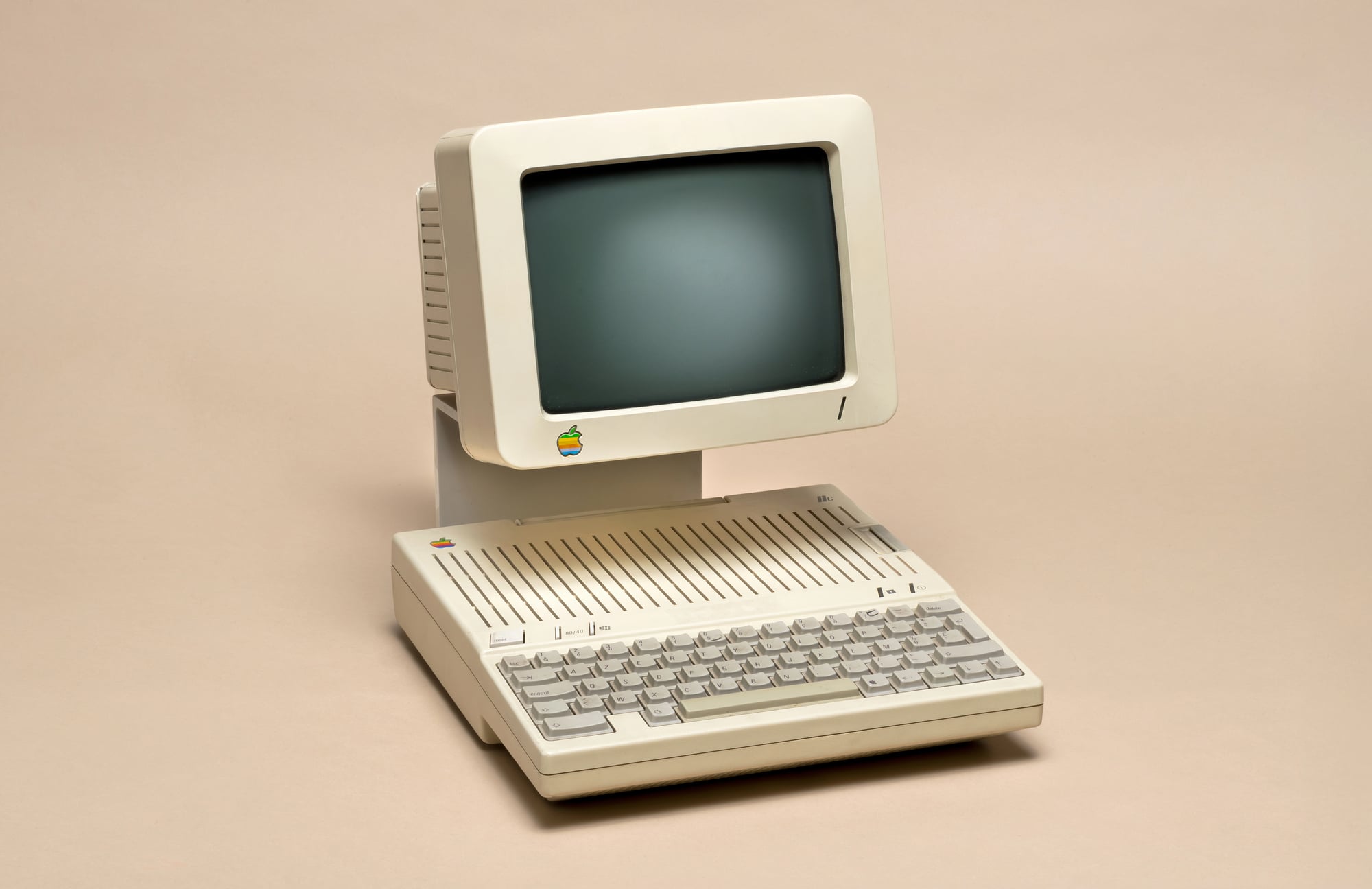
Apple IIc
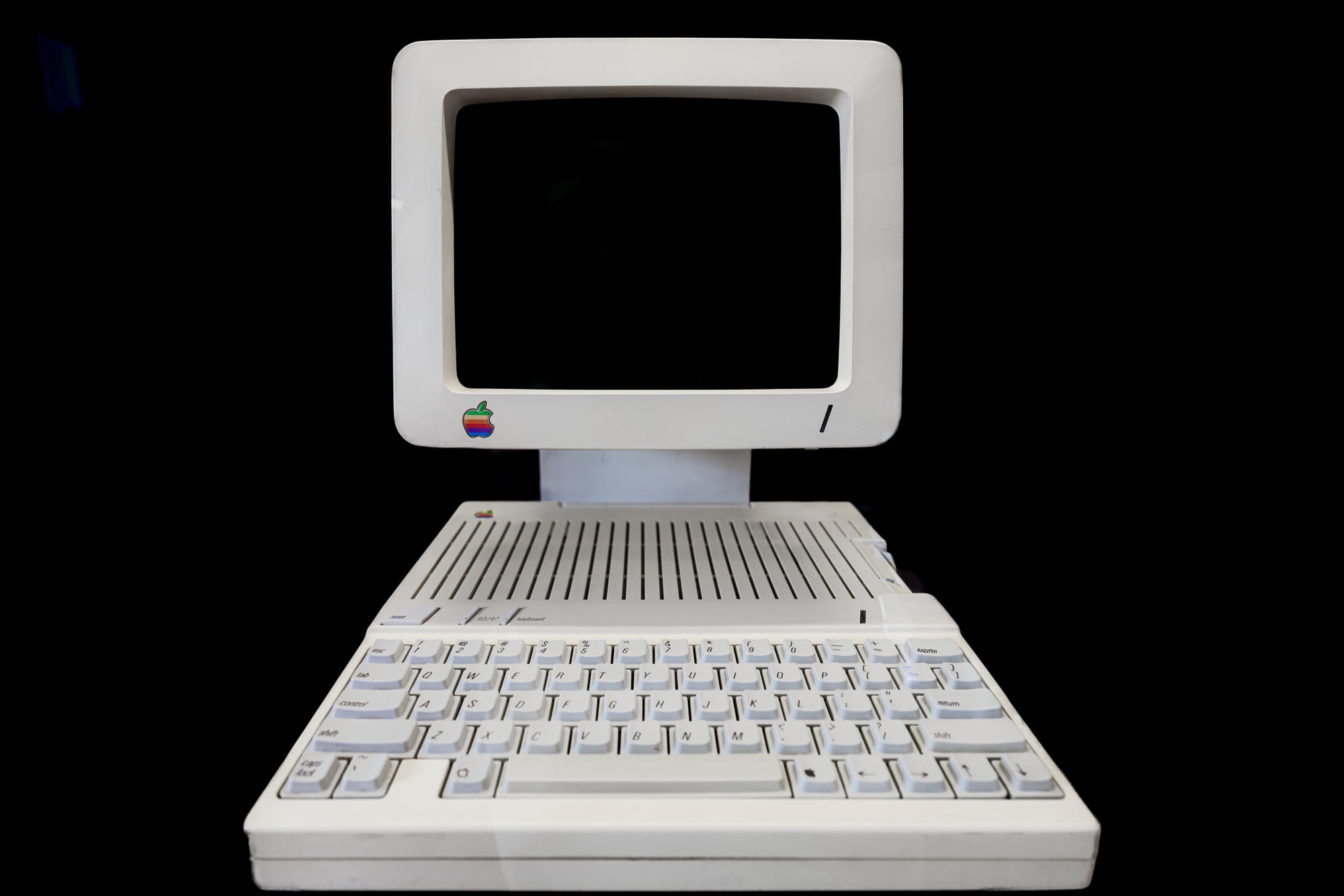
Portability in 1984 meant something different than it does today. The Apple IIc was “portable” in the sense that it had a carrying handle and weighed only 7.5 pounds — revolutionary for a complete computer system.
It was designed for people who wanted Apple II compatibility without the expansion slots and internal complexity that made the Apple II powerful but intimidating.
The IIc succeeded by being exactly what it promised: simple, reliable, and capable of running the software that mattered. Clean examples sell for $300 to $1,200, making it one of the more accessible vintage Apple computers for collectors who want something that actually works.
Macintosh SE
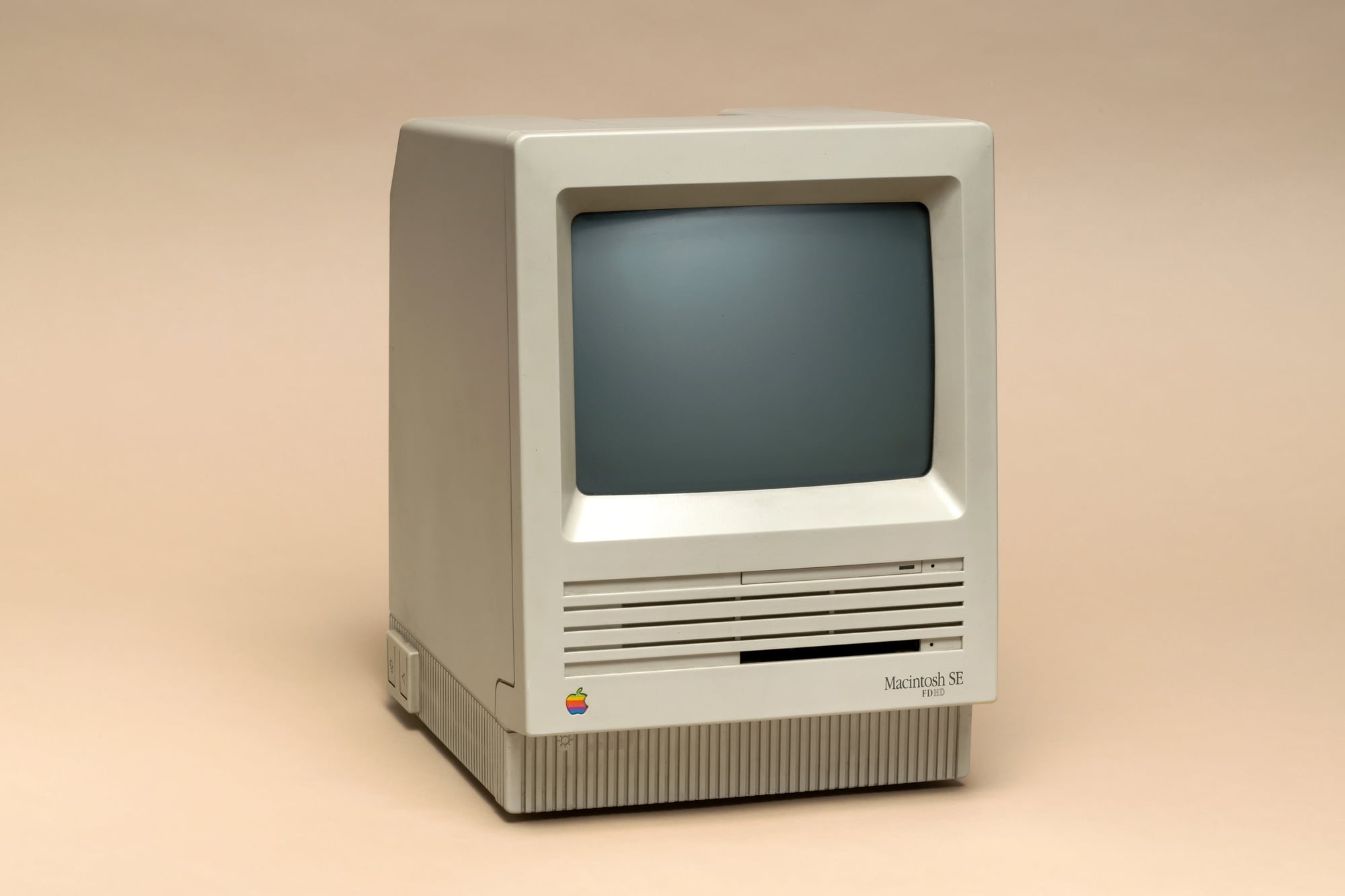
The SE fixed everything wrong with the original Macintosh without losing what made it special. More memory, expandability, and a hard drive that made the computer feel permanent rather than experimental.
This was the machine that proved graphical interfaces weren’t just clever demonstrations — they were the future of computing. Business buyers finally understood what Apple had been trying to sell them.
The SE became common enough in offices that working units don’t command Lisa-level prices, but rare enough that clean examples fetch $400 to $1,500. The sweet spot for collectors who want vintage Apple without vintage prices.
Power Mac G4 Cube
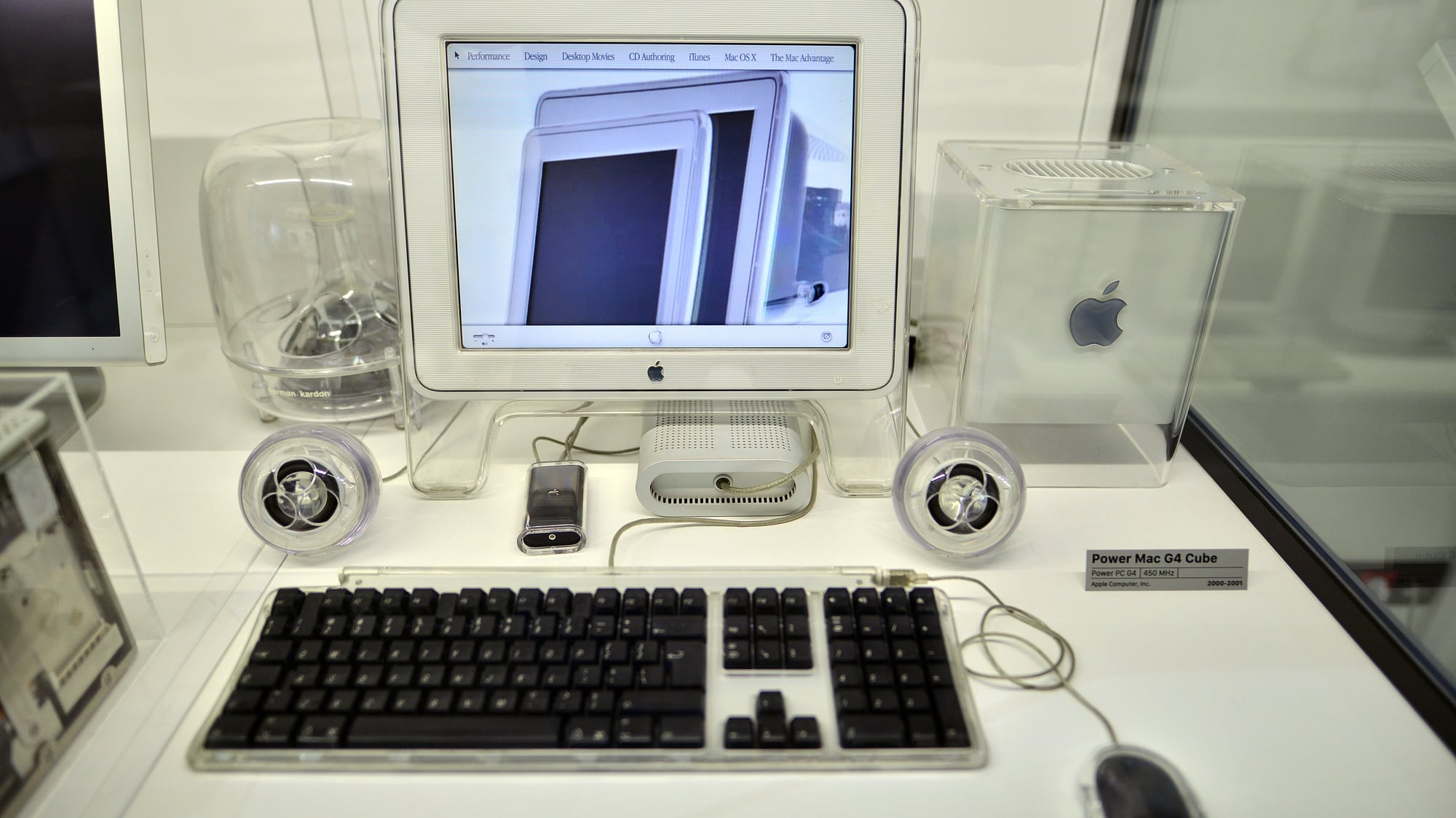
The G4 Cube was Apple’s attempt to make a computer that looked like art. No fan, no noise, just a transparent cube containing everything necessary for serious computing.
It was beautiful, powerful, and completely impractical for anyone who needed to upgrade components or repair problems.
Predictably, it flopped after one year in production. Equally predictably, that brief production run makes working Cubes worth $800 to $3,000 today.
The computer that was too aesthetic for its own good now sits in collections as proof that sometimes being ahead of your time is worth more than being right for your time.
iMac G3
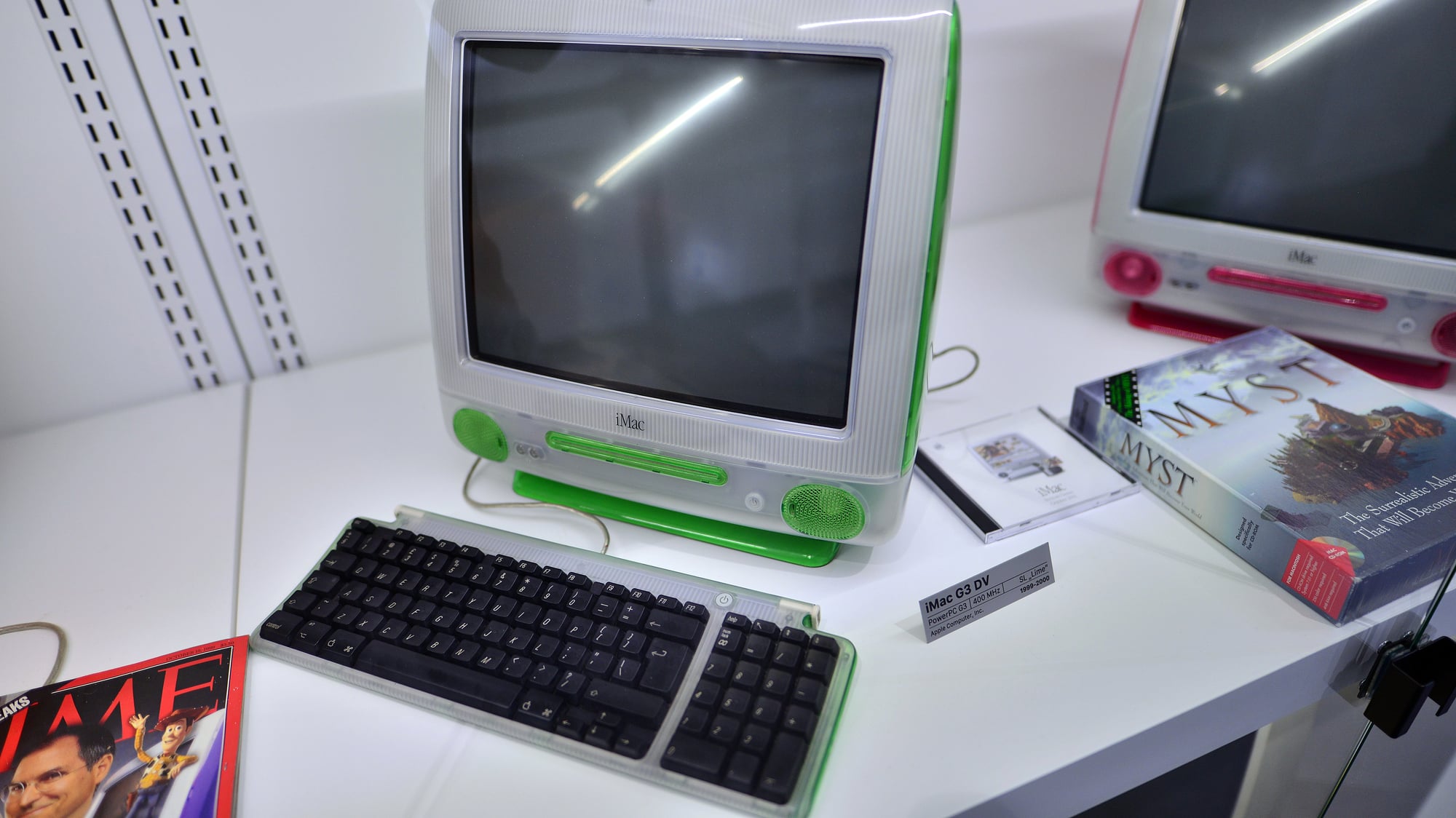
Translucent Bondi Blue plastic shouldn’t have worked as computer design, but it did. The original iMac looked like nothing else in computing — colorful, approachable, and unapologetically different in a world of beige boxes.
It saved Apple from bankruptcy and proved that people were tired of computers that looked like office equipment.
First-generation iMacs in good condition sell for $200 to $800, but the real value lives in the rare color variants that followed. A working Flower Power or Blue Dalmatian iMac can hit $1,500, which seems absurd until you remember how radical these machines felt when everything else was trying to be invisible.
Apple IIe
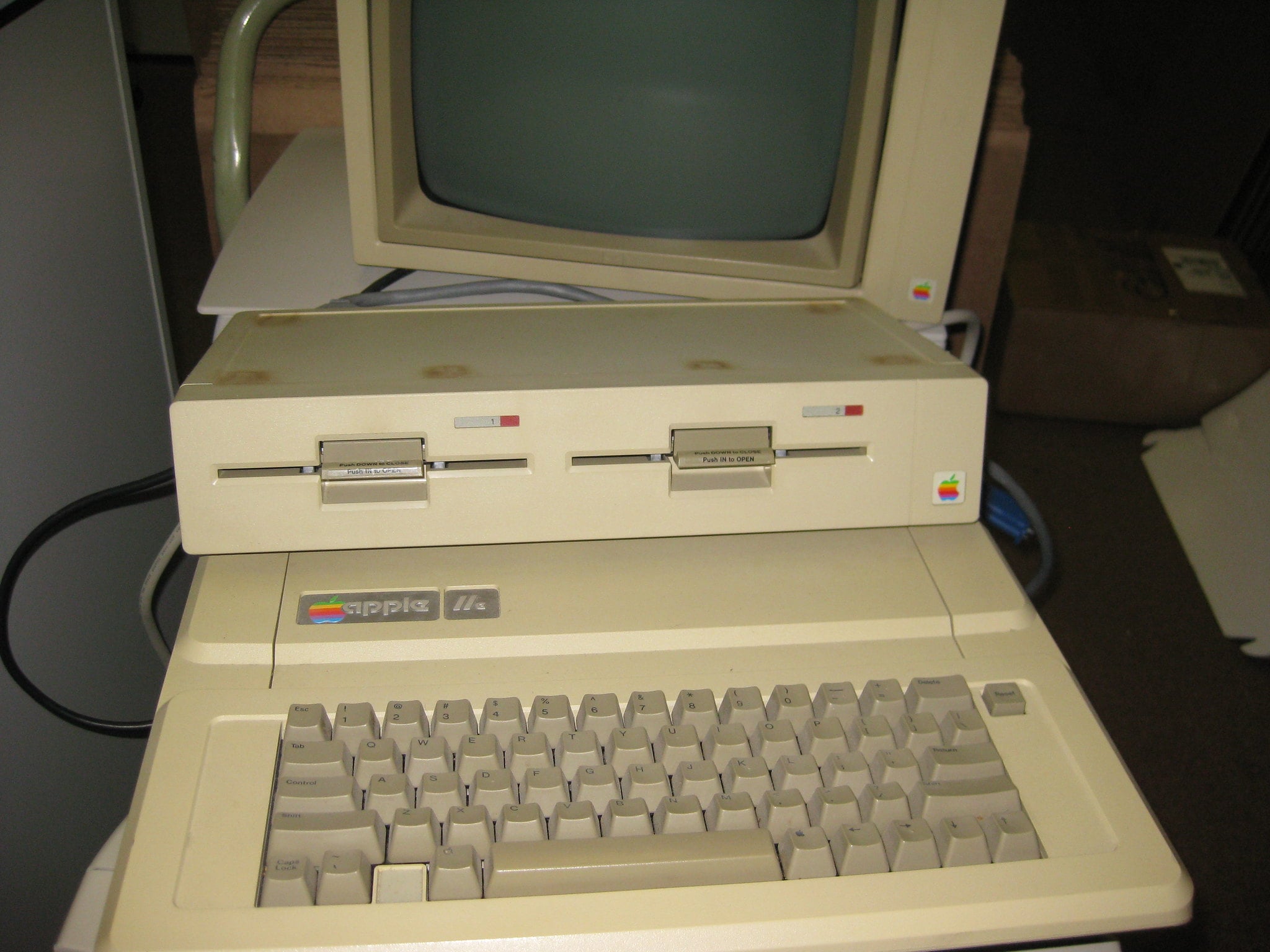
This was the Apple II perfected. Enhanced graphics, more memory, better keyboard, and compatibility with a decade’s worth of software that had made the Apple II essential in schools and homes.
The IIe lasted longer in production than almost any other Apple computer — from 1983 to 1993 — because it solved problems without creating new ones.
That long production run should make IIe systems common, but working examples with clean monitors are harder to find than the numbers suggest. Complete systems sell for $400 to $1,200, depending on included software and peripherals.
The machine that taught America to compute is worth preserving.
The Hunt Continues
Somewhere in America right now, someone is cleaning out a relative’s house and staring at an old computer that looks like junk. They’re calculating garage sale prices while holding something that might pay for a new car.
The gap between perceived value and actual worth has never been wider for vintage Apple computers, and that gap represents opportunity for people who know what they’re looking at.
But this isn’t just about money. These machines represent the moment when computing stopped being something that happened to people and became something people chose to do.
They’re artifacts from the last time technology felt genuinely optimistic — when computers were going to make everything better, and maybe they actually did.
More from Go2Tutors!

- The Romanov Crown Jewels and Their Tragic Fate
- 13 Historical Mysteries That Science Still Can’t Solve
- Famous Hoaxes That Fooled the World for Years
- 15 Child Stars with Tragic Adult Lives
- 16 Famous Jewelry Pieces in History
Like Go2Tutors’s content? Follow us on MSN



