Wedding Gowns Made from WWII Parachutes
The fabric shortages during World War II forced people to get creative with what they had. Silk and nylon vanished from store shelves, redirected to military production.
Women facing wartime weddings had to make tough choices about their special day, and some found the most unexpected solution hanging in the sky above them.
When Silk Became a Military Asset
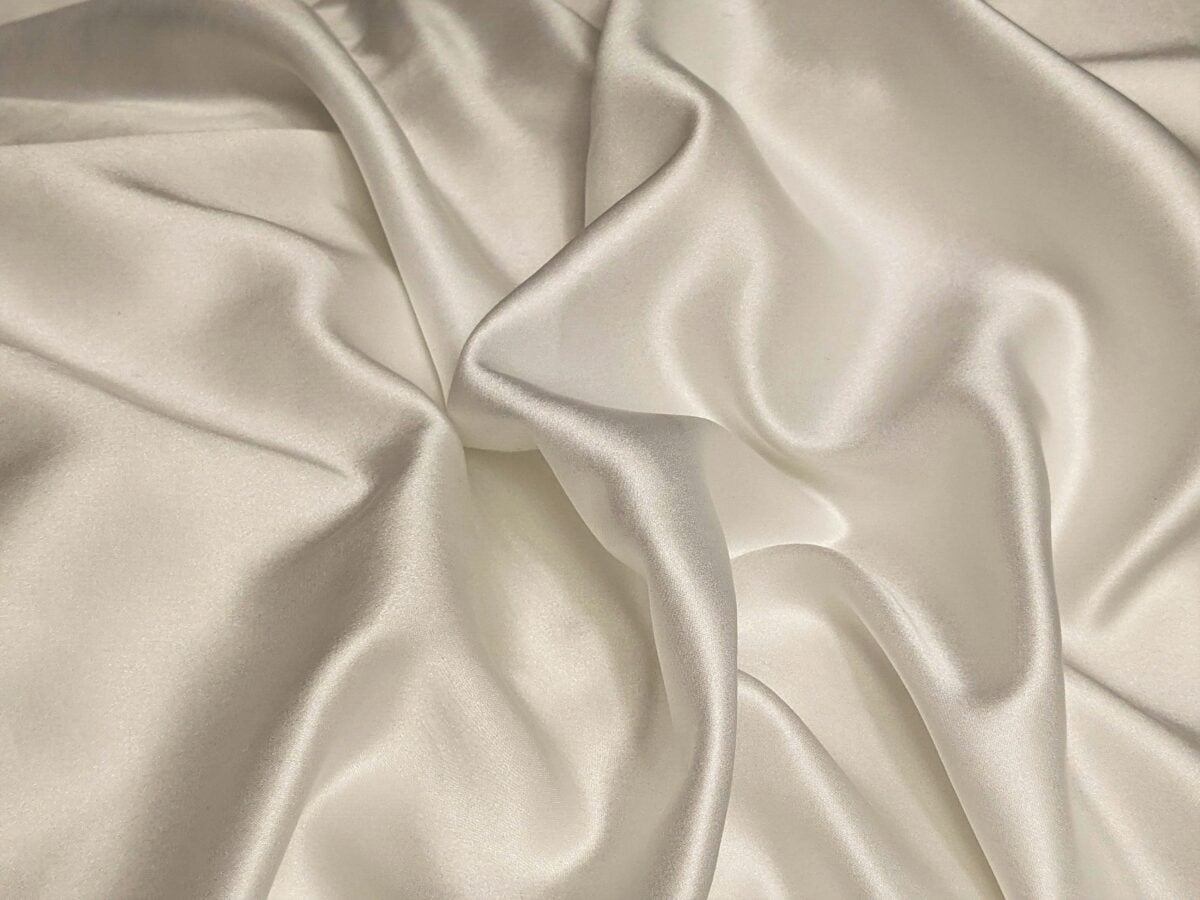
The government rationed everything during the war years. Sugar, butter, gasoline—nothing escaped the restrictions. But silk hits different for brides.
The material that had draped wedding gowns for generations suddenly became essential for parachutes. One parachute could save a pilot’s life, so the military claimed every yard of it.
The United States banned silk imports from Japan in 1940, cutting off the primary source. Domestic silk production couldn’t keep up with military demand.
Nylon emerged as the synthetic alternative, but the armed forces grabbed that too. DuPont’s factories ran day and night producing parachutes instead of stockings or wedding dresses.
The First Parachute Bride
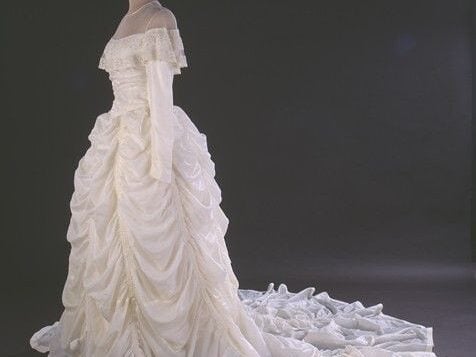
Ruth Hensinger made history in 1947 when she married in a gown crafted from her fiancé’s parachute. Major Claude Hensinger had used that exact parachute to escape his damaged B-29 over Yontan Airfield in Okinawa.
He saved the silk canopy after landing safely, thinking it might prove useful someday. When wedding plans began, Ruth saw potential in those 30 yards of white nylon.
She handed the material to a seamstress, who transformed military equipment into bridal fashion. The gown featured a fitted bodice, long sleeves, and a flowing skirt.
Orange inspection stamps dotted the fabric in places, but careful cutting minimized their appearance. The story captured the public imagination.
Newspapers ran photos of Ruth in her parachute gown, standing beside Claude in his uniform. Other women started looking at parachutes differently.
If Ruth could do it, why couldn’t they?
Material Matters
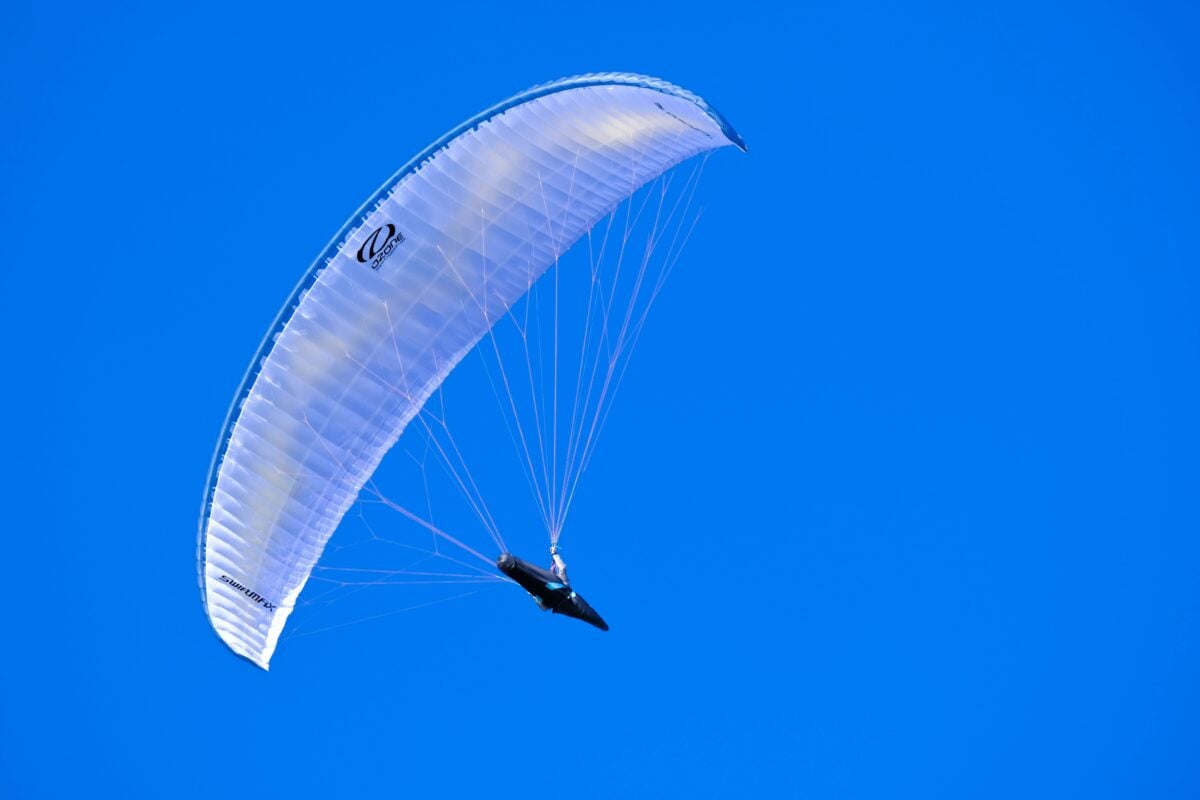
Parachute fabric offered specific advantages beyond availability. The silk versions were incredibly smooth and lightweight, with a subtle sheen that caught light beautifully.
Nylon parachutes, introduced later in the war, provided even more durability and a similar drape. The canopies measured roughly 28 to 32 feet in diameter, providing enough material for a full wedding ensemble.
Most brides could make a gown, veil, and even gloves from a single chute. The panels already had finished edges in many cases, which reduced sewing time.
But challenges existed too. The fabric came with military markings—identification numbers, inspection stamps, manufacturer labels.
Some panels showed oil stains or small tears from use. Brides and their seamstresses had to plan cuts carefully, working around imperfections like puzzle pieces.
The Practicality Factor
Many servicemen brought parachutes home as souvenirs. They’d folded them carefully after emergency jumps or training exercises, storing them in duffel bags alongside medals and letters.
These men didn’t initially think about wedding gowns. The chutes simply represented survival, close calls, memories too intense to discard.
Their fiancées saw different possibilities. With clothing still rationed after the war ended, traditional wedding attire remained expensive and hard to find.
A parachute sitting in a closet solved multiple problems at once. You got a wedding dress without spending ration stamps or precious savings.
The material told a story. And you honored the service of someone you loved.
Transforming Military Equipment
The conversion process took skill and imagination. Seamstresses examined each parachute carefully, mapping out pattern pieces to avoid damaged sections.
They soaked the fabric to remove military coatings and oils, then ironed it smooth. Some gowns incorporated the parachute’s suspension lines as decorative elements—thin cords became belt ties or shoulder straps.
The canopy’s reinforced apex occasionally ended up as a bodice centerpiece. Clever seamstresses used every scrap.
Dyeing the fabric rarely worked well. Military-grade parachute material resisted color, and wartime dyes were low quality anyway.
Most brides accepted the natural cream or white shade, sometimes slightly yellowed from storage. That imperfection became part of the story.
Beyond the United States
British brides embraced parachute gowns too. The United Kingdom faced even stricter rationing than America.
Clothing coupons limited purchases severely, and silk remained nearly impossible to obtain through 1949. RAF parachutes became treasured items.
One bride in London married in 1948 wearing a gown made from the chute her brother used when he bailed out over France. Another woman in Manchester created her dress from a training parachute donated by a family friend at the local airbase.
European brides in liberated countries sometimes received parachutes from Allied soldiers. These gifts carried profound meaning—symbols of liberation transformed into symbols of new beginnings.
The Controversy Nobody Talks About
Not everyone approved of parachute wedding gowns. Some people found the practice morbid.
That fabric had been designed to save lives in combat situations. Using it for celebrations felt wrong to certain critics.
Churches occasionally refused to host weddings where the bride wore military equipment. Traditional families pressured their daughters to find conventional dresses, even if it meant waiting years or settling for something plain.
But most communities understood. The war had changed everything.
Old rules about proper weddings seemed less important than building new lives together. Parachute gowns represented resilience and practicality, values that mattered more than outdated etiquette.
The Celebrity Effect
When news outlets covered parachute weddings, the trend accelerated. Life magazine ran photo spreads.
Local newspapers featured their own versions of the story. Each article inspired more brides to consider unconventional materials.
Some stories mentioned wealthy women who chose parachute gowns despite being able to afford traditional silk. They wanted to show solidarity with servicemen or make a statement about shared wartime sacrifice.
Whether genuine or performative, these high-profile weddings normalized the practice. Hollywood noticed too.
Several films from the late 1940s featured parachute wedding gowns in plot lines or background scenes. The dresses became shorthand for the era, instantly recognizable markers of wartime romance.
Variations on a Theme

Not every parachute gown looked the same. Some brides created simple silhouettes with minimal decoration.
Others went elaborate, adding layers of ruffles cut from the excess fabric, or creating detachable trains that could be removed for the reception. Veils presented their own opportunities.
The fine mesh from parachute canopies made beautiful, traditional-looking veils. Some brides chose dramatic cathedral lengths, while others opted for short birdcage styles pinned with military insignia.
Bridesmaids sometimes wore matching dresses from the same parachute. Three or four women could be outfitted from one large canopy if they kept the designs simple.
These group outfits created striking visual unity in wedding photos.
The Emotional Weight

Every parachute carried a history. Brides knew their gowns had participated in moments of terror and relief. The fabric had billowed open thousands of feet above battlefields or training grounds, supporting a falling body until it touched earth safely.
That knowledge changed how women approached their weddings. The gown became more than clothing.
It embodied survival, gratitude, the strange way war touched every aspect of life. Walking down the aisle wrapped in material that had saved your fiancé’s life created a connection that standard bridal satin never could.
Some grooms cried seeing their parachutes transformed. Others felt pride that something so utilitarian could become so beautiful.
The weddings themselves often felt heavier with meaning than typical postwar celebrations.
Where These Dresses Went
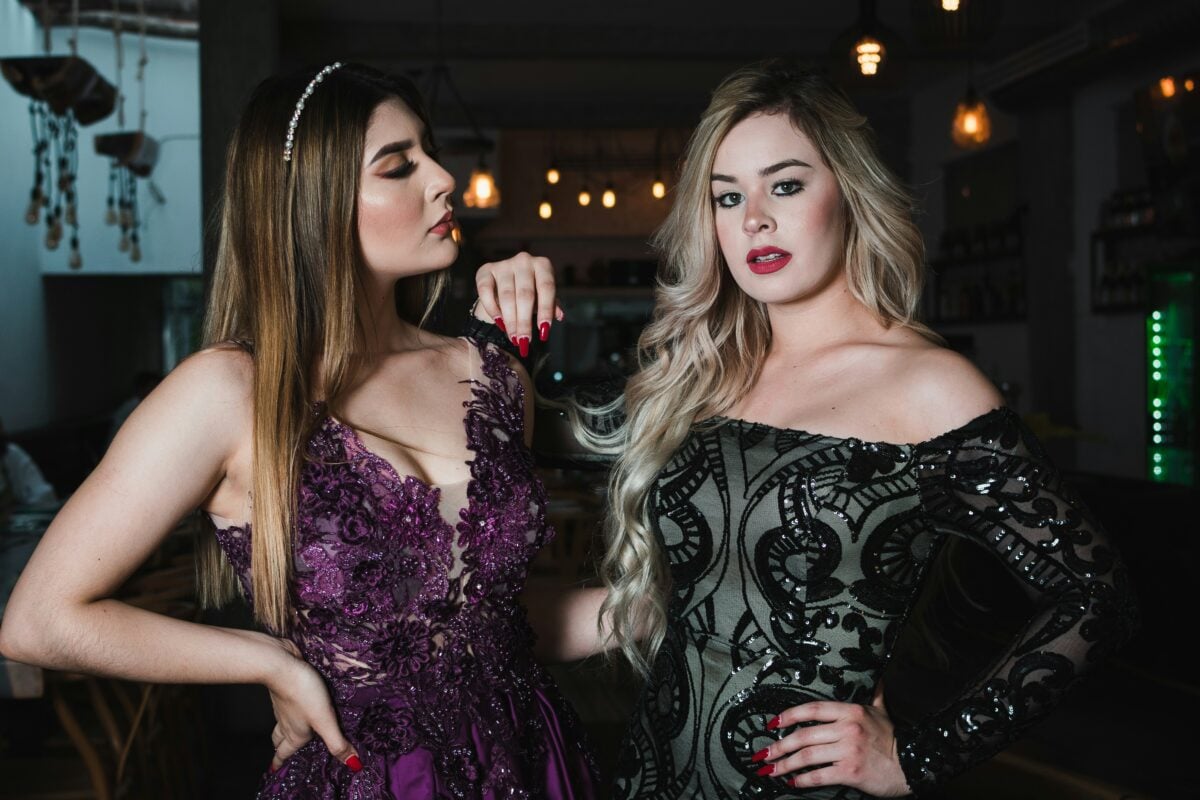
Most parachute wedding gowns didn’t survive long-term. Women altered them into cocktail dresses or blouses afterward.
The fabric was too valuable to store unused in a closet. Some became christening gowns for babies born after the war.
Others were cut into handkerchiefs or lingerie. A few families preserved their parachute gowns carefully.
These dresses ended up in museums eventually, displayed alongside military uniforms and wartime memorabilia. The Smithsonian holds several examples.
Local historical societies across America and Britain have their own versions.
Descendants sometimes try on these gowns for anniversaries or historical reenactments. But the fabric has grown fragile with age.
The silk yellows and weakens. The nylon becomes brittle.
Time claims these dresses the way it claims everything from that era.
The Symbolism That Remains
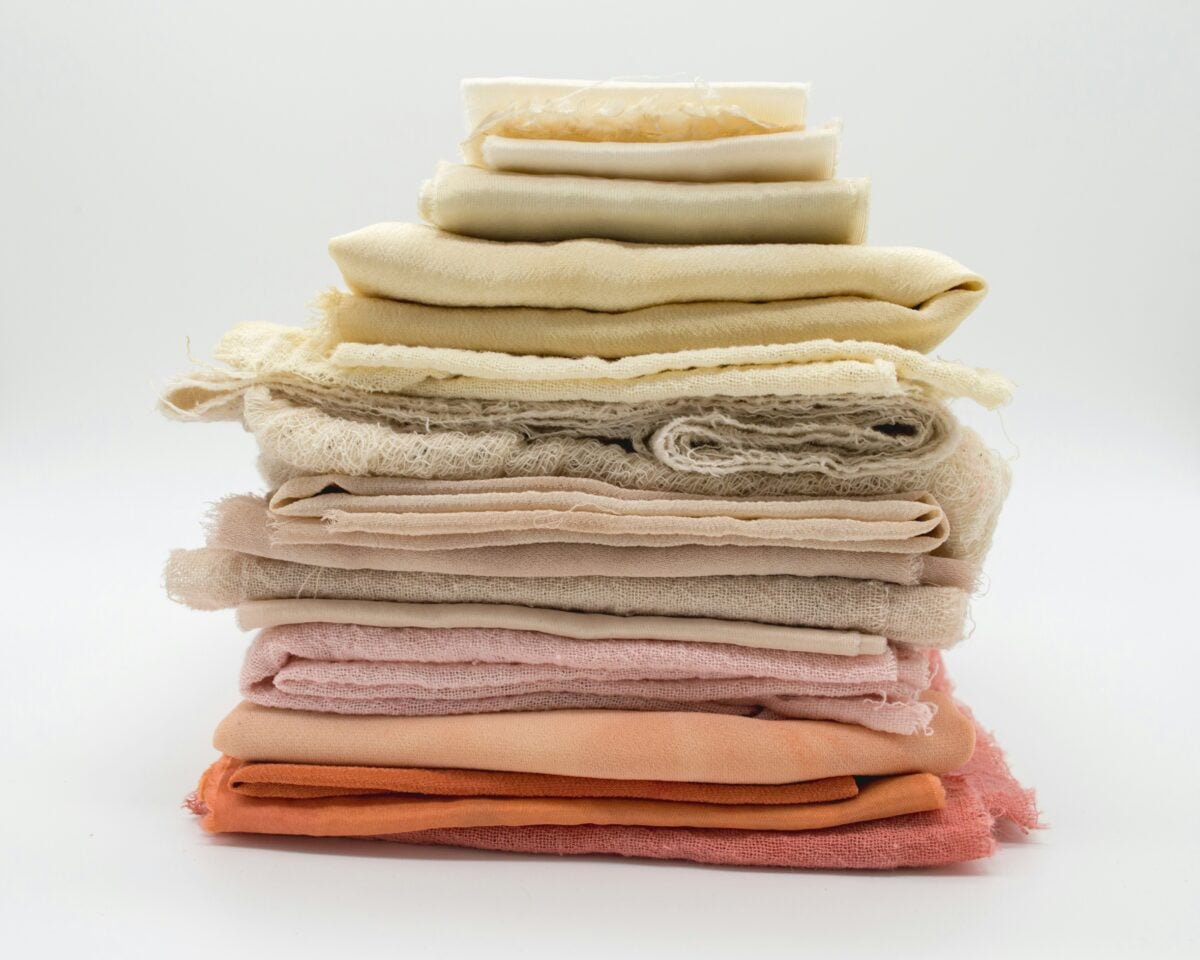
A fabric dropped from the sky became a symbol of resilience. Yet it wasn’t just about what was used – it was who wore it, why, when.
Moments stitched into seams mattered most. Not every thread came from a store; some were gifts, borrowed time made tangible.
What began as necessity slowly shaped new traditions. Meaning bloomed where least expected.
Price never captured its weight. Nowadays a few brides reach back to old parachute material, or things like it.
History tugs at them, along with clever reuse. Yet today feels far removed.
Back then, those gowns came from need – not memory.
Threads Across Generations
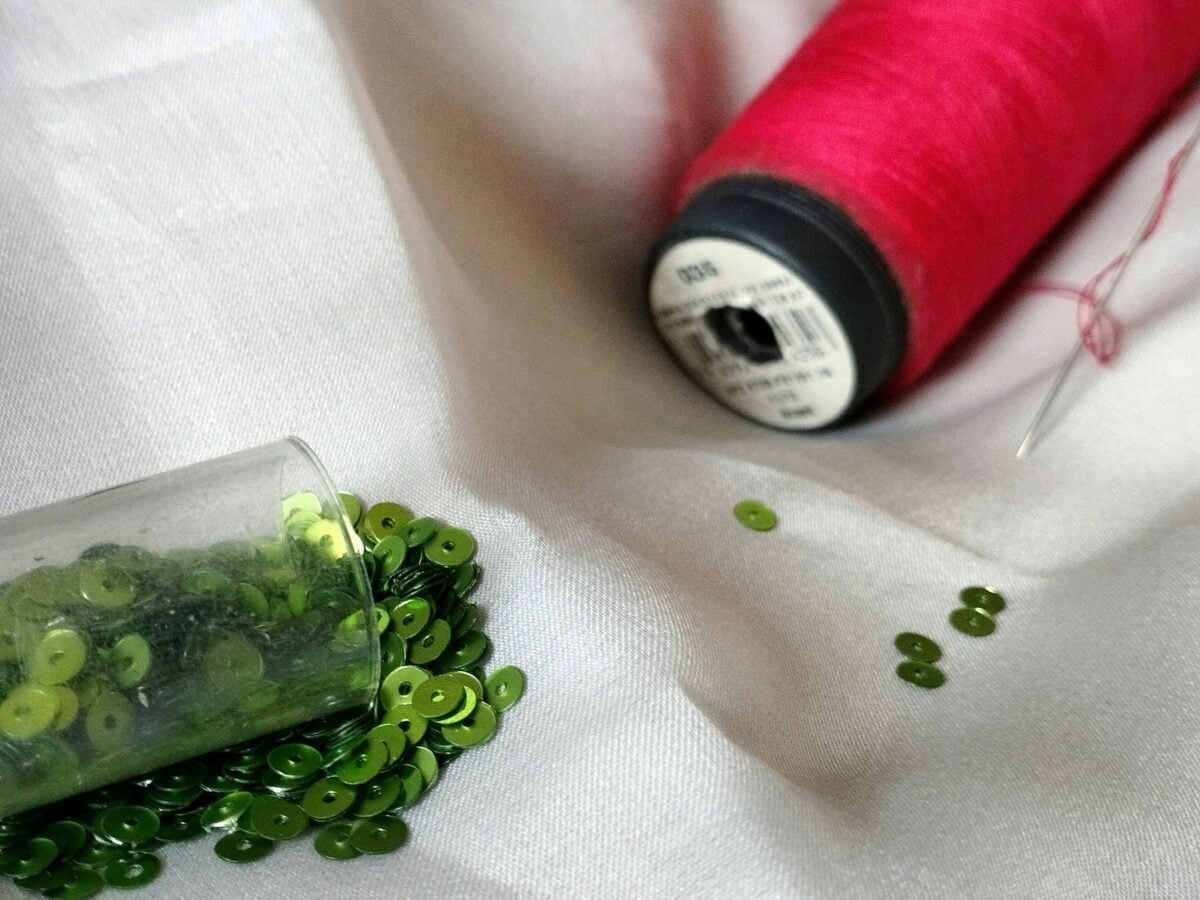
Floating through time on silk wings, those women in parachute-dress weddings have slipped away. Yet their daughters hold fragments of tales, even as pieces disappear.
In dusty photo books, grandchildren stumble upon snapshots – brides in plain white gowns, grainy and still, looking just like any other bride from long ago. Zoom in on those photos.
A tiny uneven fold runs through the cloth. Light reflects off it unlike regular wedding silk.
These bits of texture tell a story. One where fear walked beside joy.
Where threads held both risk and promise. Memory lives in such seams.
Falling through air, the chutes bloomed early that first desperate moment. A second time, they burst open under bright skies, not fear but joy pushing wind into their fabric.
Each drop ended soft, bodies cradled by nylon arcs. What waited below remained unknown. Still, the material did not fail.
More from Go2Tutors!

- The Romanov Crown Jewels and Their Tragic Fate
- 13 Historical Mysteries That Science Still Can’t Solve
- Famous Hoaxes That Fooled the World for Years
- 15 Child Stars with Tragic Adult Lives
- 16 Famous Jewelry Pieces in History
Like Go2Tutors’s content? Follow us on MSN.