What Happened to the World’s Most Famous Stolen Artworks
Art theft sounds glamorous until you think about where the paintings actually go. They can’t be sold openly, can’t be displayed publicly, and can’t be insured — so they sit in basements, shipping containers, or rolled up inside tubes somewhere, generating nothing for anyone.
And yet people keep stealing them, which says something uncomfortable about the relationship between obsession and ownership. Some of the most famous stolen artworks in history have surfaced in the strangest circumstances; others haven’t surfaced at all. Here’s what the trail looks like, case by case.
Mona Lisa
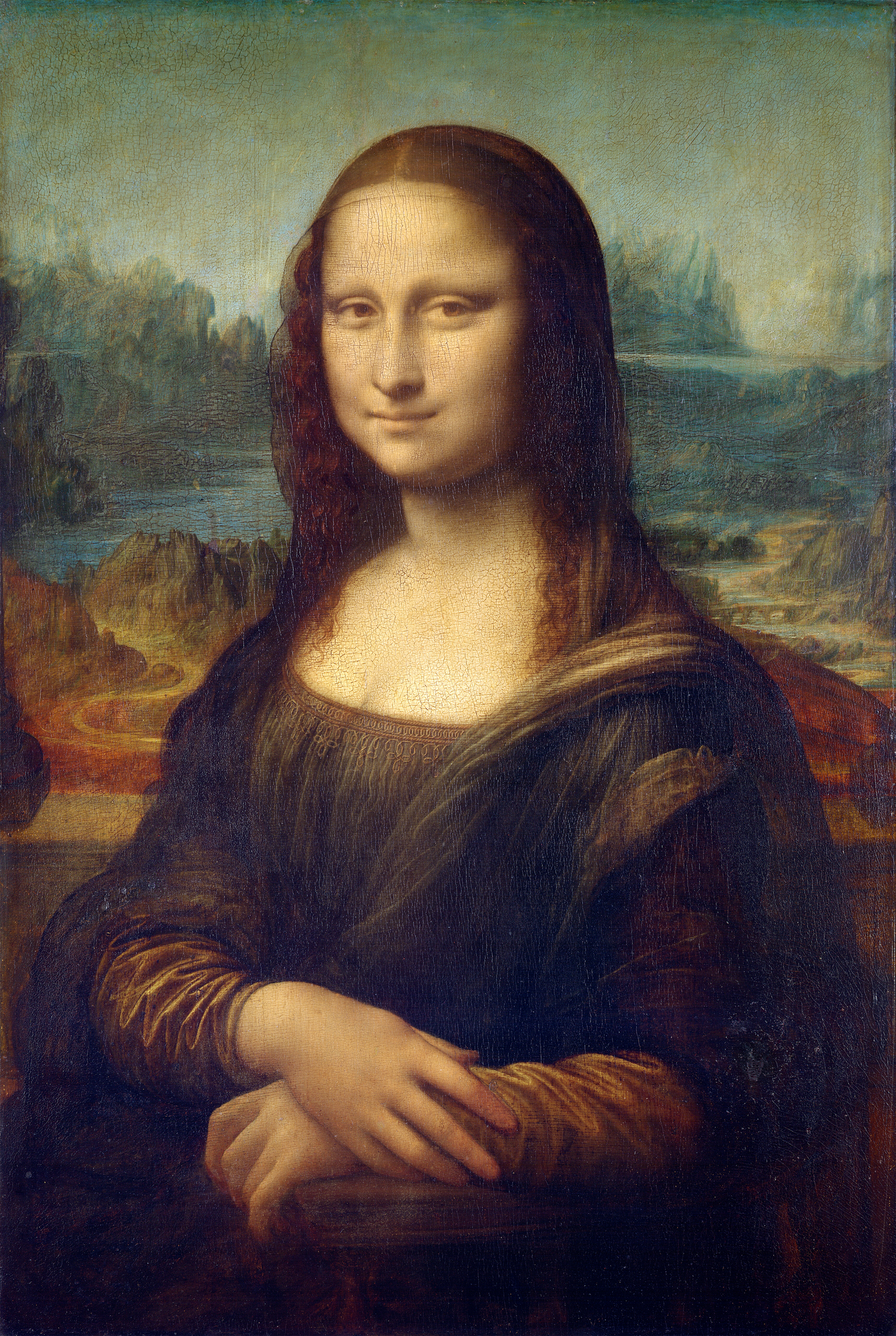
The theft of the Mona Lisa in 1911 is the reason the painting is famous in the way it’s famous now. Vincenzo Peruggia, an Italian handyman who had once worked at the Louvre, simply walked out with it hidden under his coat — and for two years, the world went genuinely frantic.
It was recovered in 1913 when Peruggia tried to sell it to an art dealer in Florence, was arrested, served a laughably short prison sentence, and returned to Italy as something between a criminal and a folk hero. The painting went back to the Louvre, and the theft itself had done more for its legend than any art critic ever managed.
The Storm on the Sea of Galilee
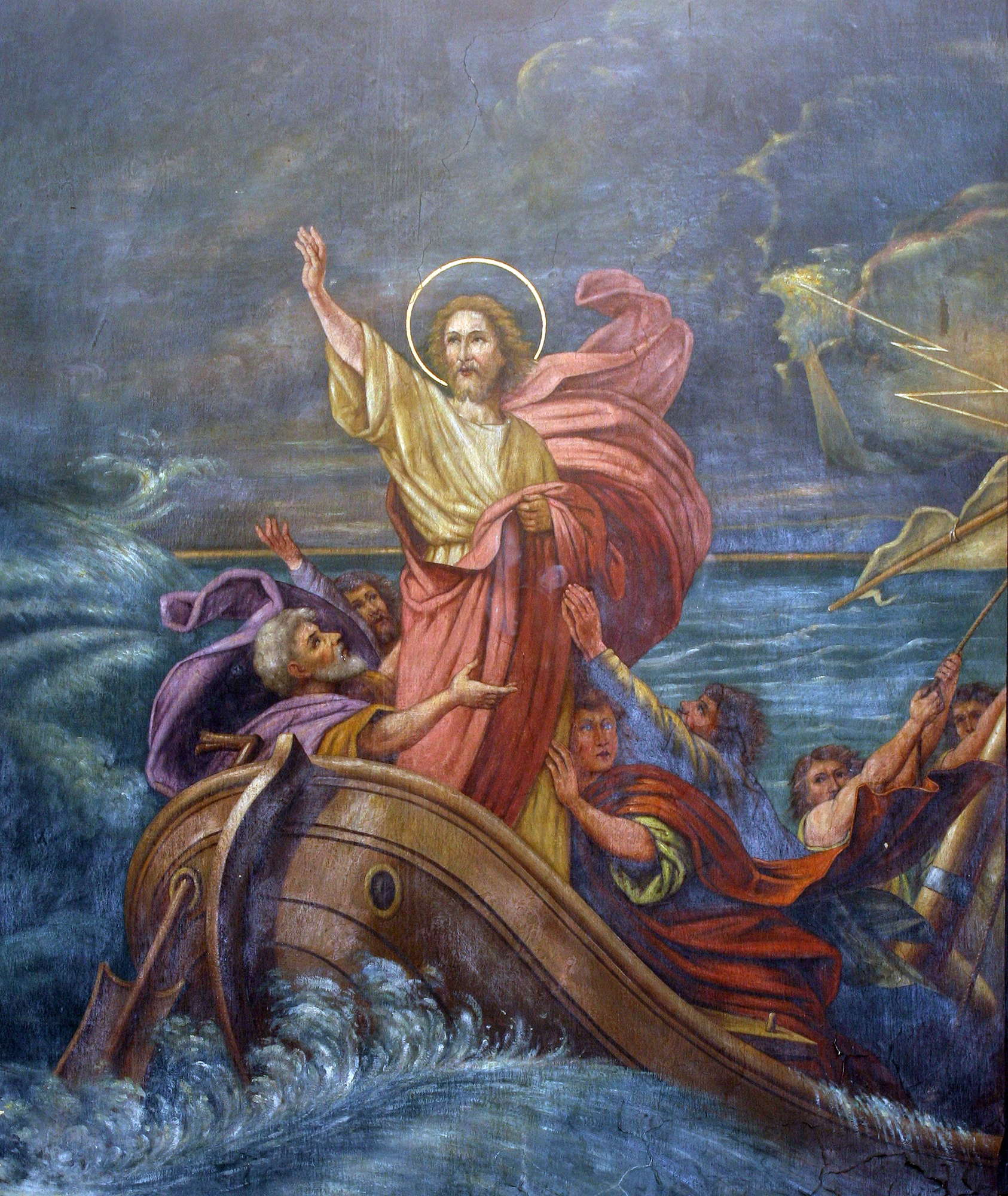
Rembrandt’s only seascape was taken from the Isabella Stewart Gardner Museum in Boston in 1990 along with twelve other works, in what remains the largest property theft in recorded history — valued at over $500 million. Two men dressed as police officers talked their way inside, subdued the guards, and walked out with canvases they’d cut directly from their frames.
The frames are still on the walls at the Gardner, empty, as per the founder’s instructions that nothing be rearranged. The painting has never been found.
The Concert
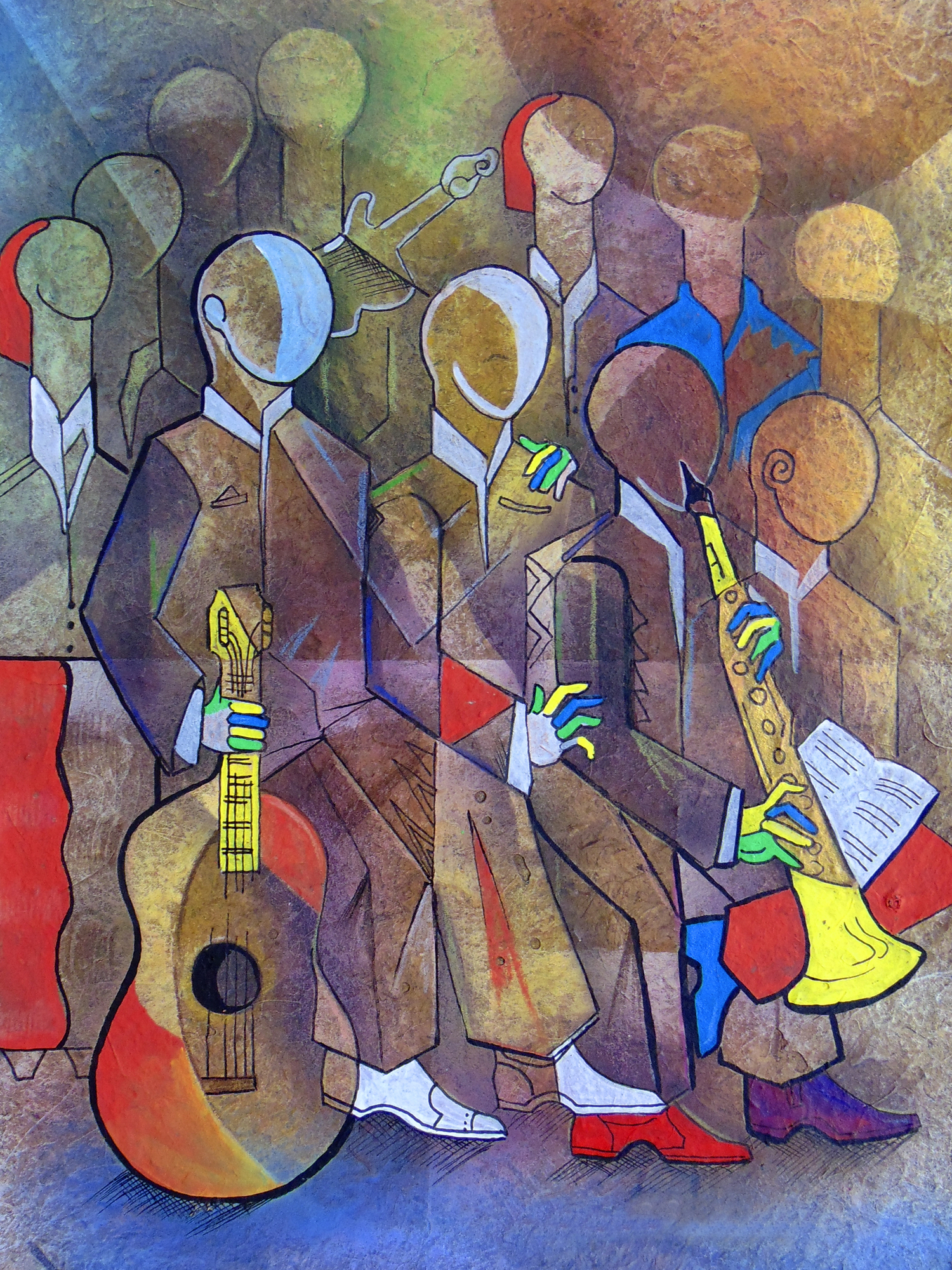
Also taken during the Gardner heist, Vermeer’s The Concert is considered by many scholars to be the single most valuable missing painting in existence — which is a distinction that becomes grimmer the longer it goes unresolved. Vermeer painted slowly and rarely, leaving only around 34 to 36 works in total, so each missing one carries an outsized weight.
The FBI has named several suspects over the decades, with connections to organized crime in New England, but no charge has ever been filed and no painting has ever reappeared. It is simply gone.
Napoleon at the Saint-Bernard Pass
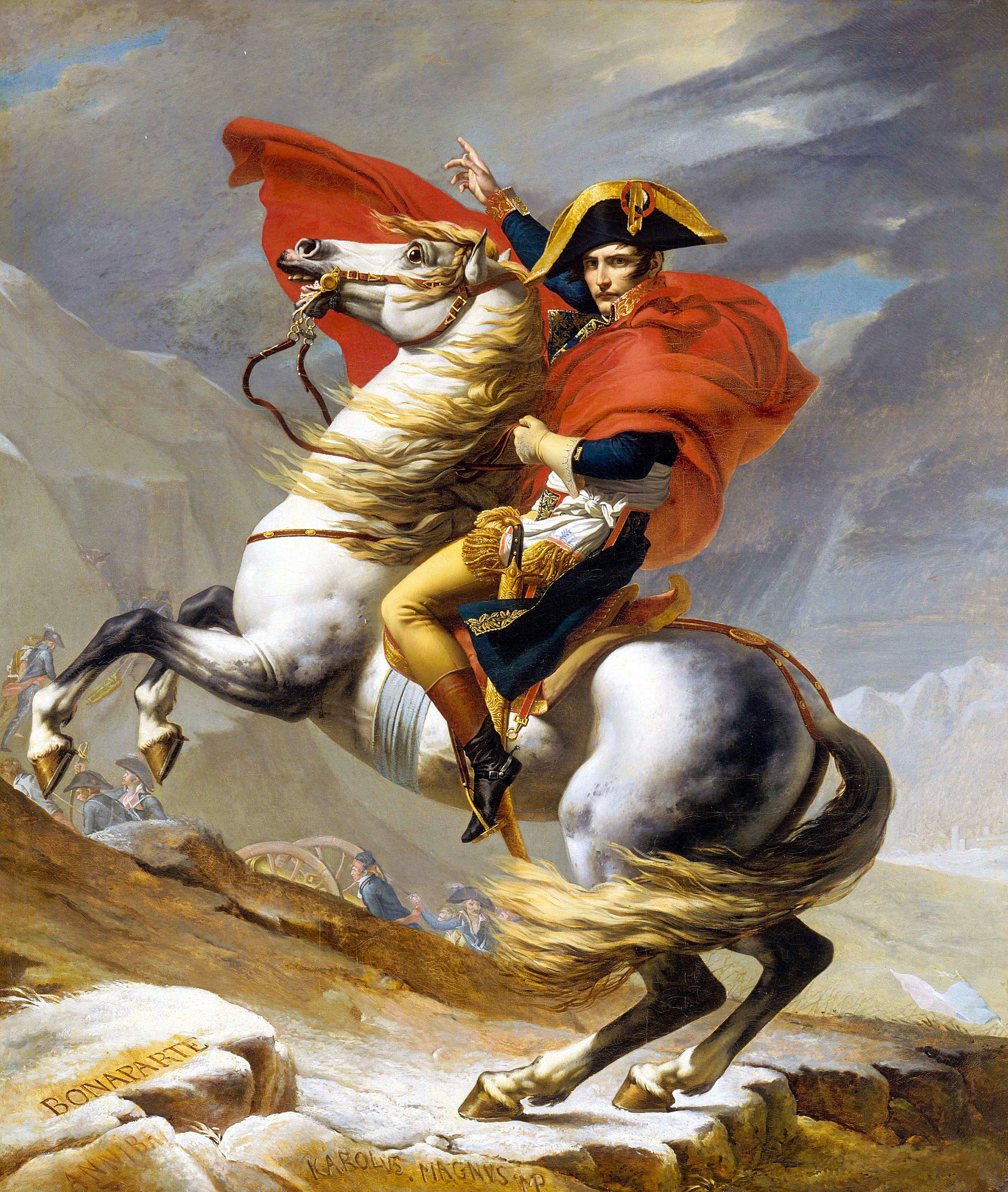
The story of this one has a quiet irony to it — a painting of the most famously domineering figure in European history, quietly dominated by logistics. Jacques-Louis David’s grand portrait of Napoleon was stolen from the Château de Malmaison in France in 2010, lifted from its frame and replaced with a note, like something out of a film that nobody actually made.
It’s a big painting — almost ten feet tall — which makes its disappearance feel even stranger; this isn’t something you tuck under an arm. It has not been recovered, and investigations have stalled repeatedly.
Portrait of a Young Man
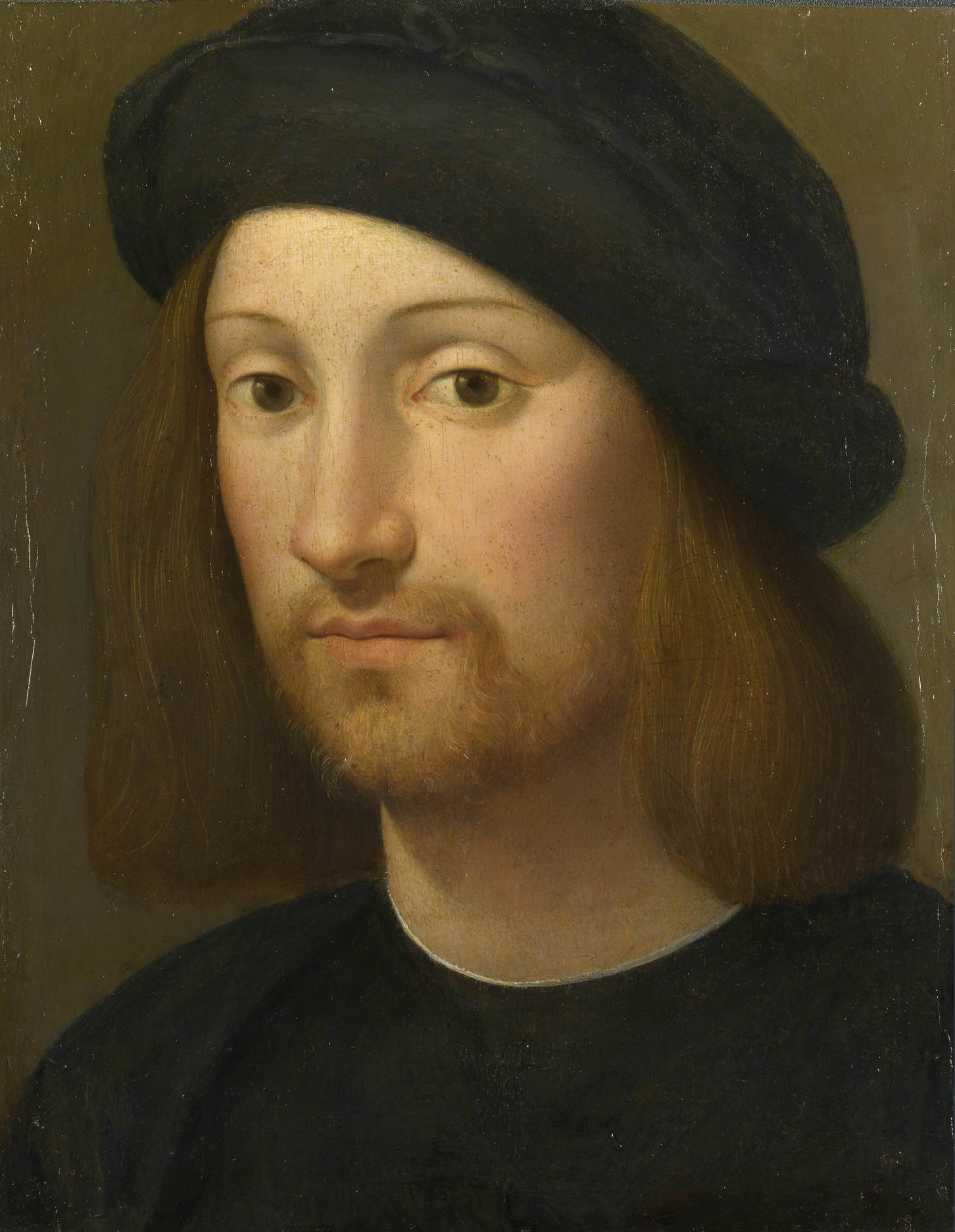
Raphael’s Portrait of a Young Man was confiscated by the Nazis from the Czartoryski family collection in Poland in 1939 and has been missing ever since — which means it has been gone for longer than most people reading this have been alive, and then some. Hans Frank, the Nazi Governor-General of occupied Poland, reportedly kept it in his personal residence before it vanished at the end of the war.
Theories have placed it in Germany, Switzerland, and various private collections, but nothing has been confirmed. Poland considers it the most significant cultural loss it suffered during the war, which is saying something in a country that lost nearly everything.
The Scream
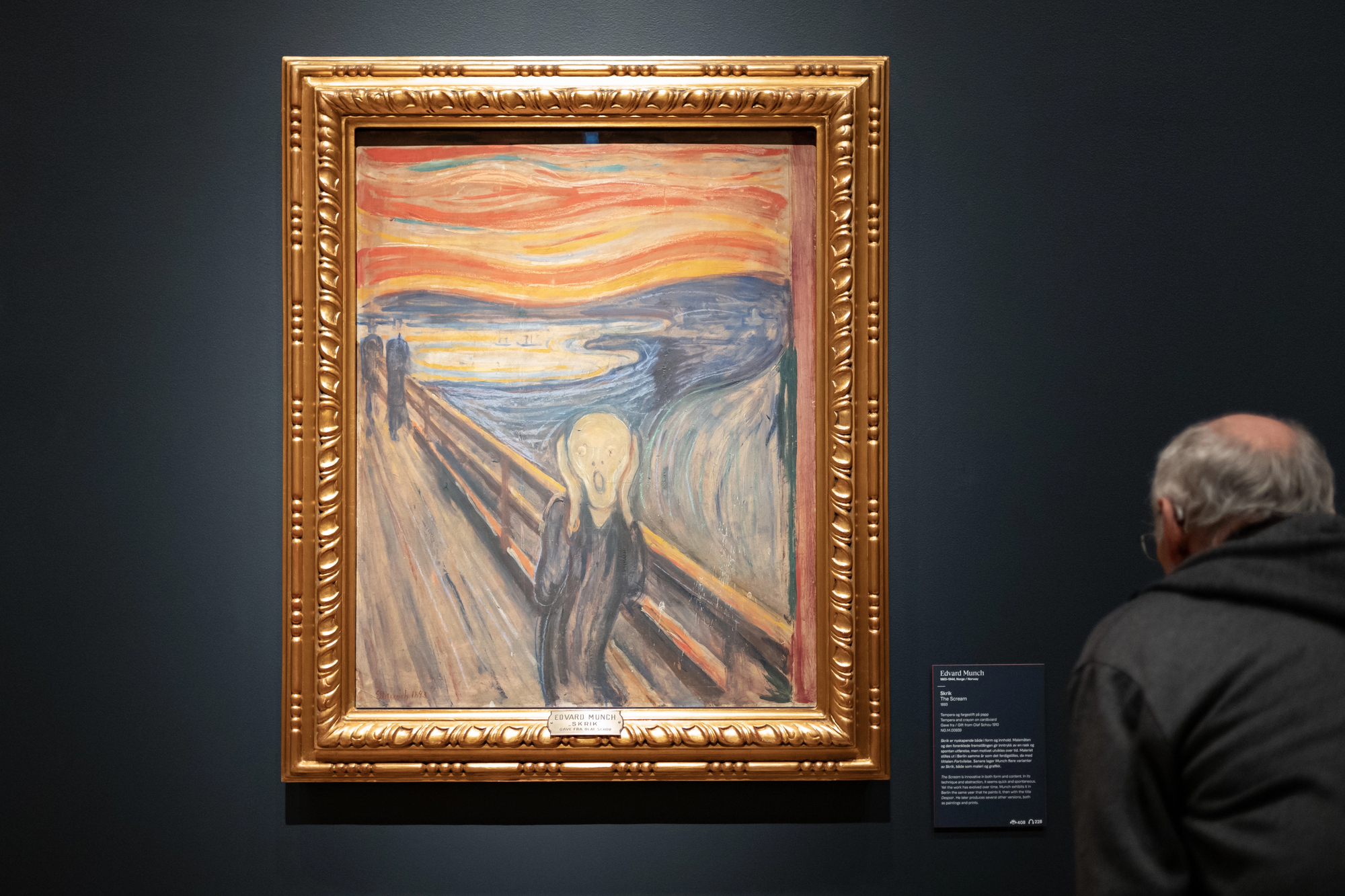
There are four versions of Edvard Munch’s The Scream, and thieves have gone after two of them — which suggests either extraordinary nerve or an inability to take a hint. The 1994 theft from the National Gallery in Oslo was almost comically brazen: the thieves left a note reading “Thanks for the poor security” on the windowsill.
It was recovered three months later in a sting operation. A second version was stolen from the Munch Museum in 2004, recovered two years after that, though with notable damage. Both paintings are now back in Norway under considerably tighter surveillance.
Poppy Flowers

Vincent van Gogh’s Poppy Flowers — also known as Vase with Flowers — was stolen from the Mohamed Mahmoud Khalil Museum in Cairo in 2010 in a theft that exposed something embarrassing: the museum’s alarm system had been broken for years, and the painting was guarded by a single security camera that wasn’t functioning. It was taken from its frame on a day the museum was closed, and despite an international search and significant diplomatic pressure, it has never been recovered.
Egypt has offered rewards and opened multiple investigations; none have led anywhere definitive.
Woman-Ochre
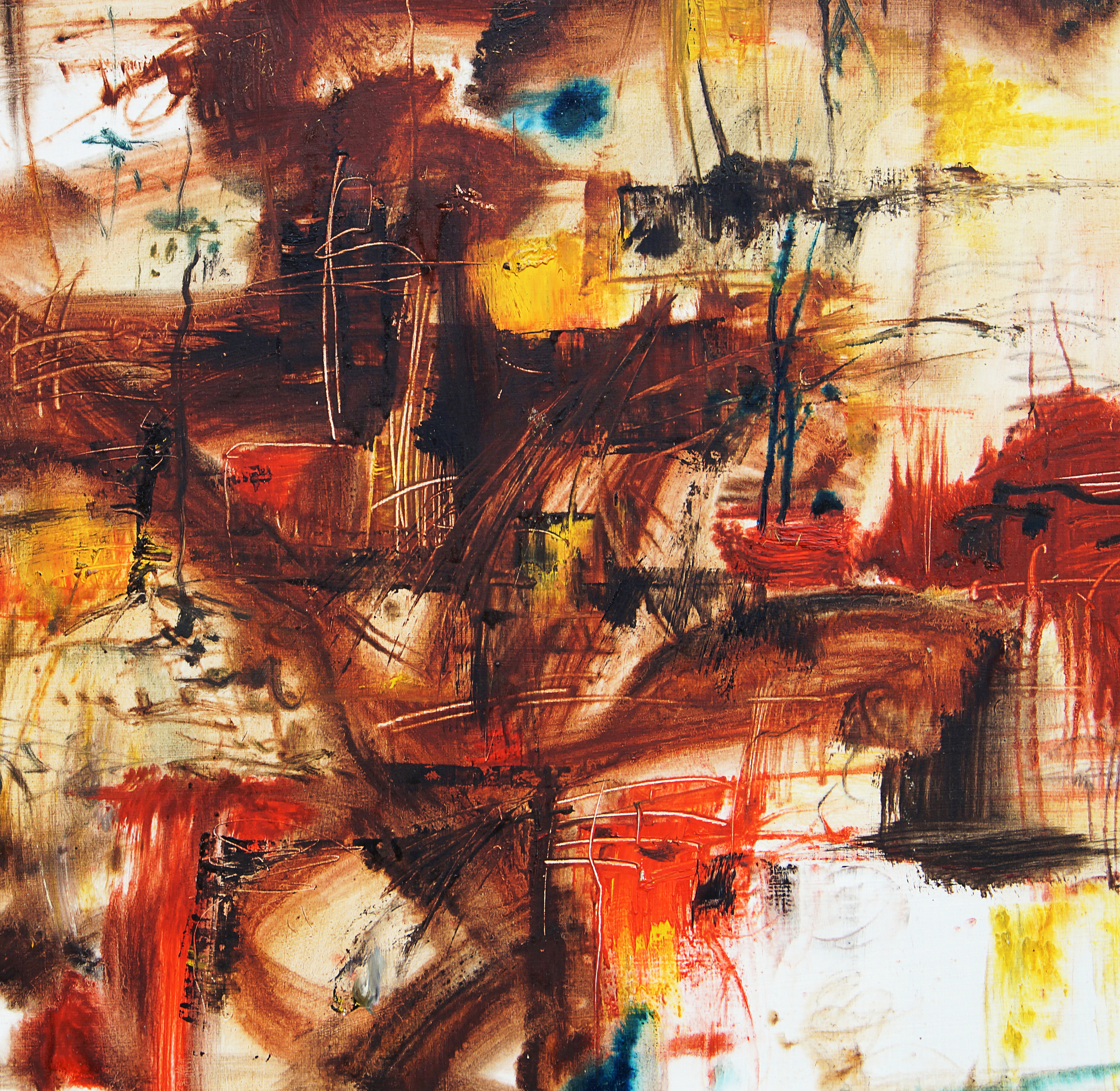
Willem de Kooning’s Woman-Ochre was stolen from the University of Arizona Museum of Art on the morning after Thanksgiving 1985, by a couple who distracted a guard and cut the painting from its frame in under ten minutes. It then essentially ceased to exist — no sightings, no credible leads, no movement — for 32 years.
In 2017, a New Mexico antiques dealer died and the painting was found hanging in his home, its provenance cheerfully unknown to anyone in his circle. It was returned to the museum the following year, with some damage but largely intact.
Ghent Altarpiece Panels
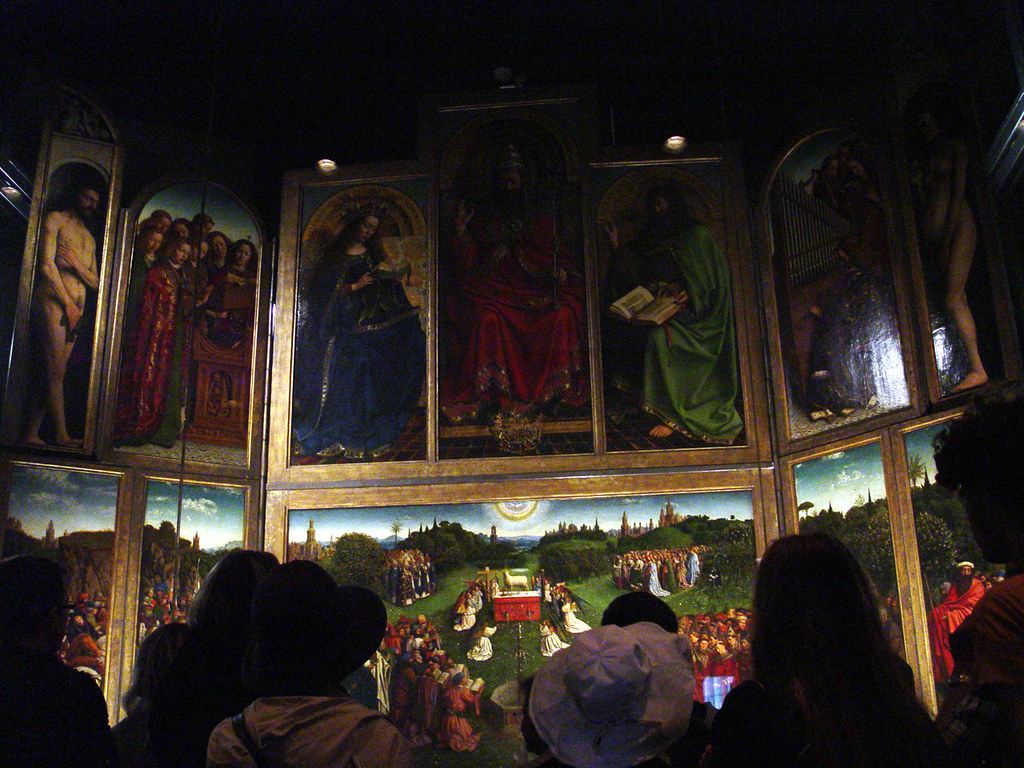
The Ghent Altarpiece — Jan van Eyck’s masterwork, completed around 1432 — has been stolen, seized, ransomed, and recovered so many times that its history reads less like an art theft file and more like a hostage negotiation saga spanning six centuries. Twelve of its panels were taken by the Nazis during World War II; those were eventually recovered from an Austrian salt mine in 1945.
But one panel — The Just Judges — was stolen in 1934 and has never been returned. The Bishop of Ghent received a ransom note and a piece of the panel as proof; the thief died before revealing where it was hidden.
Caravaggio’s Nativity
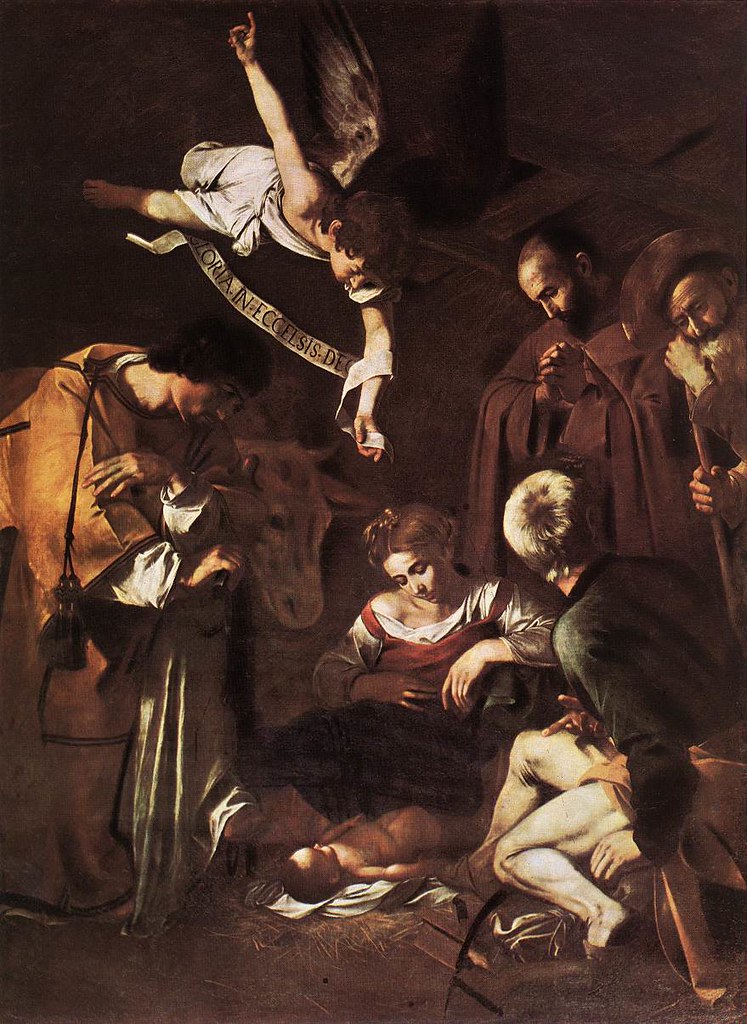
Nativity with St. Francis and St. Lawrence was stolen from the Oratory of San Lorenzo in Palermo in 1969 in a theft that is widely believed to have been carried out by the Sicilian Mafia — not for resale, but possibly as a gift or a trophy. The painting, rolled off its altar frame, has never been found.
Mafia informants over the decades have given conflicting accounts: some say it was destroyed in a flood, others say it was eaten by rats after being stored in a barn, and at least one account places it in the hands of a Swiss collector. None of these stories have been confirmed, and none have led to a recovery.
Two Tahitian Women
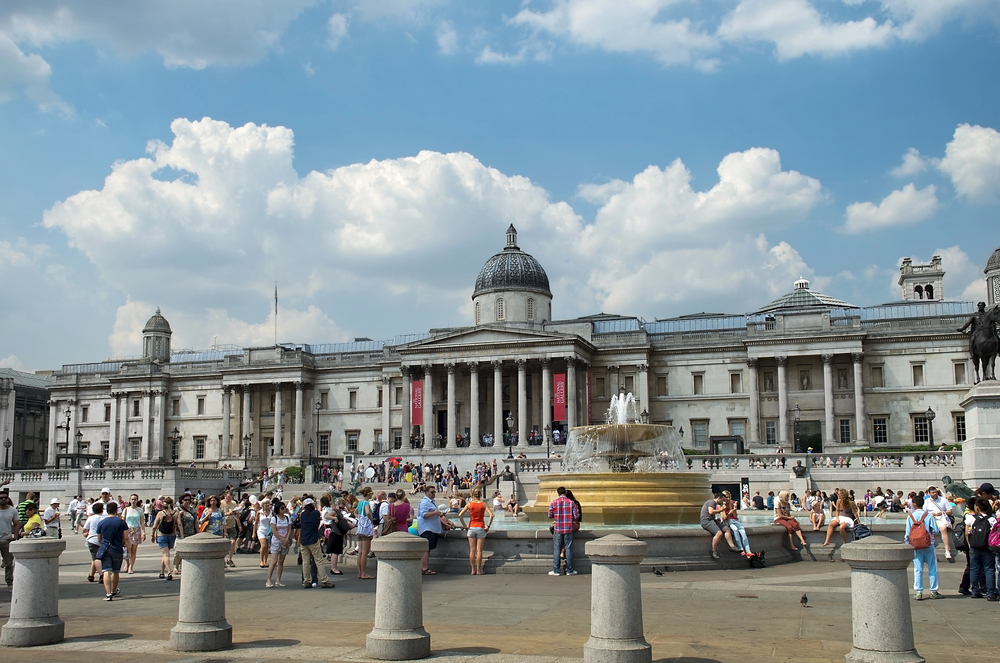
— Photo by irisphoto11
Gauguin’s Two Tahitian Women was stolen from the National Gallery of Art in Washington, D.C., in 1988, slipped off the wall during a period of renovation when security was thinner than usual. It was found just nine days later, abandoned in a checked bag at a bus station in Atlanta — undamaged, and with no clear explanation for why it was abandoned or what the plan had ever been.
The theft has never been solved, and the person (or people) who took it apparently decided the whole enterprise wasn’t worth finishing. Fair enough.
Le Pigeon aux Petits Pois
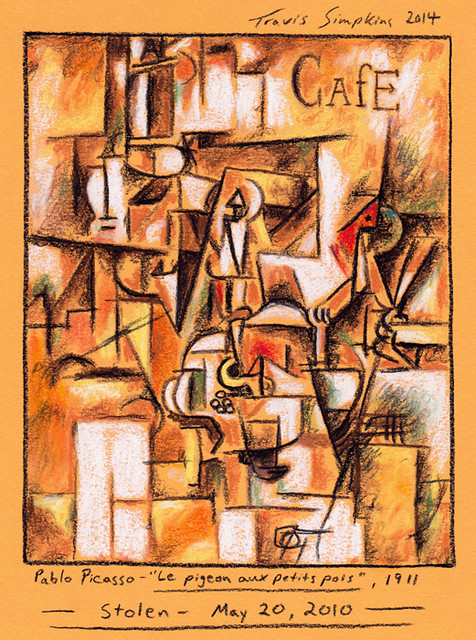
Pablo Picasso’s Le Pigeon aux Petits Pois was among five paintings stolen from the Musée d’Art Moderne de la Ville de Paris in 2010 — a theft worth an estimated $123 million — carried out by a single man who broke a window, removed the canvases from their frames, and walked out. The investigation eventually led to an arrest, but the paintings themselves turned out to be gone in a way that required a confession to explain: the main suspect’s accomplice admitted to destroying the works after the theft, panicking about the investigation closing in.
French courts have struggled with whether to believe that account, and the paintings are presumed lost.
The White House

Gustave Courbet’s The White House was stolen from the Singer Lagergren family’s villa in Sweden in 1987 and reappeared — with the serenity of something that had merely been napping — in 2014, when it showed up at a Sotheby’s auction in London with a suspicious provenance. The heirs of the original family recognized it immediately; legal proceedings followed; and after years of negotiation between Sweden, auction houses, and various claimants, the painting was ultimately returned.
It is now one of the better-documented examples of how the legal recovery of stolen art is almost always messier and slower than the theft itself.
Chez Tortoni
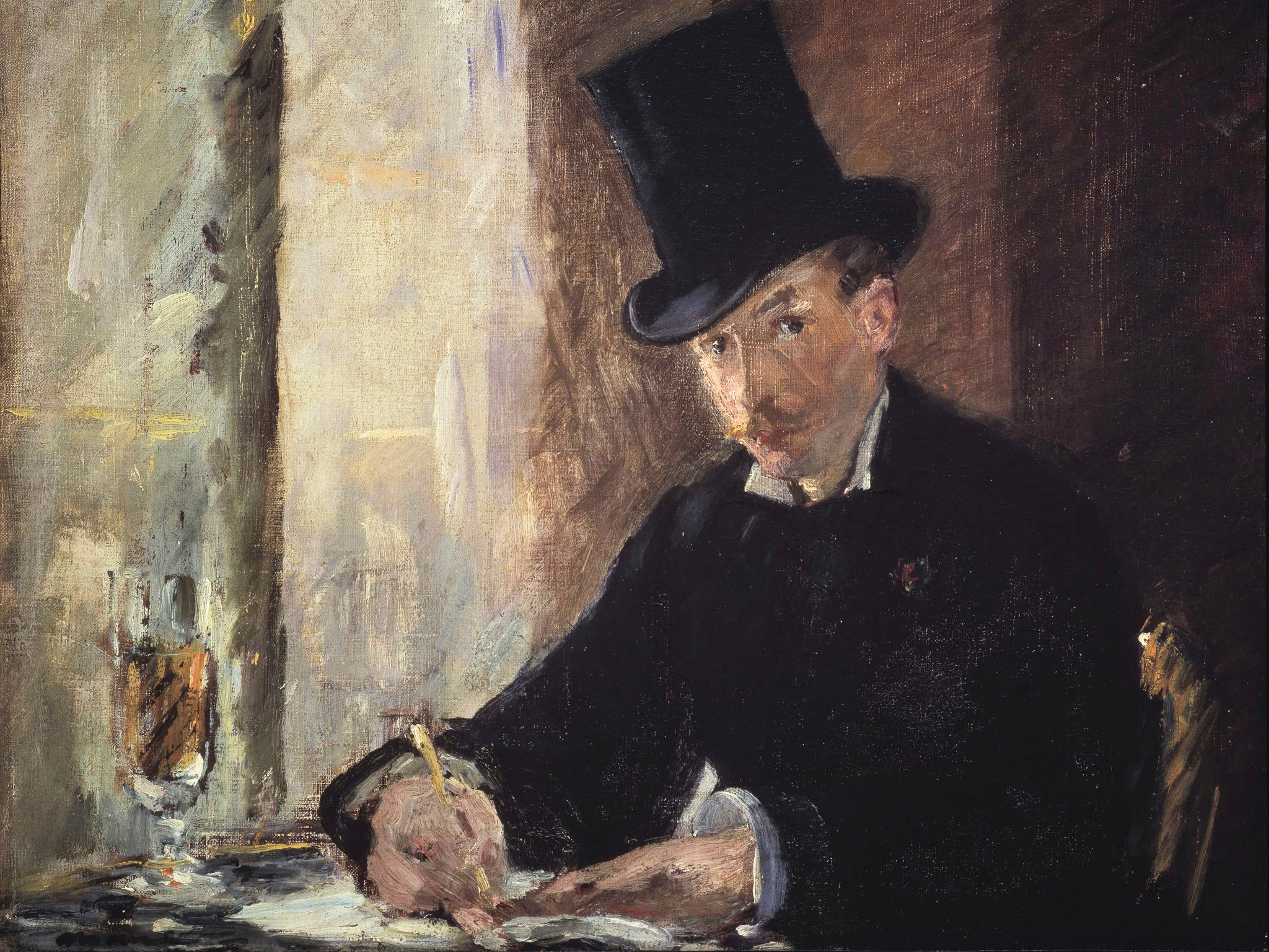
Also taken in the Gardner heist, Édouard Manet’s small oil painting Chez Tortoni was left by the thieves in the director’s chair in the museum’s security office — placed there deliberately, though nobody has ever satisfactorily explained why. It is among the most peculiar details of an already peculiar night.
Like the other Gardner works, it has never been recovered, and the $10 million reward the museum has offered since 1997 has produced tips but no results. The empty frame is still in the Blue Room where the painting used to hang.
Flowers in a Rococo Vase

Jan van Huysum’s Flowers in a Rococo Vase was looted from Italy during World War II by a German soldier and spent over 70 years sitting quietly in a family home in Bavaria, so ordinary in its domestic context that it might as well have been wallpaper. The soldier’s daughter came forward in 2019, after years of her family debating the right thing to do — and the painting was returned to the Uffizi Gallery in Florence the following year.
It is one of the rare cases where the art actually came back, not through investigation or enforcement, but through a private decision that took two generations to make.
The Athelete
— Photo by f11photo
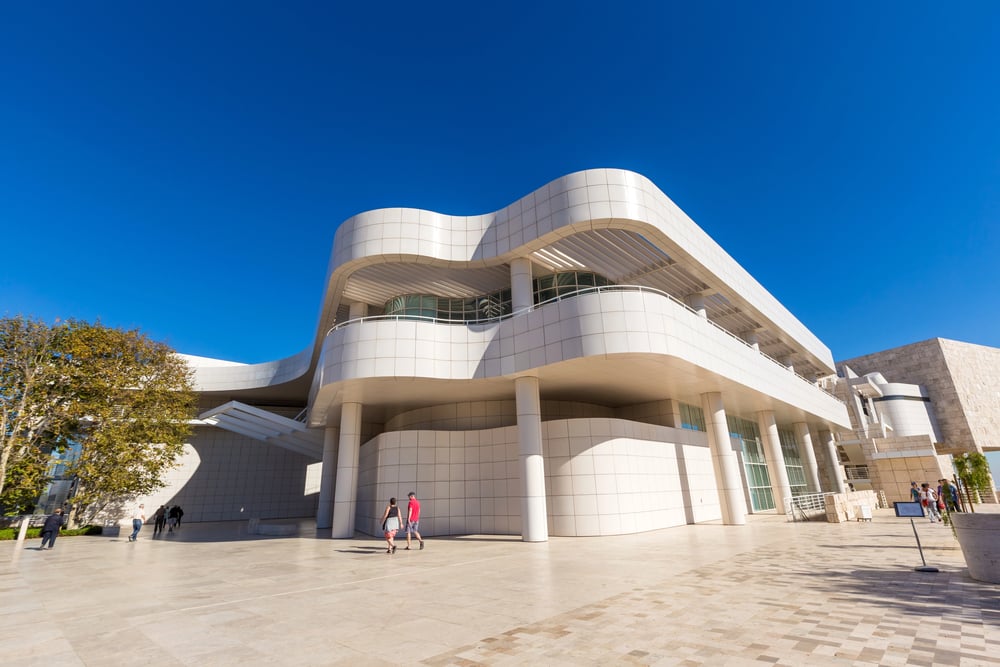
Lysippos’s bronze sculpture known as The Athelete, or The Getty Bronze, was dredged up by Italian fishermen in the Adriatic Sea in 1964, sold through a series of increasingly opaque transactions, and eventually purchased by the J. Paul Getty Museum in Malibu for $4 million in 1977. Italy has been demanding its return ever since, arguing it was illegally exported cultural property — and Italian courts have repeatedly convicted the Getty (in absentia, as an institution) of receiving stolen goods.
The Getty has refused to hand it over, citing questions about Italian jurisdiction over an object found in international waters. It remains in California, and the argument remains unresolved.
The Arrest of Christ
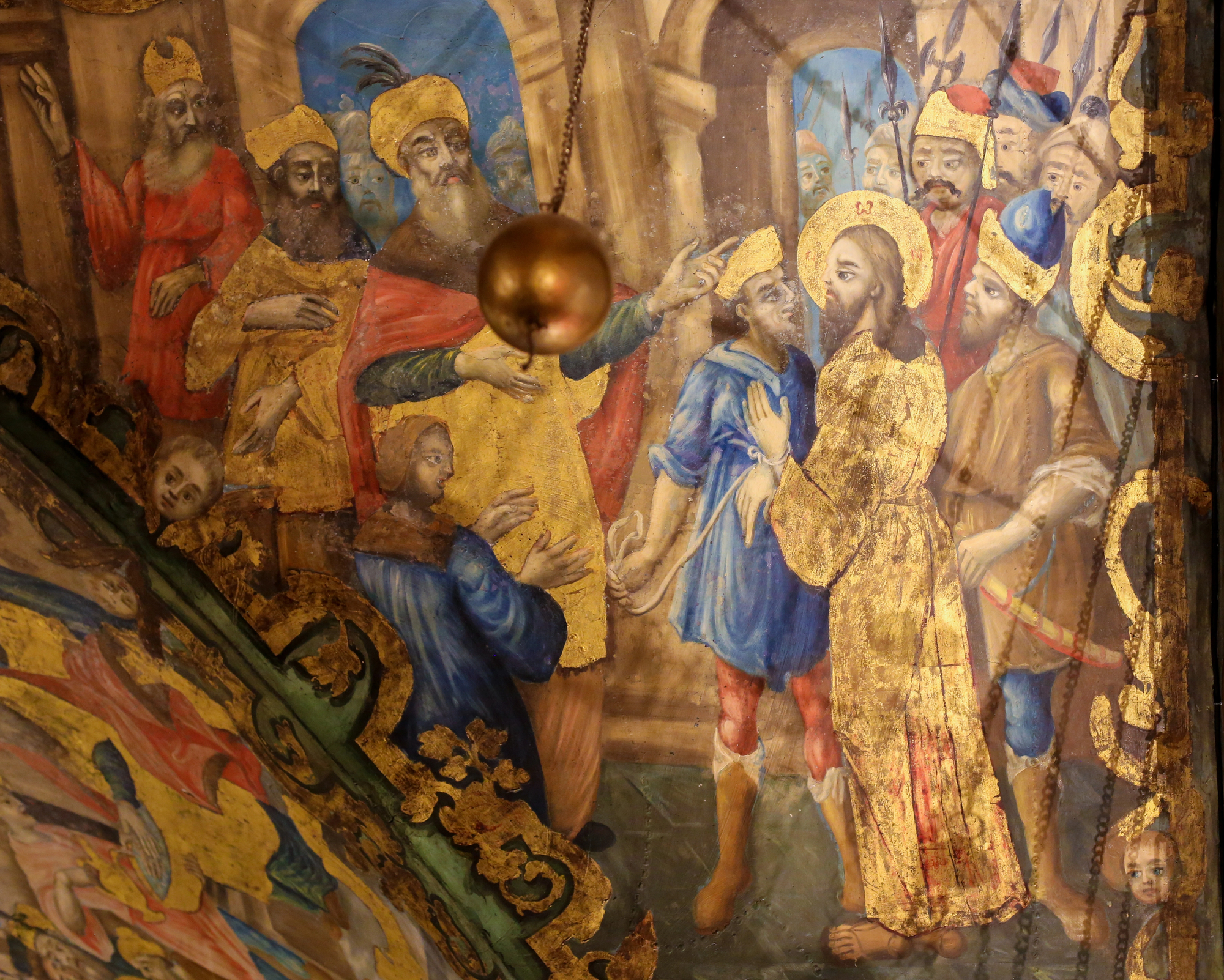
Caravaggio’s The Arrest of Christ — believed lost for centuries — was found hanging in a Jesuit dining hall in Dublin in 1990, where it had been quietly attributed to a follower of Caravaggio and more or less ignored for over 200 years. A conservator visiting the house recognized it; experts confirmed it; and the Jesuit community, to their considerable credit, immediately loaned it to the National Gallery of Ireland, where it has been on display ever since.
It is one of the genuinely happy endings in the art recovery world: not stolen, not destroyed — just misidentified and quietly waiting.
Three Studies of Lucian Freud
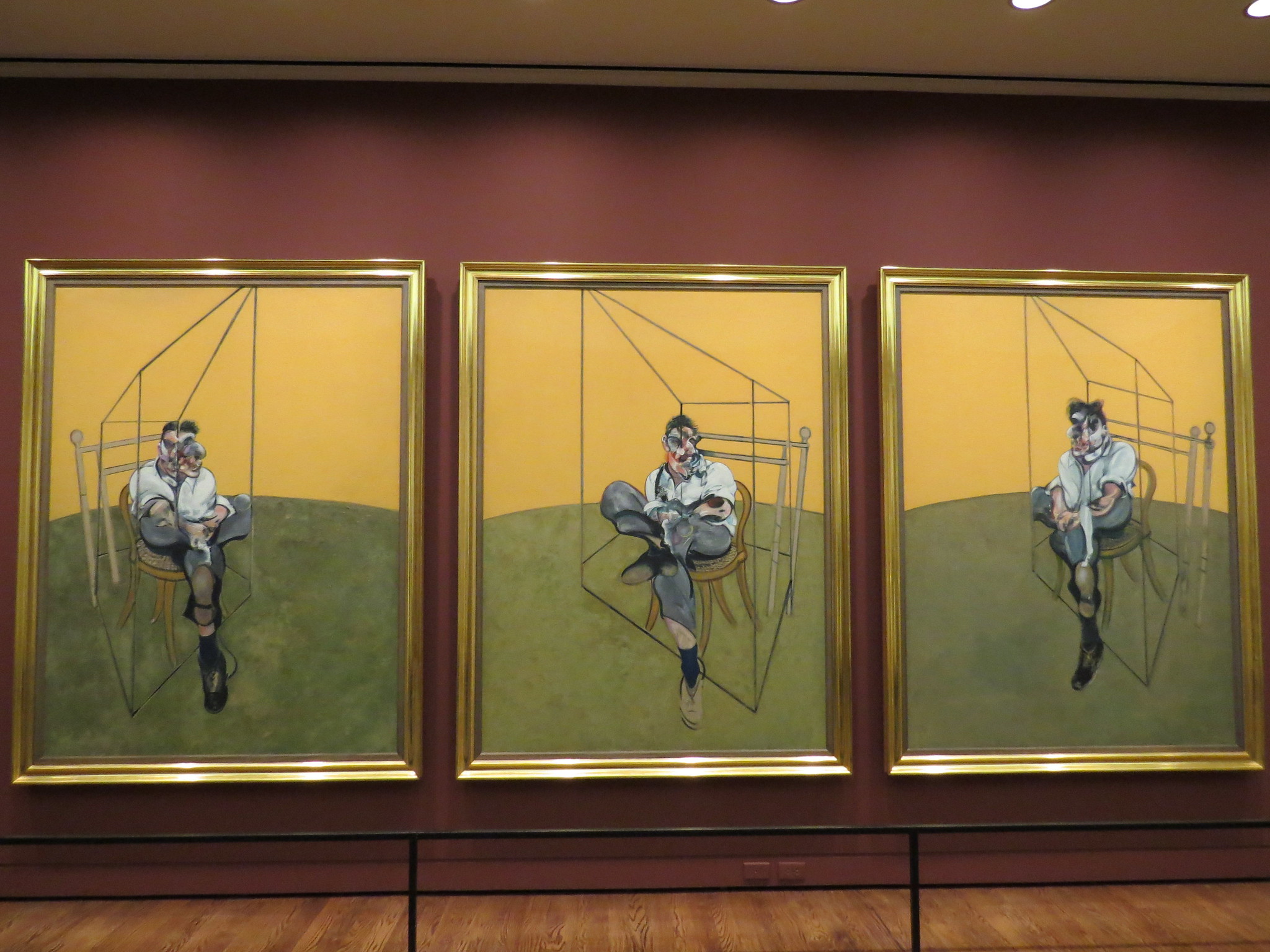
Francis Bacon’s Three Studies of Lucian Freud wasn’t stolen in the traditional sense — one painting from a related series was taken in Madrid in 2015 under murky circumstances — but the broader story of Bacon’s works and the black market is worth the detour. The Madrid theft involved a canvas removed from a collector’s home during a period of renovation, later tracked to Eastern Europe.
Spanish authorities made arrests in 2015, recovered the work, and the case drew attention to just how active the market for stolen contemporary art had become compared to the old-masters-dominated thefts of the 20th century. The recovered painting was returned to its owner without significant damage.
The Bullfight
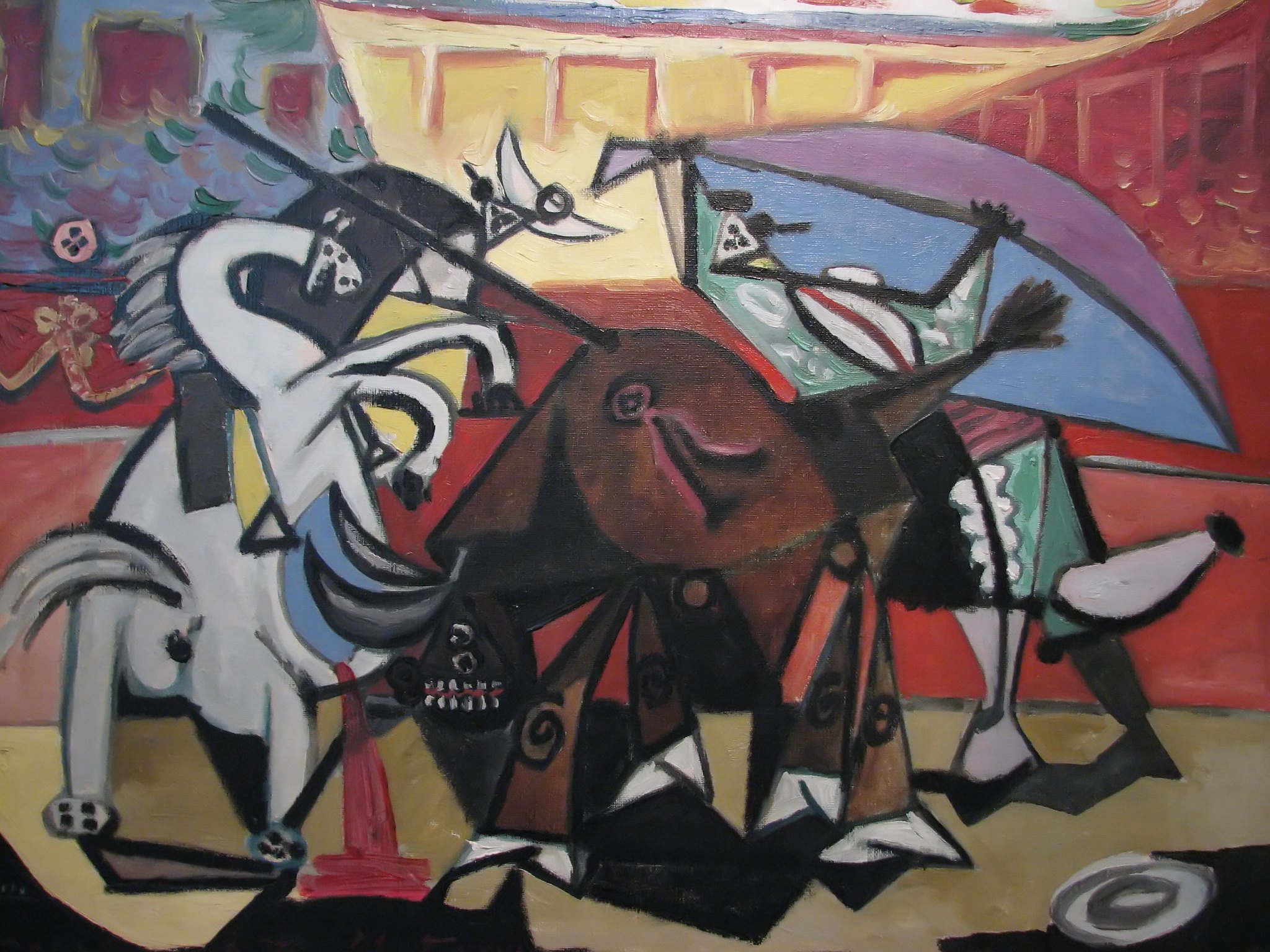
Picasso’s The Bullfight is among a collection of artworks stolen from Saudi billionaire Abdallah Bakhsh’s yacht off the coast of Antibes, France in 1999 — a theft that felt almost theatrical in its setting and its audacity. Several of the works were recovered over the following years through Interpol cooperation; others were traced through auction houses that failed to check provenance adequately.
The case eventually fed into broader conversations about the art market’s due diligence obligations, and France tightened its reporting requirements for high-value sales as a partial result. Some pieces from that collection are still unaccounted for.
Odalisque
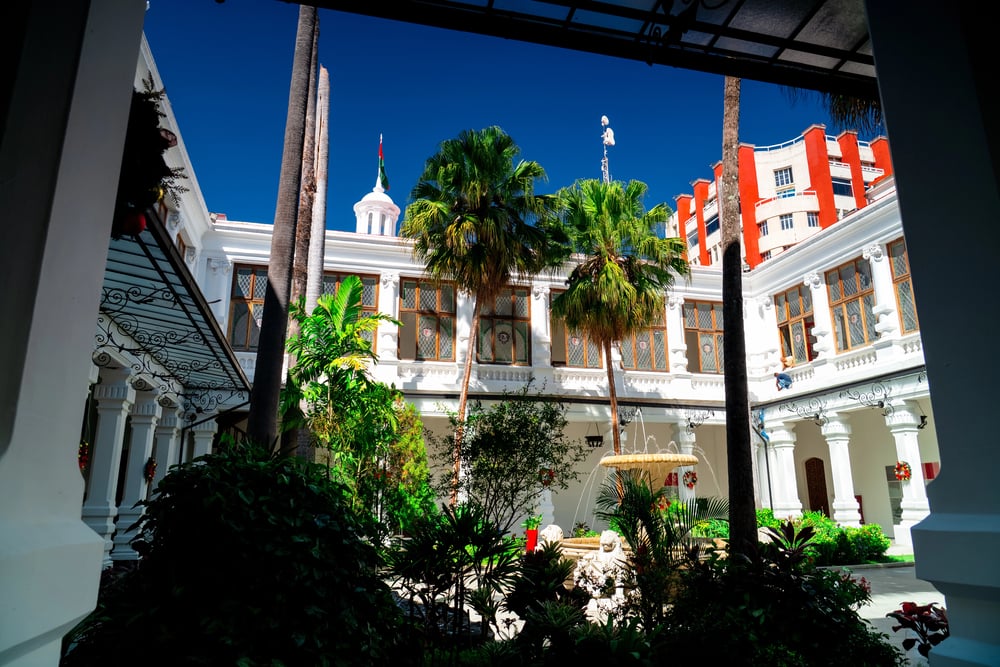
Matisse’s Odalisque was stolen from the Venezuelan Museum of Fine Arts in Caracas in 2002 and later recovered in Miami in 2012, when a woman attempted to sell it through an art dealer who immediately contacted authorities. The painting had traveled from Venezuela to Florida with its theft history apparently unknown — or conveniently overlooked — by the people who’d been holding it for a decade.
The woman who brought it in claimed she’d purchased it in good faith; the courts were skeptical. It was returned to Venezuela the same year.
The Finding of Moses
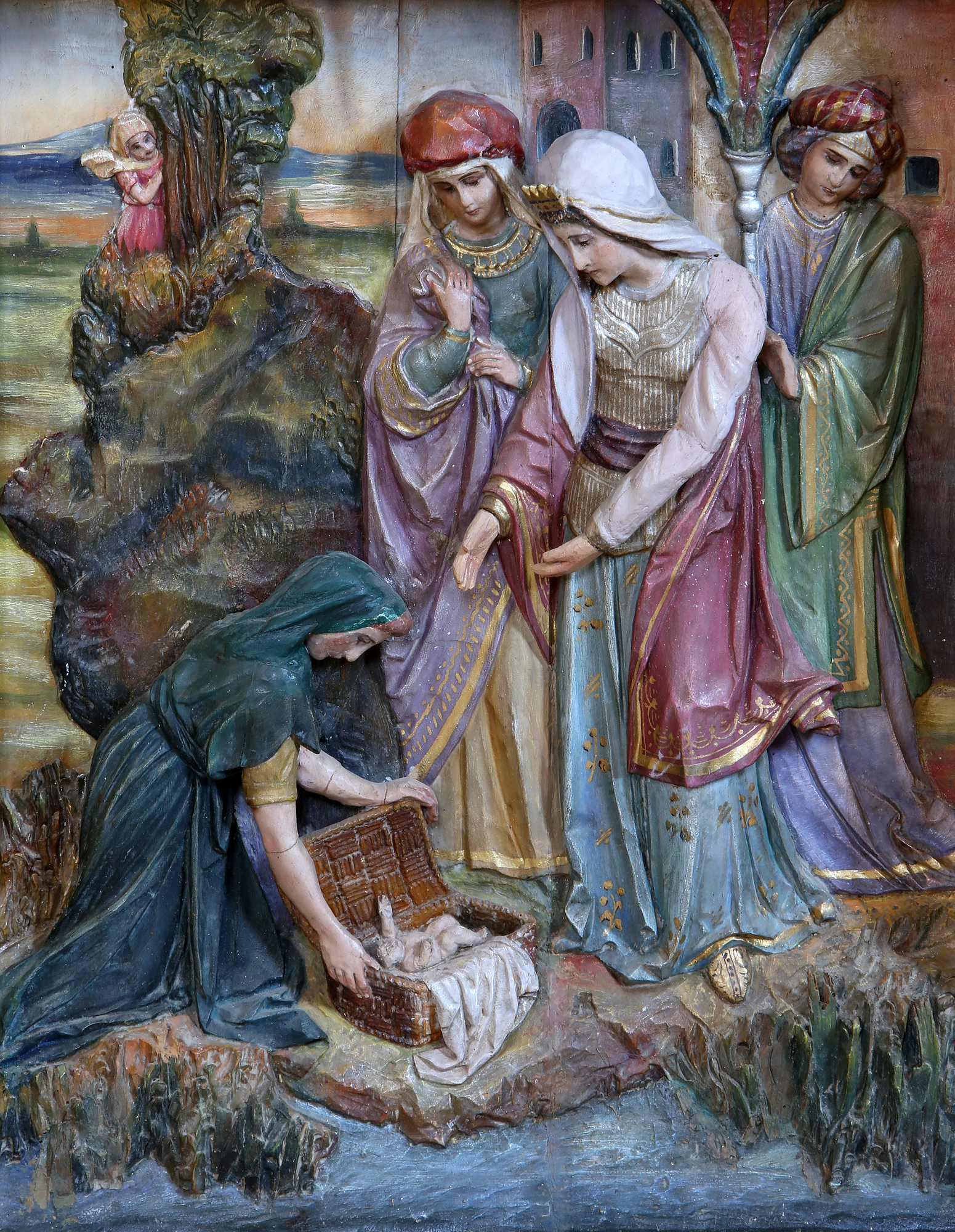
Pieter Lastman’s The Finding of Moses was one of several Old Masters stolen during a raid on a country house in Berkshire, England in 1999 — a meticulously planned overnight operation that targeted the collection of Lord Iveagh with a kind of professional focus that investigators found almost admiring in its precision. Some of the works were recovered years later through undercover police operations in London; others have never come back.
The art theft unit of the Metropolitan Police has cited this case repeatedly as evidence that organized networks, not opportunists, now run the more serious end of the stolen art trade.
The Lacemaker
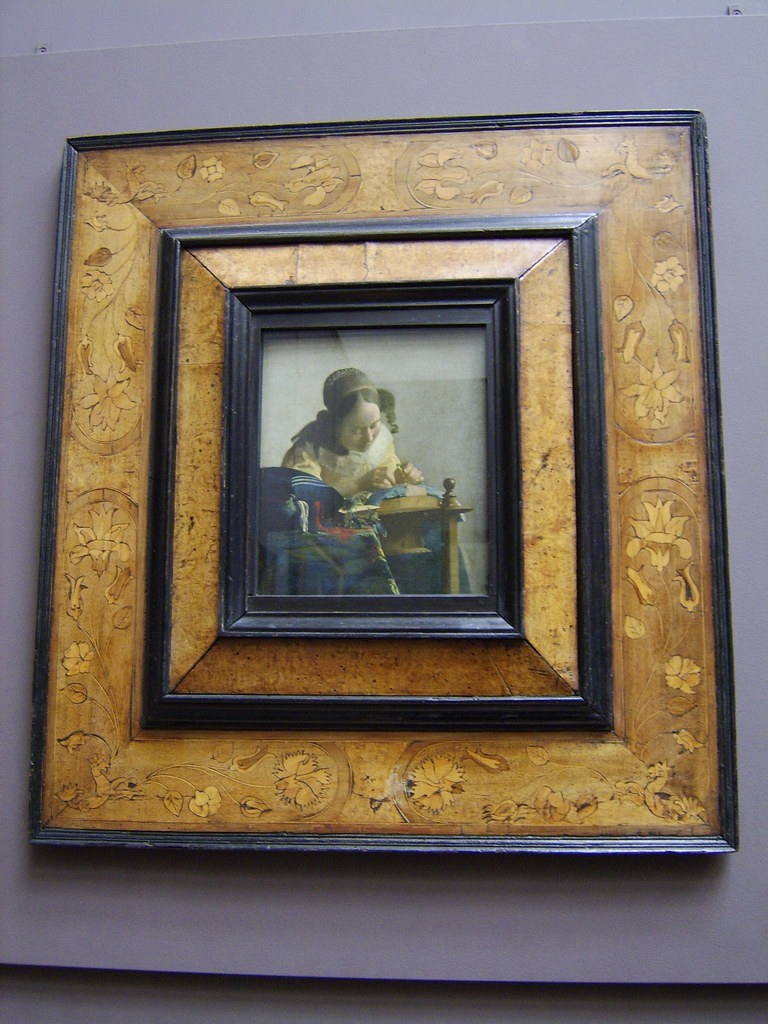
A copy of Vermeer’s The Lacemaker — confused for decades with the original held at the Louvre — was part of a collection involved in a restitution dispute that stretched across three countries and two continents. The legal history of looted European Jewish collections, of which this formed a thread, involves cases where works were sold under duress during Nazi occupation and technically transferred legally — which is one of those facts that is technically accurate and morally catastrophic at the same time.
Restitution proceedings in these cases are often still ongoing, decades after the original dispossession.
Still Life with Carafe
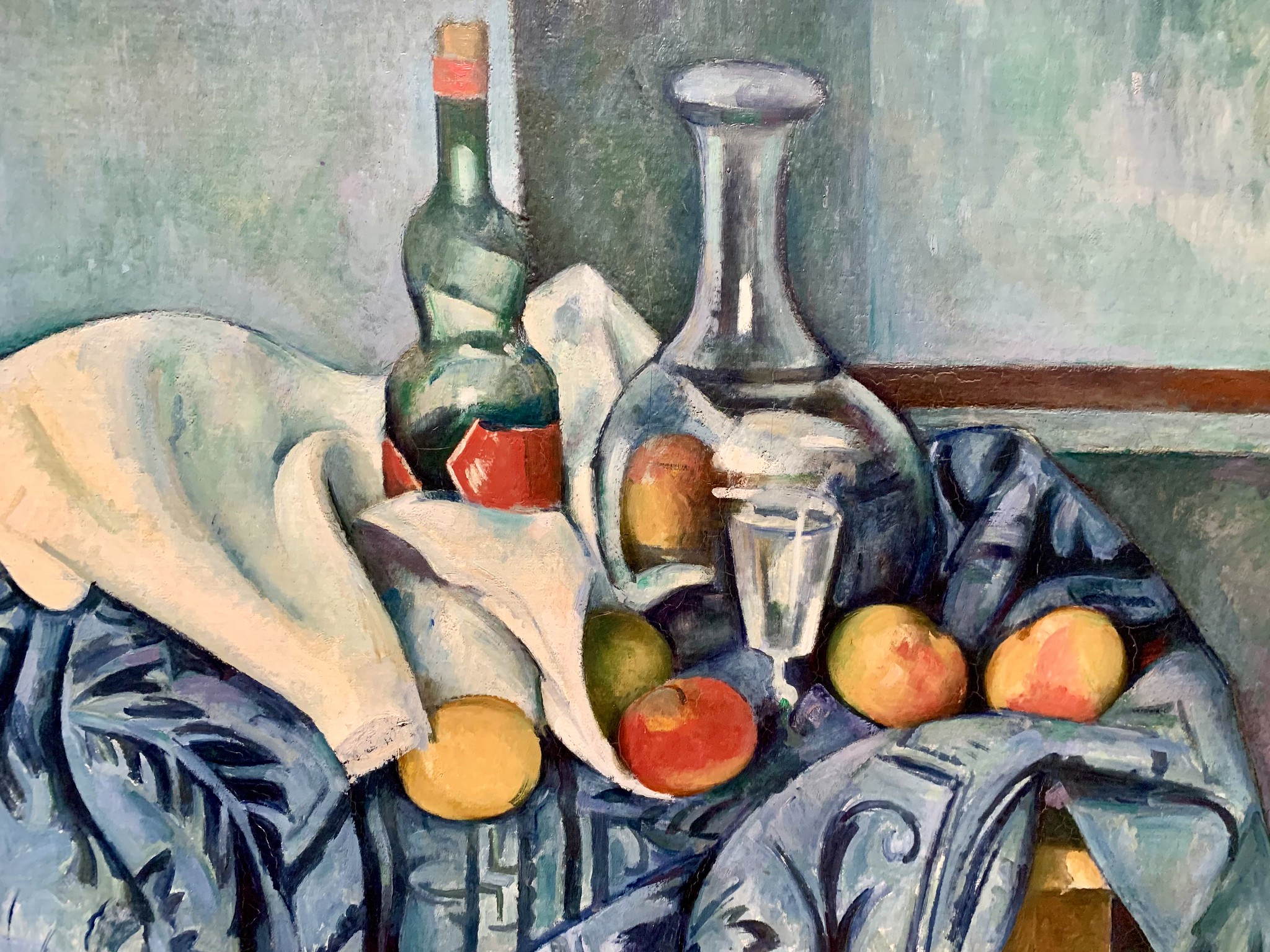
A work attributed to Courbet, Still Life with Carafe, was among dozens of paintings discovered in a Munich apartment in 2012 — the so-called Gurlitt Collection — belonging to Cornelius Gurlitt, son of a Nazi-era art dealer. The collection had been assembled largely through looting and forced sales, and discovering it prompted Germany to establish the Limbach Commission to adjudicate competing claims.
Some works have been returned to heirs; others remain in legal dispute. Gurlitt died in 2014, leaving the entire collection to a Swiss museum, which added another layer to a situation that was already several layers too many.
A Wheatfield with Crows

Van Gogh’s A Wheatfield with Crows wasn’t directly stolen, but a painting fraudulently presented as a lost van Gogh — with a fabricated provenance trail that fooled several experts — circulated through European auction houses in the 1990s before being exposed. The forgery case pointed at a wider problem: that the chaos of wartime displacement, destroyed records, and scattered heirs had created fertile ground for forgers to invent entire ownership histories for paintings that never existed as described.
The genuine Wheatfield with Crows hangs at the Van Gogh Museum in Amsterdam. The forgeries are harder to place.
The Lute Player
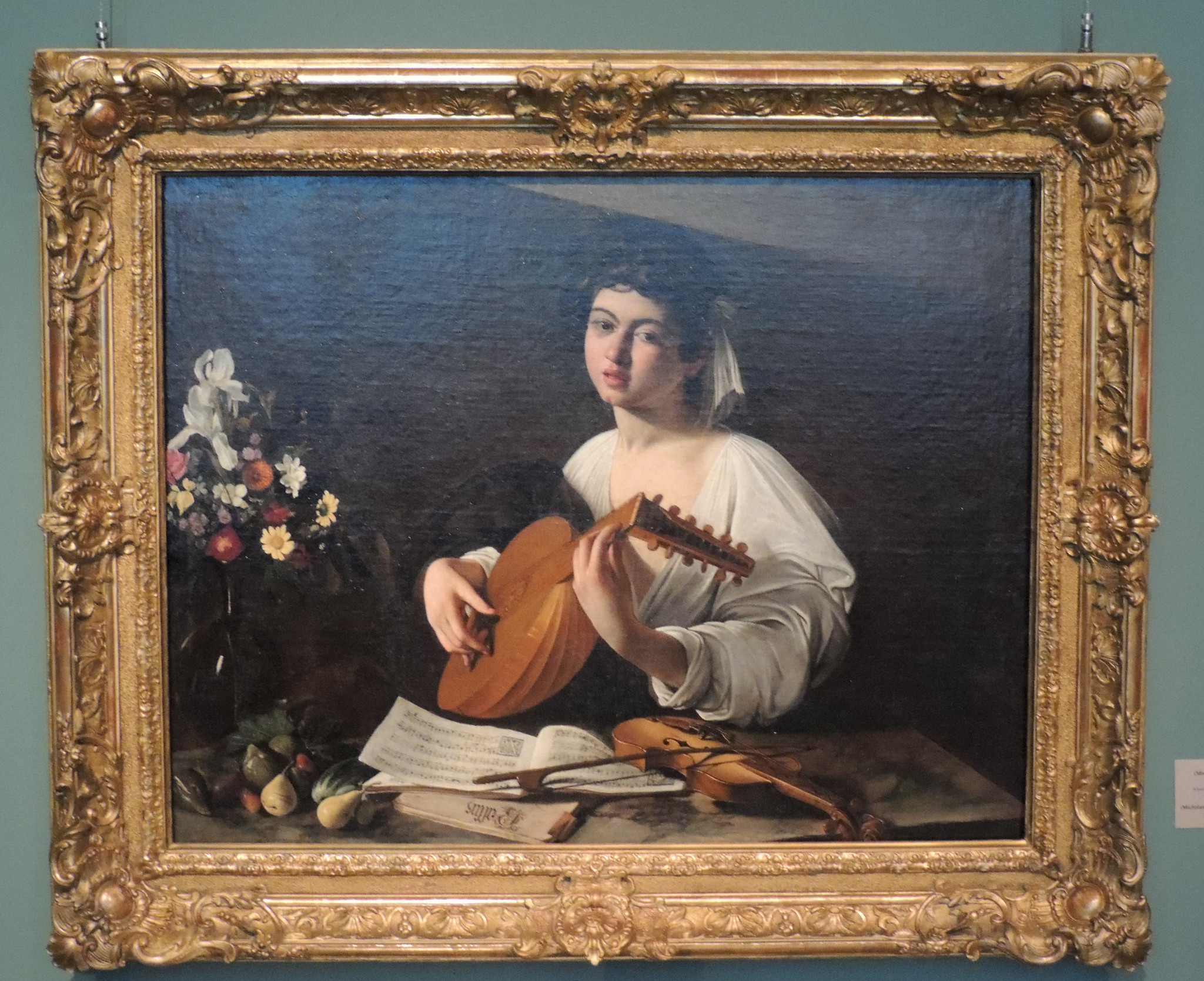
Caravaggio’s The Lute Player has multiple authenticated versions, which makes it one of the more peculiar cases in the missing-art conversation — because when a work went missing from a private Russian collection in the early 20th century, it was later replaced in the story by one of the other versions, and the exact chain of custody has been contested by scholars and collectors for decades. The version at the Hermitage is considered the finest; the one at the Metropolitan Museum of Art is considered nearly its equal.
Somewhere in the accounting, at least one Caravaggio lute player may be unaccounted for, and the trail has never been conclusively closed.
The Weight of Empty Frames

What most of these stories share isn’t drama — it’s duration. The thefts take minutes; the aftermath takes decades.
The Gardner Museum has held its reward open since 1997. Poland has been looking for the Raphael since 1939.
And somewhere, in a temperature-controlled room or a crumbling warehouse or possibly a very ordinary house, paintings that changed the course of art history are waiting with the patient indifference of objects that don’t need anyone to find them. They were made to outlast their makers, their owners, their thieves, and probably their investigators.
Whether or not they ever come home, they already have.
More from Go2Tutors!




