What’s Inside the World’s Toughest Safes?
The idea of the world’s most secure vaults has fascinated people for generations. From Hollywood heist films to urban legends about what billionaires store away from prying eyes, these fortified chambers represent the ultimate intersection of paranoia, wealth, and engineering brilliance.
But what actually sits behind those foot-thick steel doors and biometric scanners? Reality turns out to be both more mundane and more fascinating than fiction suggests.
Physical Cash and Currency

Most people assume digital banking has made physical money obsolete. Wrong assumption. The world’s most secure vaults still house staggering amounts of cold, hard cash. We’re talking pallets of currency that would make drug cartels jealous.
Central banks store billions in various denominations, not just for daily operations but as strategic reserves. When financial systems collapse or natural disasters strike, plastic cards become worthless paper. Physical currency remains king.
Gold Bullion and Precious Metals
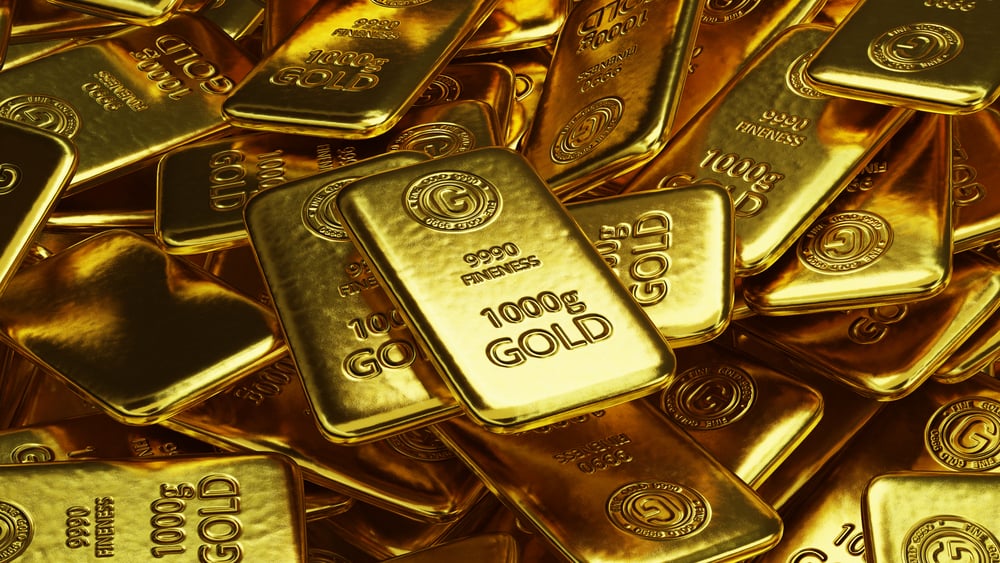
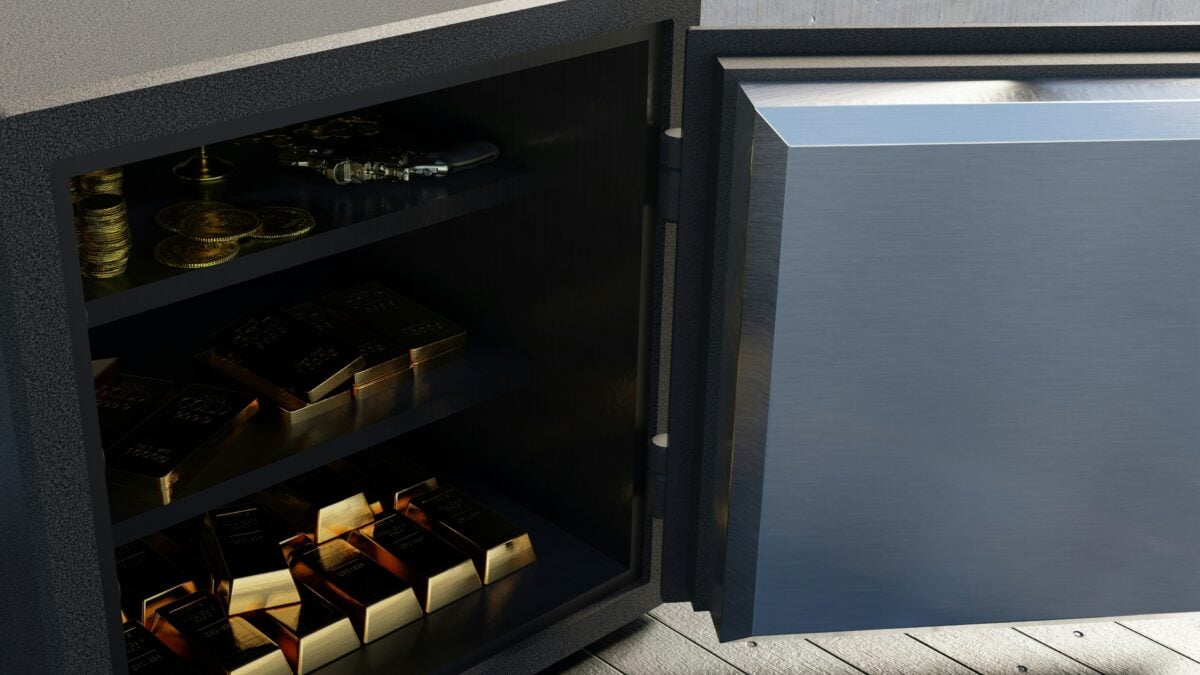
Fort Knox gets the headlines, but it’s far from alone. Private vaults across the globe house enough gold bars to sink small nations (and the paranoia of their owners often seems heavy enough to do the same).
The weight alone requires specialized storage systems — gold is dense enough that a briefcase-sized amount can weigh over 400 pounds, which means these vaults need reinforced flooring that could double as bunker foundations. But here’s what makes it interesting: much of this gold never moves.
It sits in the same spot for decades, changing ownership on paper while the bars themselves gather dust in climate-controlled chambers. Banks trade ownership of specific bars through documentation rather than physically moving tonnage around. So that gold bar might belong to six different entities over twenty years without budging an inch.
Bearer Bonds and Securities
Think of bearer bonds as the historical aristocrat of untraceable wealth — whoever physically held the certificate owned it, no questions asked, no names recorded. These elegant pieces of paper could represent millions in value while taking up less space than a magazine, which made them particularly attractive to people who preferred their assets both portable and anonymous.
However, U.S. bearer bonds were effectively phased out after 1982 through tax regulations, and most modern financial systems require identification for all securities transactions. While some vintage bearer bonds may exist in vaults as historical artifacts or collectibles, they are no longer actively issued or used in contemporary wealth storage.
Family Heirlooms and Jewelry
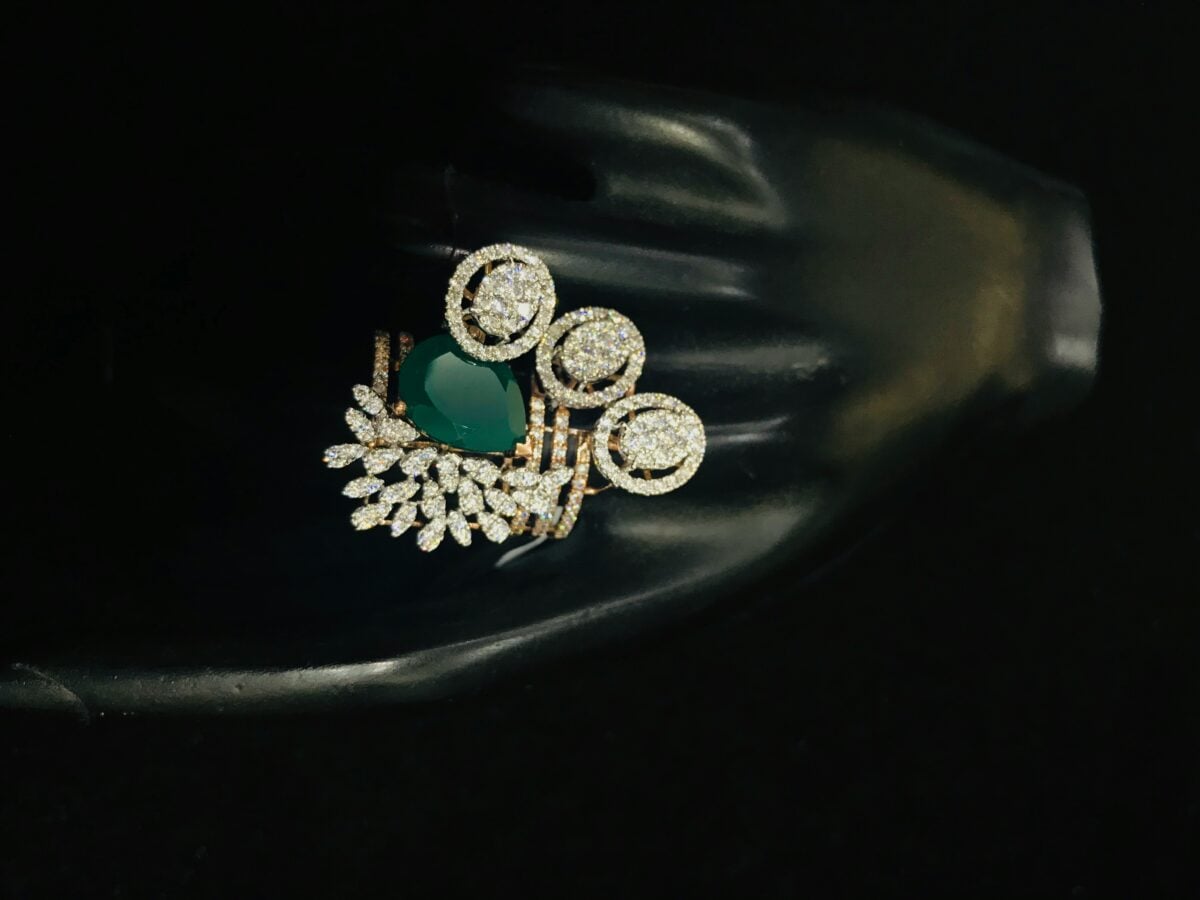
Rich families don’t just store money. They store history. Jewelry that belonged to great-grandmothers who escaped various wars with nothing but the diamonds sewn into their coat linings.
Wedding rings from marriages that shaped business empires or political dynasties. The stories behind these pieces matter more than their monetary value — though the monetary value is nothing to dismiss.
A single necklace might represent both the founding of a family fortune and enough money to buy a small country’s annual GDP.
Art and Collectibles

Some of the world’s most famous paintings haven’t been seen by human eyes in decades. They sit in climate-controlled darkness, their ownership too complicated or controversial for public display.
Stolen art, disputed inheritances, works too valuable to insure for museum exhibition — the reasons vary, but the result stays the same. Beyond paintings, these vaults house everything from vintage wine collections worth millions to first-edition books, rare stamps, and collectibles that would make auction houses weep with envy.
One vault reportedly contains an entire collection of vintage guitars that belonged to dead rock stars — instruments worth more than most people’s houses, stored in perfect humidity conditions and never played.
Legal Documents and Contracts

Paper still rules the world, despite what technology evangelists claim (and the lawyers charging $1,000 per hour to draft these documents would certainly agree). Original contracts, deeds, wills, and legal agreements that govern billion-dollar enterprises sit in fireproof filing systems that cost more than luxury cars.
These aren’t photocopies or digital scans — they’re the actual documents with original signatures and official seals that courts recognize as binding. Some of these papers control mineral rights spanning continents.
Others establish trust funds that won’t mature for generations. A few determine who inherits business empires when patriarchs finally die.
The paper looks ordinary; the power it represents shapes economies. And then there are the documents people hope never see daylight: settlement agreements, non-disclosure contracts, evidence of transactions that all parties prefer to forget.
These papers don’t control wealth so much as protect it from destruction.
Personal Data and Records

The wealthy collect information the way others collect coins. Private investigators’ reports, background checks on business partners, medical records, psychological evaluations, financial records of enemies and allies alike — all stored in vaults that make government intelligence agencies look careless with security.
This isn’t paranoia; it’s strategy. When your decisions affect thousands of employees and billions in assets, knowing which business partner has gambling debts or which competitor’s marriage is falling apart becomes valuable intelligence.
Cryptocurrency Hardware Wallets

Digital currency needs physical storage, which creates an interesting paradox. The world’s most high-tech financial instruments often live on devices that look like USB drives, locked away in vaults that could survive nuclear attacks.
One small hardware wallet might contain access to hundreds of millions in Bitcoin or Ethereum. The security here is layered: physical protection for the device, encryption for the data, and backup systems that would make government agencies proud.
Lose the device and the access codes, and the money vanishes into the digital void forever.
Emergency Supplies and Contingency Plans

When you control serious wealth, you plan for serious disasters. These vaults don’t just store assets; they store survival.
Emergency communications equipment, medical supplies, food that stays edible for decades, water purification systems — the works. Some installations include living quarters designed for extended stays.
When society collapses, the theory goes, having access to your wealth won’t matter if you’re dead. Better to wait out the chaos from inside a vault that could double as a luxury bunker.
Biological Samples and Medical Records

This gets weird, but wealthy families sometimes store biological material — blood samples, DNA, tissue samples — for future medical procedures that don’t exist yet. The idea being that tomorrow’s medical breakthroughs might need today’s biological material to work properly.
Medical records join the biological samples: complete health histories, genetic analyses, psychological evaluations. Information that could be valuable for future treatments or, more cynically, information that could be devastating if it became public.
Intelligence and Corporate Espionage Material
Companies and wealthy individuals collect intelligence on competitors, enemies, and even allies. Corporate espionage produces documents, recordings, photographs, and digital files that need secure storage away from prying eyes and legal discovery processes.
This material ranges from legitimately obtained competitive intelligence to information that crossed legal lines to acquire. Either way, it sits in vaults protected by layers of security that would impress foreign governments.
Trust Documents and Inheritance Materials

Multi-generational wealth requires multi-generational planning. Trust documents that won’t activate for decades, inheritance instructions that span multiple countries’ legal systems, succession plans for business empires — all stored in vaults designed to outlast their creators by generations.
These aren’t simple wills; they’re complex legal structures designed to move wealth across time while avoiding taxes, family disputes, and government interference. Some trust documents contain instructions that won’t be executed until grandchildren who haven’t been born yet reach middle age.
Historical Artifacts and Documents
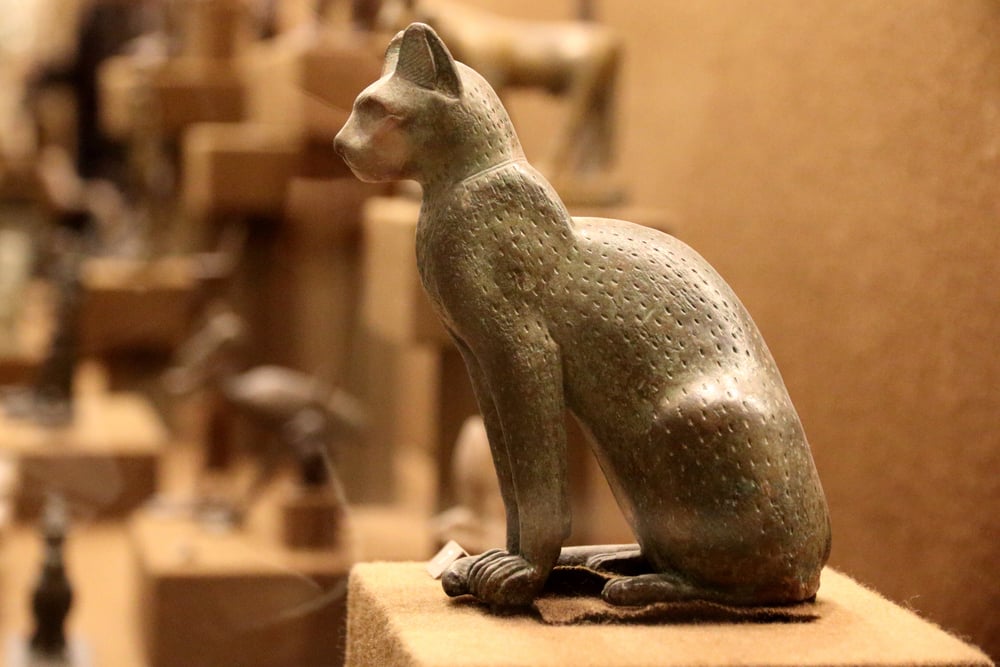
Private collectors compete with museums for historical artifacts, and they often win. Original documents signed by historical figures, artifacts from ancient civilizations, items that belonged to famous people — all locked away in private vaults where only their owners can appreciate them.
The historical value sometimes exceeds the monetary value, which is saying something when the monetary value reaches eight figures. But for collectors, owning a piece of history matters more than owning a piece of financial instrument.
The Weight of Secrets
Walking through the world’s most secure vaults would feel like touring the private fears and obsessions of the ultra-wealthy. Every item represents not just value, but anxiety — anxiety about losing wealth, about family disputes, about government seizure, about social collapse, about being forgotten by history.
These vaults don’t just store assets; they store the psychological weight of having too much to lose. The real question isn’t what’s inside these fortresses, but what kind of life requires building such elaborate defenses against the world outside.
More from Go2Tutors!

- The Romanov Crown Jewels and Their Tragic Fate
- 13 Historical Mysteries That Science Still Can’t Solve
- Famous Hoaxes That Fooled the World for Years
- 15 Child Stars with Tragic Adult Lives
- 16 Famous Jewelry Pieces in History
Like Go2Tutors’s content? Follow us on MSN.



